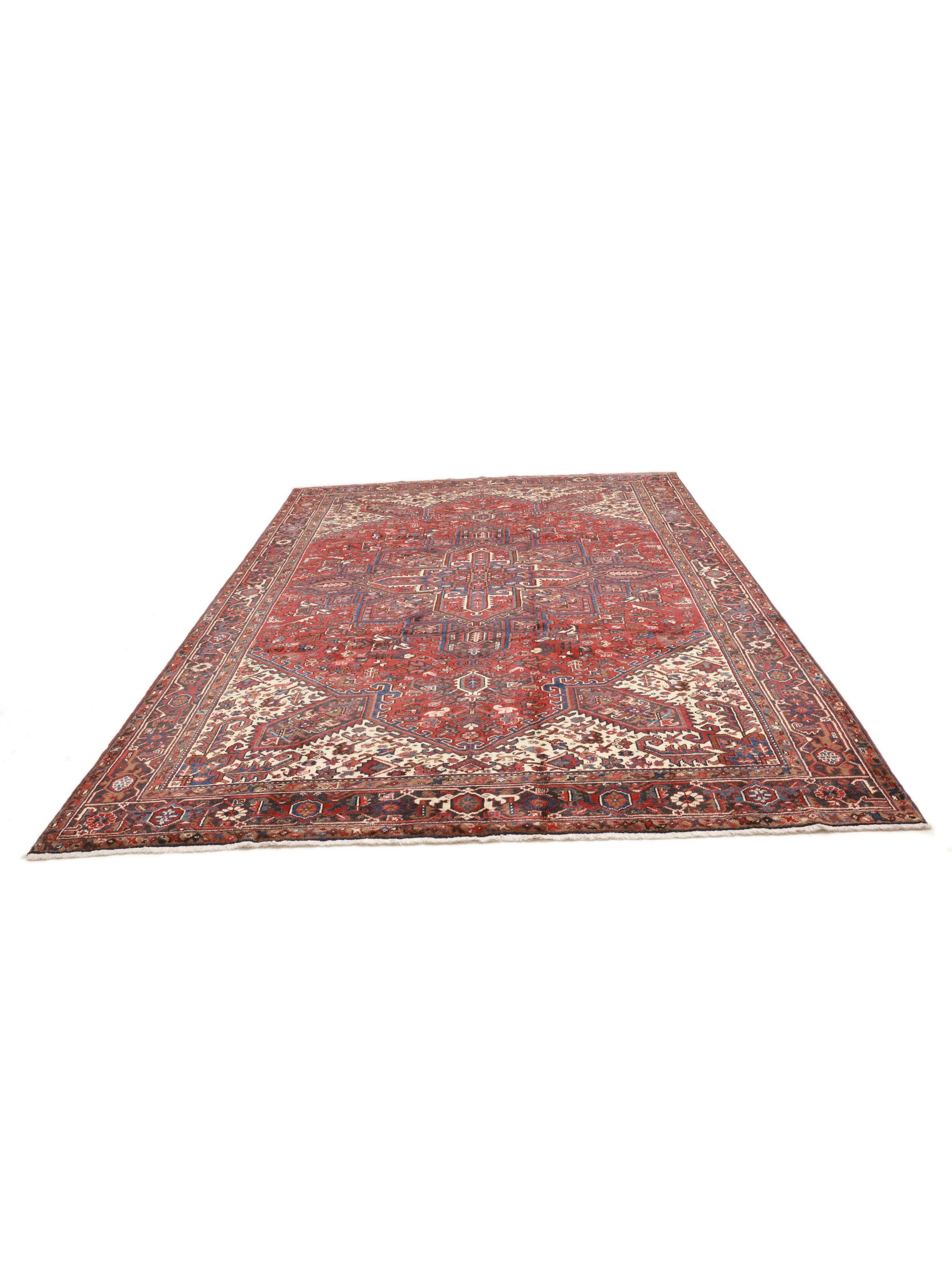
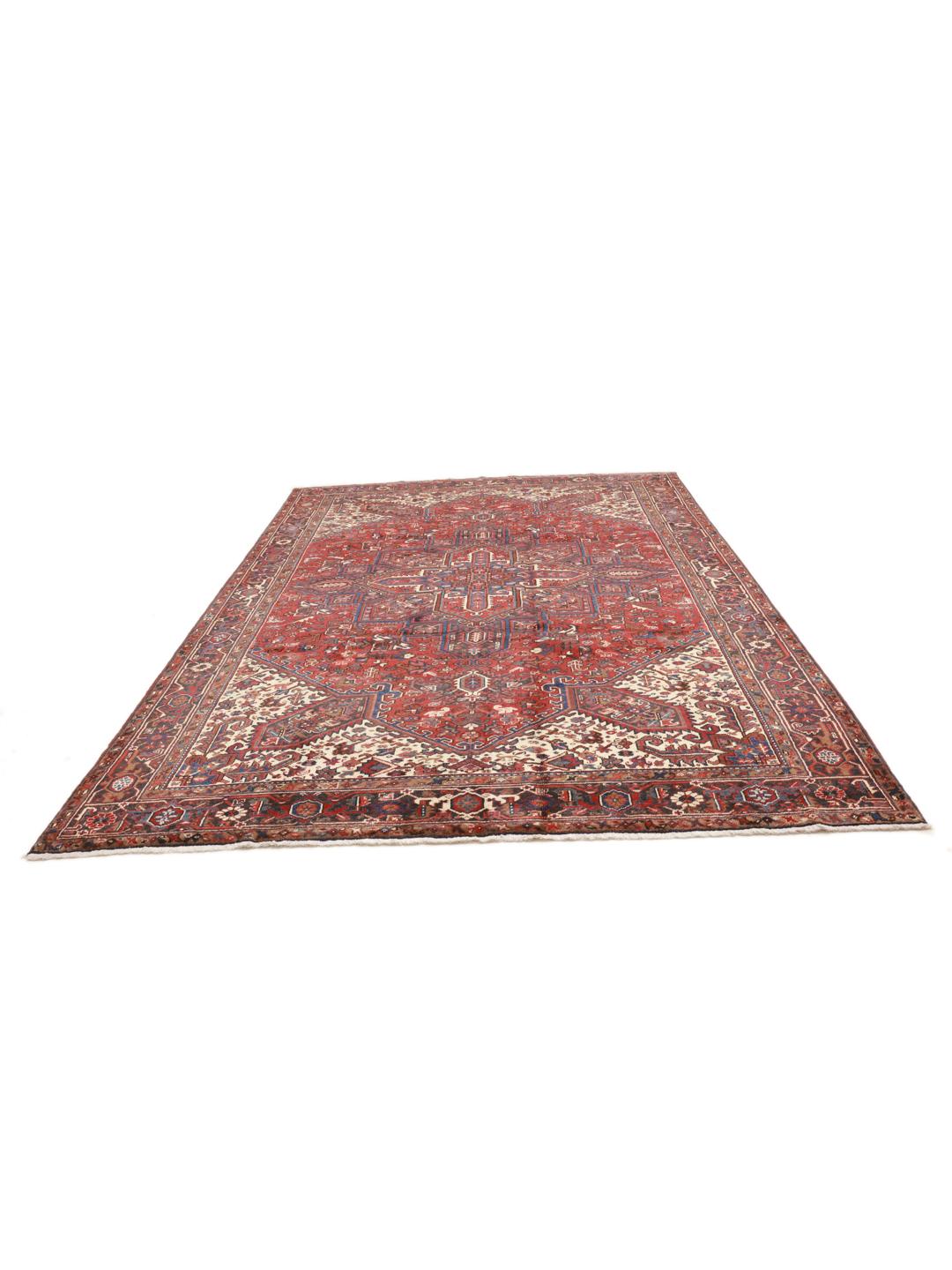
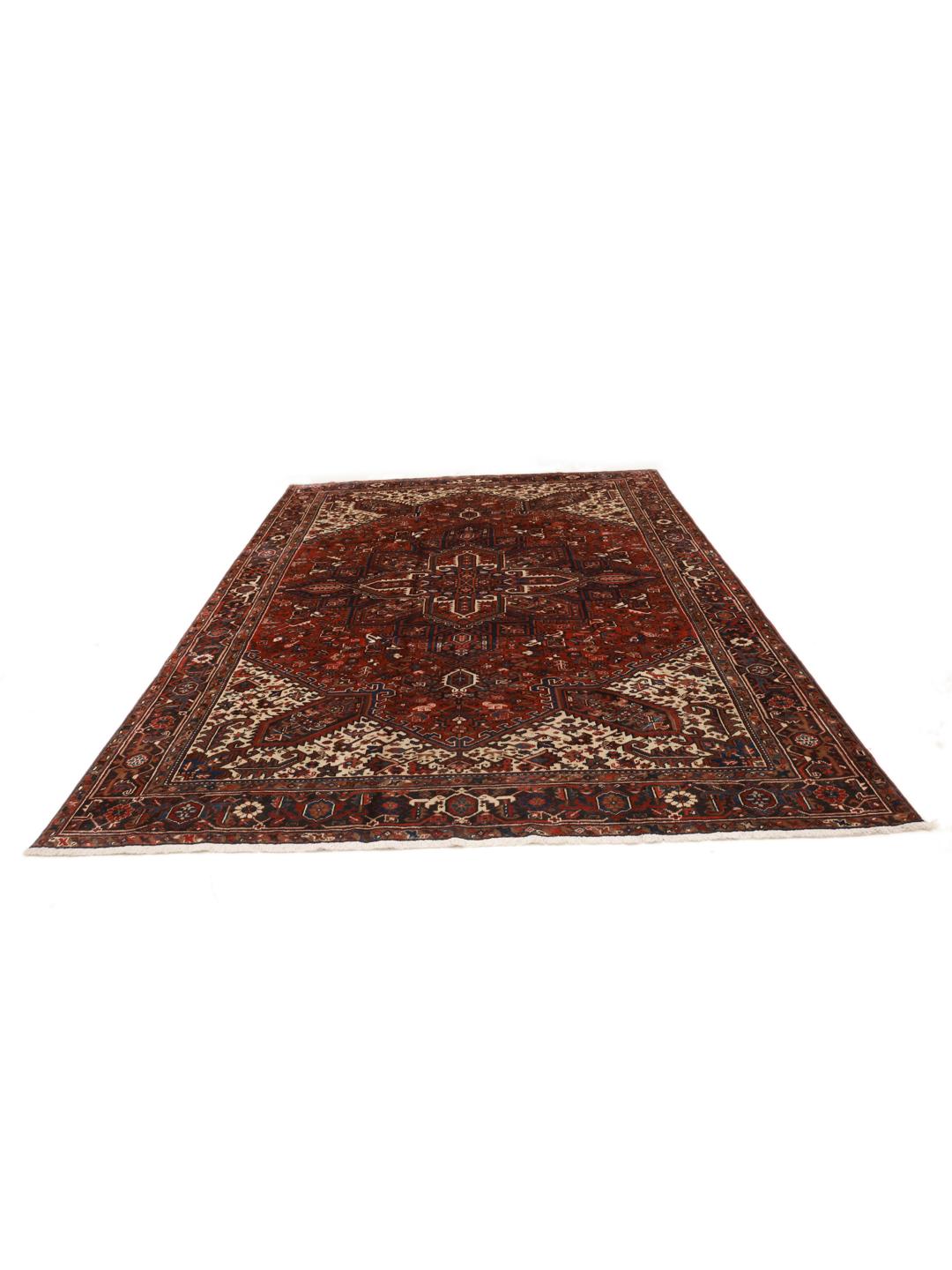
Heriz rugs originate from a village located in the mountainous region of the Middle East, near the city of Tabriz. This area is famous for its long-standing tradition of weaving rugs that are as durable as they are beautiful, often designed to last for generations. The harsh, rugged landscape of the region has historically influenced the bold and sturdy nature of these pieces.
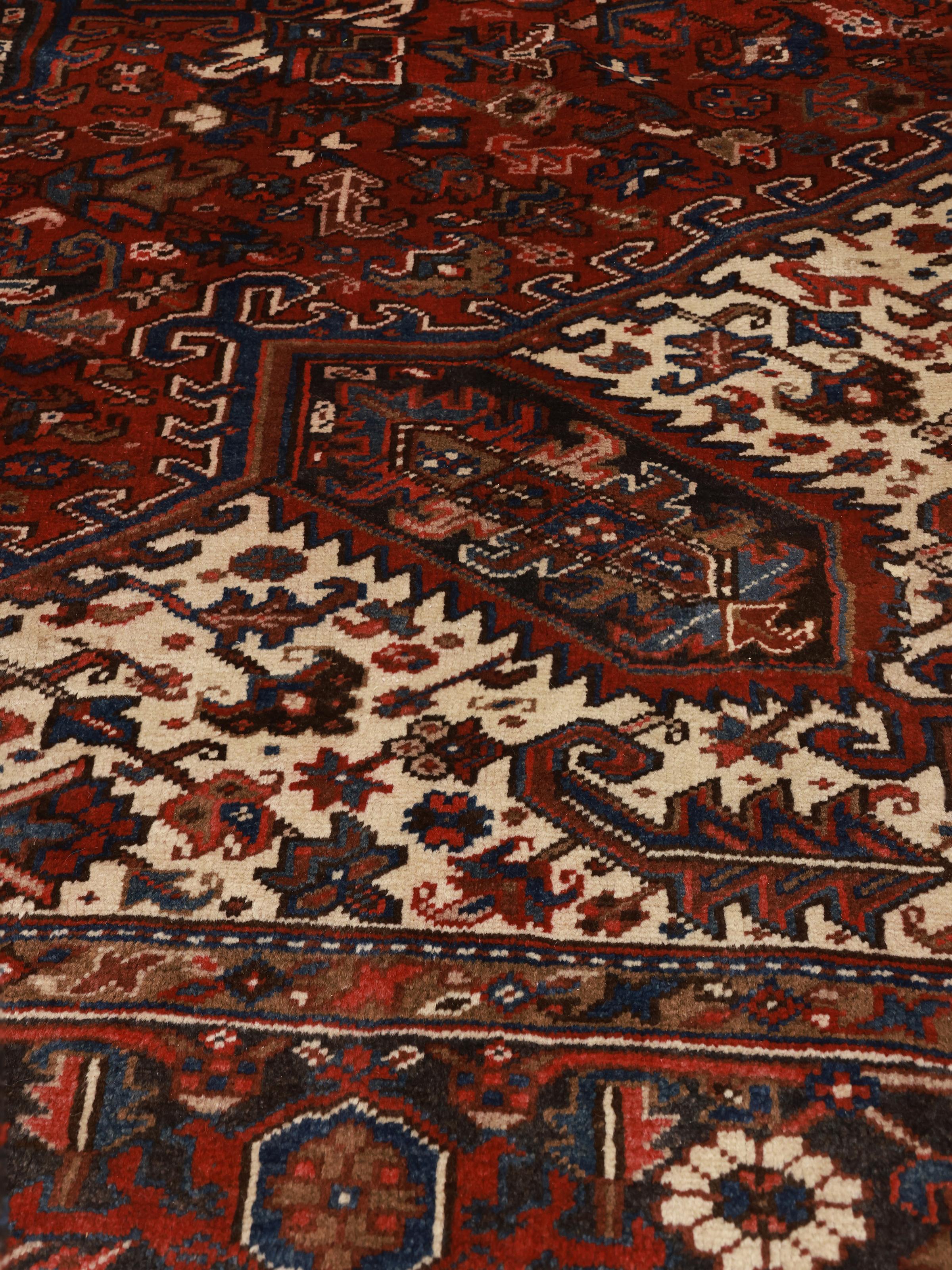
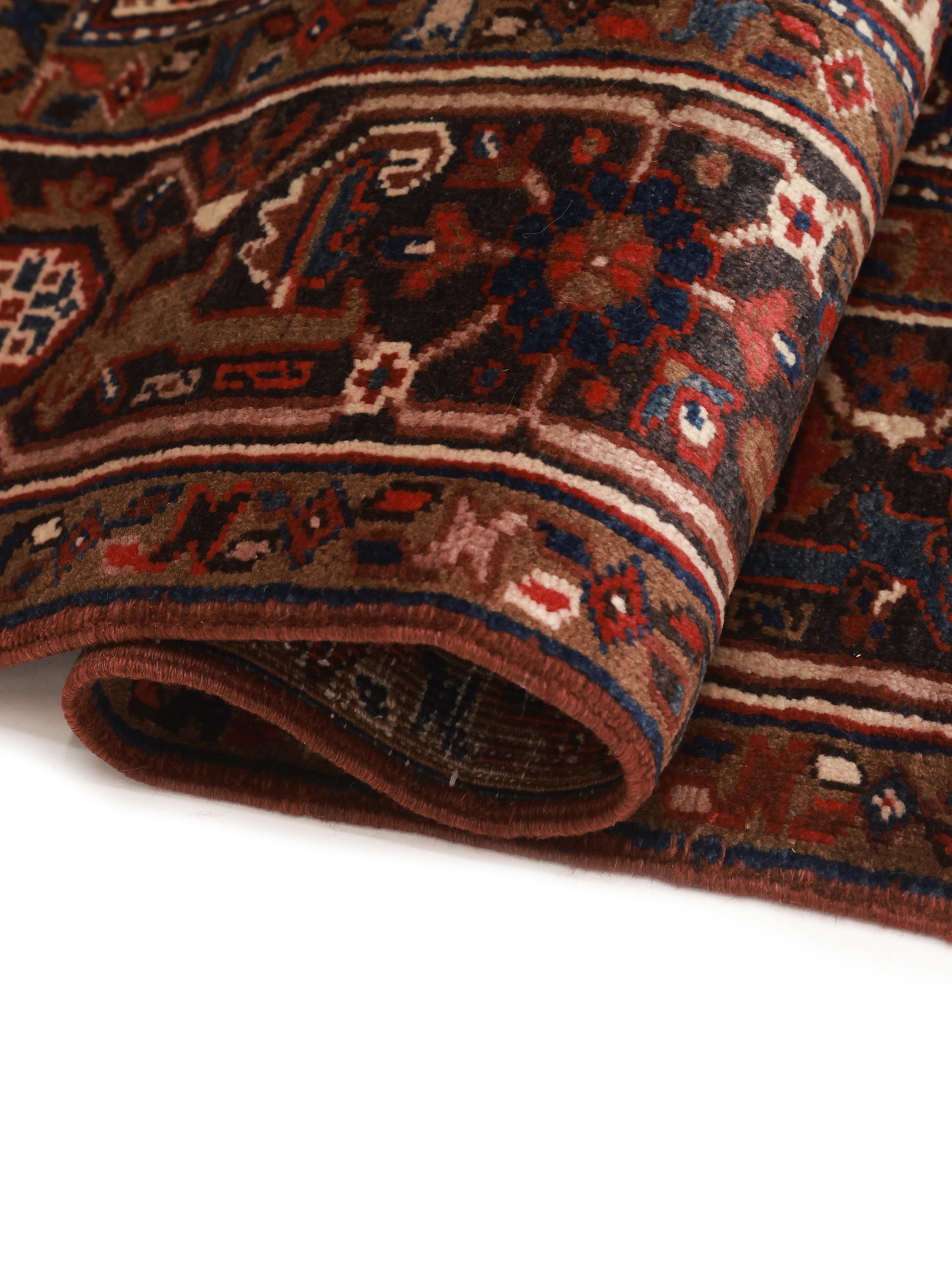
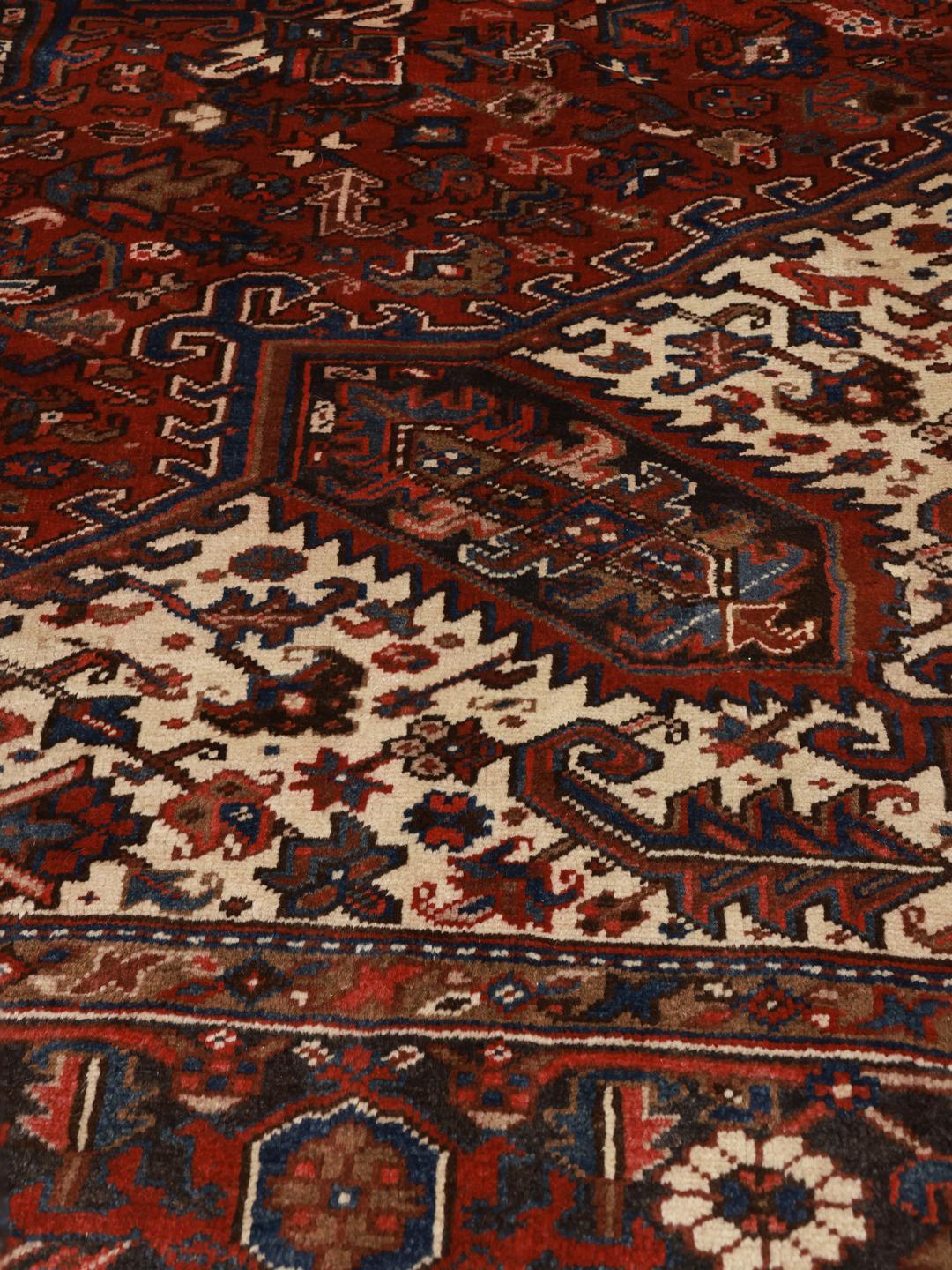
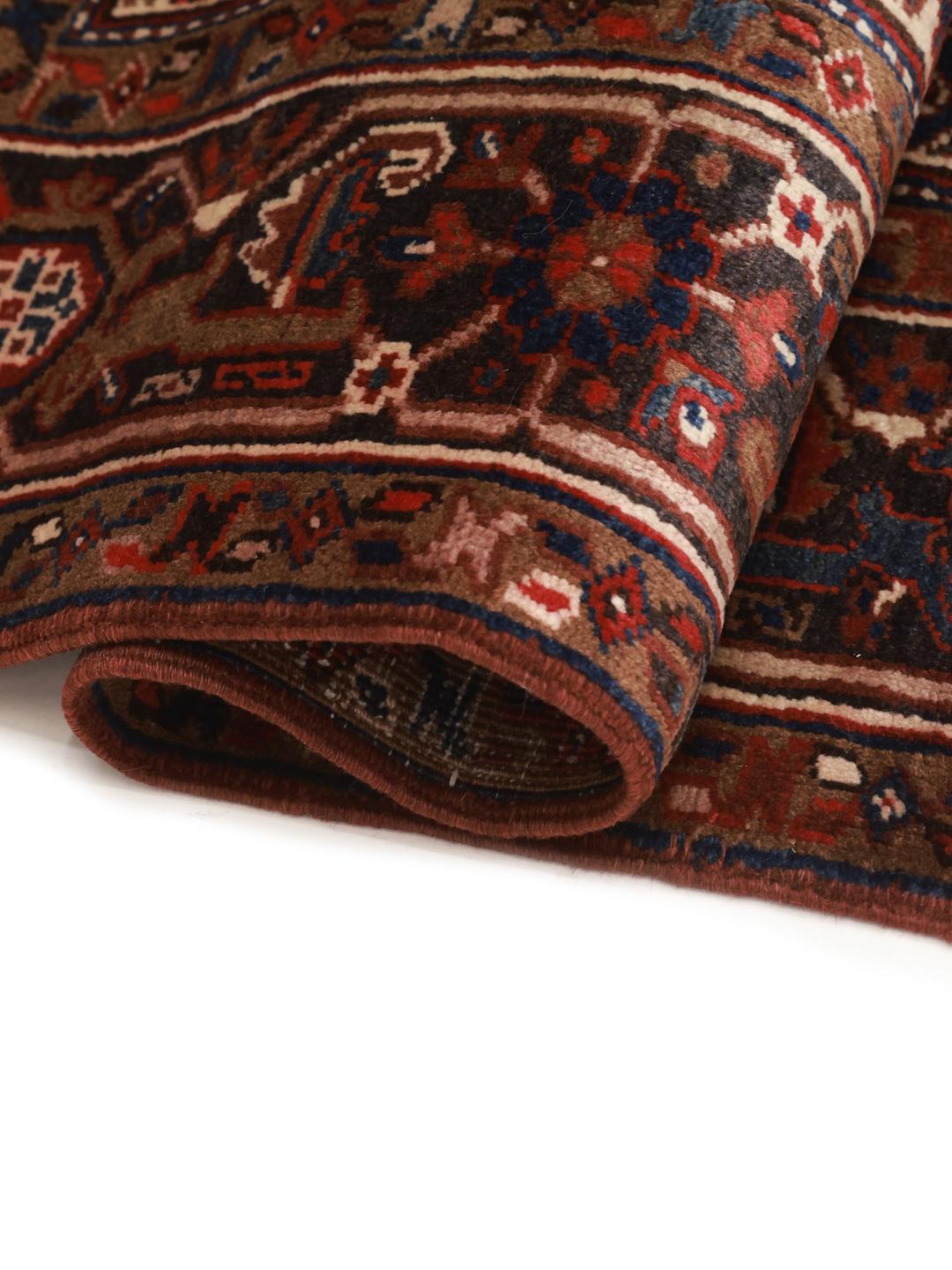
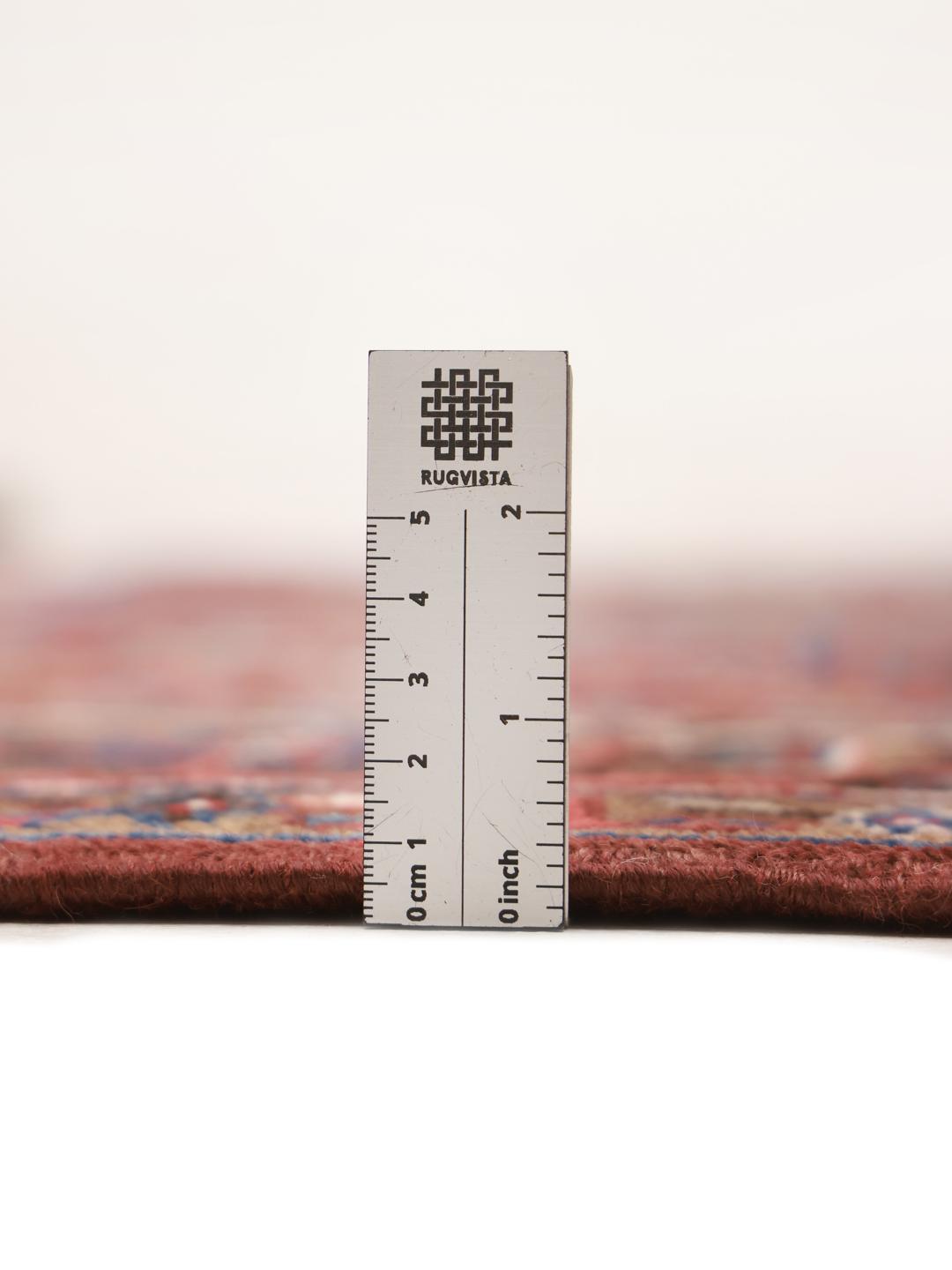
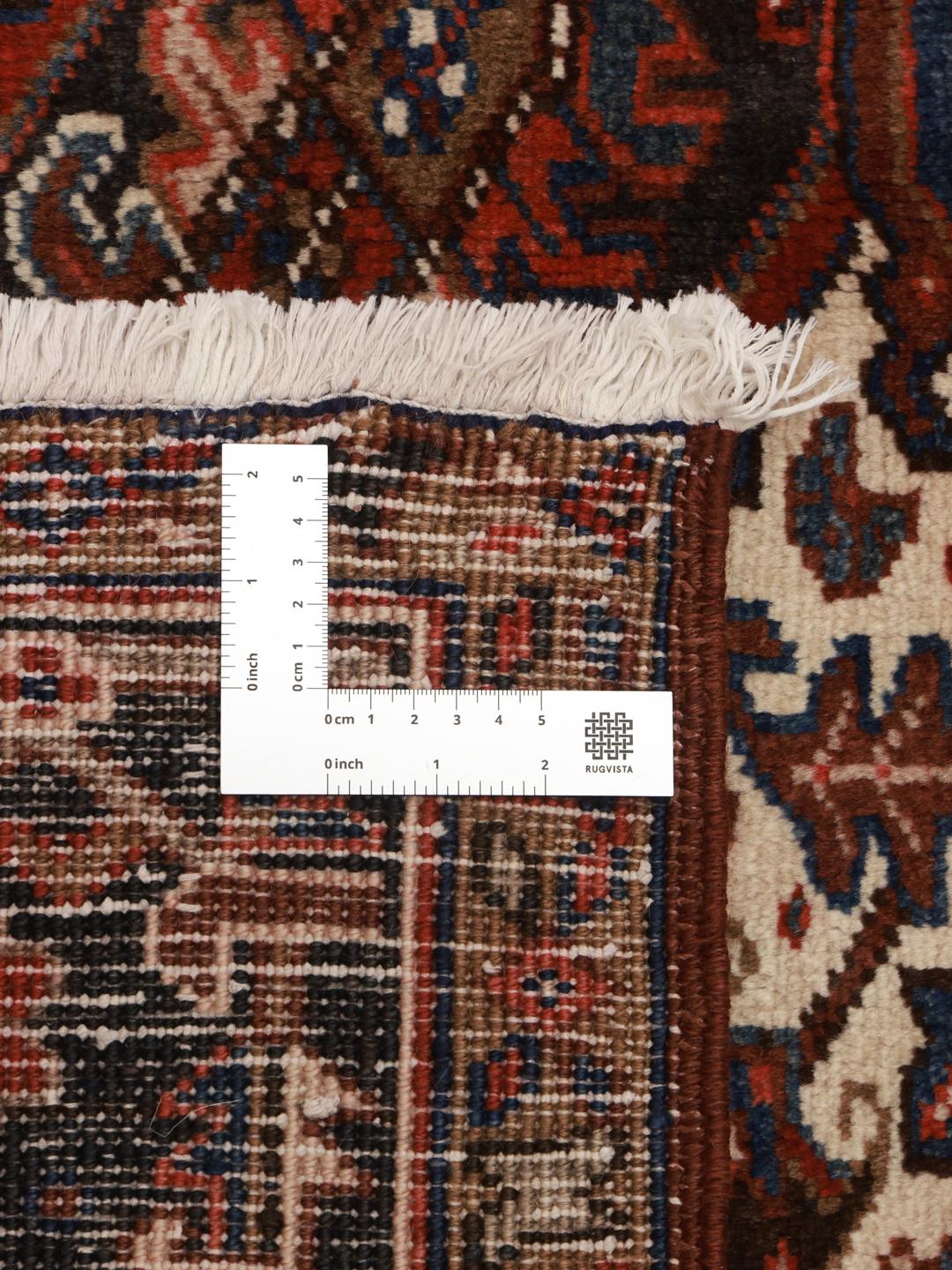
The construction of a Heriz rug is defined by its robust foundation and high-quality Wool. These rugs are known for their resilience, which is achieved through a specific approach to knotting that creates a firm, dense pile. This structure is intended to handle the wear of daily life, making them some of the most enduring floor coverings produced in the region.
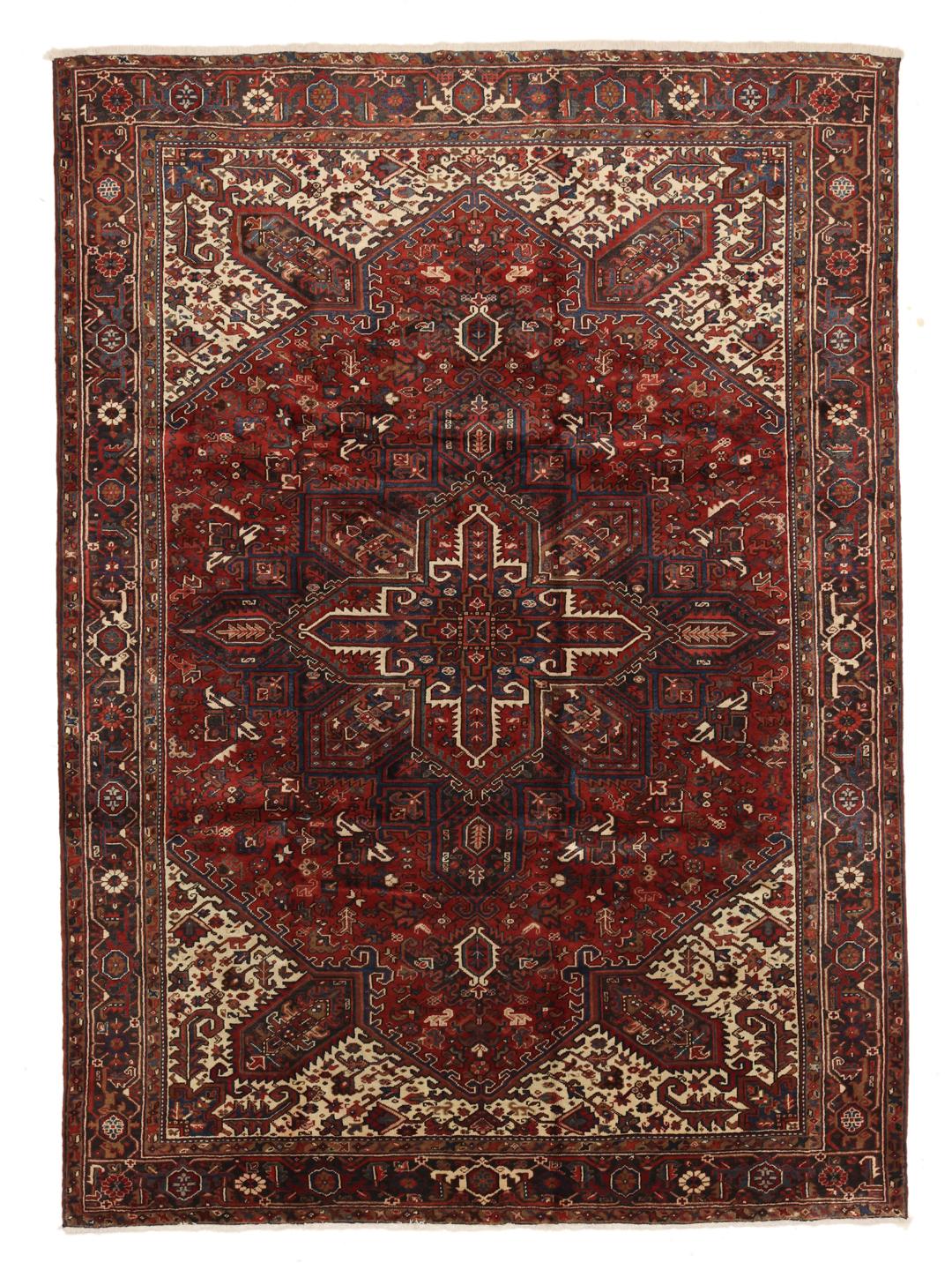
Visually, these rugs are instantly recognisable for their large, striking medallion designs and geometric motifs. While many rugs from the region favour intricate, flowing floral patterns, the Heriz style leans into a more angular and graphic aesthetic. The borders are often broad and formal, framing the central field with bold, repeating patterns that command attention.
Collectors value Heriz rugs for their unique balance of rustic charm and sophisticated artistry. Owning one is considered an investment in cultural heritage, representing a level of skill and tradition that remains highly sought after. These rugs are not merely floor coverings, they are historical artefacts that bring a sense of history and permanence to any interior.