Heriz rugs originate from the Northwest region of the Middle East, a famous weaving hub situated near Mount Sabalan. Historically woven in small villages surrounding the town of Heris, these rugs gained widespread recognition for their robust construction and bold visual language, standing out from the more fluid, floral designs typical of city workshops.
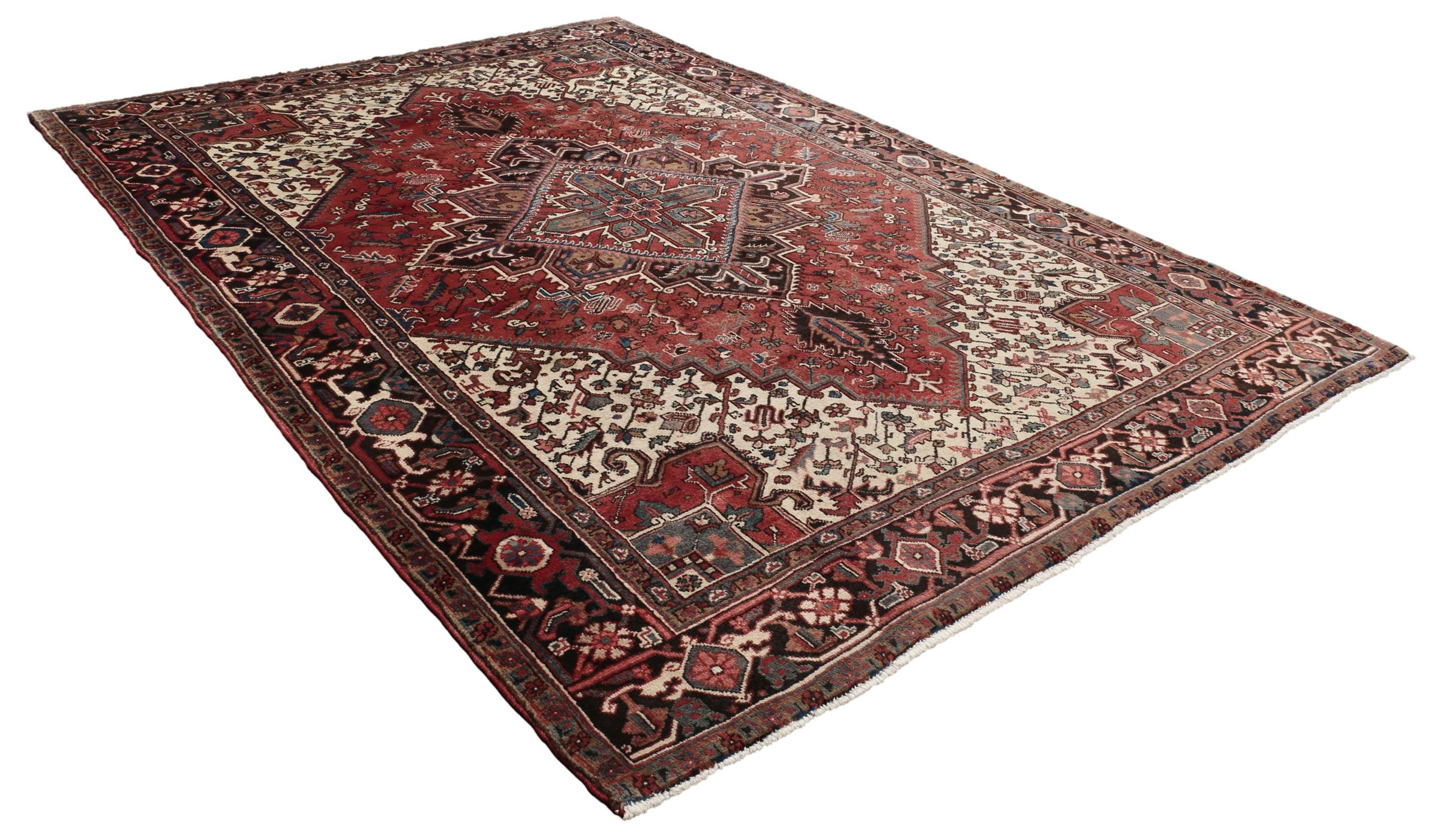
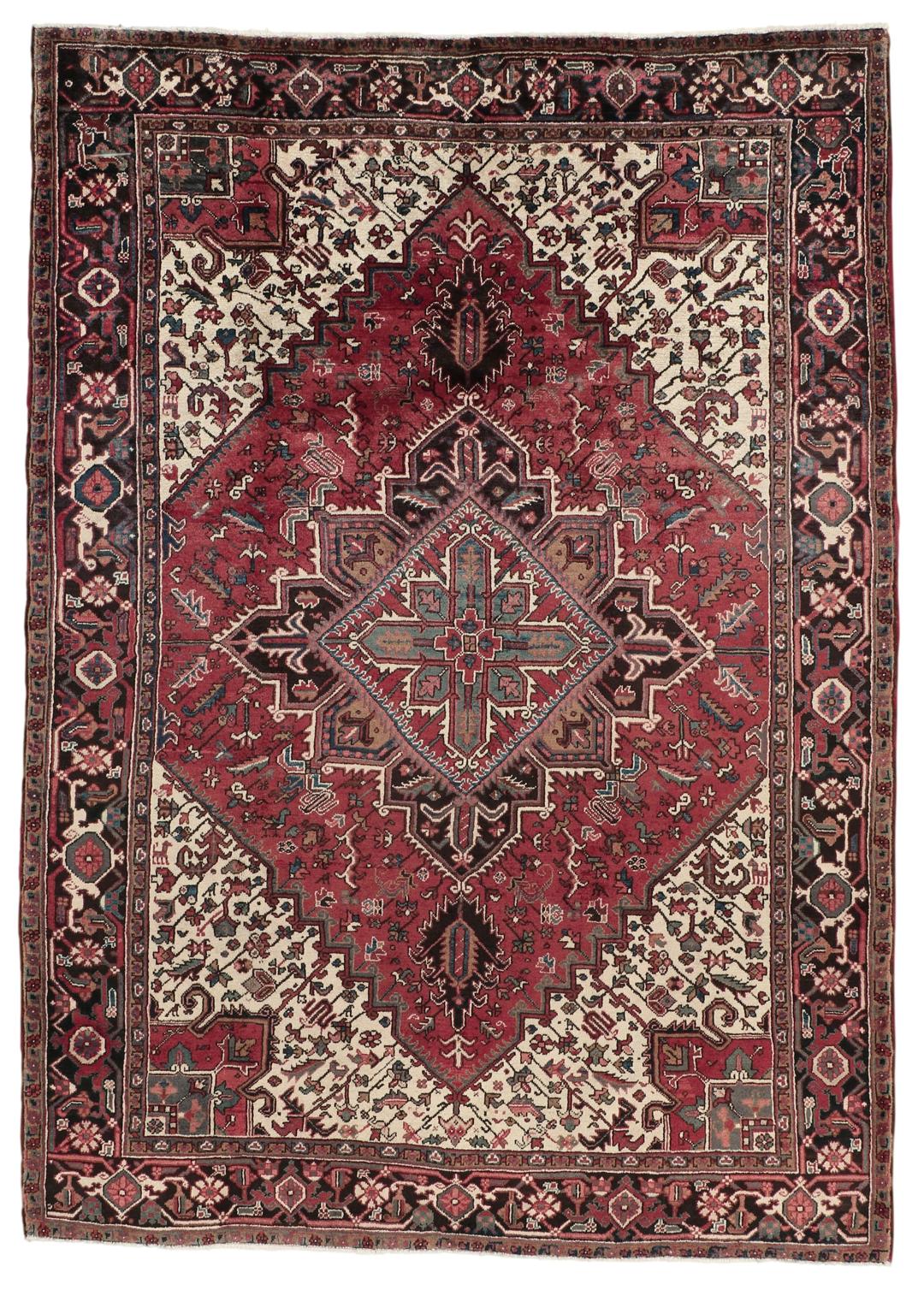
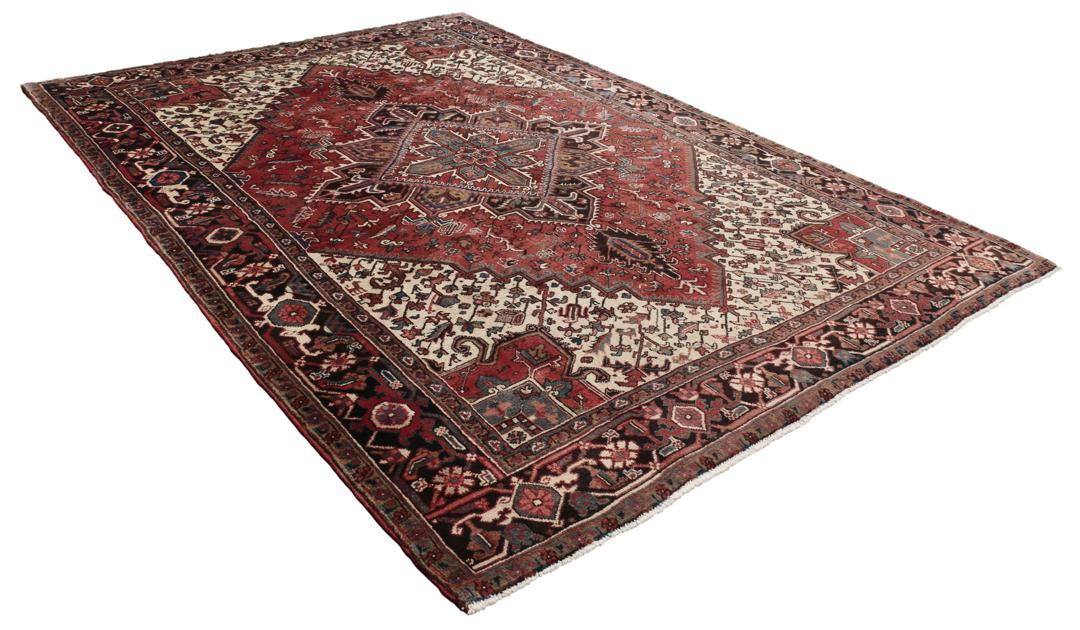
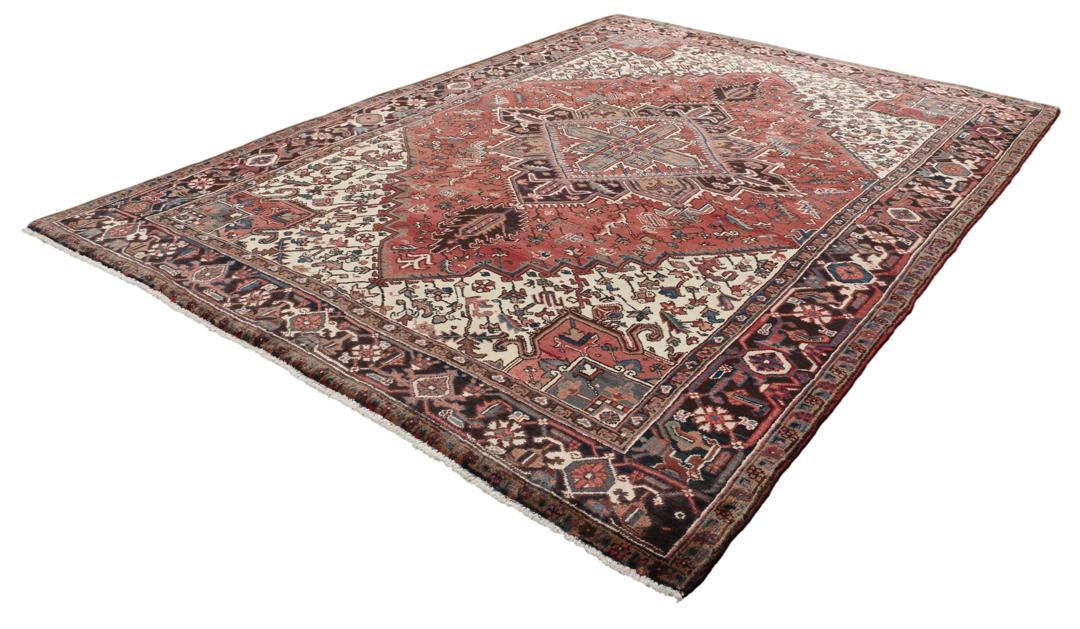
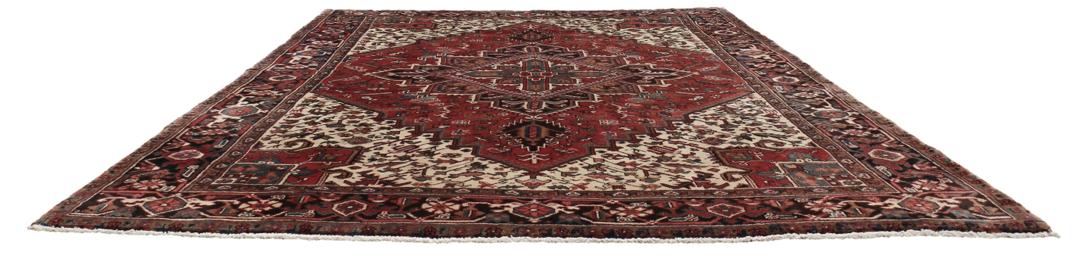
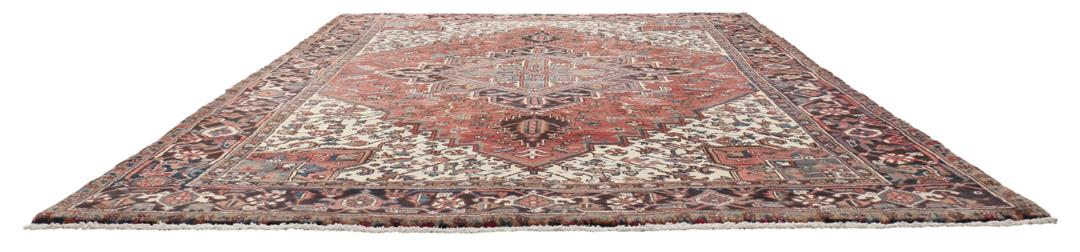
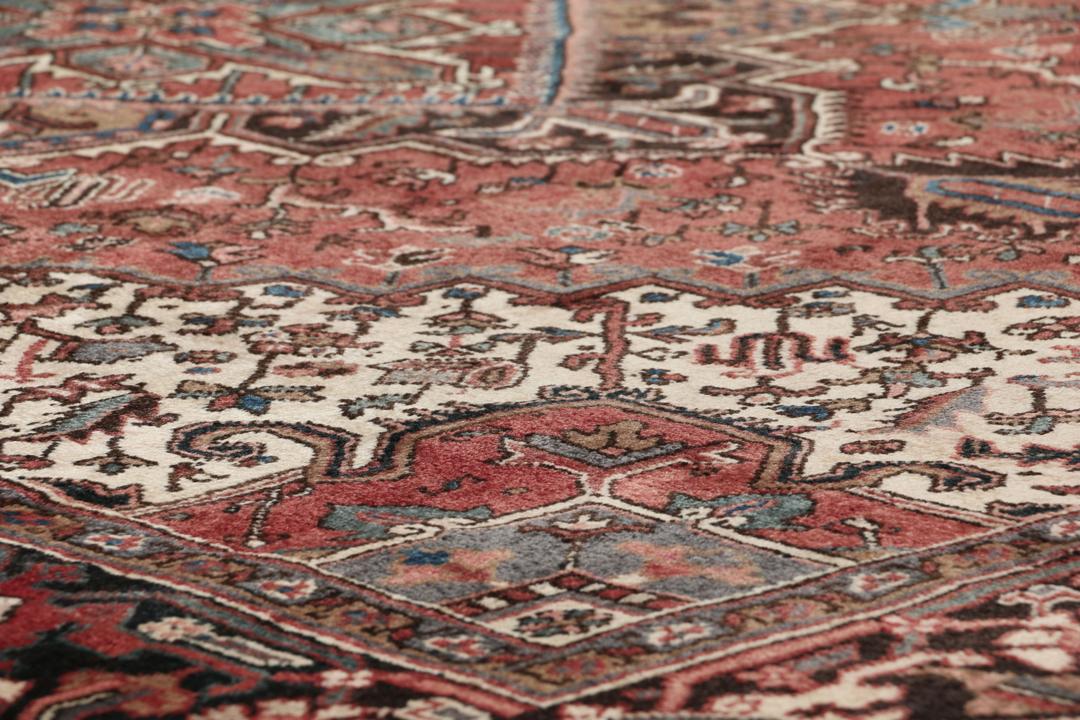
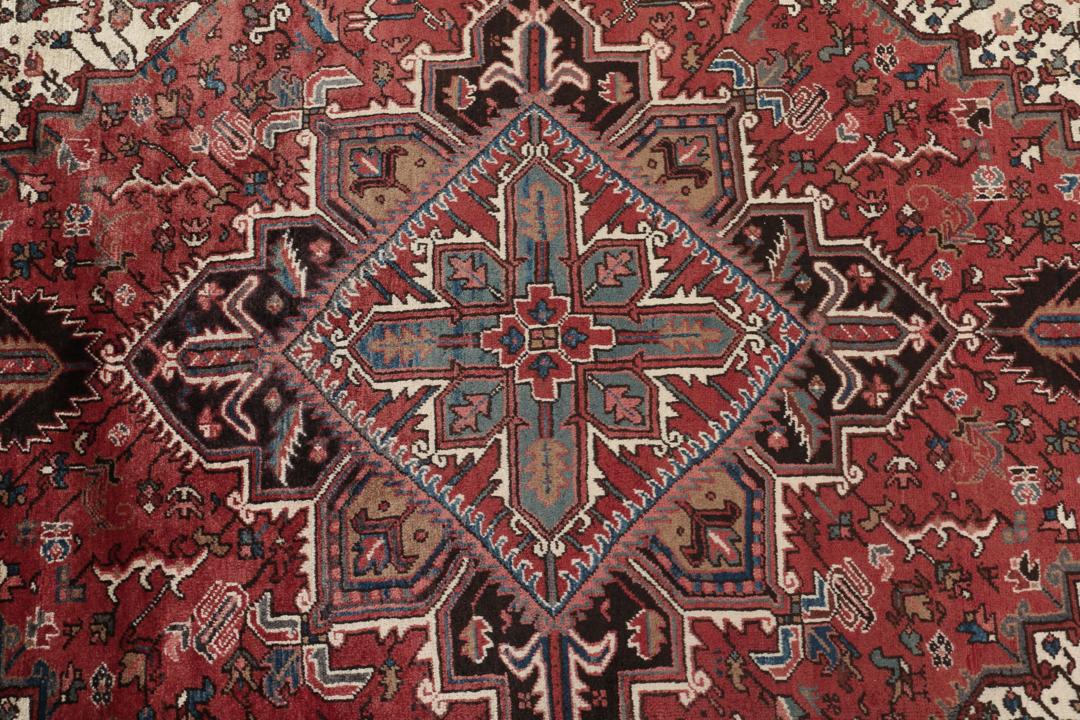
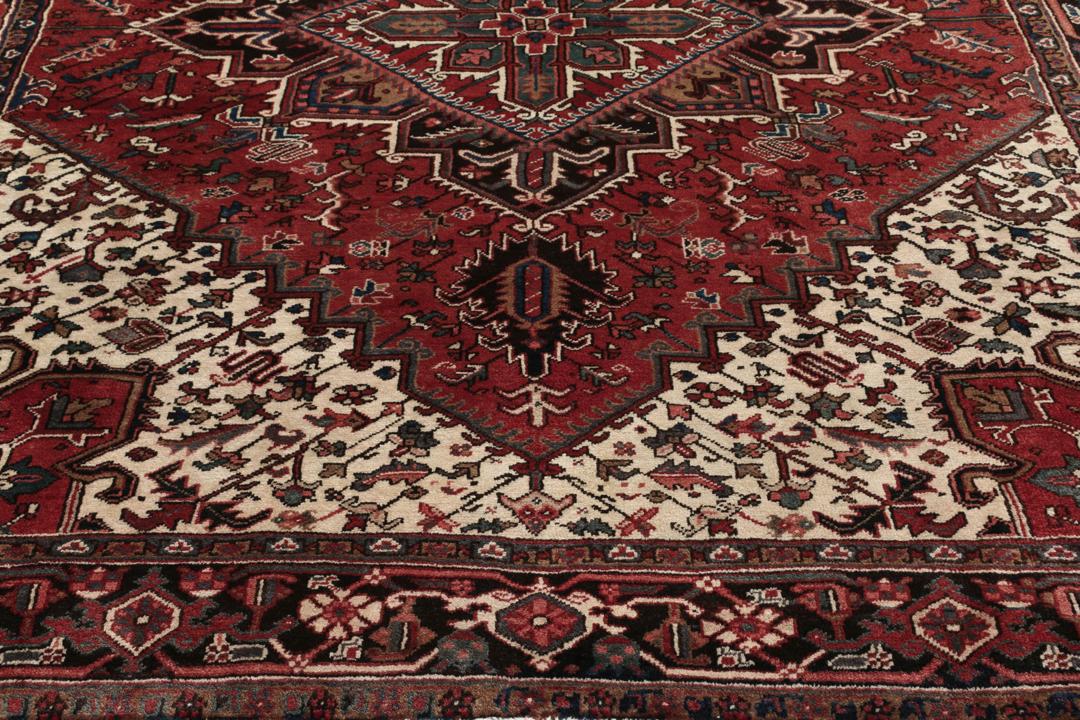
The signature style of a Heriz rug relies on strong geometric interpretations of classic medallions. Rather than smooth curves, weavers construct large octagonal or diamond-shaped central medallions using straight lines, giving the patterns a architectural, graphic quality that complements both traditional and contemporary interiors.
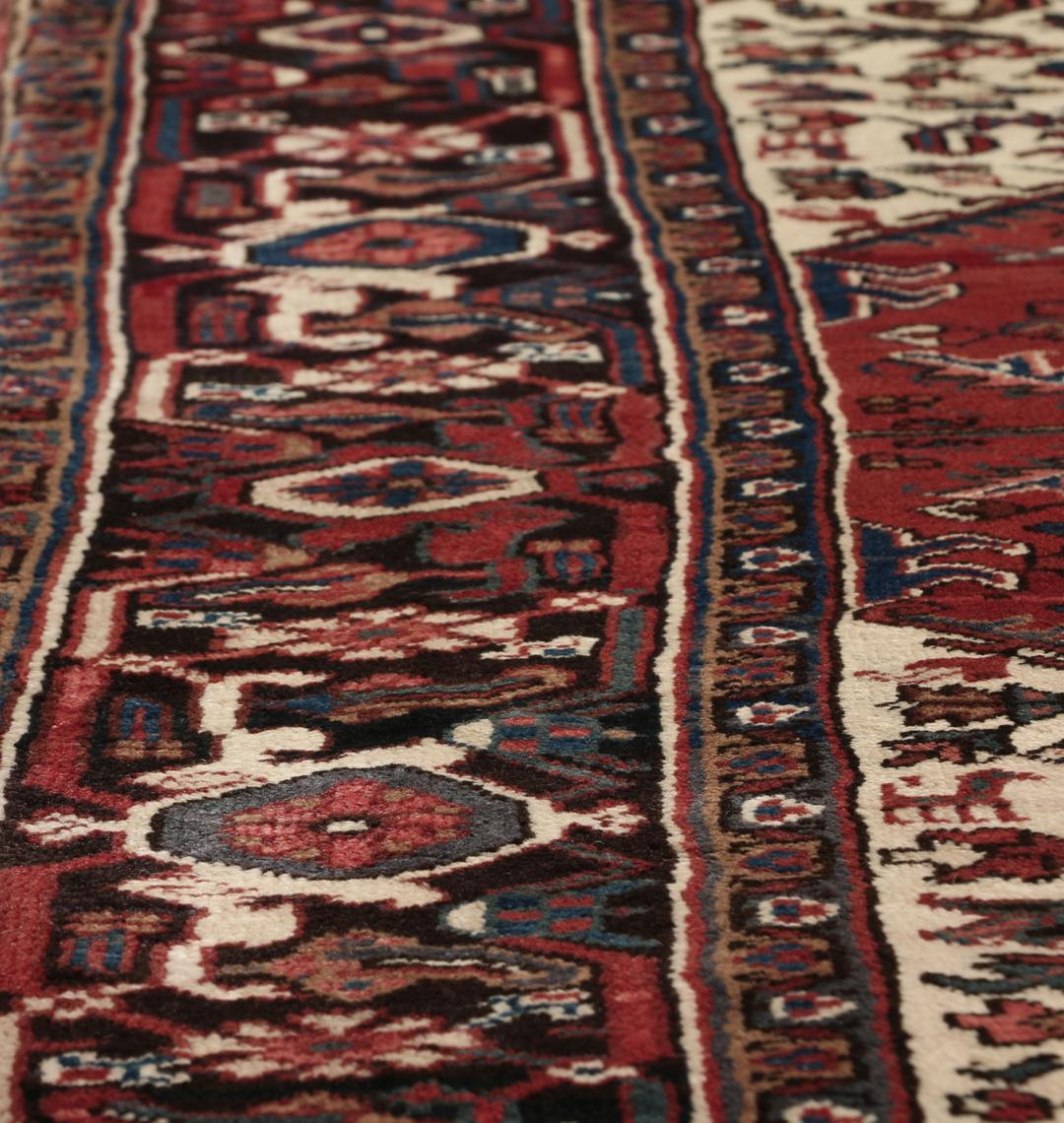
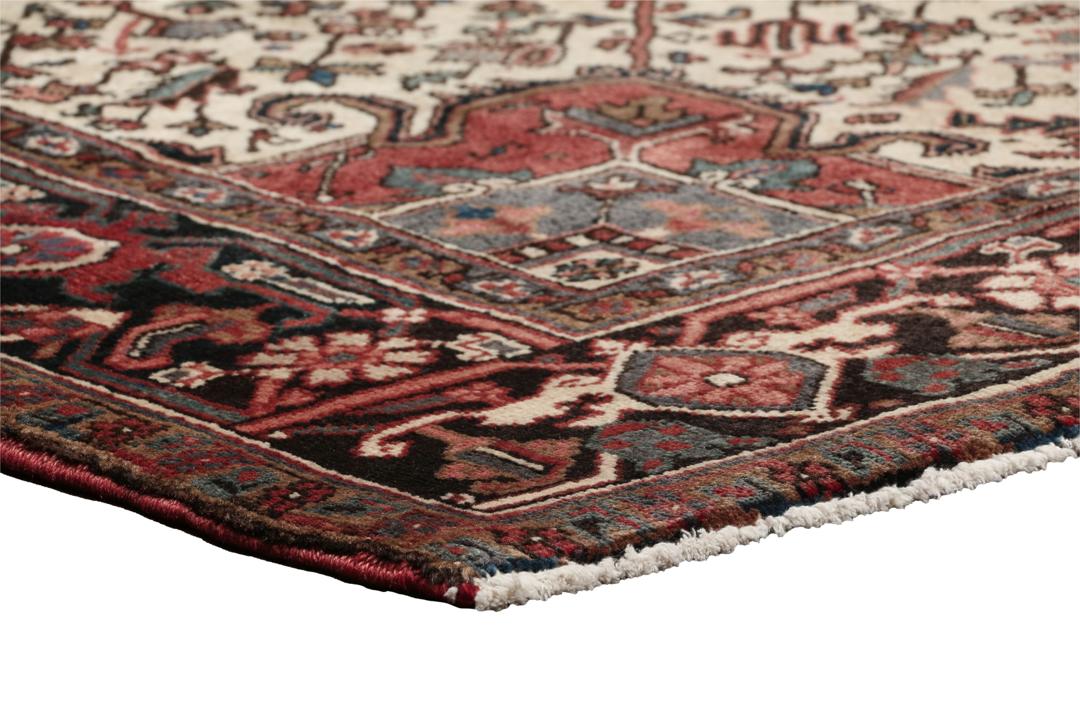
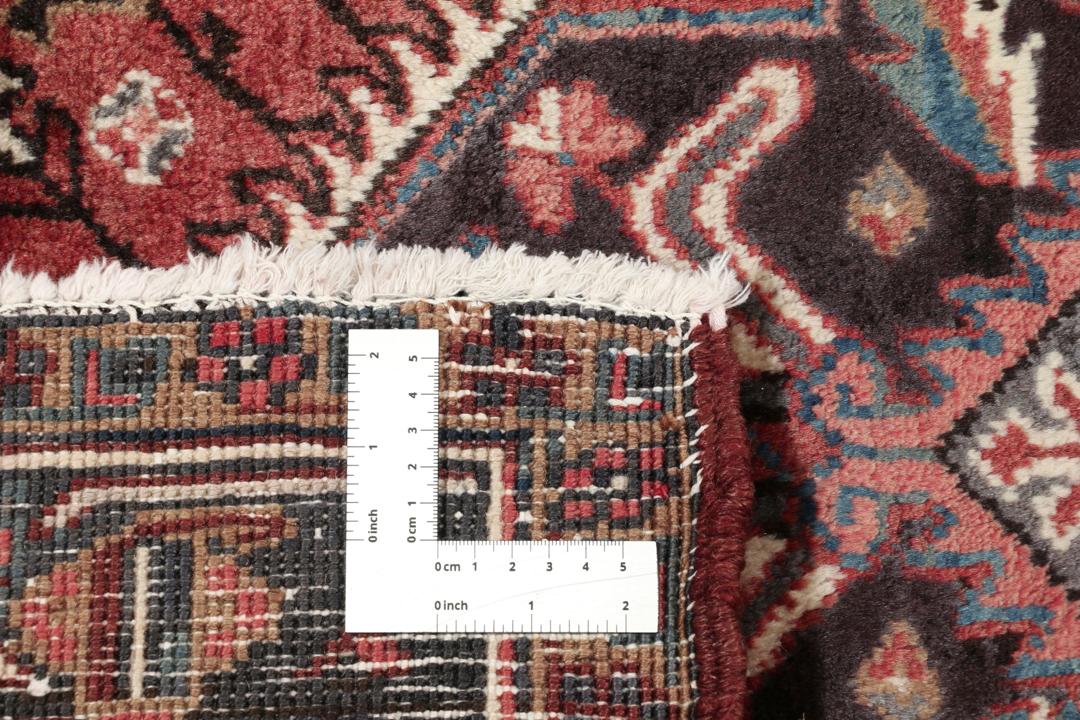
Traditionally, Heriz rugs are framed by expansive corner spandrels and multiple decorative borders filled with stylized lotus motifs, oak leaves, and repeating geometric vines. Deep red, rust, navy, and cream tones form the classic palette, relying on rich contrast to accentuate every detail.
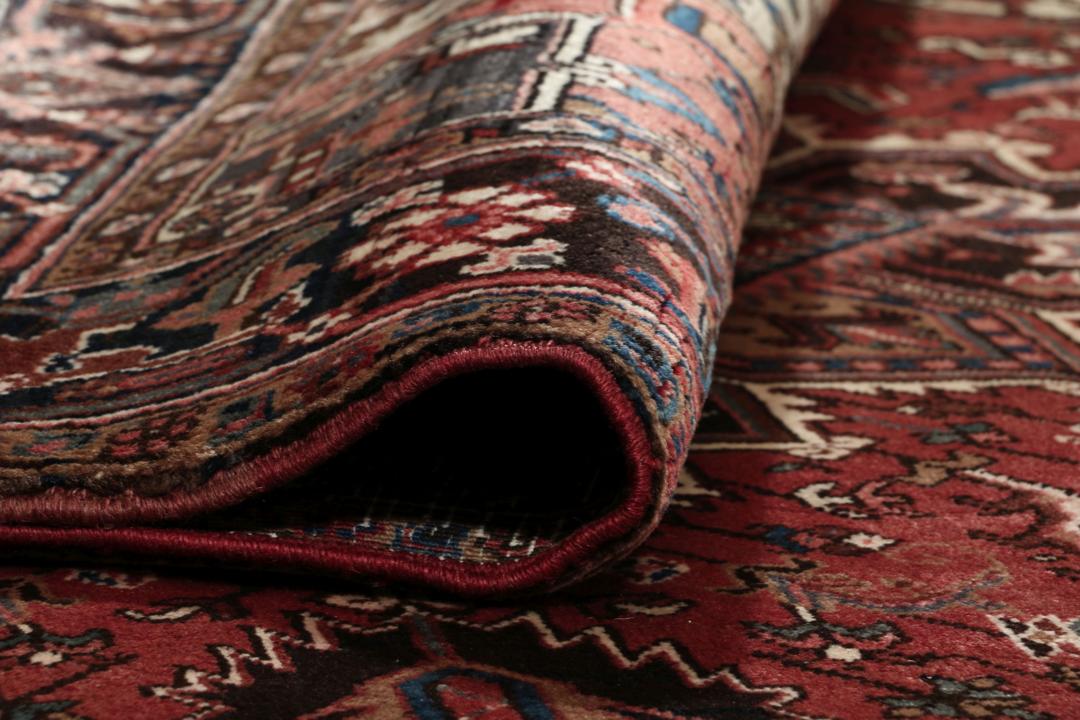
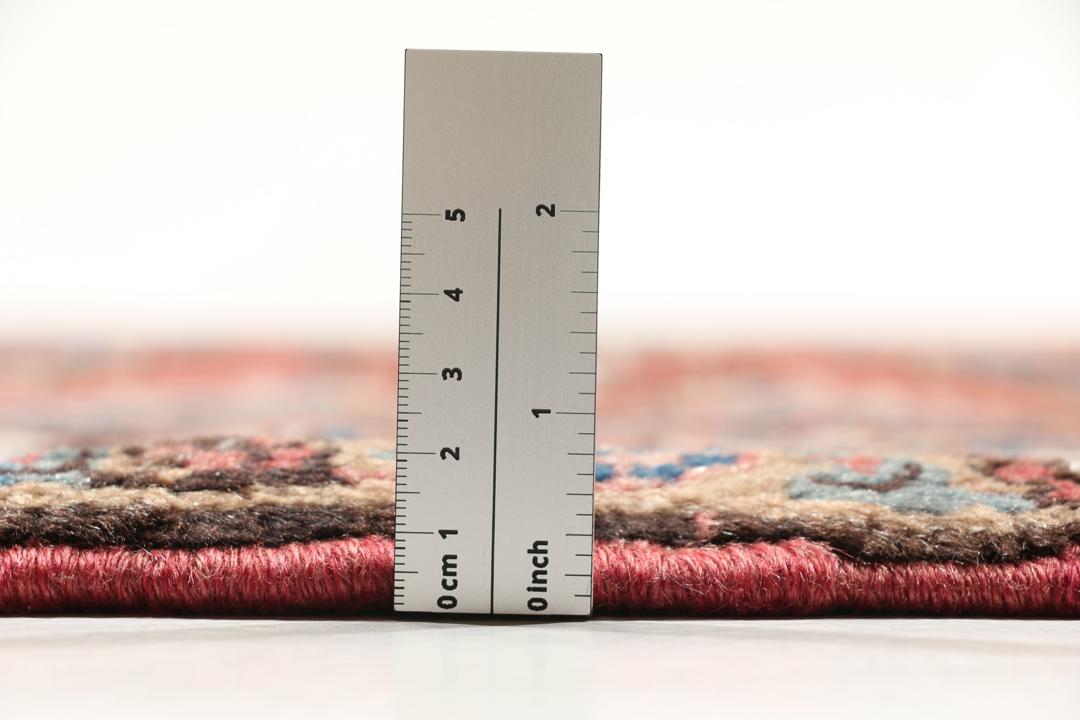
Highly prized by collectors and home owners alike, Heriz rugs are celebrated for their extraordinary durability. Often referred to as iron rugs of the region due to their tough cotton warp and resilient wool pile, they are built to be lived with and passed down through generations.