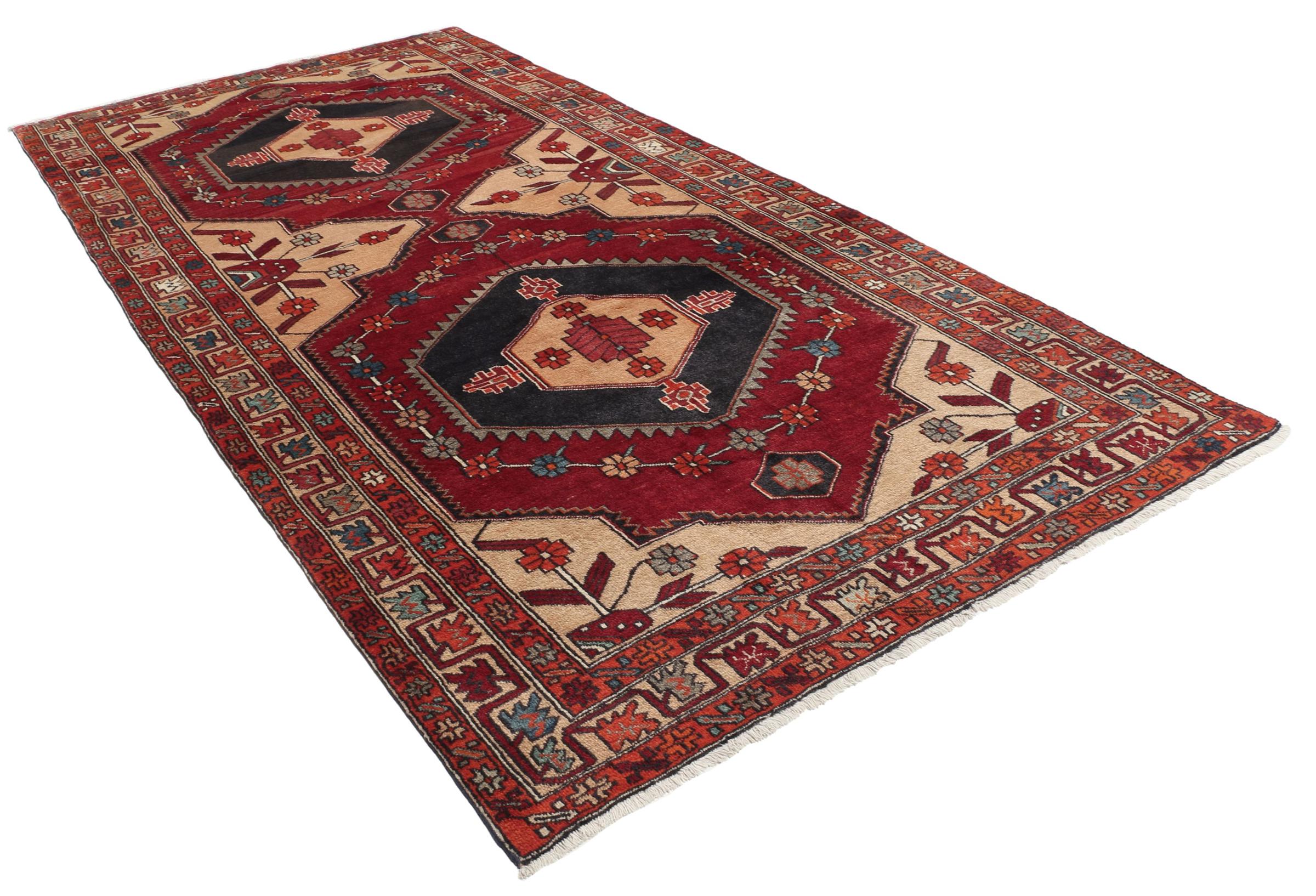
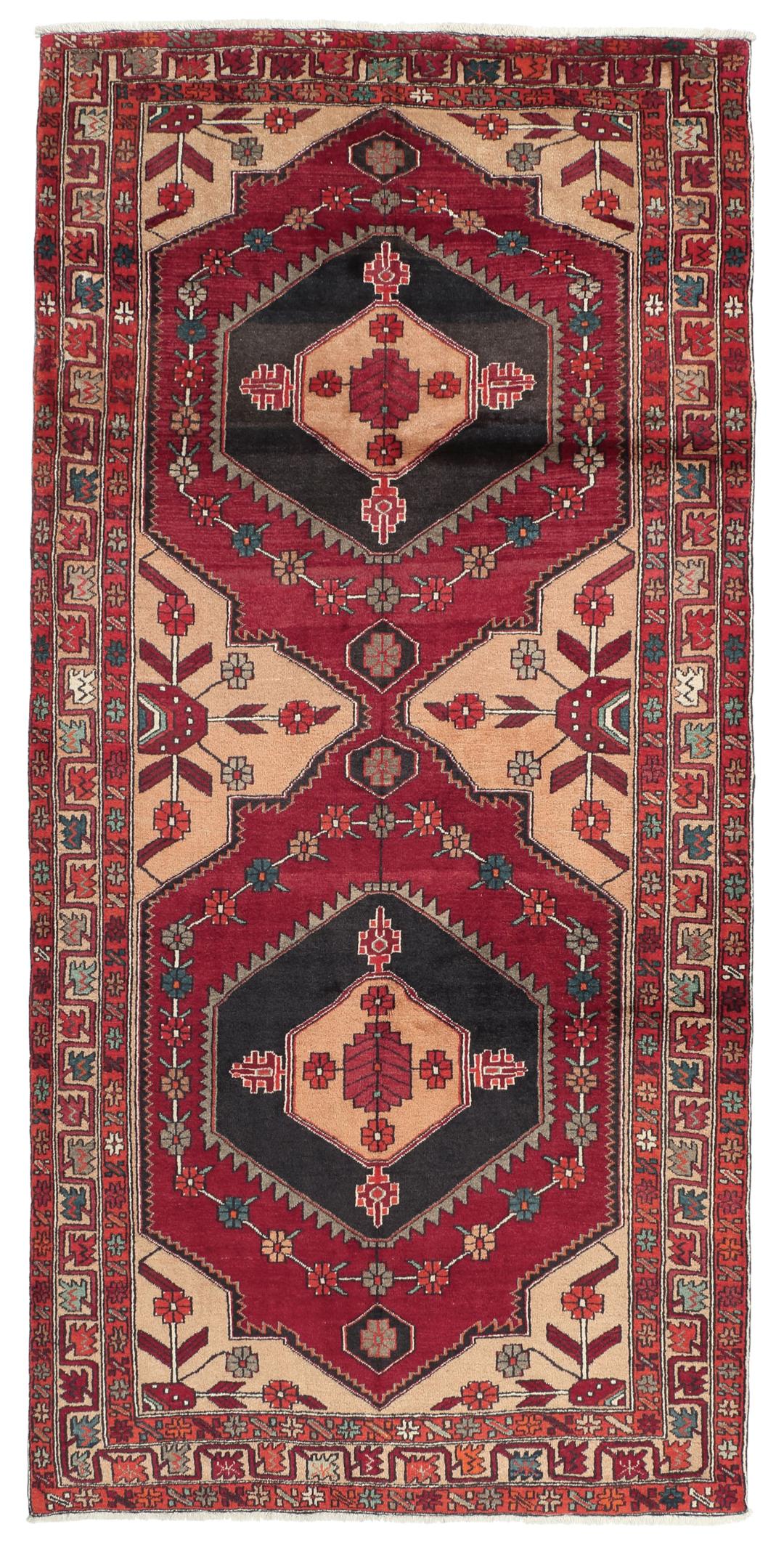
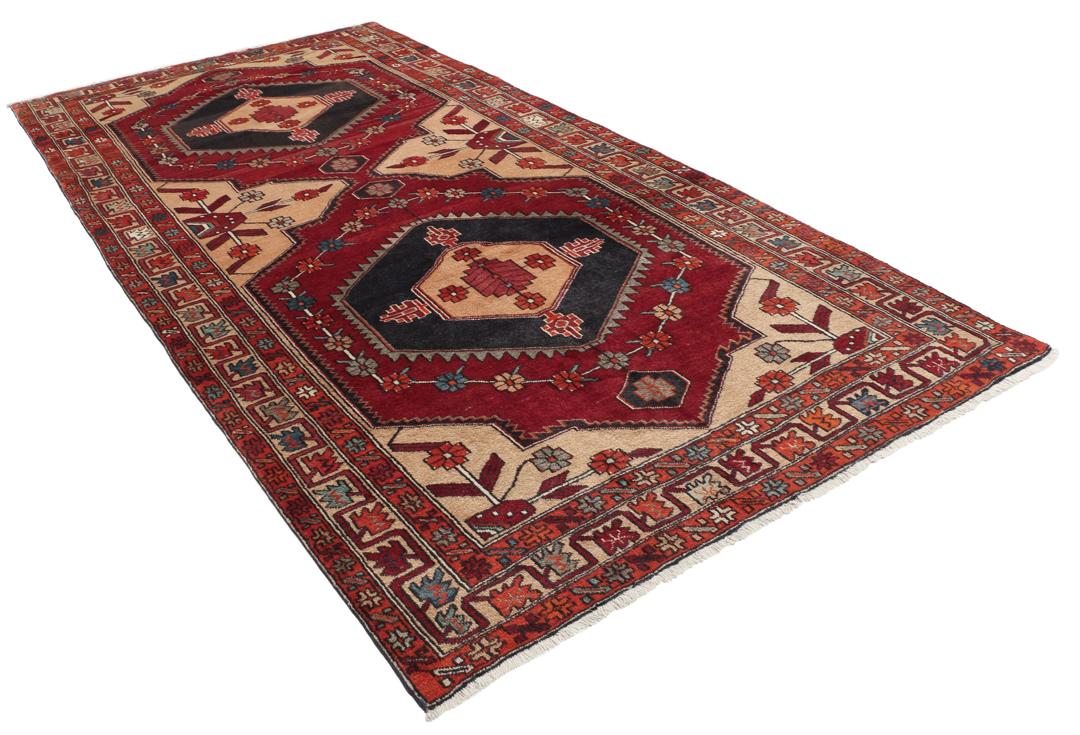
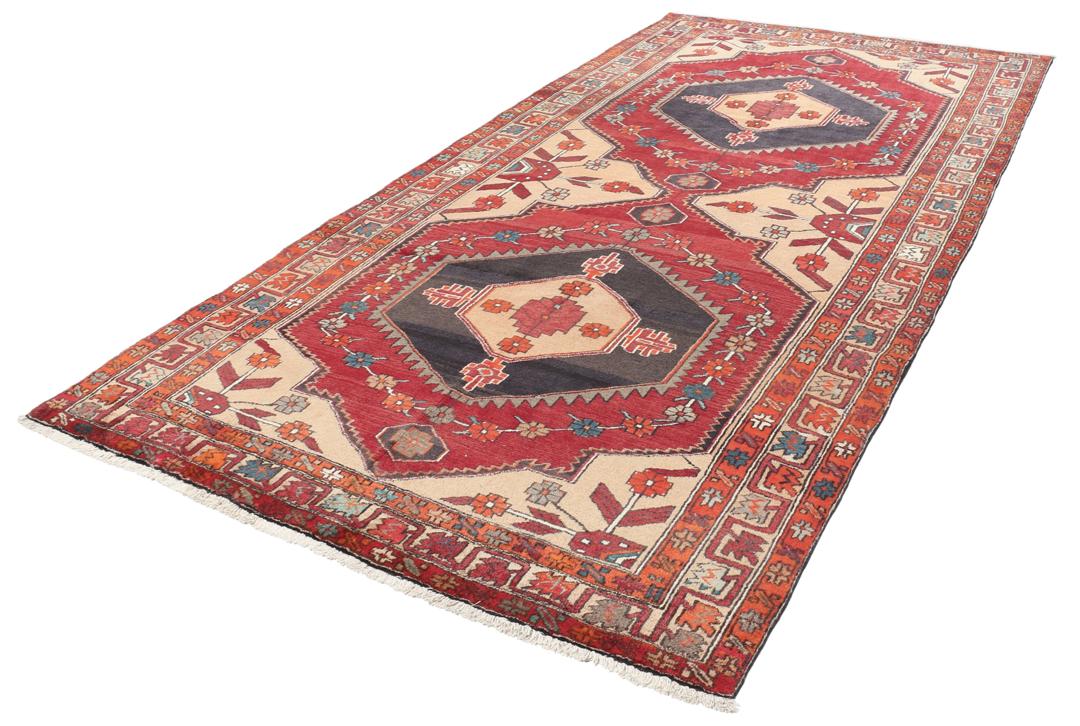
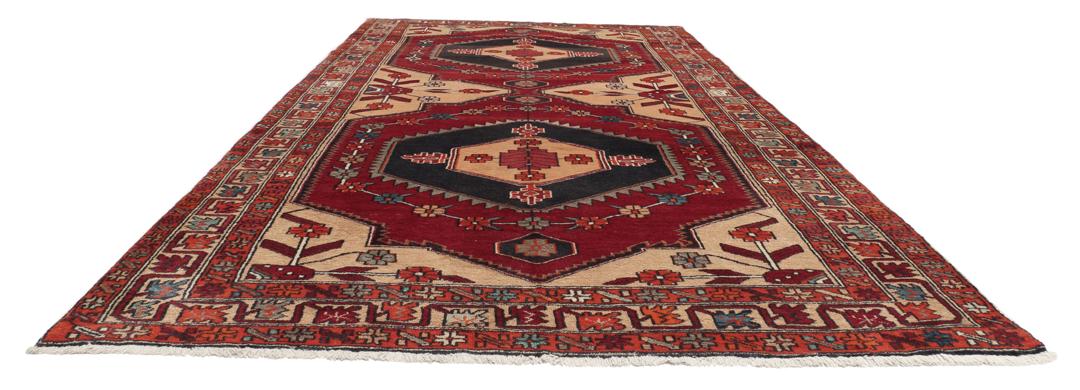
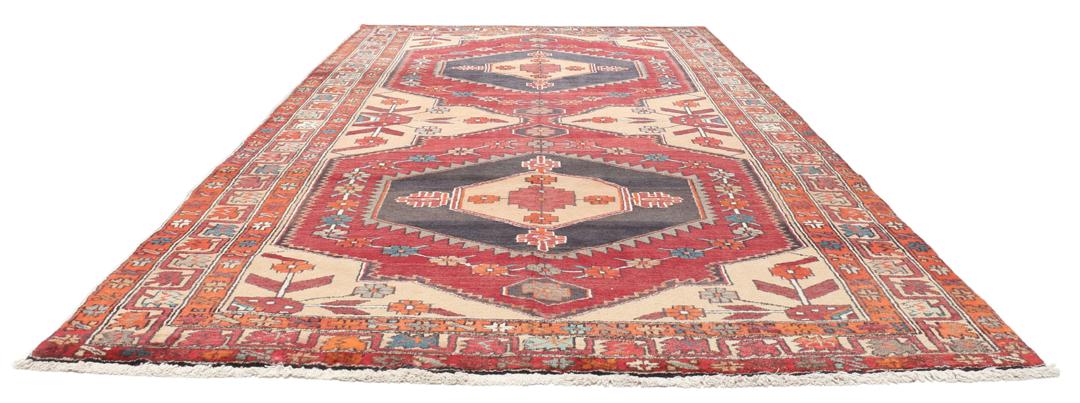
Heriz rugs originate from a region in the northwest of the Middle East, specifically from the slopes of Mount Sabalan. This area is renowned for its harsh, mountainous climate, which has historically influenced the hardy and robust nature of the wool used by local weavers. The tradition here is one of resilience, where the isolation of the mountain villages has allowed for the preservation of distinct, ancient design languages that differ significantly from those of urban centres.
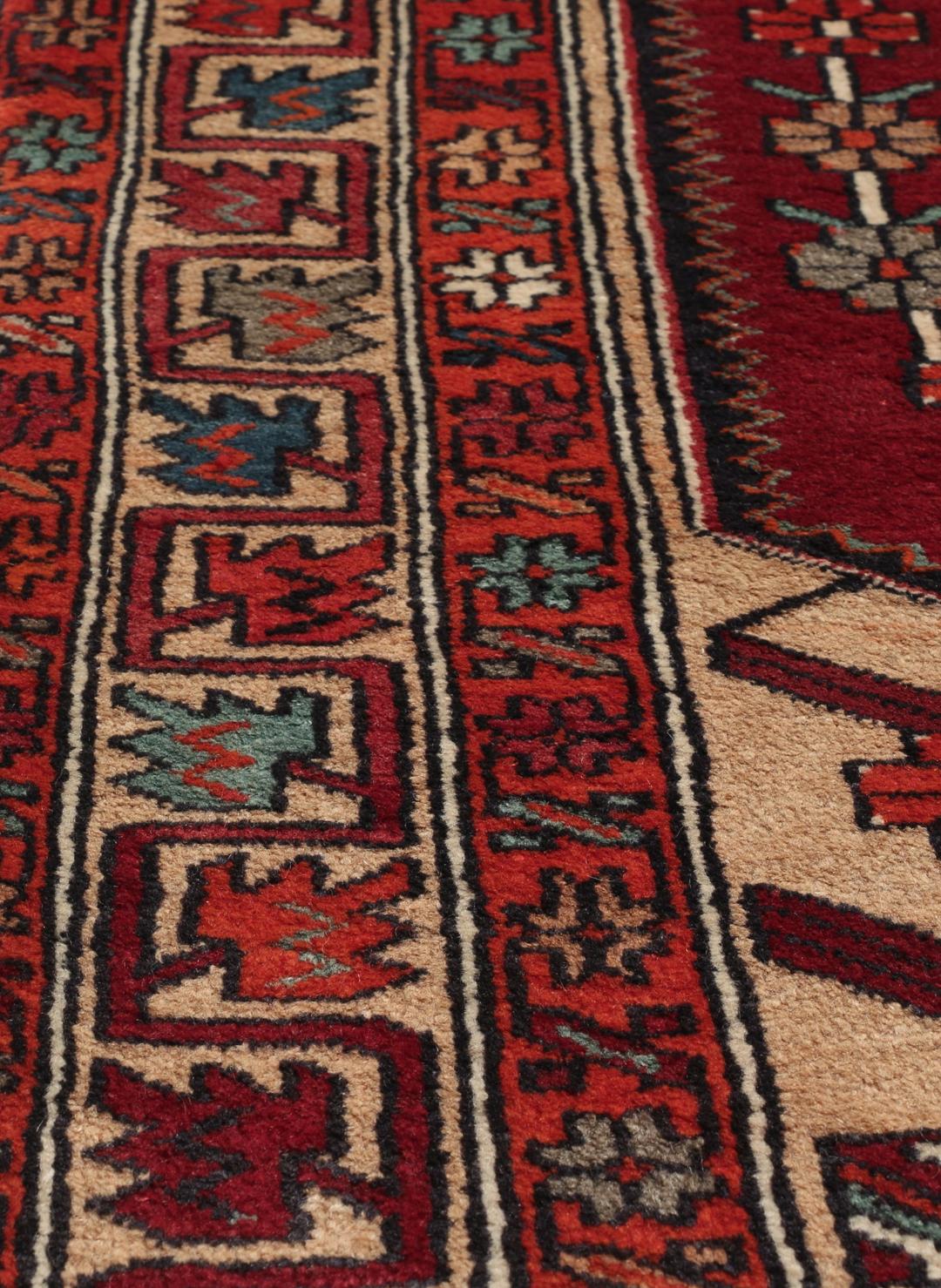
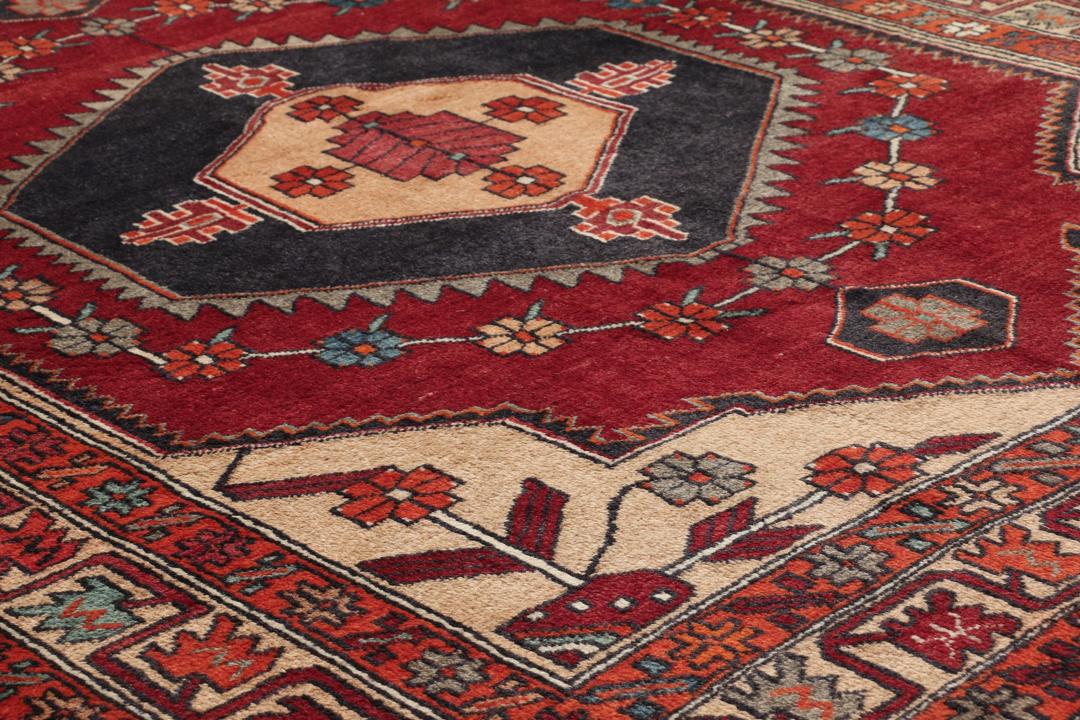
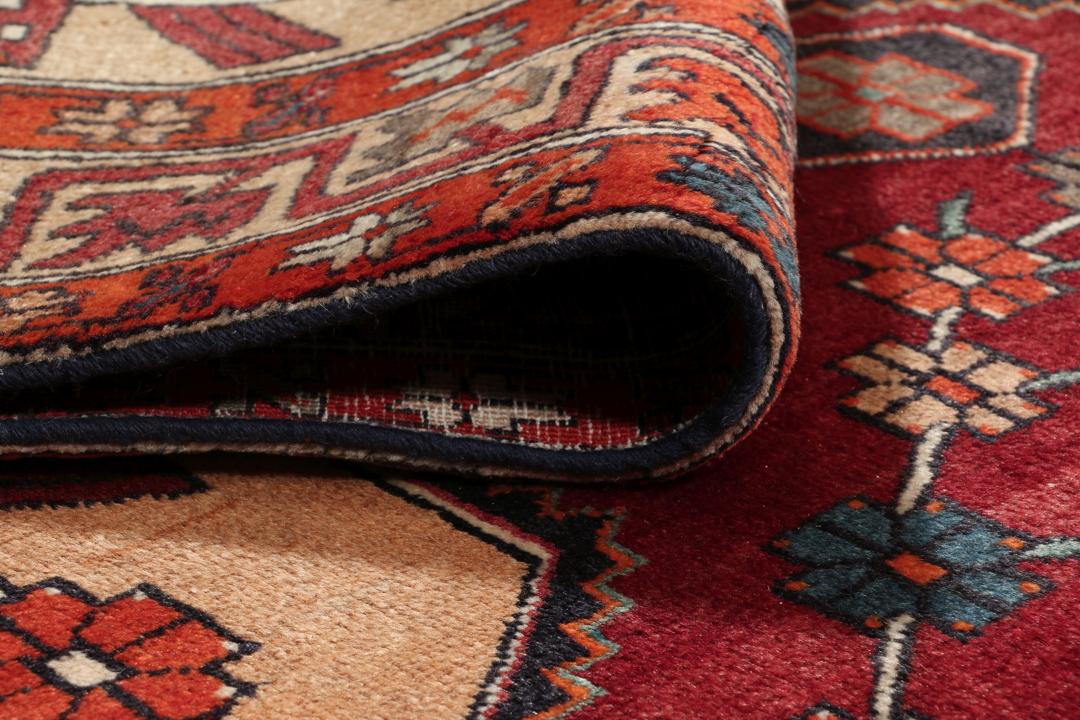
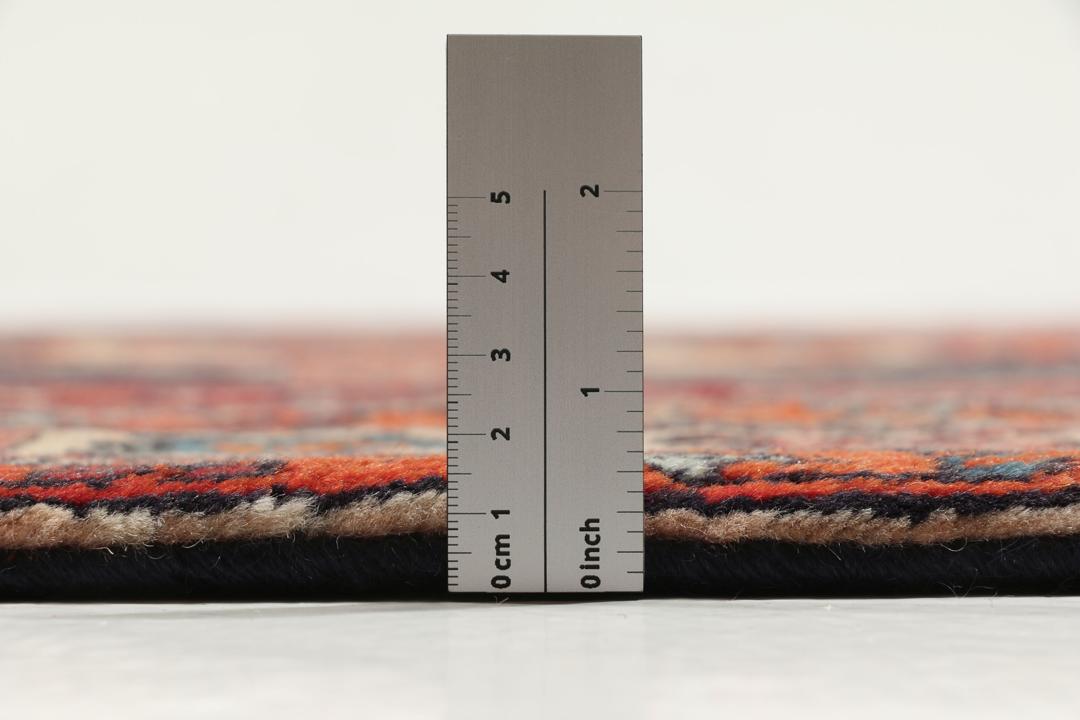
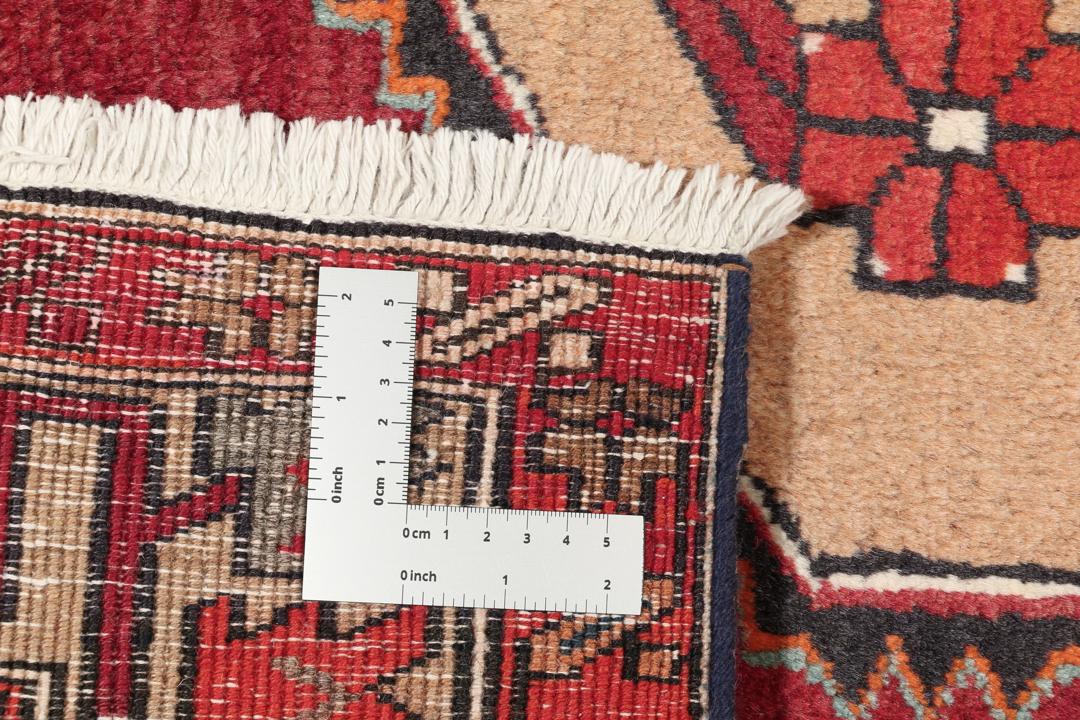
The technical mastery of these rugs lies in their unique construction. The use of a sturdy foundation allows for a dense, durable pile that is well-suited to the demands of domestic life. The knots are tied with a deliberate, firm tension, which contributes to the rug's longevity and the characteristic sharpness of its geometric forms. This construction method ensures that the rug remains stable and retains its shape even after decades of use.
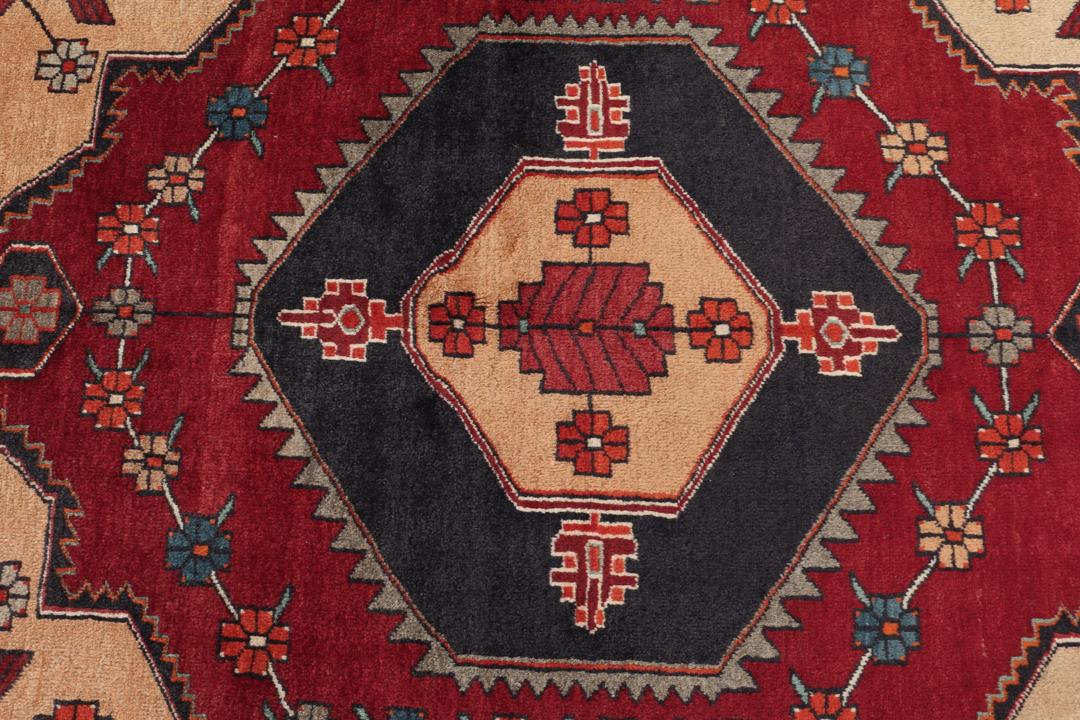
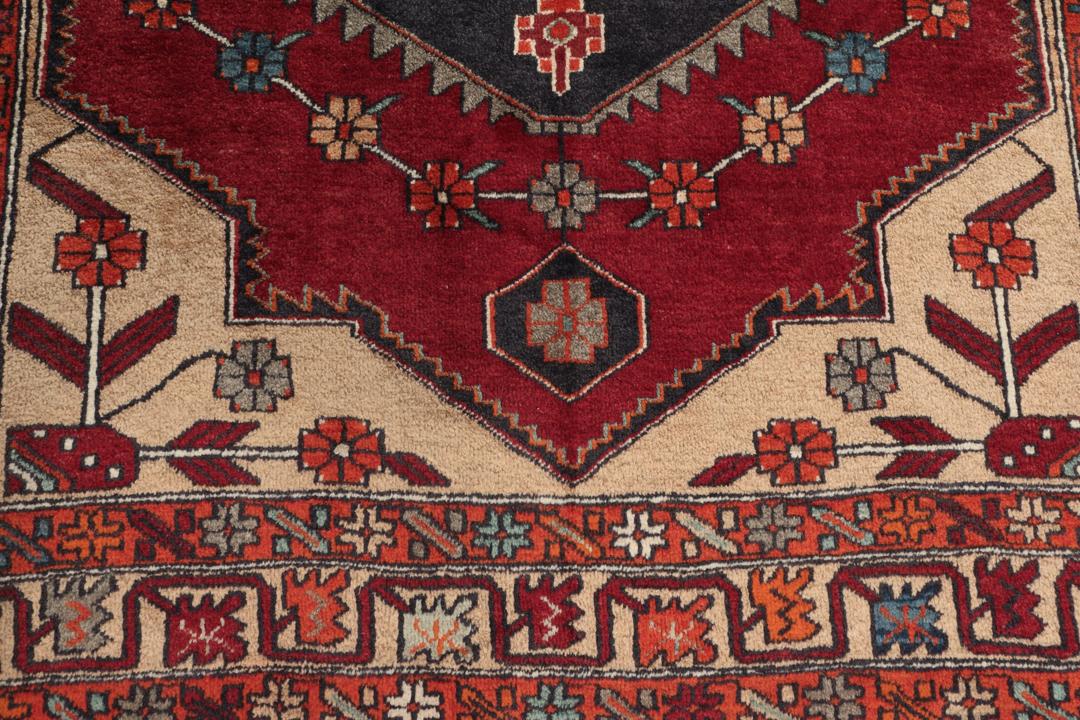
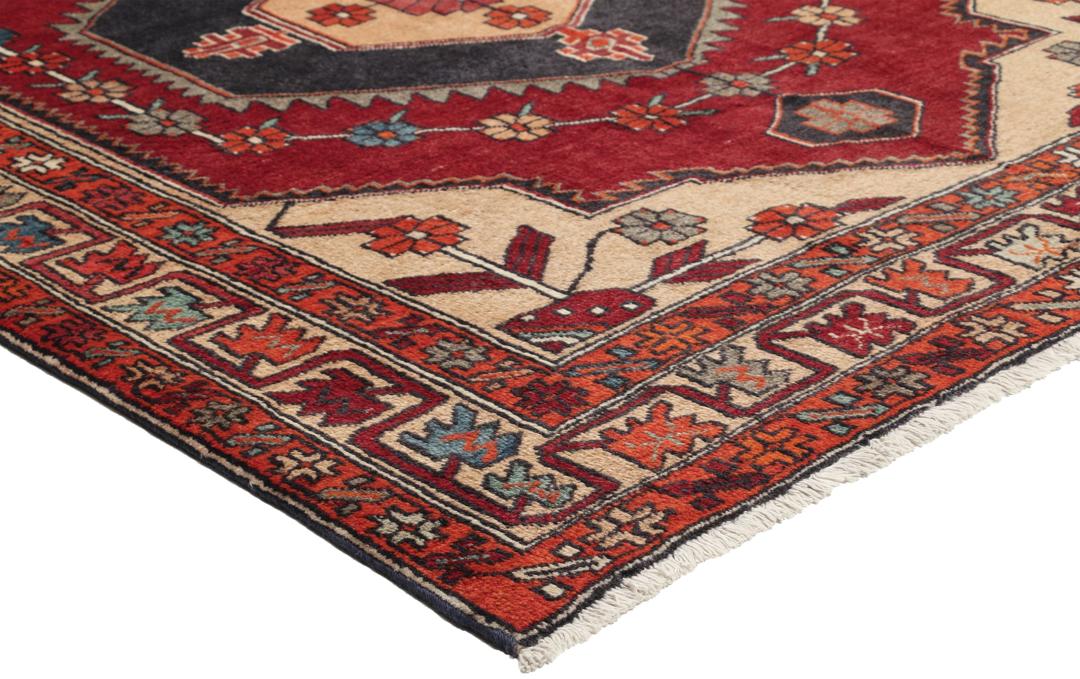
Visually, these rugs are defined by their grand, centralised medallions and expansive geometric fields. Unlike the flowing, curvilinear floral patterns seen in other regions, the Heriz style favours angularity, with stylised leaves, vines, and blossoms that are simplified into bold shapes. The colour palettes are typically deep and saturated, often utilising rich reds and contrasted with dark tones to highlight the dramatic geometry of the central motifs.
Collecting a rug from this tradition is an investment in a specific cultural lineage. These pieces are highly prized for their ability to balance monumental design with a sense of rustic authenticity. To own one is to possess a piece of regional history, crafted by artisans who have inherited centuries of knowledge, ensuring that the rug serves as a lasting anchor in any collection.