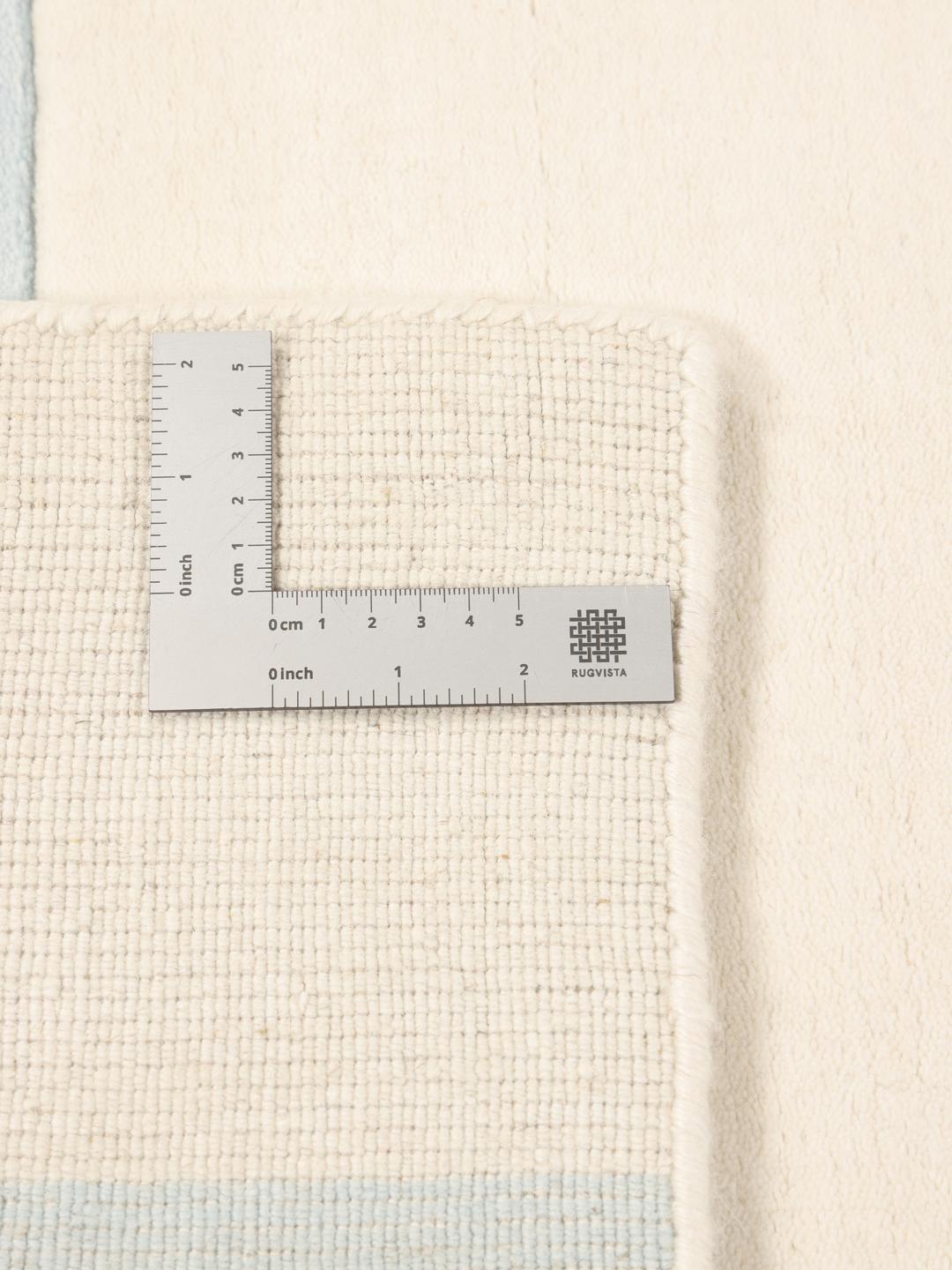
The tradition of handloom weaving in India is a practice that spans centuries, deeply embedded in the cultural fabric of the region. Historically, these looms were the heart of rural households, where artisans refined their skills through generations, passing down techniques that prioritise both functionality and visual harmony.
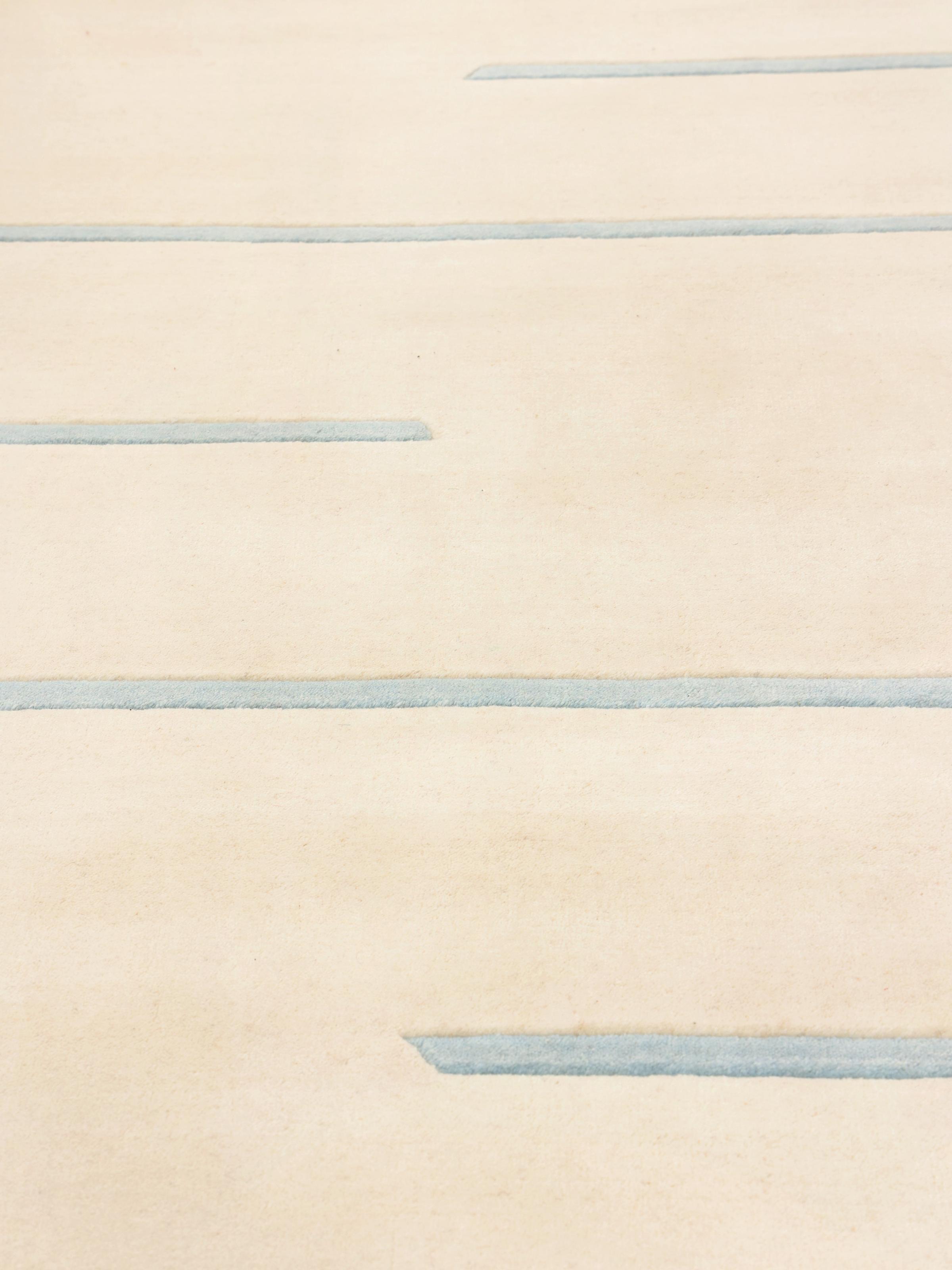
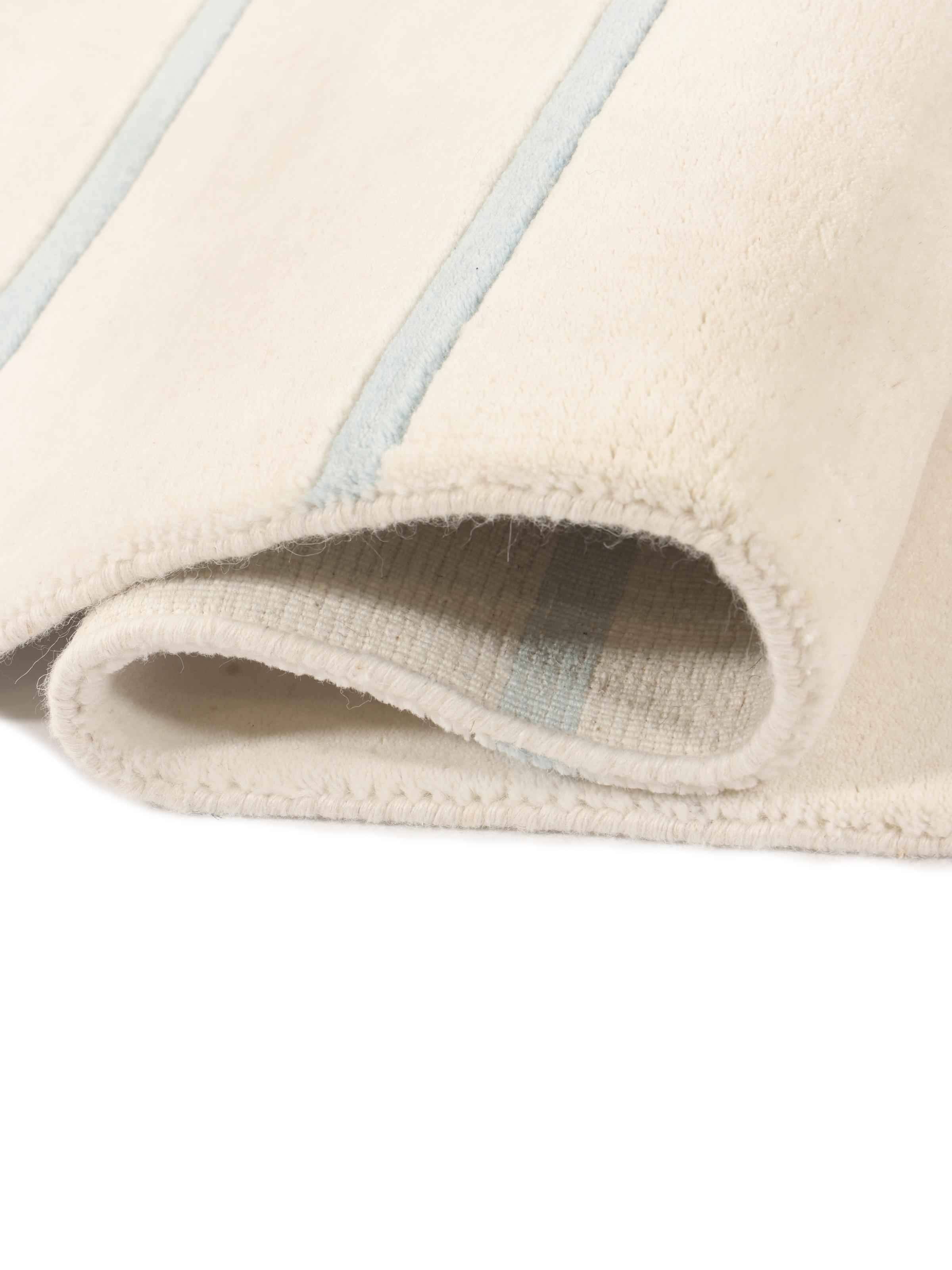
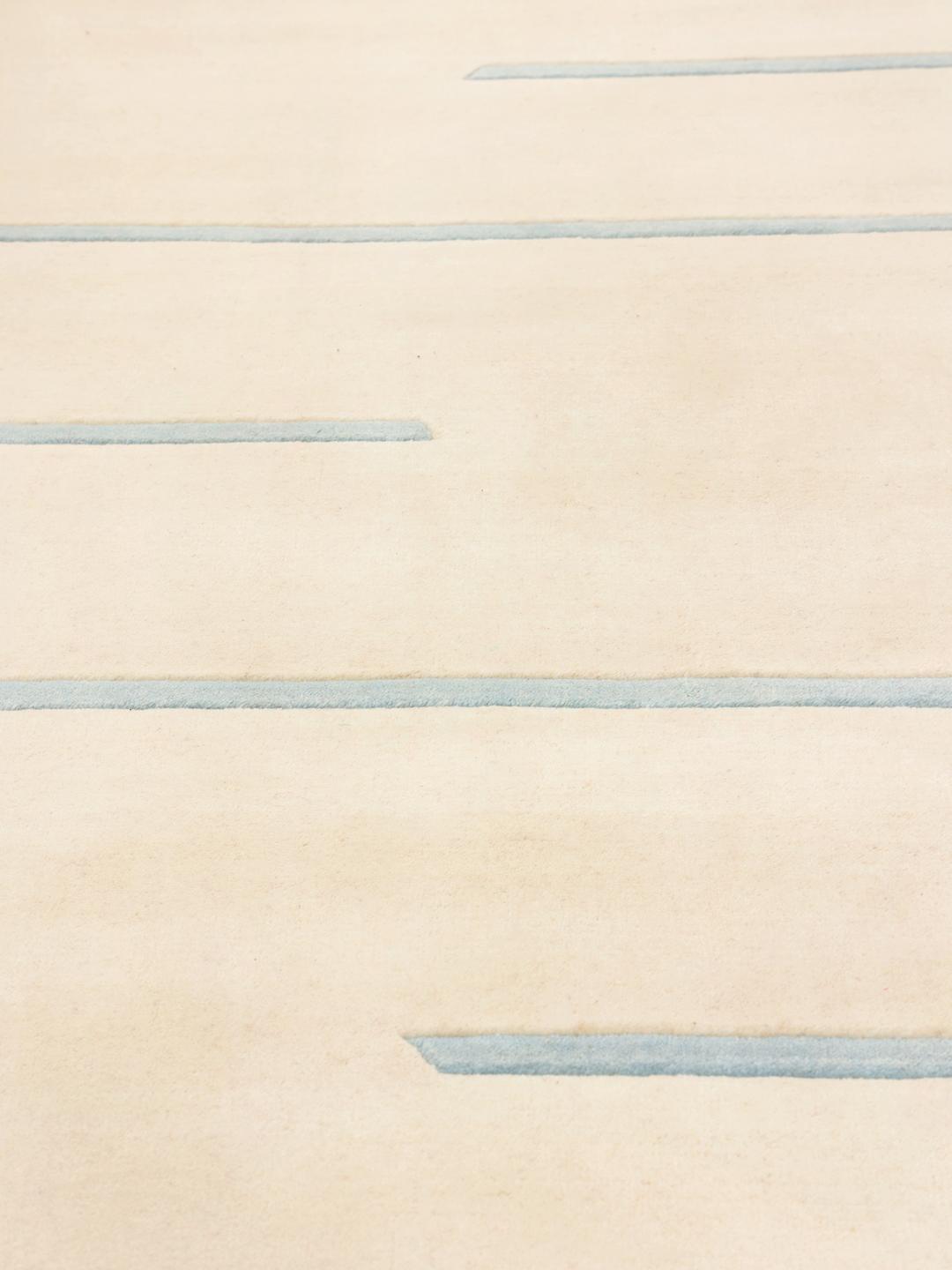
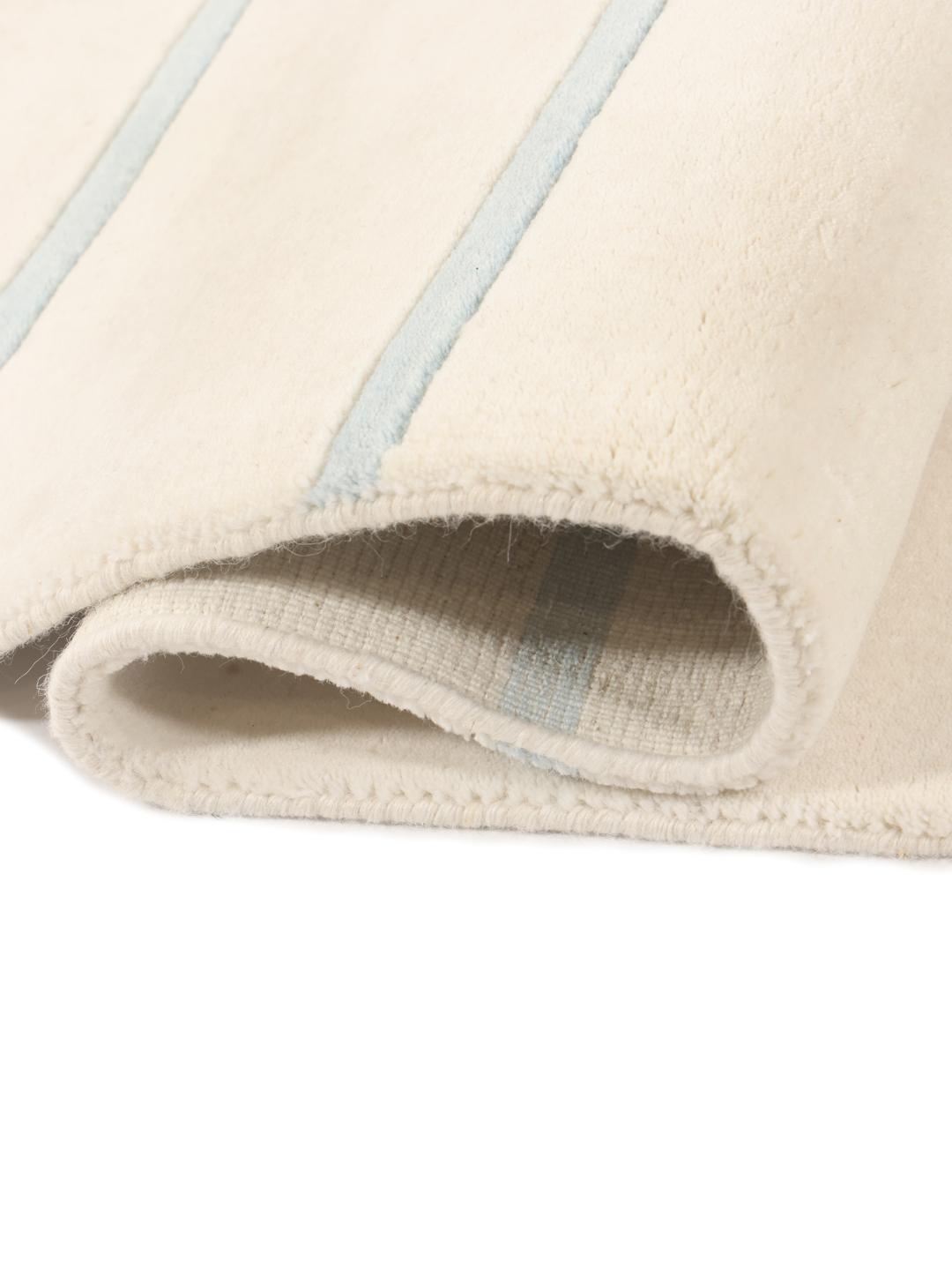
In the context of modern rug making, the handloom technique represents a bridge between ancient craftsmanship and contemporary interior needs. Unlike automated production, the handloom allows for subtle irregularities that give a rug its life and character. It is this human element that ensures the final product is not just a uniform textile, but a piece with depth and a unique story.
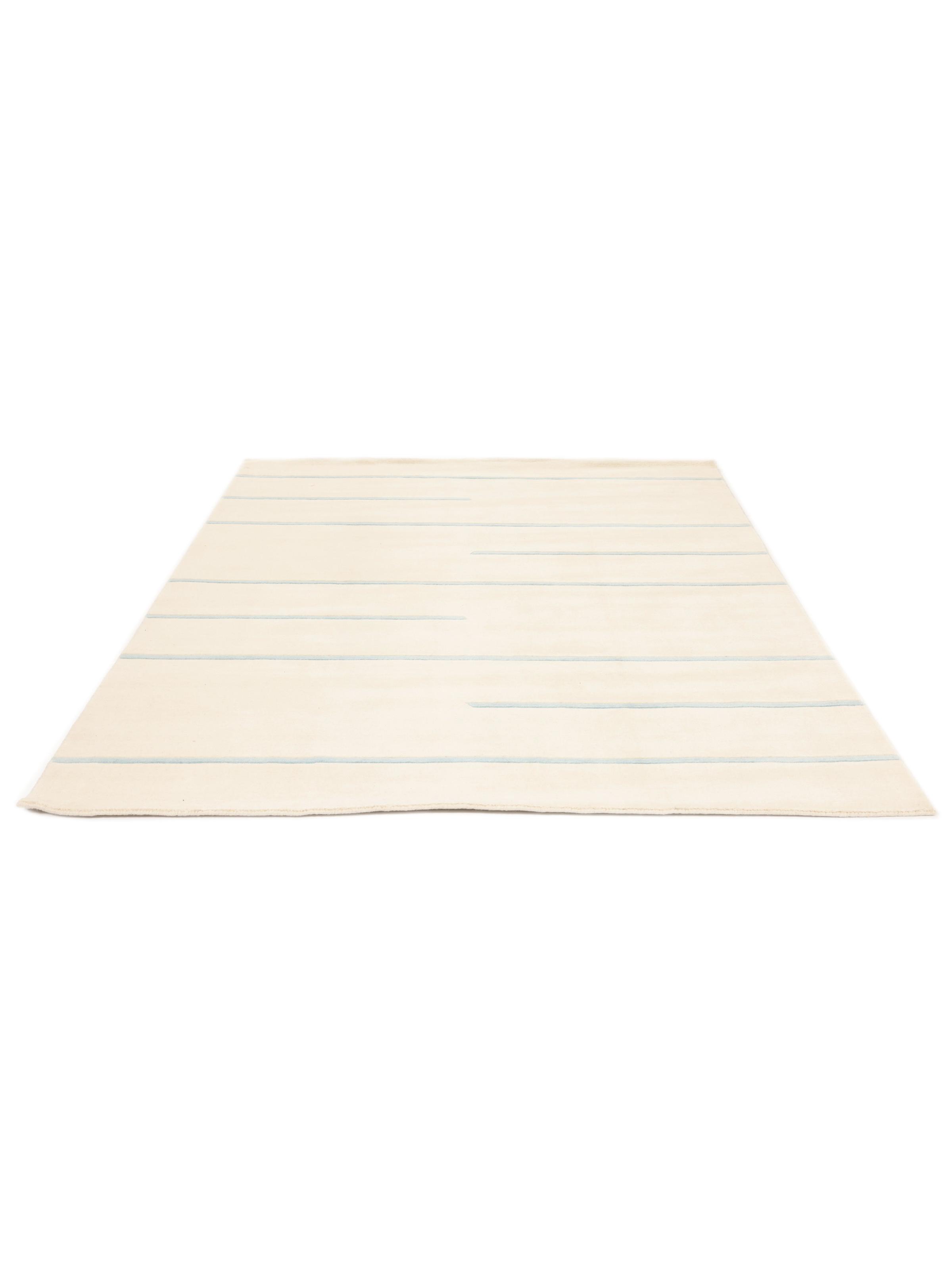
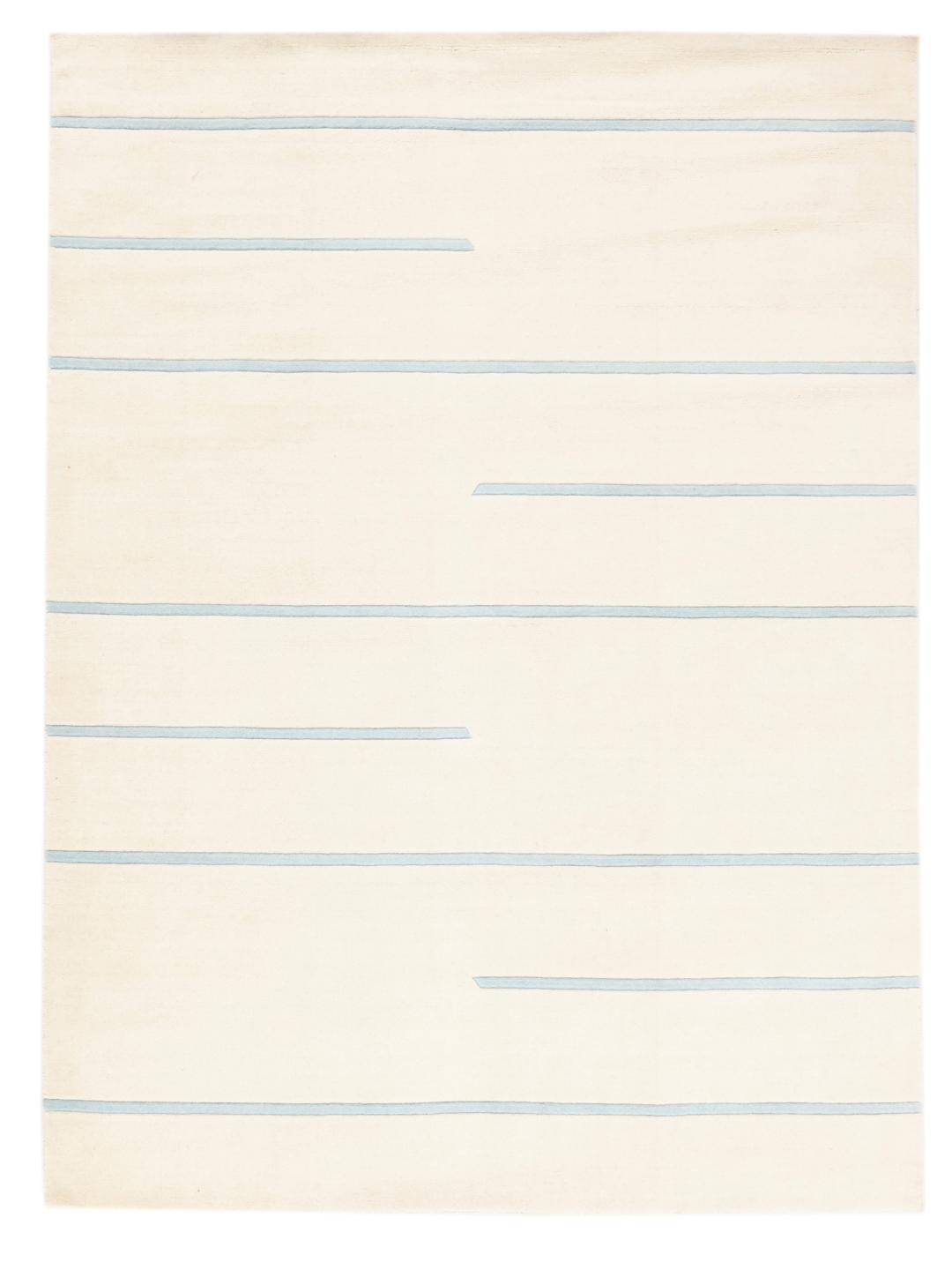
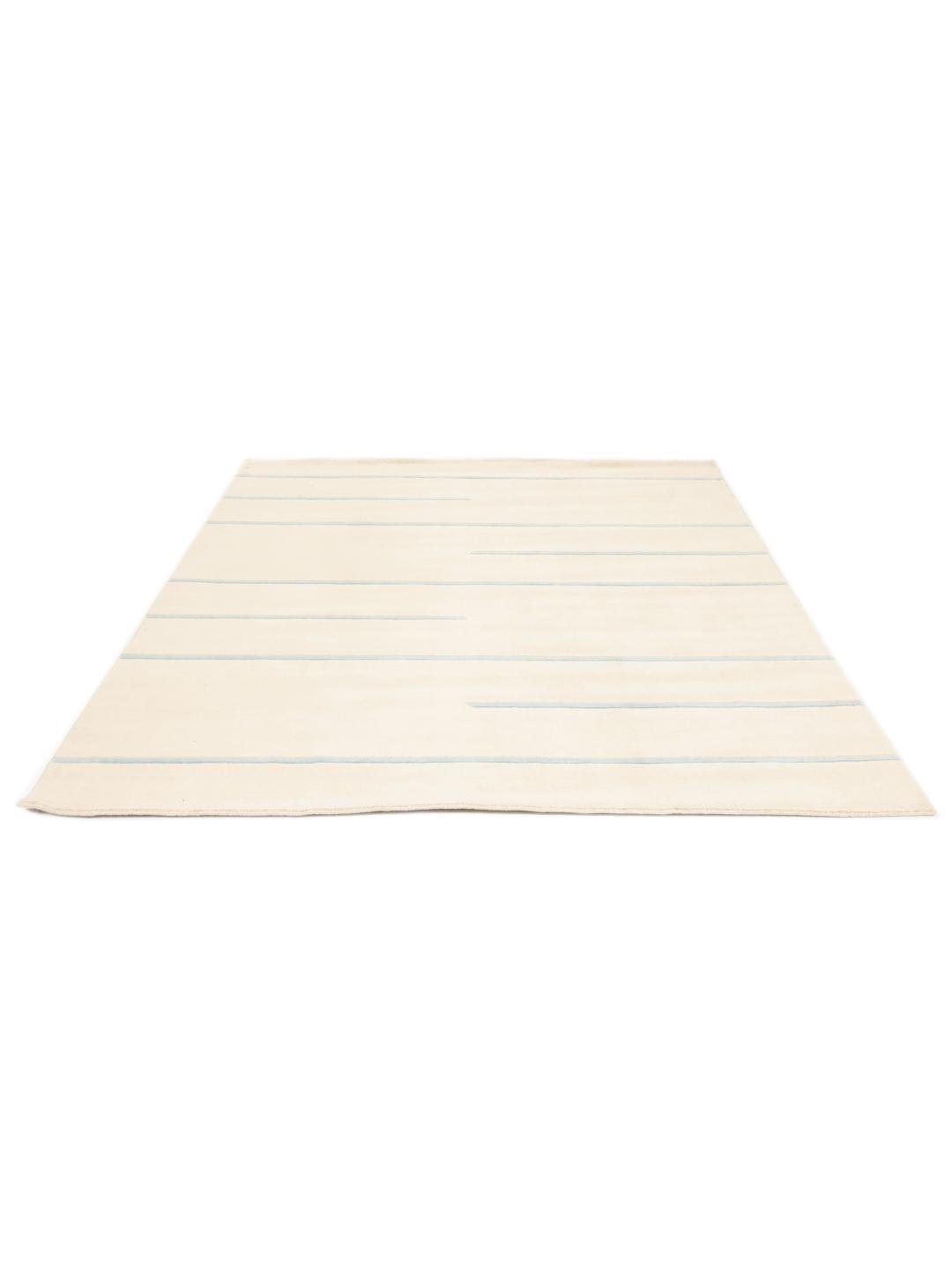
The design of this rug draws from a long history of geometric minimalism. By focusing on simple lines and a neutral palette, it echoes the classic Indian appreciation for balance and proportion. This design language is intended to create a sense of calm, turning the floor into a canvas that invites tranquillity into the home.
Collecting hand-loomed rugs from India is a way of supporting a legacy of skilled labour. Each piece is a testament to the artisan's dedication and the enduring value of handmade goods. When you acquire a piece like this, you are participating in a tradition that values the slow, intentional creation of beauty, ensuring that your home is enriched by authentic craftsmanship.