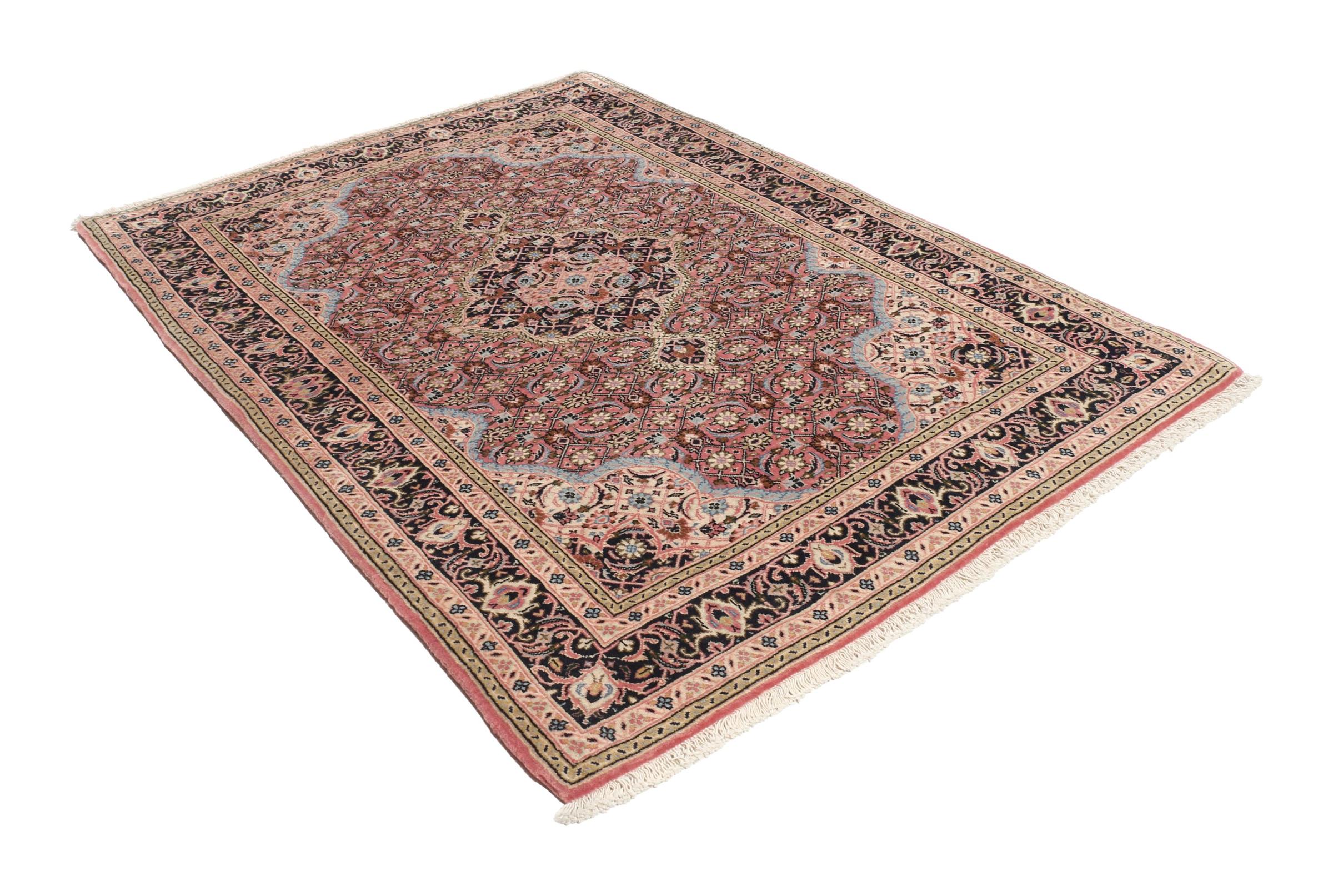
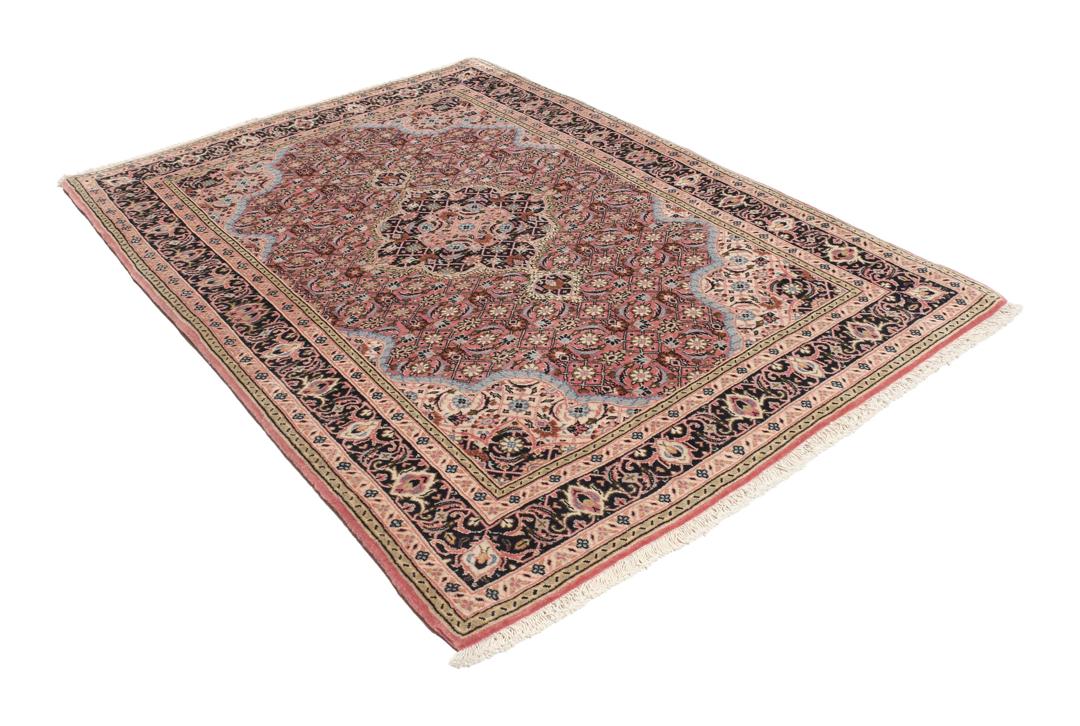
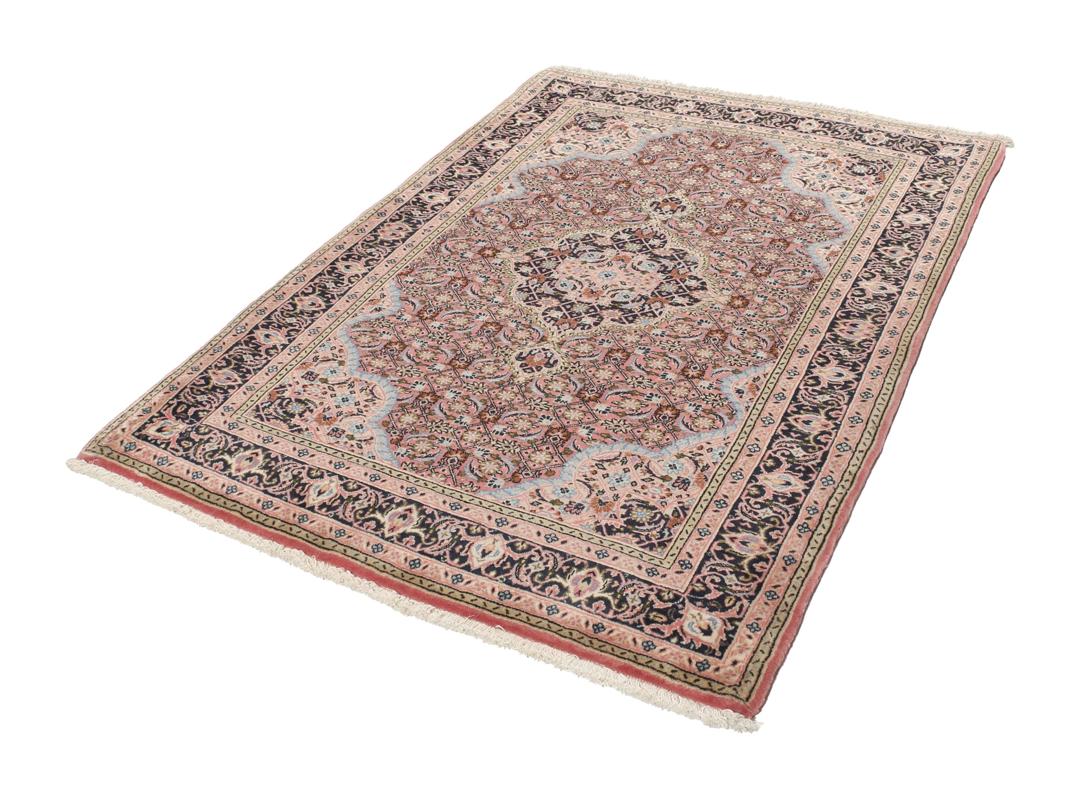
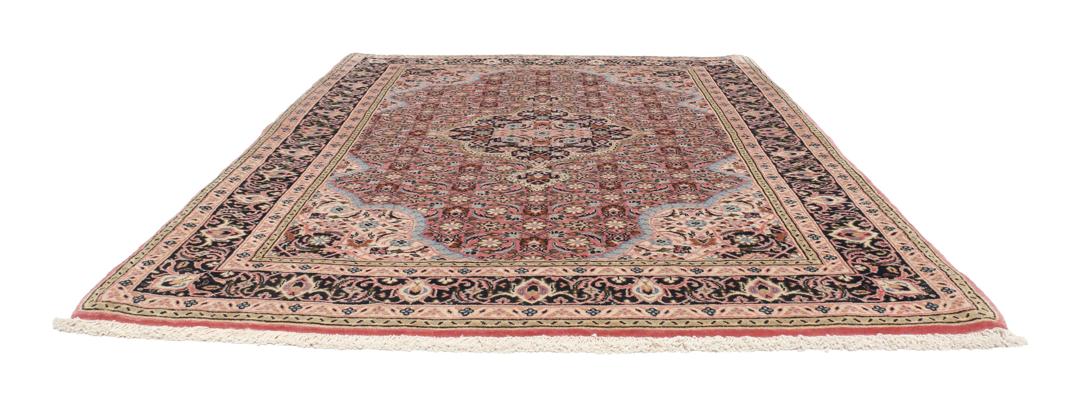
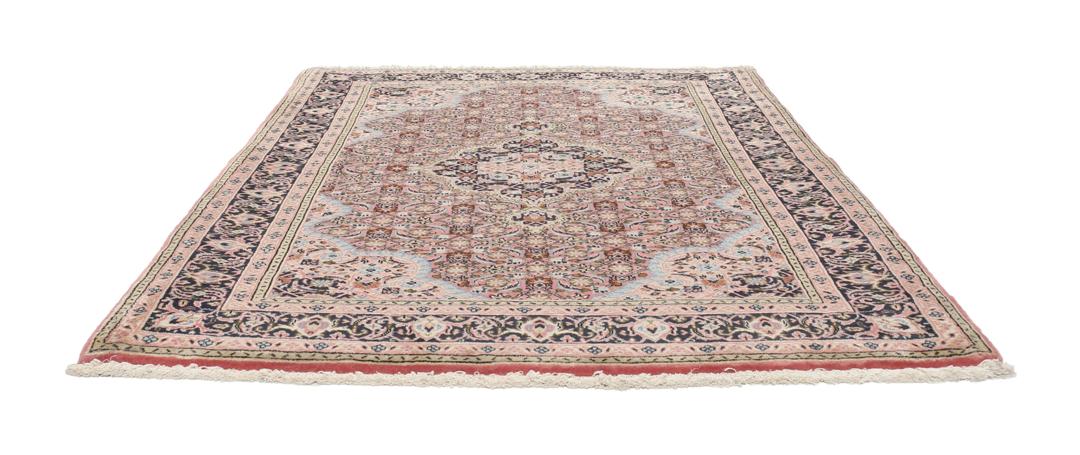
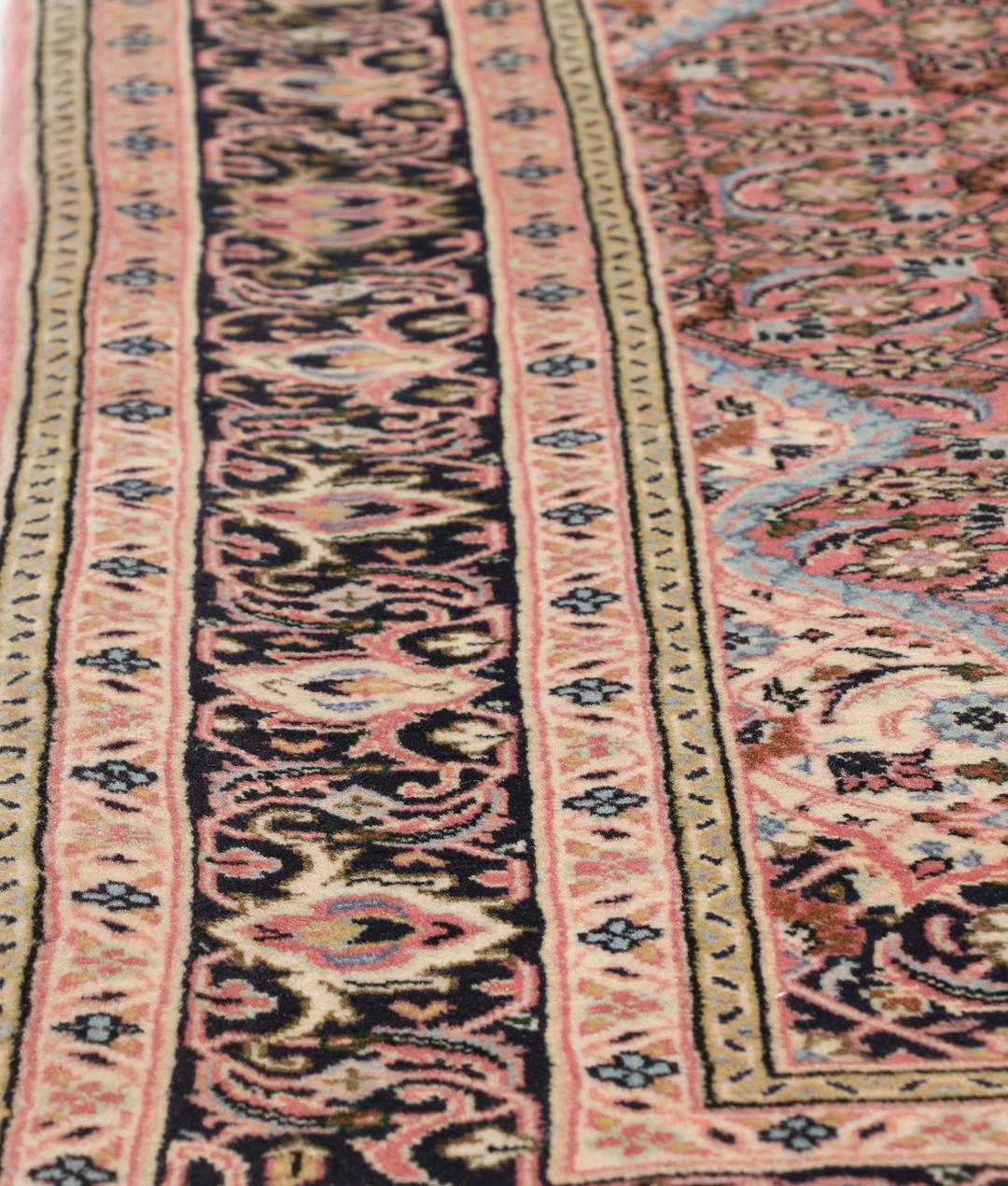
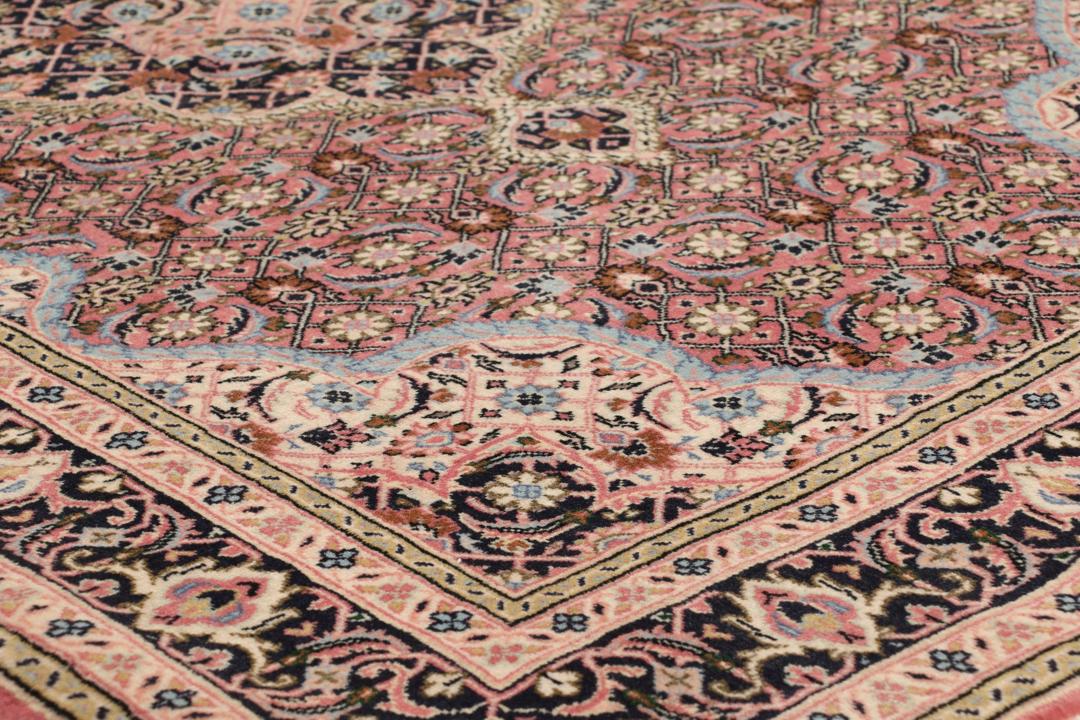
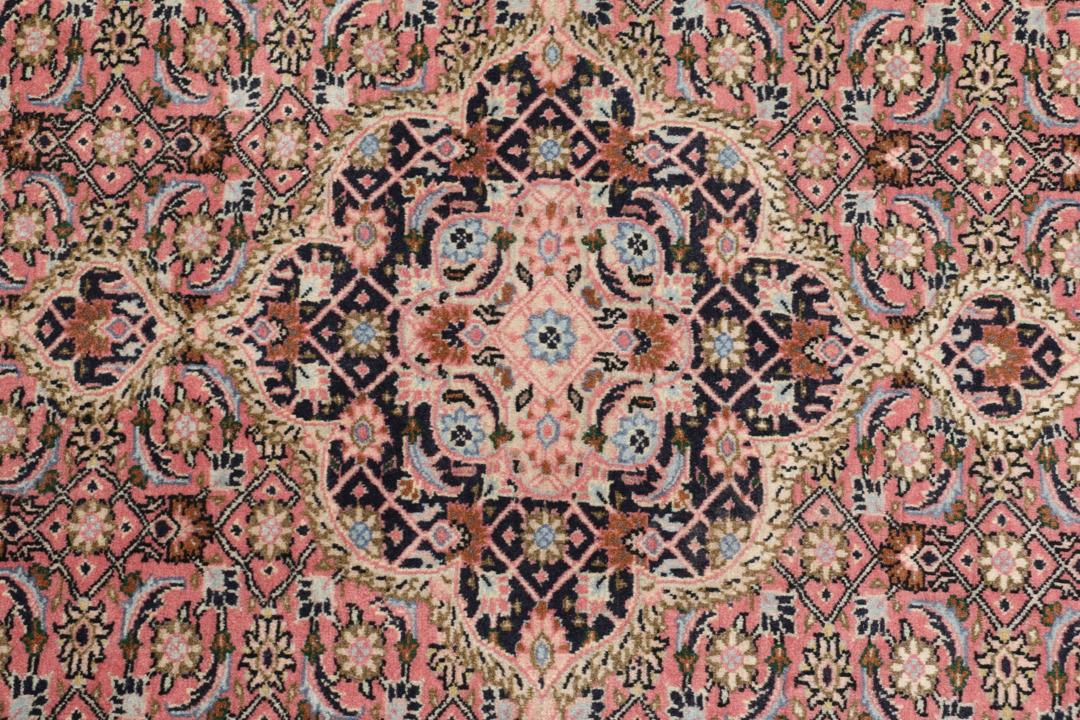
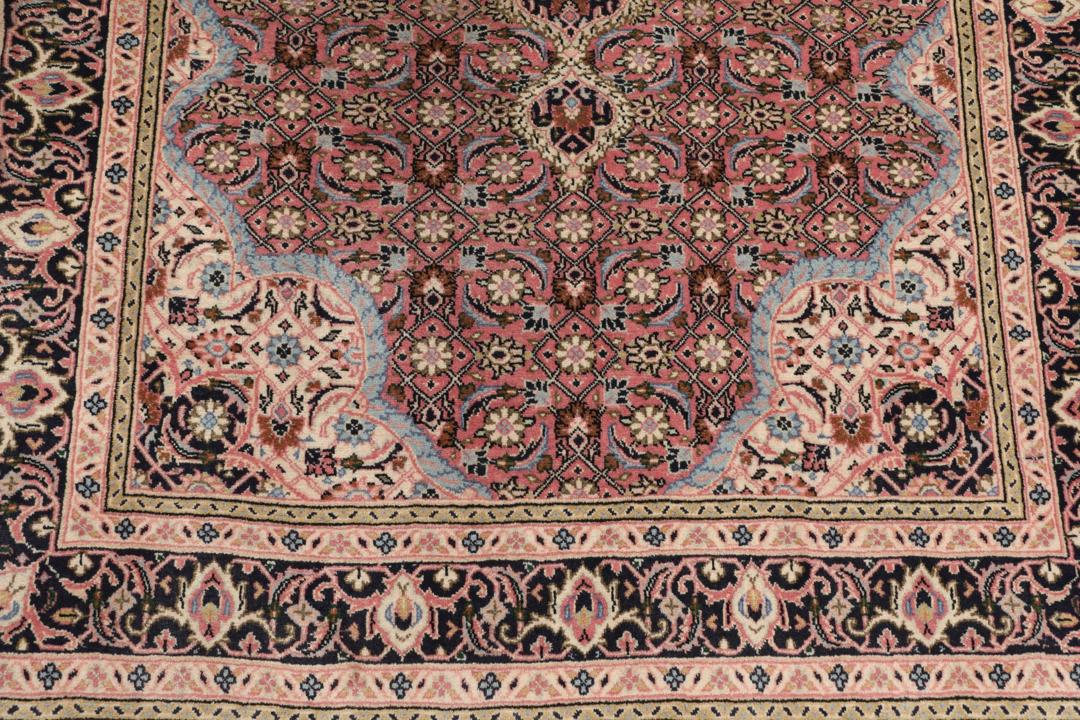
The Hamadan region in the Middle East is one of the oldest and most prolific centres of rug production in the world. Rugs from this area, often categorised under the broader Hamadan tradition, are renowned for their incredible variety and the way they synthesise diverse tribal and urban design influences into a cohesive, durable textile.
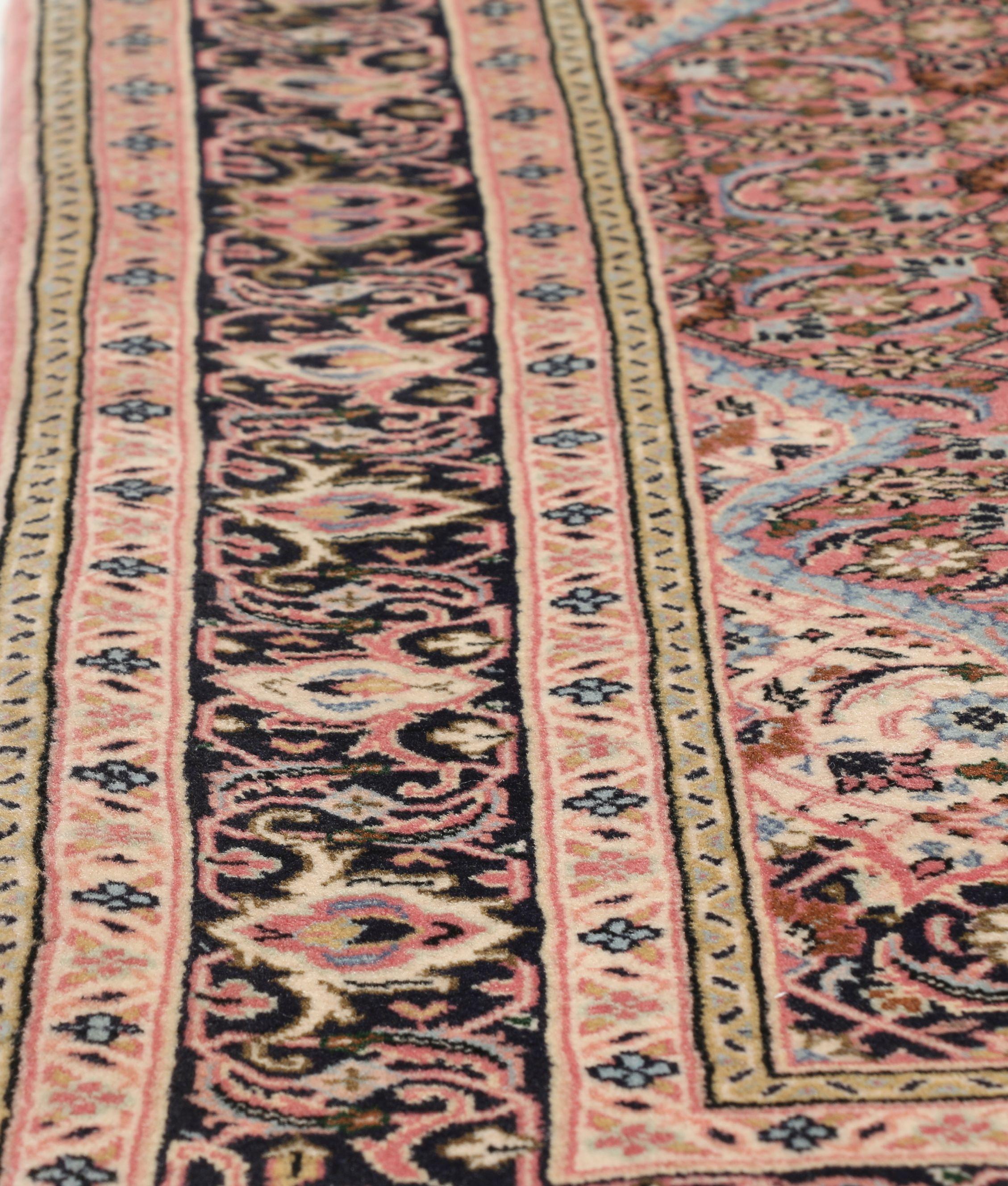
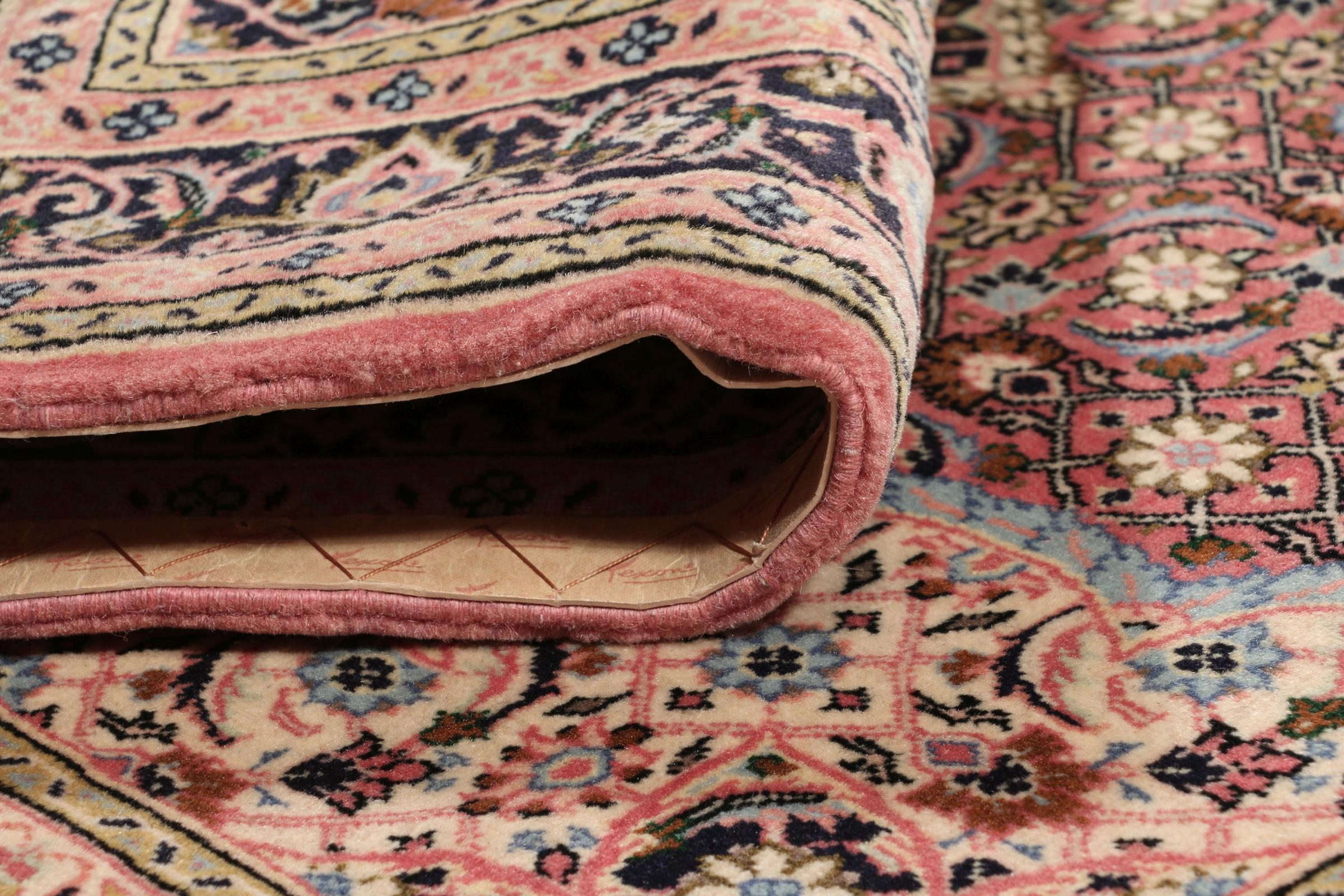
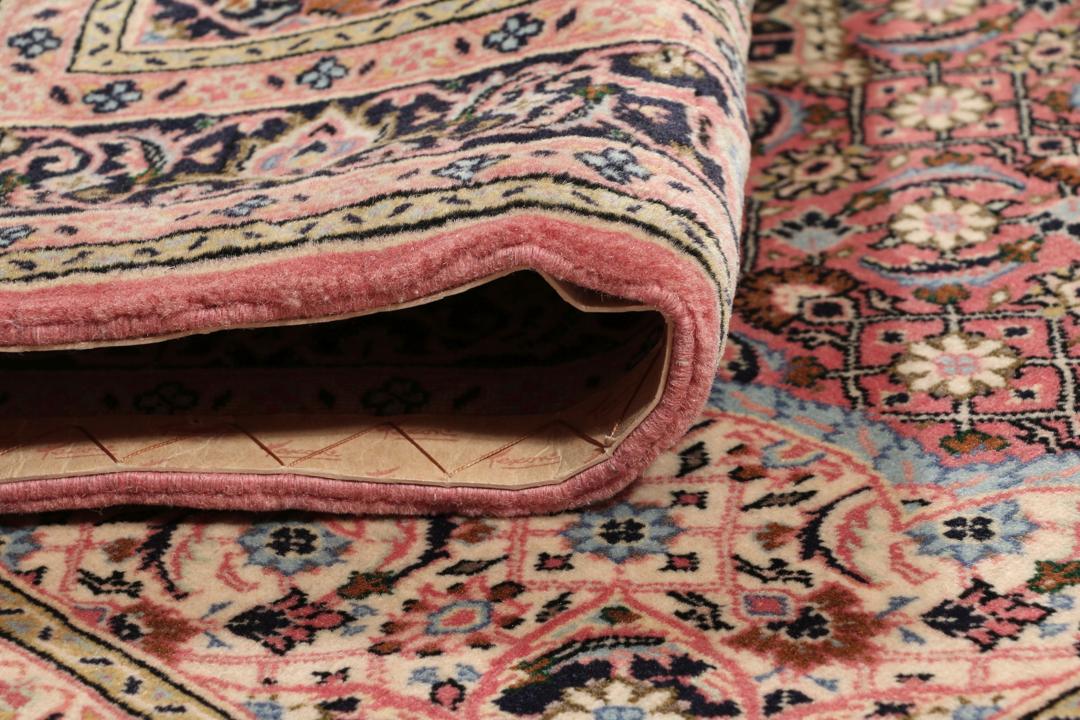
The term Shahrbaf refers to a specific, elevated style of weaving often associated with city workshops, which distinguishes these pieces from the more rustic, village-made counterparts found in the same region. This technique often involves a more refined approach to the knotting process, resulting in a smoother, more consistent pile that highlights the intricate patterns typical of urban design centres.
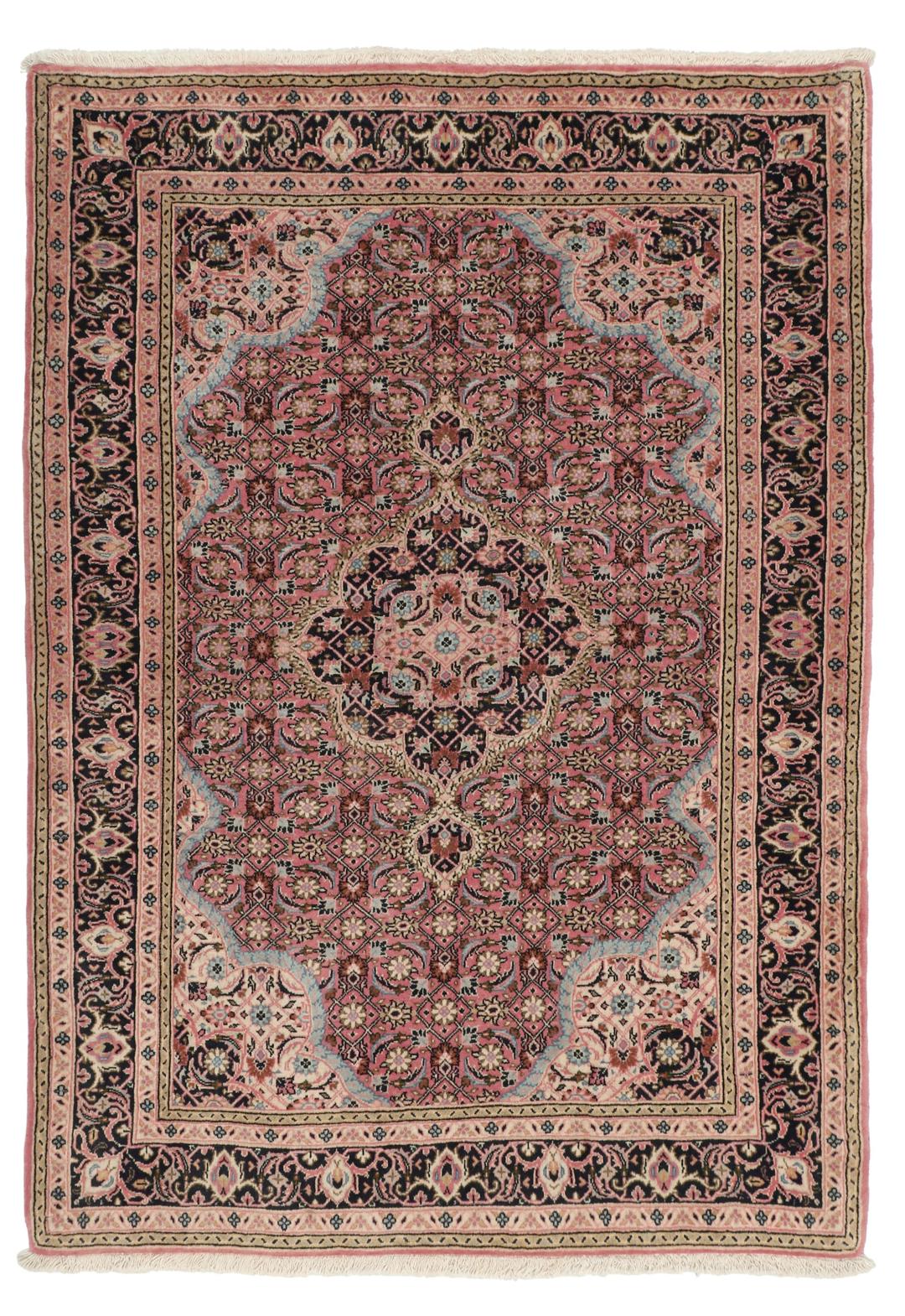
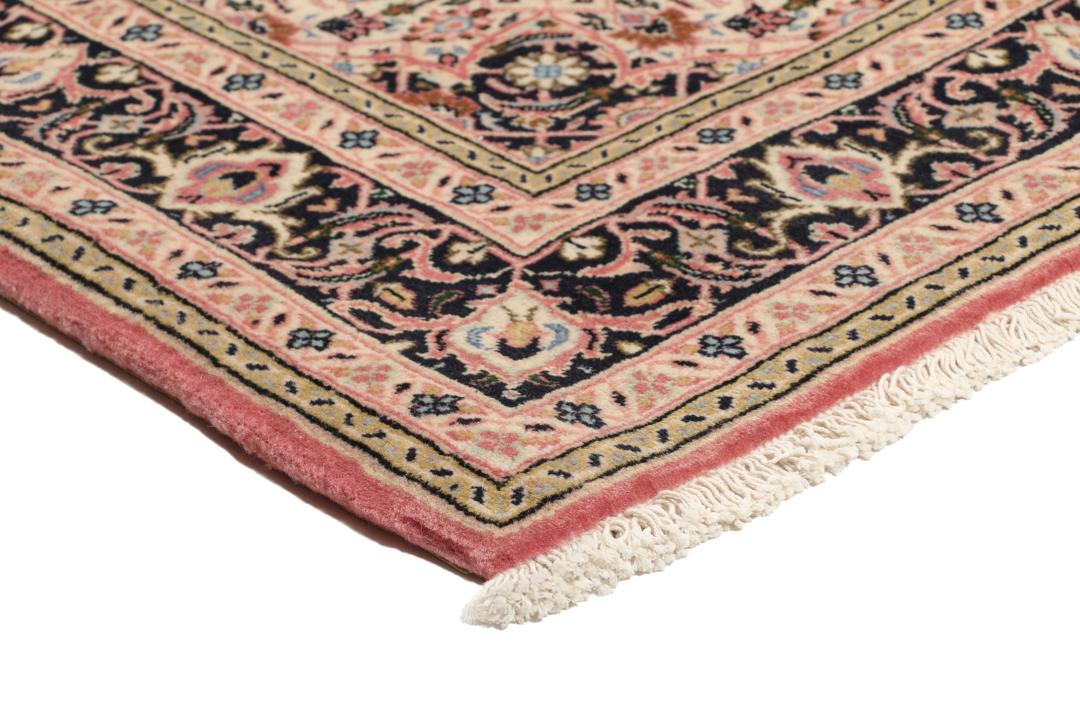
A signature element of this tradition is the sophisticated use of floral motifs and central medallions, which are often framed by ornate borders. These designs are deeply rooted in the artistic heritage of the Middle East, reflecting centuries of evolution in geometric and botanical illustration. The contrast between the central field and the border work is a classic hallmark, providing a balanced, harmonious look that fits perfectly in both traditional and eclectic settings.
Owning a Hamadan Shahrbaf is an investment in a living tradition. Collectors value these rugs not only for their durability but for the cultural narrative woven into every thread. By choosing a piece from this lineage, you are supporting a craft that has been passed down through generations, preserving the skill and artistic vision that define the history of this storied region.