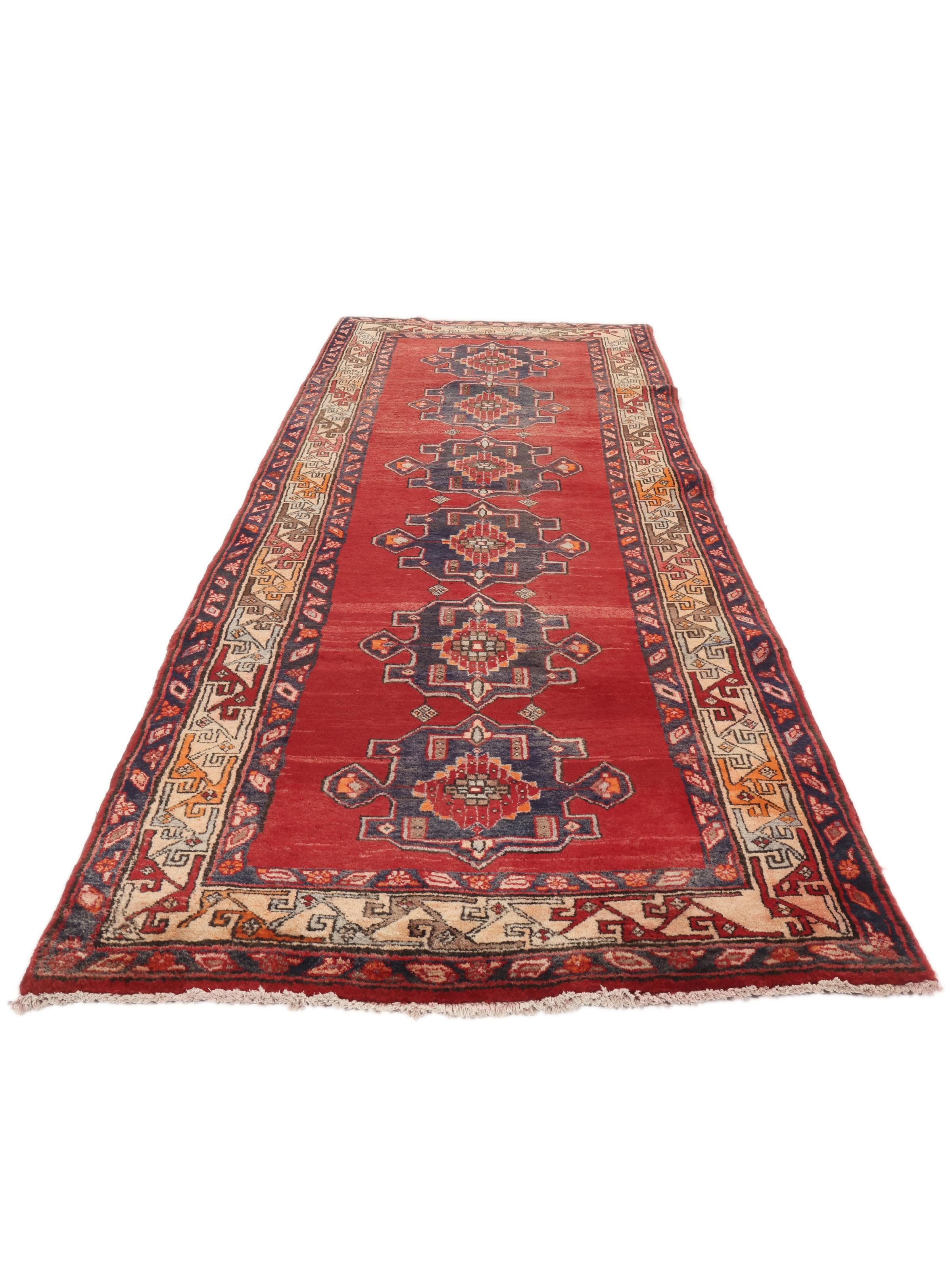
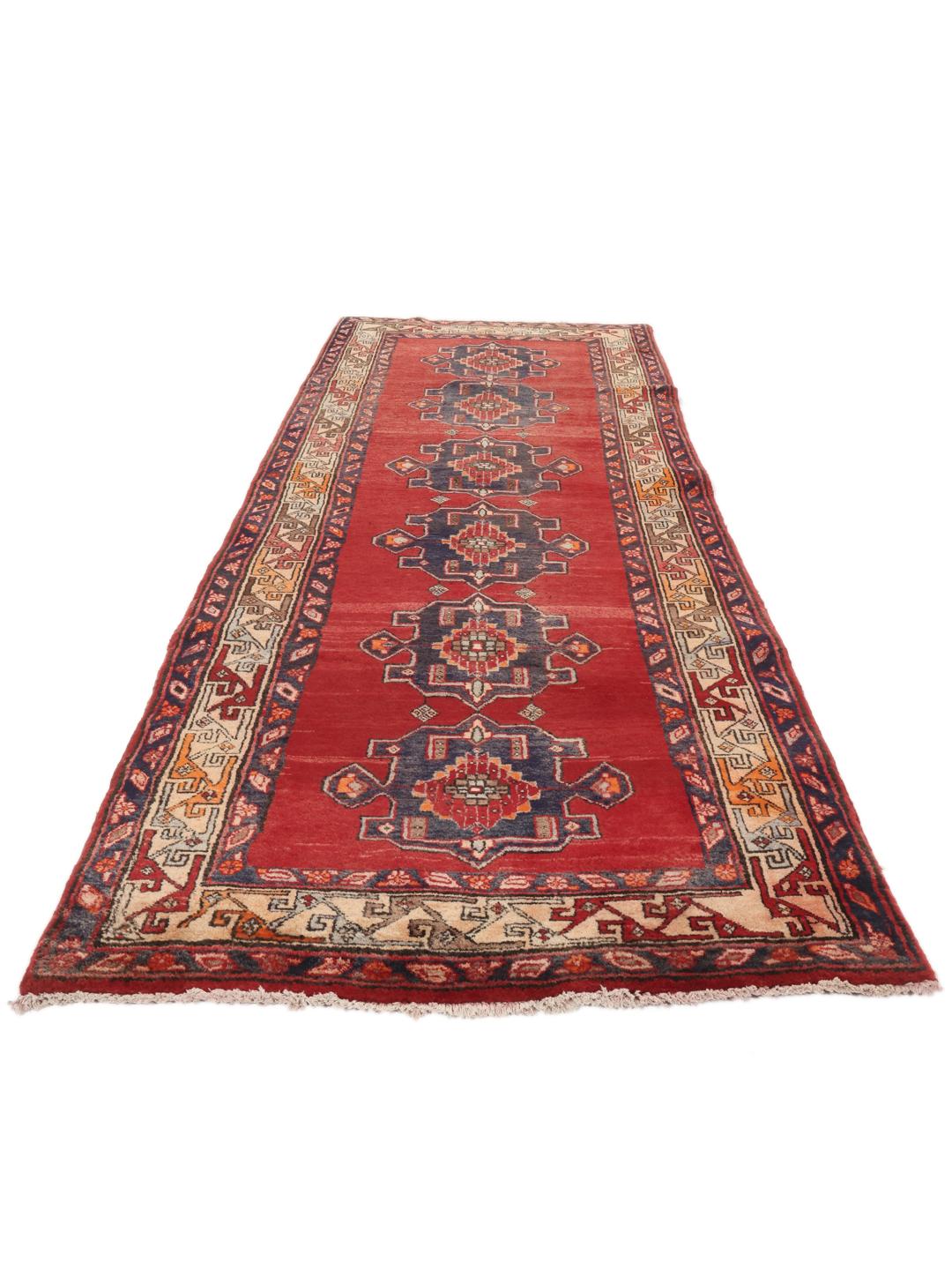
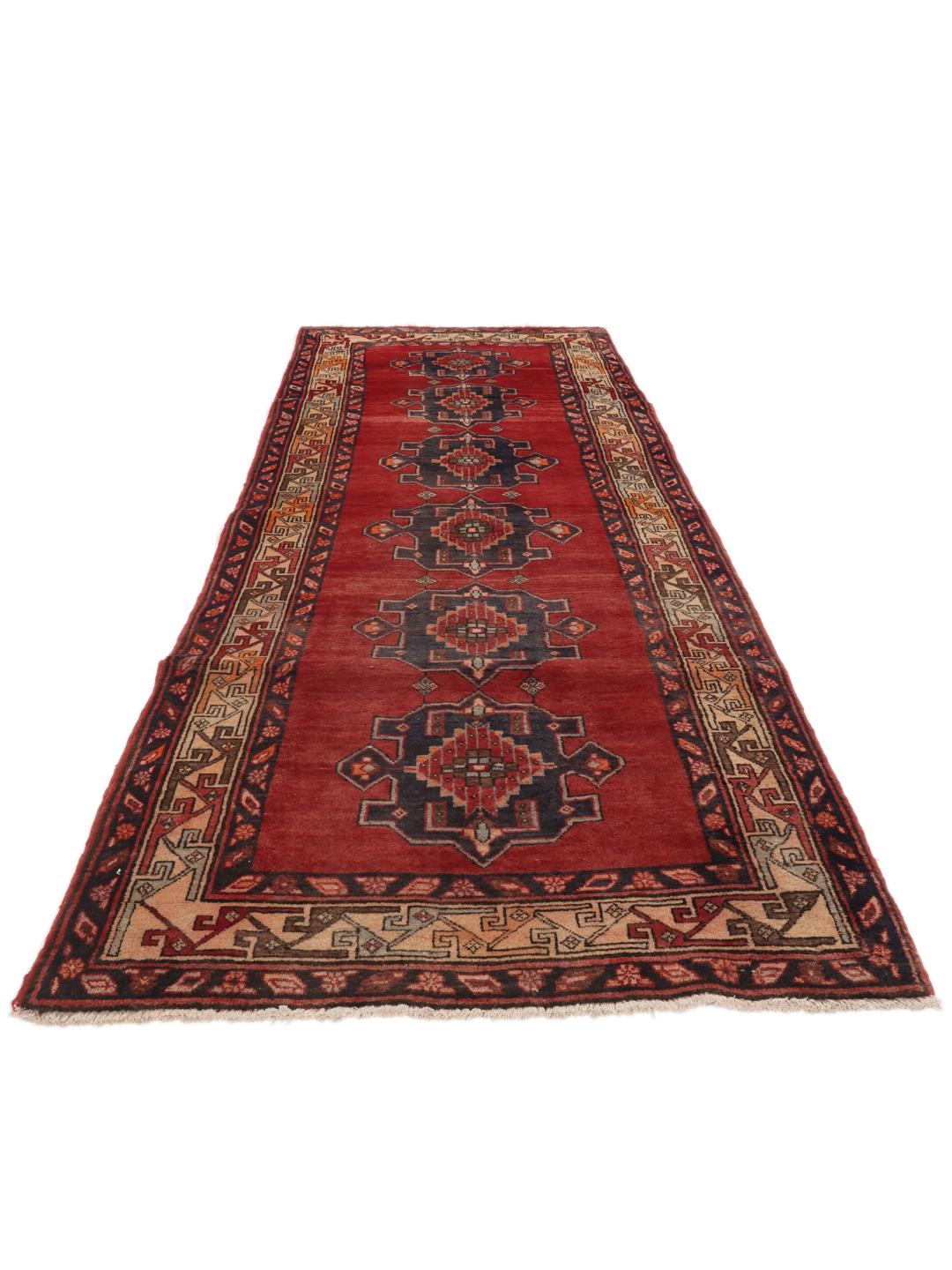
Hamadan rugs originate from one of the oldest cities in the Middle East, a region with a long-standing tradition of weaving that dates back centuries. These rugs are celebrated for their diverse designs, which often reflect the unique aesthetic preferences of the various village communities scattered throughout the surrounding mountainous landscape.
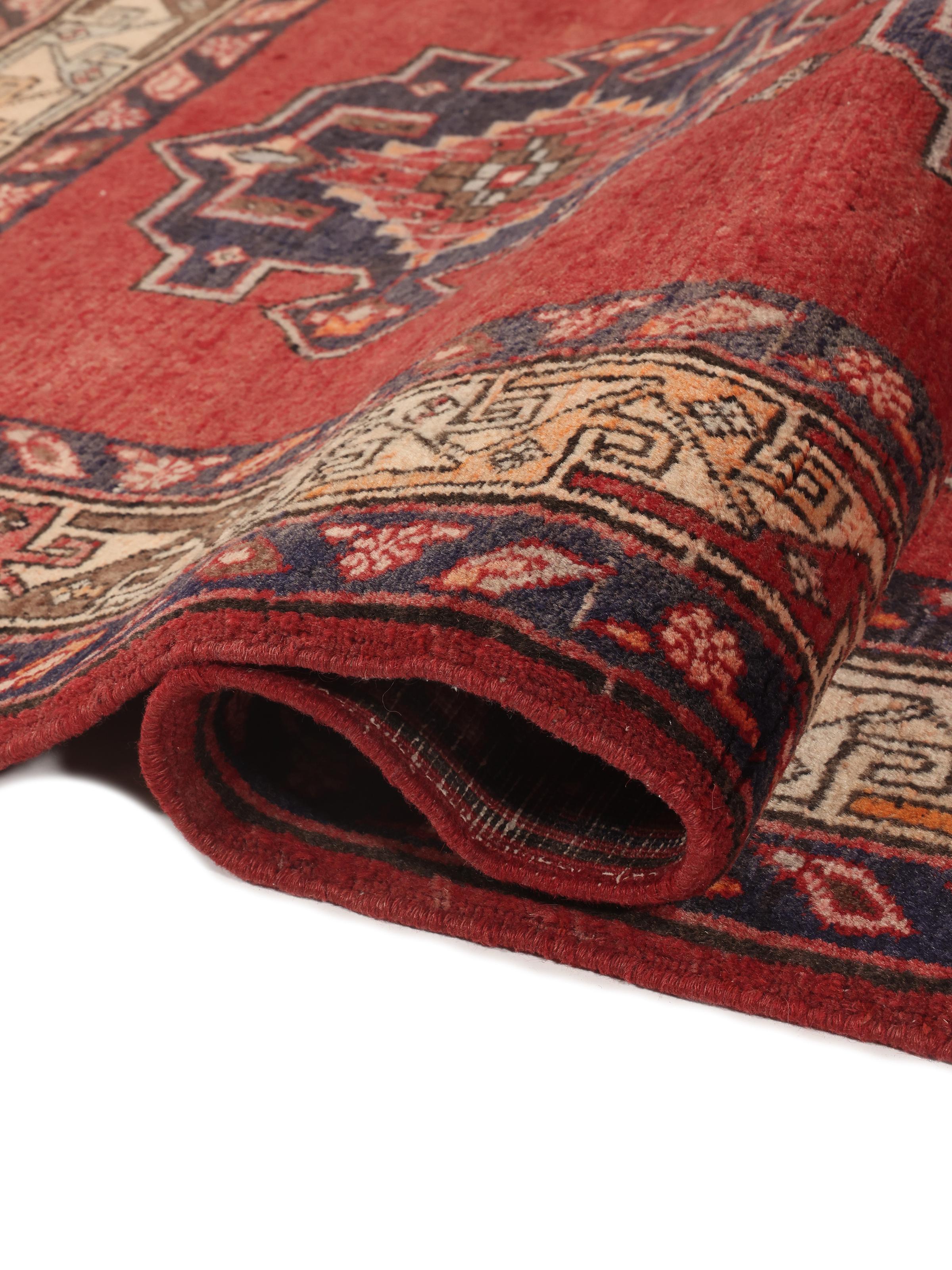
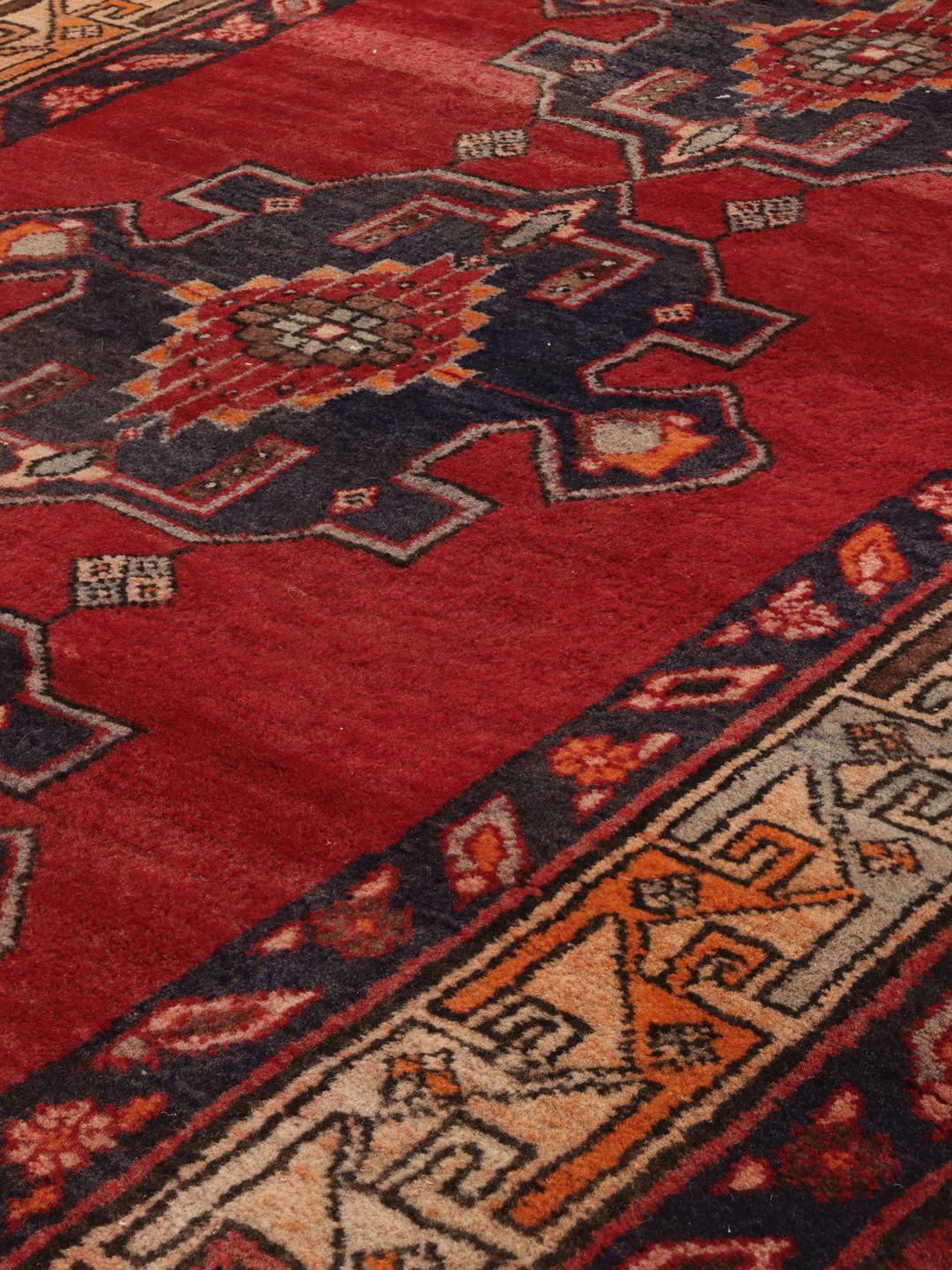
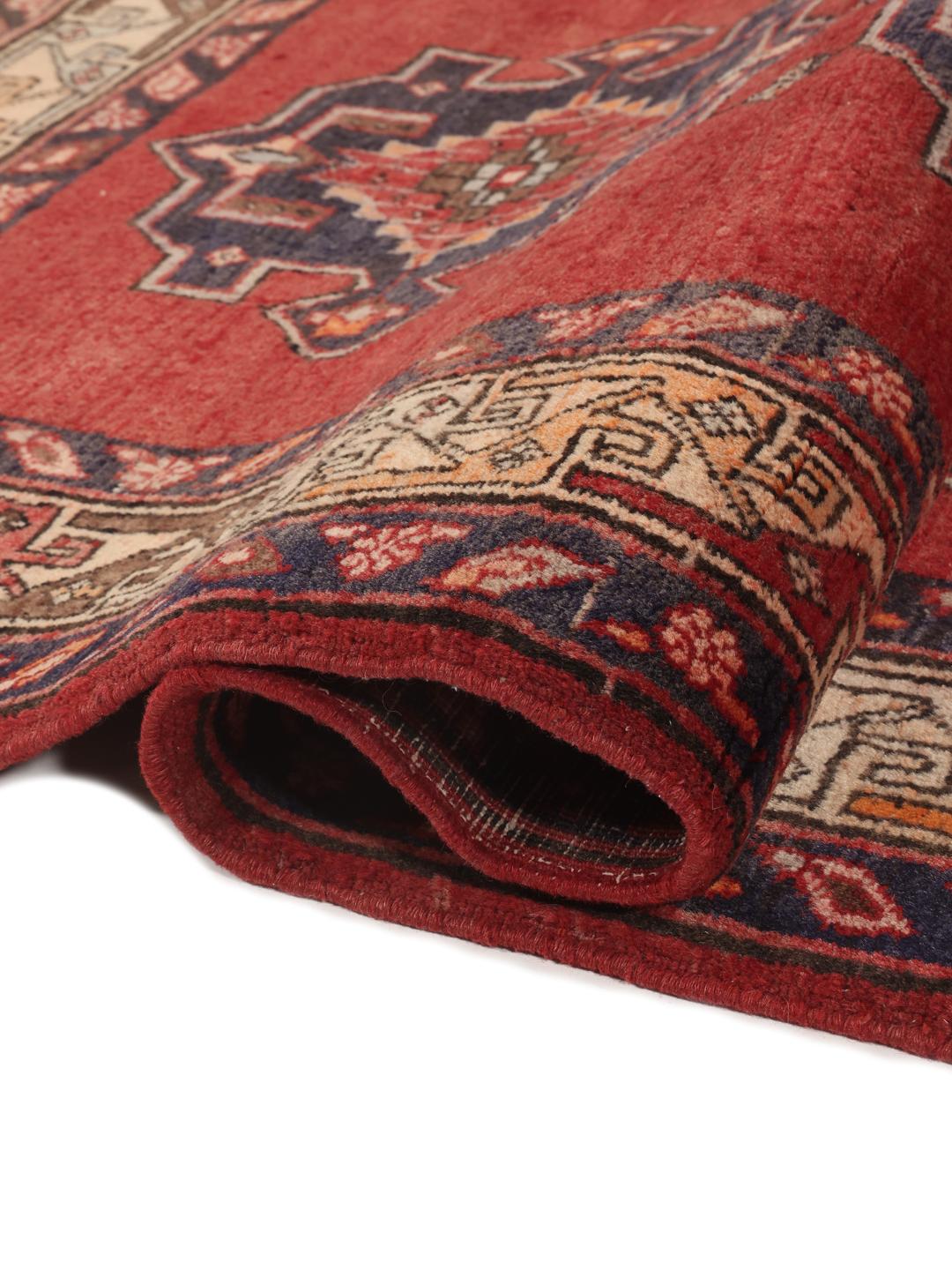
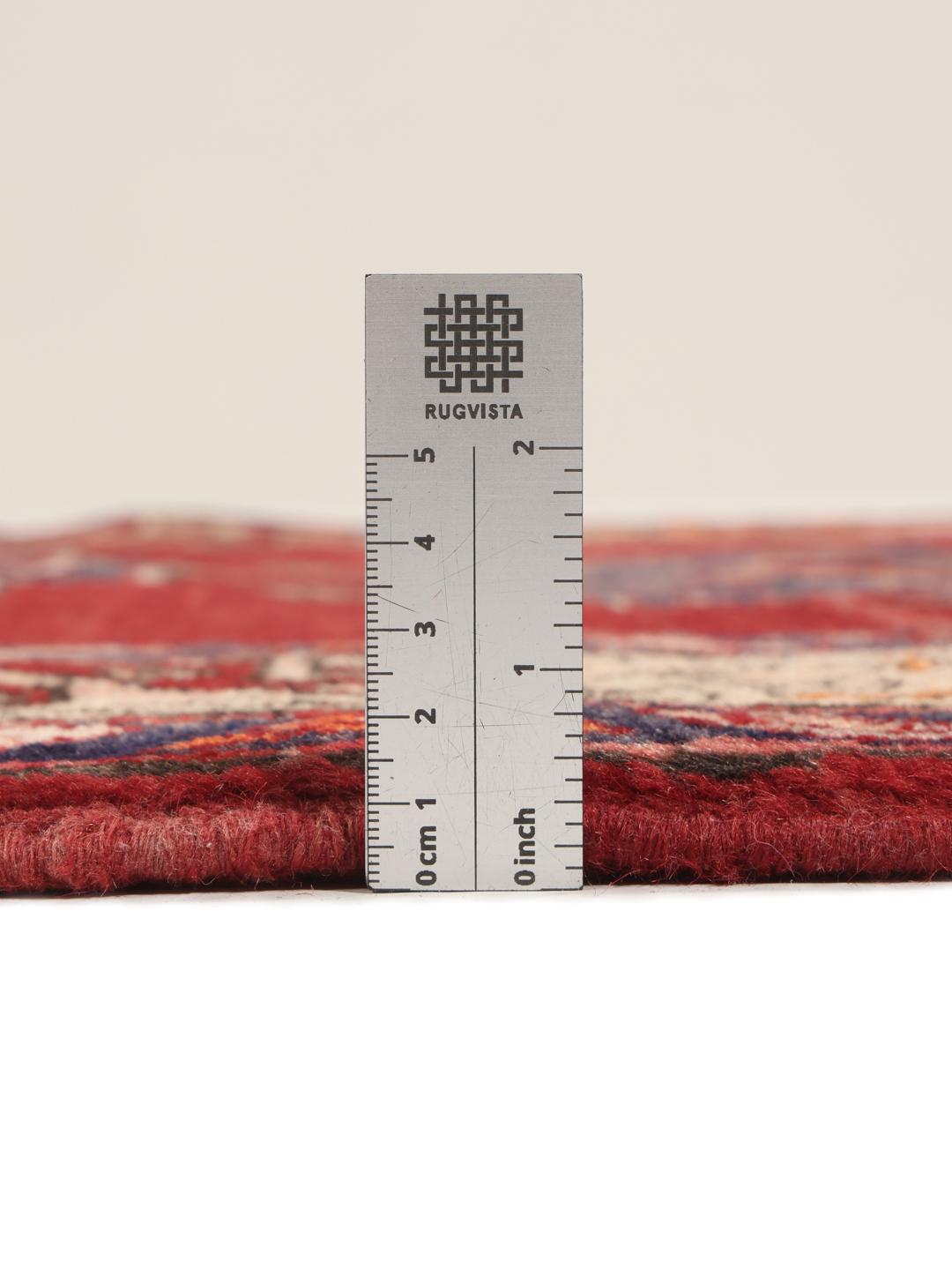
The term Hamadan refers to a wide range of rugs produced in this area, typically characterised by their sturdy construction and use of durable, high-quality wool. This foundation is essential to the longevity of the pieces, as they were originally designed to withstand the rigours of daily life in a demanding climate.
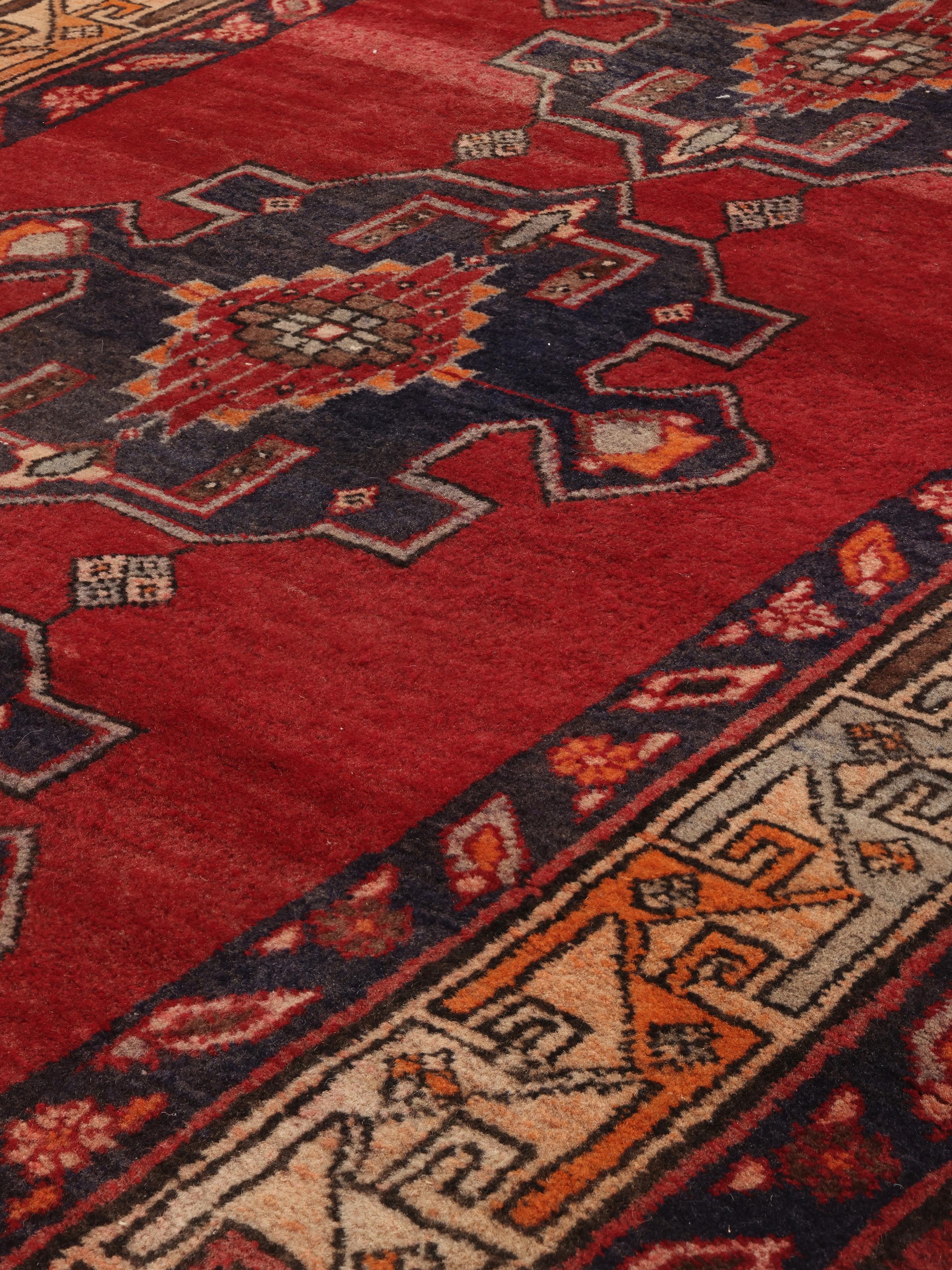
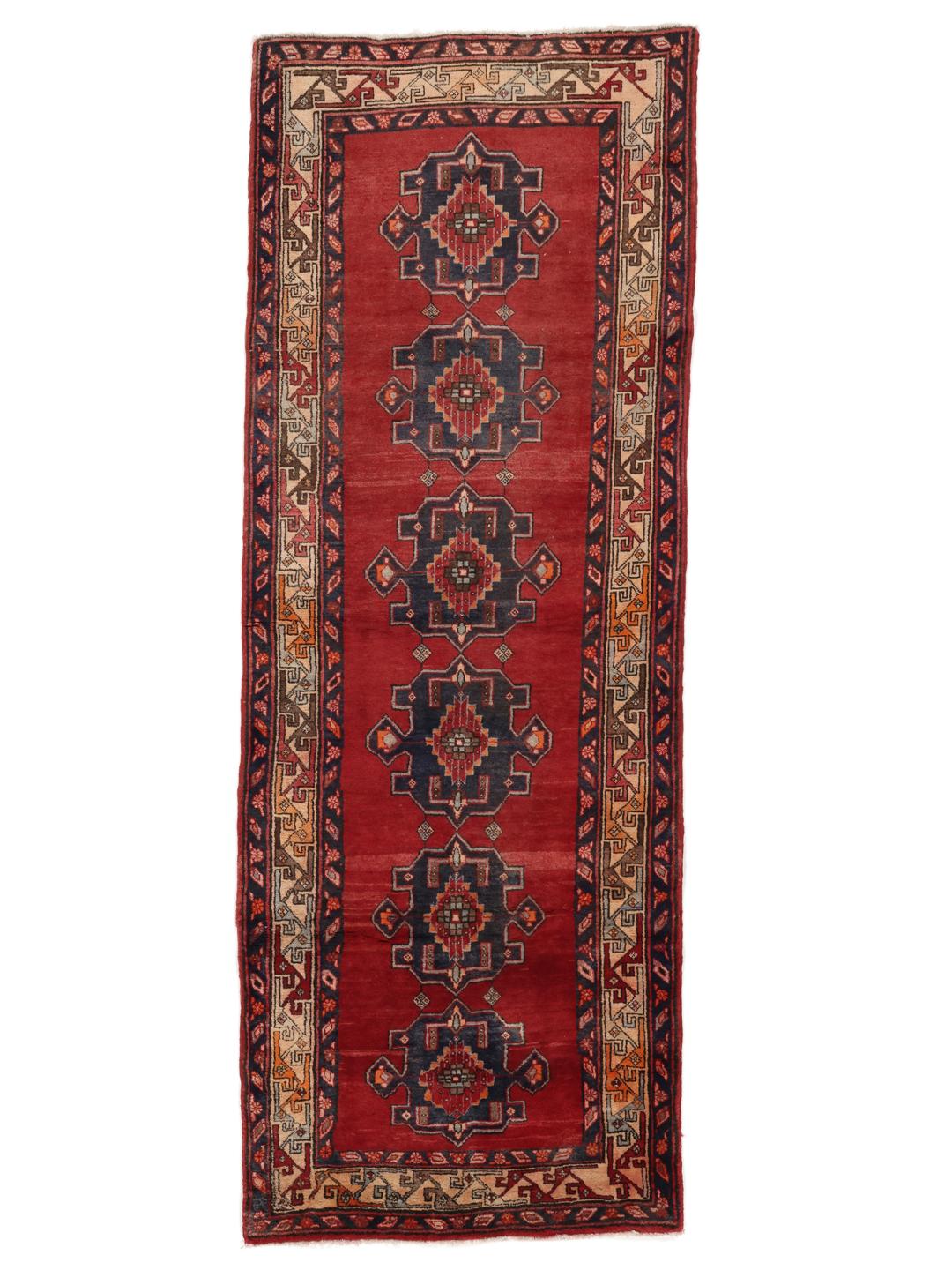
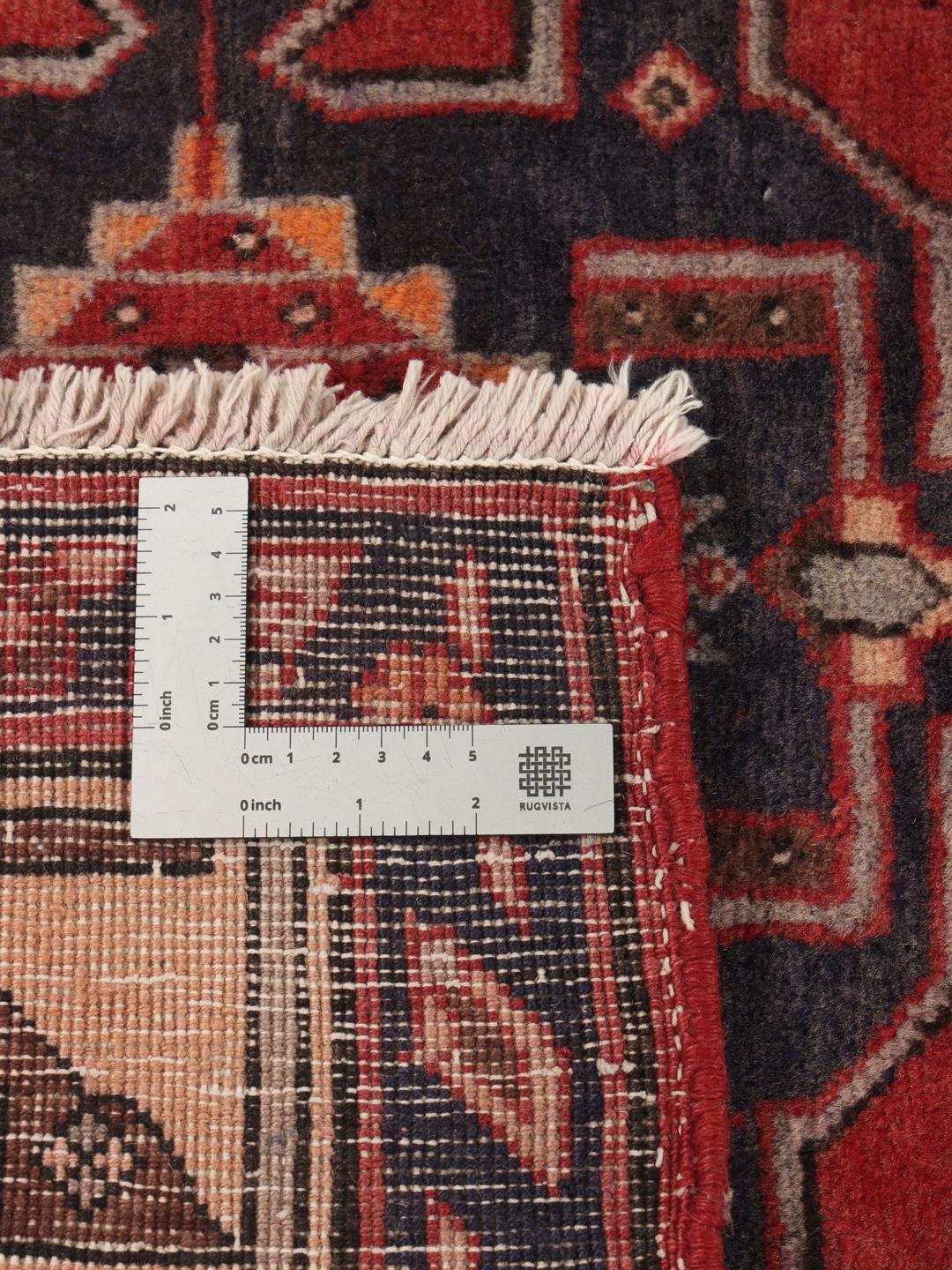
Visually, these runners are known for their bold, geometric storytelling. The field is frequently adorned with stylised medallions, hooked motifs, and intricate floral patterns, all rendered in deep, earthy tones. It is common to see a central medallion surrounded by a complex border, showcasing the weaver's ability to balance symmetry with creative expression.
Collectors value these rugs for their authenticity and the tangible connection they provide to Middle Eastern craft history. Because many are produced in smaller village settings, each piece carries the distinct touch of its creator, making these rugs not just floor coverings, but pieces of cultural heritage that continue to gain character over time.