Gabbeh rugs have their roots in the nomadic cultures of the Middle East, where they were originally woven for personal use rather than for trade. These rugs were traditionally designed to provide warmth and comfort in harsh, rugged environments, serving as essential floor coverings in tents. Over time, their simple yet profound aesthetic gained recognition far beyond their original communities.
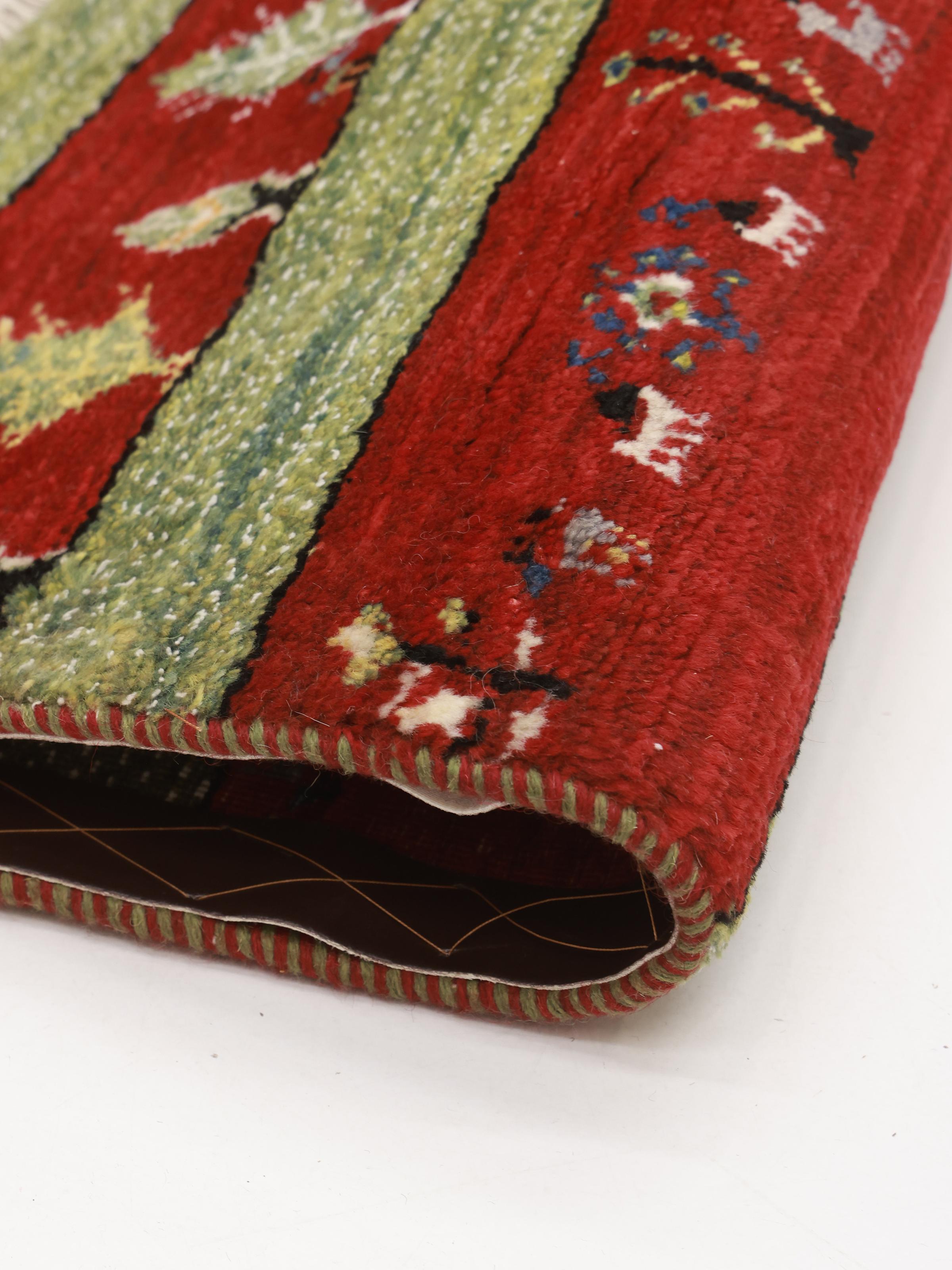
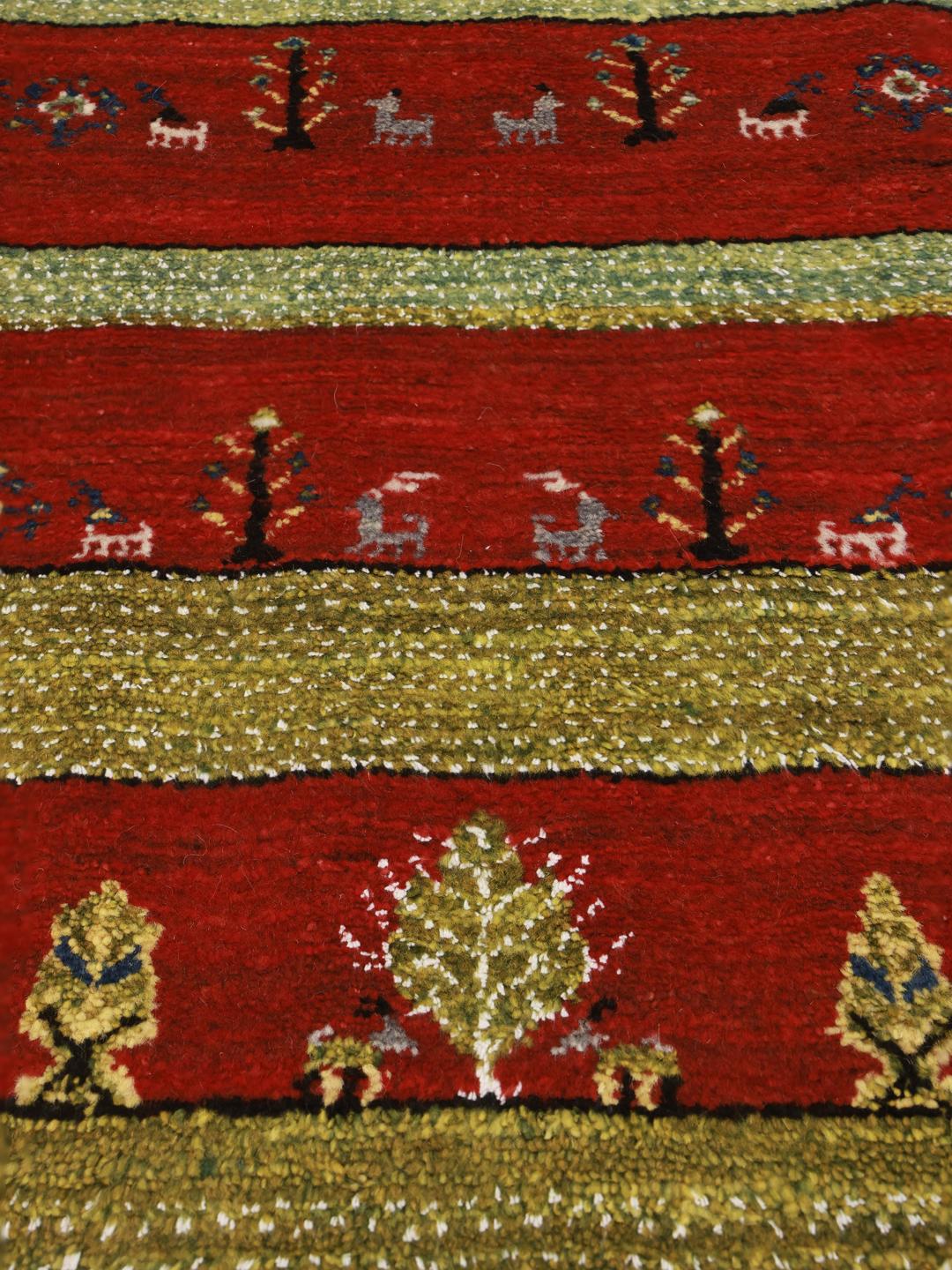
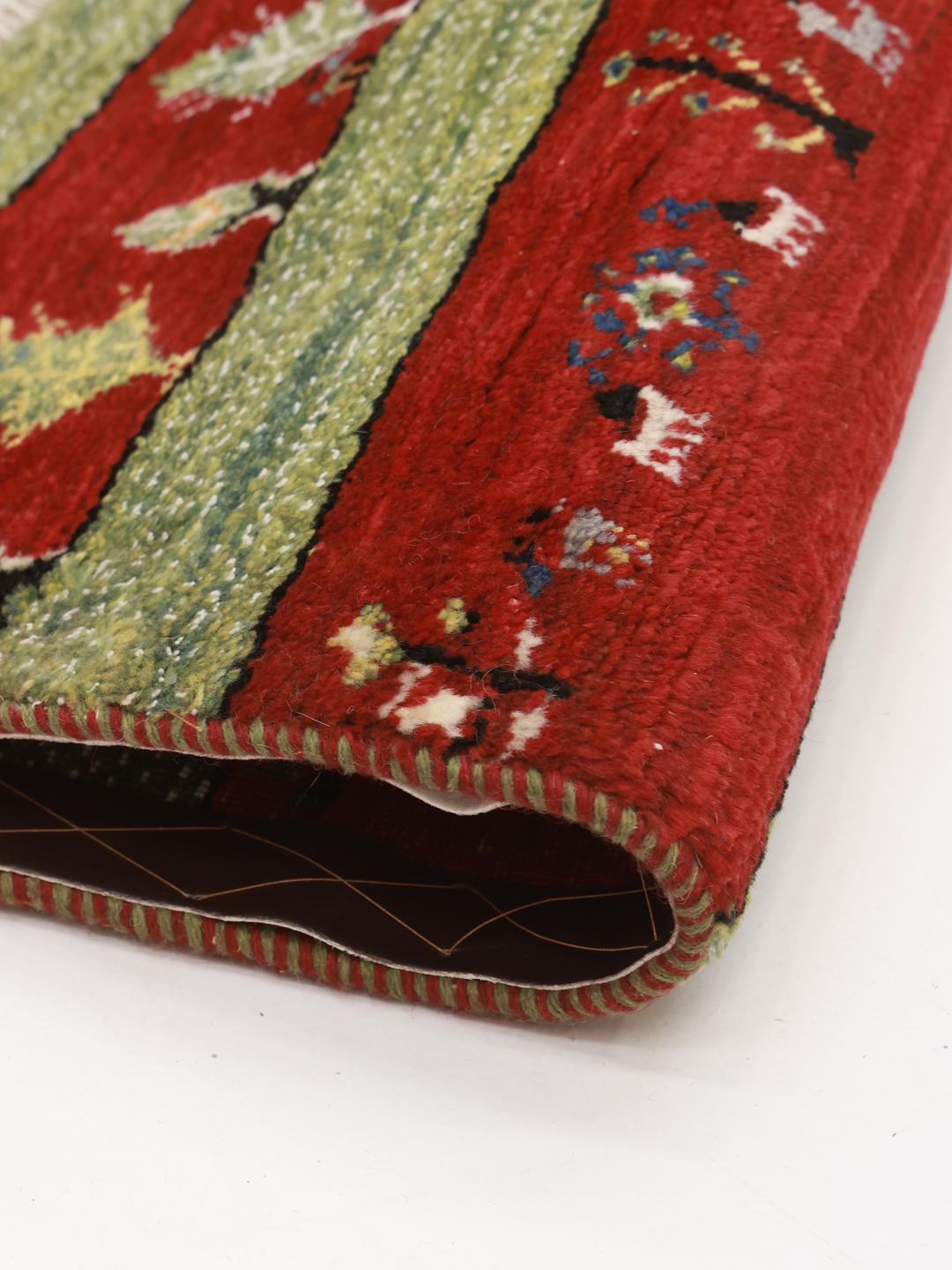
The term Gabbeh refers to a specific style of weaving that is characterised by a thicker, longer pile and a more relaxed approach to design compared to formal, city-made rugs. This style allows for a greater freedom of expression, resulting in motifs that are often geometric, abstract, or pictorial. The use of hand-spun, natural-dyed wool is a hallmark of the tradition, lending the rugs their characteristic depth of colour and slightly irregular texture.
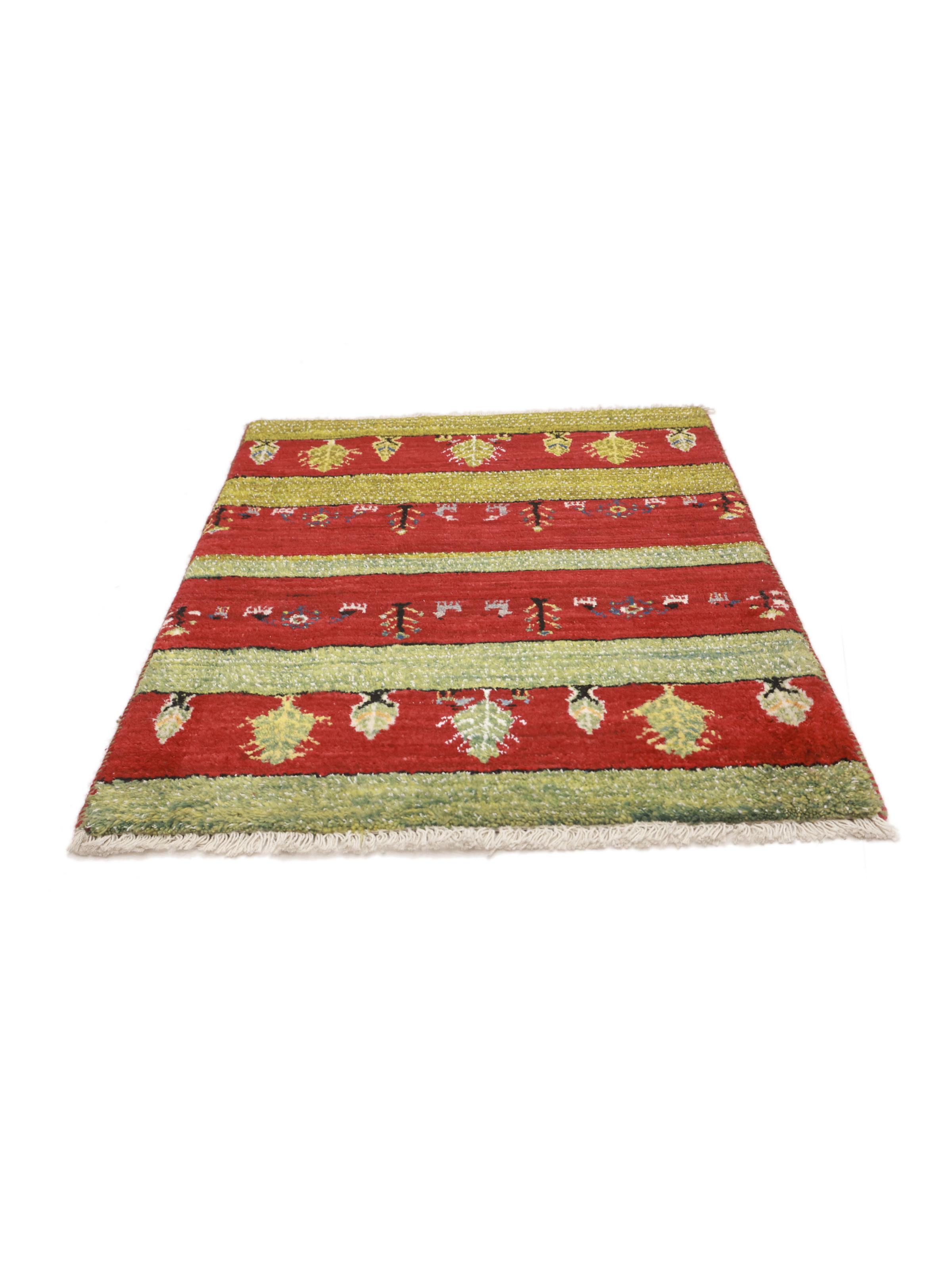
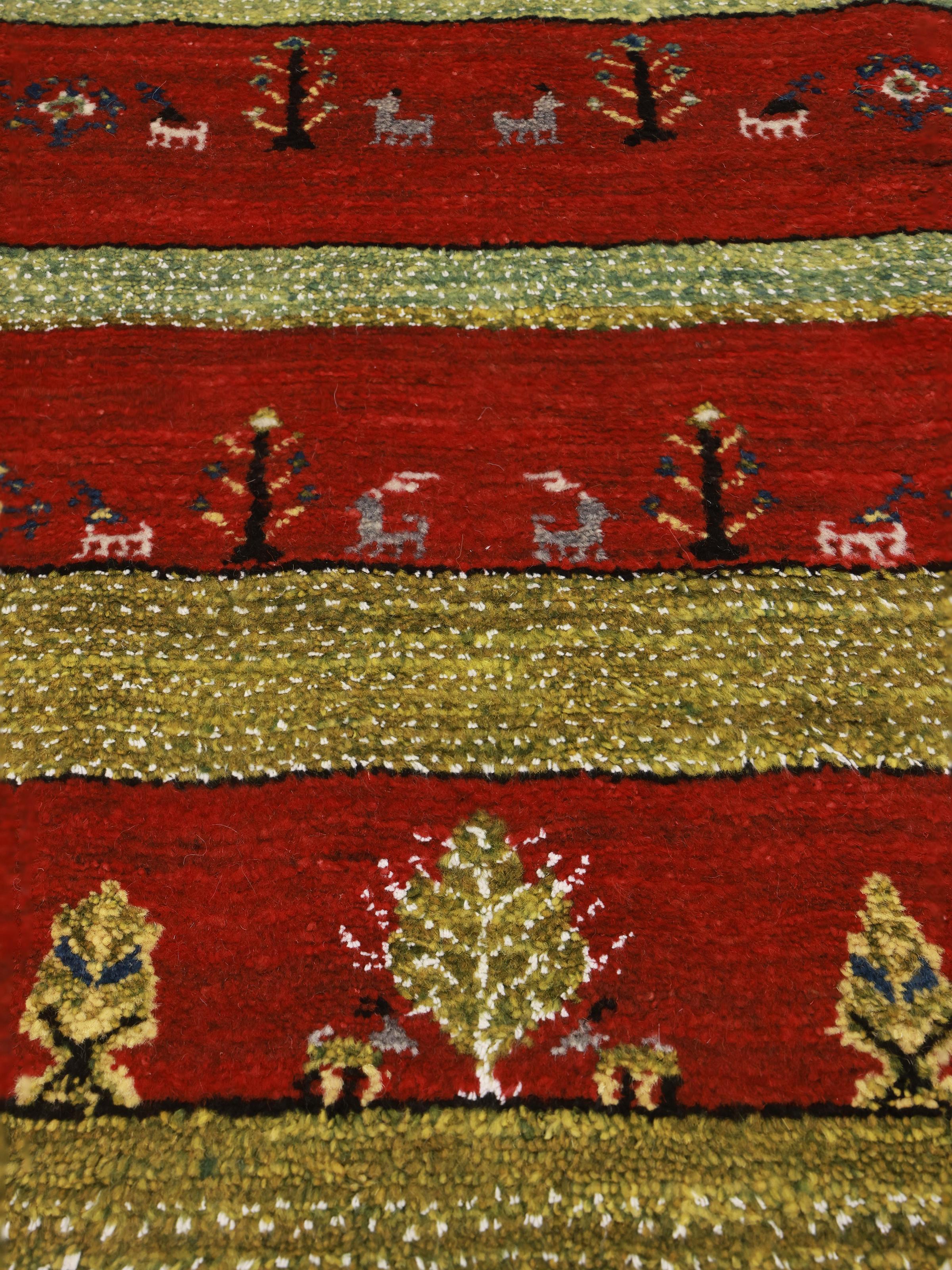
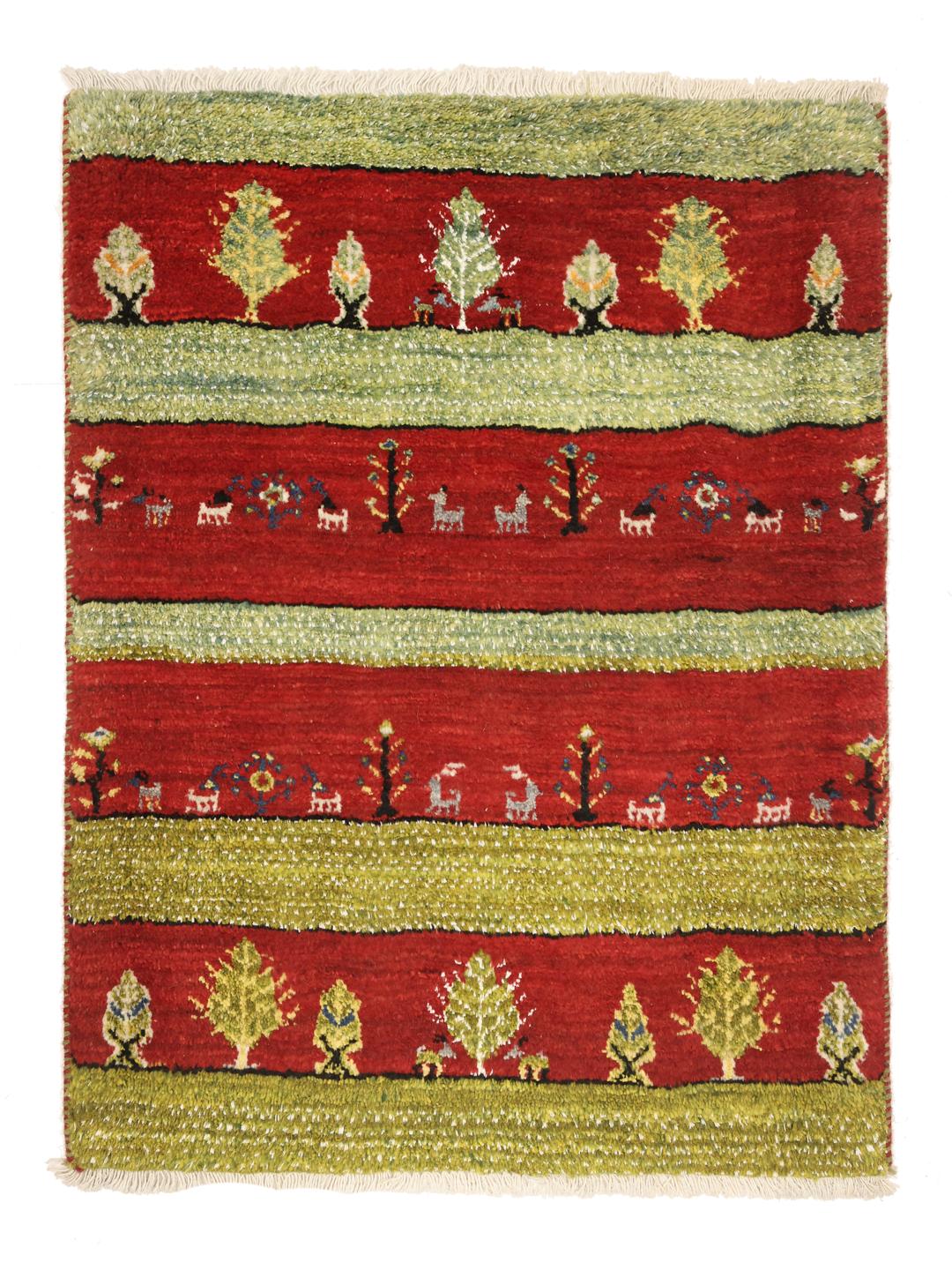
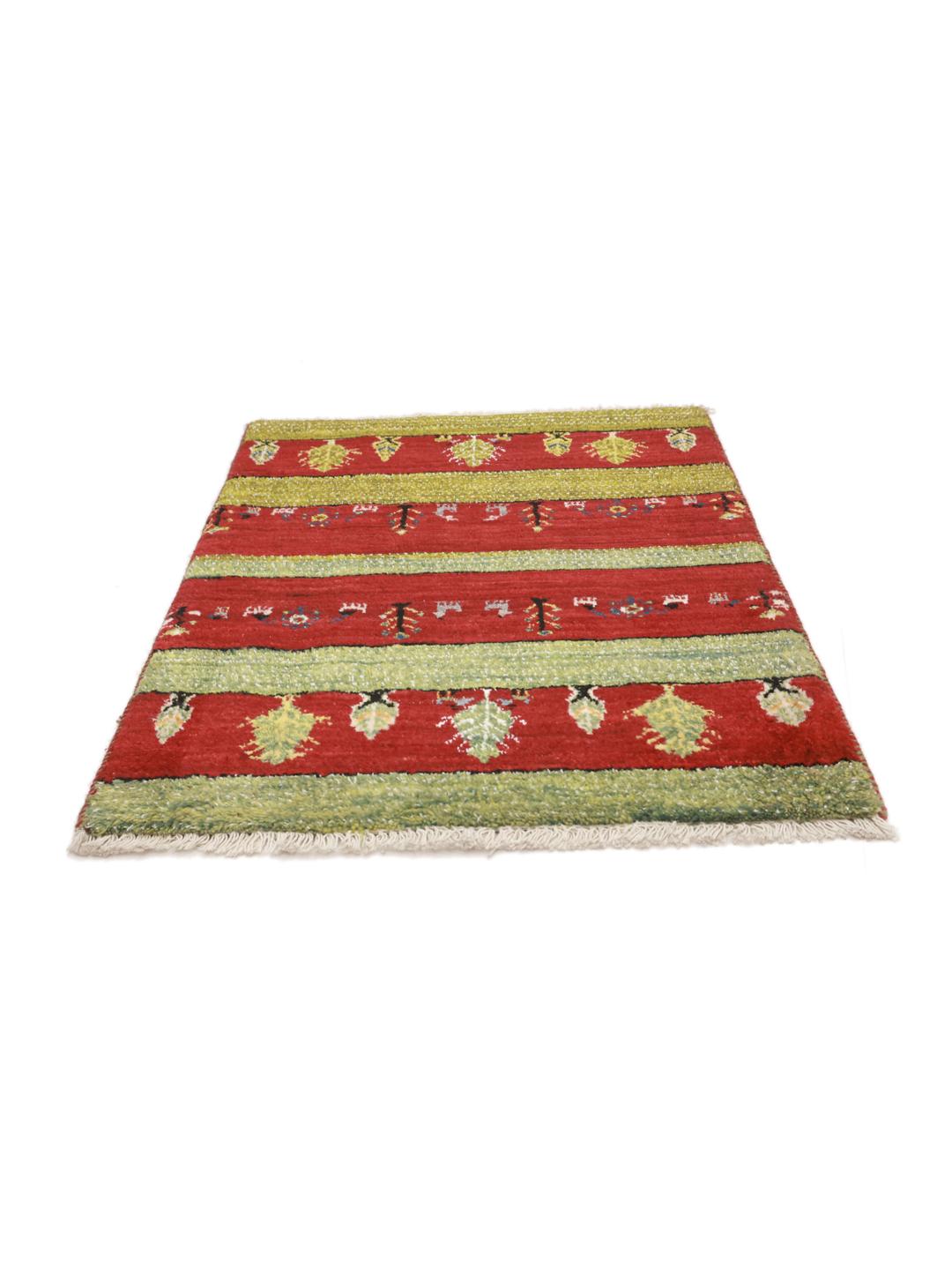
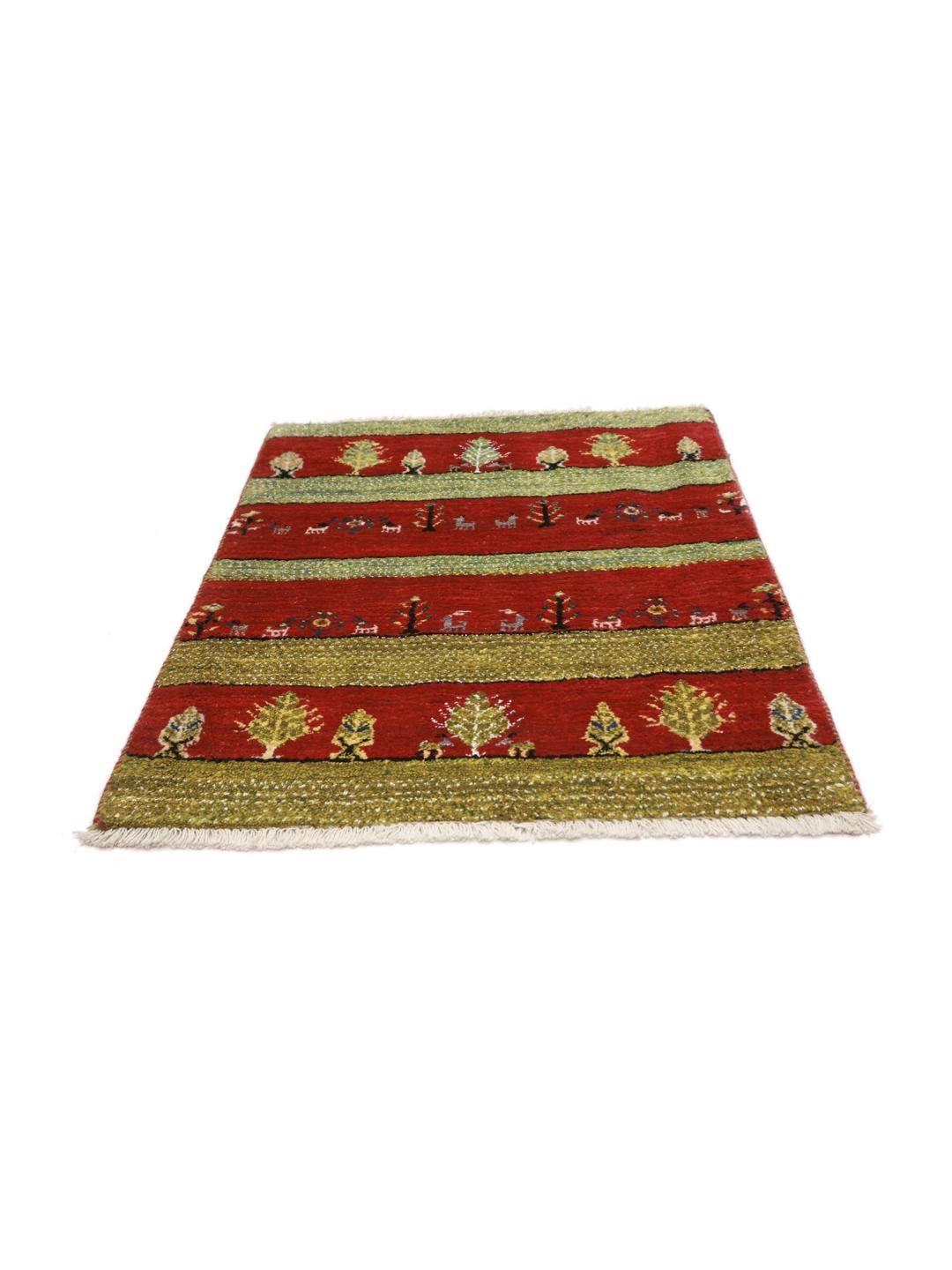
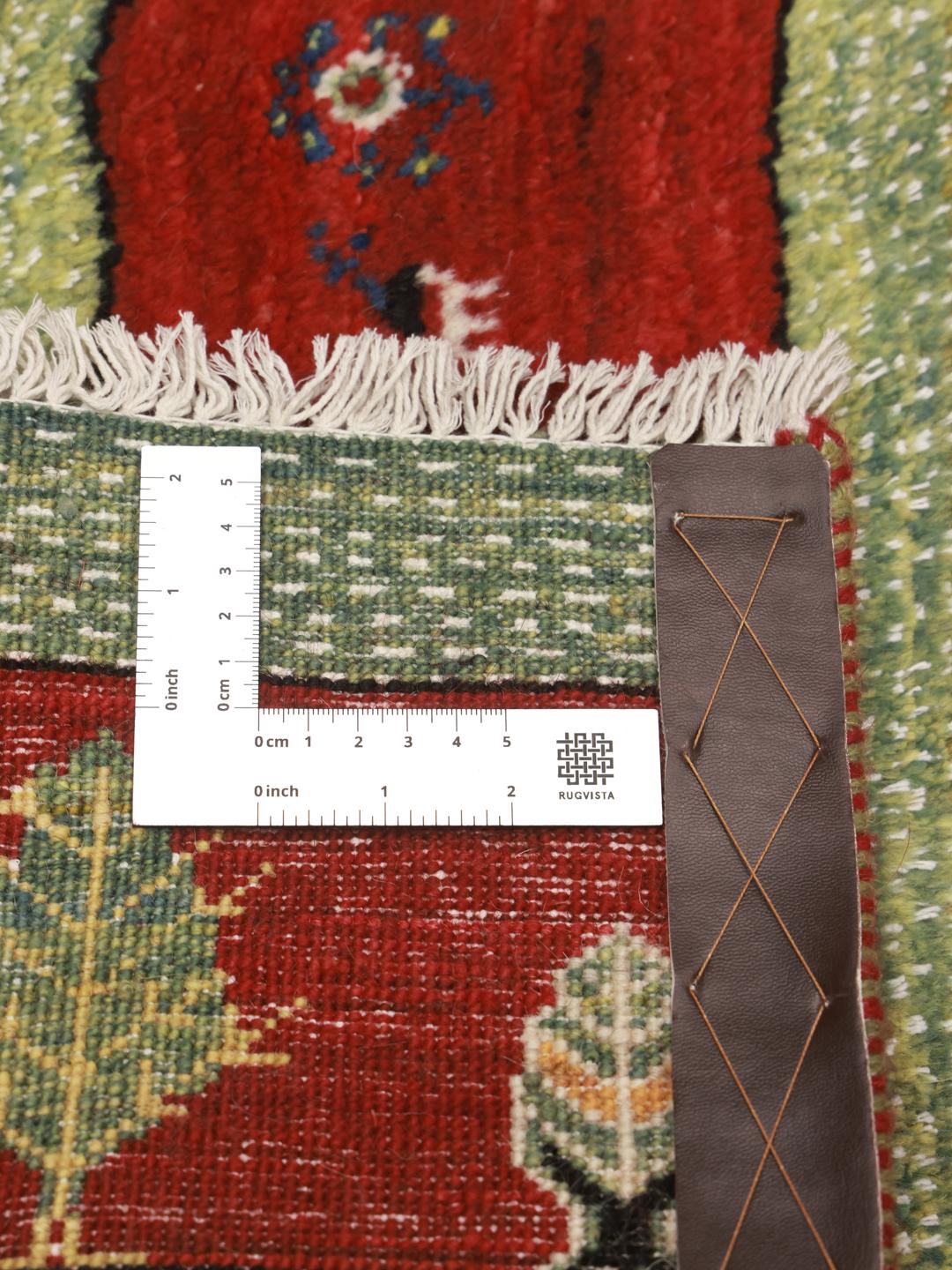
The motifs found on these rugs are deeply symbolic, often representing the weaver's connection to nature and their environment. Common patterns include simplified trees, animals, and landscapes, which are depicted with a charming, naive quality. This rug features a landscape design that highlights the artistry of these nomadic traditions, showcasing how weavers translate their world into visual stories through knotting.
Collecting a Gabbeh rug means participating in a centuries-old tradition that values individual expression and communal heritage. These pieces are highly sought after by those who appreciate the human element in craft, as each rug bears the unique signature of the person who created it. Owning one is a way to celebrate a legacy of skill that has survived through generations, offering a sense of connection to history and the enduring power of handmade art.