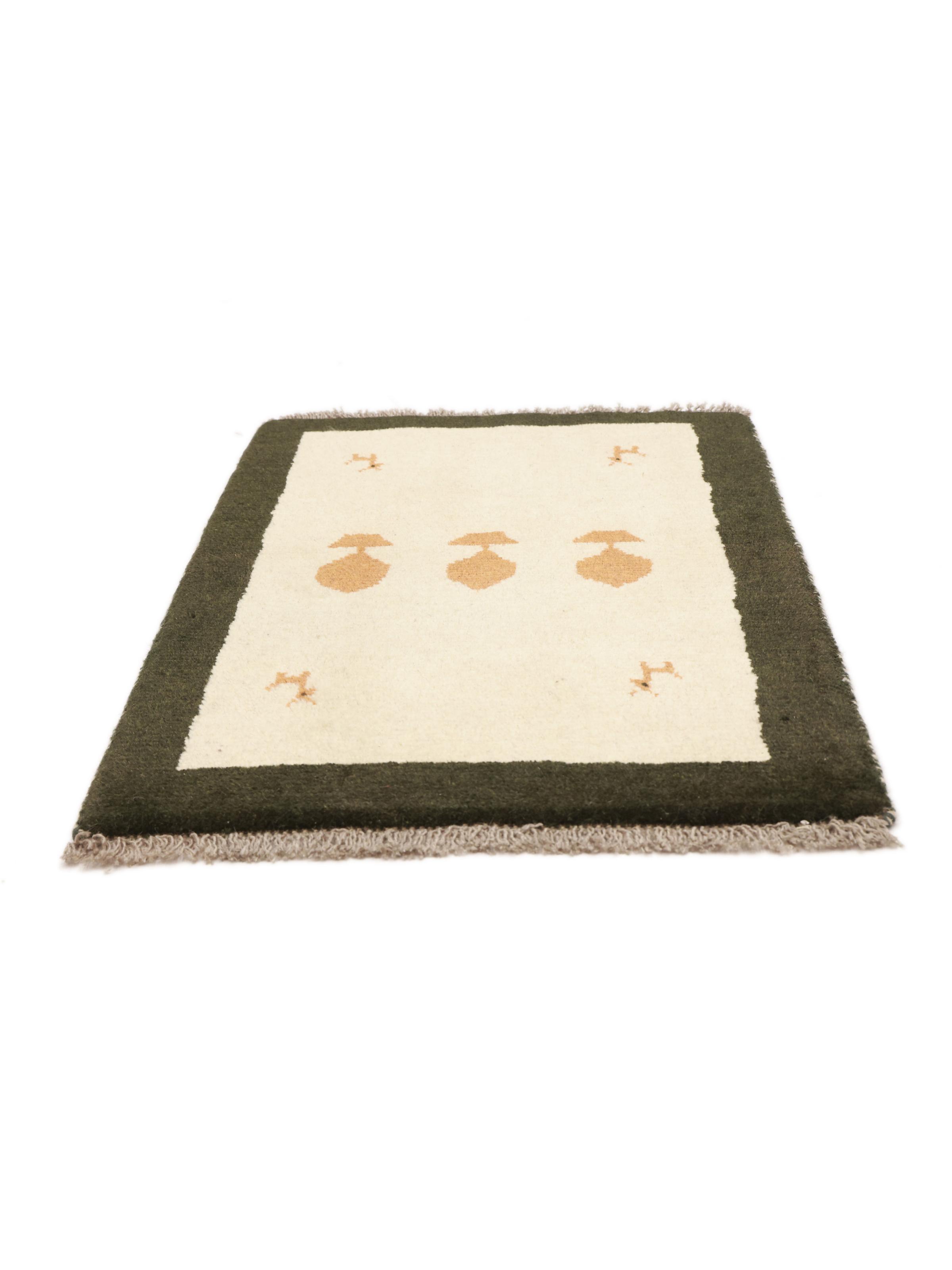
The Gabbeh tradition originates from the nomadic tribes of the Middle East, who have long woven these rugs for their own daily use. Unlike formal carpets designed for palaces, Gabbehs were created by weavers to provide warmth and comfort in the harsh, mountainous environments where they lived.
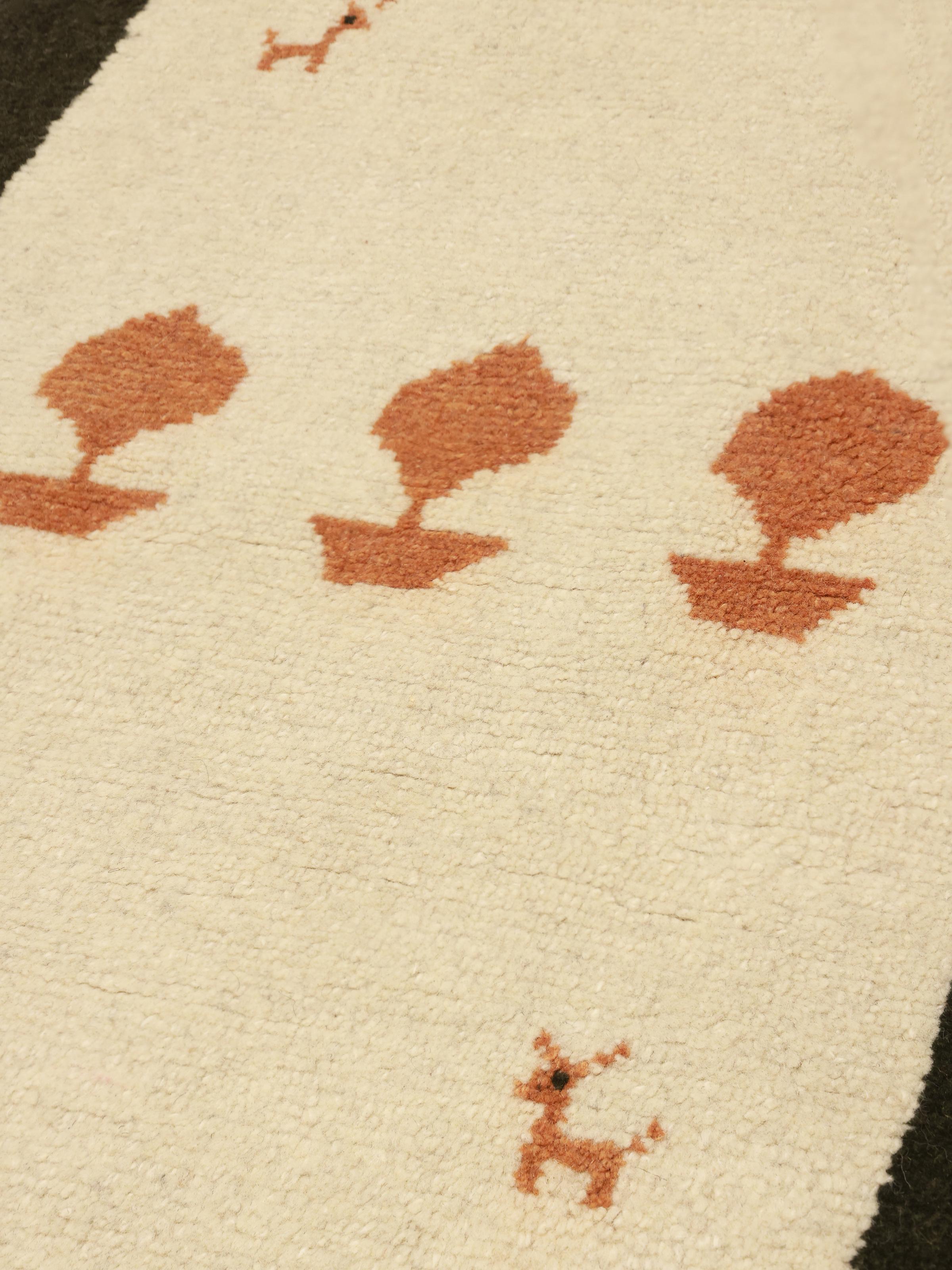
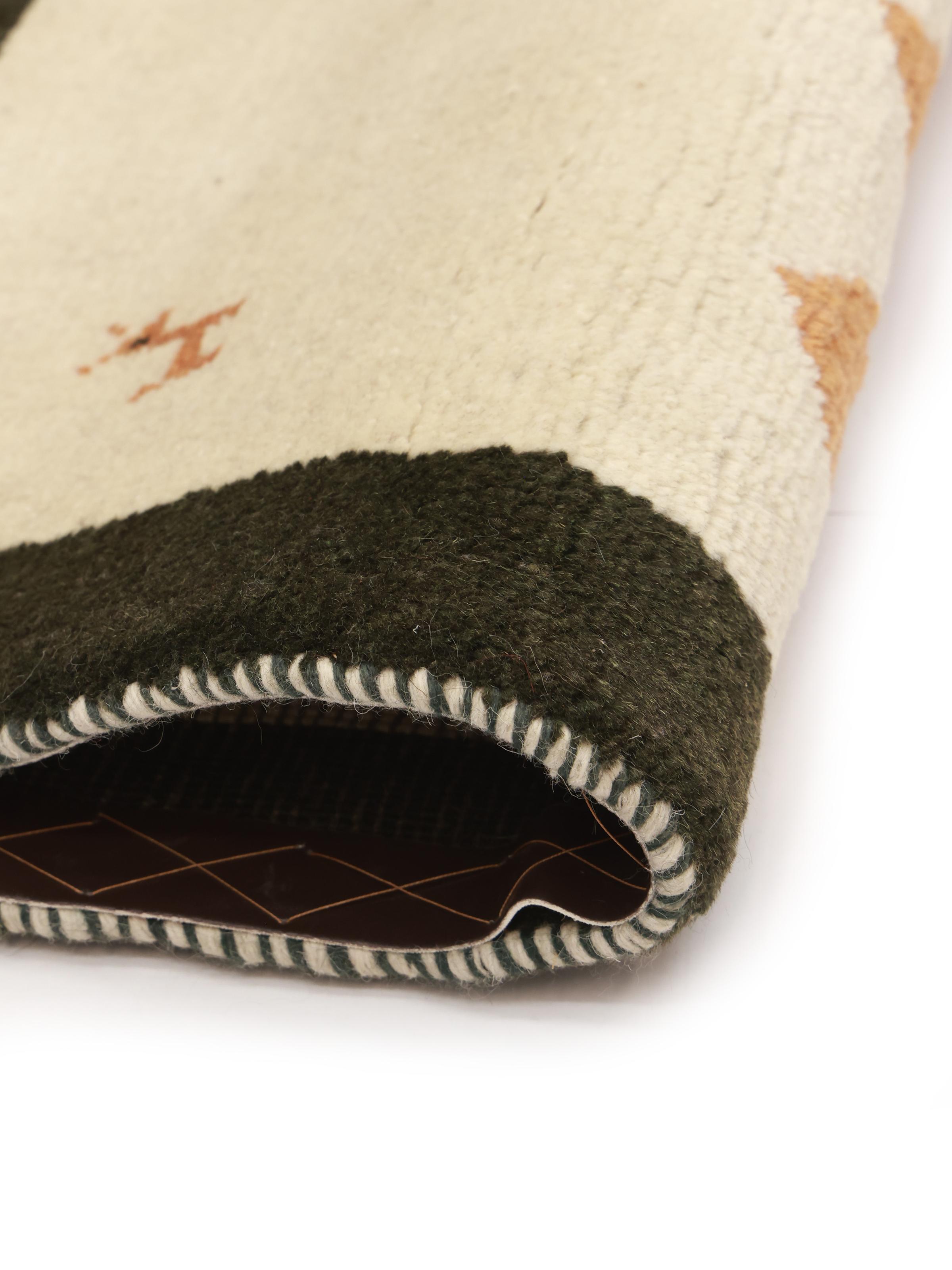
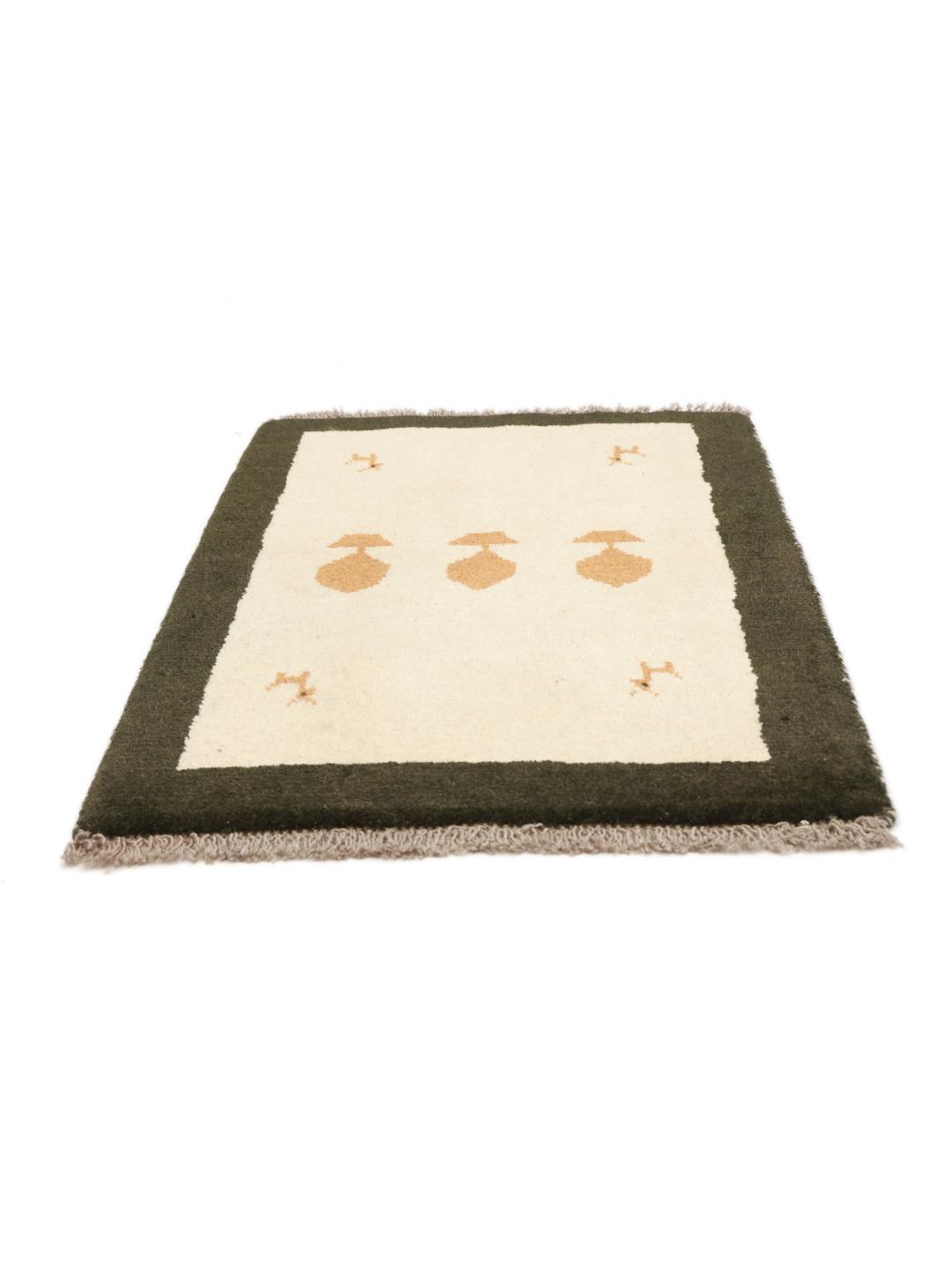
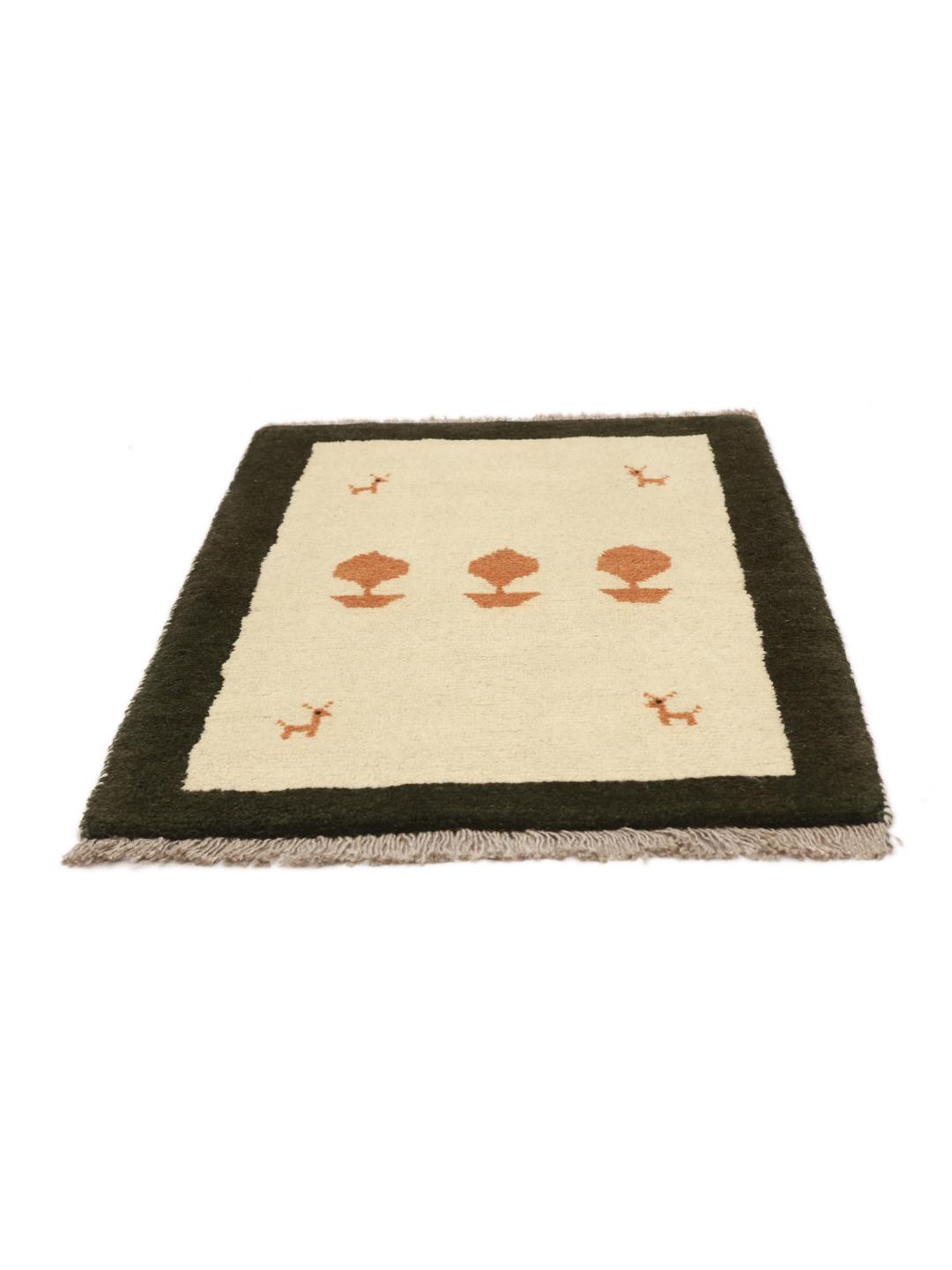
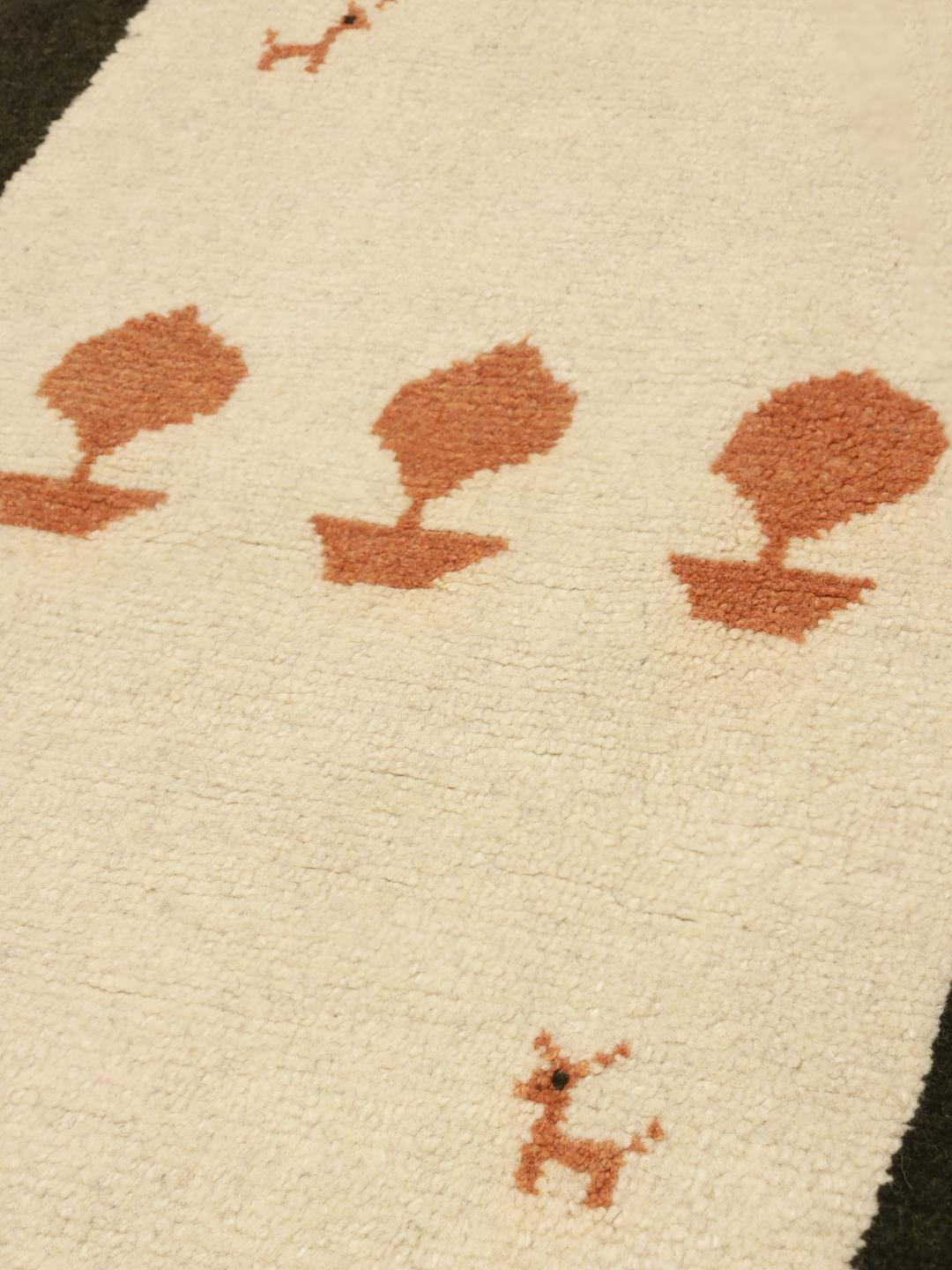
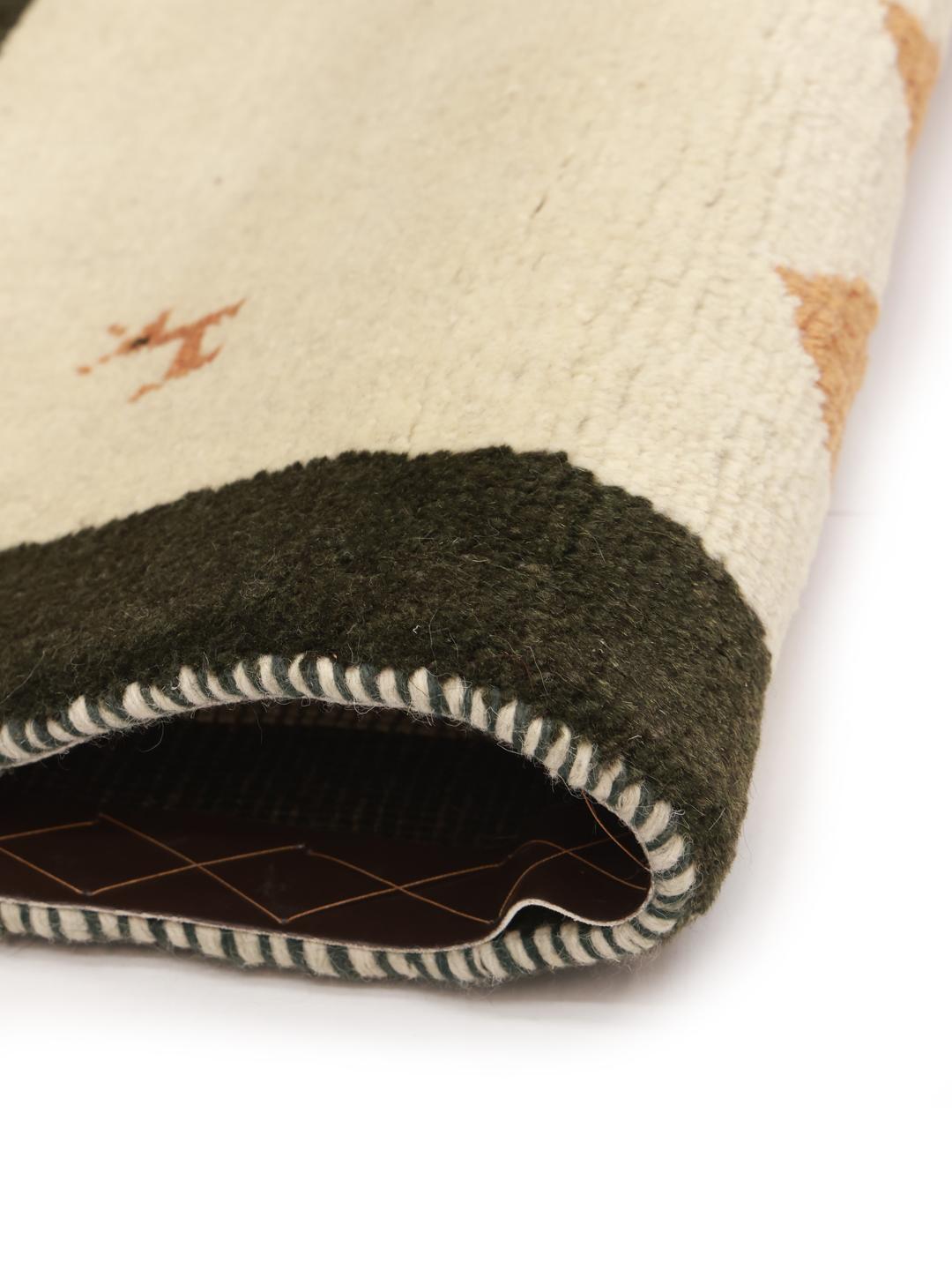
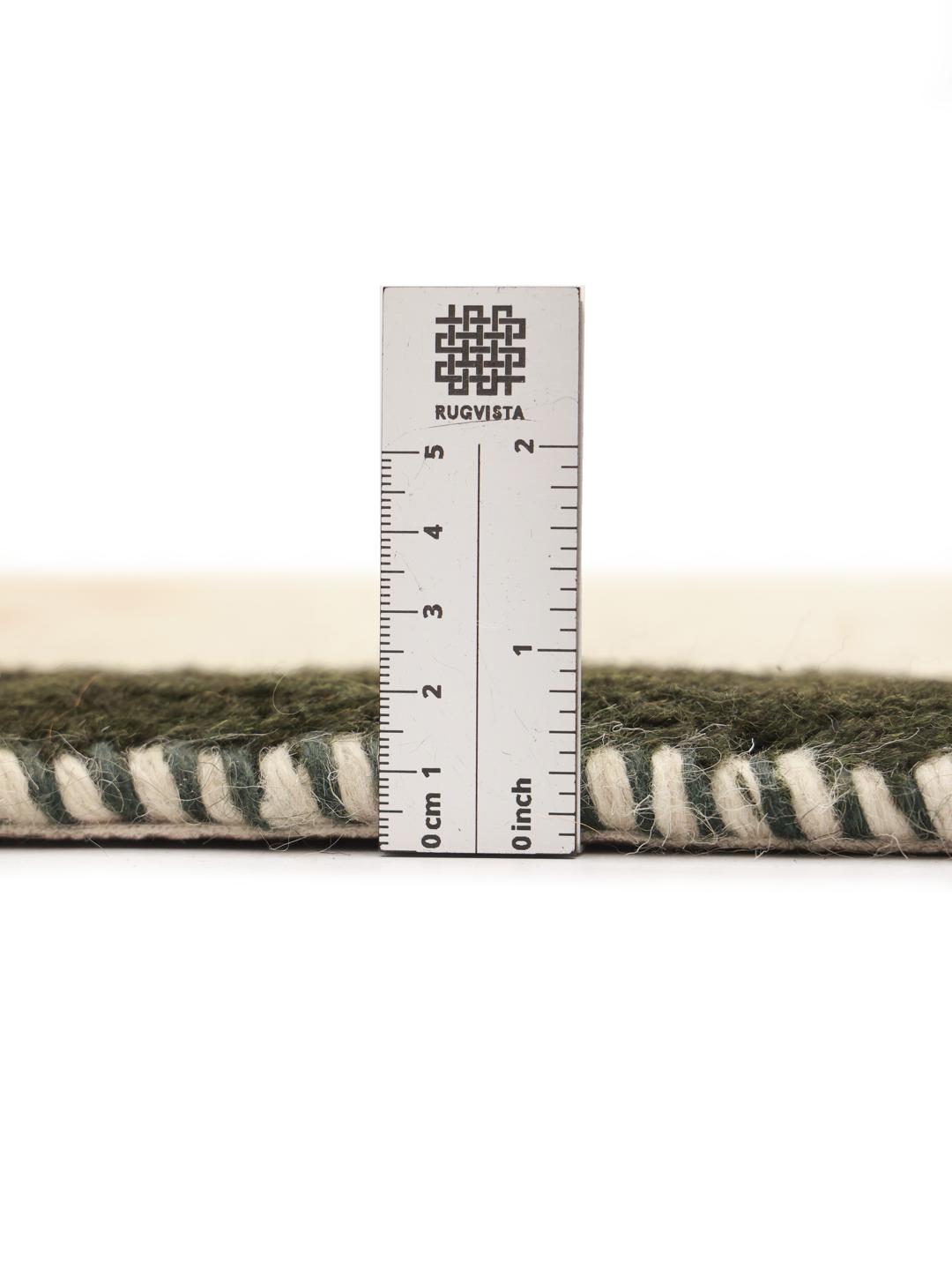
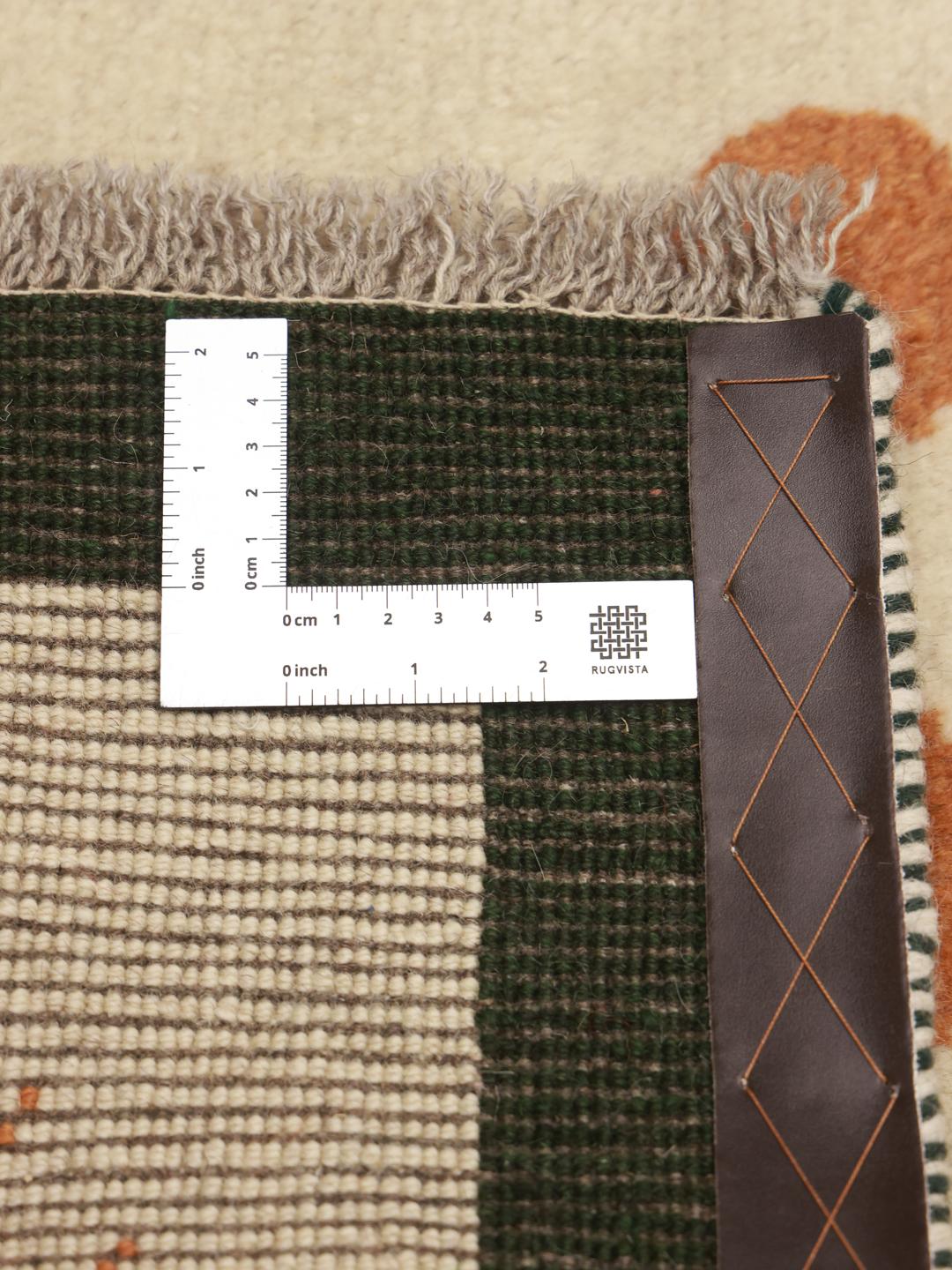
Technically, the Gabbeh is defined by its thicker, coarser pile and simpler, more abstract designs. The term itself is often understood to mean 'raw' or 'natural' in the local dialect, reflecting the unpretentious nature of these pieces. The use of hand-spun Wool, often dyed with natural pigments, gives each rug a slight, beautiful variation in colour that adds to its organic character.
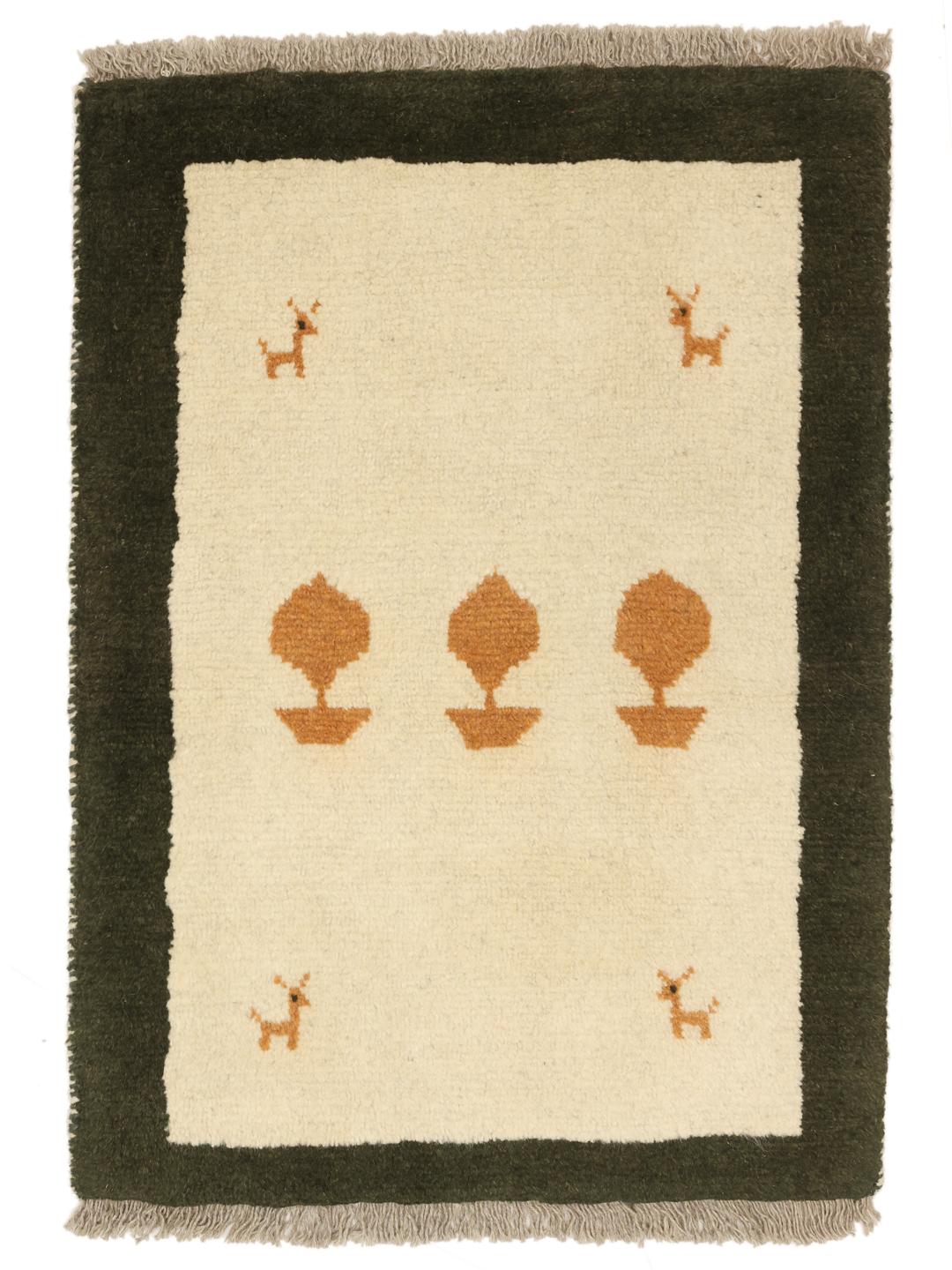
Design-wise, these rugs are celebrated for their creative freedom. While they often incorporate tribal motifs like stylized animals, trees, or geometric shapes, the layout is rarely rigid. The artisans often improvise as they weave, resulting in spontaneous compositions that feel deeply personal and connected to the weaver's own surroundings.
Today, these rugs are highly prized by collectors for their authenticity and the way they bridge the gap between traditional craft and modern design. Owning a Gabbeh is not just about floor coverage; it is about honouring a centuries-old tradition of nomadic artistry that emphasises individual expression and lasting, natural quality.