Gabbeh rugs are deeply rooted in the nomadic traditions of the Middle East, where they were originally created by tribal weavers for personal use within their tents. Unlike more formal, city-made rugs, these pieces were crafted to provide warmth and comfort on the cold desert floor, often utilising the natural, undyed wool of the tribe’s own sheep.
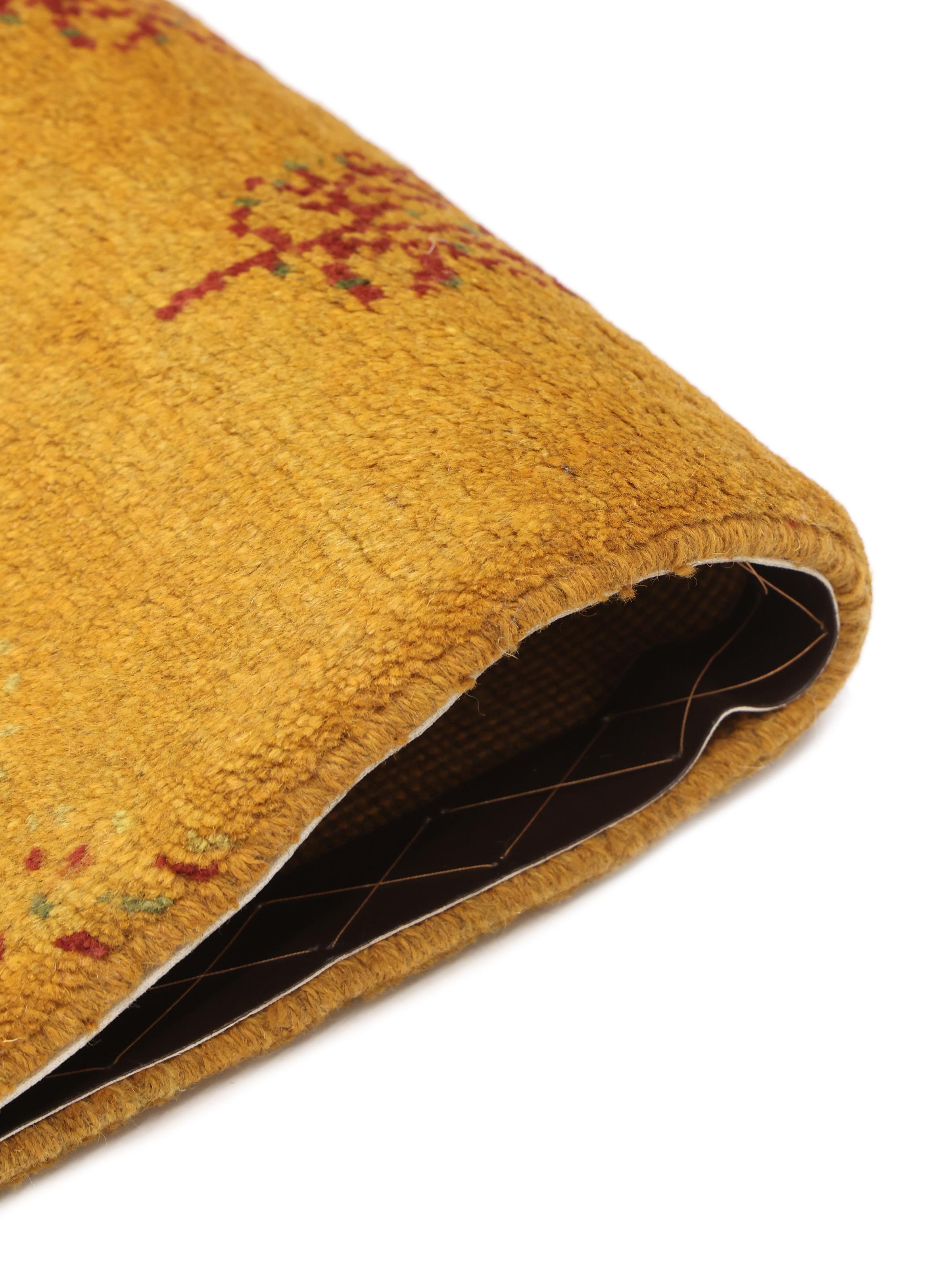
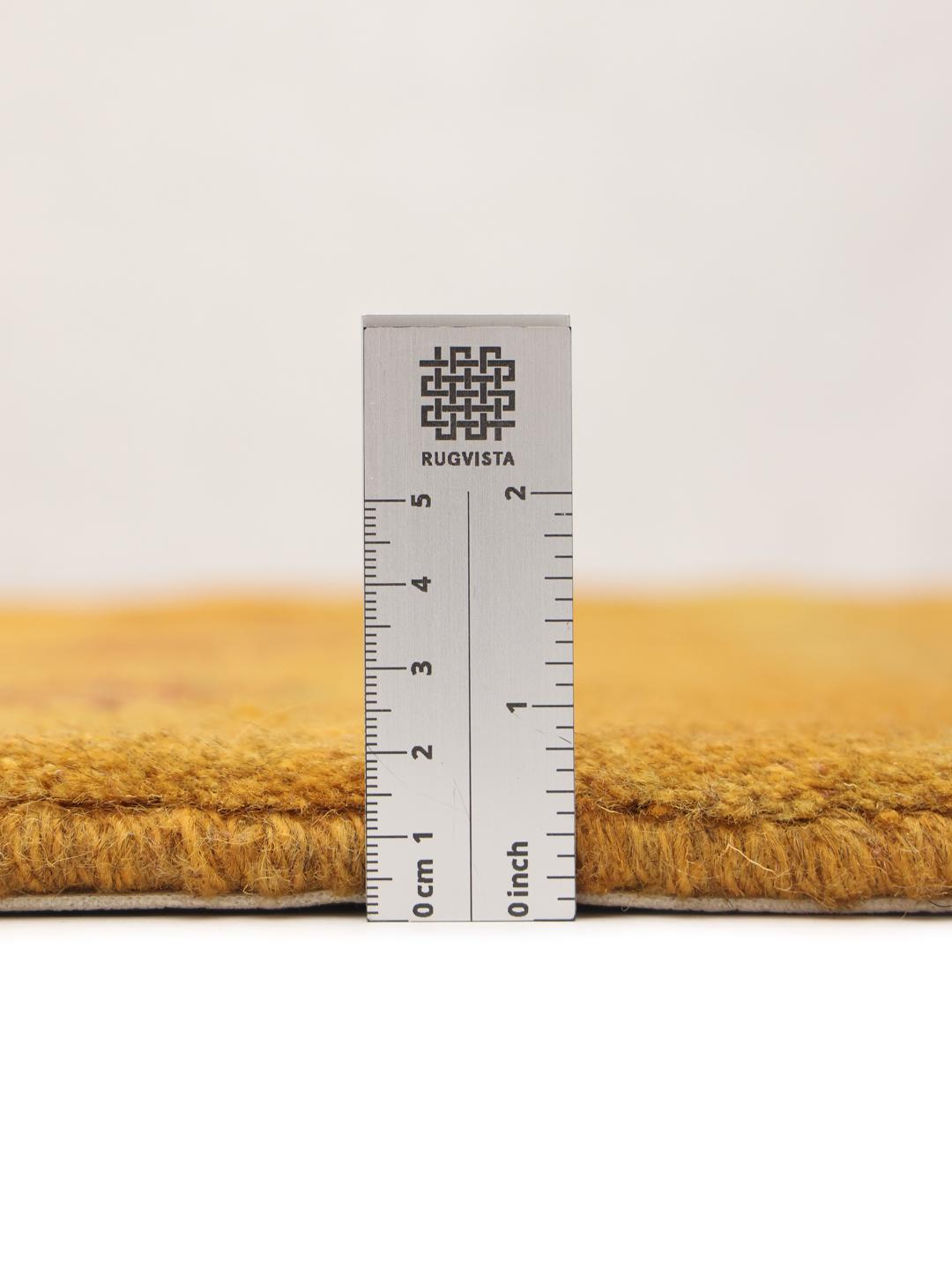
The term 'Gabbeh' itself translates to 'raw' or 'natural', reflecting the tradition's emphasis on simplicity and artistic freedom. These rugs are known for their thicker, more generous pile, which allows the weavers to work with broader, more expressive designs. This style was never meant to be uniform, but rather a reflection of the weaver's immediate environment and personal stories.
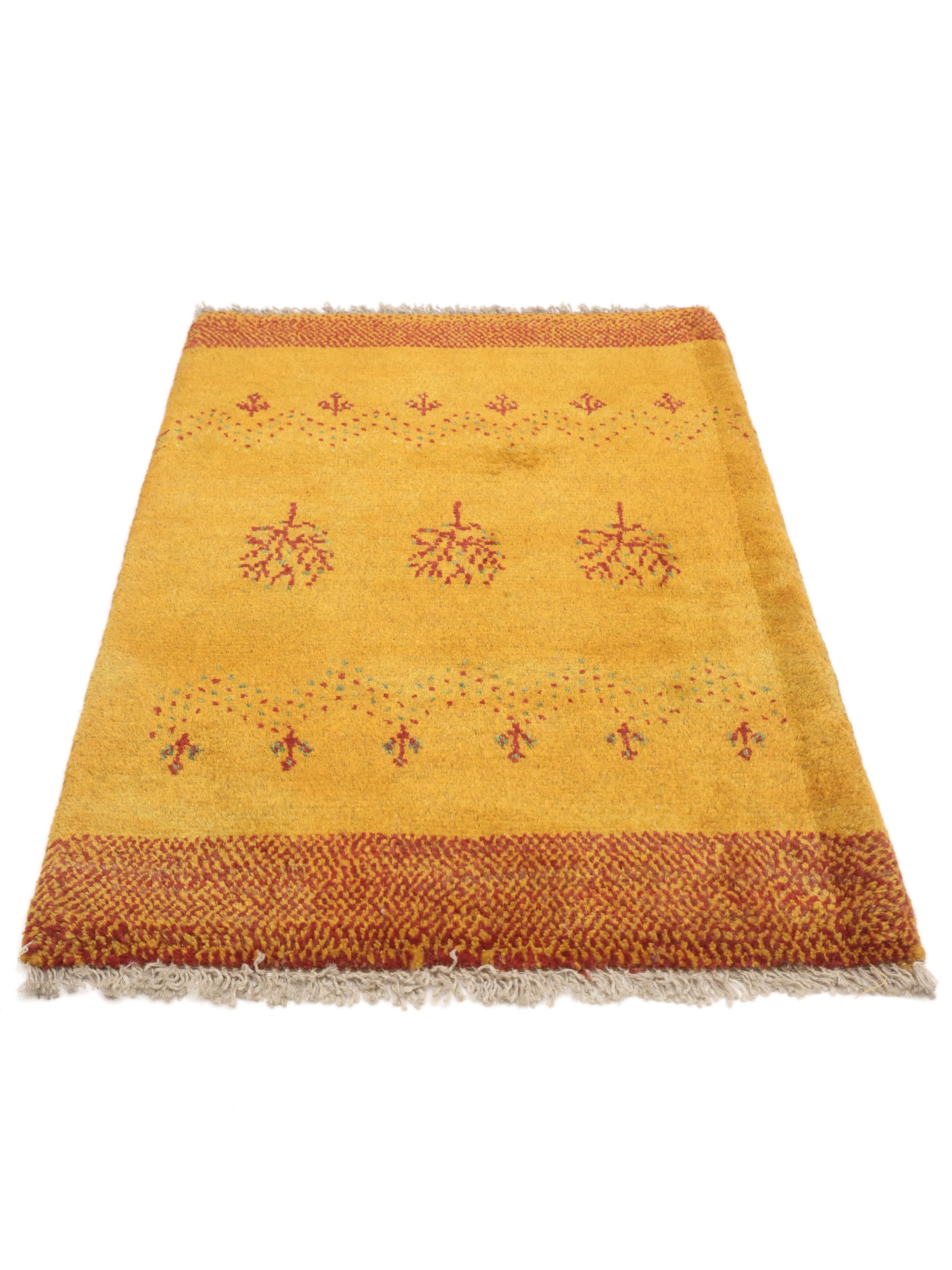
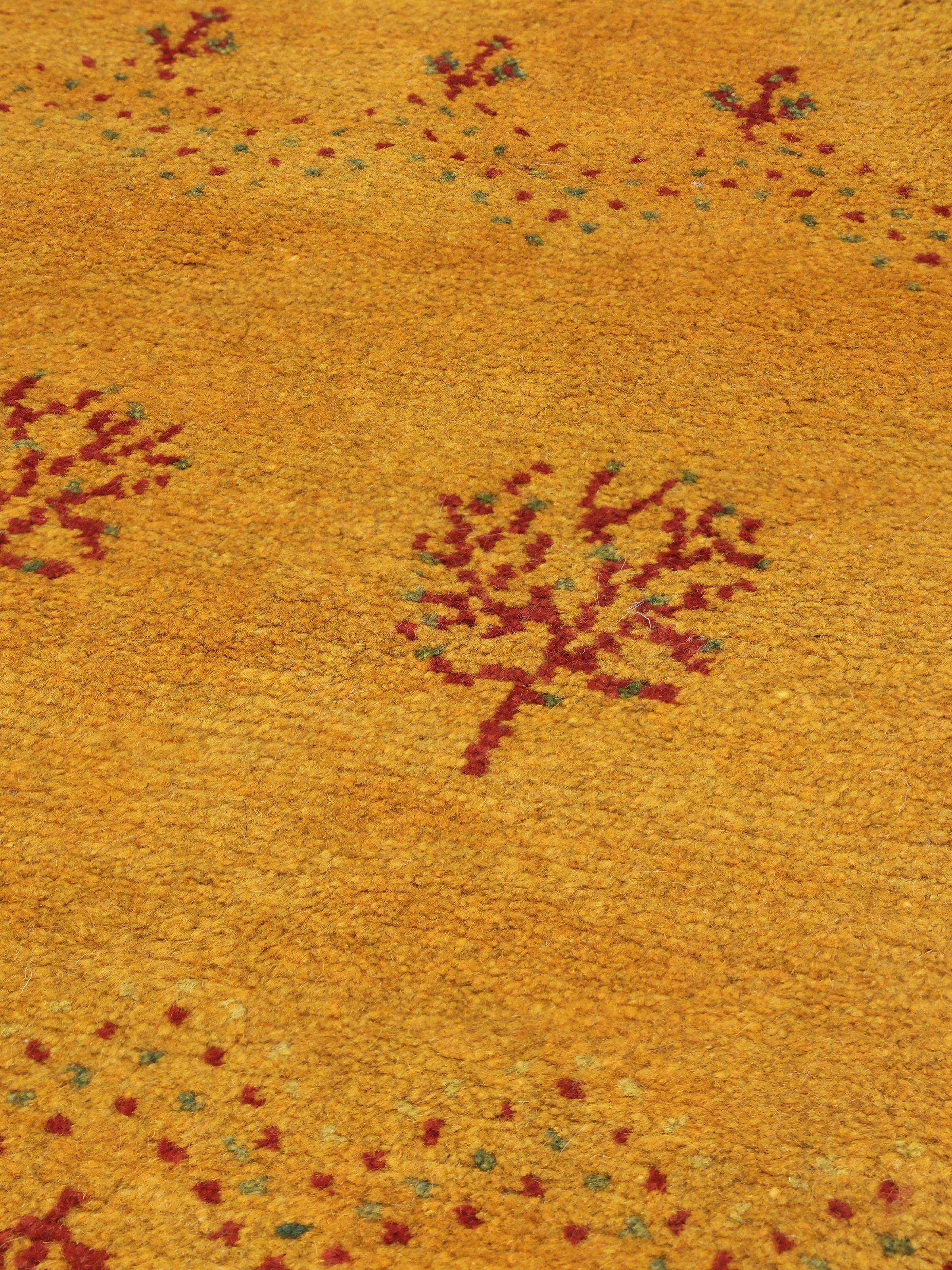
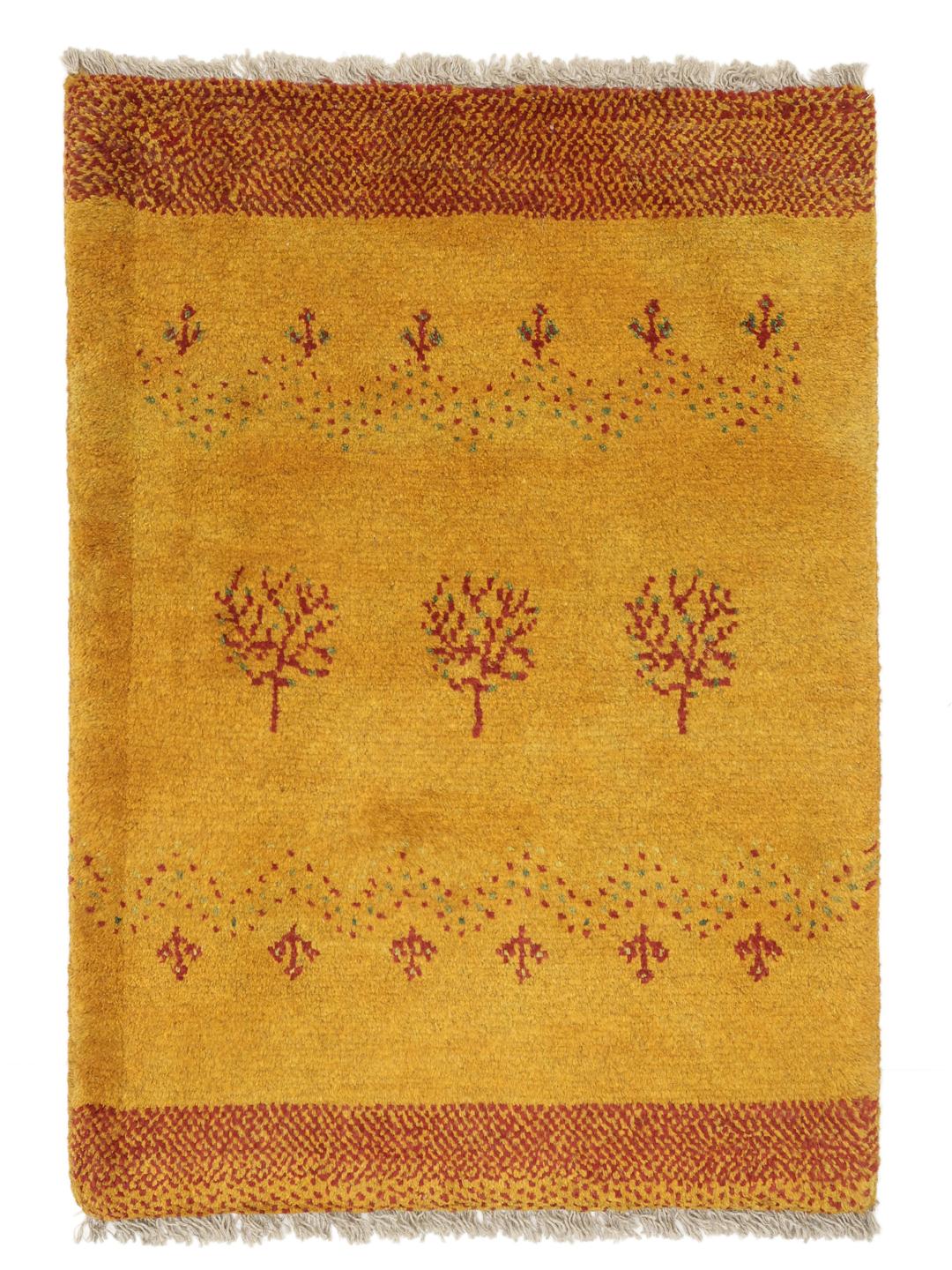
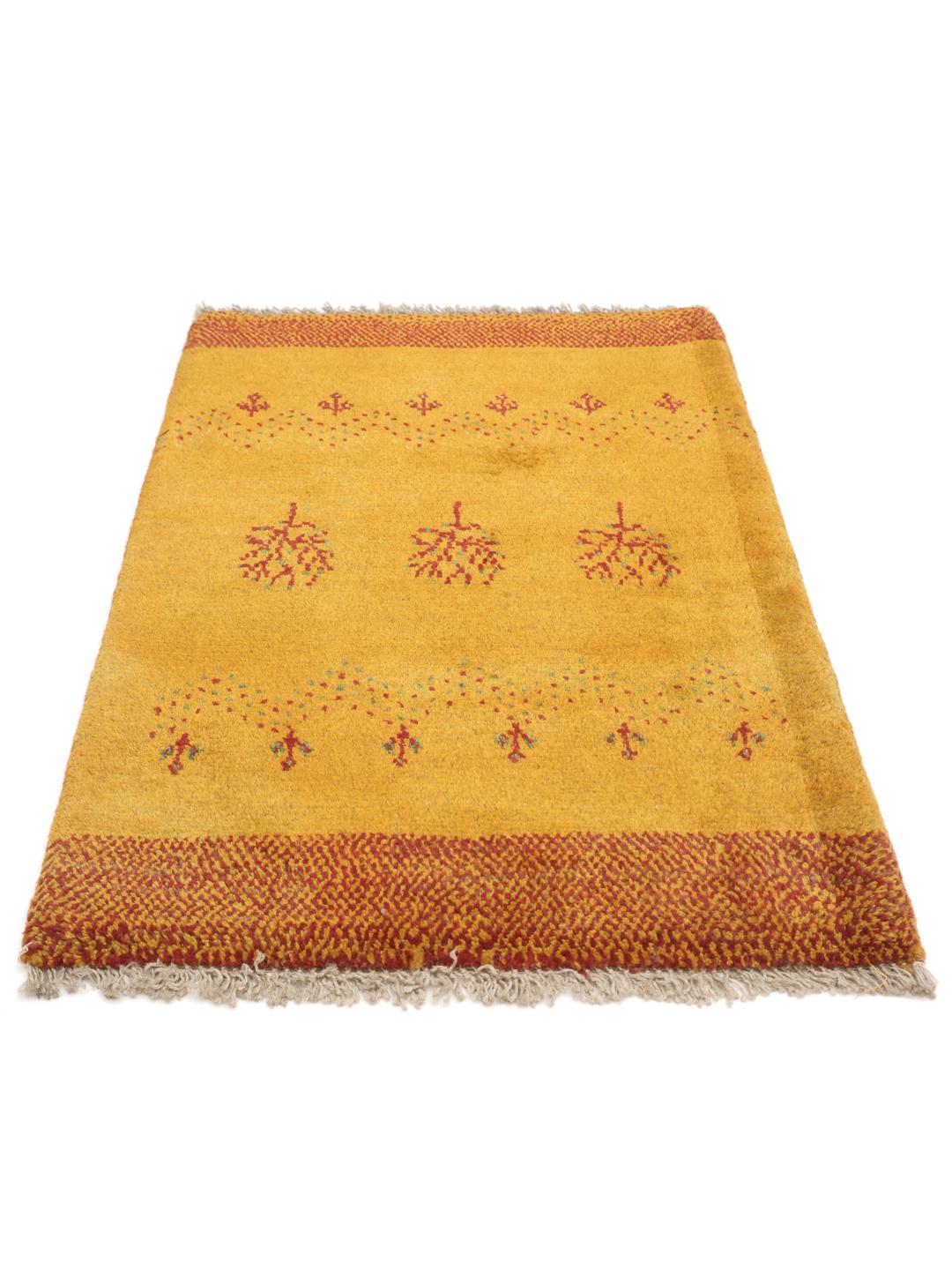
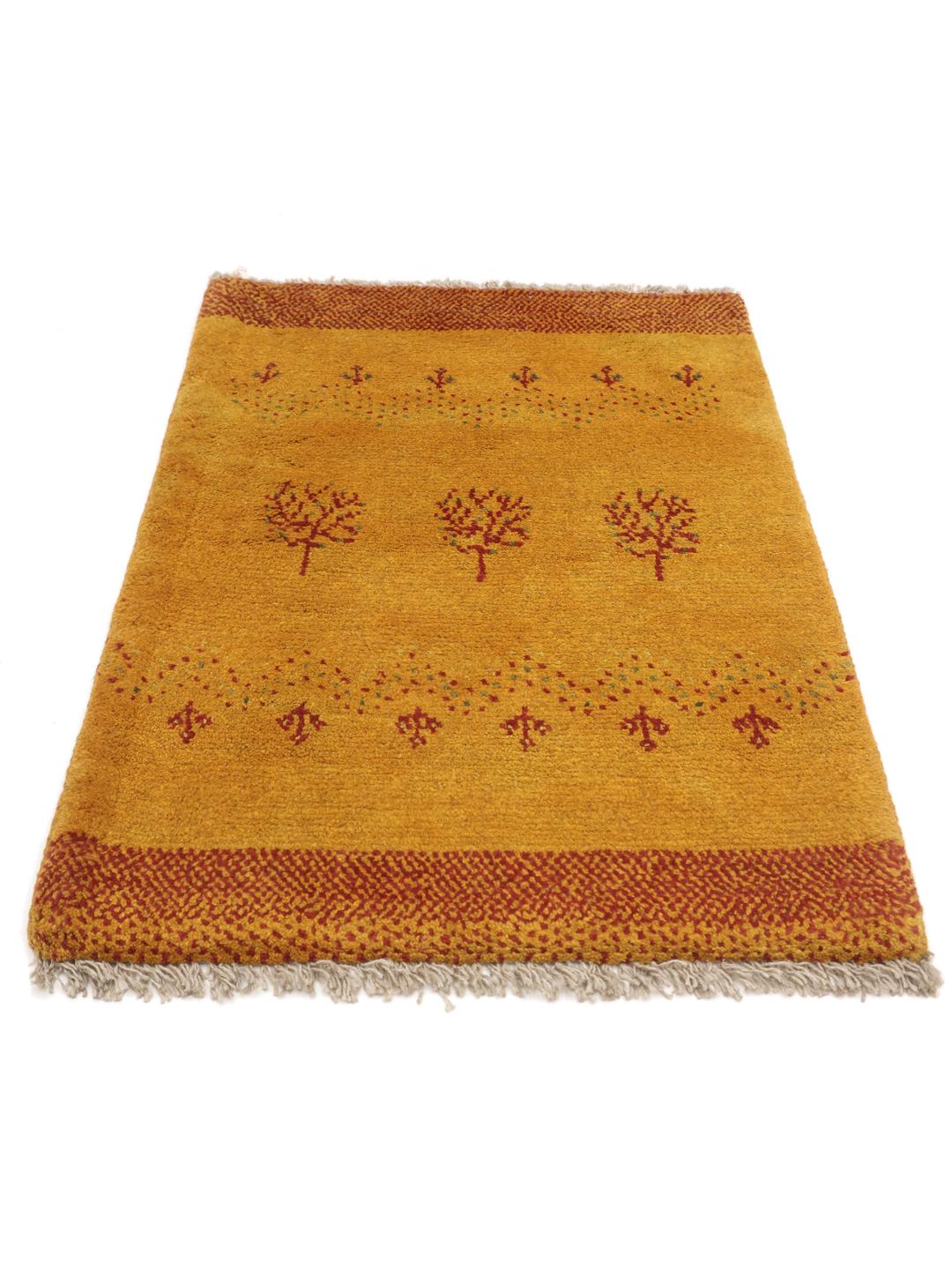
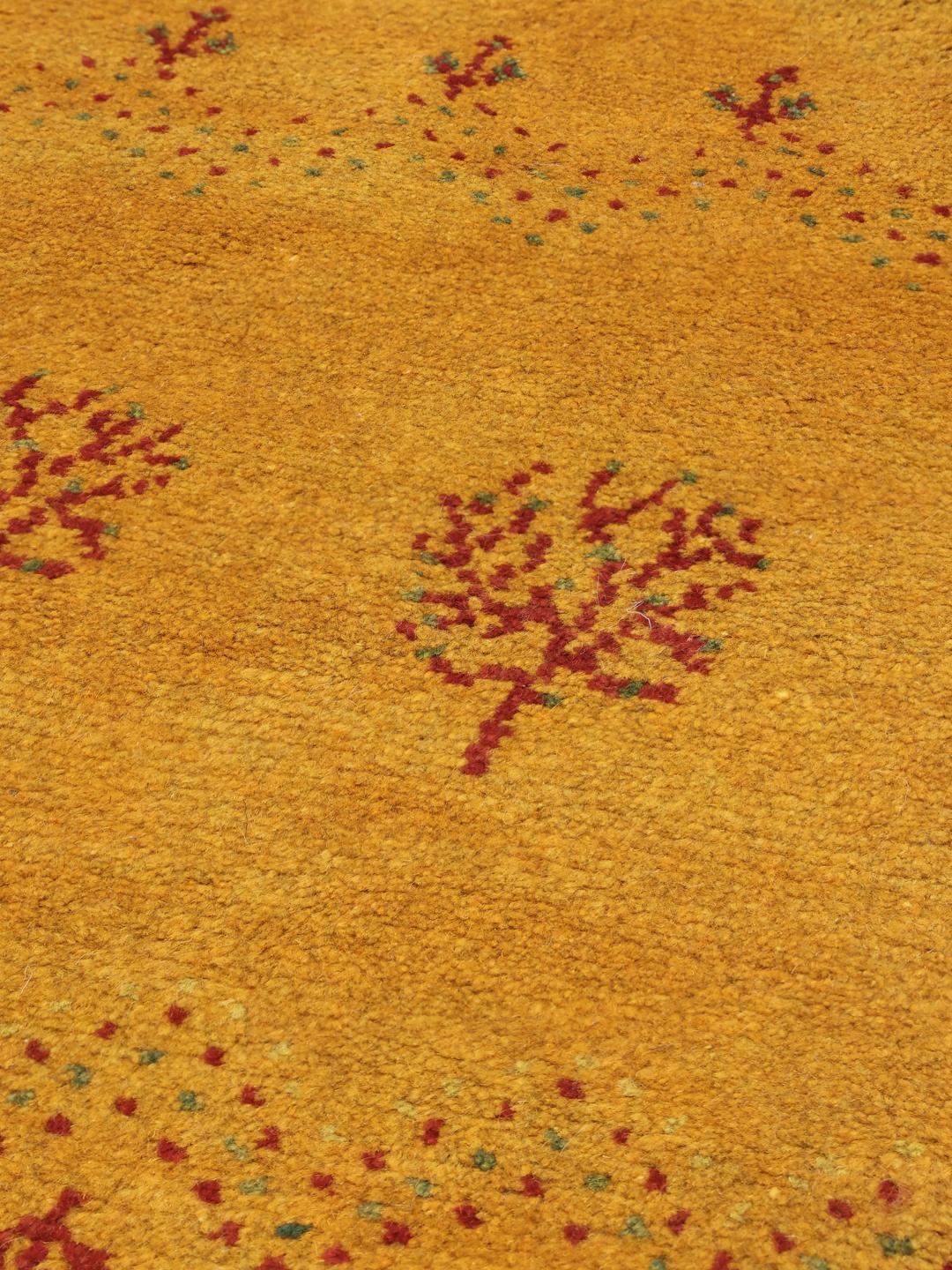
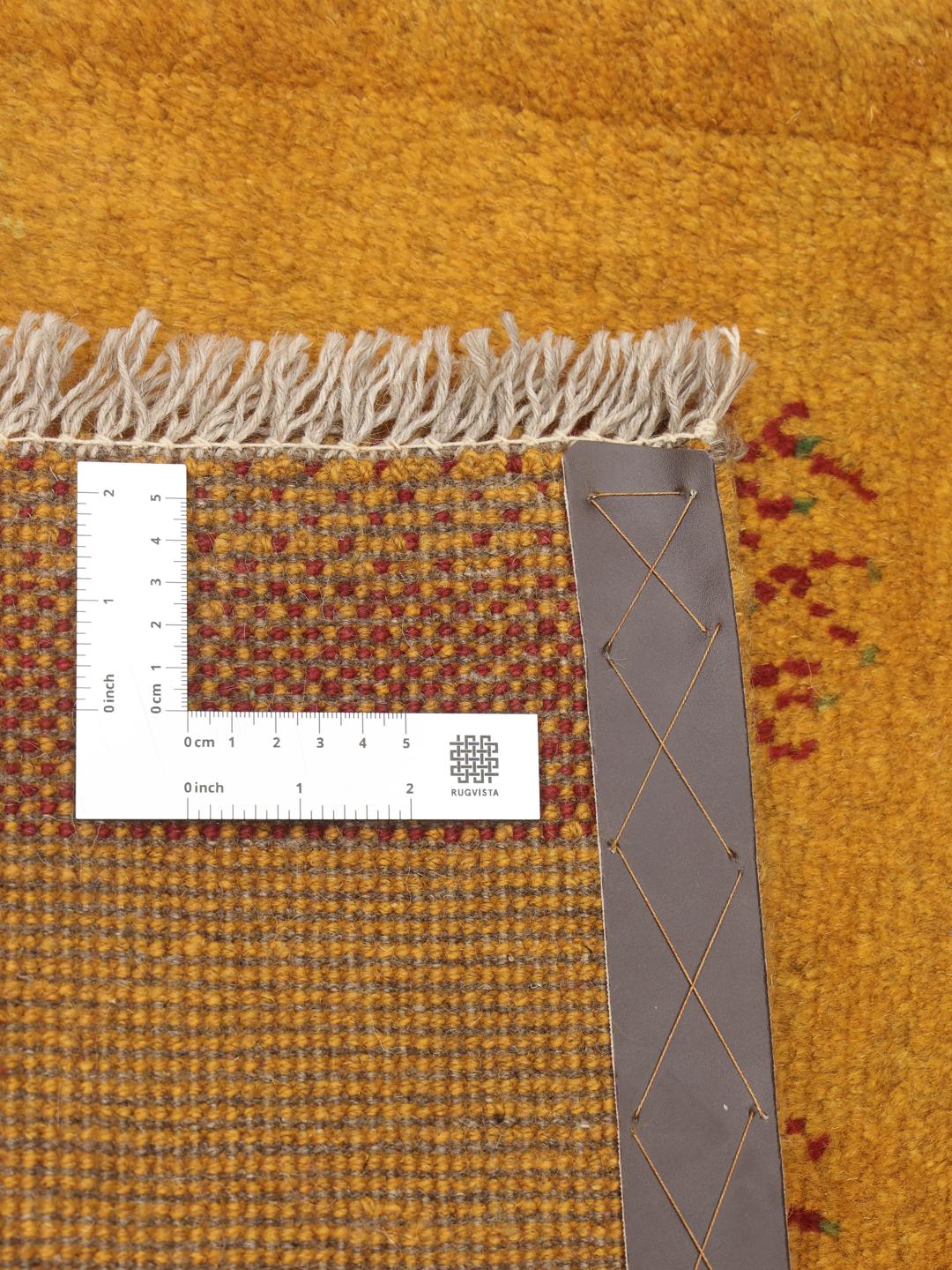
The visual language of these rugs is defined by their minimalist yet evocative patterns. While traditional designs often feature simple geometric shapes or stylised depictions of animals and plants, they are celebrated for their bold use of colour and open fields. This specific piece, with its cheerful tree motifs, draws on this legacy of storytelling, transforming a functional object into a meaningful cultural artefact.
Today, these rugs are highly prized by collectors for their authenticity and the human story behind every knot. Owning a piece of this tradition is an opportunity to connect with an ancient craft that has survived through generations of nomadic life, offering a sense of heritage and enduring quality that modern decor often lacks.