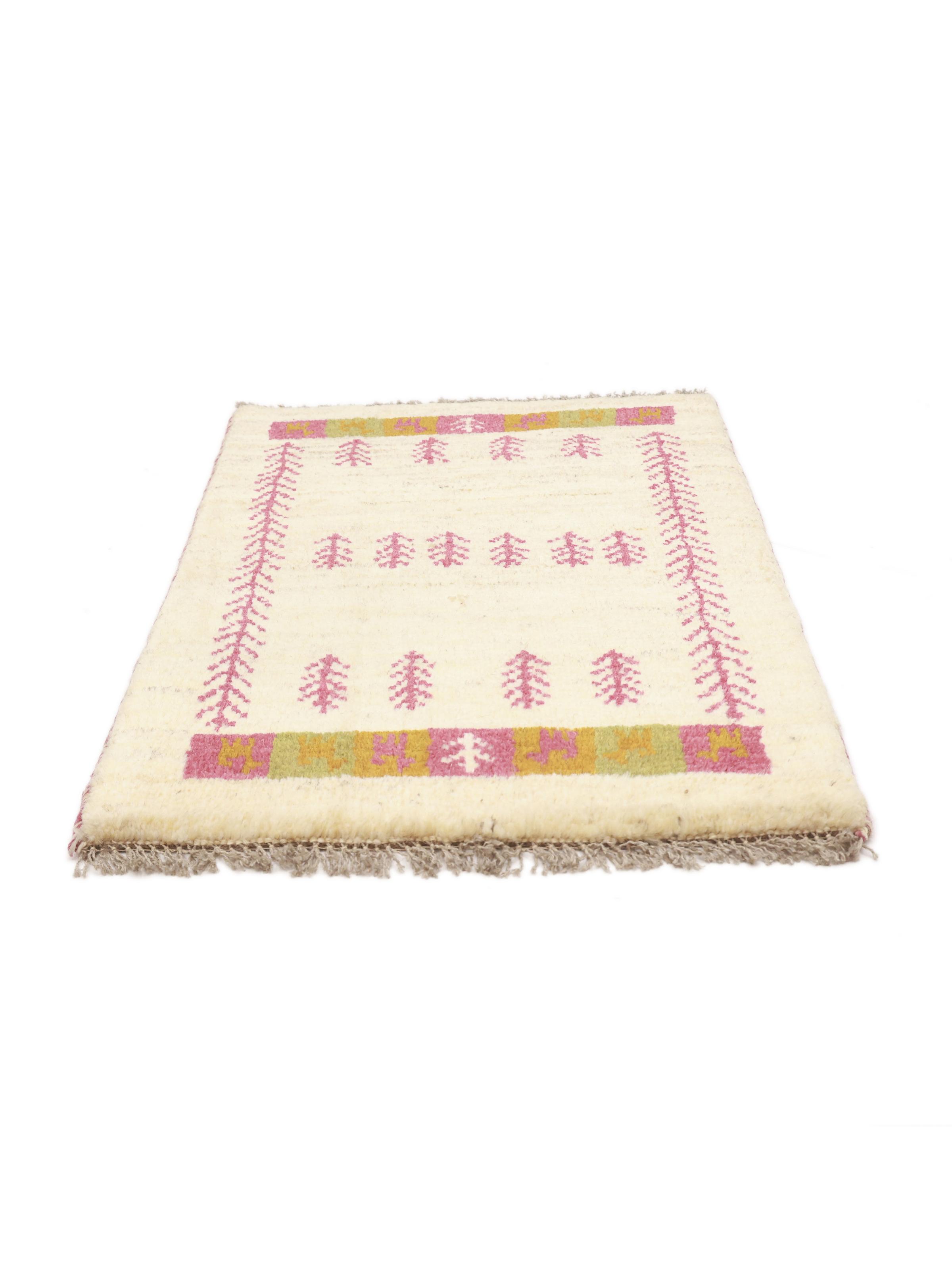
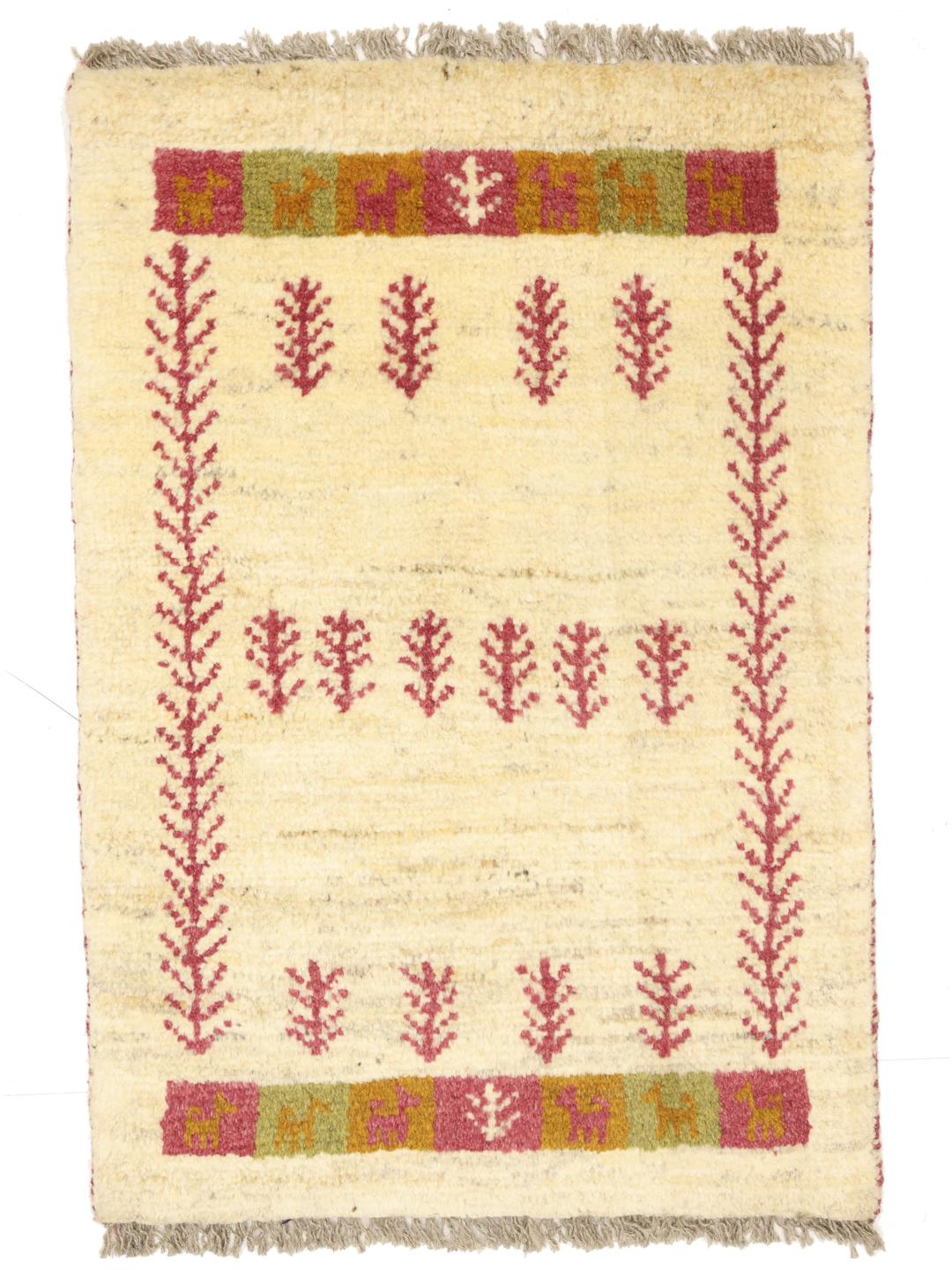
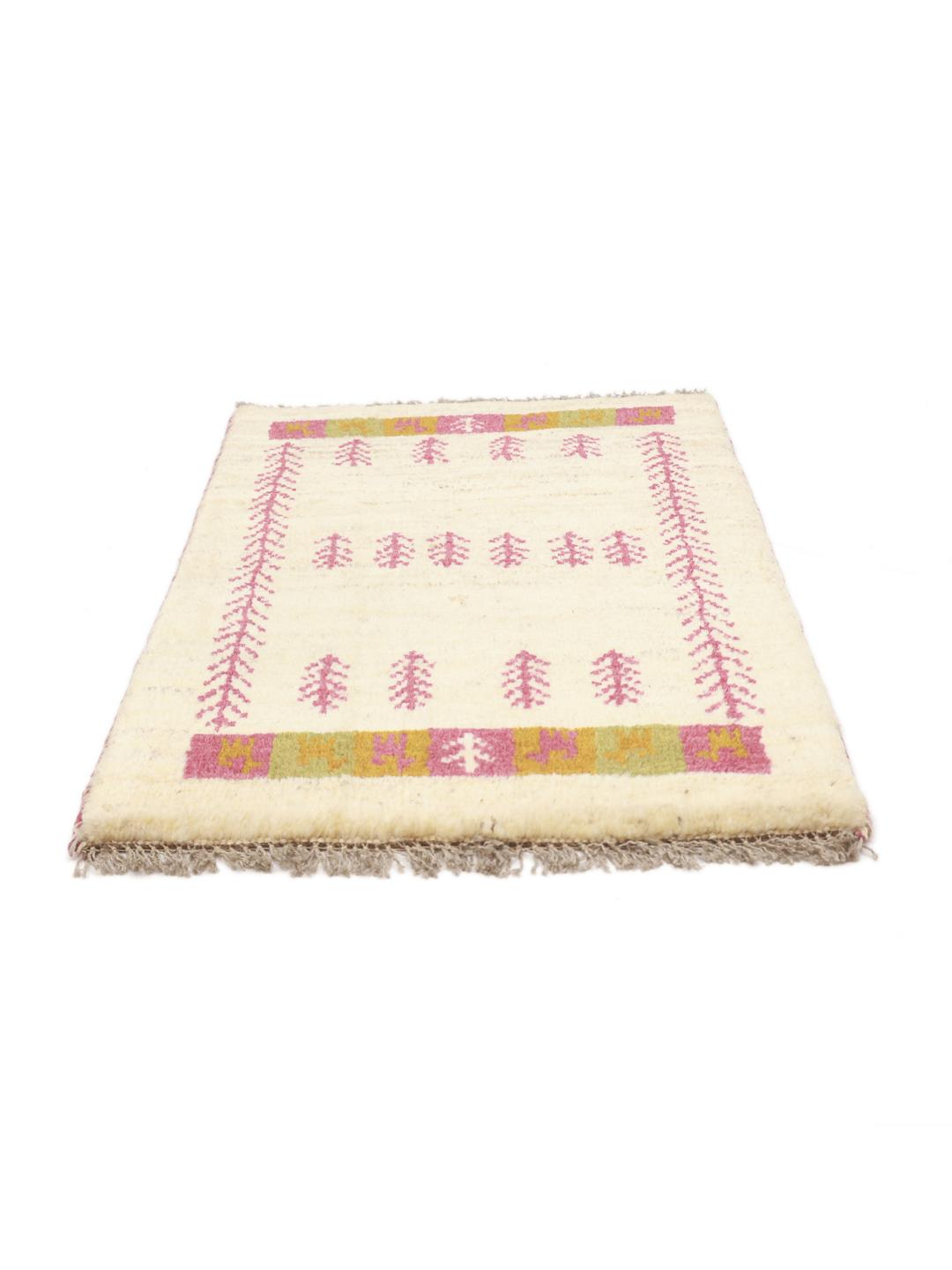
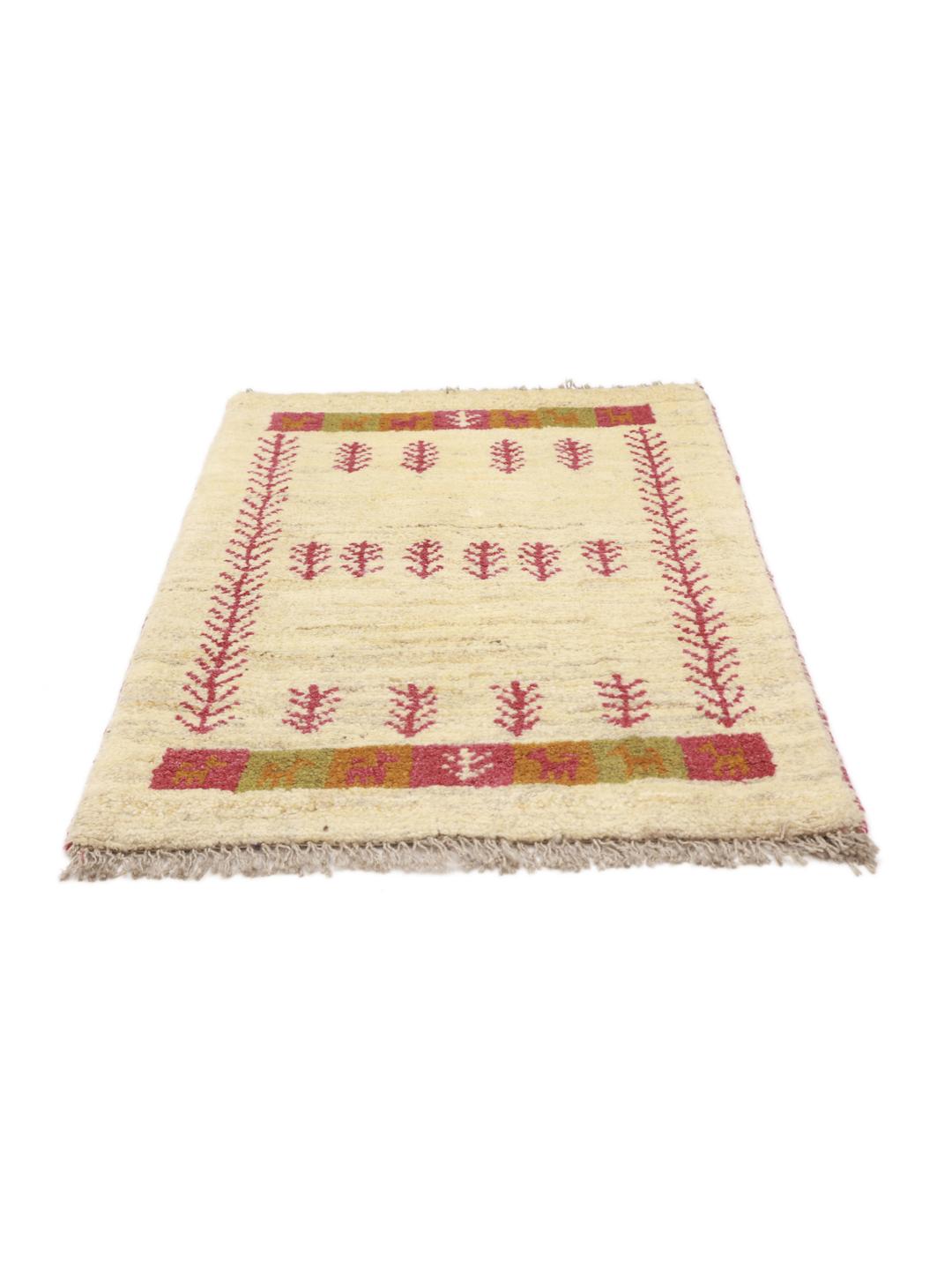
The Gabbeh tradition originates from the nomadic tribes of the Middle East, where these rugs were historically woven for personal use rather than for trade. Unlike formal, urban-produced rugs, Gabbehs were created by weavers who drew inspiration from their immediate surroundings, resulting in designs that are often simple, bold, and deeply personal.
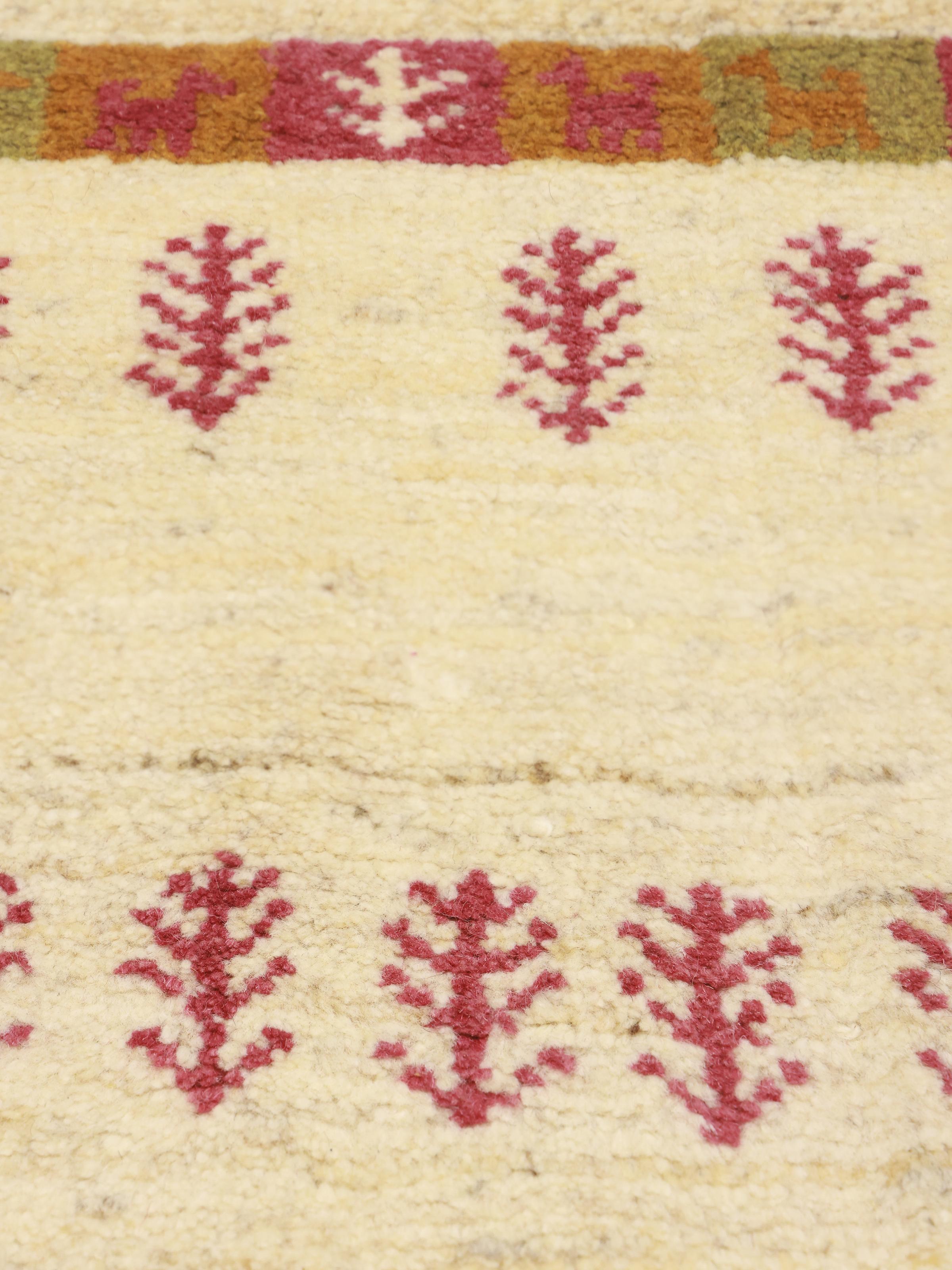
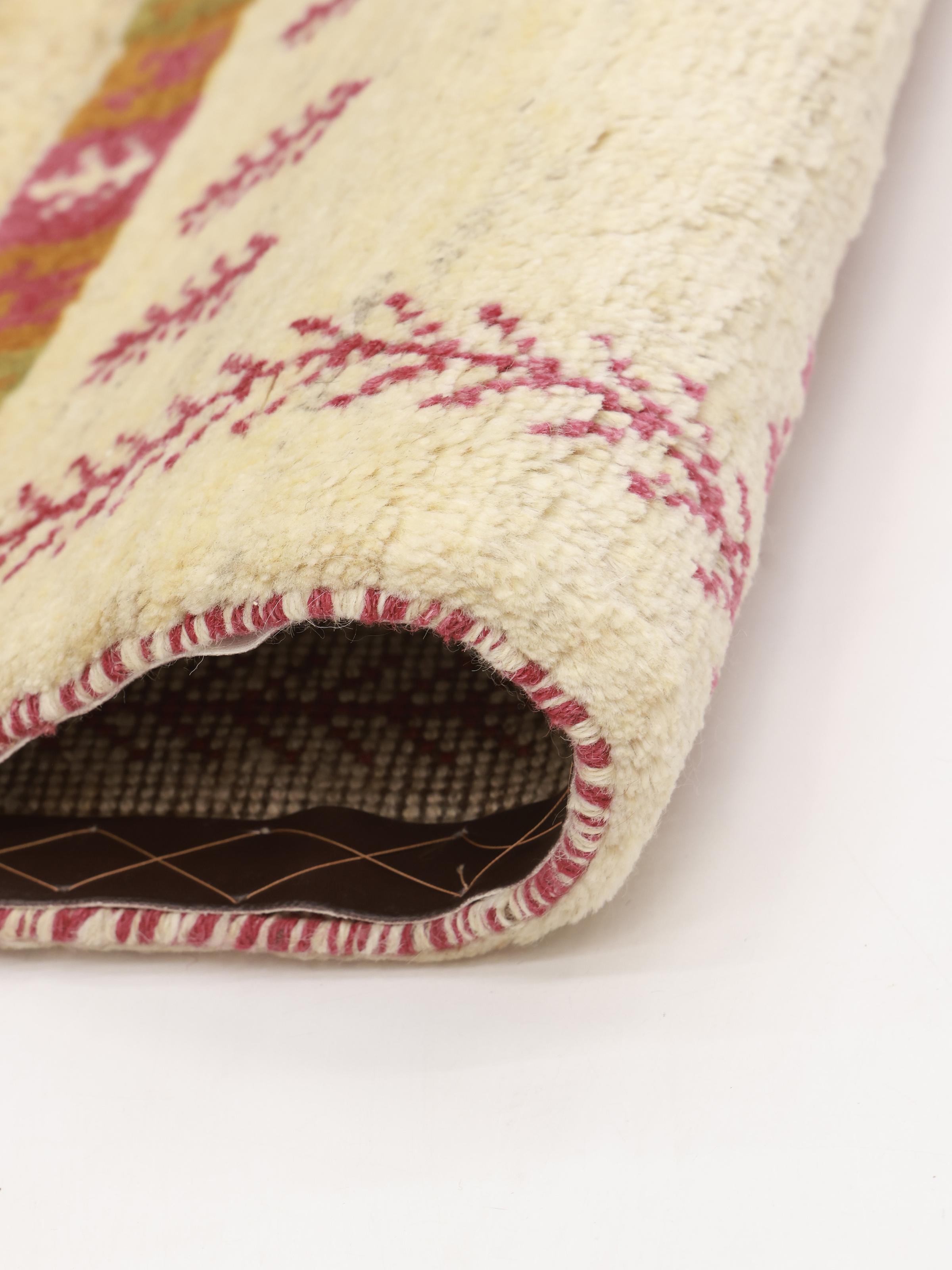
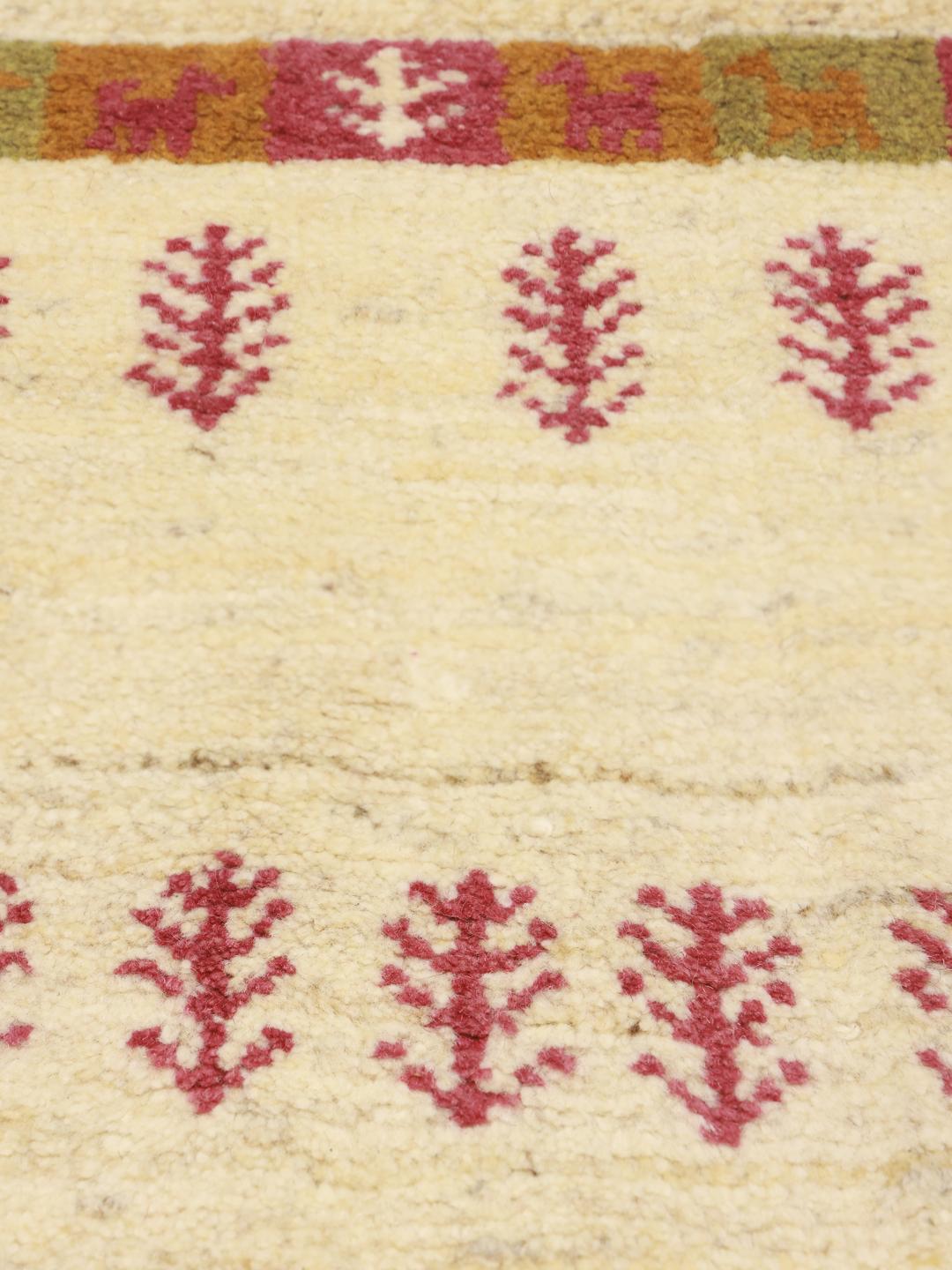
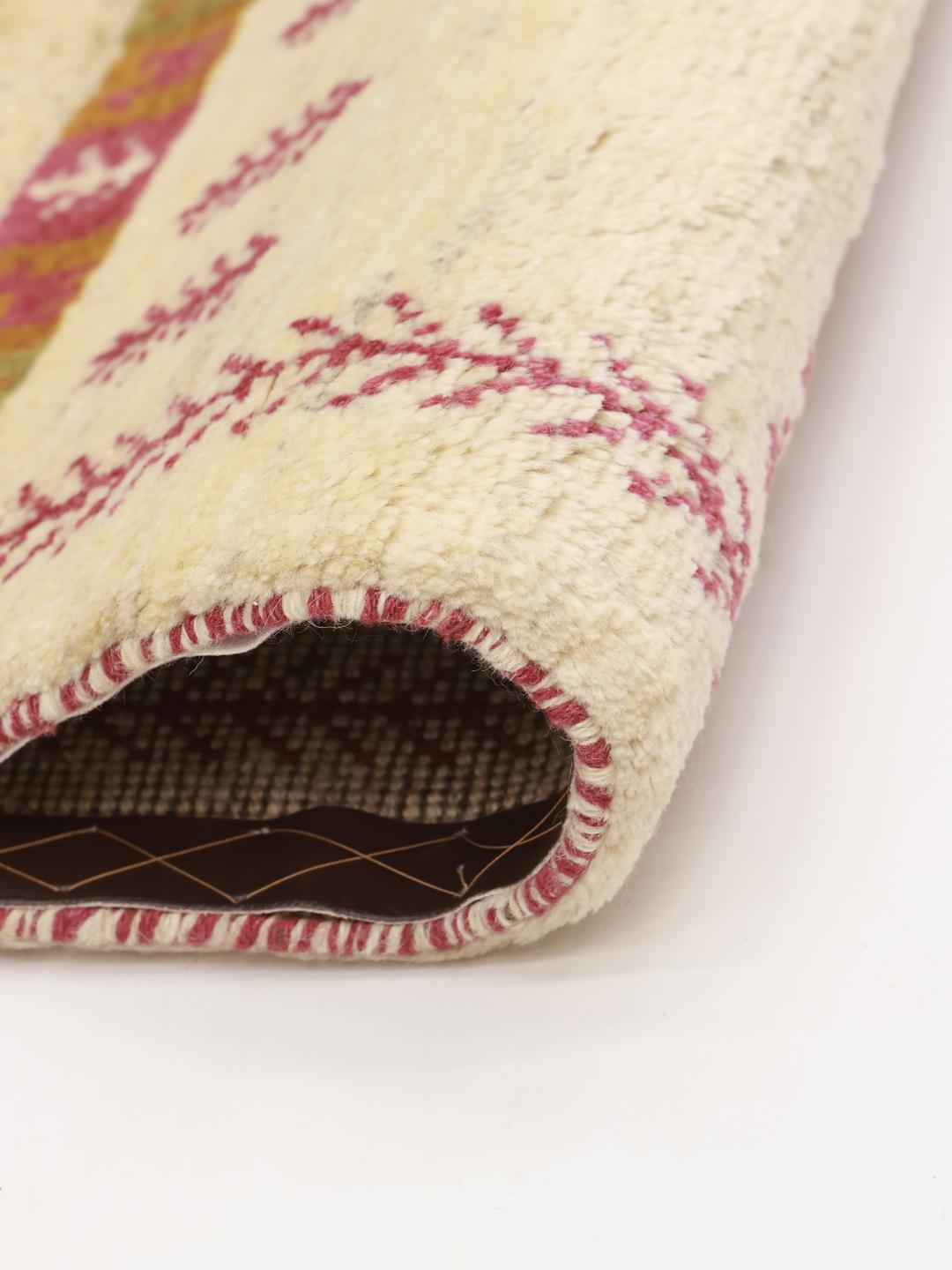
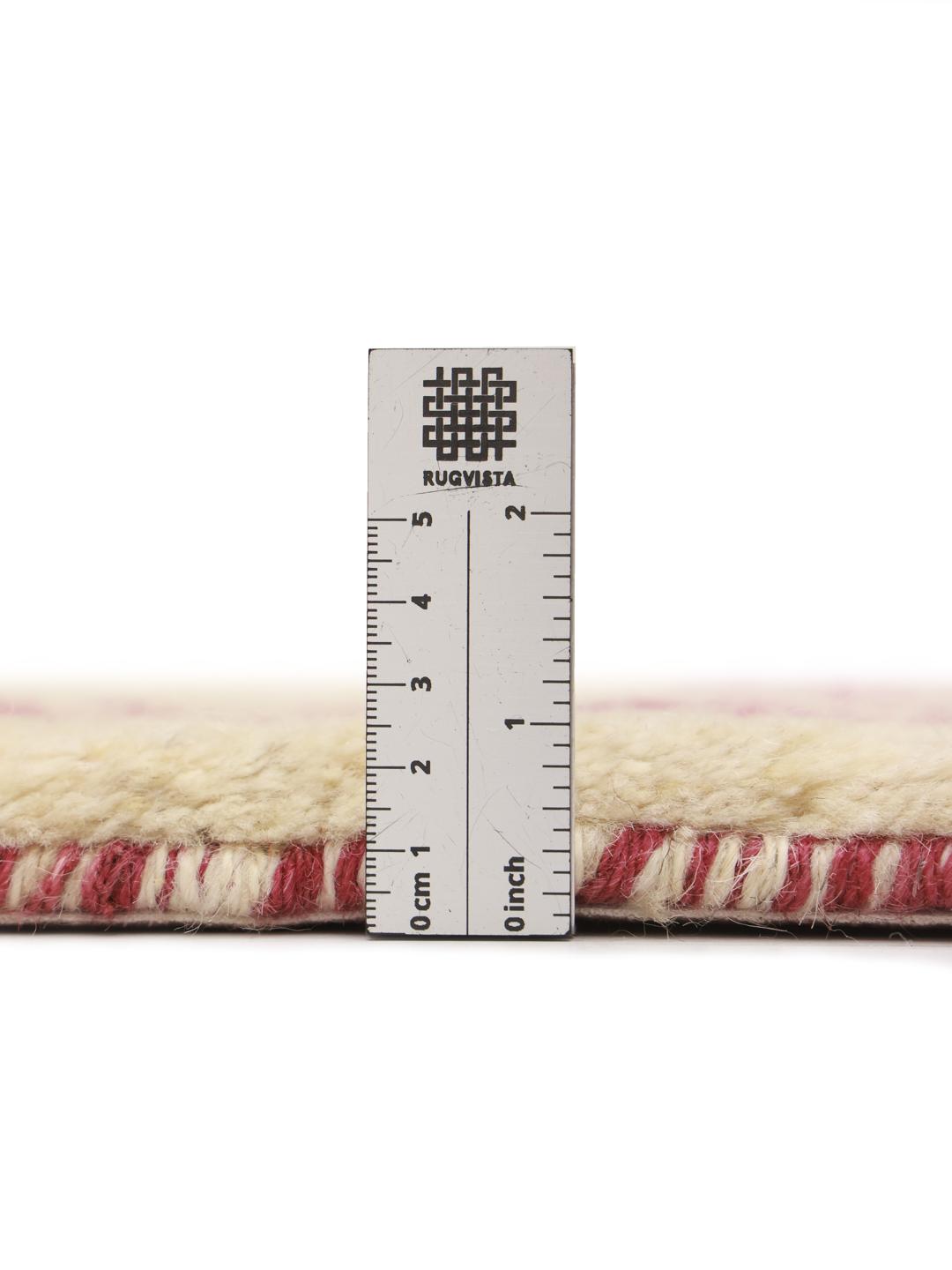
The term Gabbeh itself refers to a rug that is thick and coarse, characterised by a long, soft pile that provides essential insulation against the cold floors of nomadic tents. This focus on utility and comfort has evolved over generations, yet the core spirit of the craft remains rooted in the use of hand-spun, high-quality wool that is durable and naturally resilient.
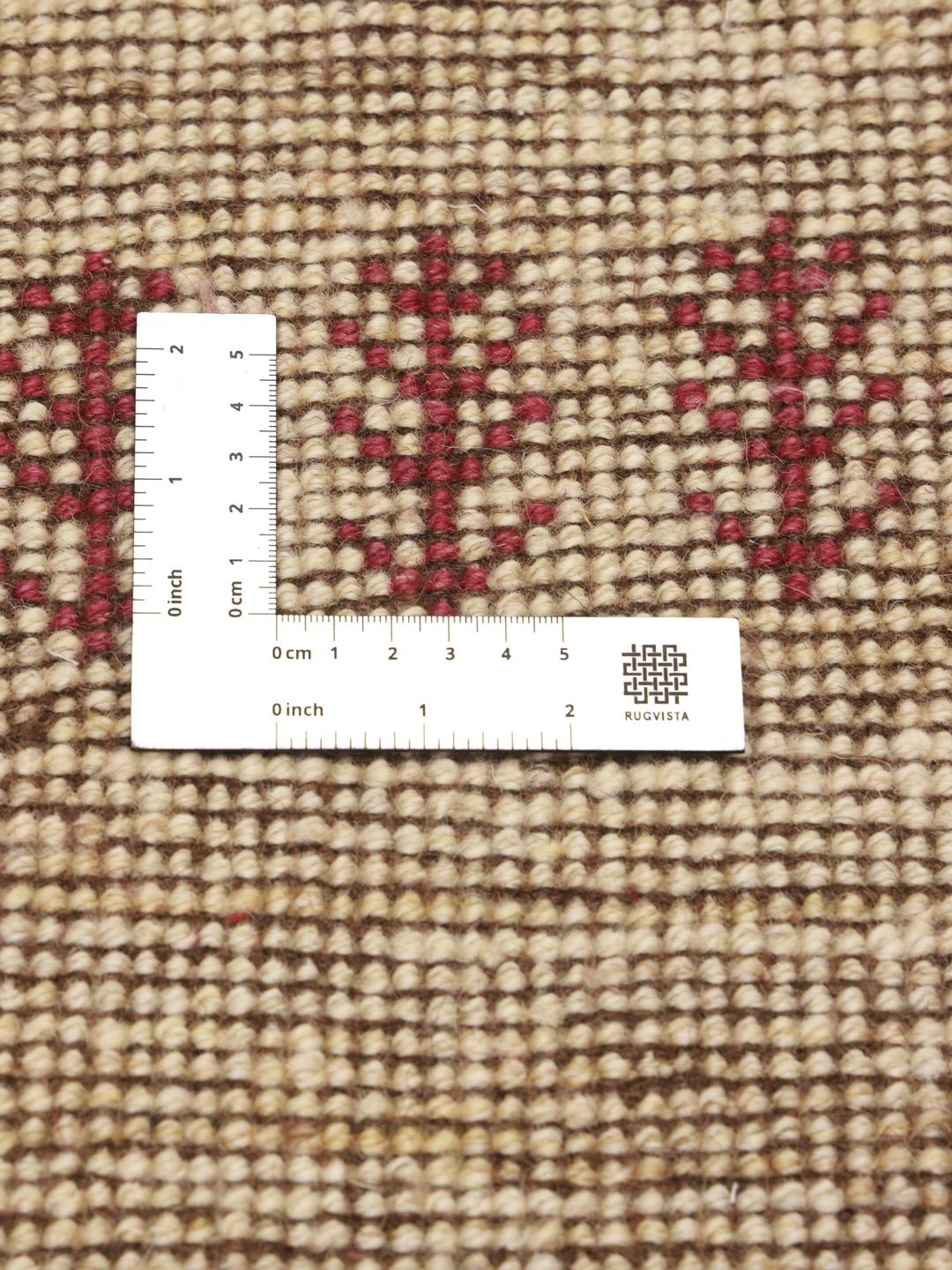
Signature design elements often include minimalist, abstract, or stylized motifs—such as trees, animals, or geometric shapes—that hold symbolic meaning for the weavers. The use of natural dyes and a restricted colour palette gives these rugs their distinctive, unpretentious appearance, making them highly sought after by those who appreciate the beauty of raw, authentic creativity.
Today, owning a Gabbeh rug is an opportunity to connect with a storied tradition of craftsmanship that prioritises the artisan's vision over mass production. These pieces are valued for their cultural weight and the singular stories they tell, offering a unique blend of heritage and modern design appeal that enriches any contemporary home.