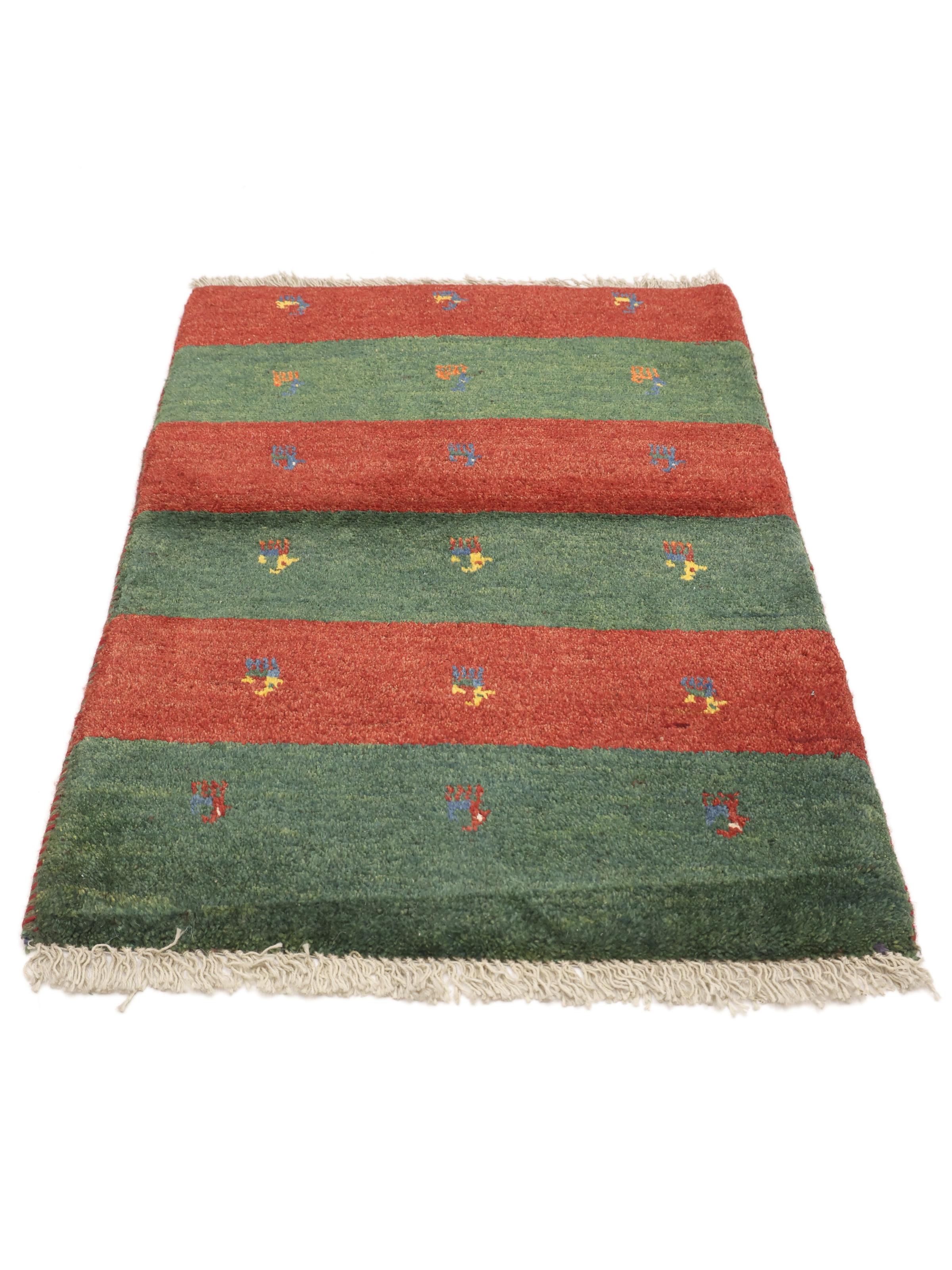
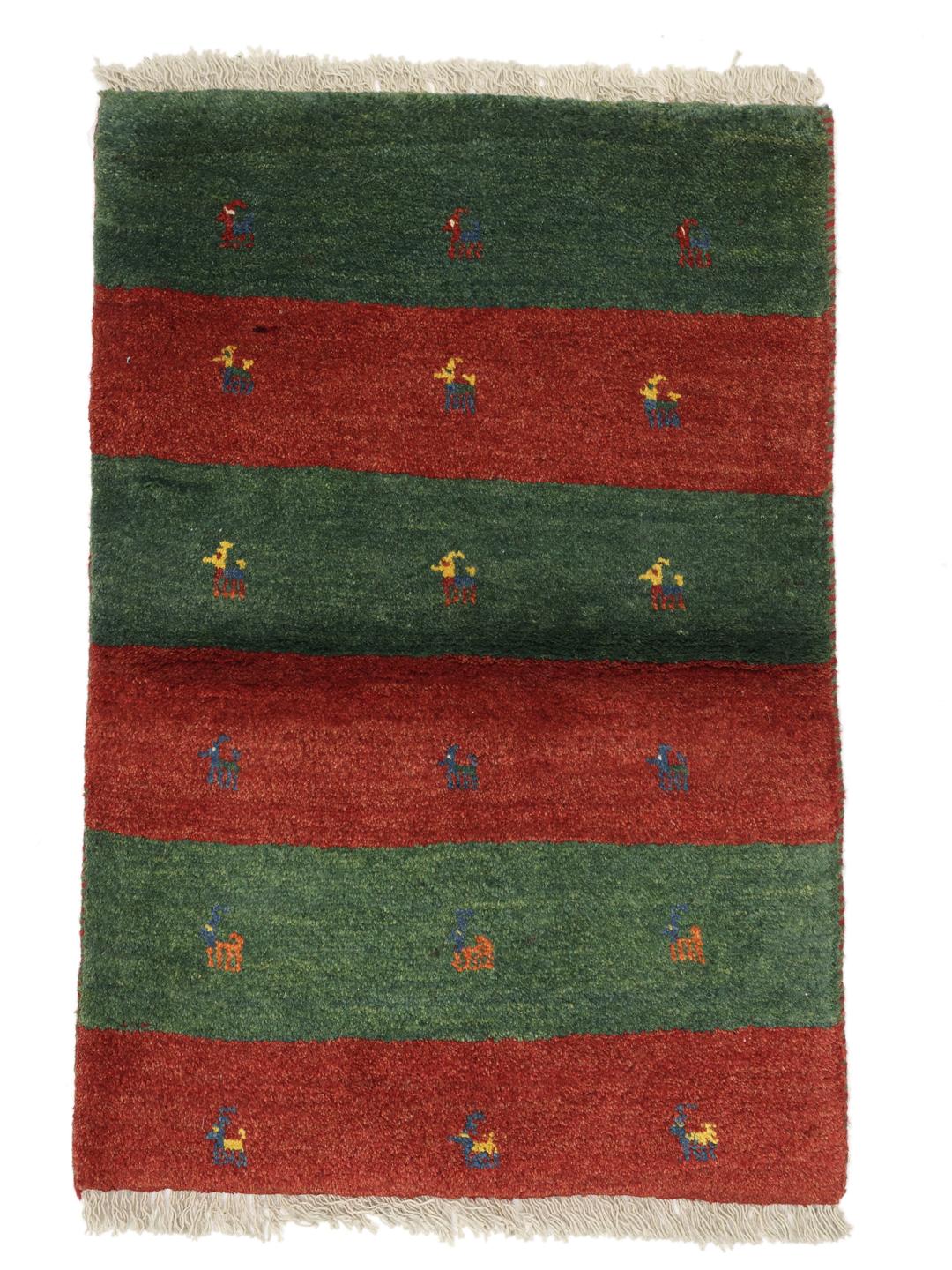
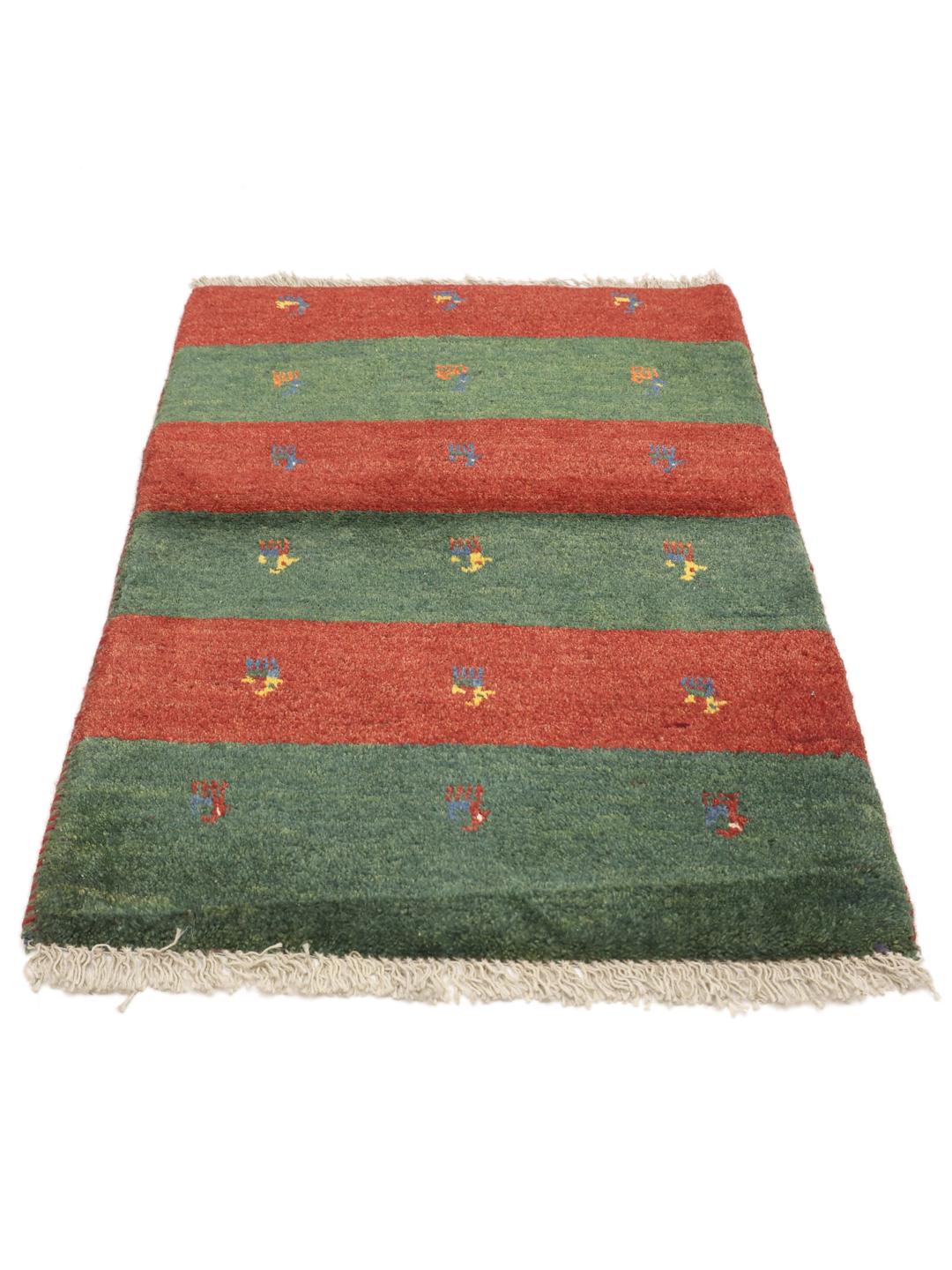
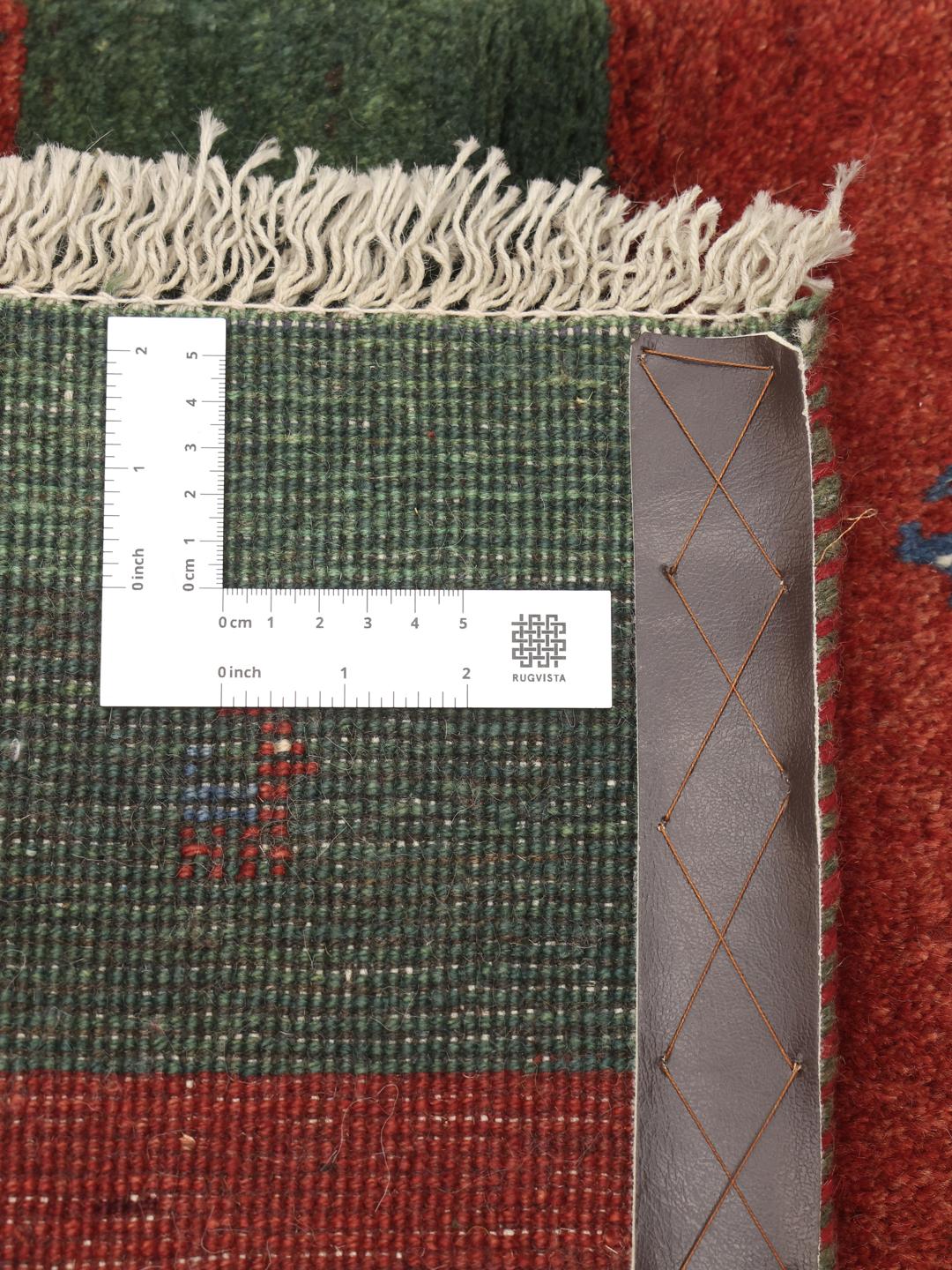
The Gabbeh tradition finds its roots in the nomadic cultures of the Middle East, where weavers crafted these rugs primarily for personal use rather than for trade. These rugs were designed to provide warmth and comfort within tents, serving as functional bedding and floor coverings that could withstand the rigours of a nomadic lifestyle.
The term Gabbeh itself refers to a rug that is natural, raw, or unclipped. Unlike more formal, tightly knotted styles, these rugs are characterised by their thicker, longer pile and a more spontaneous approach to design. This lack of rigid structure allows for a more creative and expressive output from the weaver.
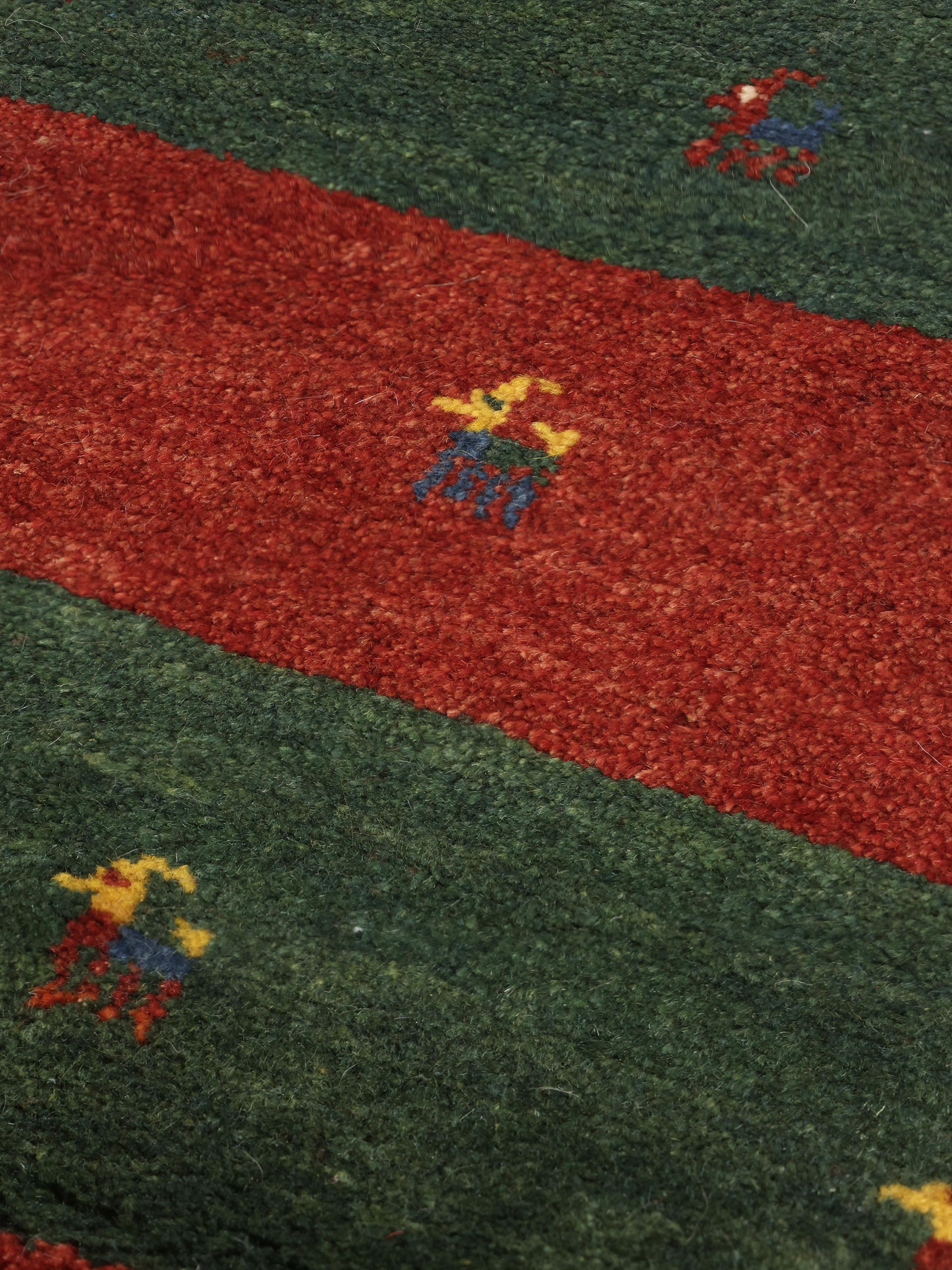
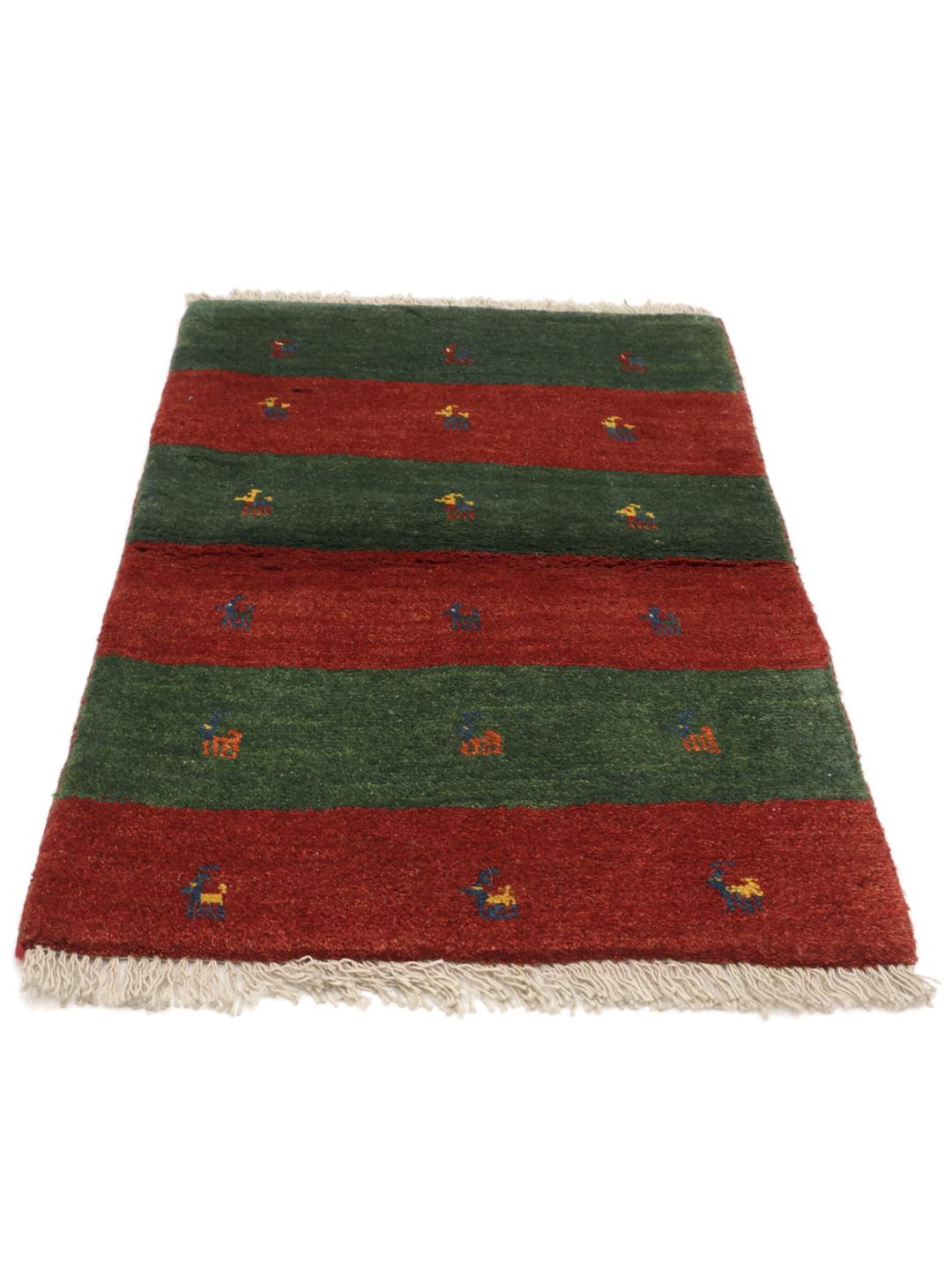
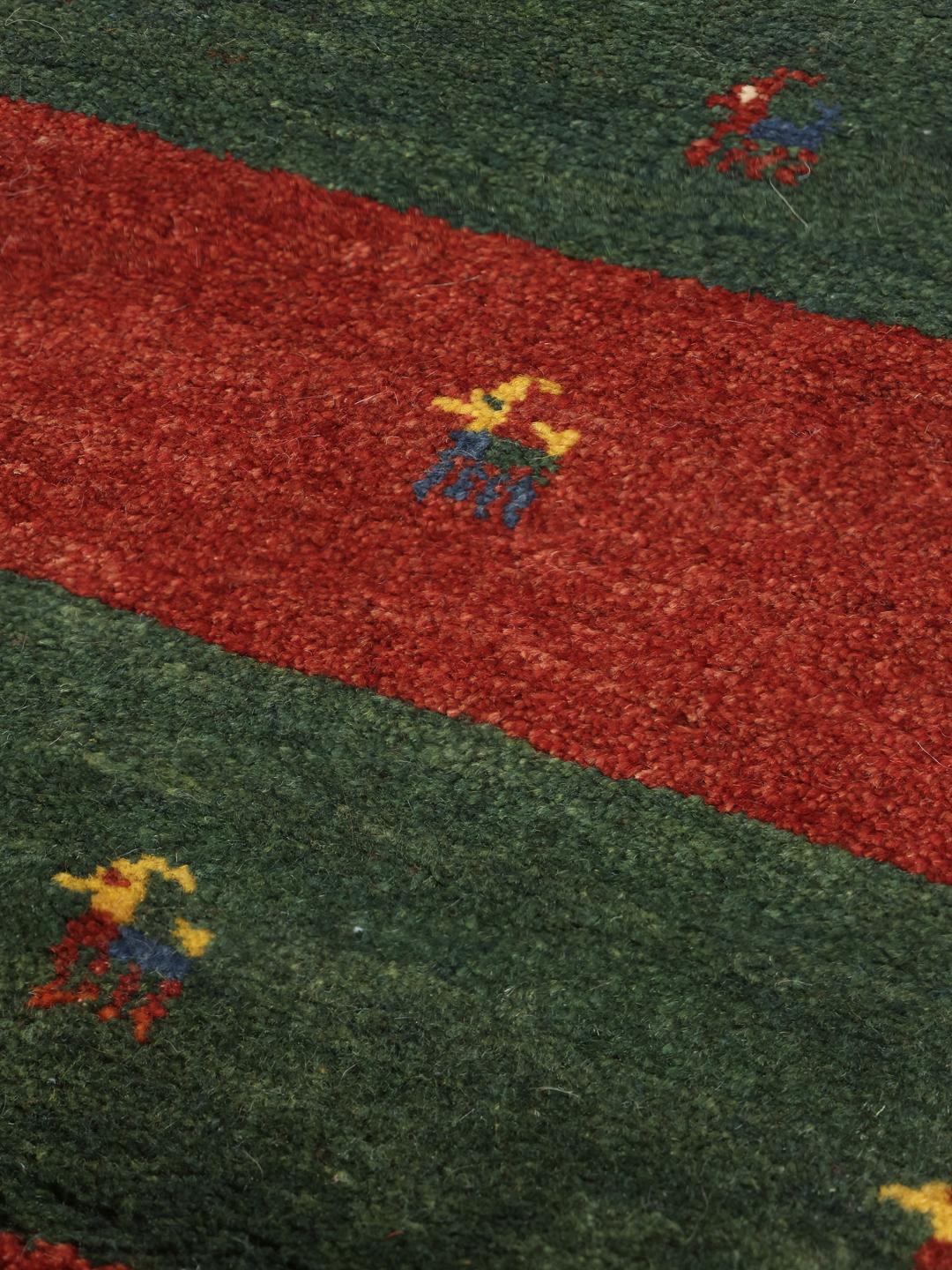
Visually, these rugs are defined by their bold use of colour and simplified, often geometric, iconography. The motifs, such as the small animals seen on this piece, often represent elements of the weaver's daily life, the natural environment, or local folklore. The stripes are a classic element, often created using naturally dyed Wool to achieve deep, lasting shades.
Collecting a rug from this tradition is an act of preserving a piece of cultural heritage. They are highly valued for their authenticity and the direct connection they offer to the weavers' personal stories. Owning a piece like this means bringing a living history into your home, celebrating the enduring skill of traditional craft.