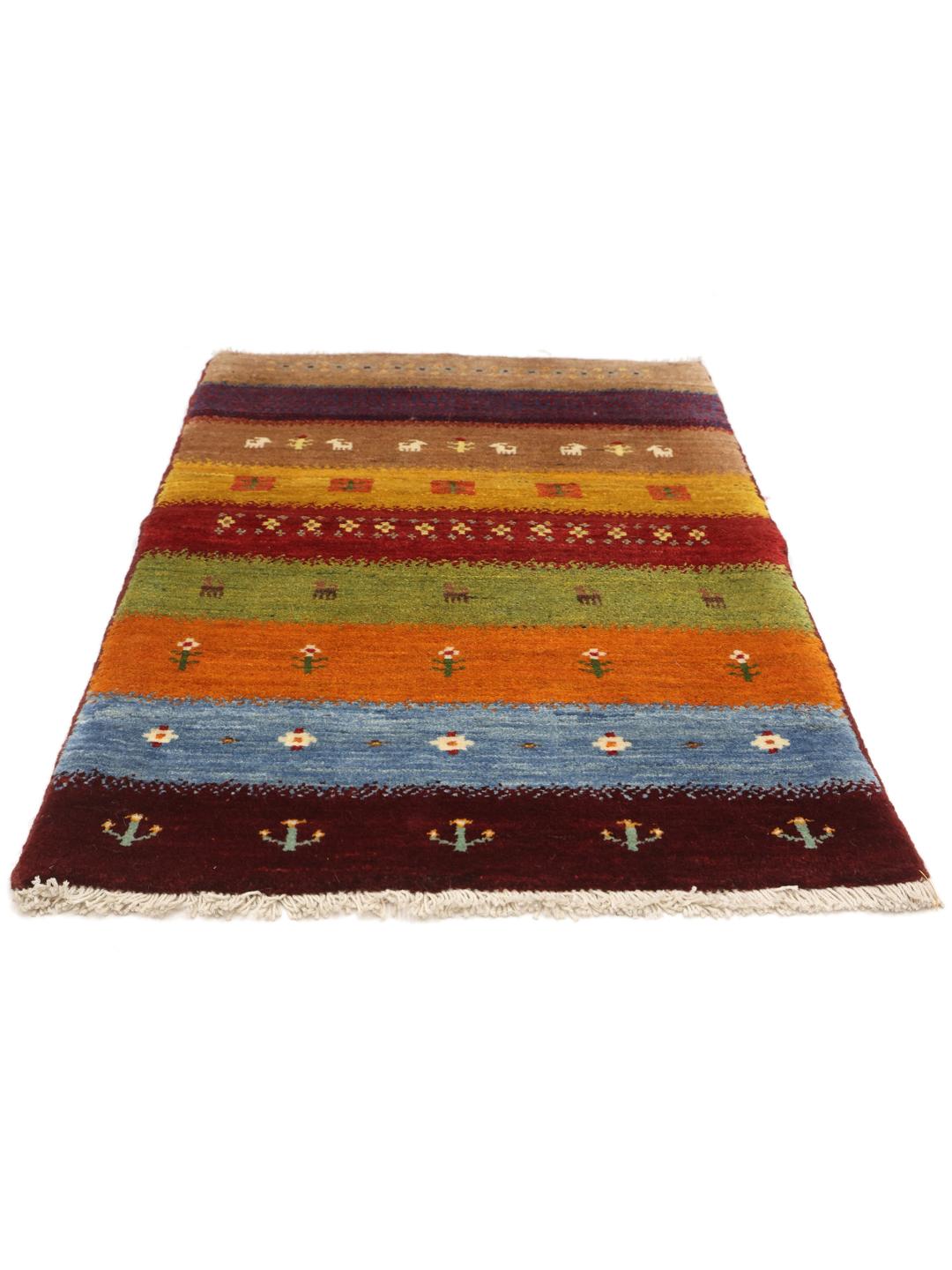
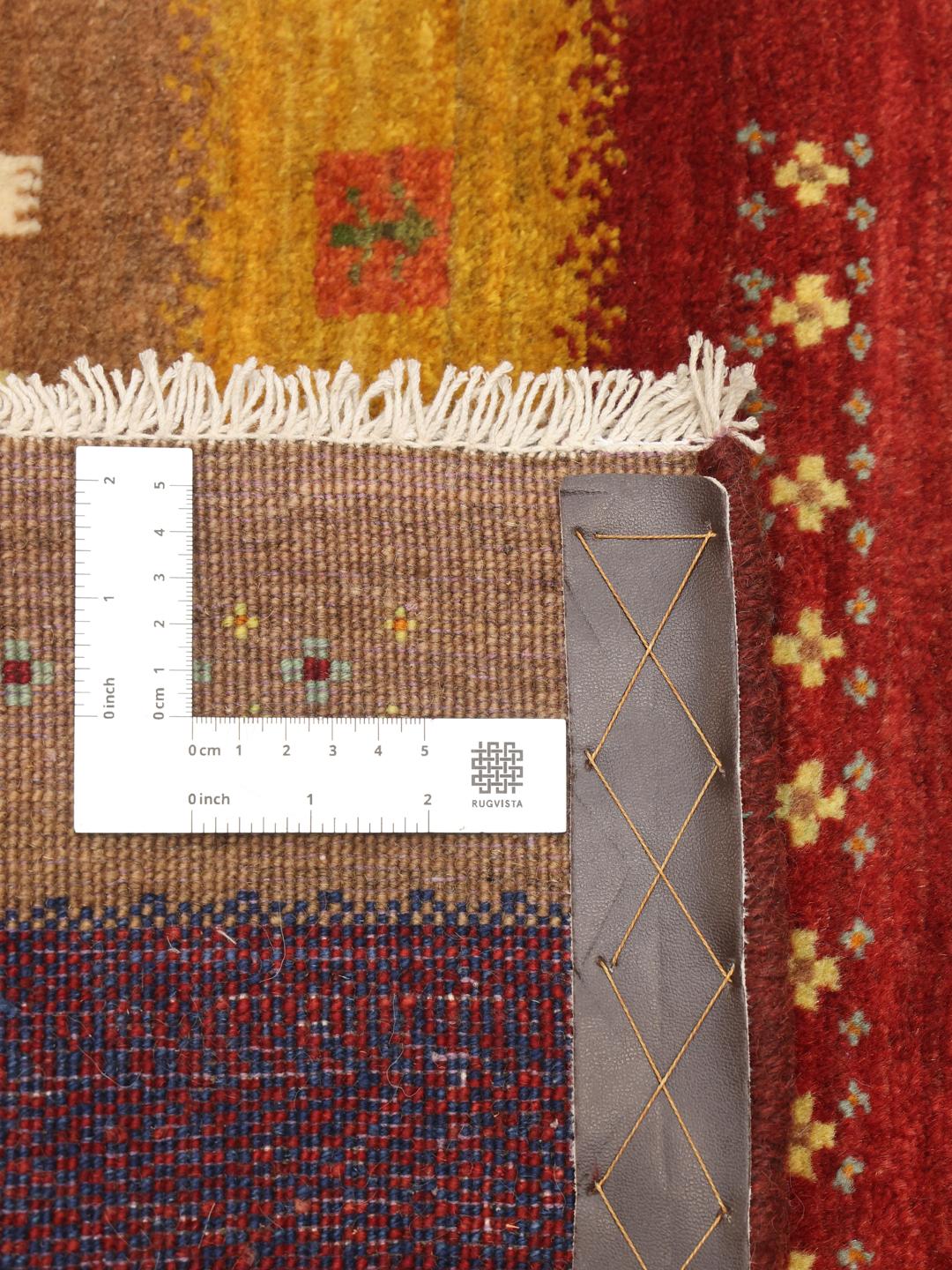
Gabbeh rugs were originally woven by nomadic and semi-nomadic tribes across the Middle East as simple, highly functional floor coverings and sleeping blankets. Over time, these traditional designs migrated to weaving centers across Pakistan, where master weavers adapted the style while preserving its rustic, expressive character.
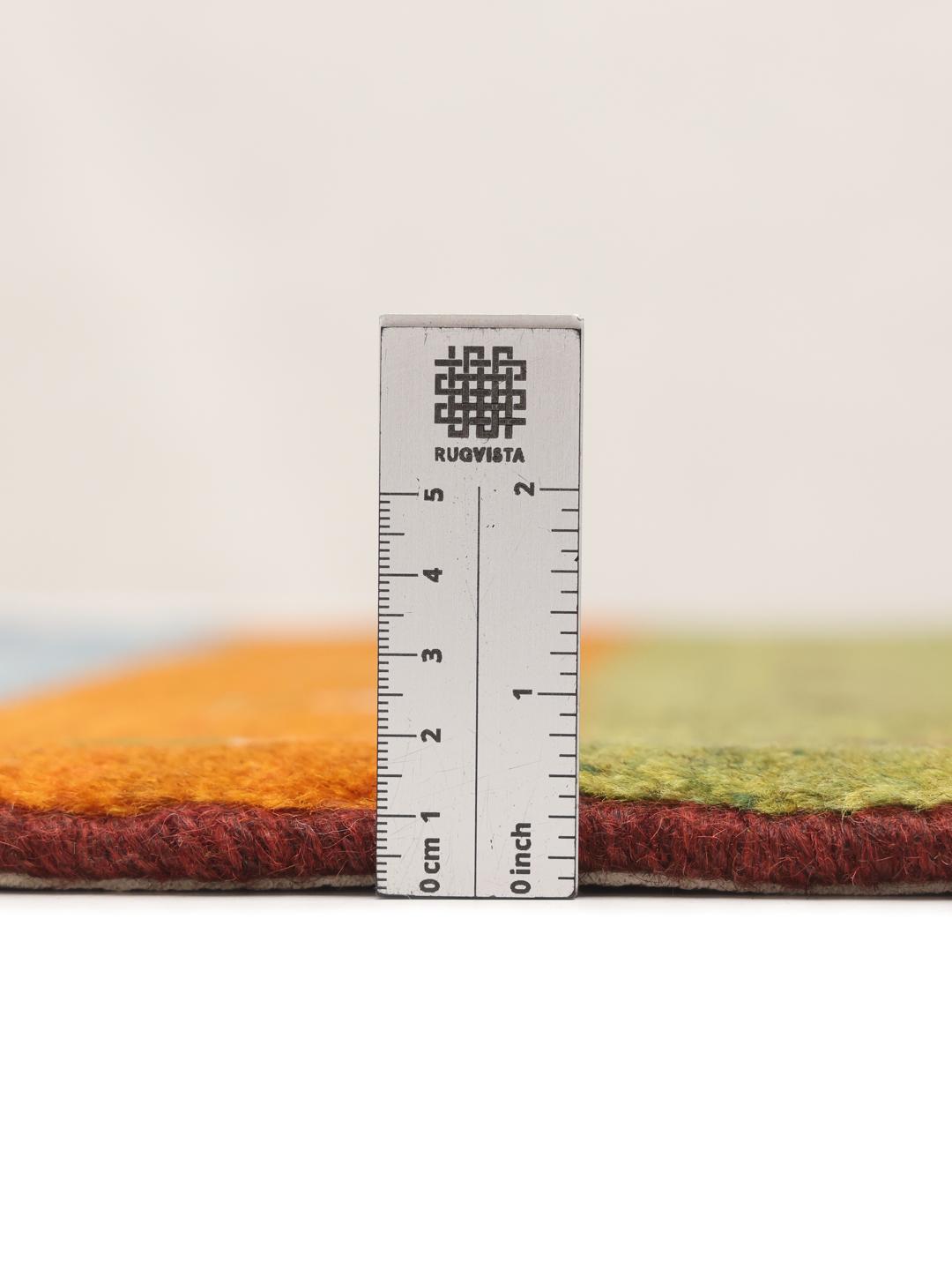
The word Gabbeh translates roughly to raw, natural, or unclipped, pointing to the thick, plush pile and uncomplicated structure that defines the category. Unlike formal court rugs with rigid symmetry, Gabbeh weaving allows the individual artisan great creative freedom, leading to spontaneous compositions filled with rich narrative detail.
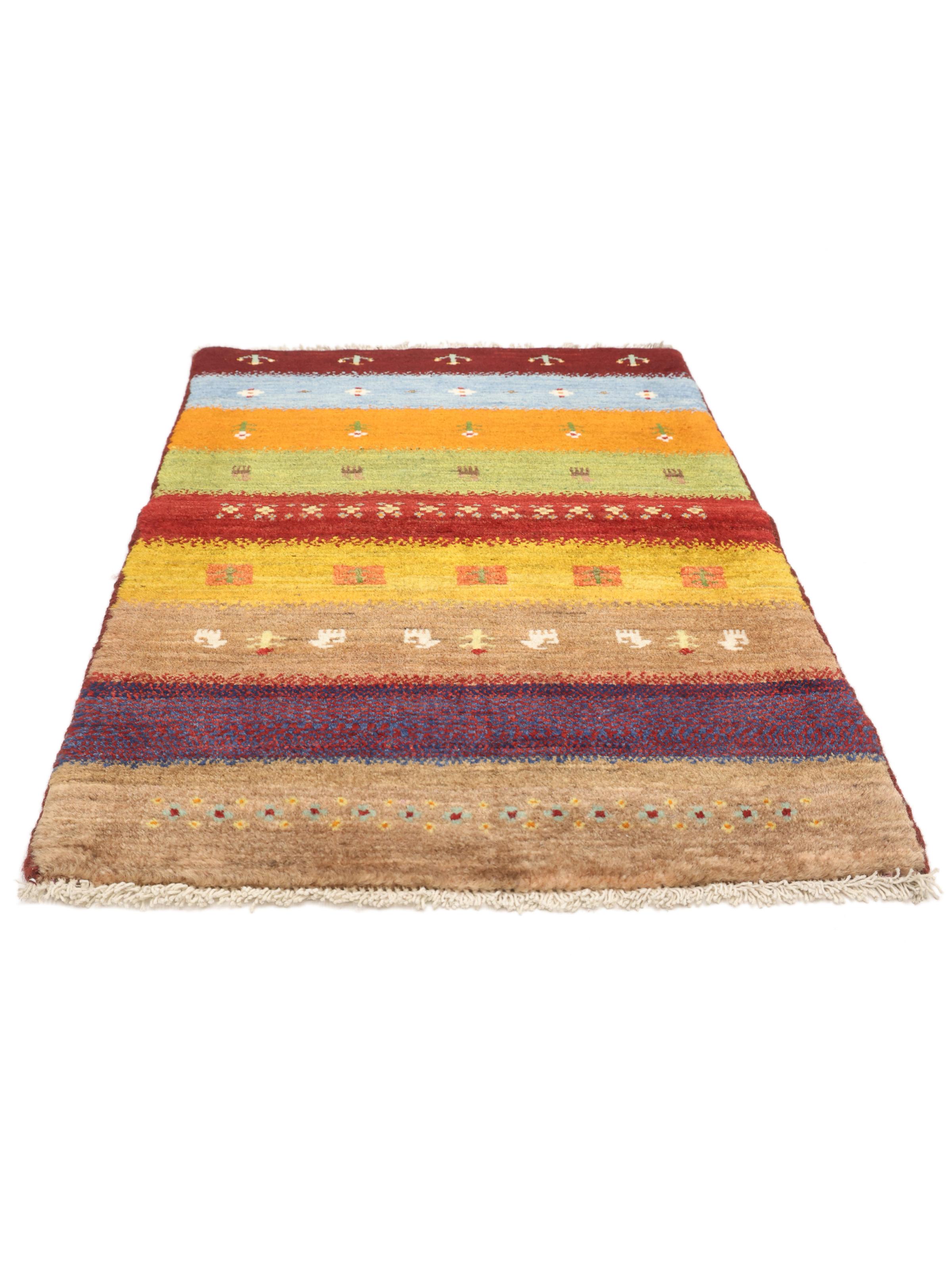
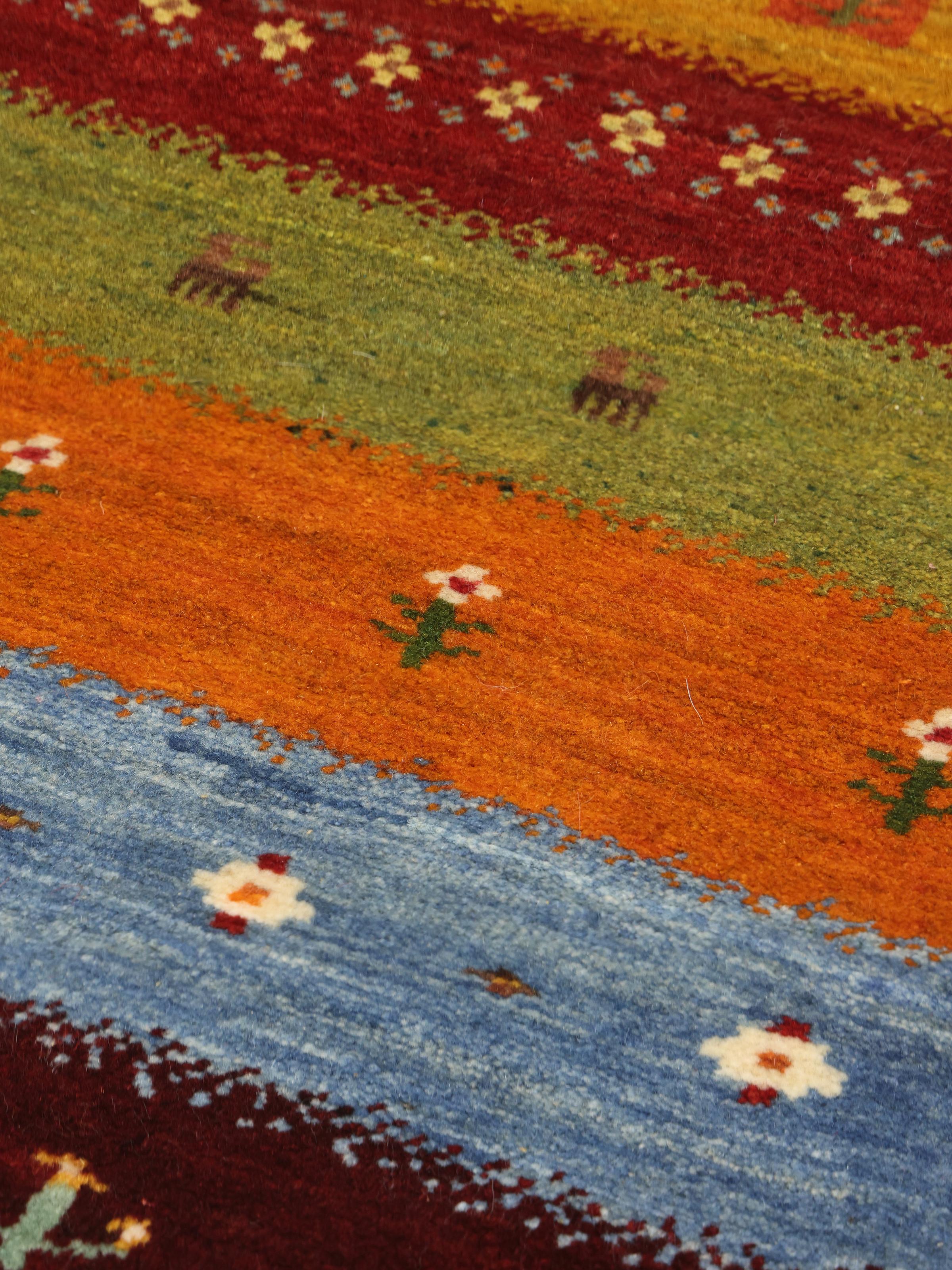
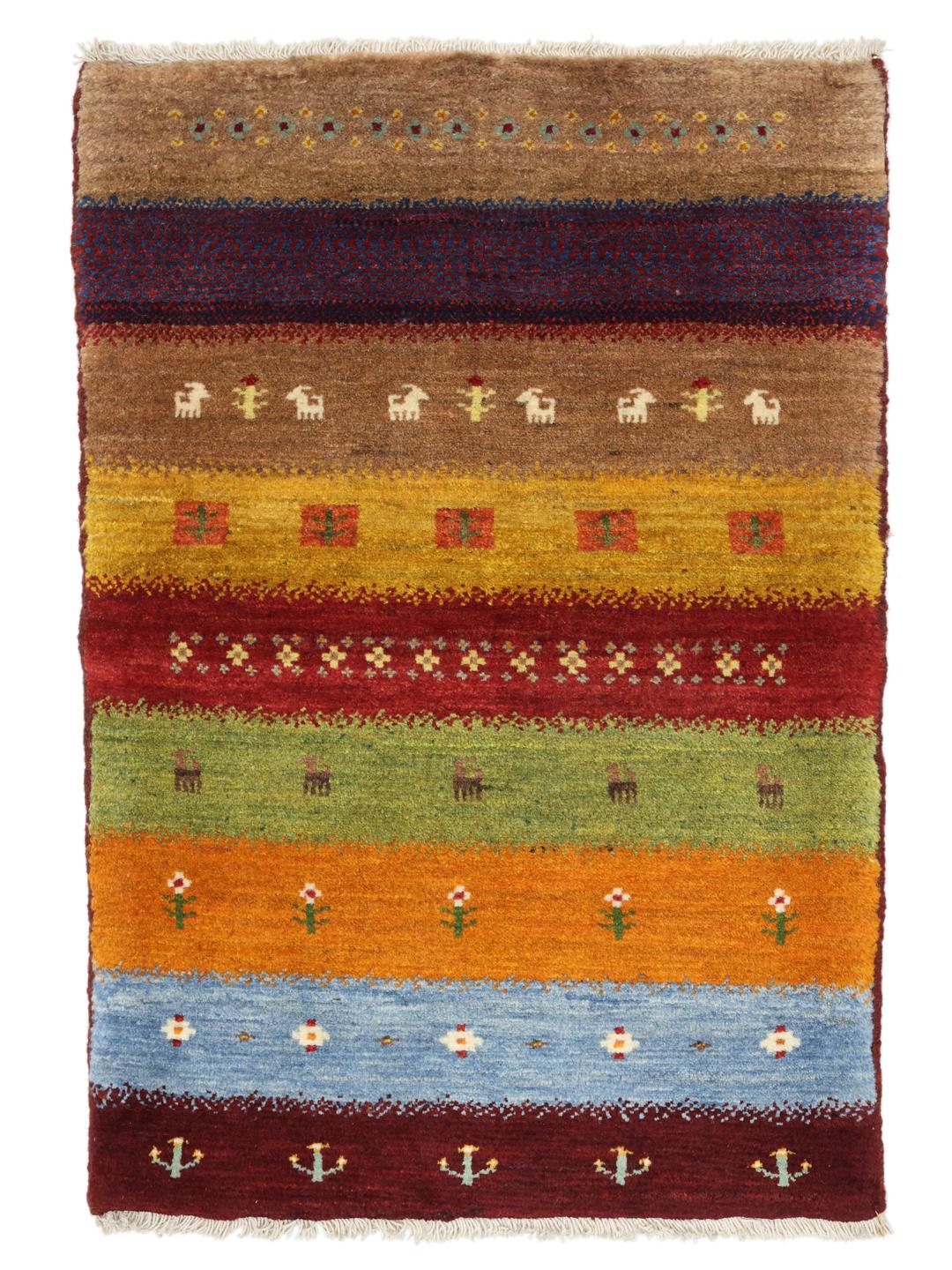
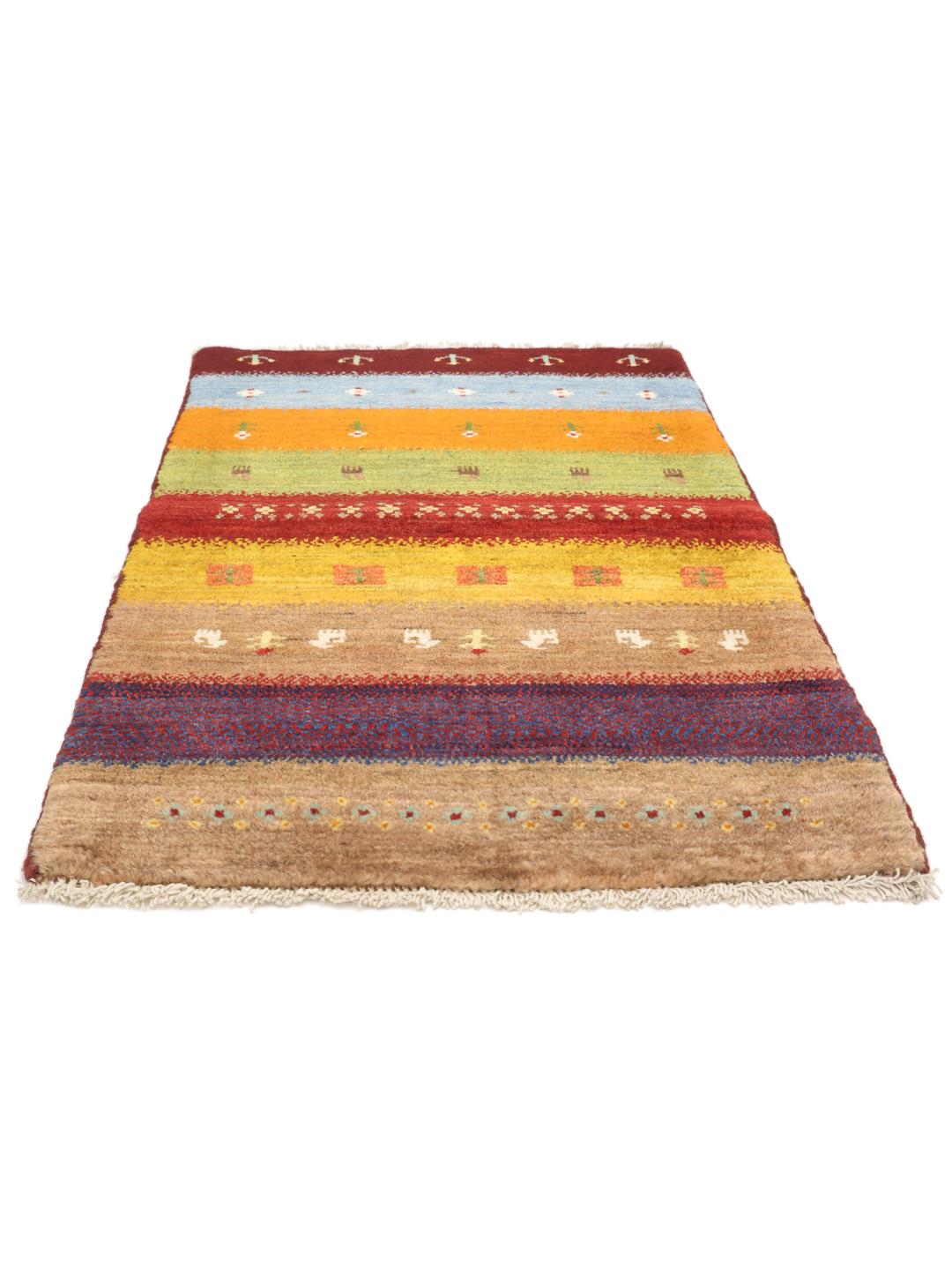
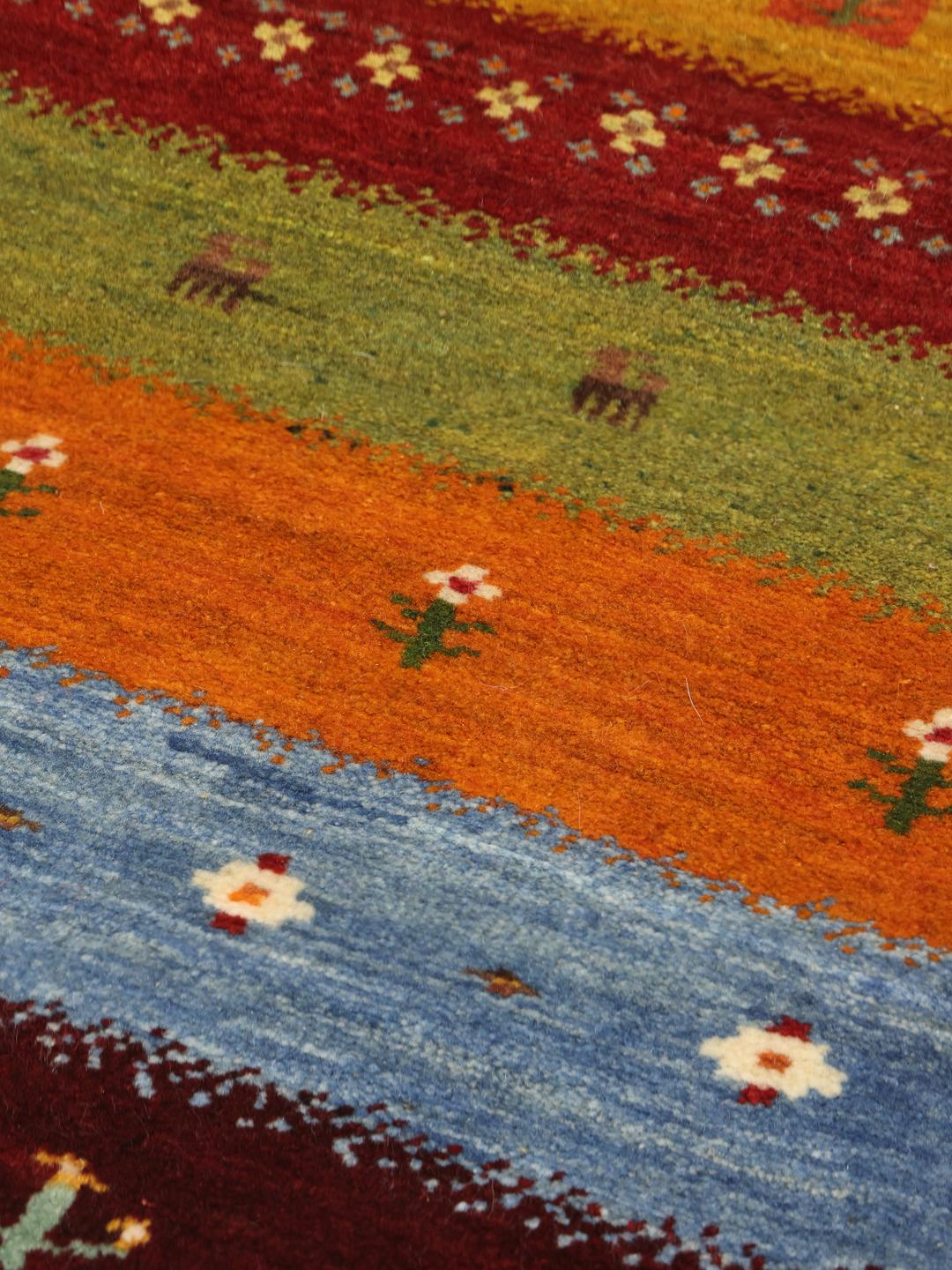
Visually, Gabbeh rugs are celebrated for their bold fields of color and primitive folk motifs. Stylized animals, small figures, trees, and geometric symbols are scattered across plain or striped backgrounds. These symbols often represent everyday scenes, tribal life, or wishes for good fortune and prosperity.
Today, Gabbeh rugs are prized worldwide by collectors and homeowners alike for their modern artistic feel and authentic craft background. Their blend of minimalist composition and centuries-old hand-knotting techniques makes them lasting pieces of woven heritage.