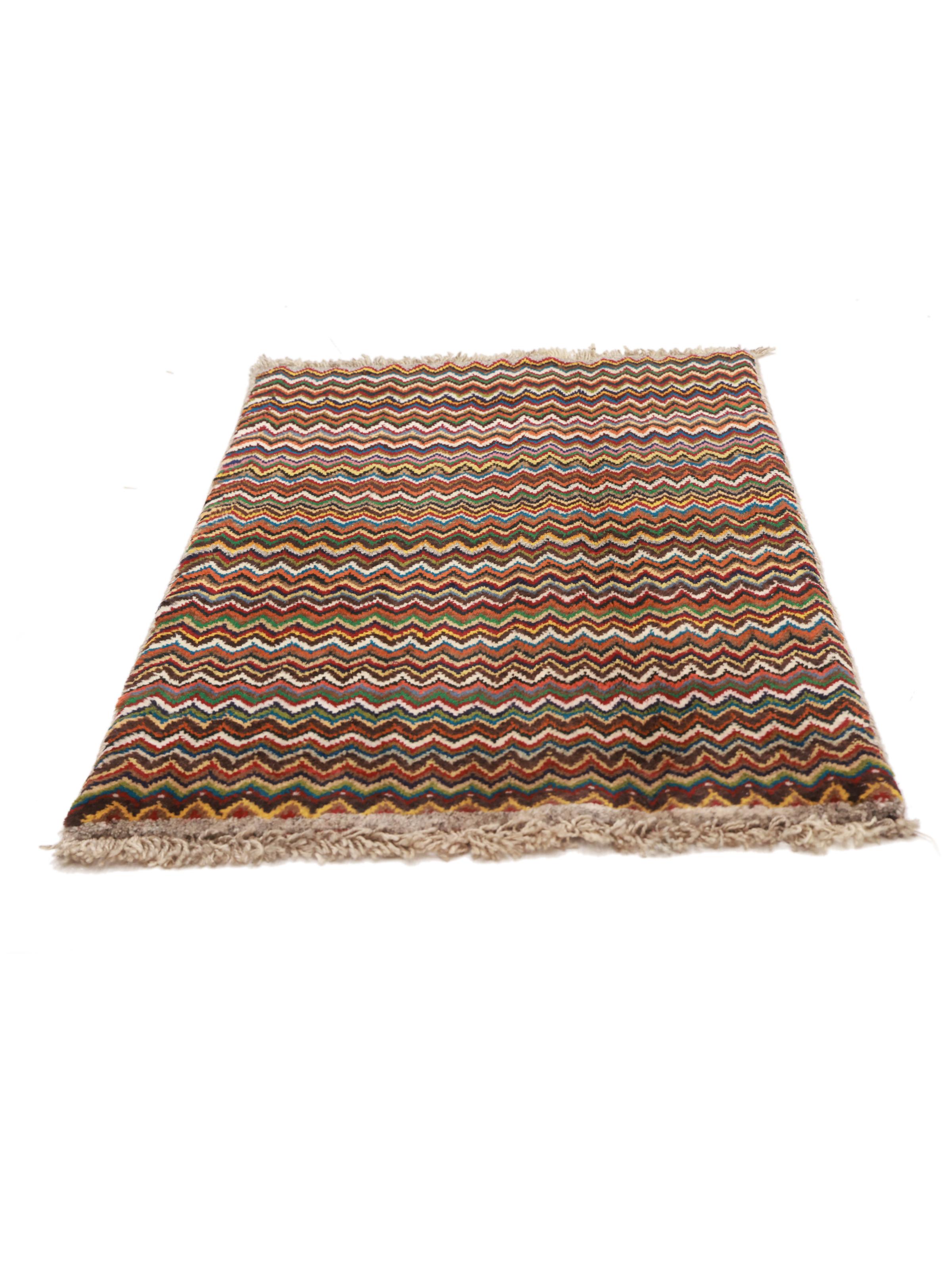
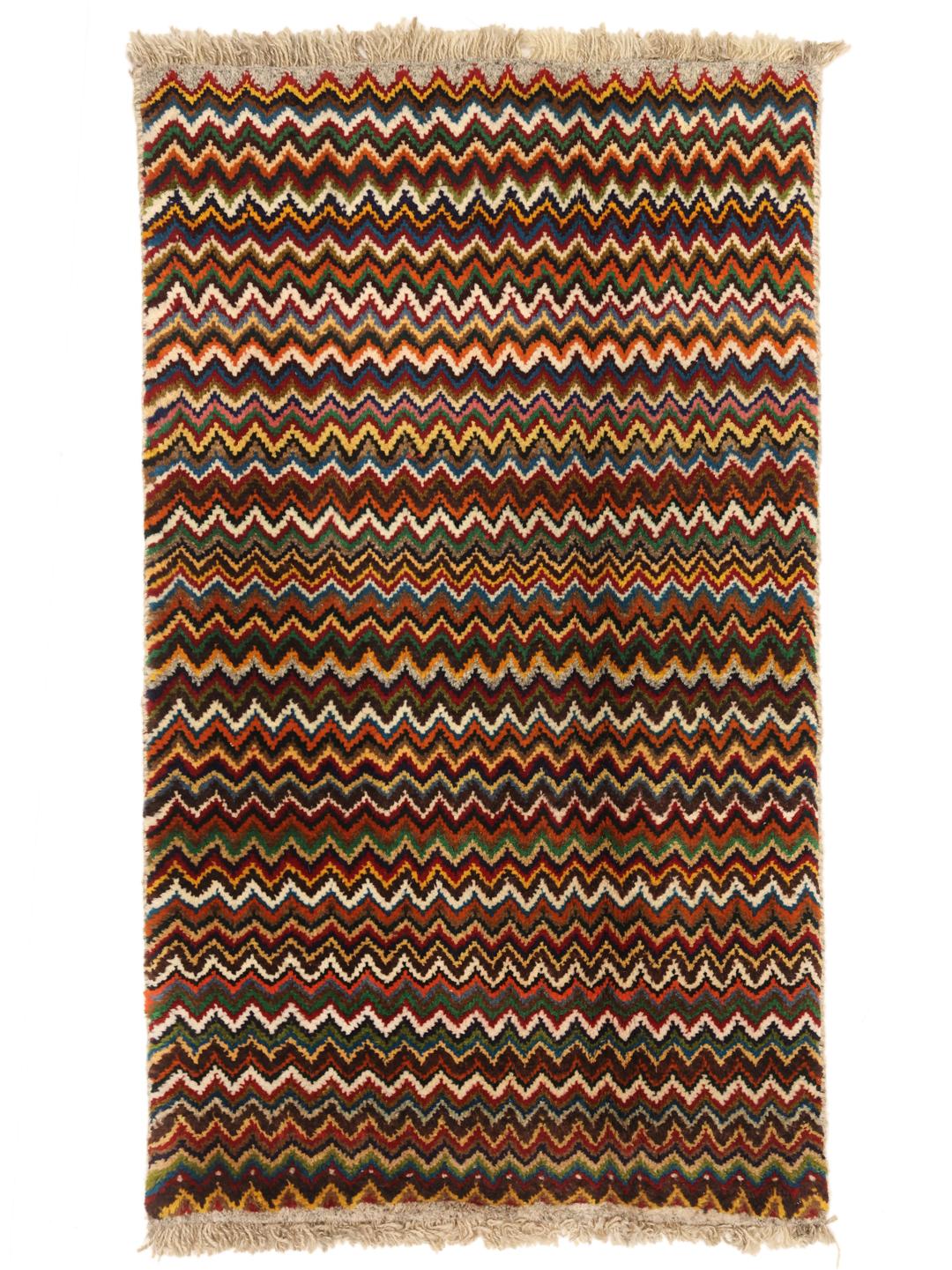
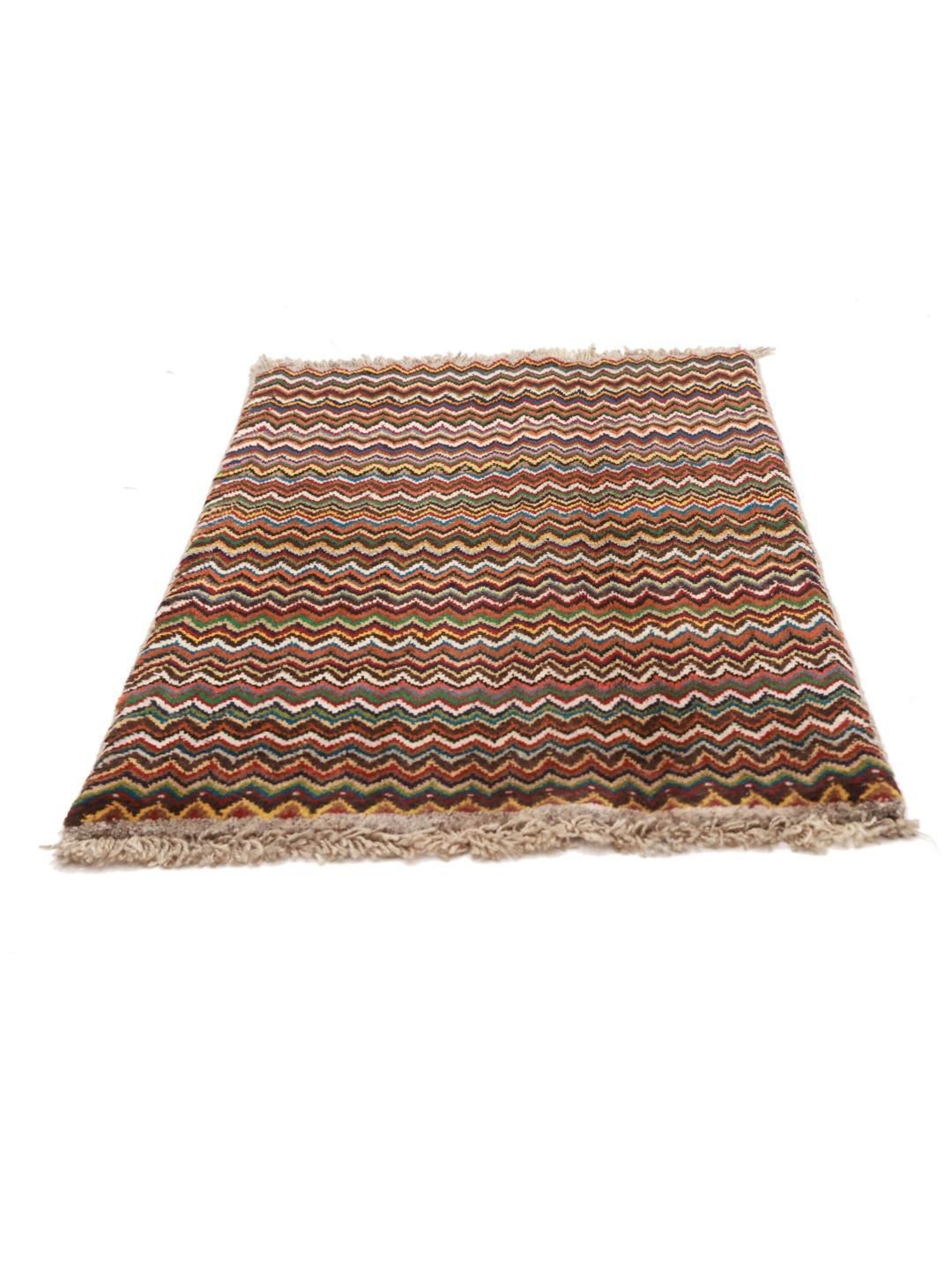
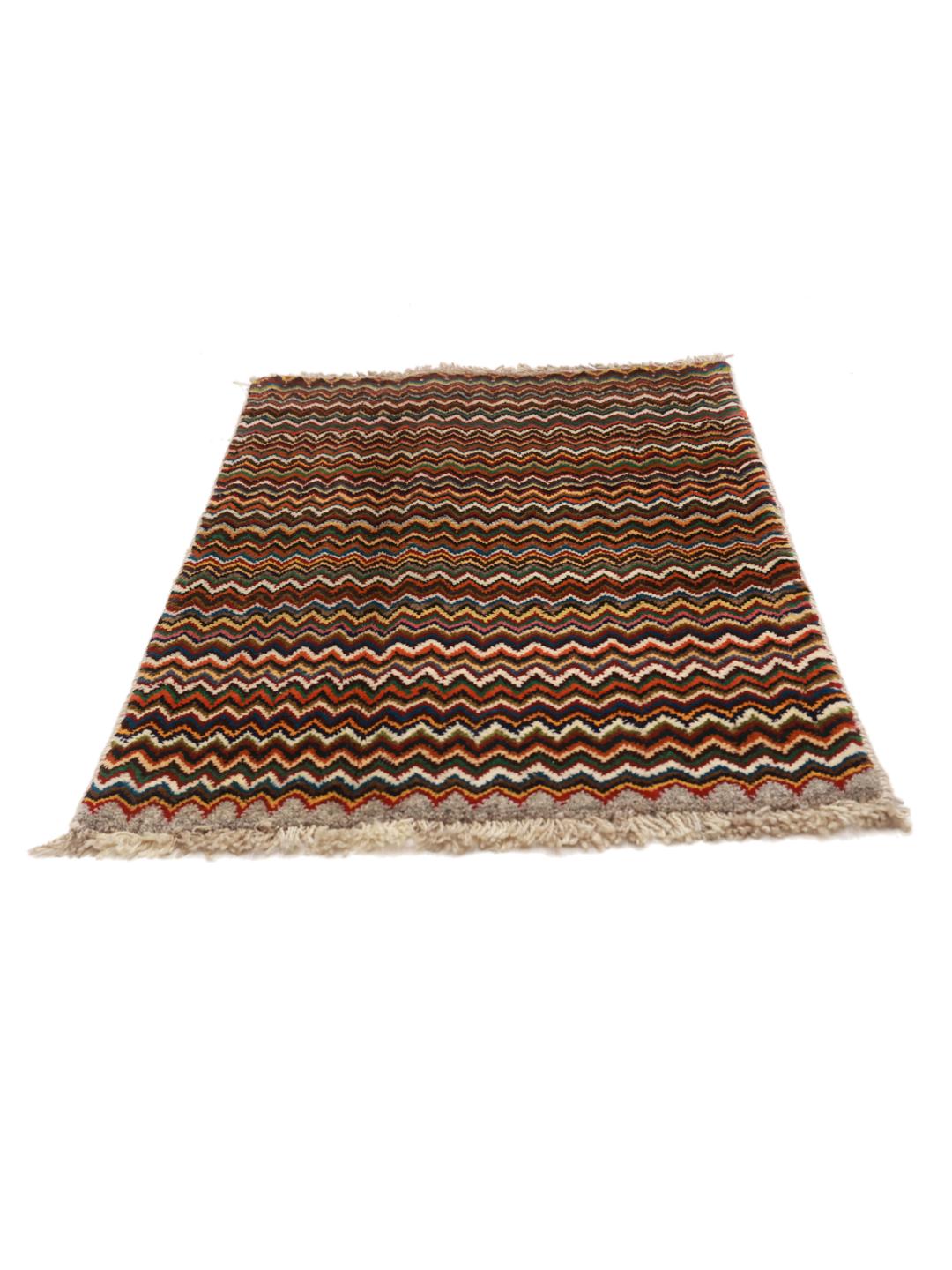
The Gabbeh rug tradition originates from the tribal weavers of the Middle East, primarily created by nomadic groups who crafted these rugs for their own daily use. Unlike formal city rugs with intricate, pre-planned designs, Gabbeh rugs were historically woven by memory and intuition, resulting in a more spontaneous and expressive visual language. This heritage of creative freedom is what gives these rugs their distinctive, artistic character.
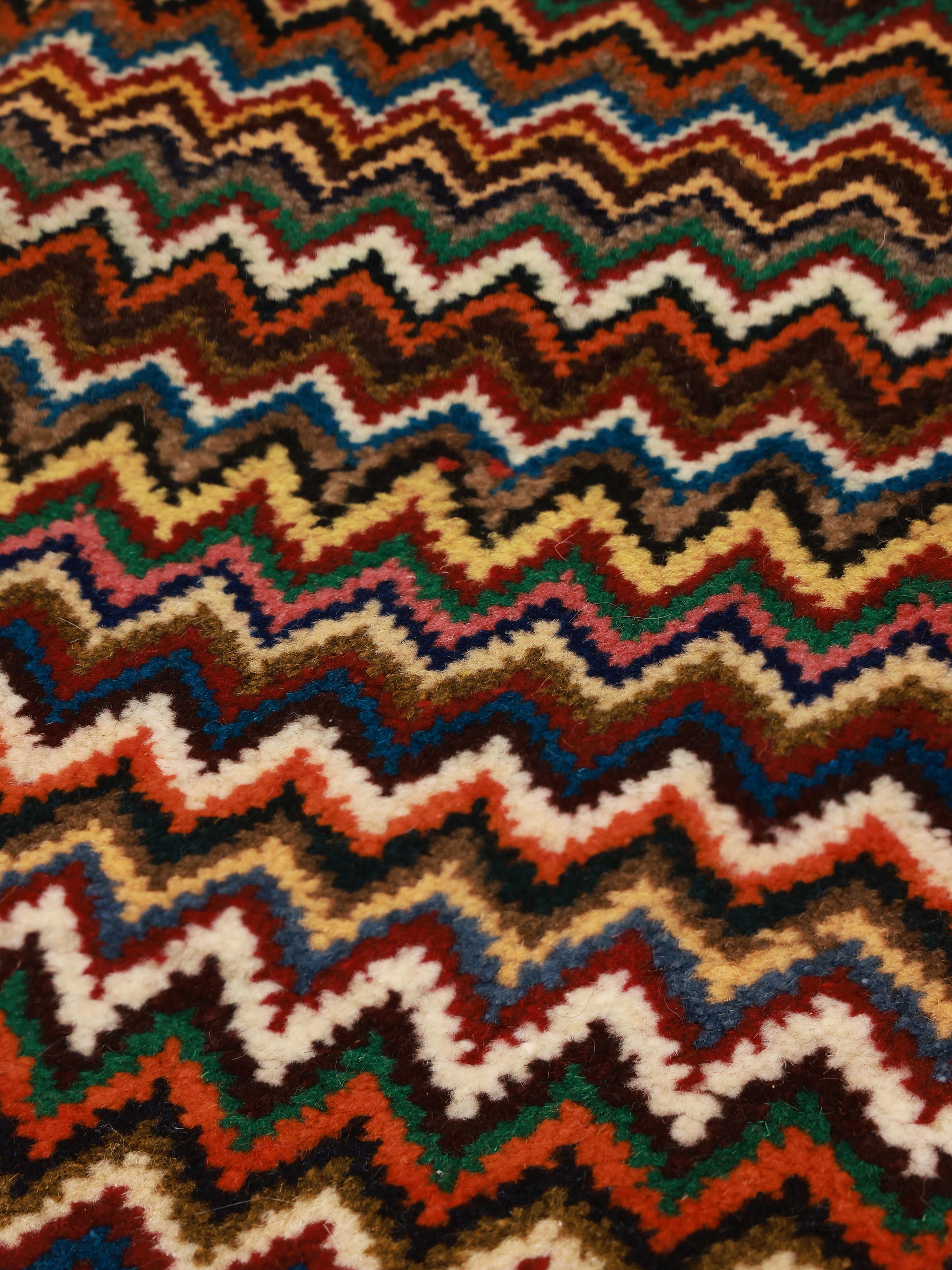
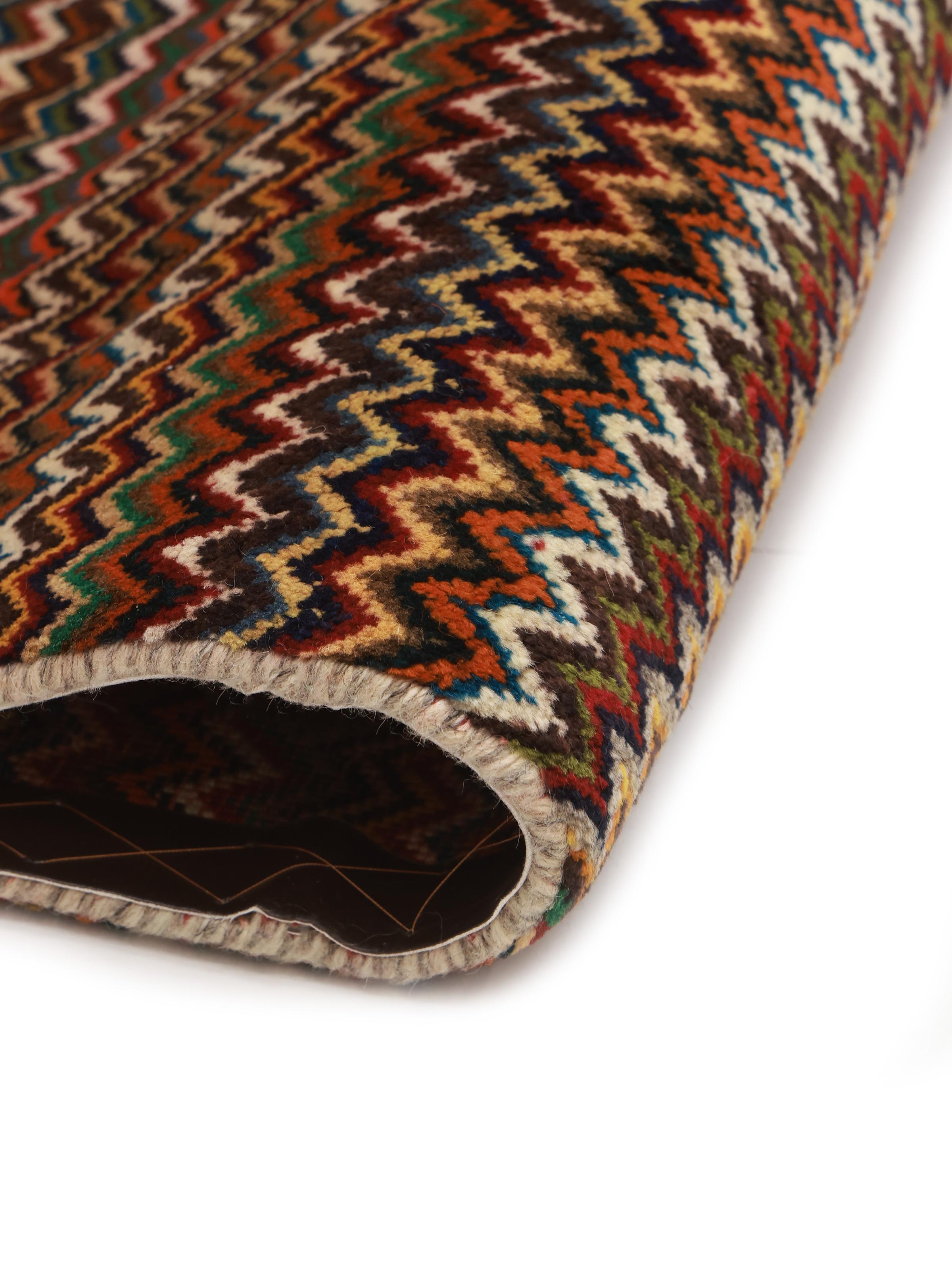
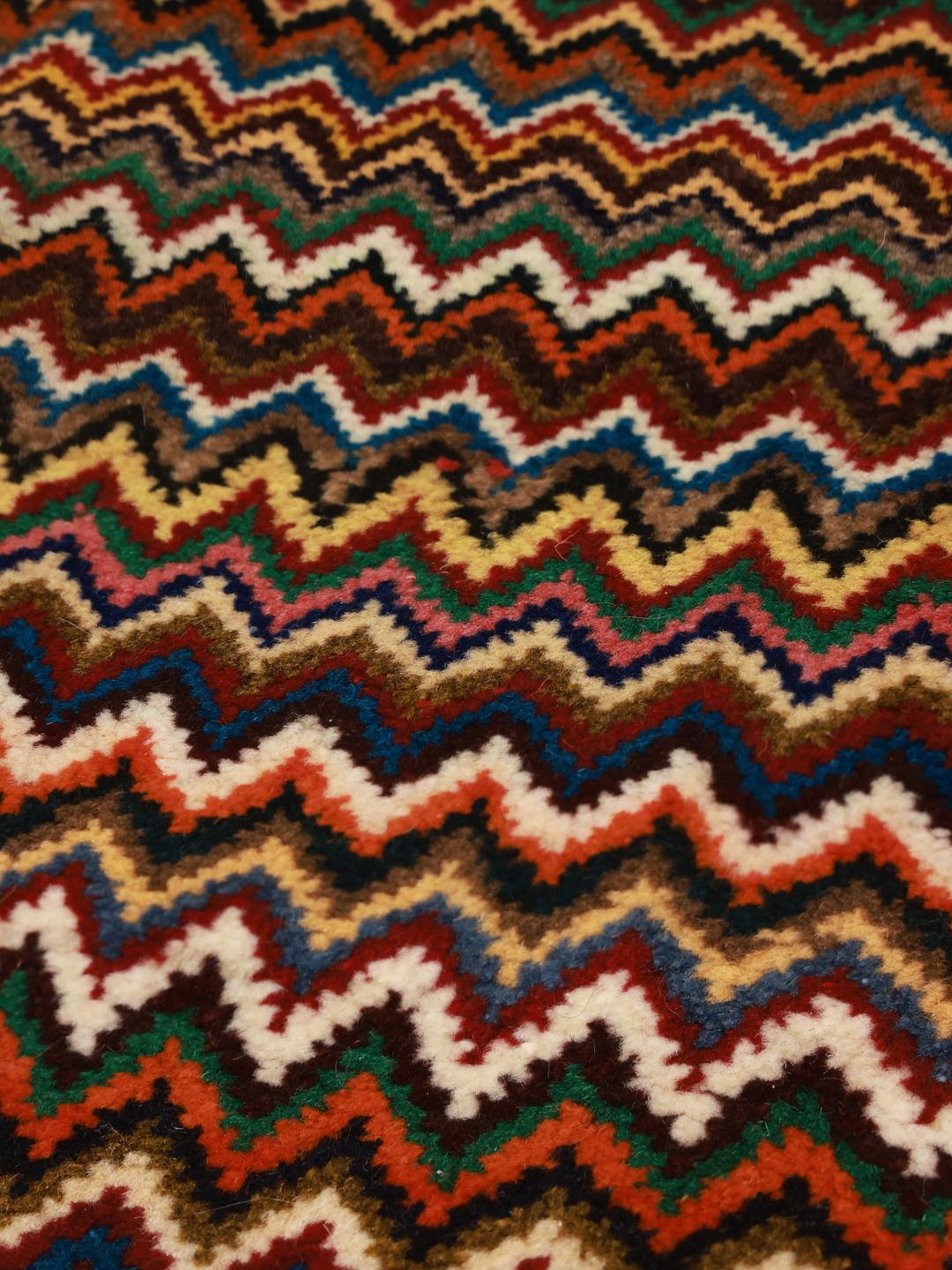
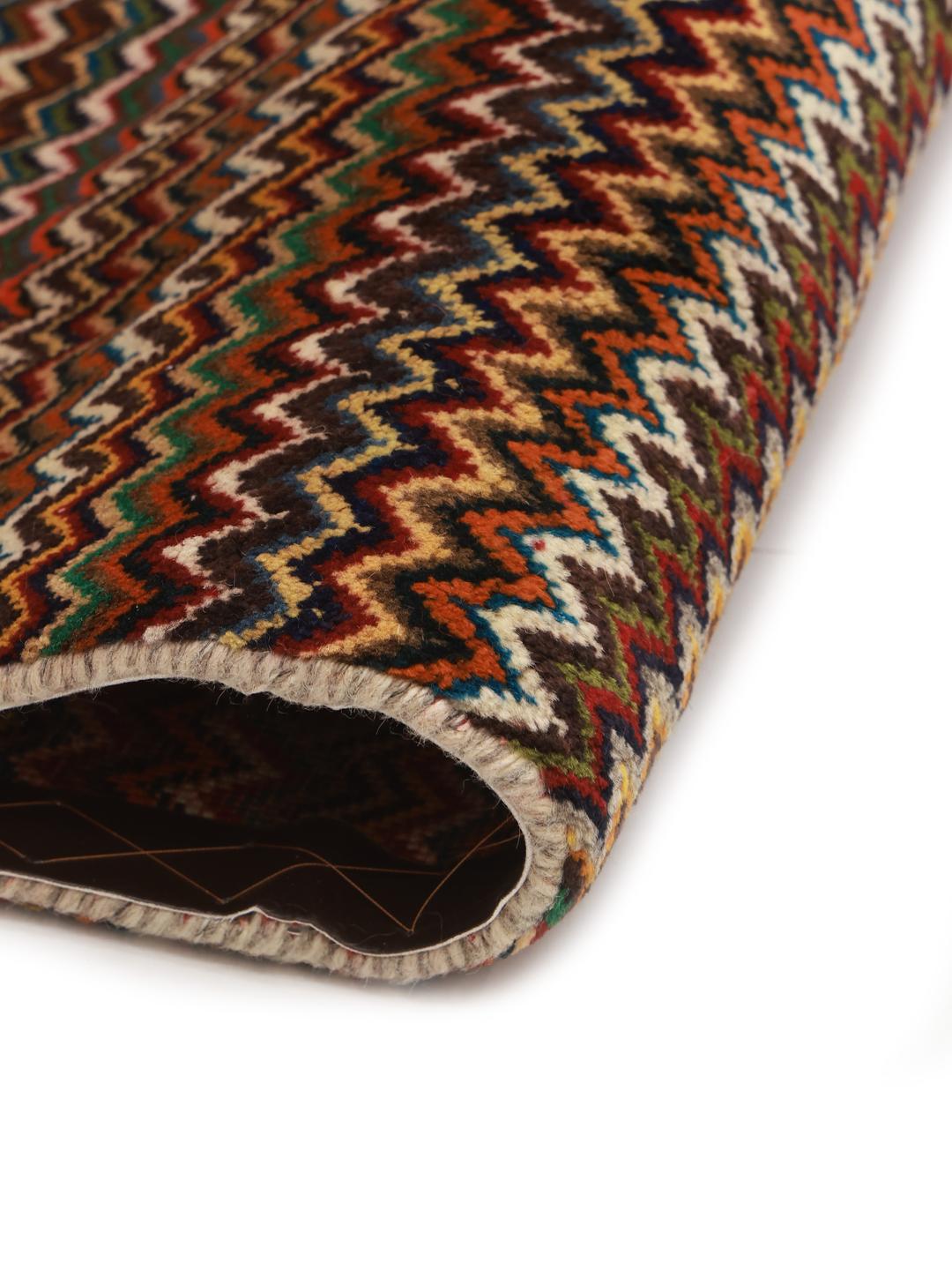
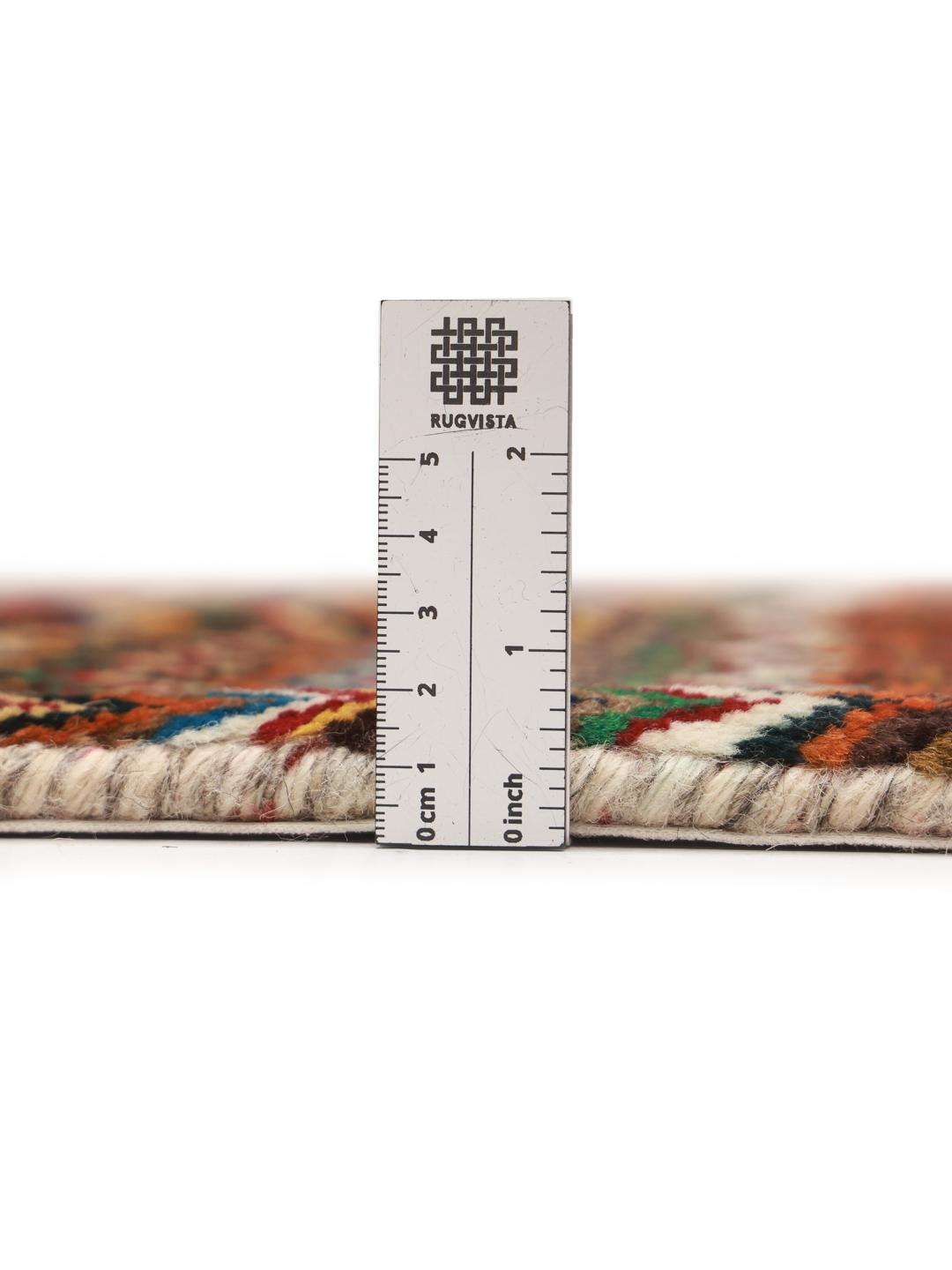
The term Shabargan refers to a specific regional style of weaving that has evolved over generations. These rugs are known for their use of high-quality Wool, which is often hand-spun to retain its natural oils and strength. This traditional approach to material preparation ensures that the final product is not only soft to the touch but also exceptionally resilient, capable of serving a household for many years.
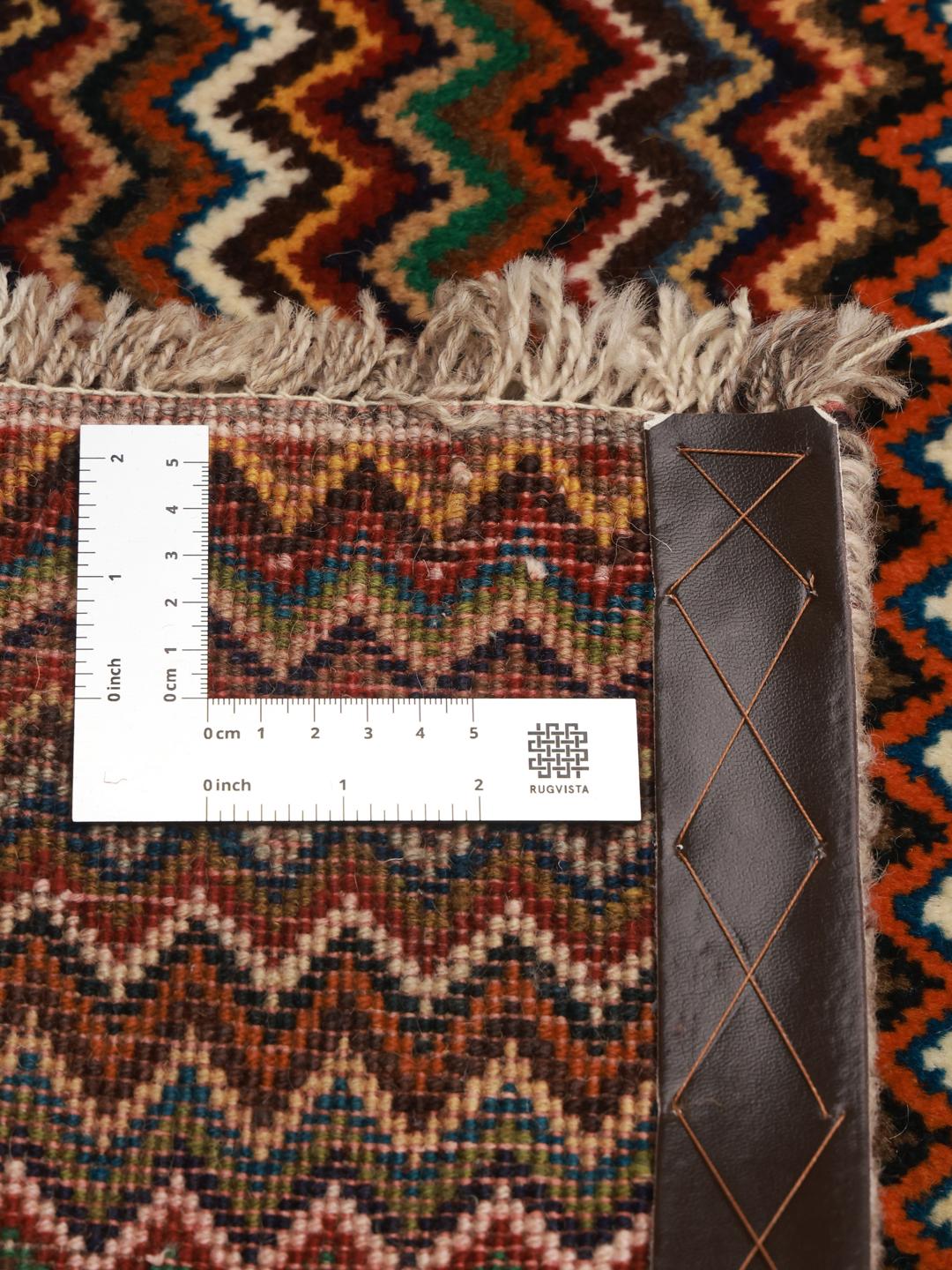
Visually, these rugs are celebrated for their bold, often abstract designs and a rich, saturated colour palette. While many rugs from this region focus on formal floral or geometric motifs, the Shabargan tradition embraces a more playful and rhythmic aesthetic, such as the zig-zag patterns seen here. These motifs are deeply rooted in the weaver's environment and imagination, making every piece a narrative of cultural expression.
Today, these rugs are highly valued by collectors and homeowners alike for their authenticity and the human story behind every knot. Owning a piece from this tradition means supporting a craft that has survived for centuries, maintaining a connection to the nomadic cultures that first perfected these techniques. It is a way to bring a piece of genuine history into your home, celebrating skill that is passed down through generations.