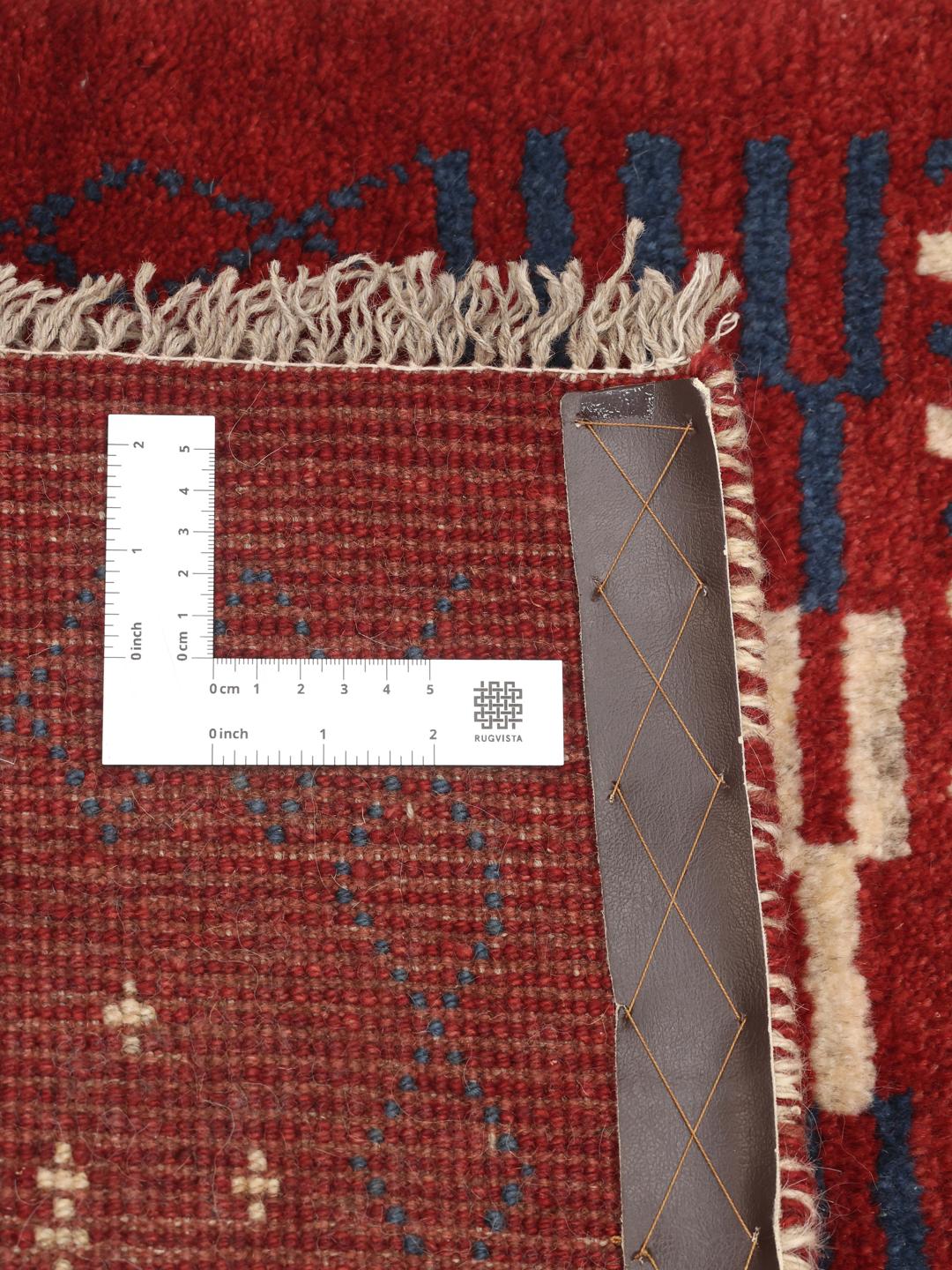
The Gabbeh tradition traces its roots to the nomadic tribes of the Middle East, who have long woven these rugs for their own daily use. Unlike formal court rugs, Gabbehs were originally designed as practical, heavy floor coverings that provided warmth and comfort in harsh, mountainous climates.
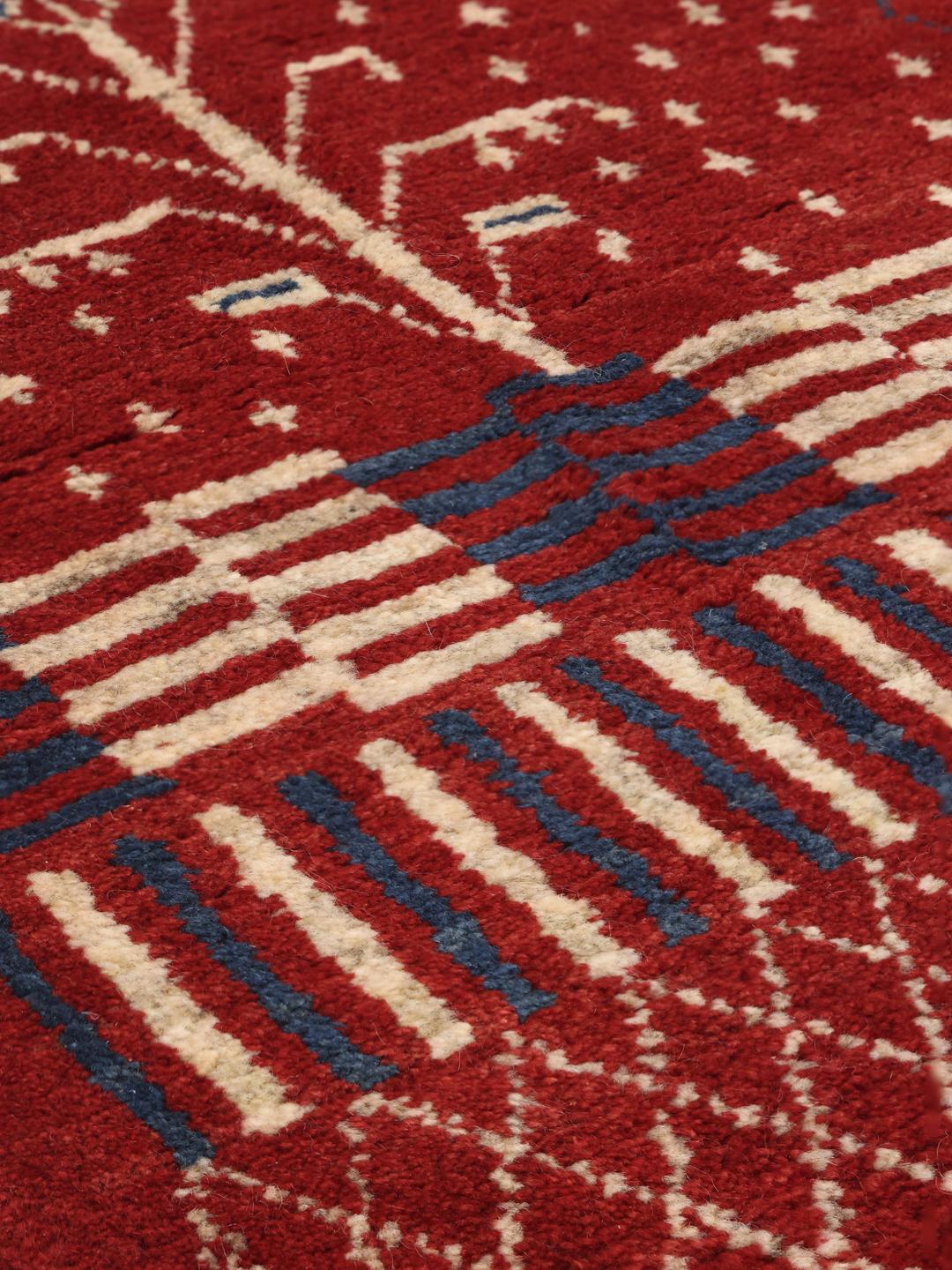
The term itself refers to a rug that is 'raw' or 'natural', reflecting a philosophy of simplicity and spontaneity. Over time, these rugs have evolved from purely utilitarian items into celebrated works of art, known for their thick, hand-spun Wool and honest, unpretentious construction.
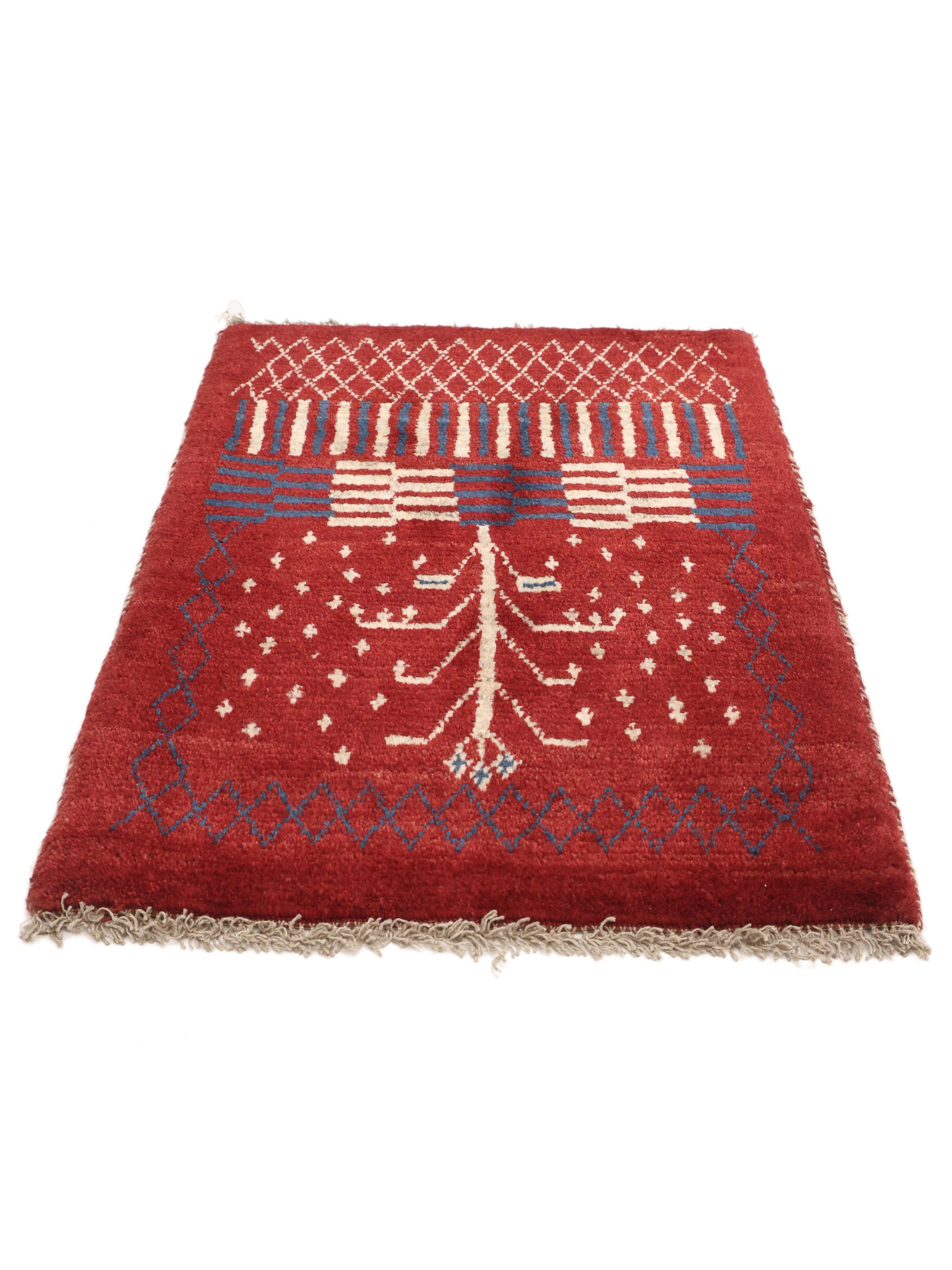
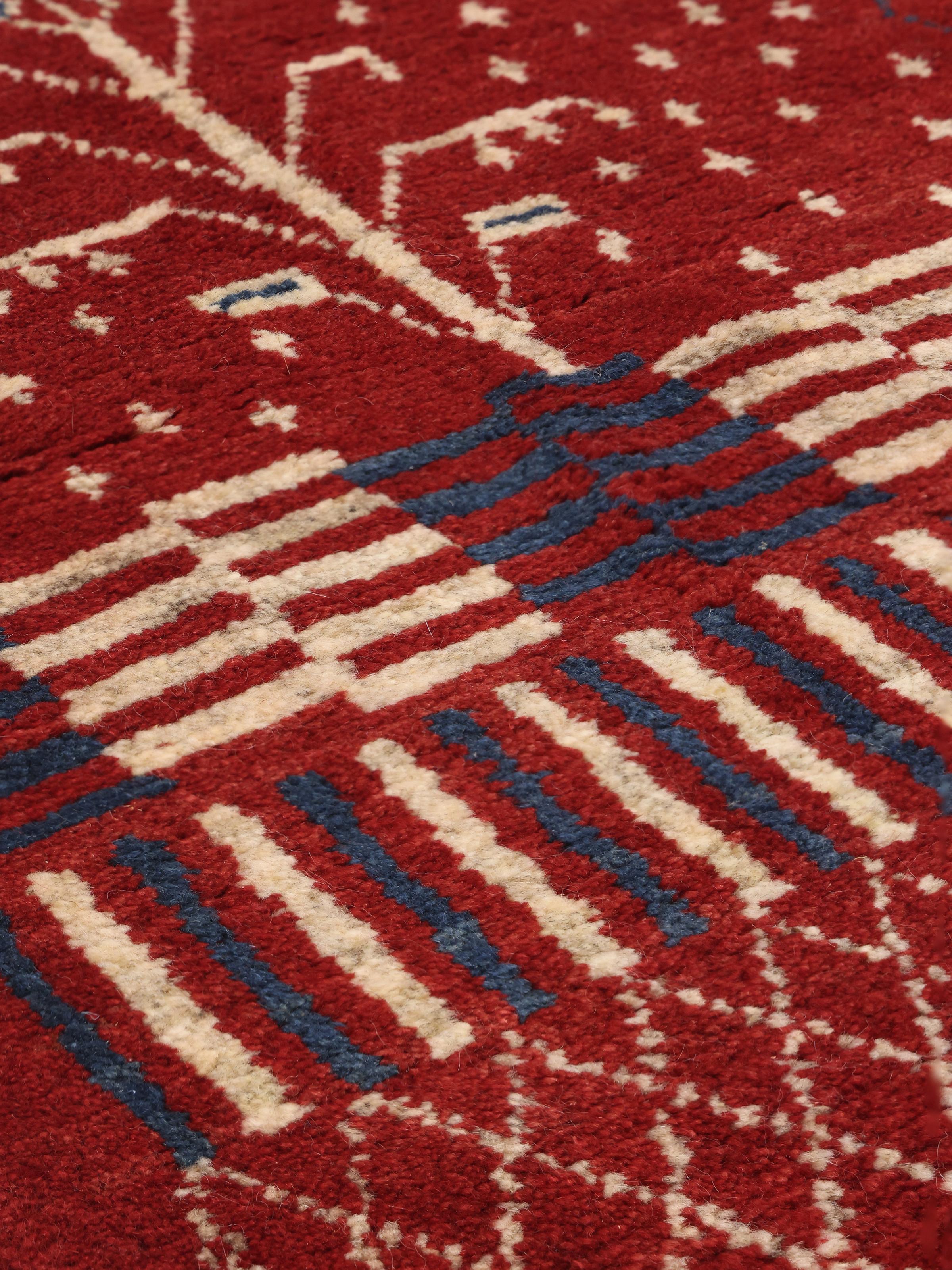
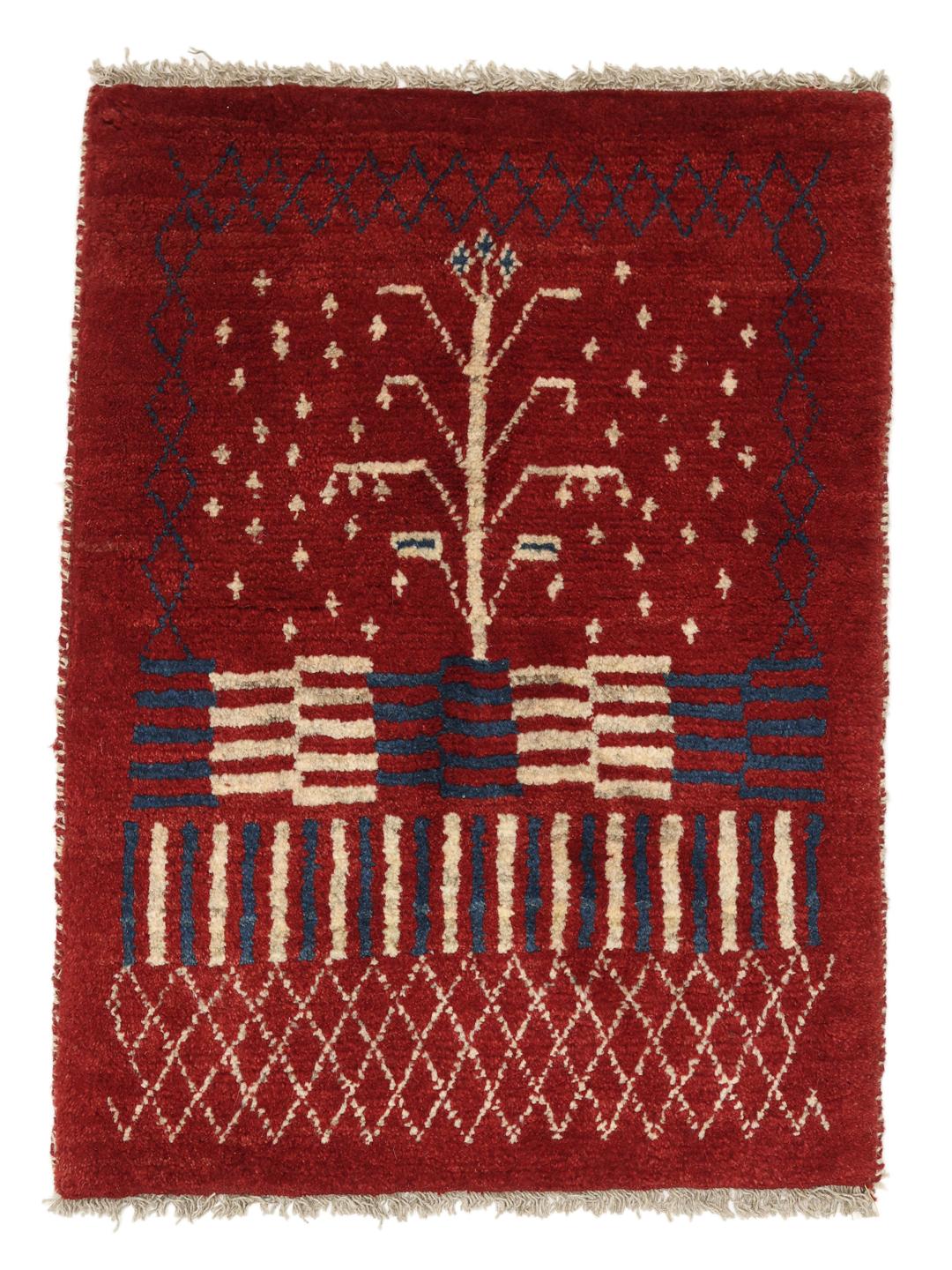
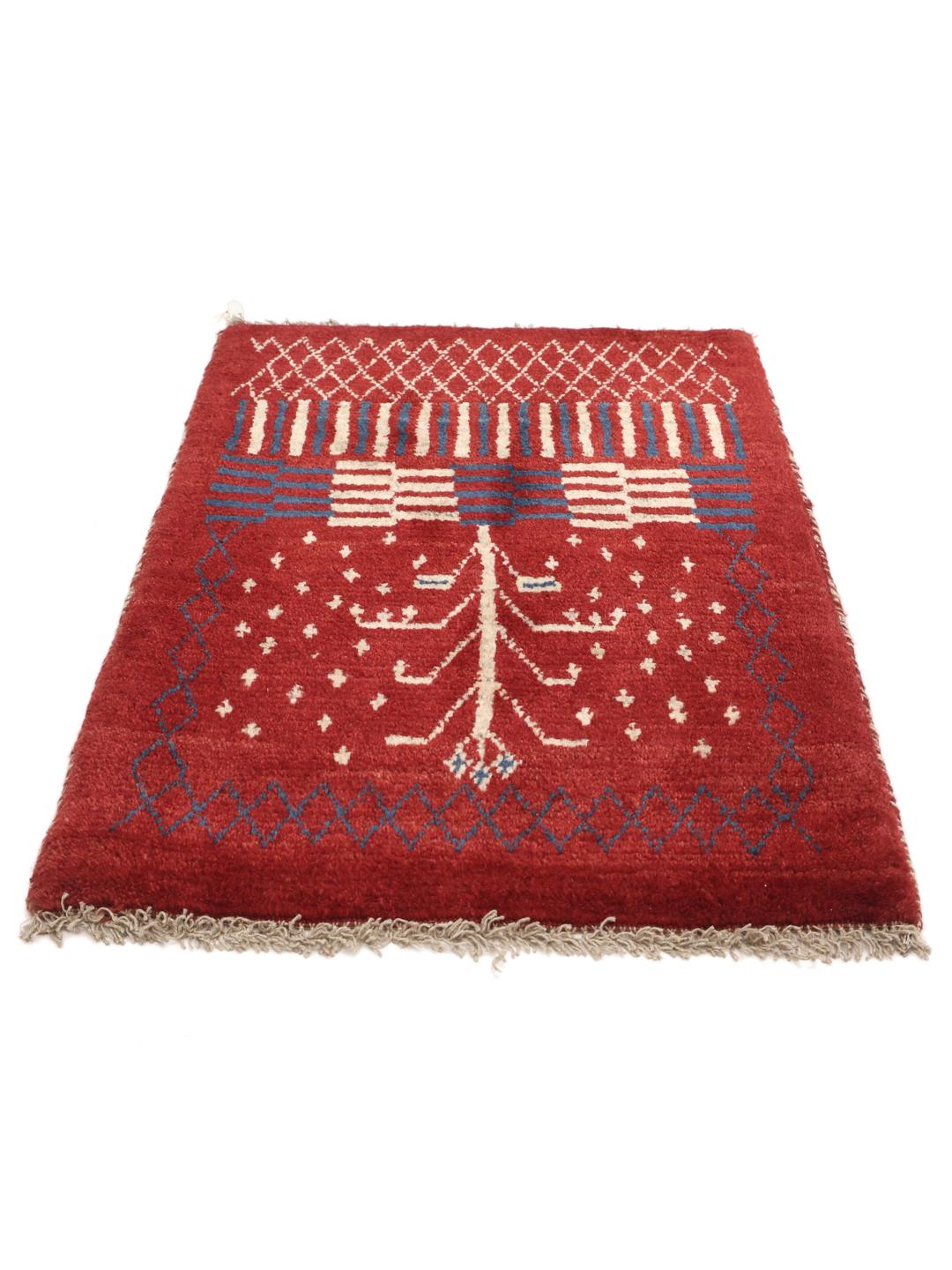
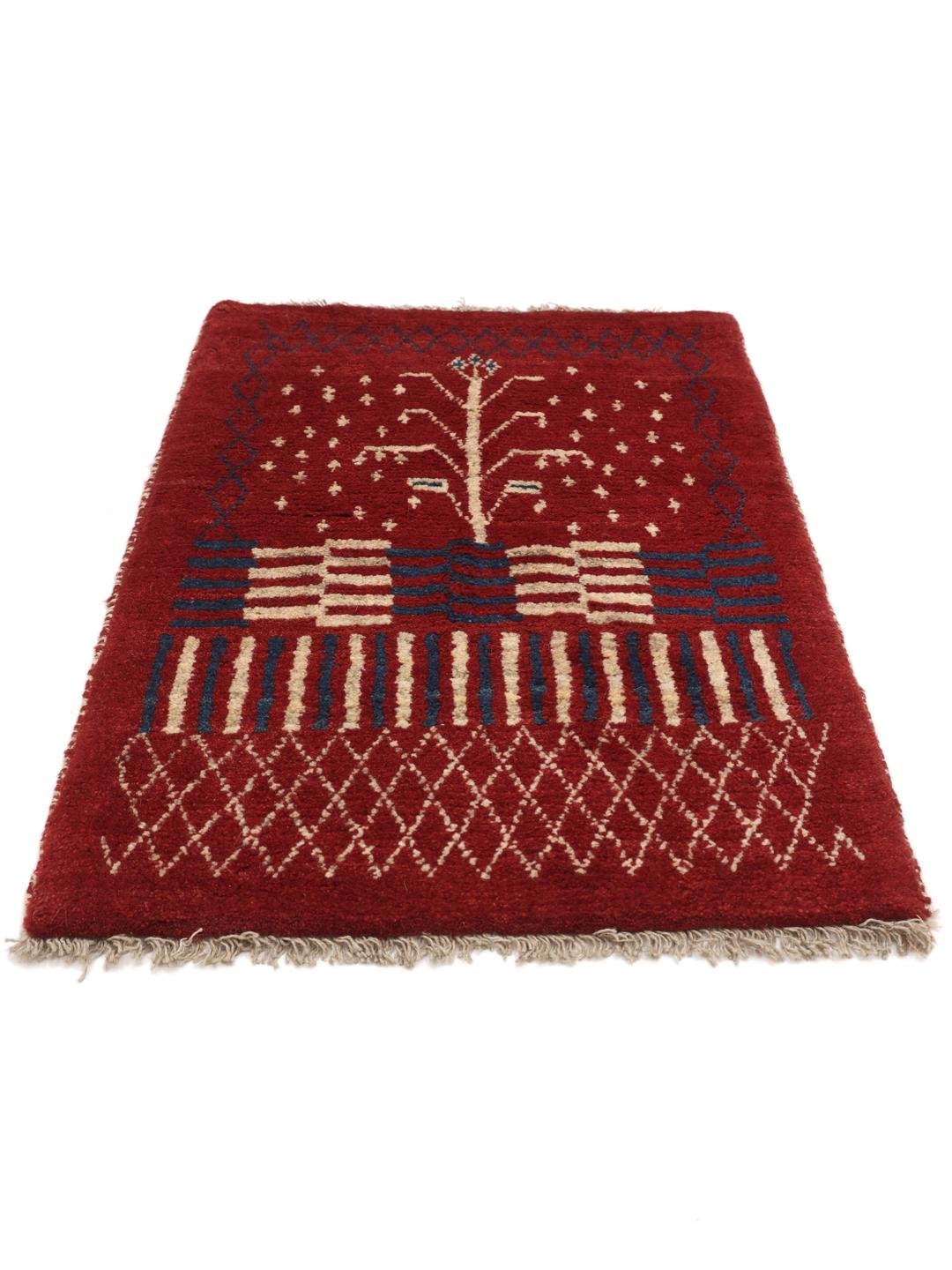
Design-wise, Gabbehs are famous for their open fields and whimsical, geometric representations of the natural world. While traditionally featuring earthy tones, this rug’s bold red field and stylized tree motif are classic examples of the creative freedom exercised by tribal weavers, who often drew inspiration from their immediate surroundings and personal memories.
Owning a Gabbeh is an opportunity to connect with a legacy of nomadic life and craft. These rugs are highly valued by collectors for their authenticity and the way they bridge the gap between traditional history and contemporary interior design, offering a timeless aesthetic that feels both rooted and modern.