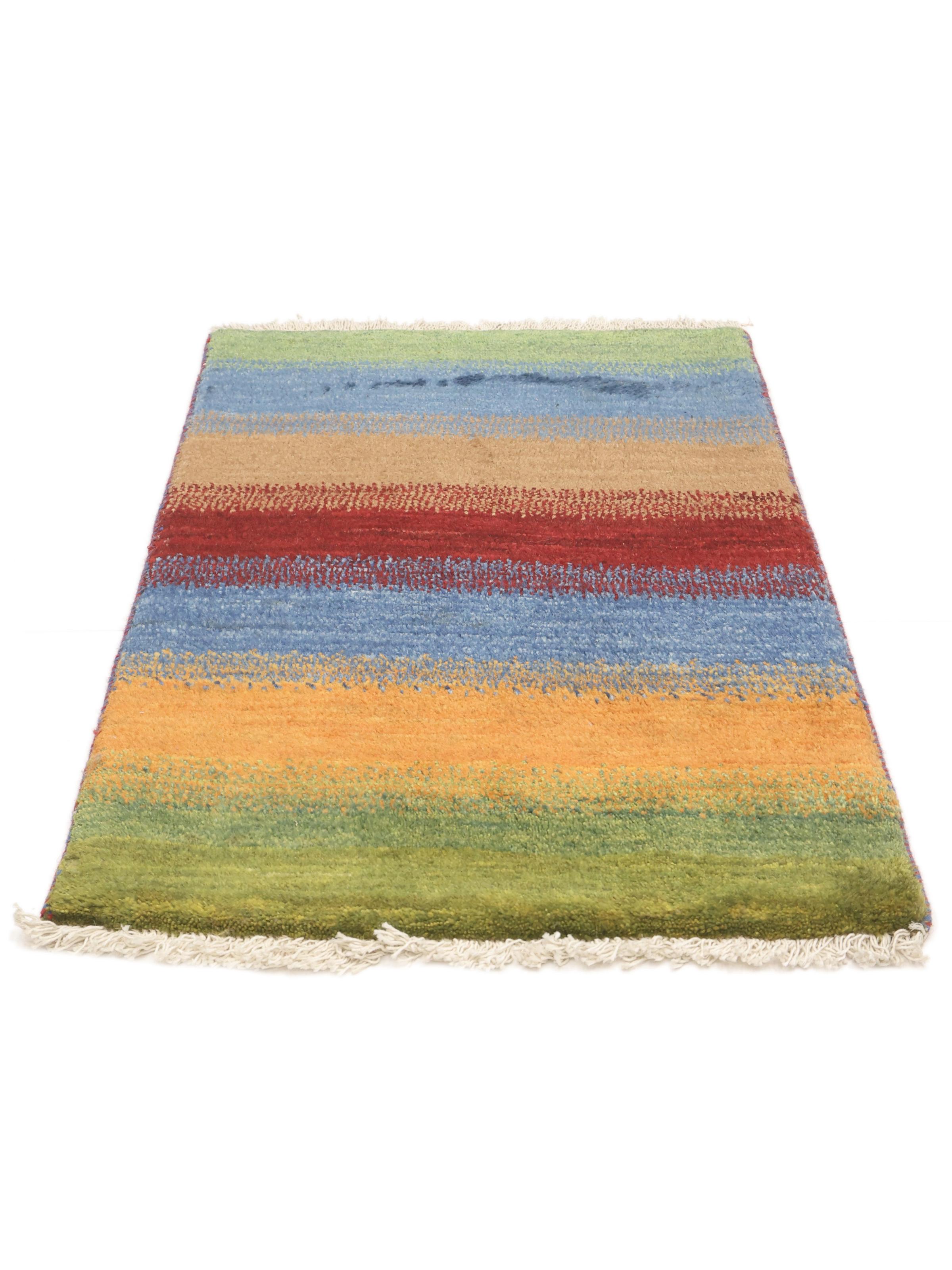
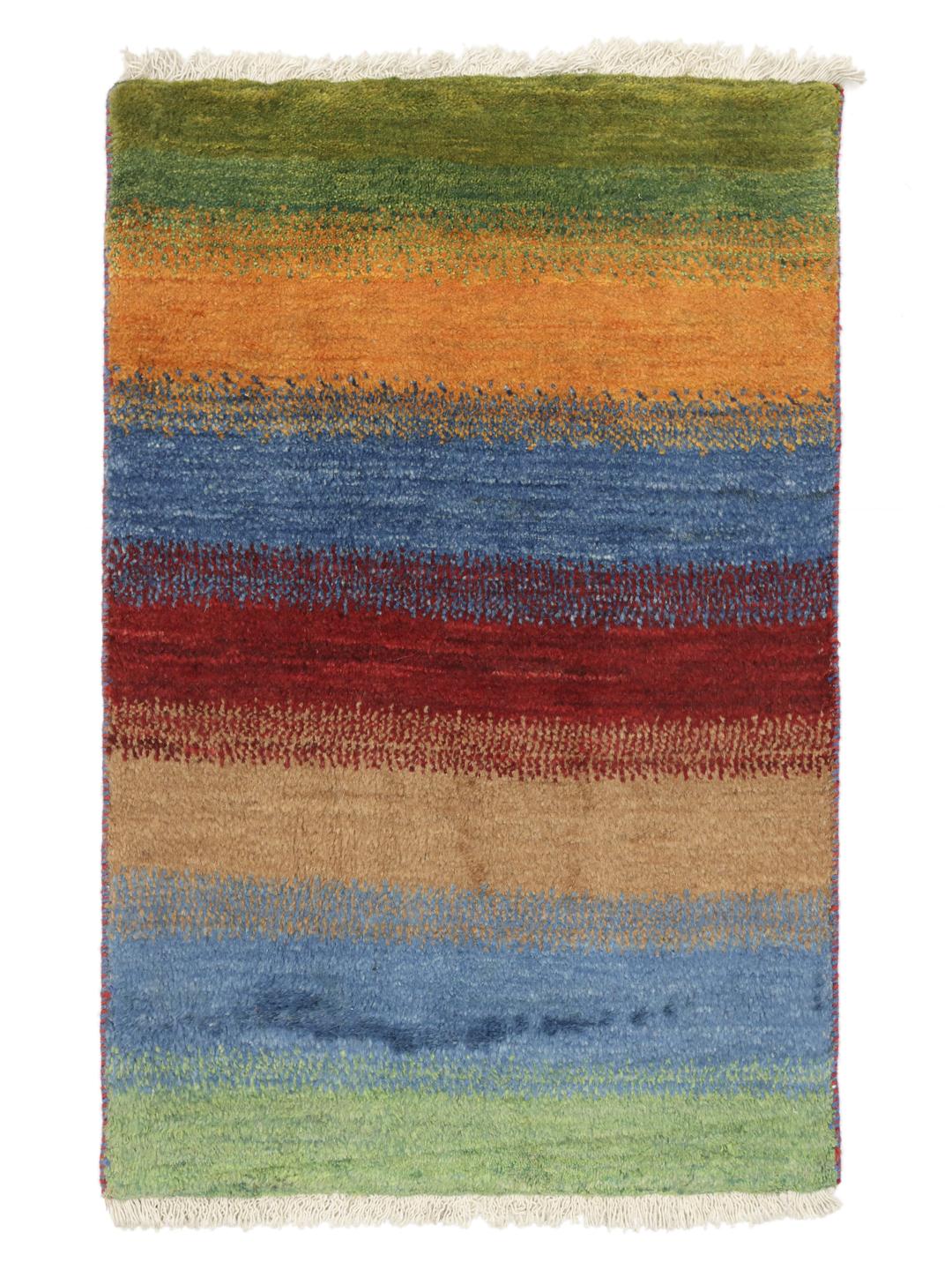
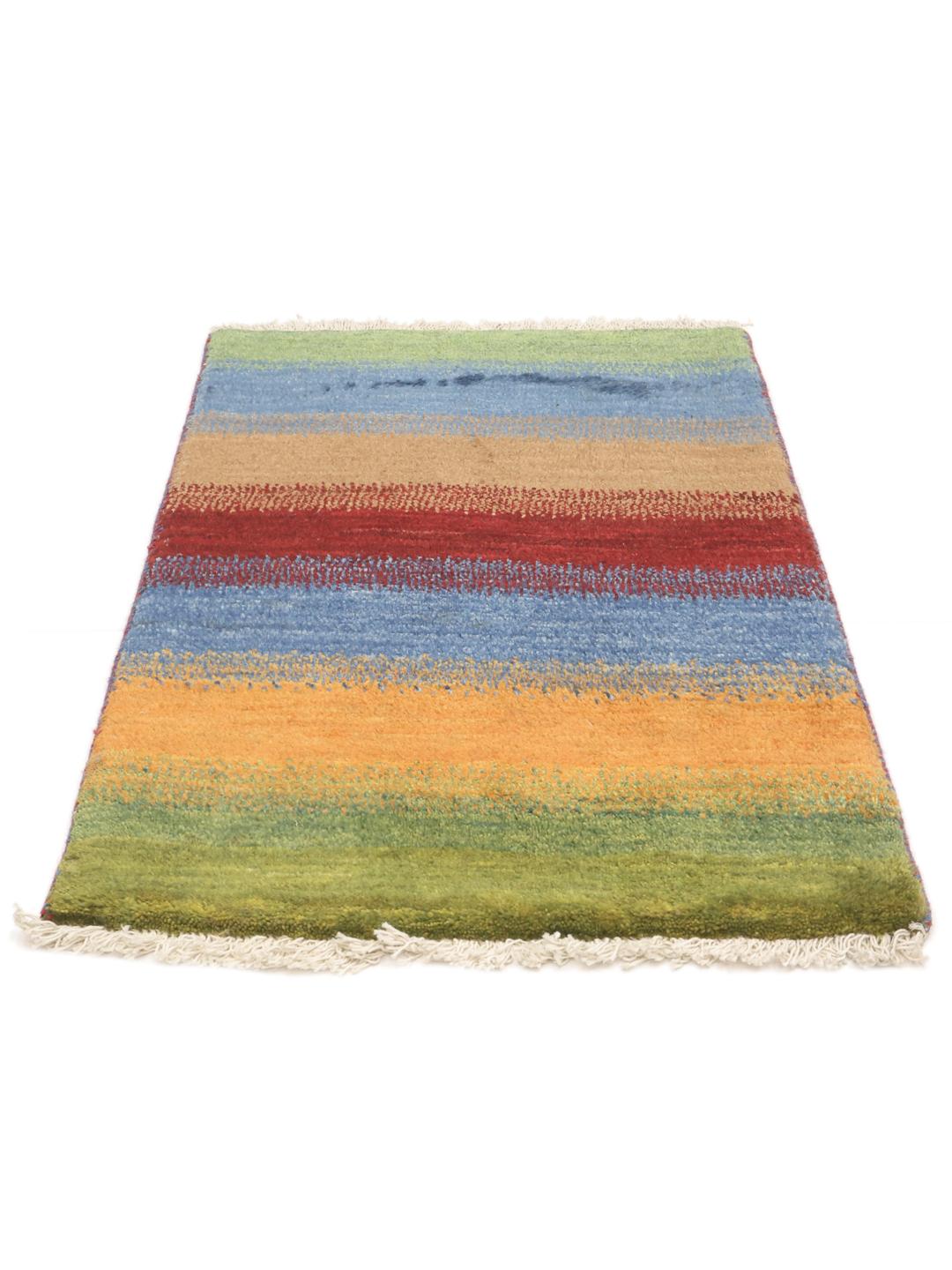
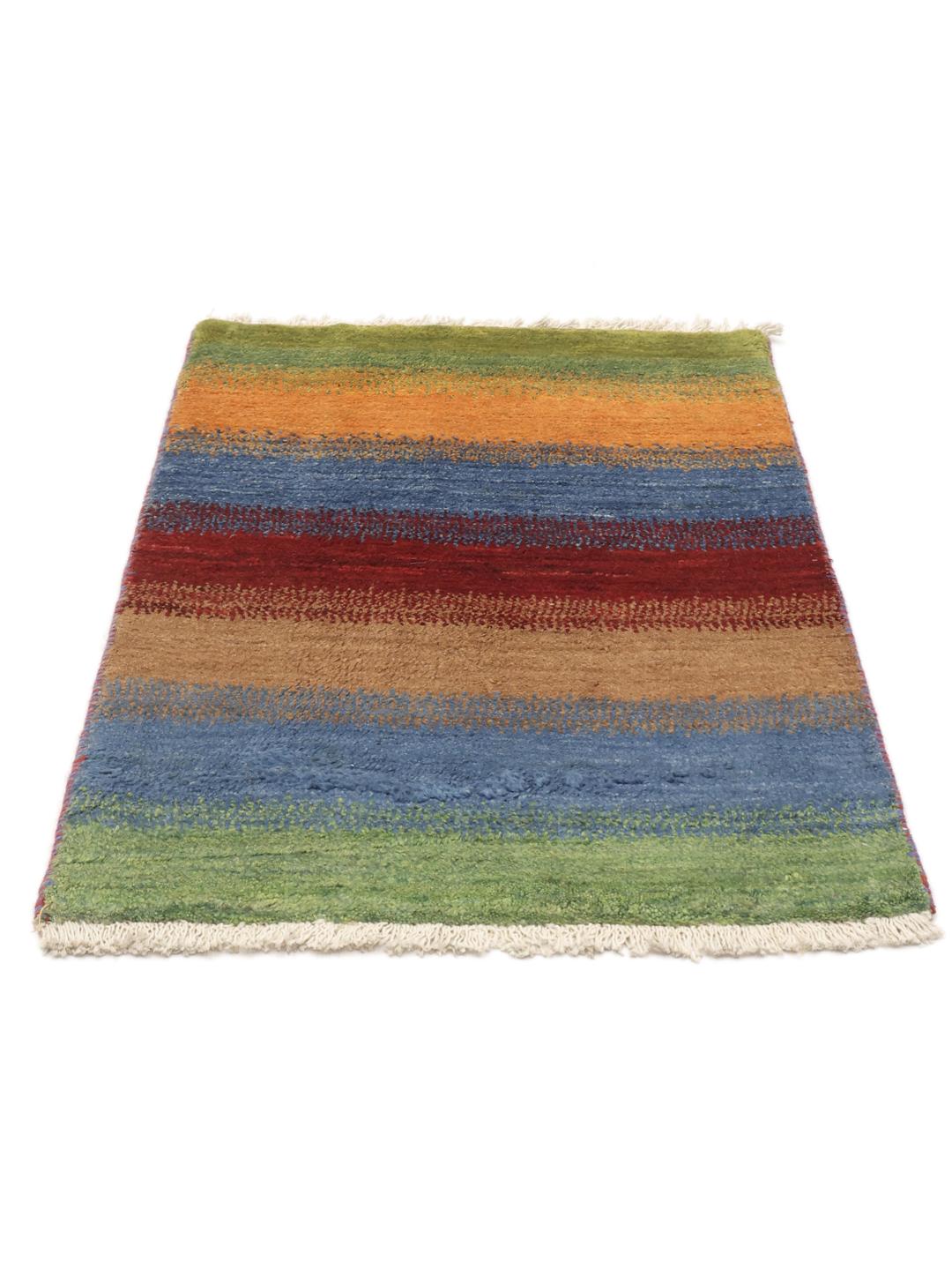
Gabbeh rugs are a cherished tradition within the Middle Eastern weaving landscape, originally created by nomadic tribes for their own personal use. Unlike more formal, city-made rugs, these pieces were designed to be functional, warm, and expressive, often serving as bedding or floor coverings in tents. Their history is deeply rooted in the daily lives and creative spirits of the weavers who developed a style defined by simplicity and bold, imaginative design.
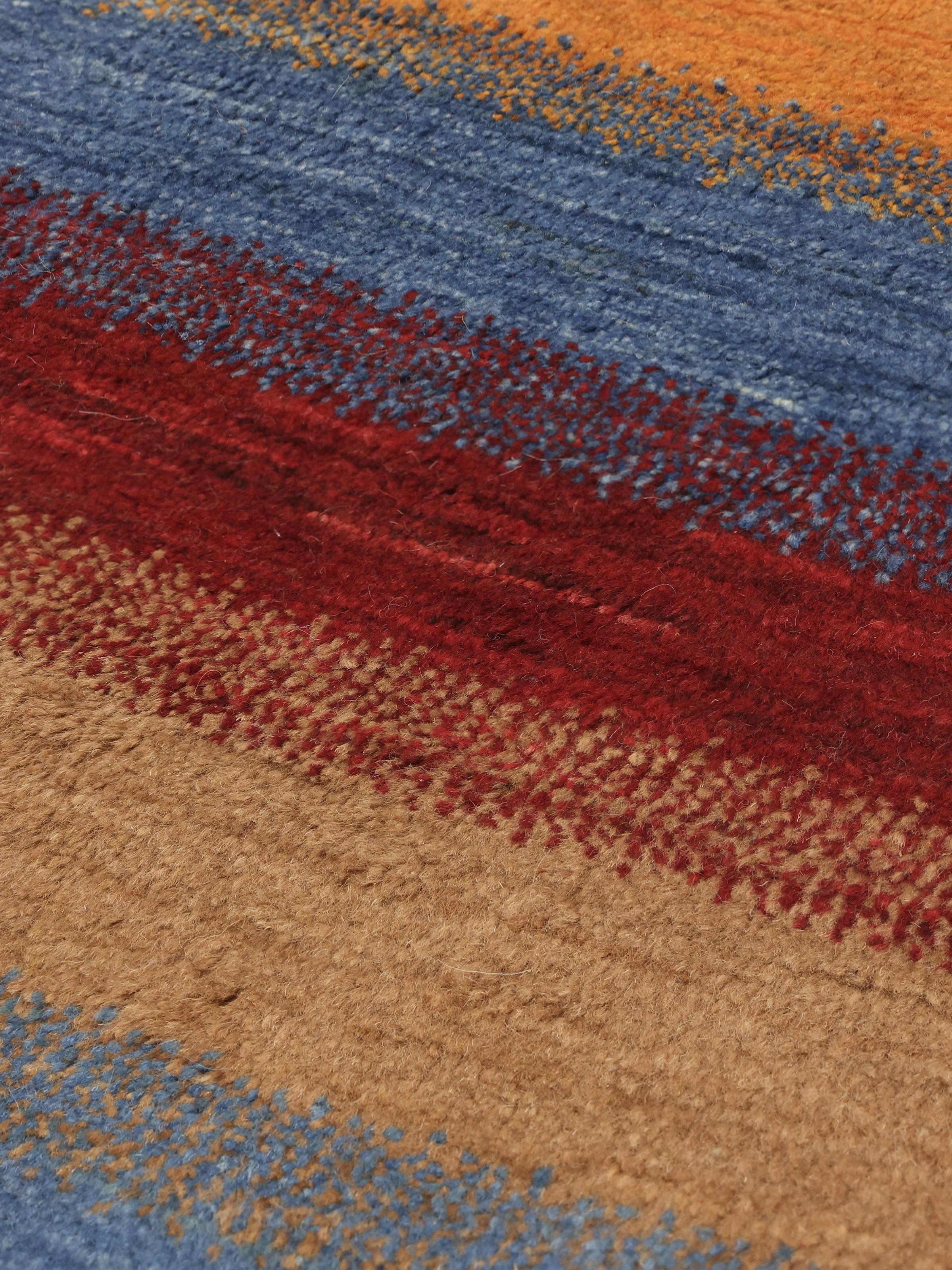
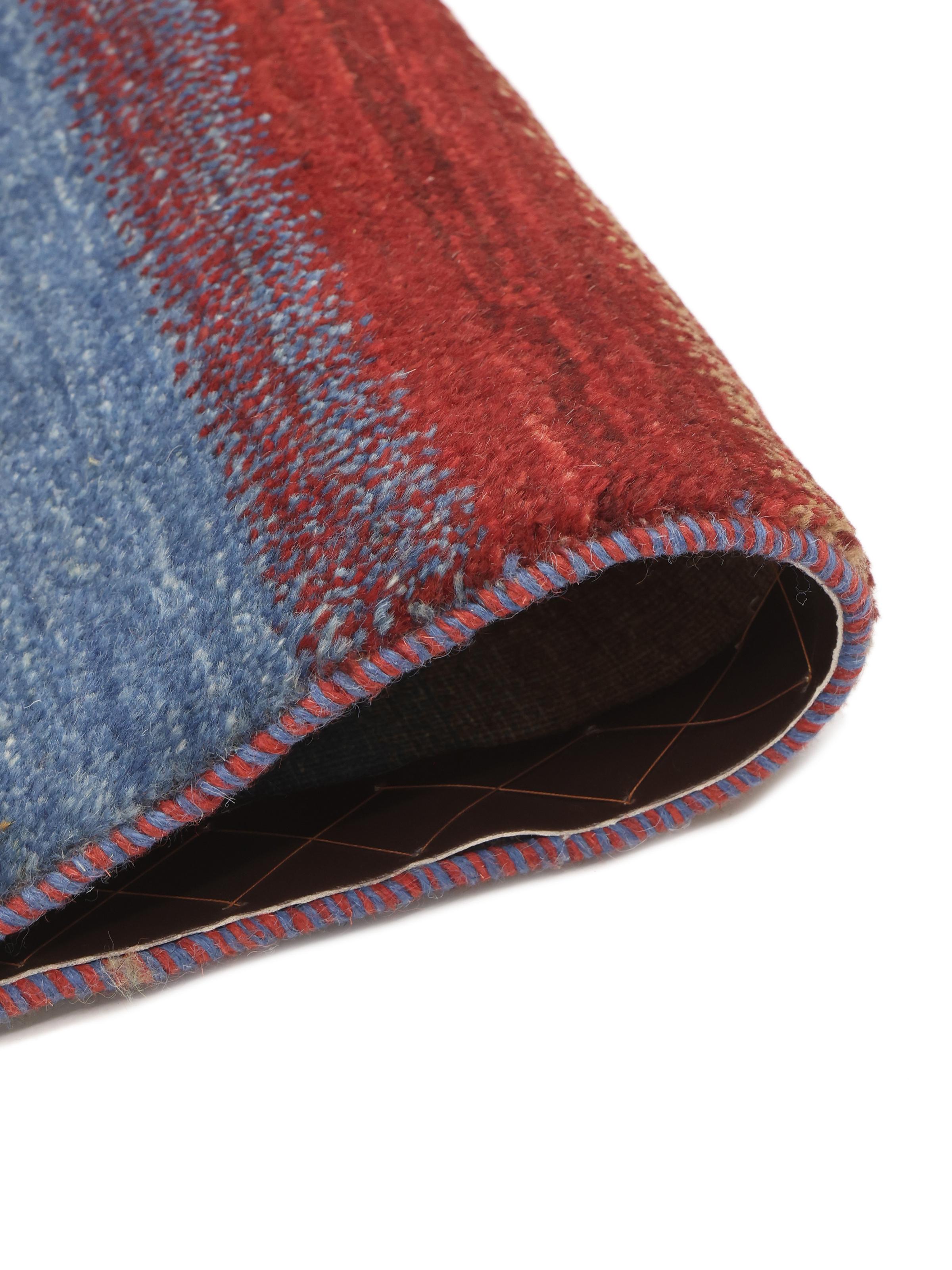
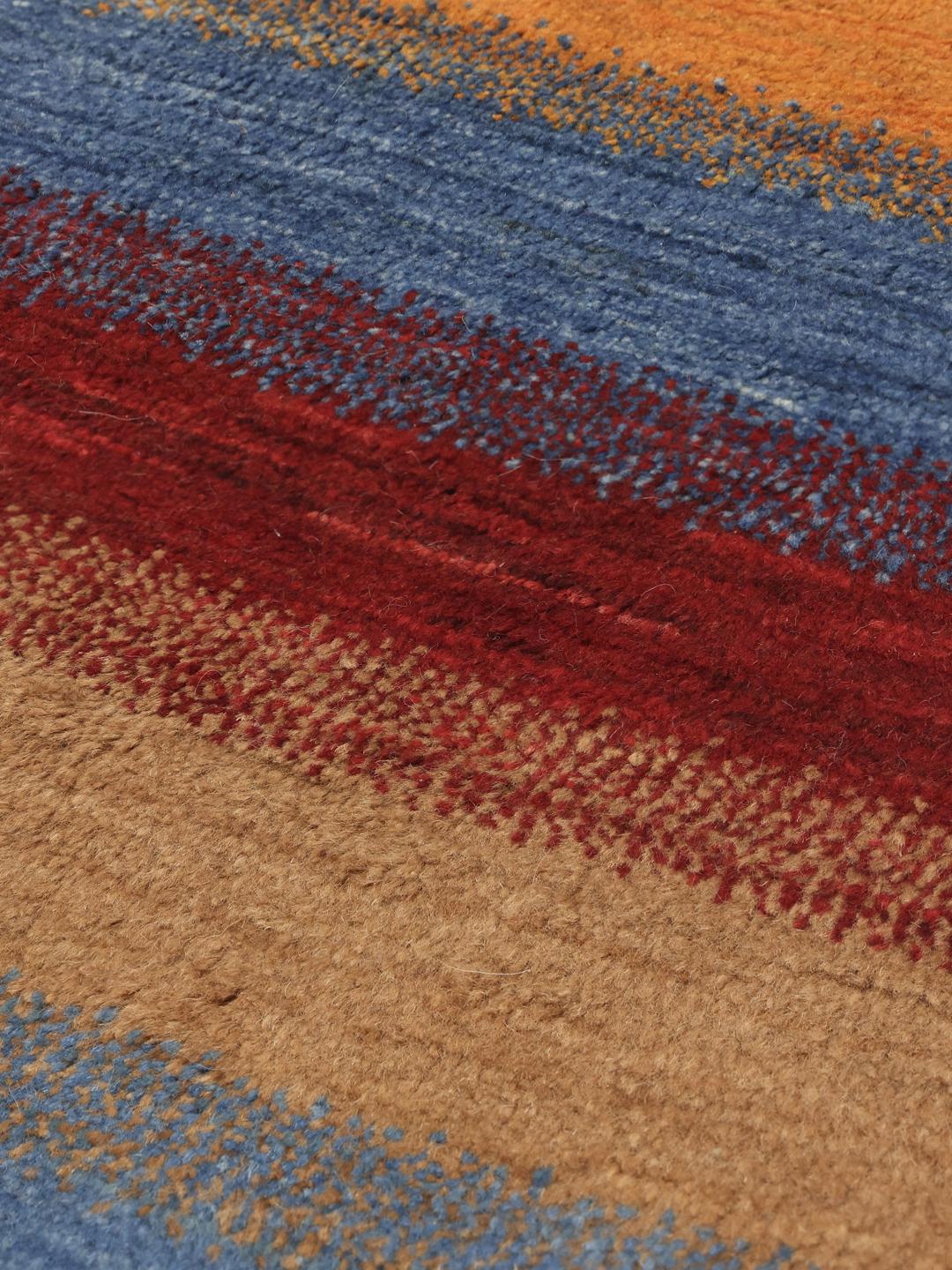
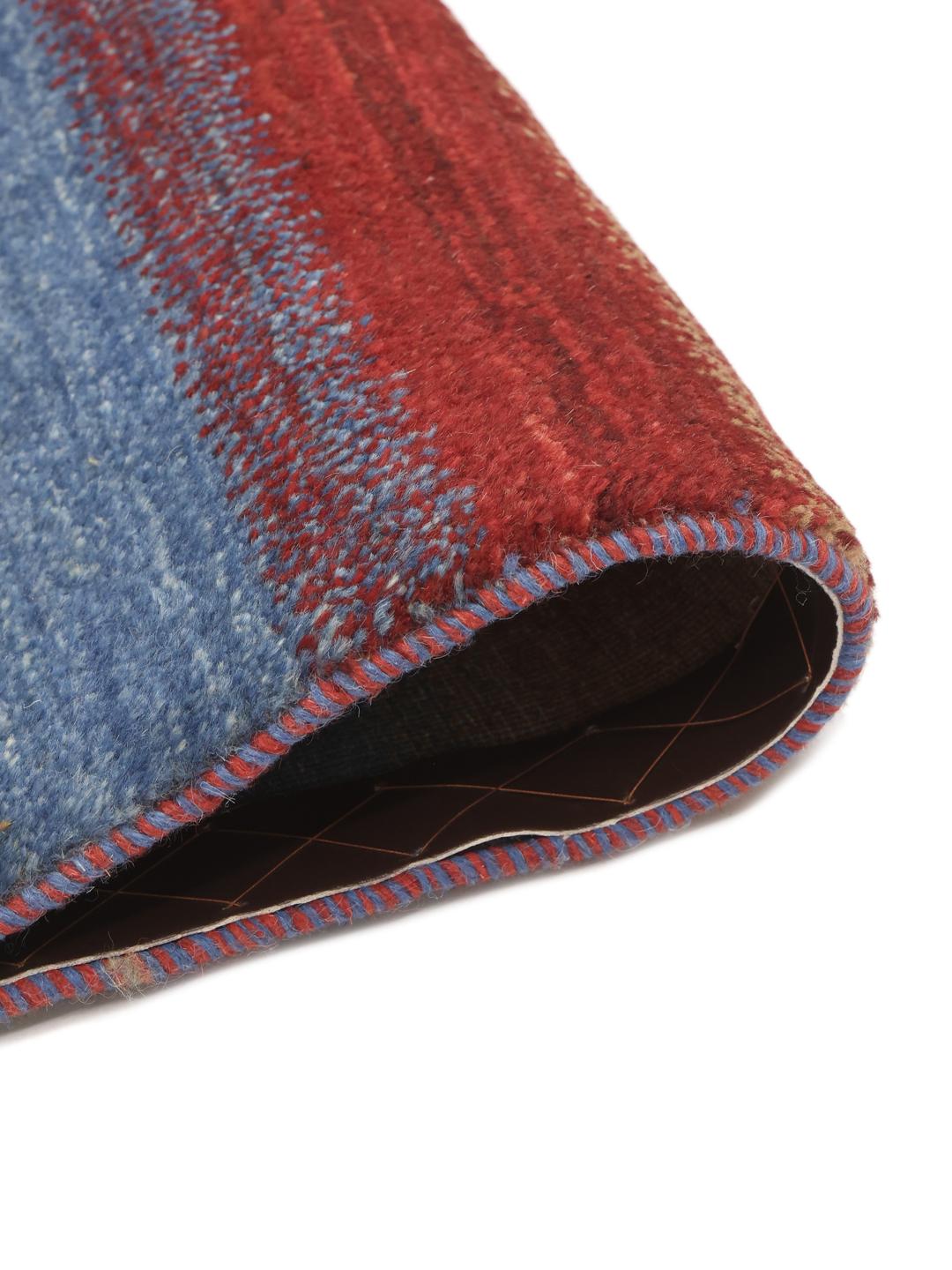
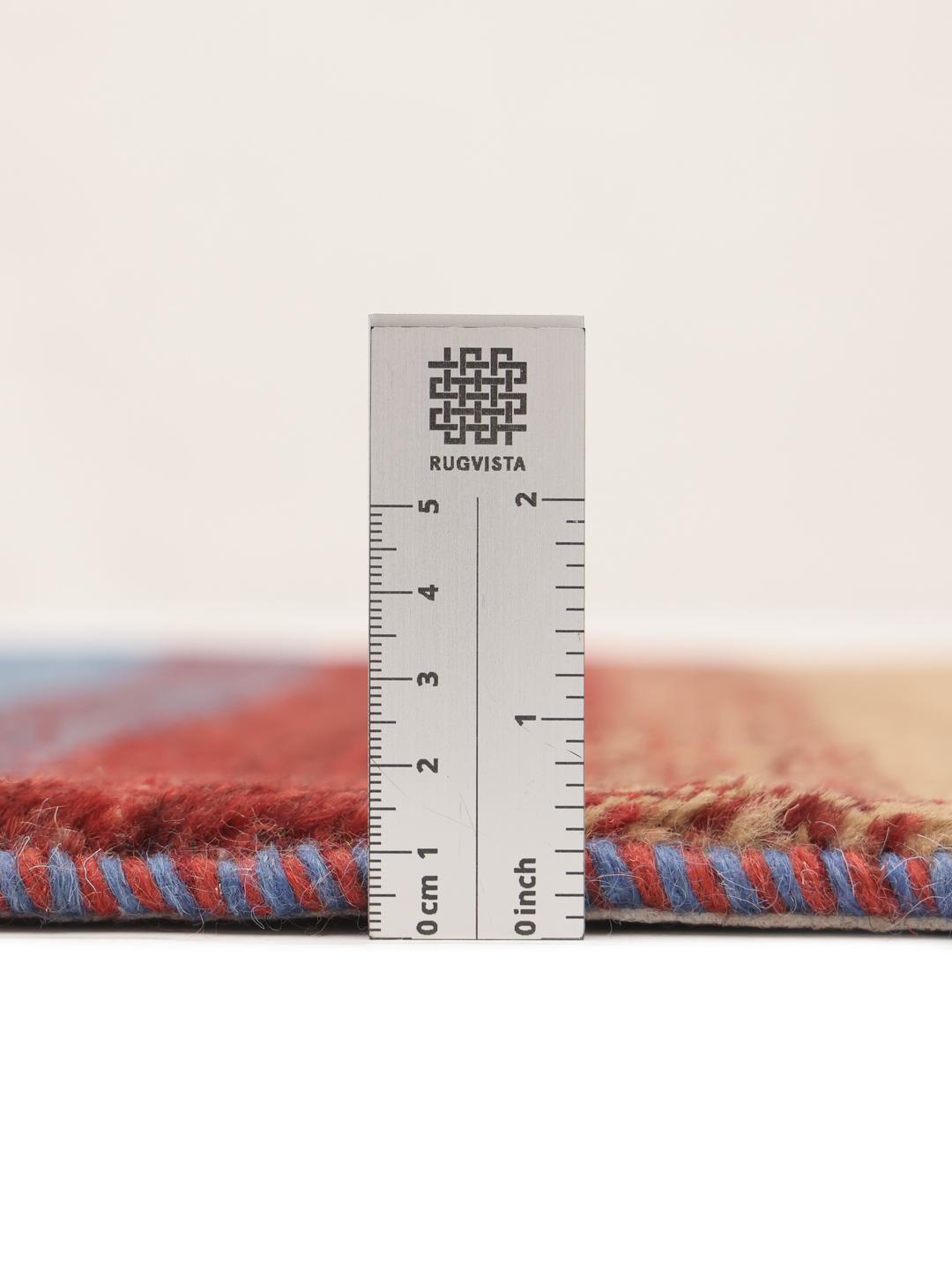
The term 'Gabbeh' itself refers to the raw, natural, and unclipped nature of these rugs. Historically, the pile was left quite long and thick, which provided essential insulation against the cold desert nights. This focus on a substantial, high-pile construction is what gives these rugs their signature softness and makes them so inviting to touch, even centuries after the style first emerged.
Visually, these rugs are celebrated for their artistic freedom. While formal rugs often follow strict geometric or floral patterns, Gabbeh rugs are known for their abstract, minimalist, and often playful interpretations of the world. They frequently feature wide bands of colour or simplified, symbolic motifs that reflect the weaver's environment, dreams, and personal stories, all rendered in rich, naturally derived pigments.
Today, owning a Gabbeh rug is an act of preserving a nomadic legacy. They are highly valued by collectors not only for their durability and quality but for their status as authentic folk art. Every piece carries the imprint of a craft that has been passed down through generations, offering a rare connection to a heritage where the maker's hand and heart are visible in every thread.