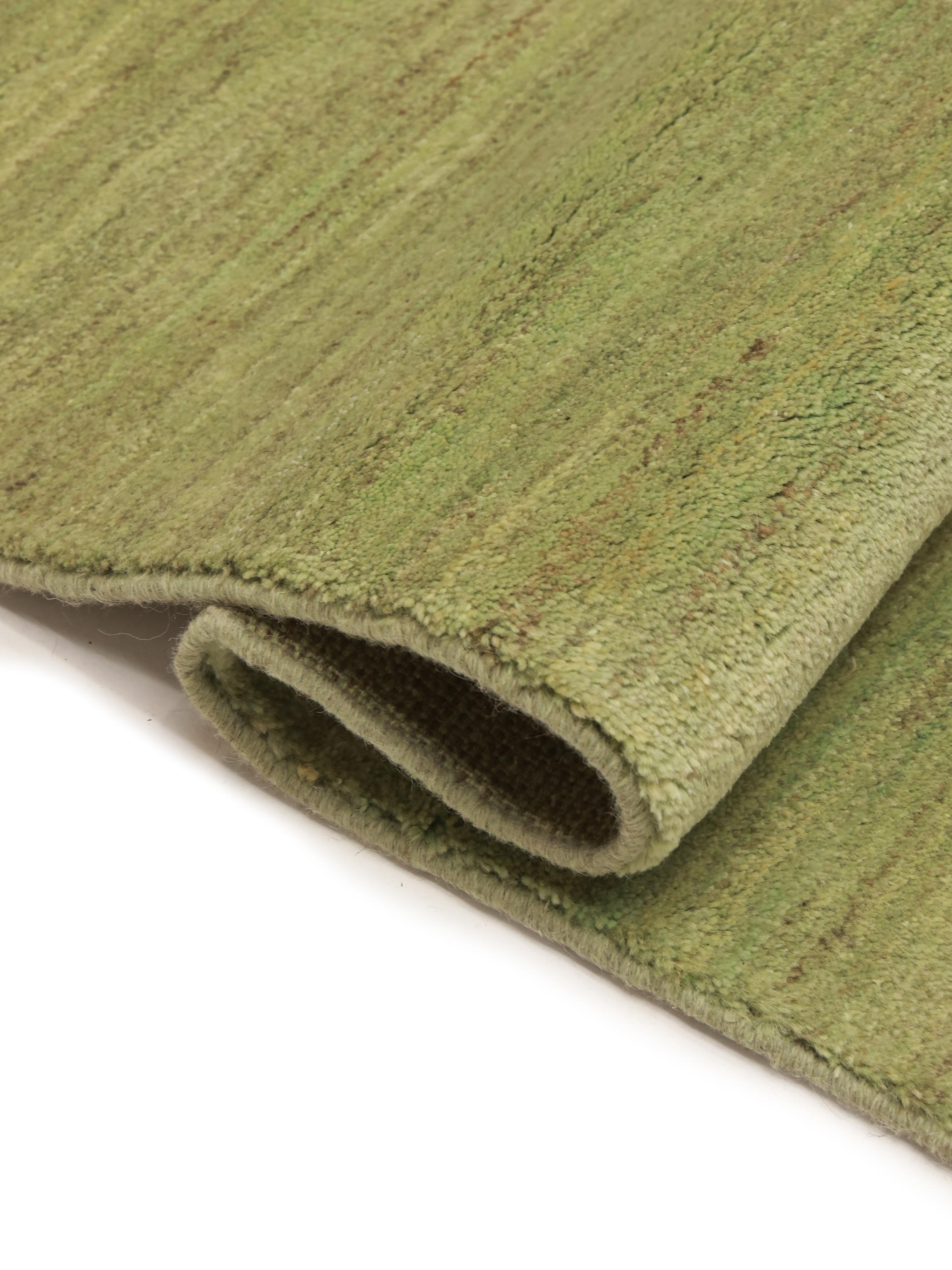
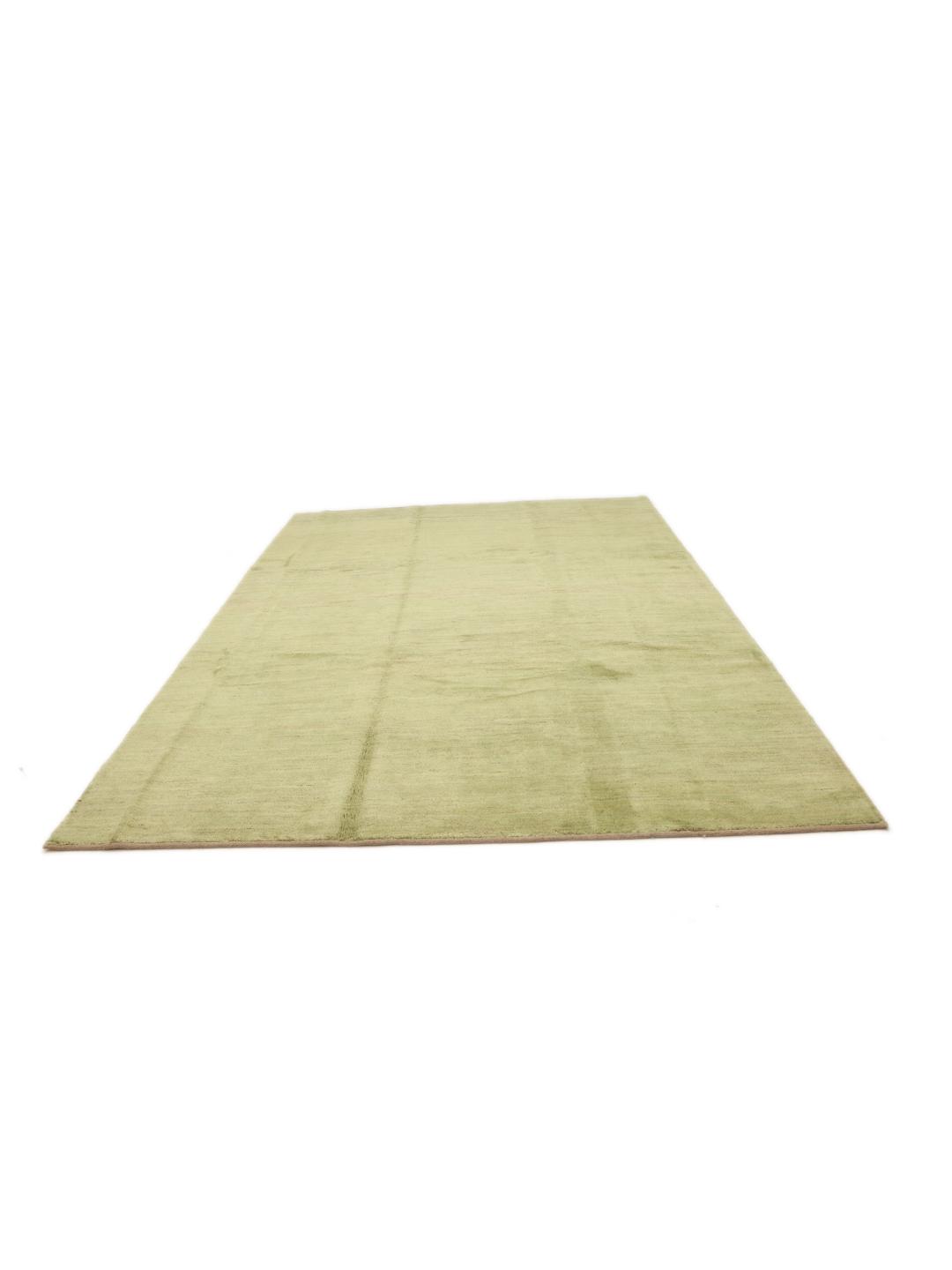
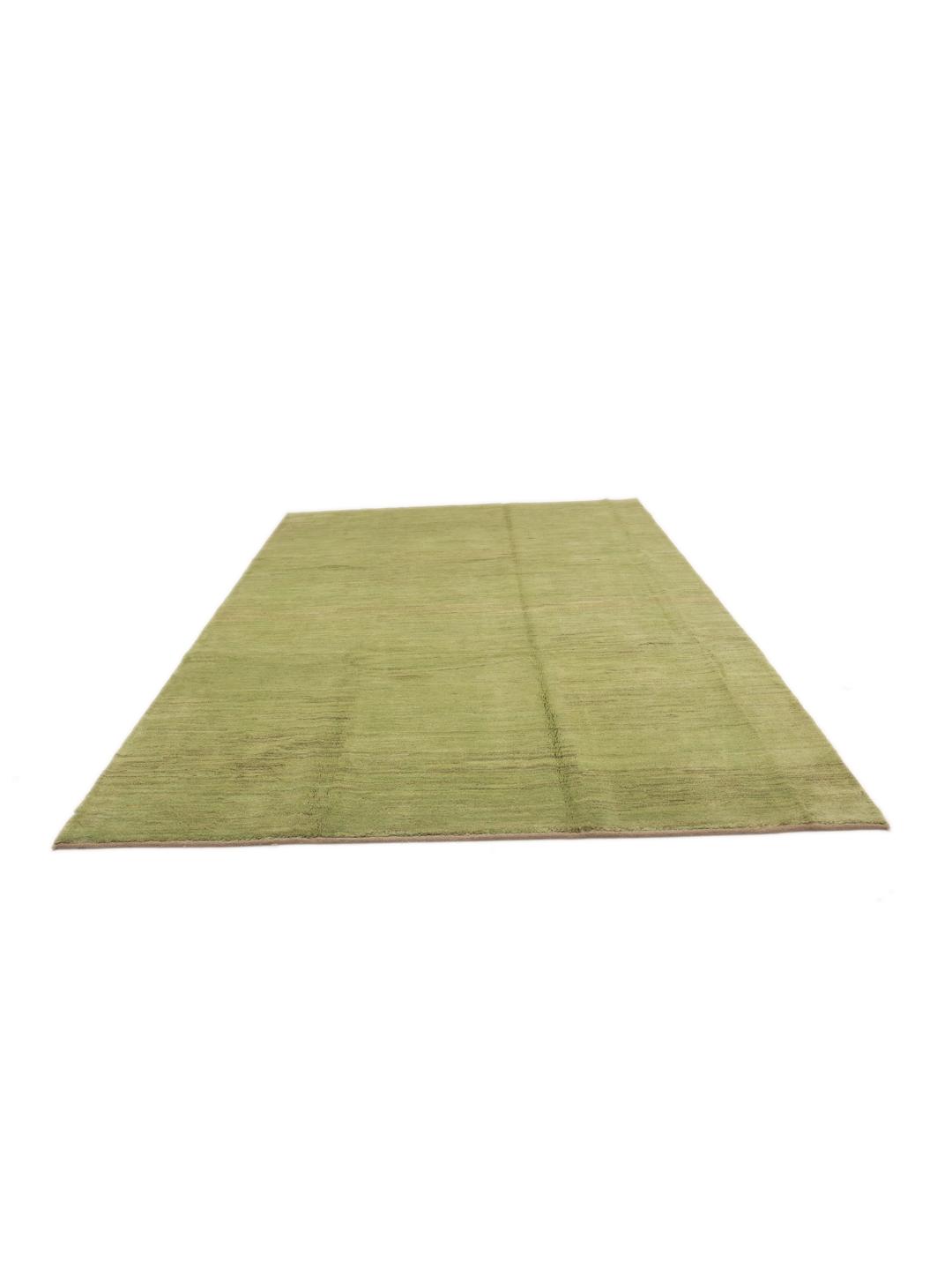
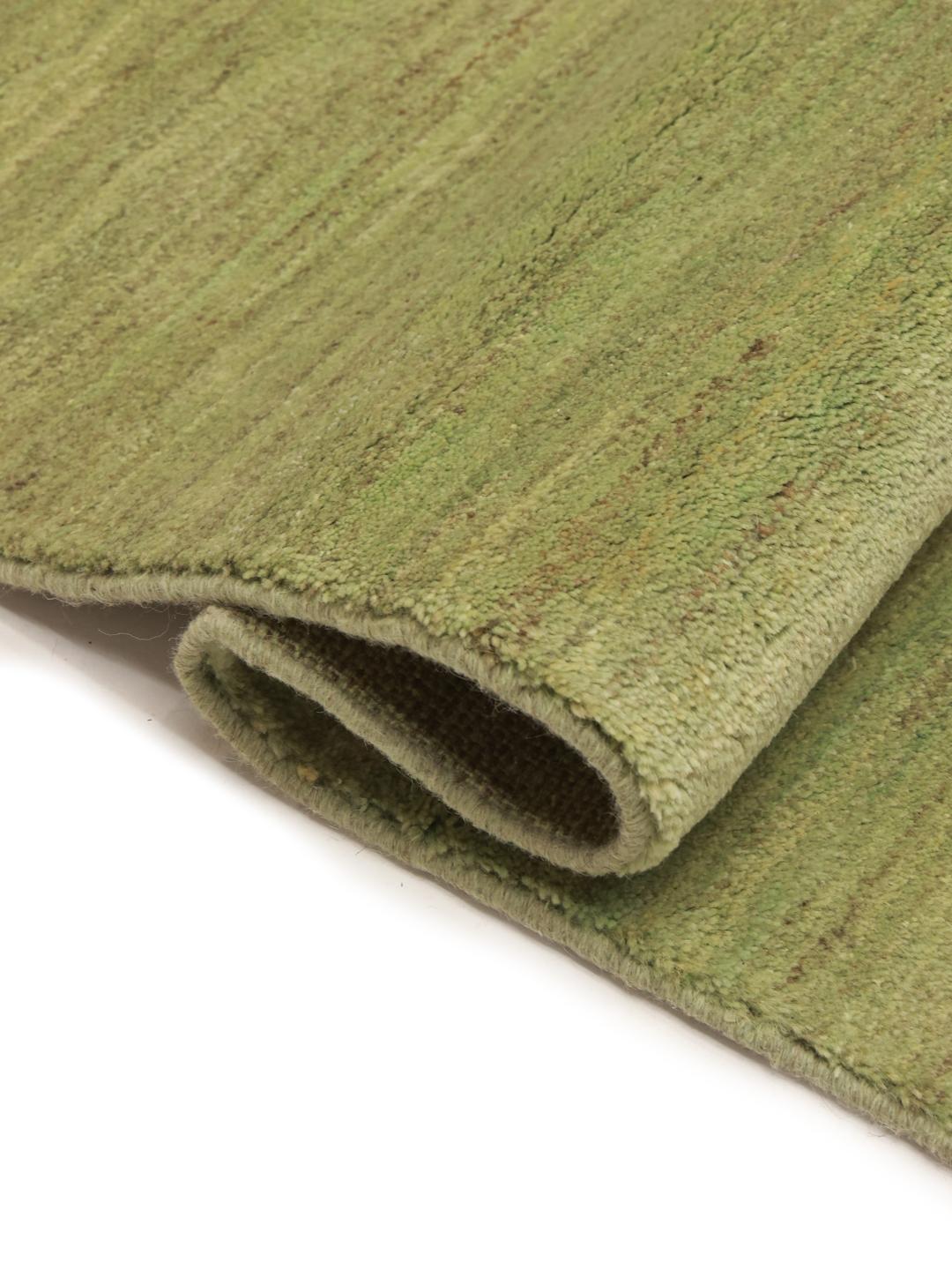
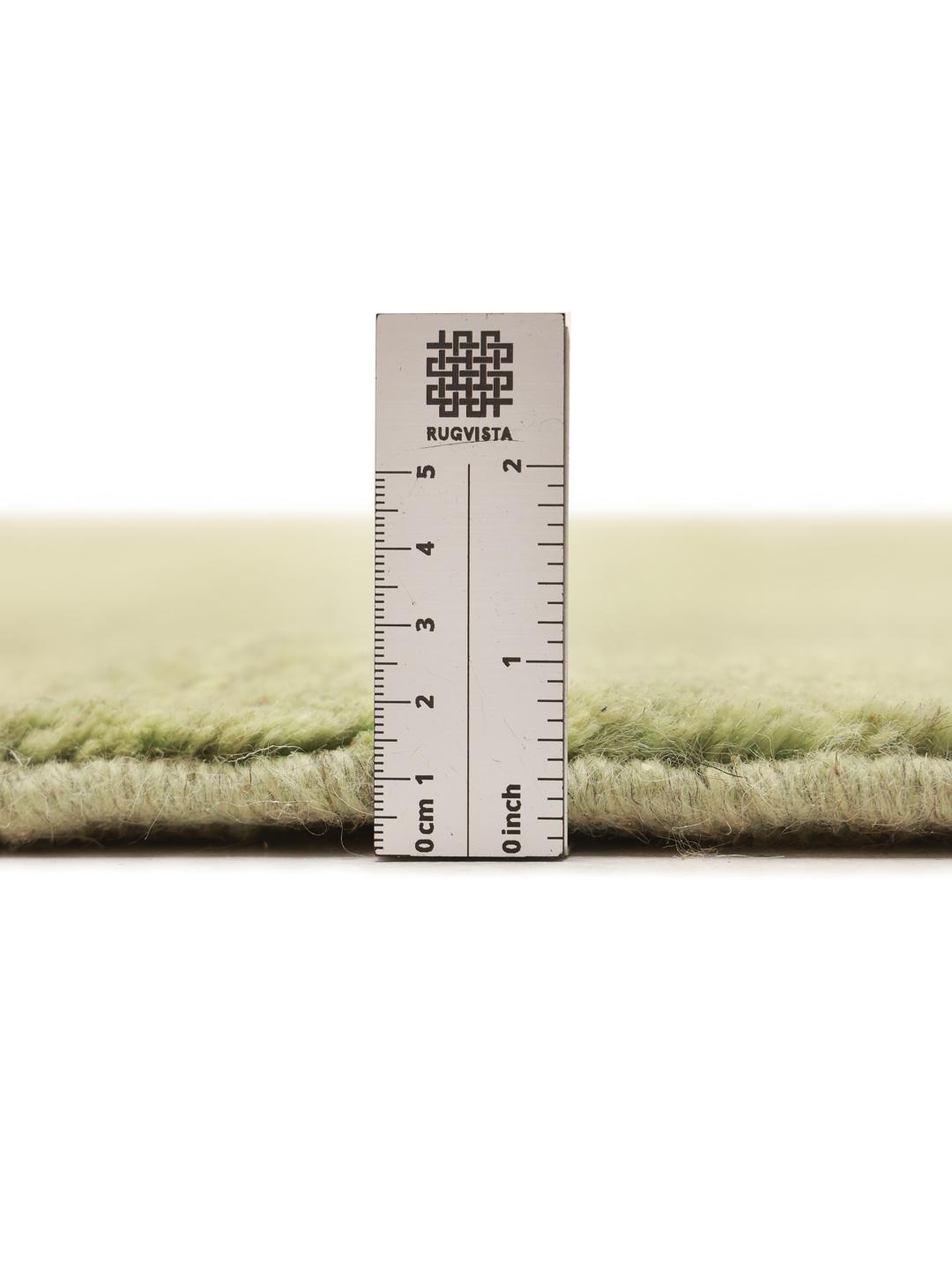
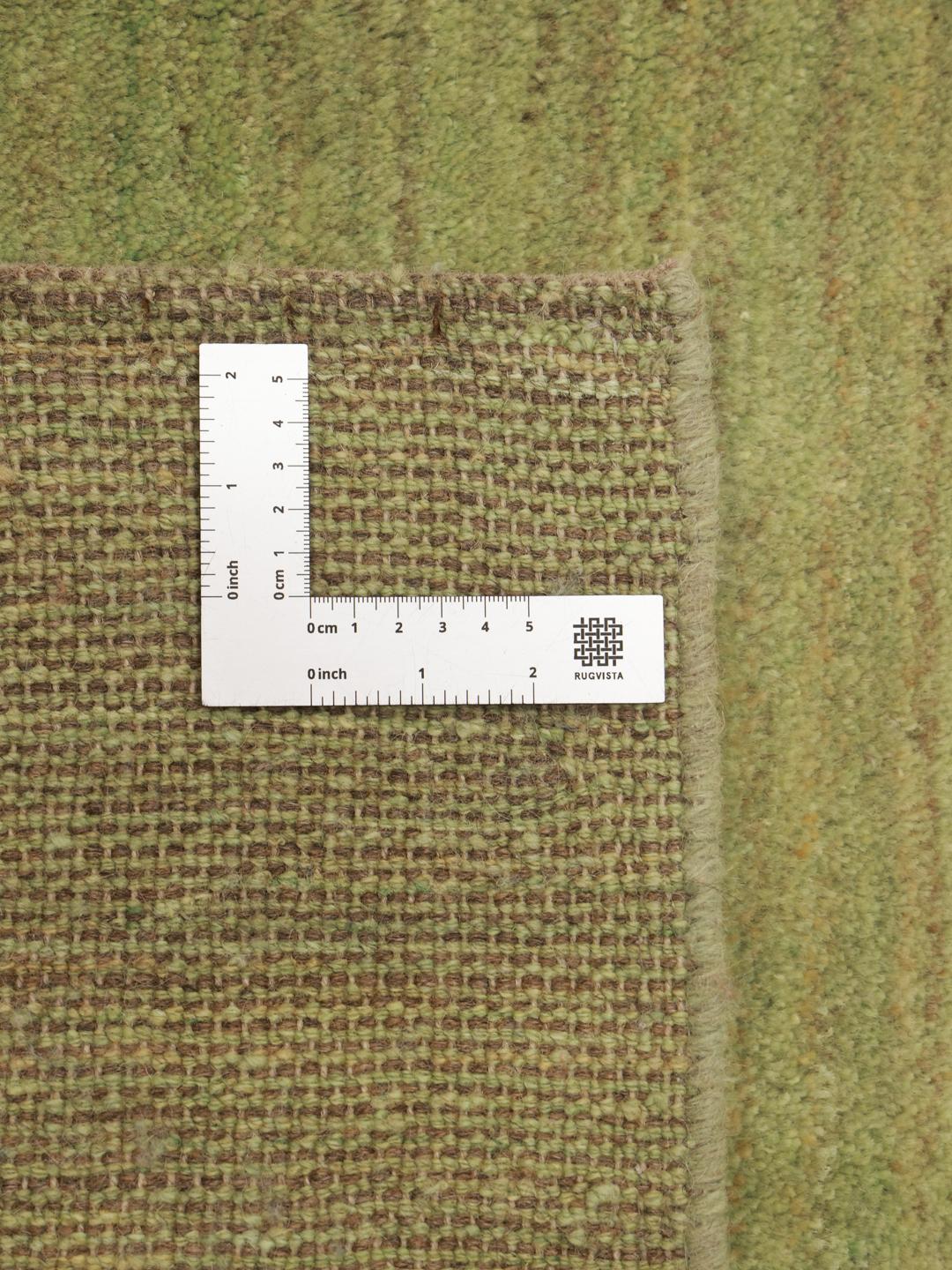
Gabbeh rugs have long been celebrated for their artistic freedom and connection to the nomadic lifestyle of the Middle East. Traditionally woven by tribal weavers, these rugs were initially created for personal use as warm, durable bedding or floor coverings, which explains their thick, inviting pile and focus on comfort over complex, formal geometry.
The term 'Gabbeh' itself refers to the rug's raw and natural state, often characterised by a simpler, more expressive approach to design. Unlike many other styles that adhere to strict, symmetrical patterns, the Gabbeh tradition embraces a more organic visual language, allowing the weaver to interpret the world around them through bold, simplified motifs and deep, saturated colours.
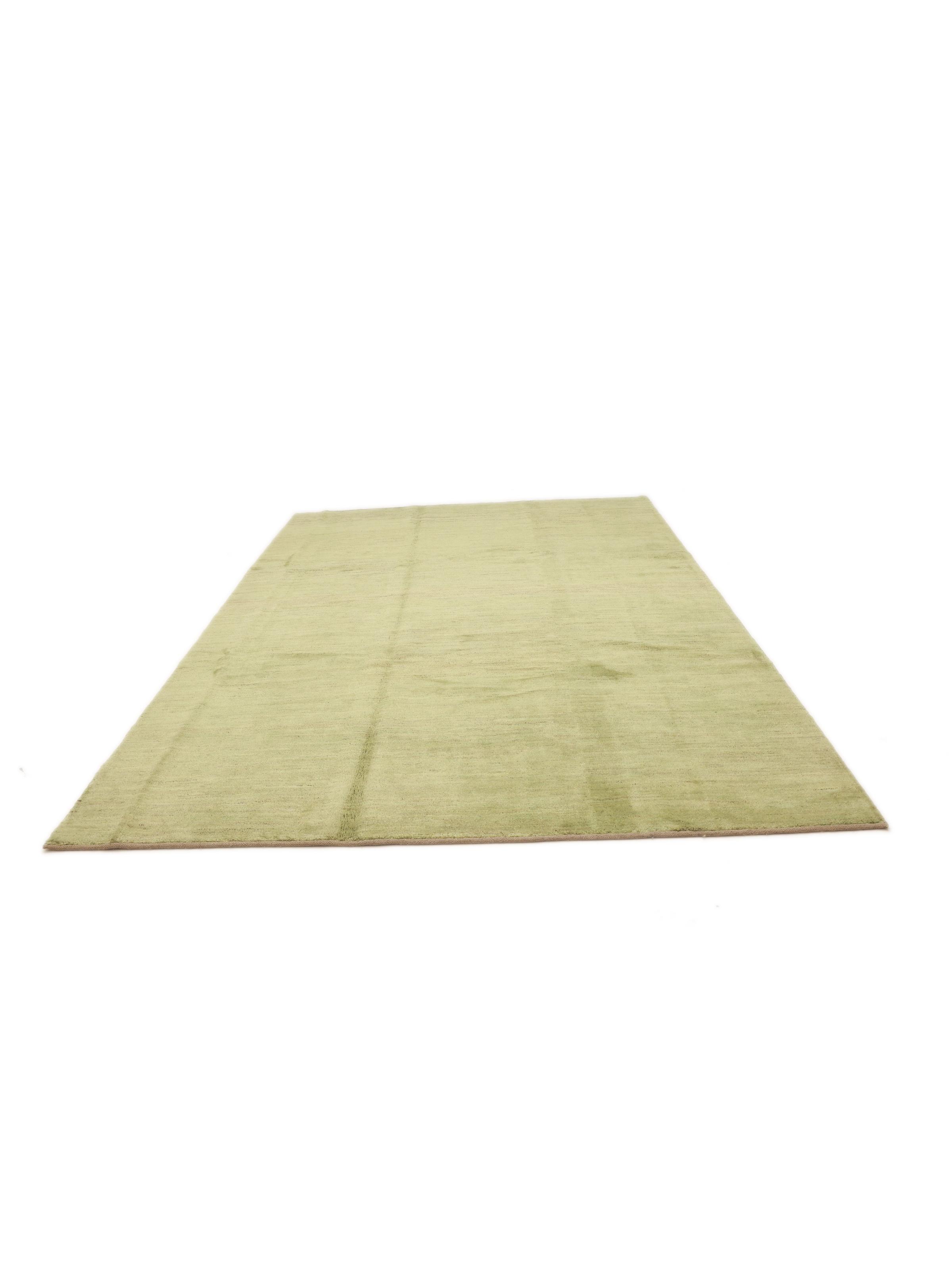
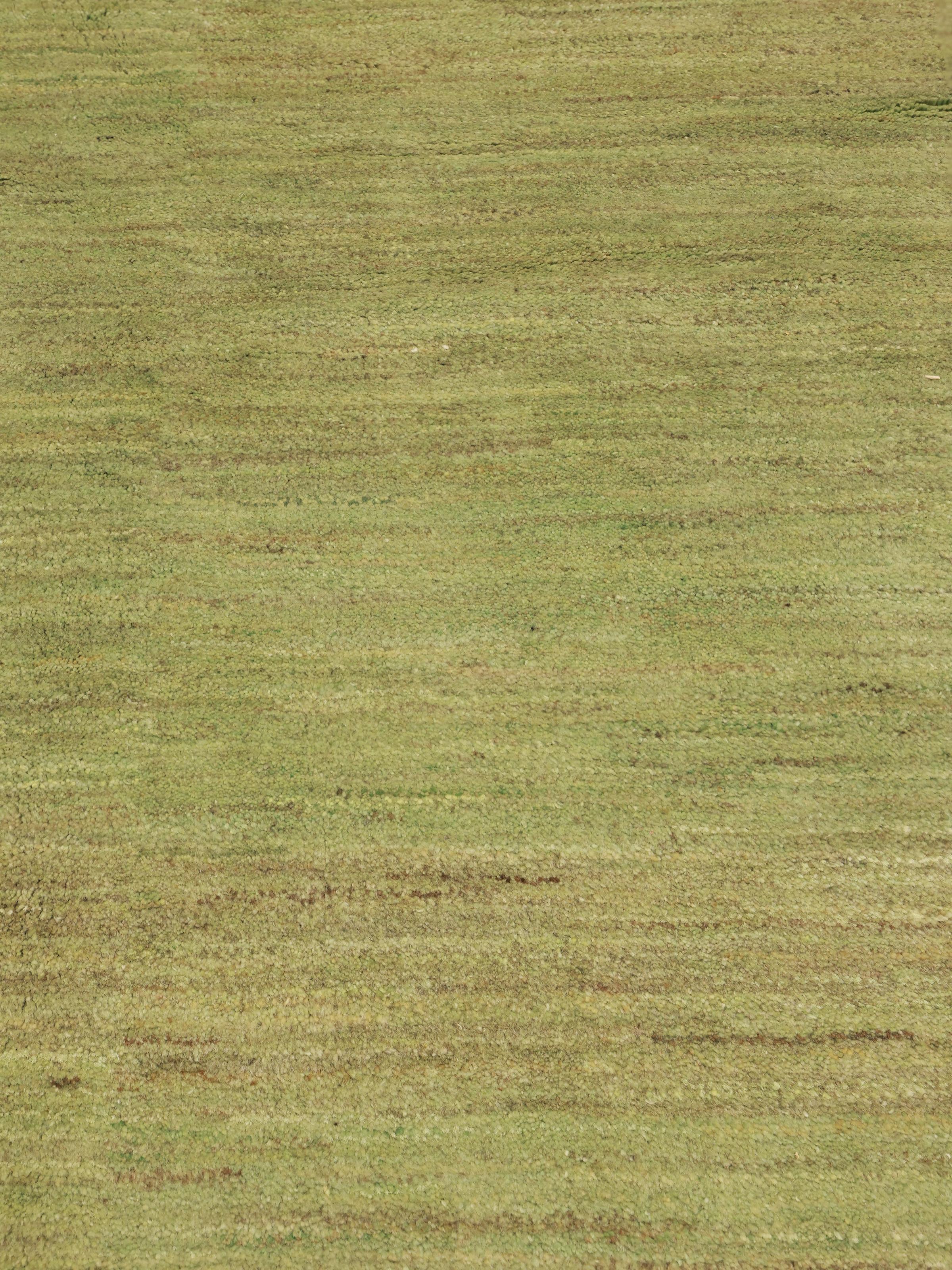
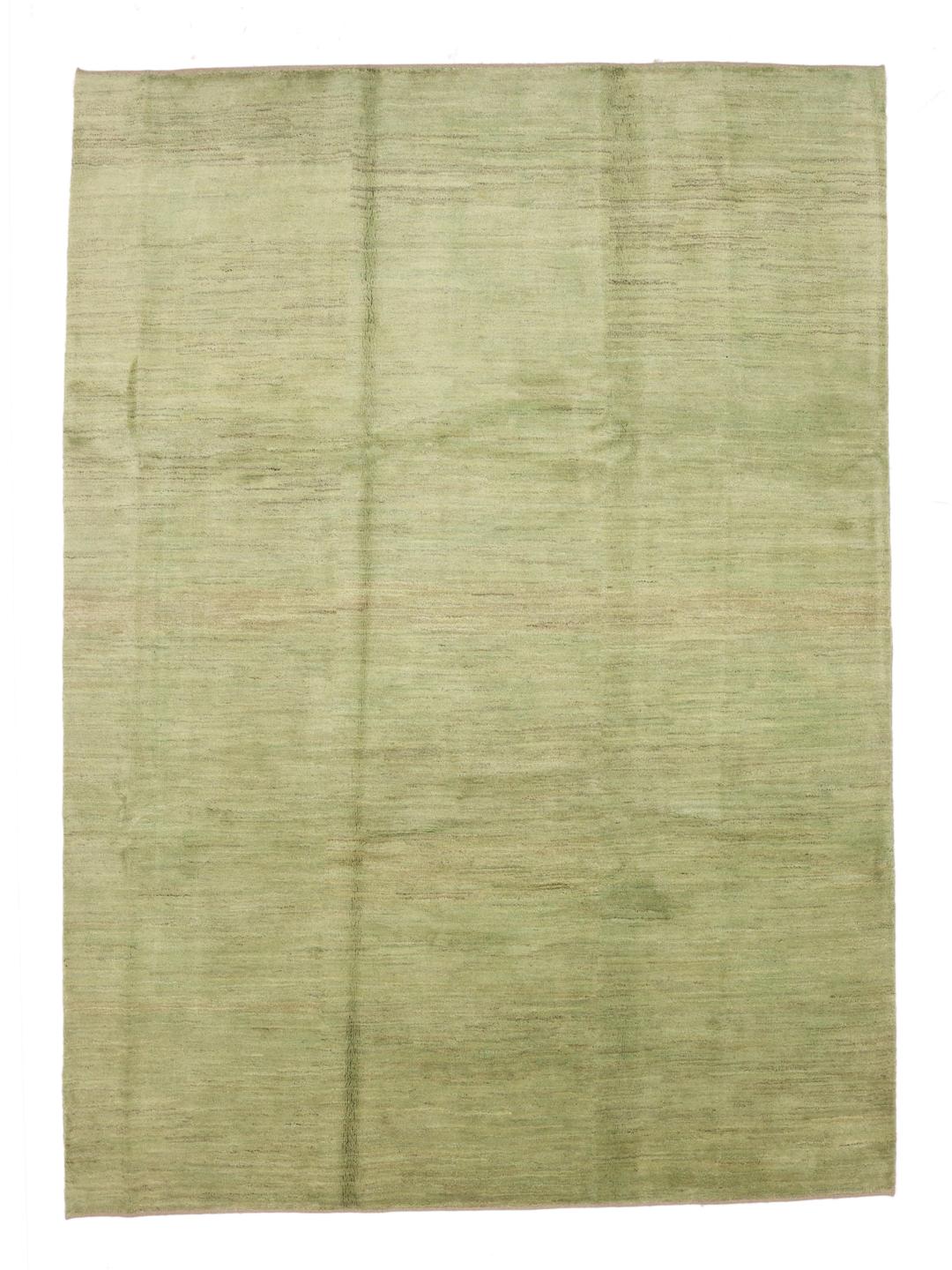
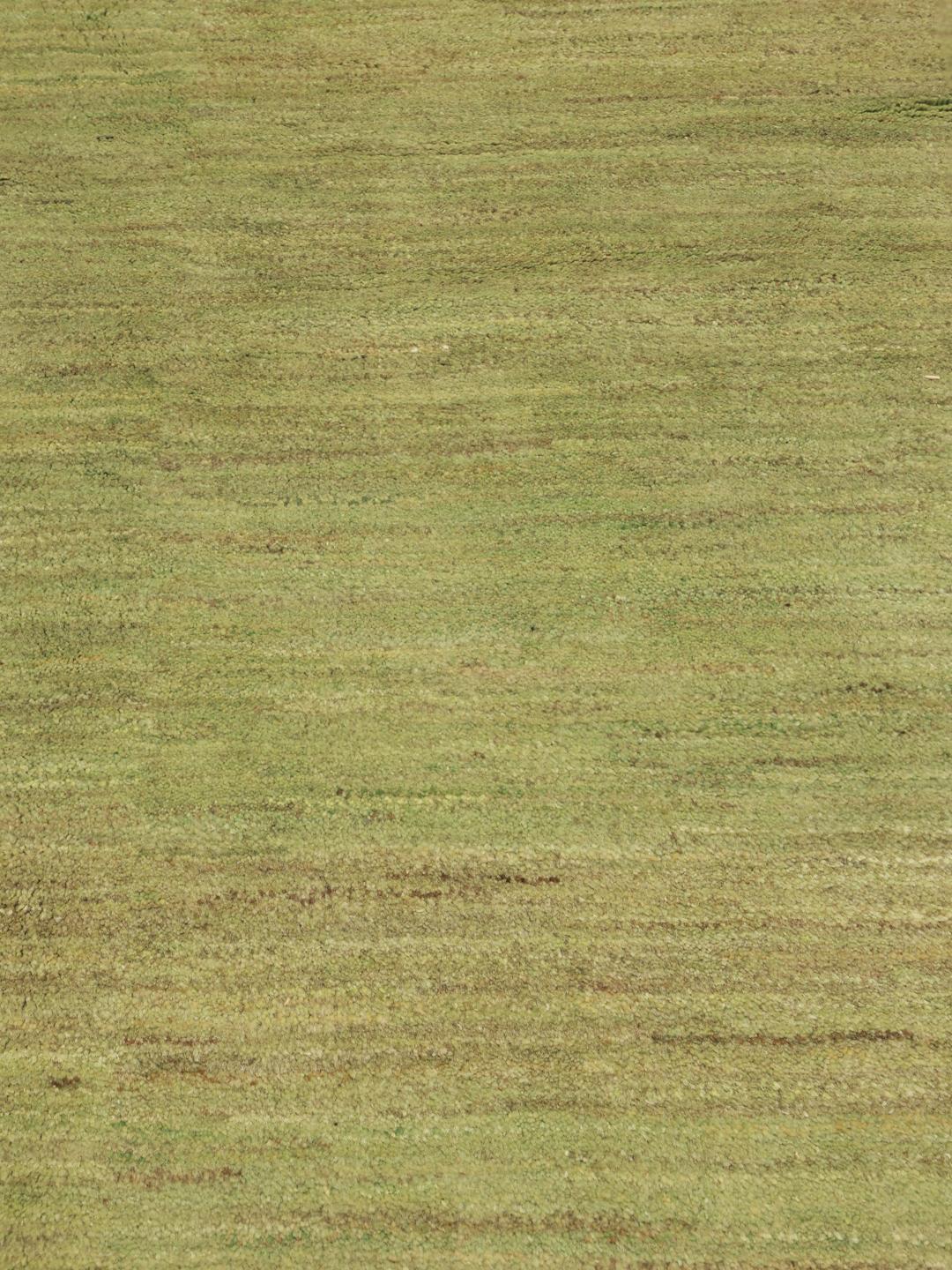
Design-wise, these rugs are known for their minimalist fields, often featuring large areas of solid or abrash colour—a technique where subtle, natural colour variations occur due to the use of hand-spun, vegetable-dyed wool. This creates a soft, painterly effect on the surface of the rug, making every piece feel like a unique, abstract landscape that complements a wide variety of interiors.
Collecting a piece from this tradition is an investment in human skill and cultural heritage. Because they are not produced from mass-market patterns, these rugs retain a sense of authenticity that is increasingly rare. Owning a Gabbeh is a way to connect your modern home to a timeless, tactile practice that prioritises the warmth and character of the material above all else.