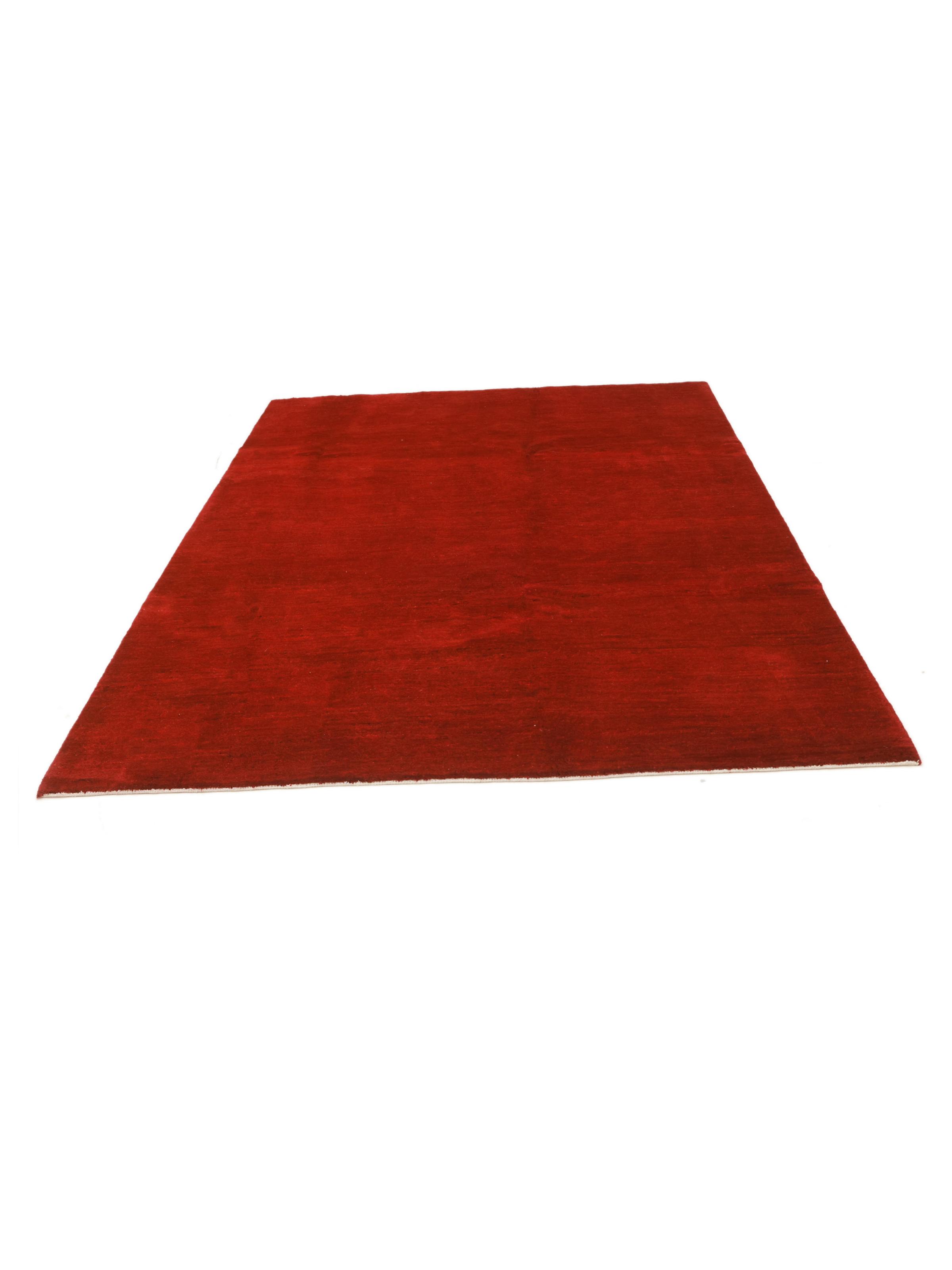
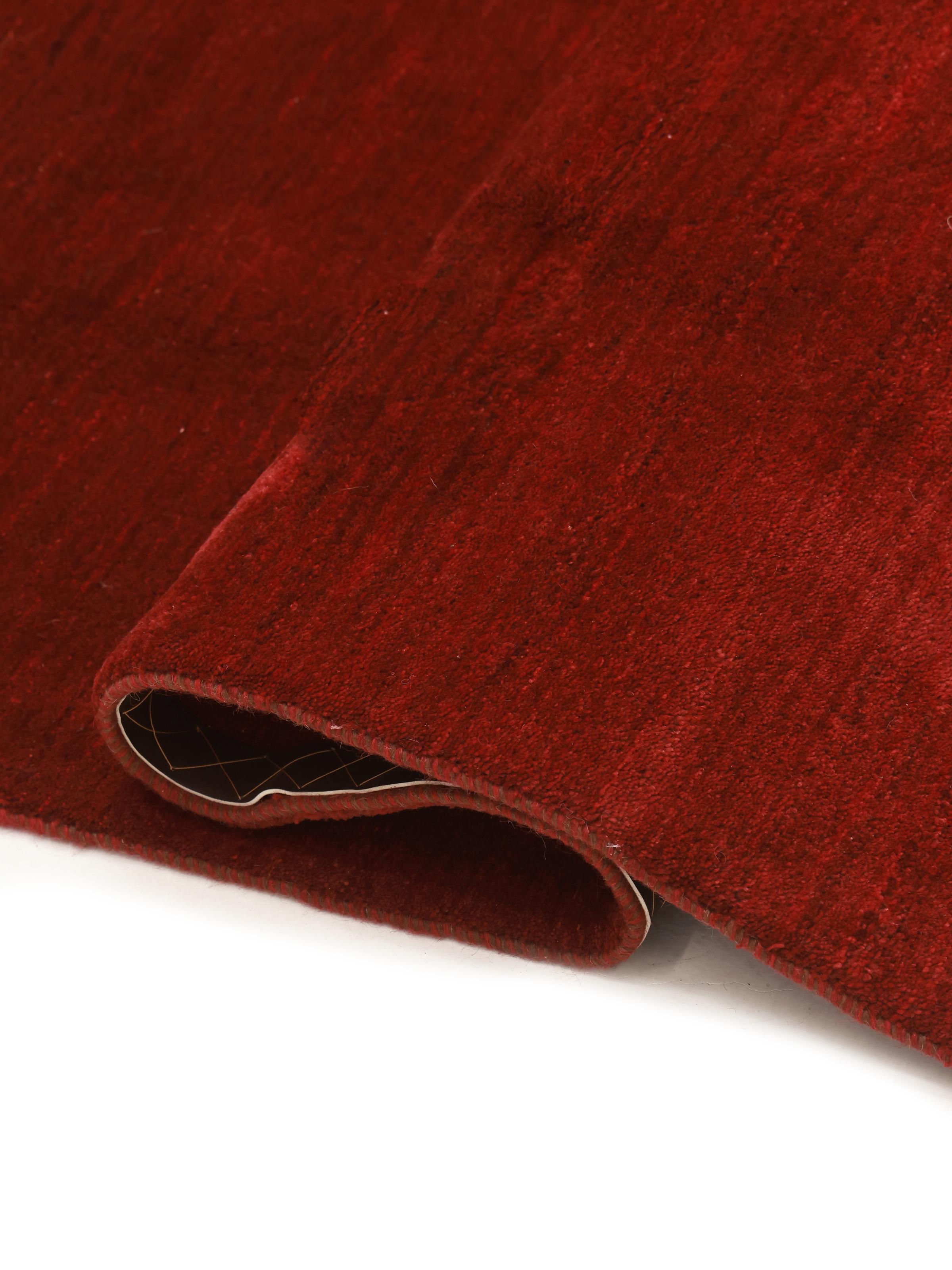
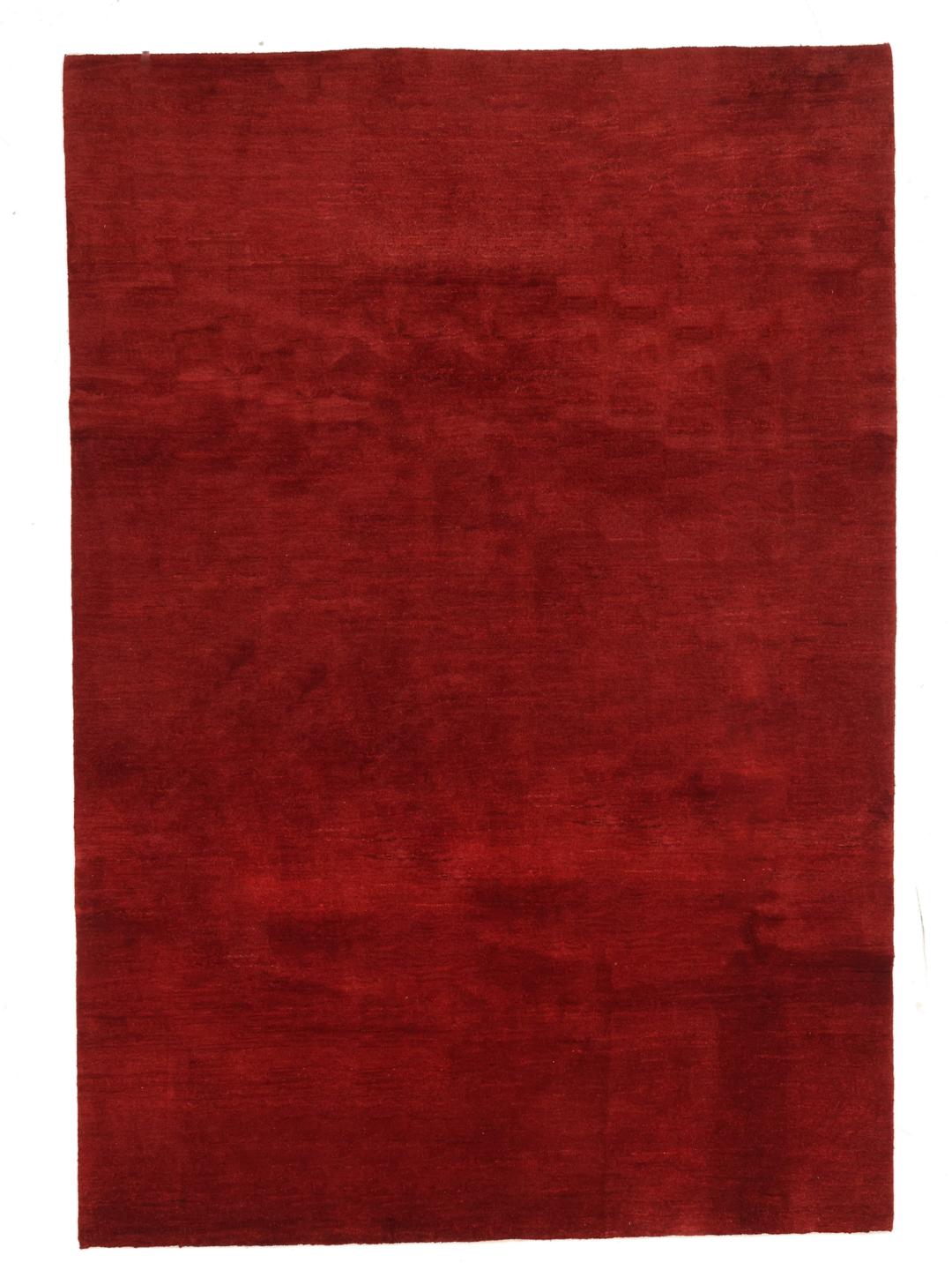
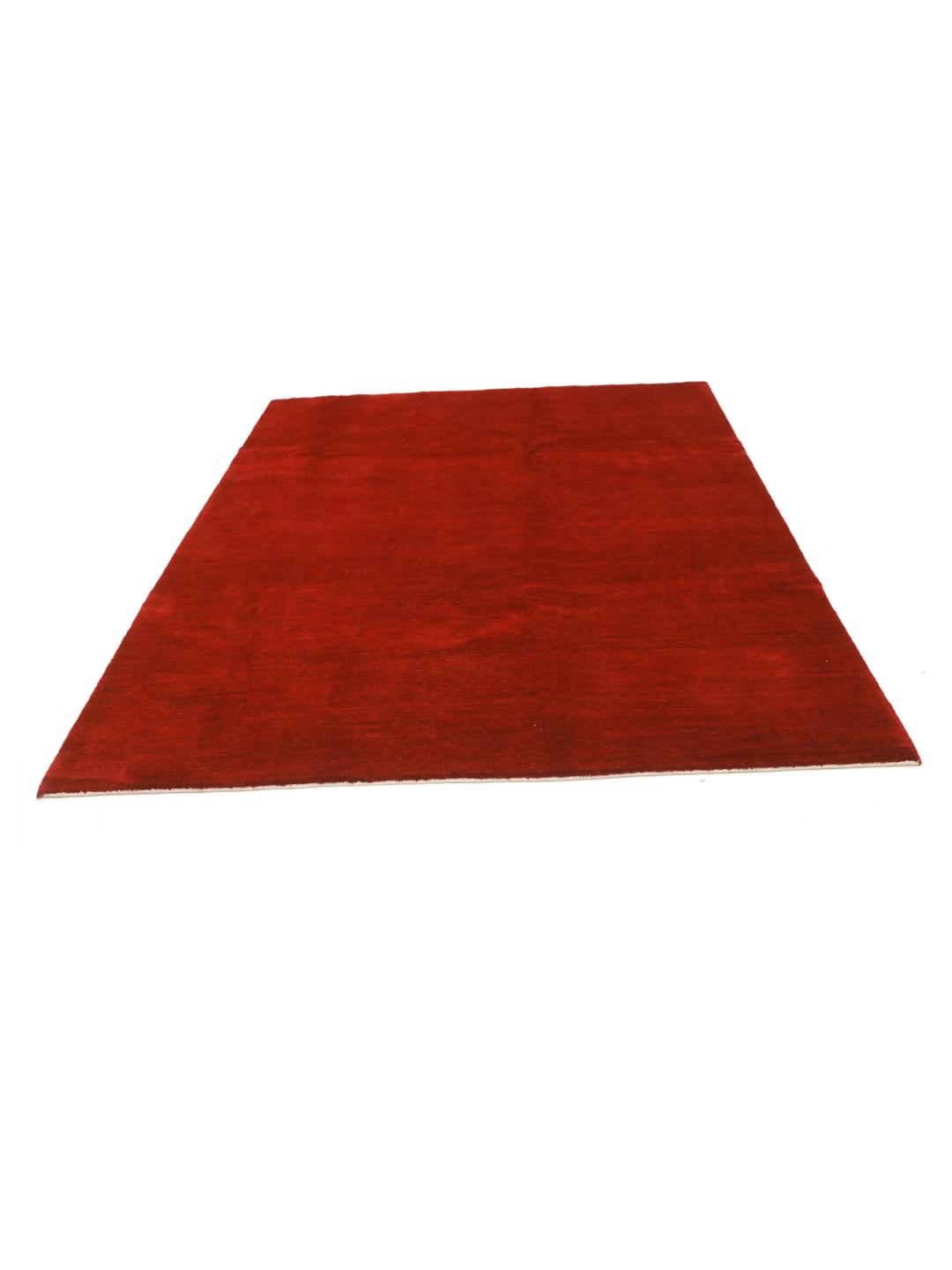
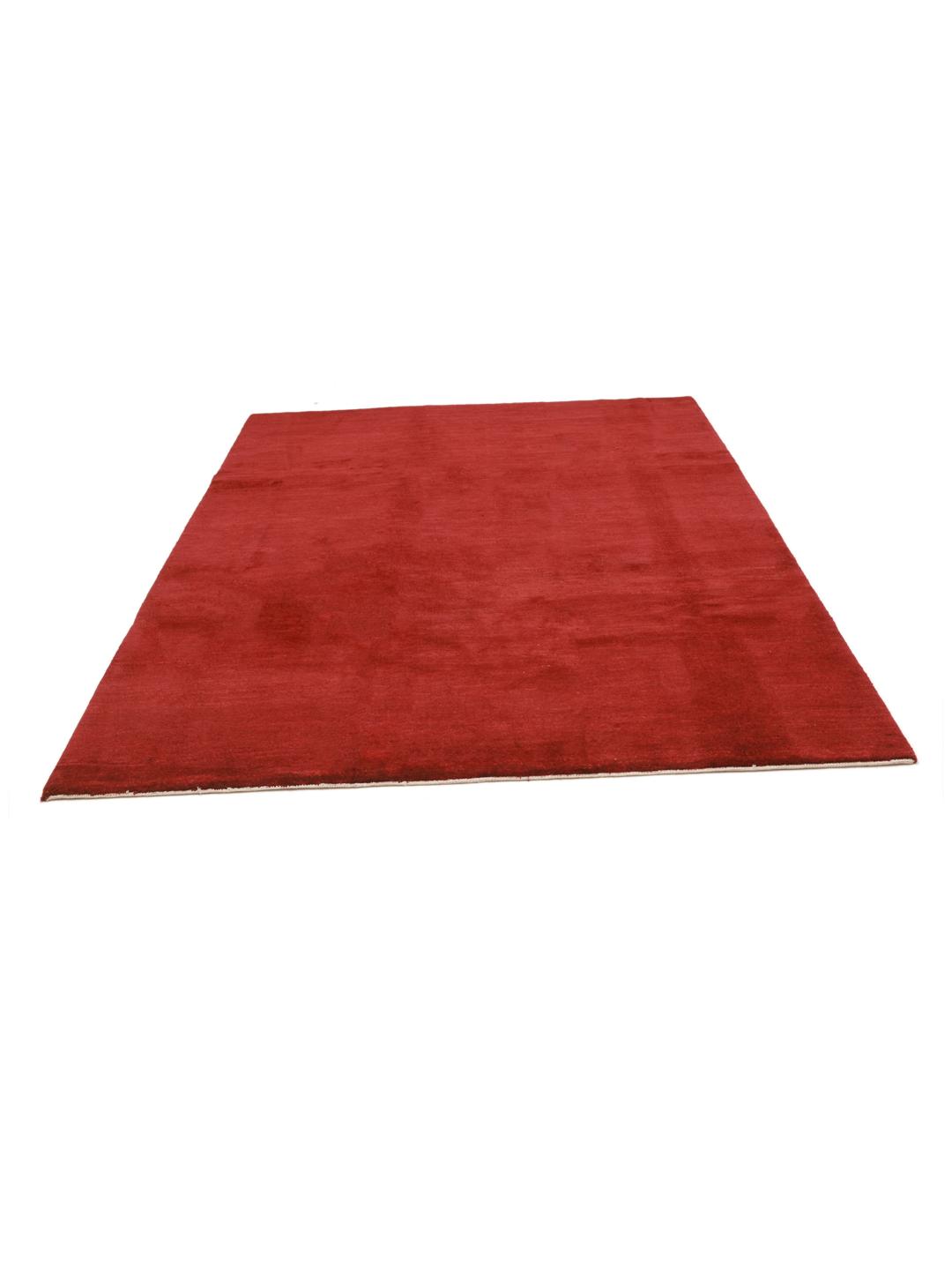
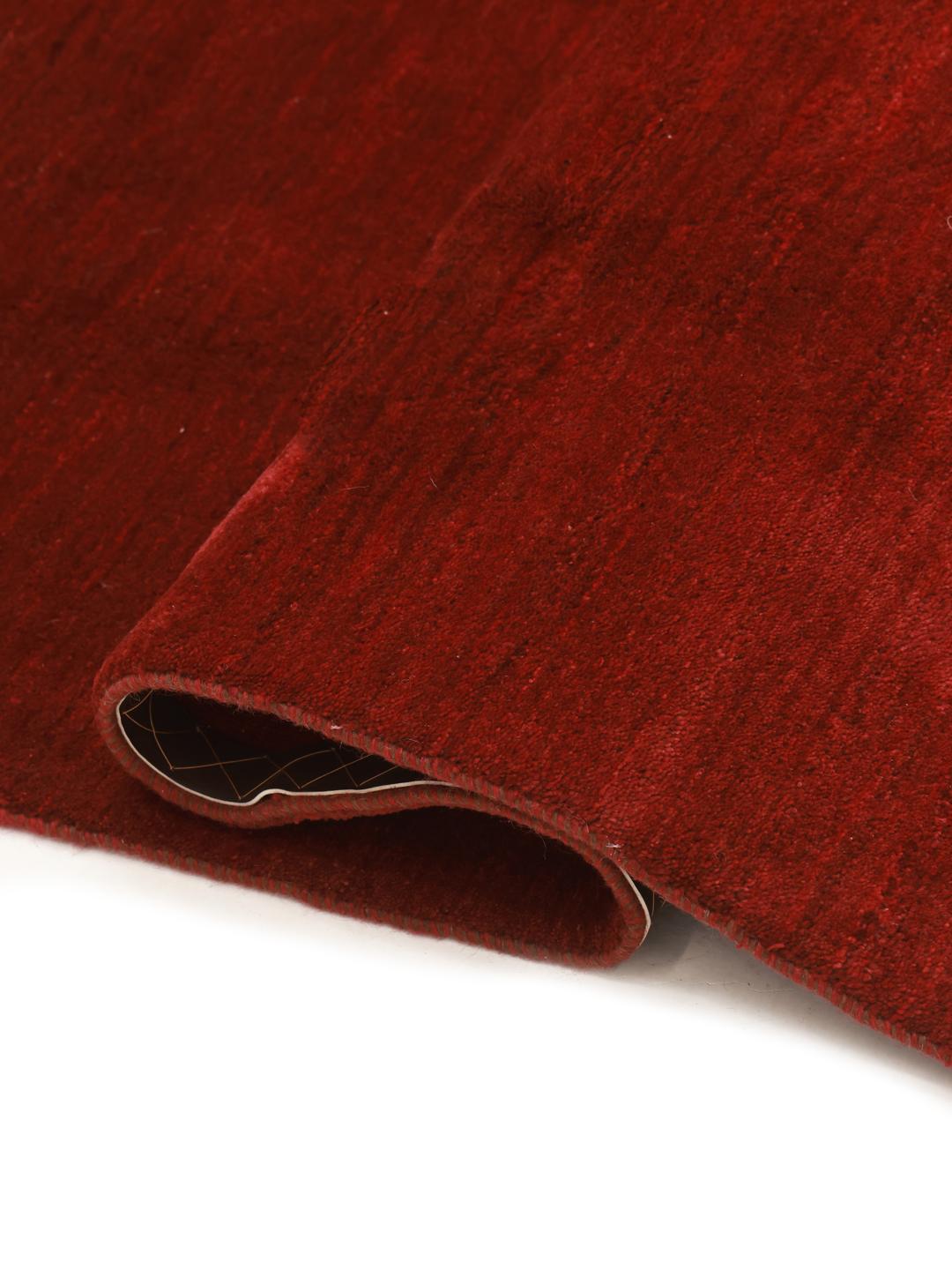
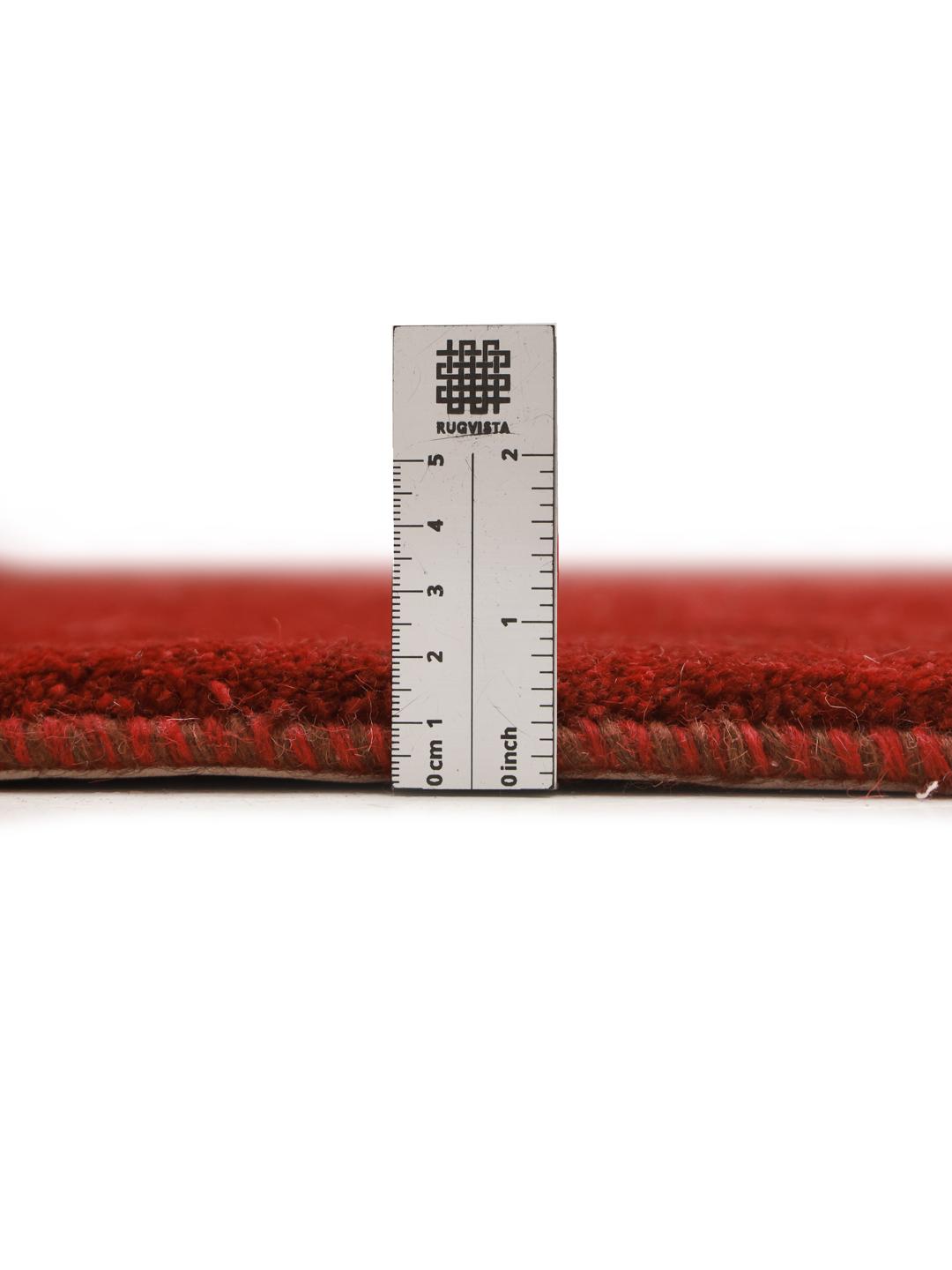
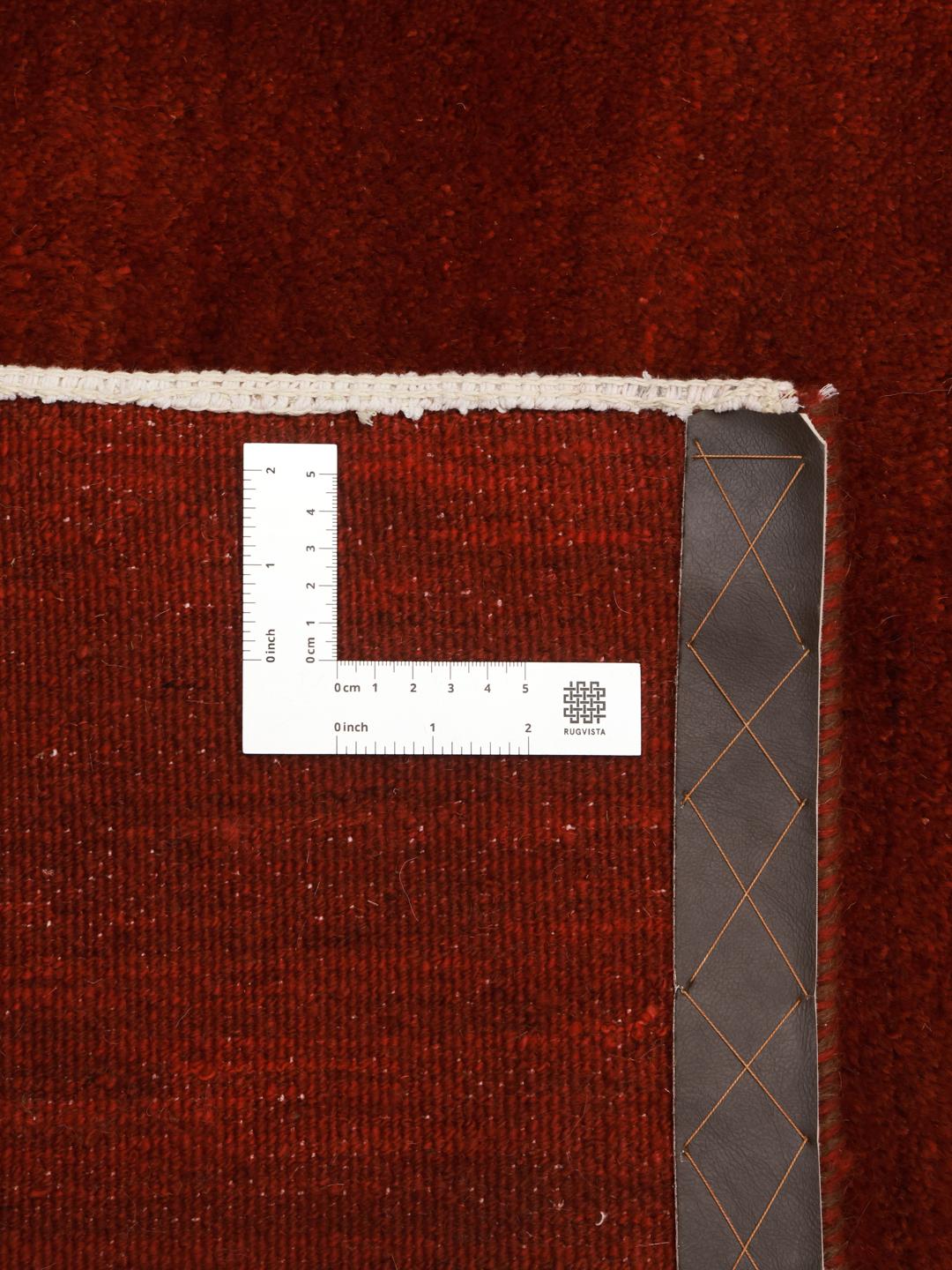
The Gabbeh tradition is deeply rooted in the nomadic cultures of the Middle East, where weavers historically created these rugs for their own daily use rather than for trade. Unlike formal, highly patterned rugs, the Gabbeh was designed to be a practical, warm, and comforting layer for tent life, often characterised by its heavy construction and thick pile.
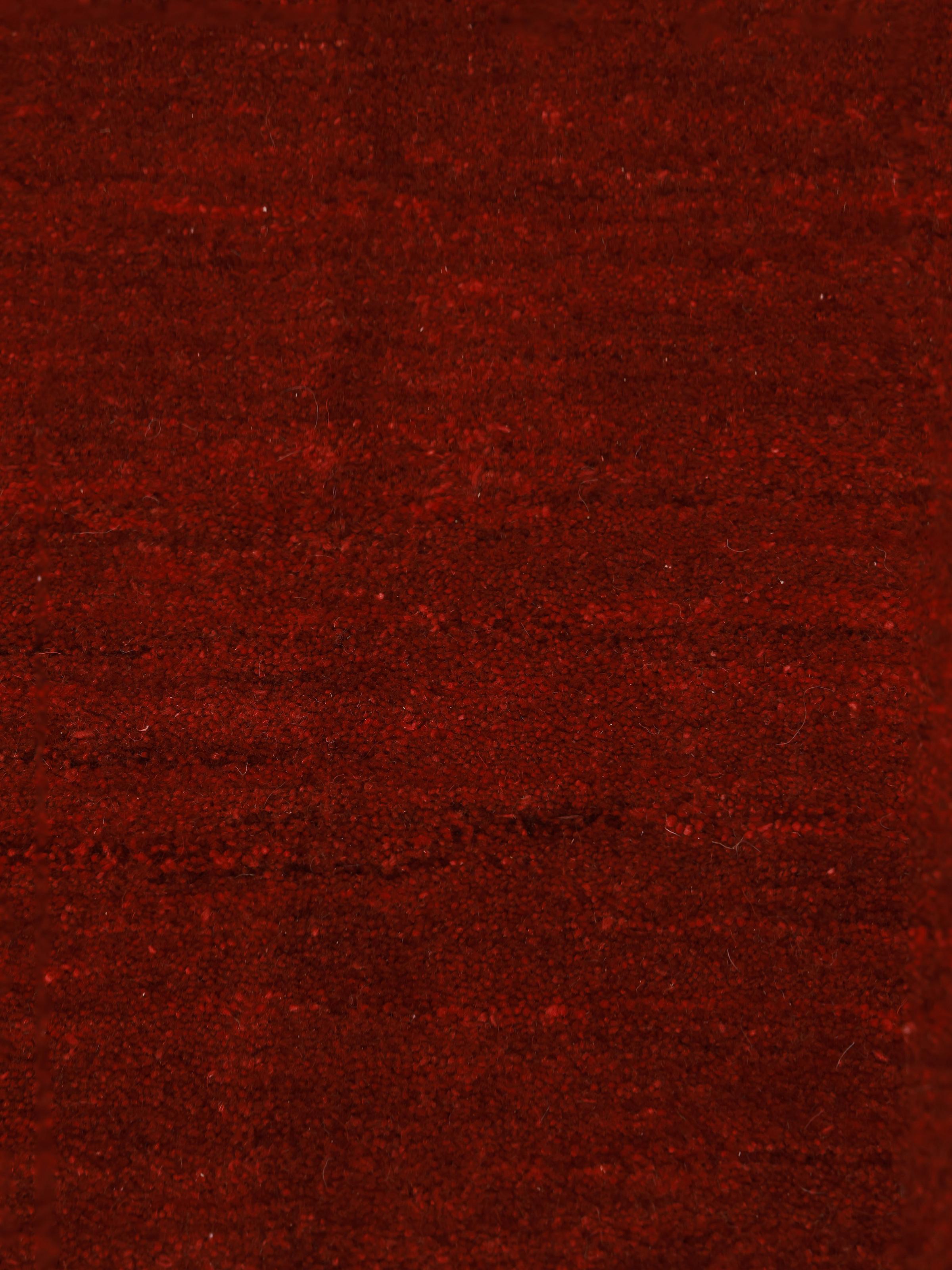
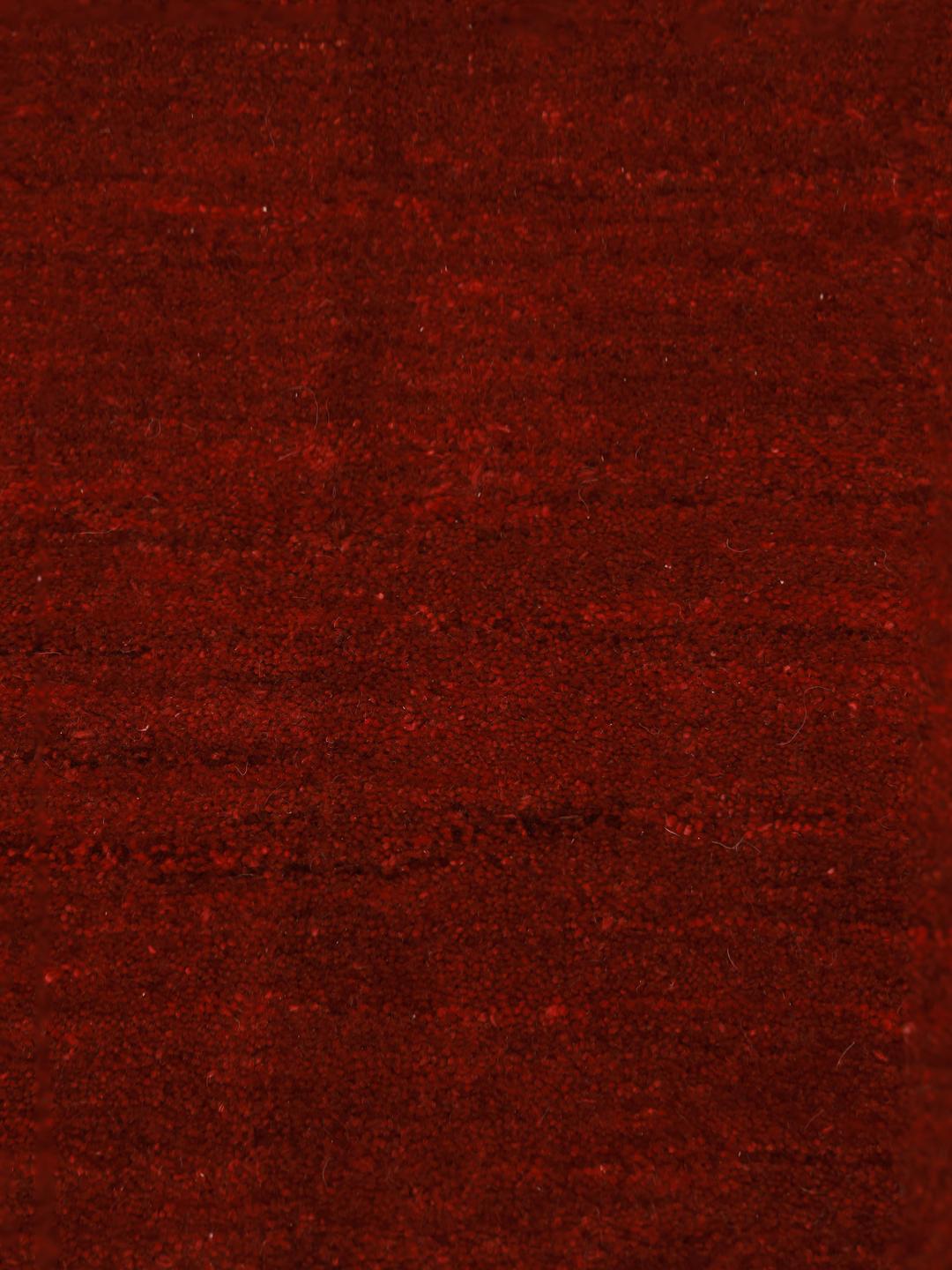
The term itself is said to mean 'raw' or 'natural', which perfectly reflects the unpretentious nature of these pieces. Historically, they were made using hand-spun, undyed or naturally dyed Wool, resulting in a look that is both organic and authentic. Today, the tradition continues to be valued for this very simplicity, which allows the quality of the raw materials to remain the focal point.
Visually, these rugs are defined by their minimalist or abstract approach, often favouring solid fields or simple, expressive geometric motifs over the intricate floral patterns found in other regional styles. This design philosophy creates a rug that feels modern and clean while still being steeped in centuries of weaving heritage.
Owning a Gabbeh is an act of preserving a distinct cultural narrative. These rugs are highly sought after by collectors who appreciate the blend of rustic charm, superior Wool quality, and the expressive freedom of the weaver. They represent a connection to a slower, more deliberate way of creating, making them a meaningful addition to any contemporary home.