The Gabbeh tradition traces its roots to the nomadic tribes of the Middle Eastern countryside, where weavers originally created these rugs for their own daily use. Unlike formal court rugs, these pieces were designed for warmth and comfort, often serving as bedding or floor coverings within tents. Over generations, these rugs have evolved from purely utilitarian items into celebrated works of folk art, cherished for their minimalist aesthetic and expressive, uninhibited designs.
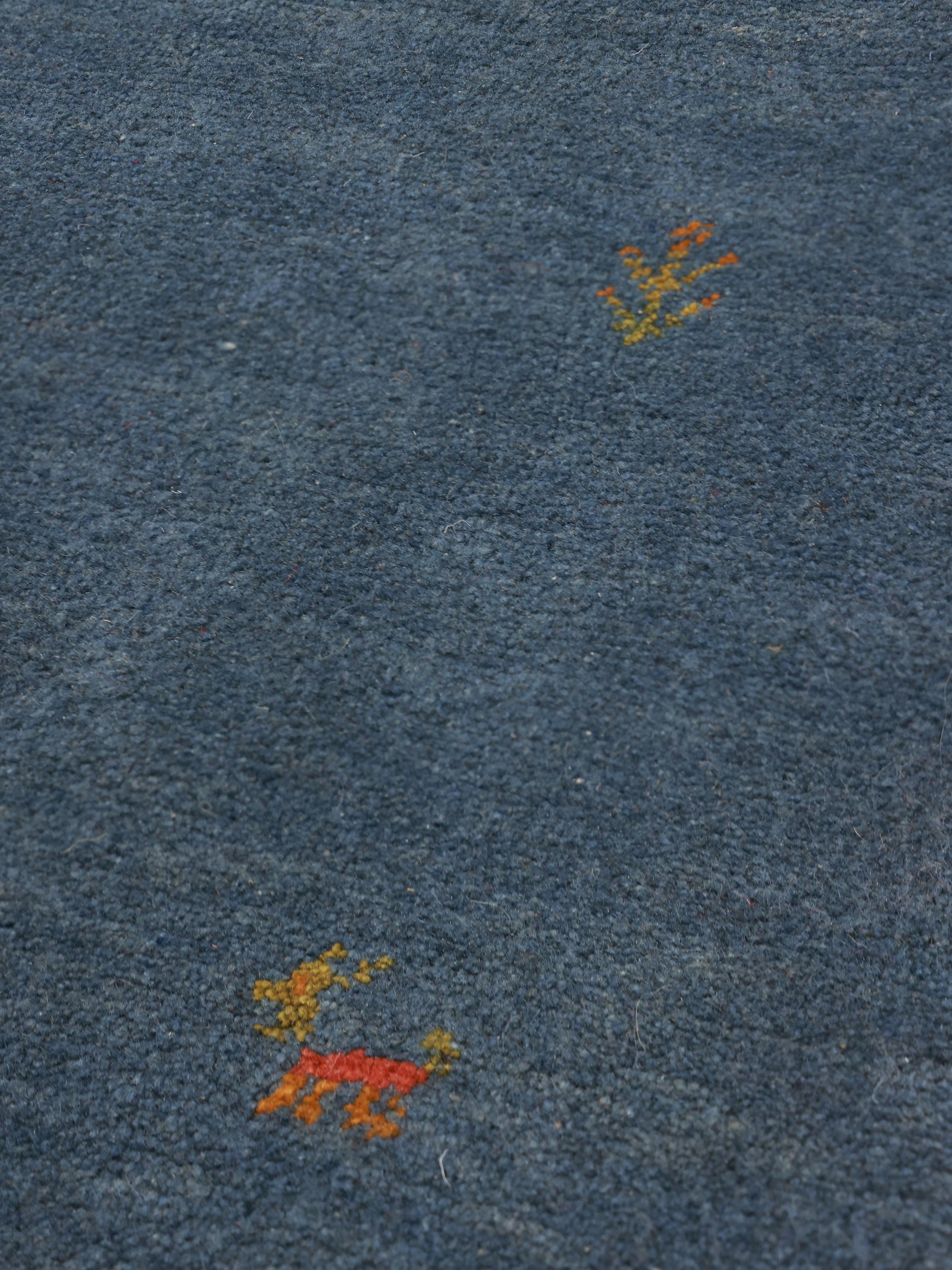
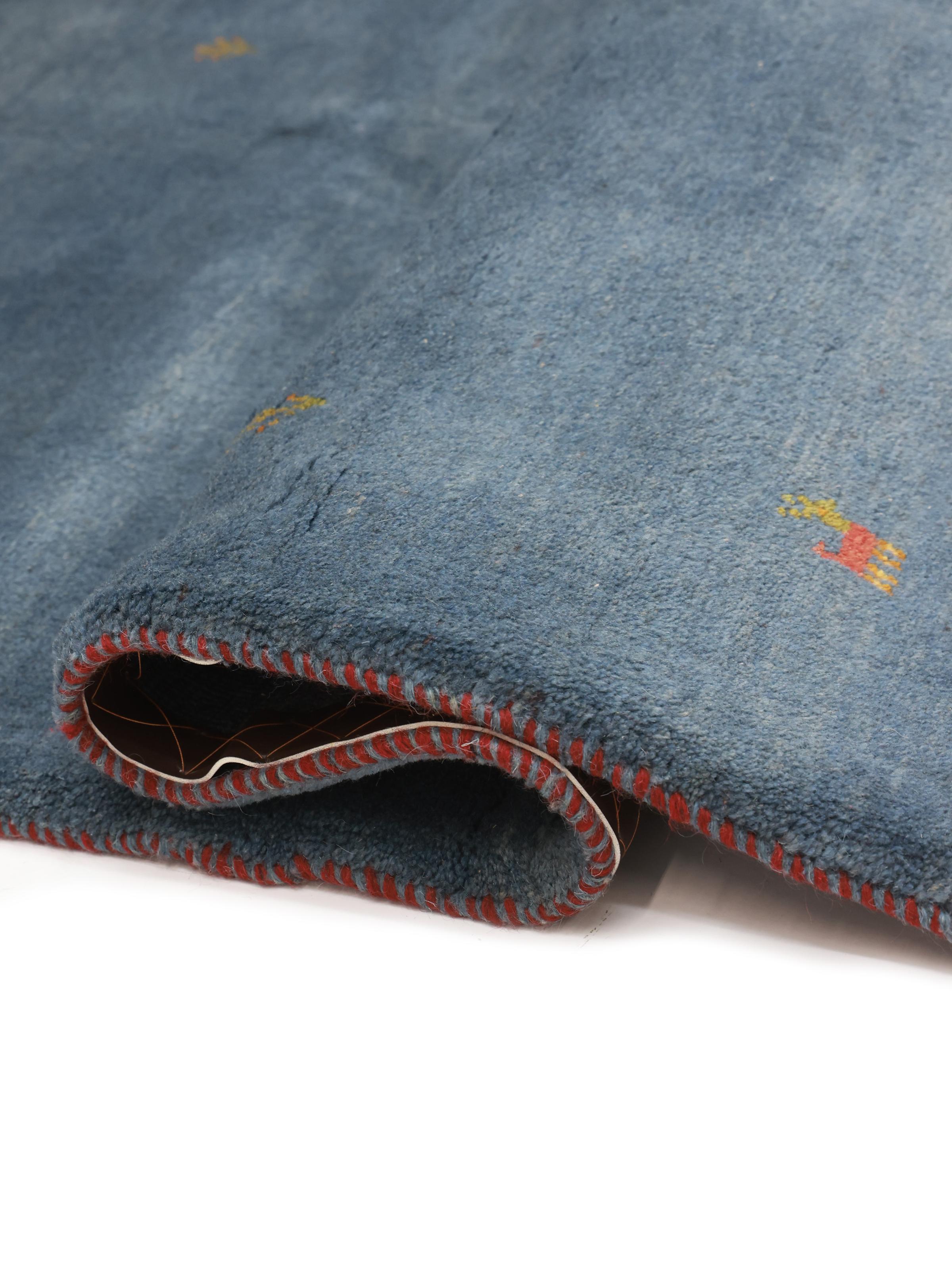
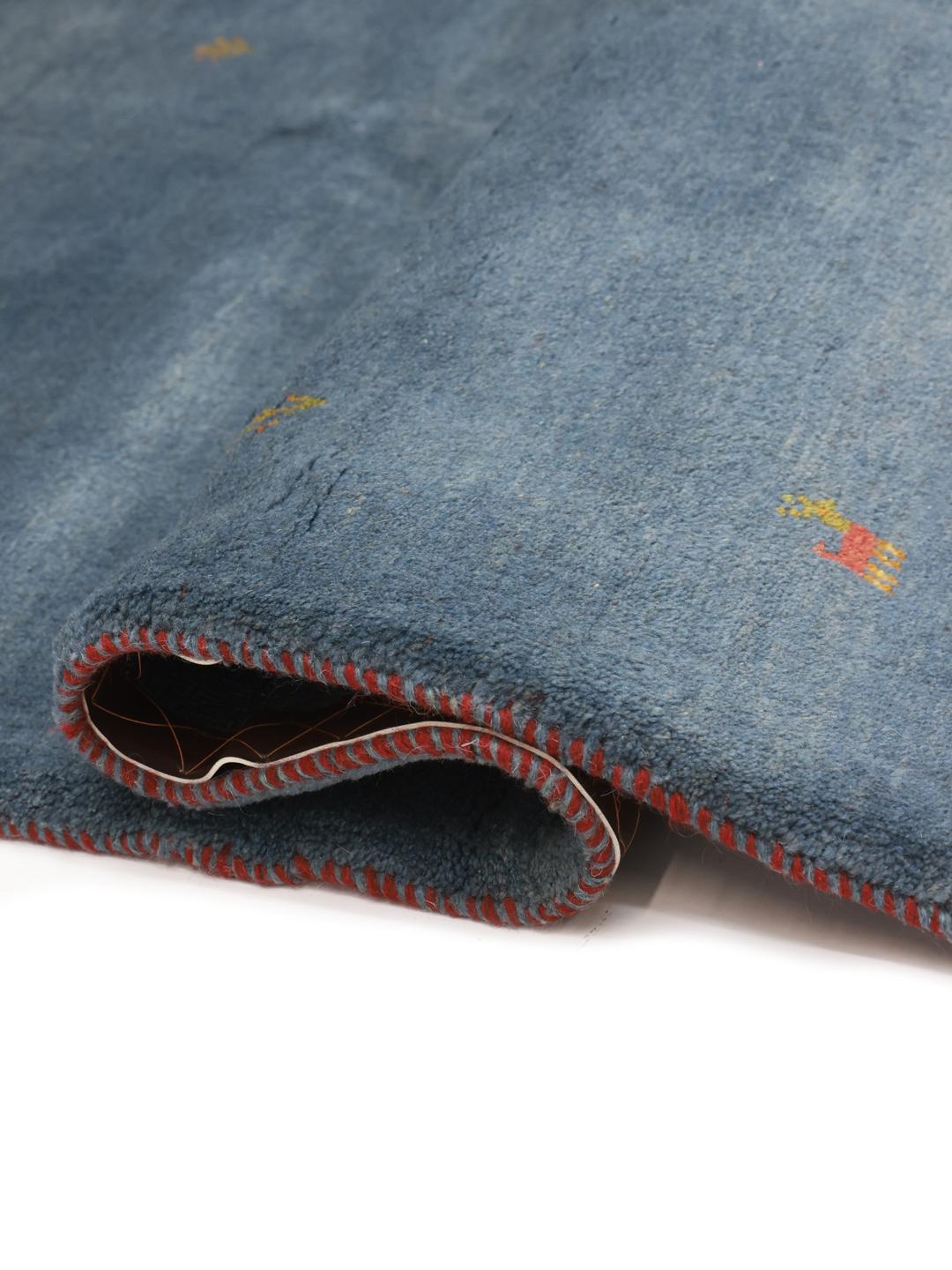
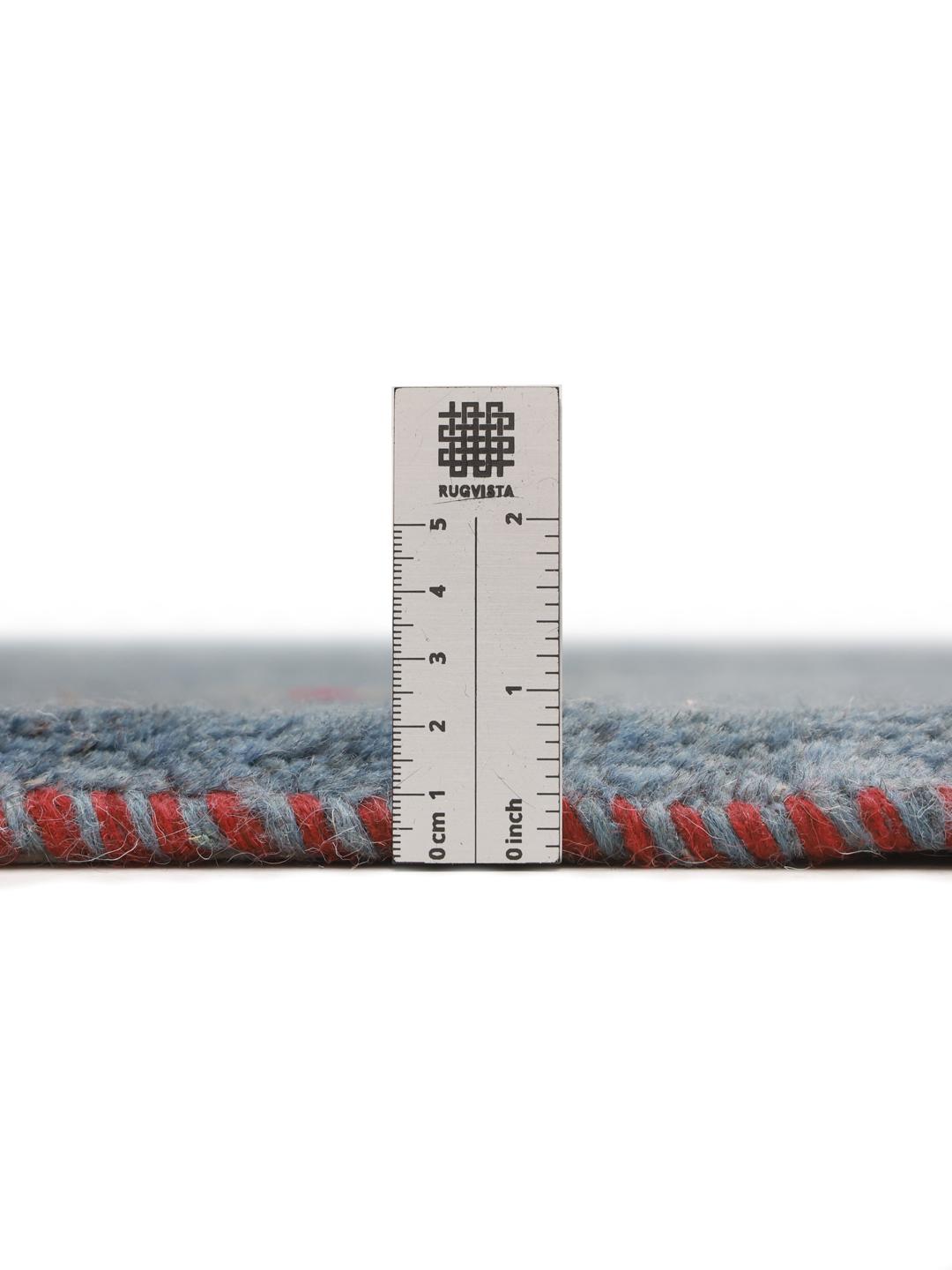
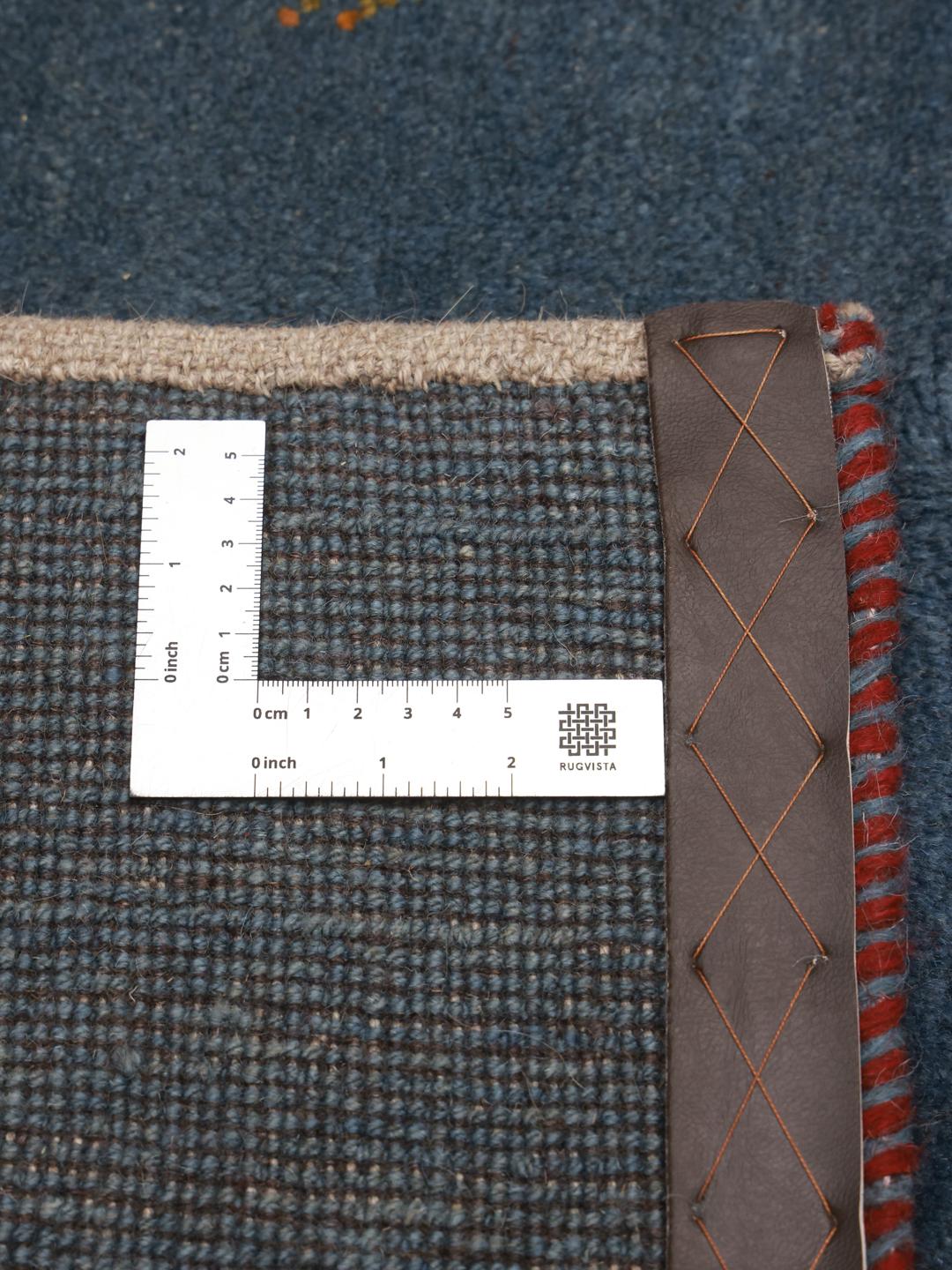
The term 'Shabargan' refers to a specific regional style of these rugs, known for their focus on quality wool and a clean, open field. The construction of these rugs is defined by a thicker, longer pile compared to many other types of hand-knotted rugs. This construction choice is deliberate, as it maximises the natural insulating properties of the wool, providing a tactile, cushioned experience that is hallmark to the Gabbeh style.
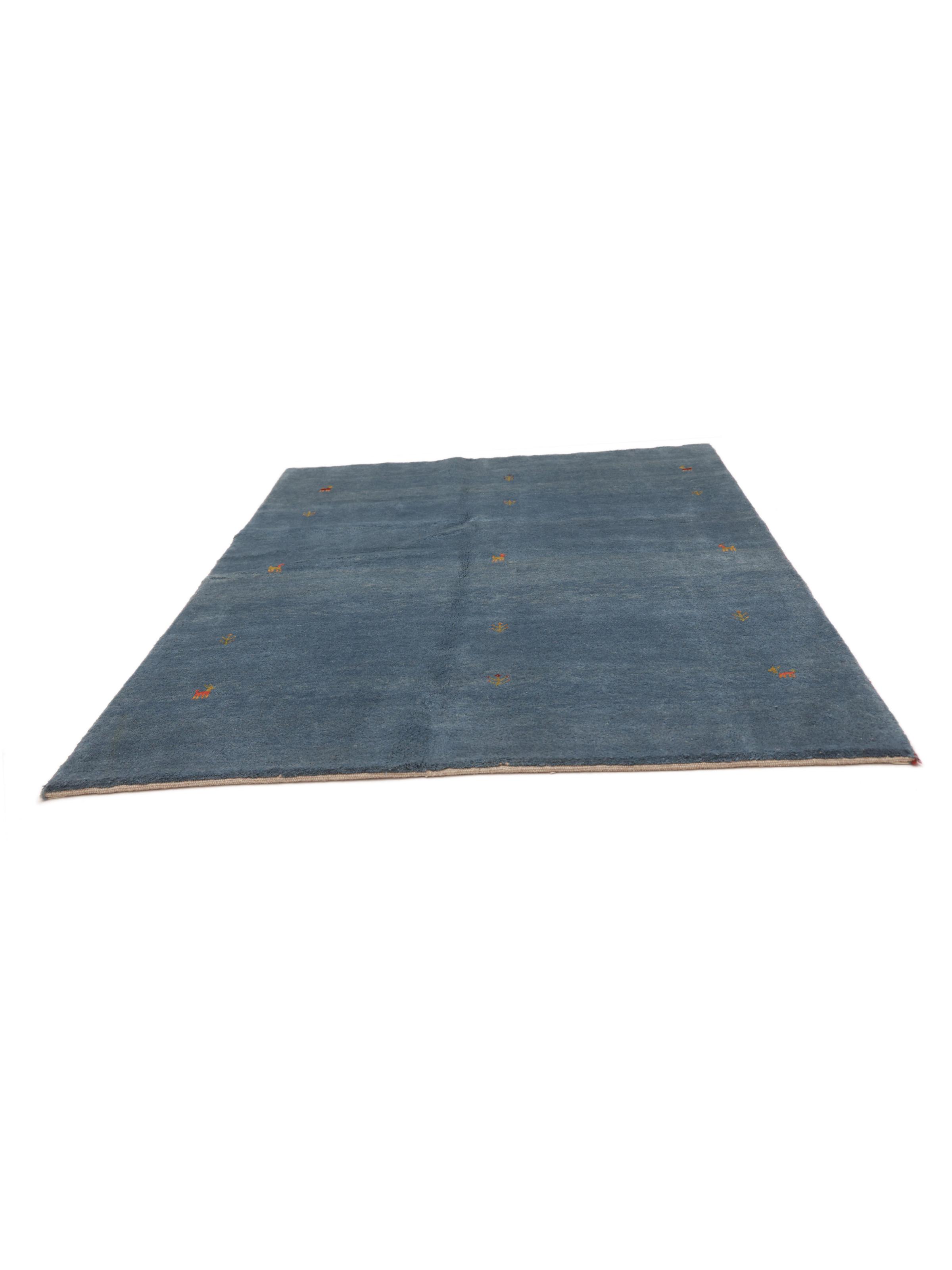
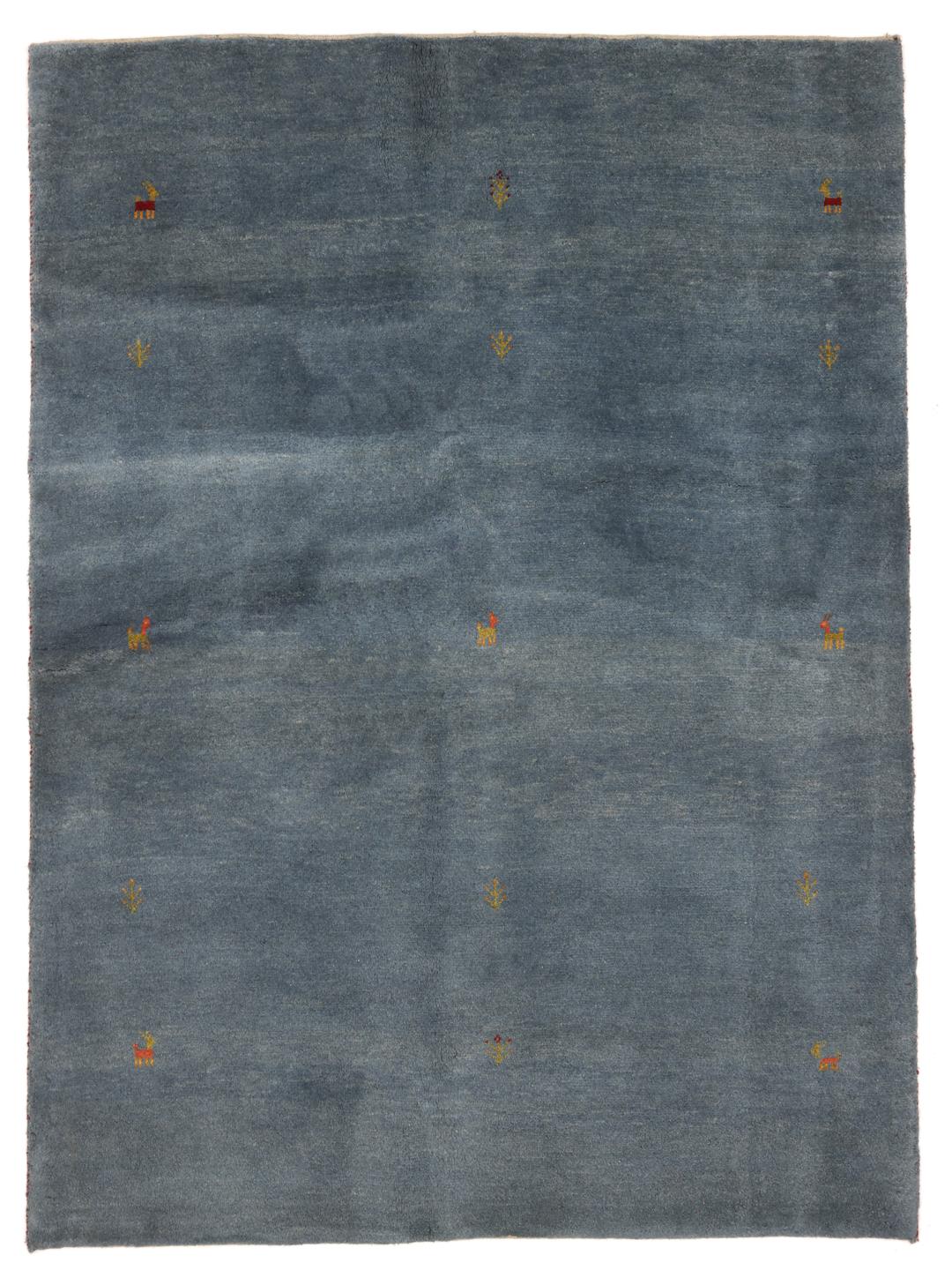
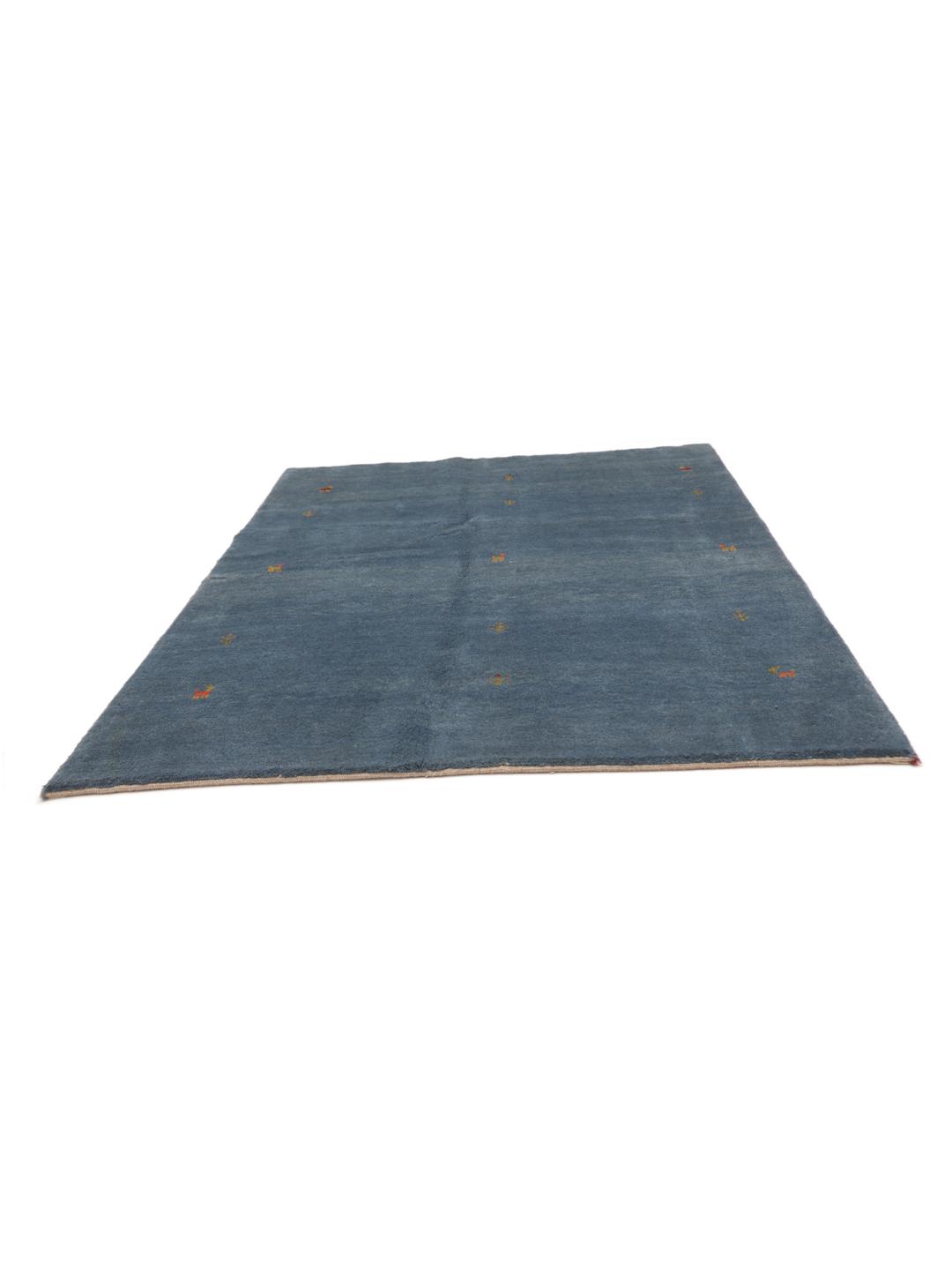
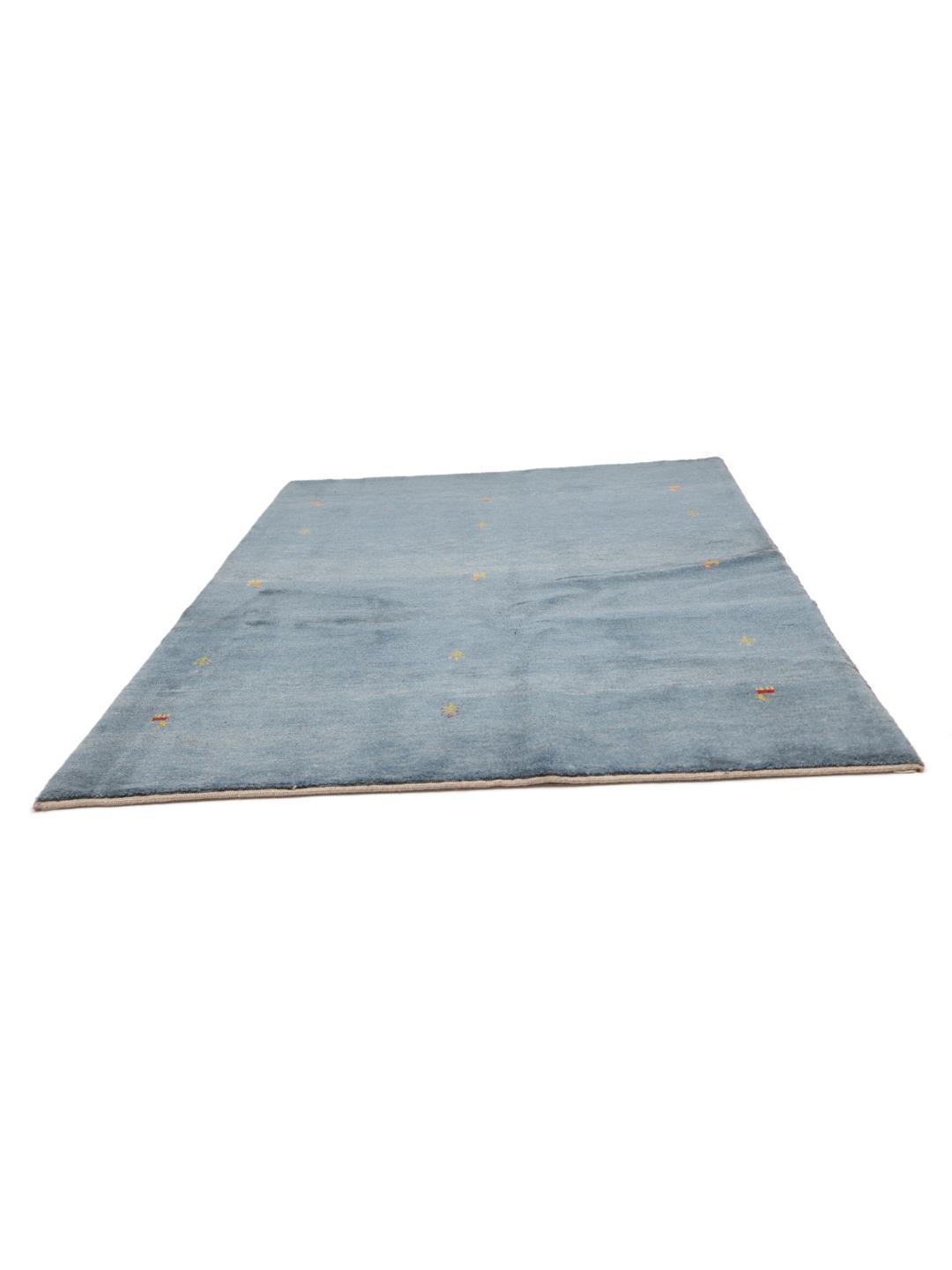
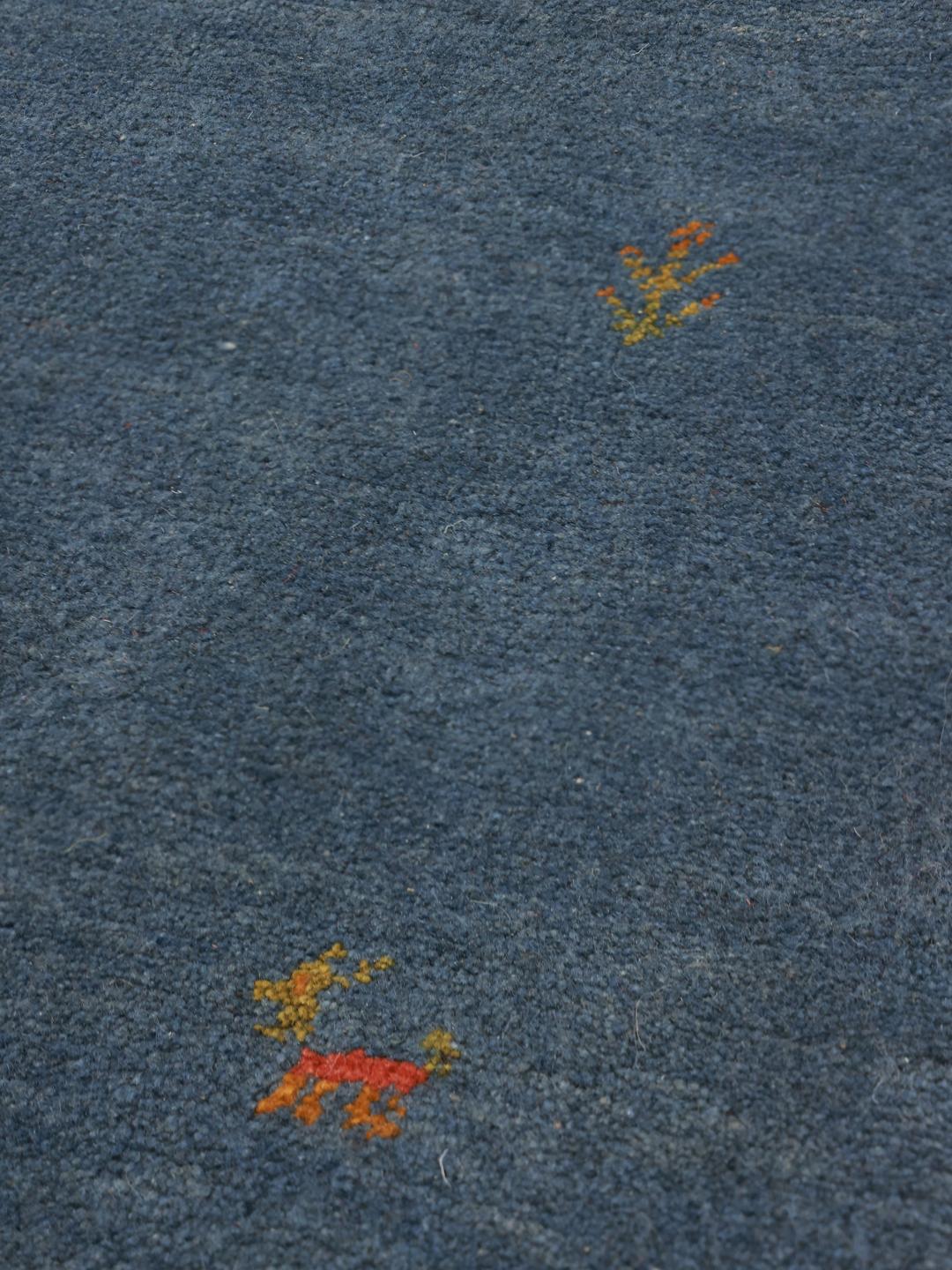
Visually, these rugs are known for their use of negative space, which allows the natural variations in the wool and dye to shine. The motifs used, such as the small animal or plant figures seen here, are often inspired by the weaver's environment and daily life. While many traditional rugs are heavily patterned, this style celebrates simplicity, making it a perfect fit for modern homes that value a calm, uncluttered aesthetic.
Collecting a piece from this tradition is an investment in human heritage and creative storytelling. Because each rug is created without a pre-drawn pattern, the weaver relies on their memory and artistic intuition, making every finished rug a direct reflection of the person who made it. Owning one means preserving a craft technique that has remained largely unchanged for centuries, ensuring that your rug carries a story of tradition, skill, and cultural identity.