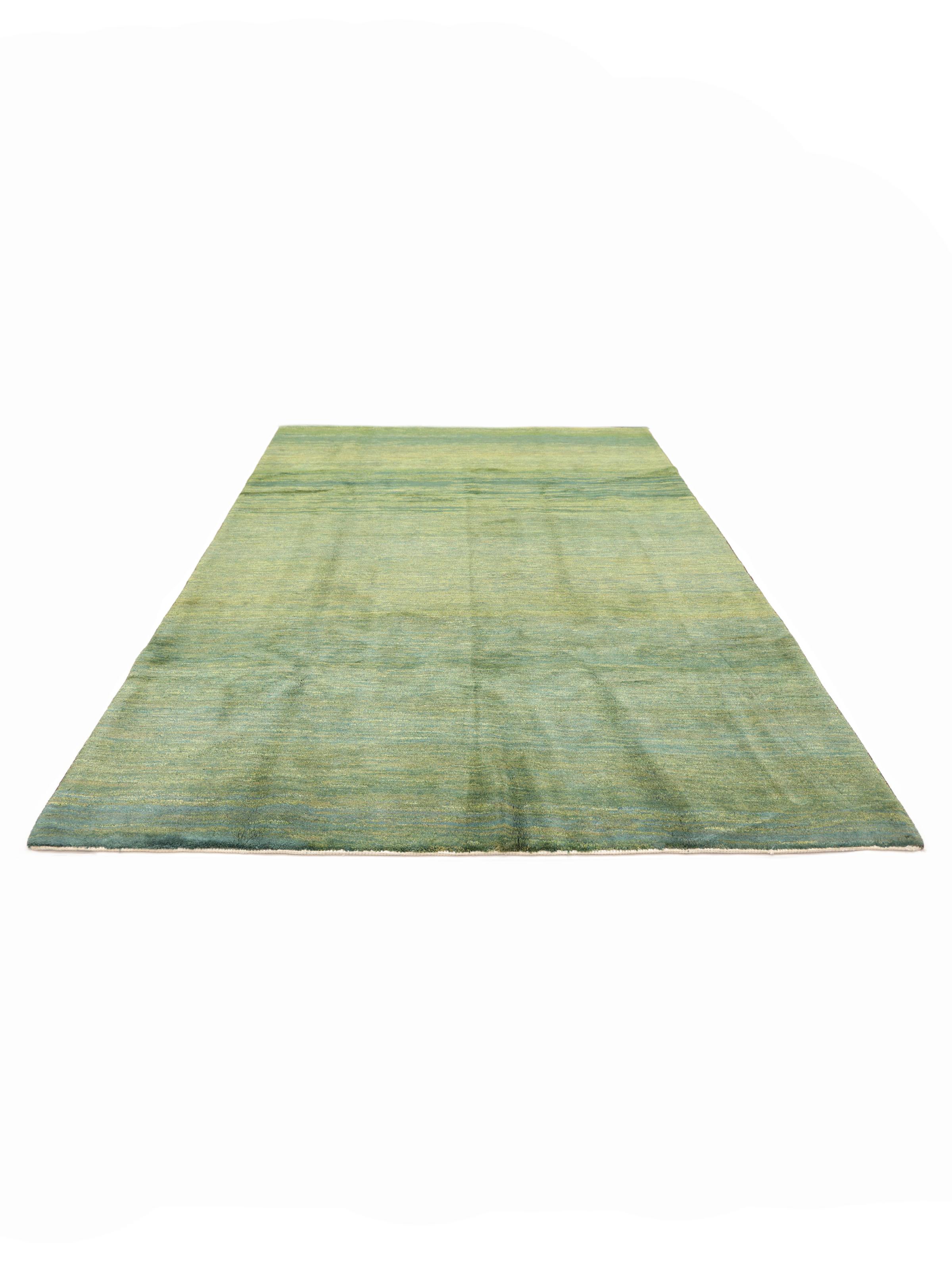
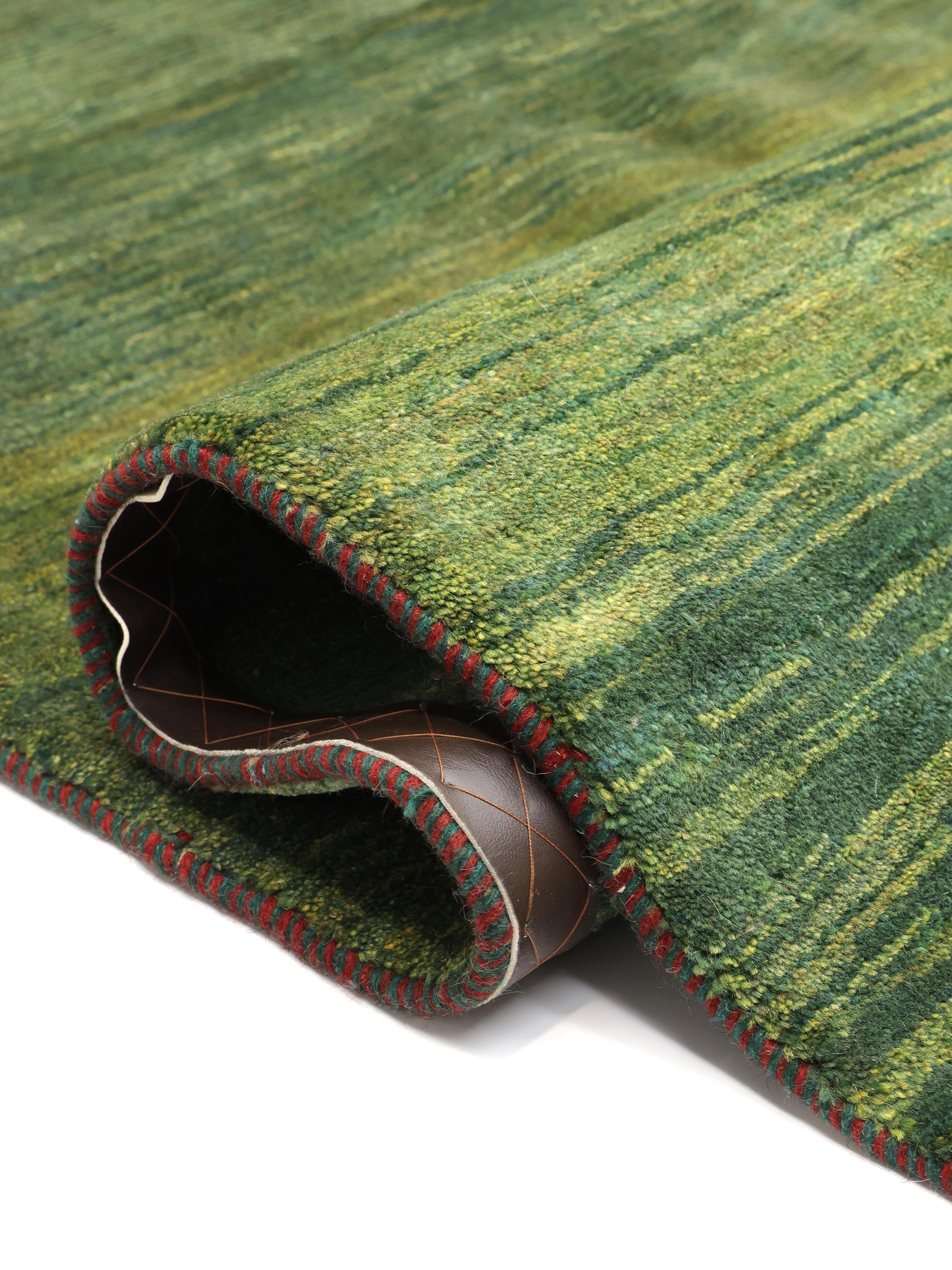
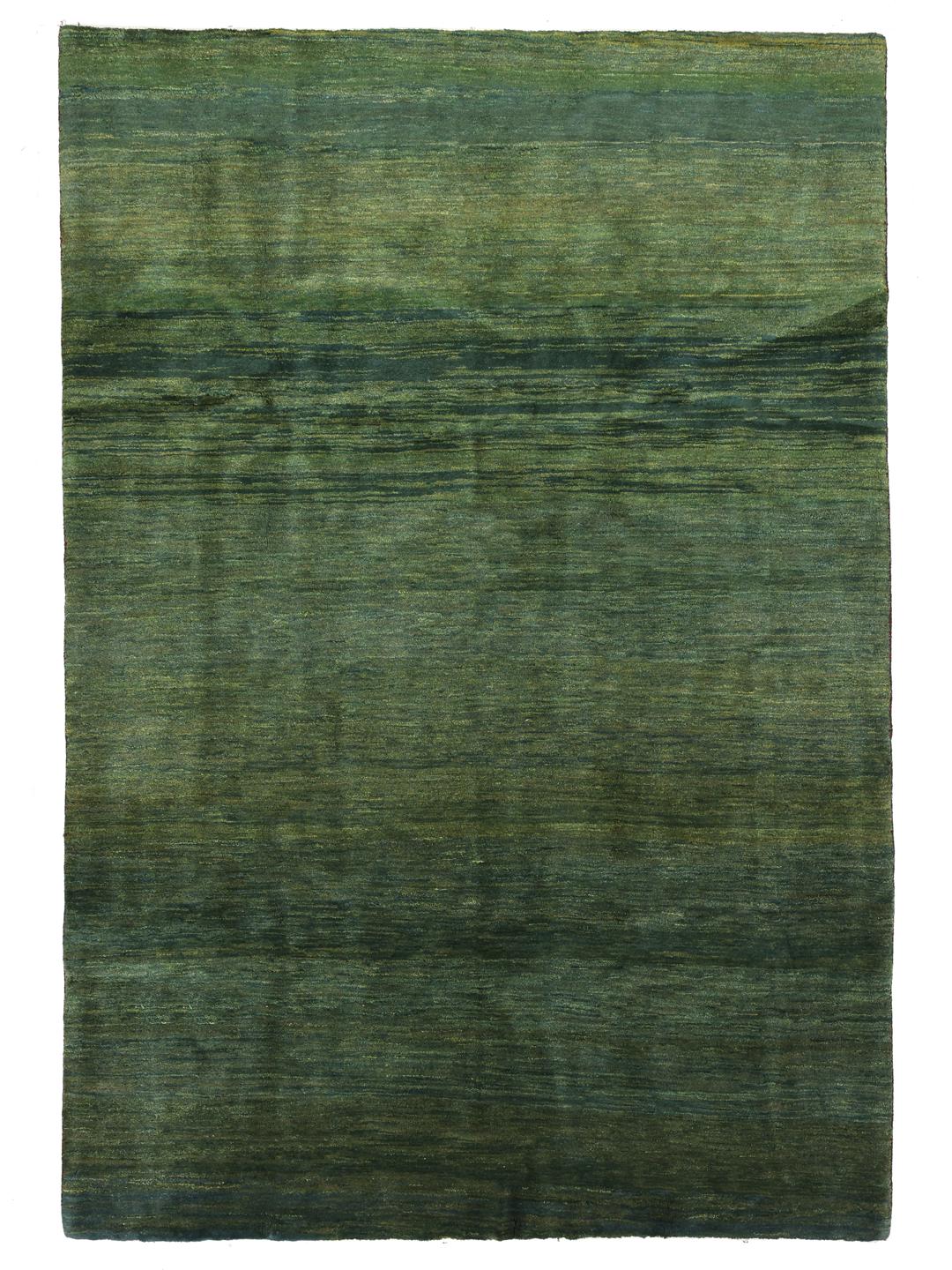
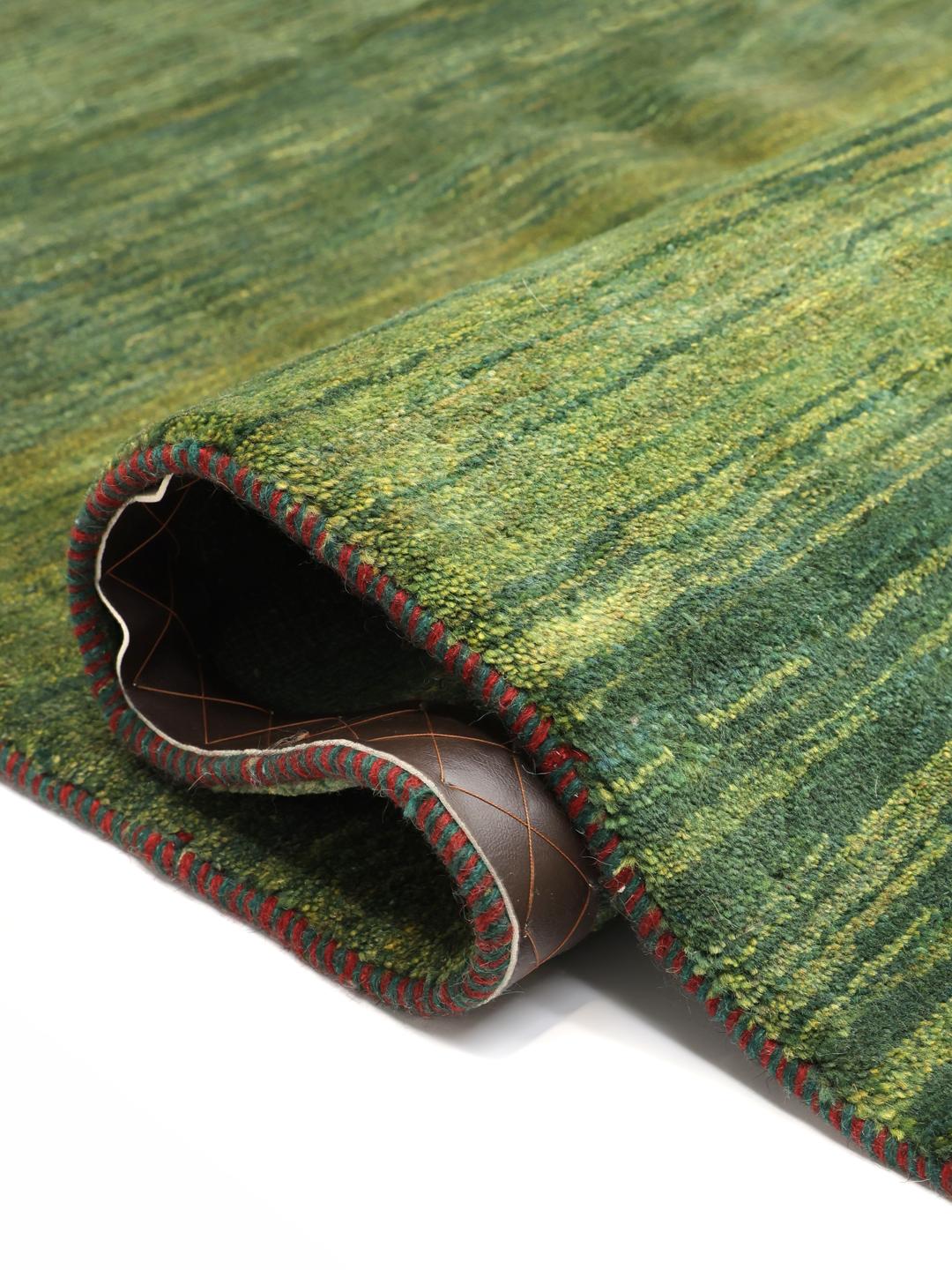
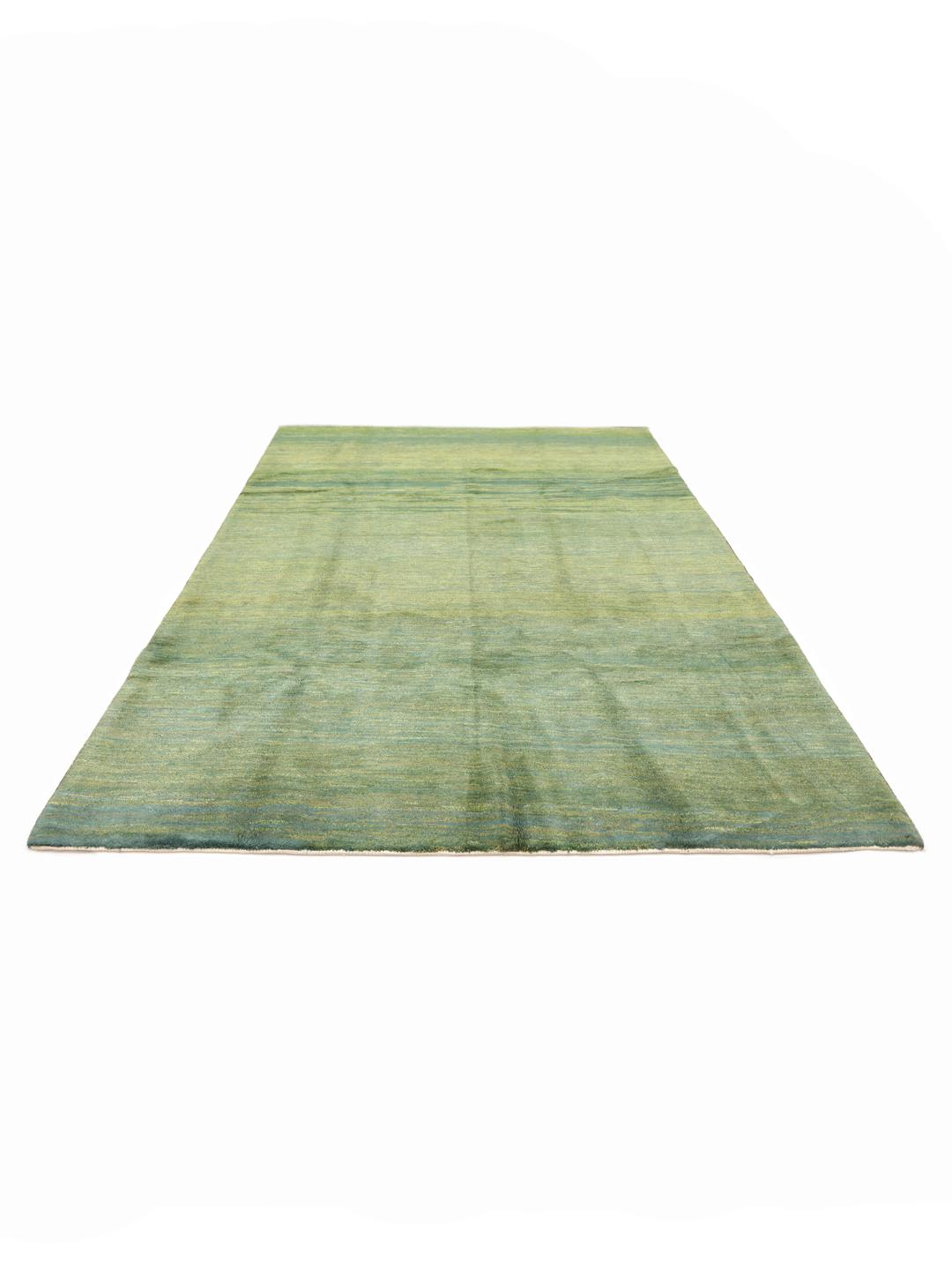
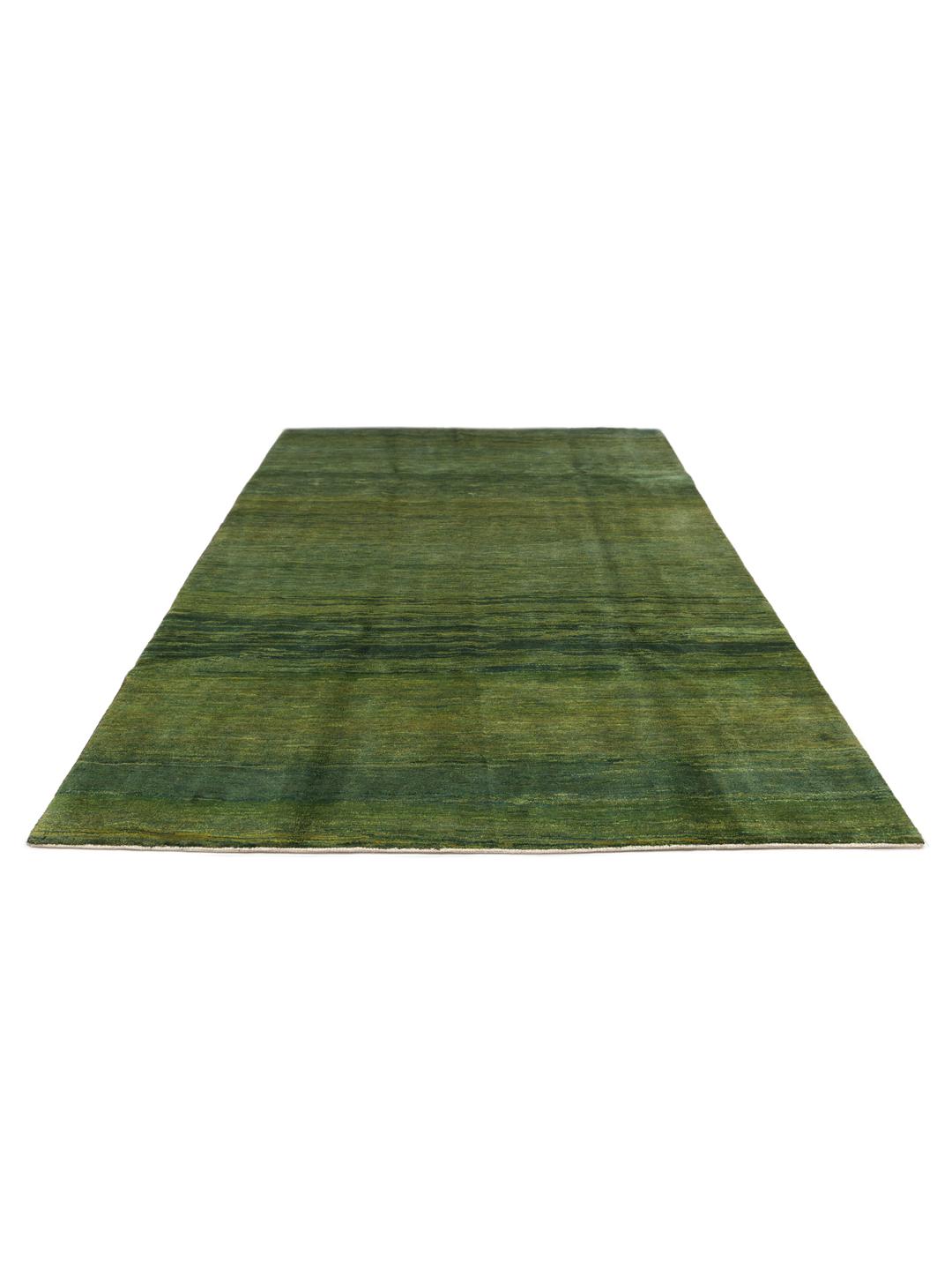
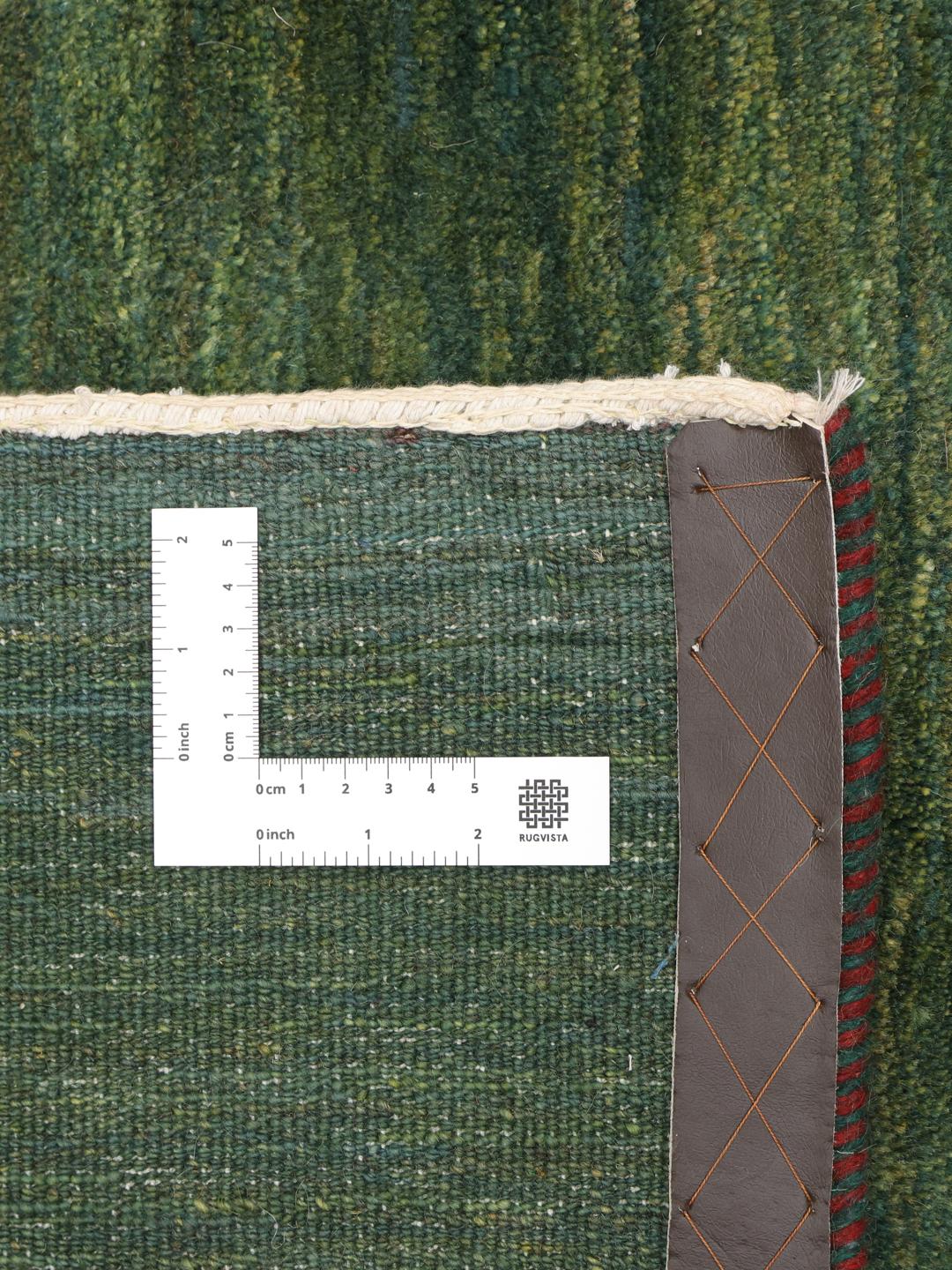
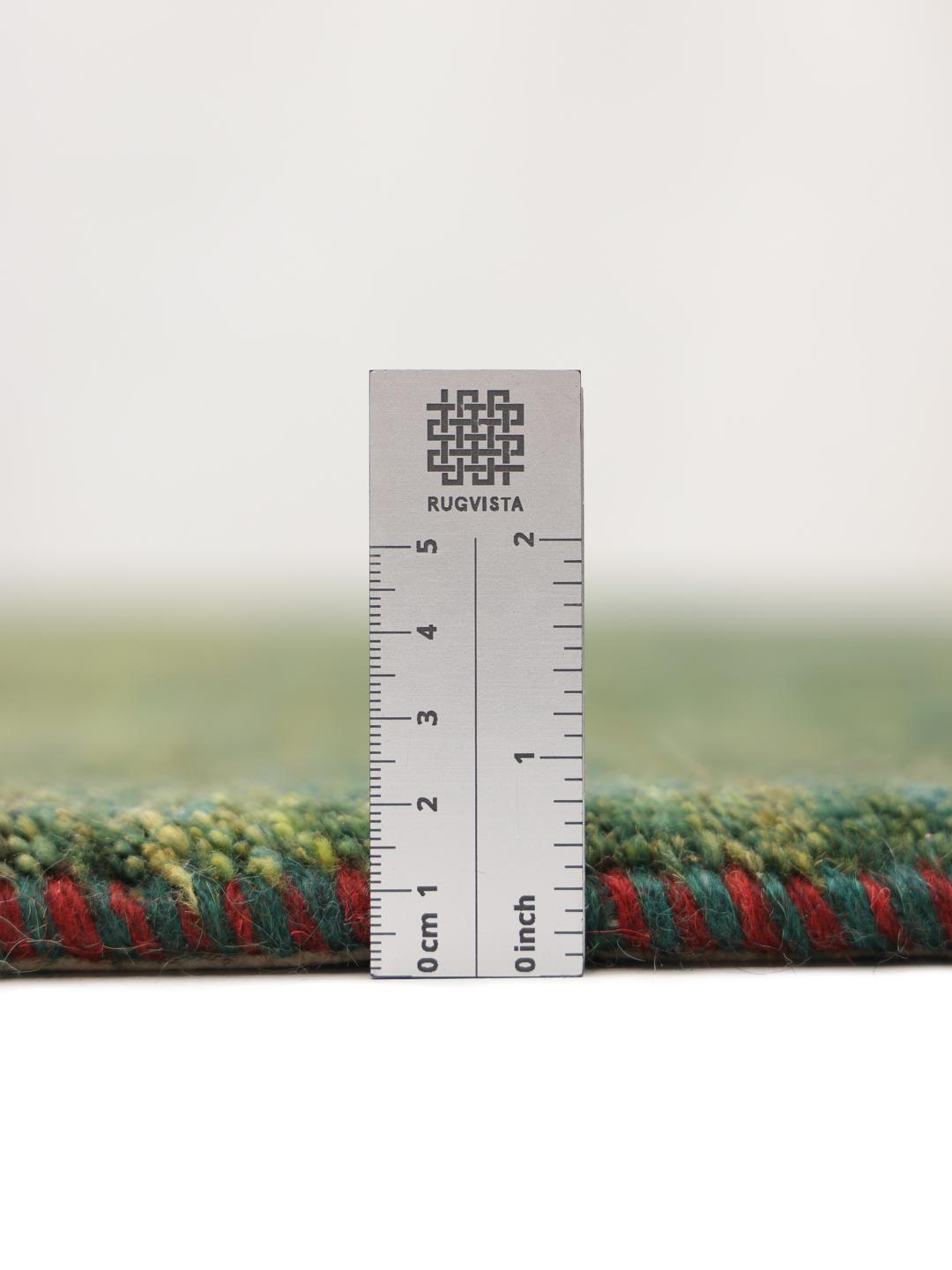
The Gabbeh rug tradition originates from the nomadic tribes of the Middle East, specifically the Ghashgai and Luri peoples. Historically, these rugs were woven for personal use rather than for trade, intended to provide warmth and comfort for families living in harsh, mountainous climates. This heritage of utility is why they are celebrated today for their thick, plush piles and resilient construction.
The term Gabbeh itself means raw, natural, or unclipped, which perfectly describes the aesthetic origins of these rugs. Unlike formal city rugs that follow rigid, pre-planned patterns, traditional Gabbeh rugs were designed with spontaneity and freedom. The weavers often incorporated motifs inspired by their daily lives, the natural landscape, and their environment, resulting in designs that feel deeply personal and expressive.
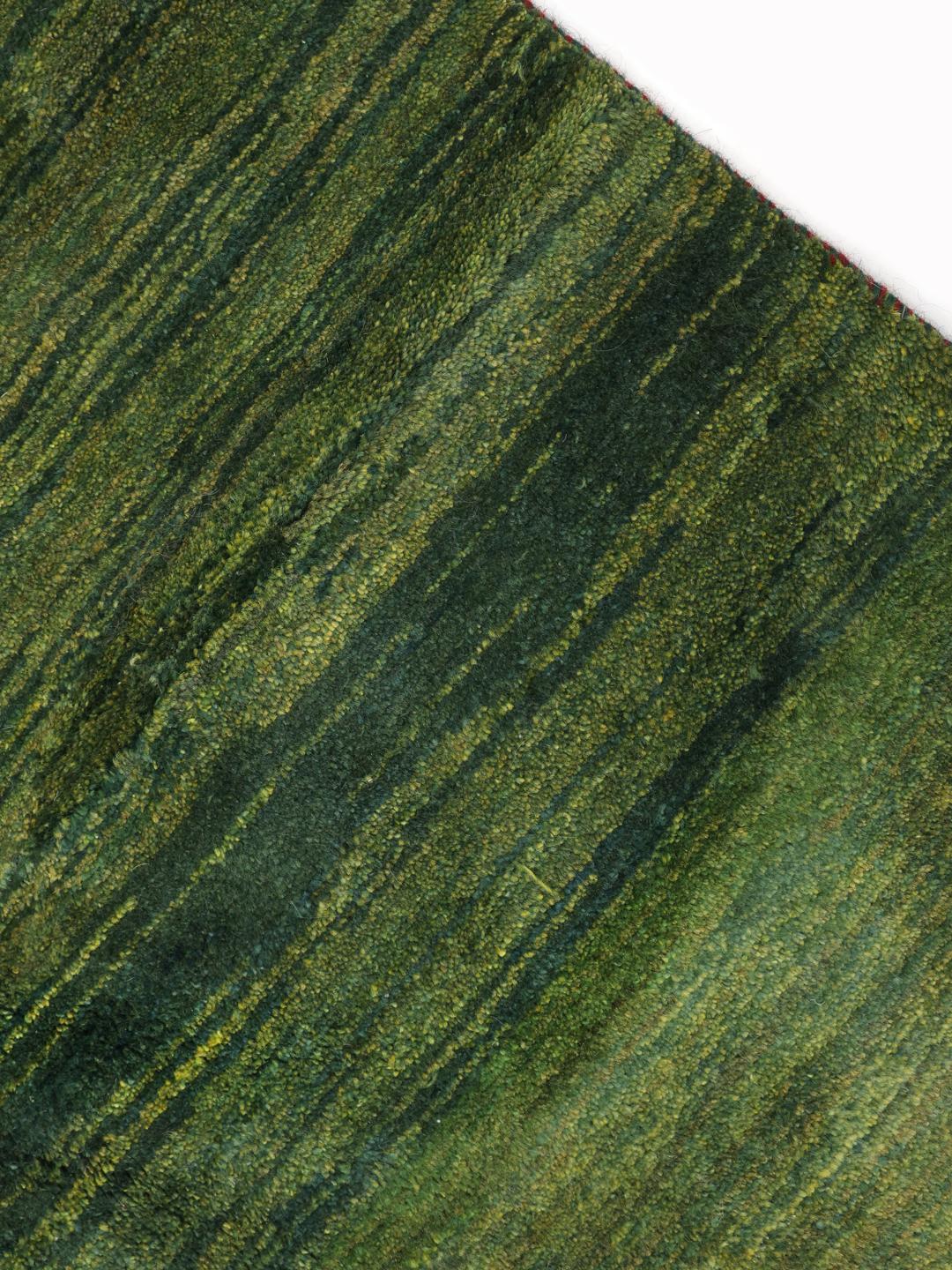
Visually, these rugs are defined by their bold use of colour and simplified, often abstract, geometric motifs. While traditional examples often relied on natural dyes derived from plants like madder root or indigo, they are famous for their solid or softly variegated fields that celebrate the inherent beauty of the wool. This specific rug captures that legacy, utilising colour to create a sense of movement and depth.
Today, these rugs are highly sought after by collectors and interior enthusiasts who value the human connection embedded in every knot. Owning one is an investment in a living tradition, representing a rare combination of nomadic history, skilled craftsmanship, and timeless design that adds a distinct cultural weight to any modern home.