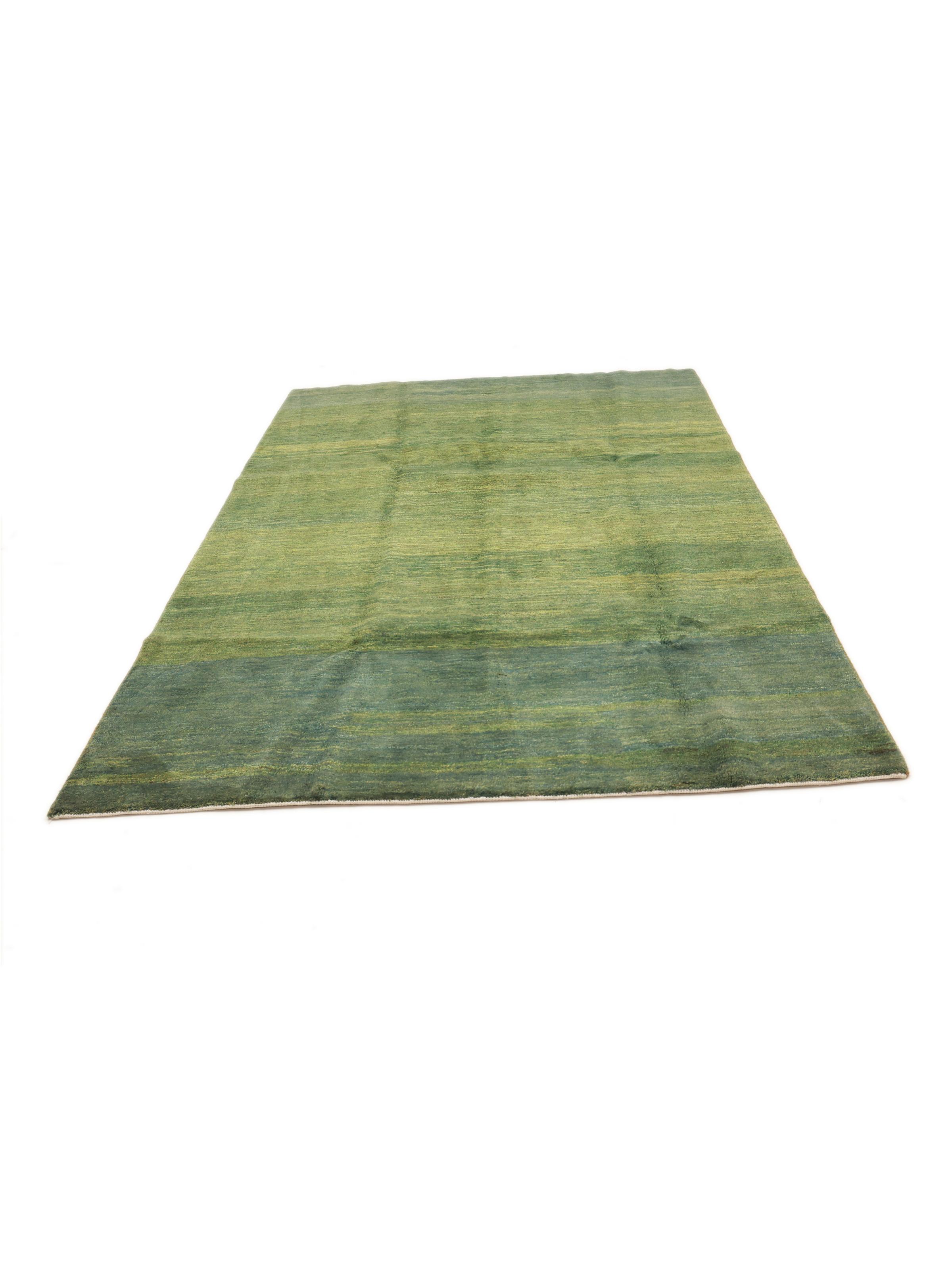
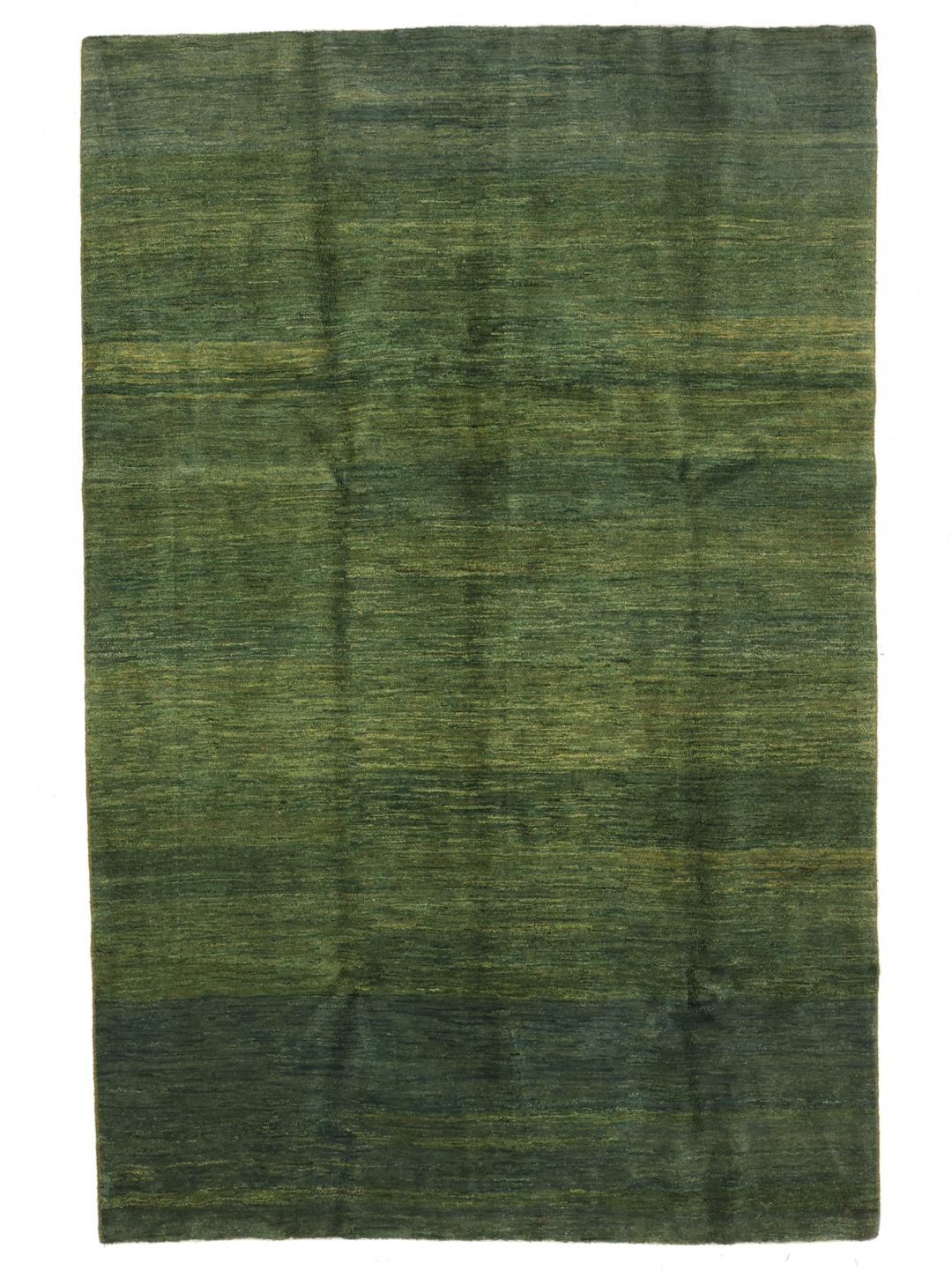
Gabbeh rugs are a cherished tradition originating from the nomadic tribes of the Middle East. Historically, these rugs were woven by tribal women primarily for their own domestic use, serving as thick, protective floor coverings against the cold desert ground. Unlike more formal urban carpets, the Gabbeh was a medium for personal expression, often featuring simple, spontaneous designs that reflected the weaver's immediate environment and daily life.
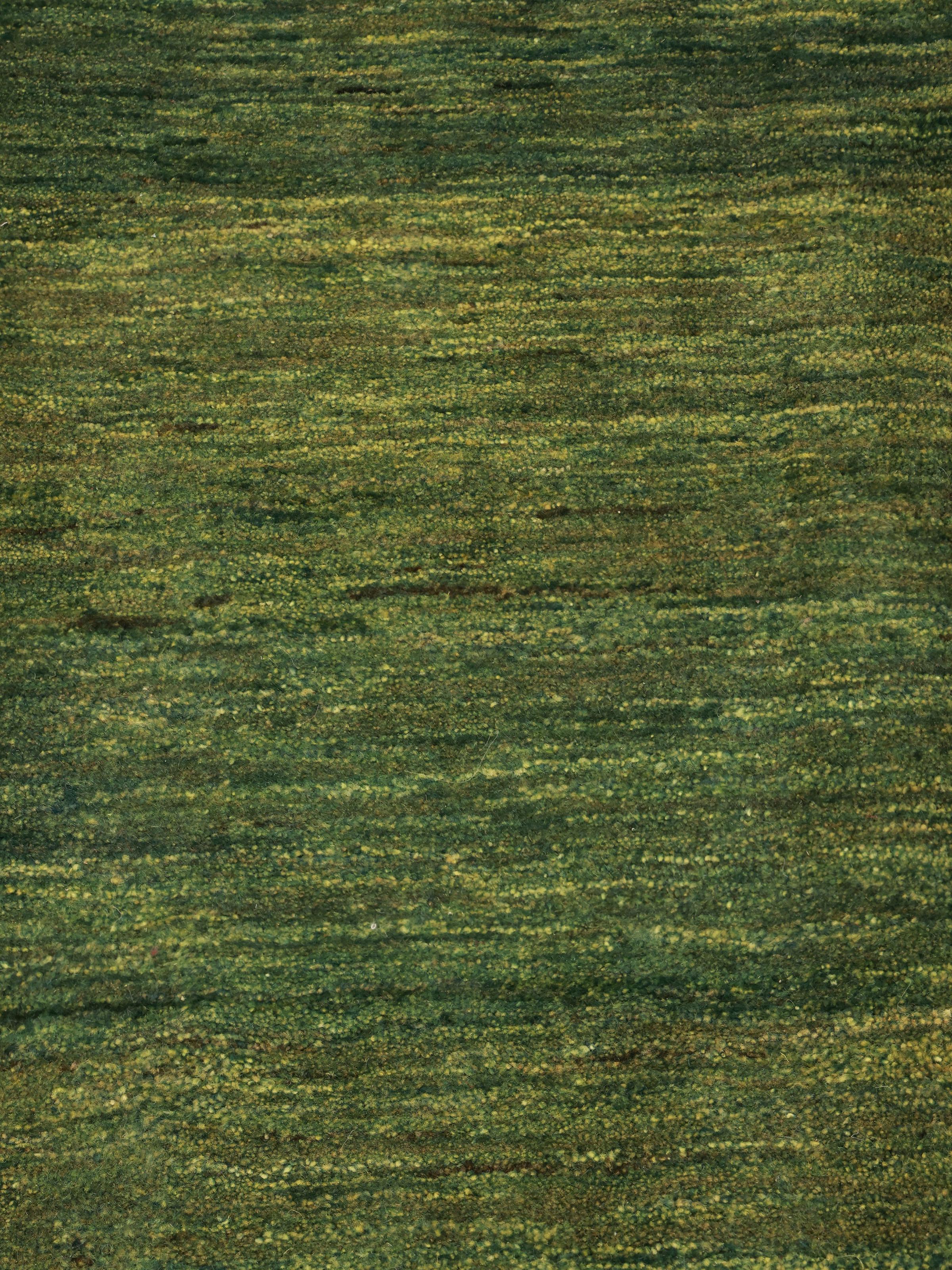
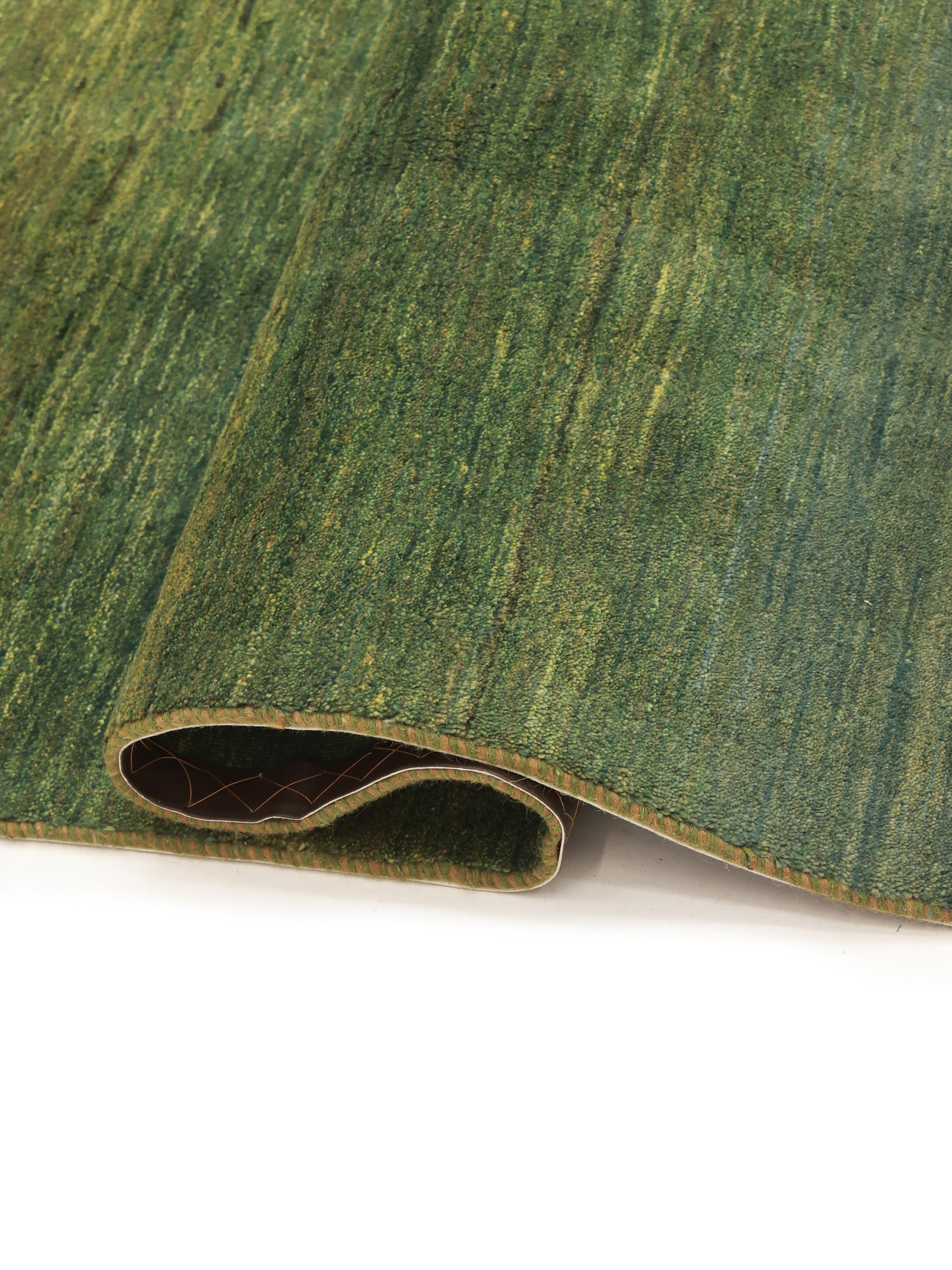
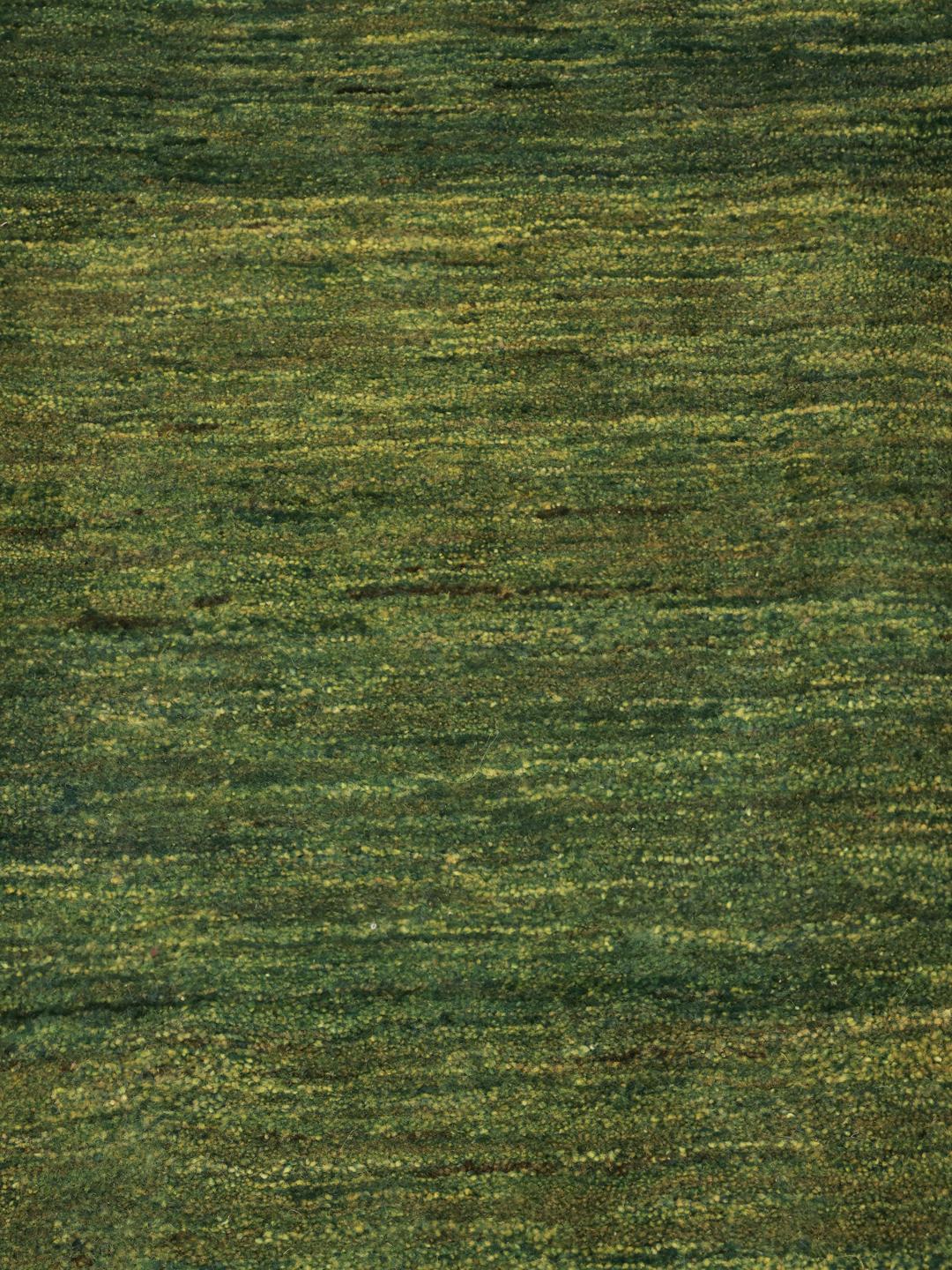
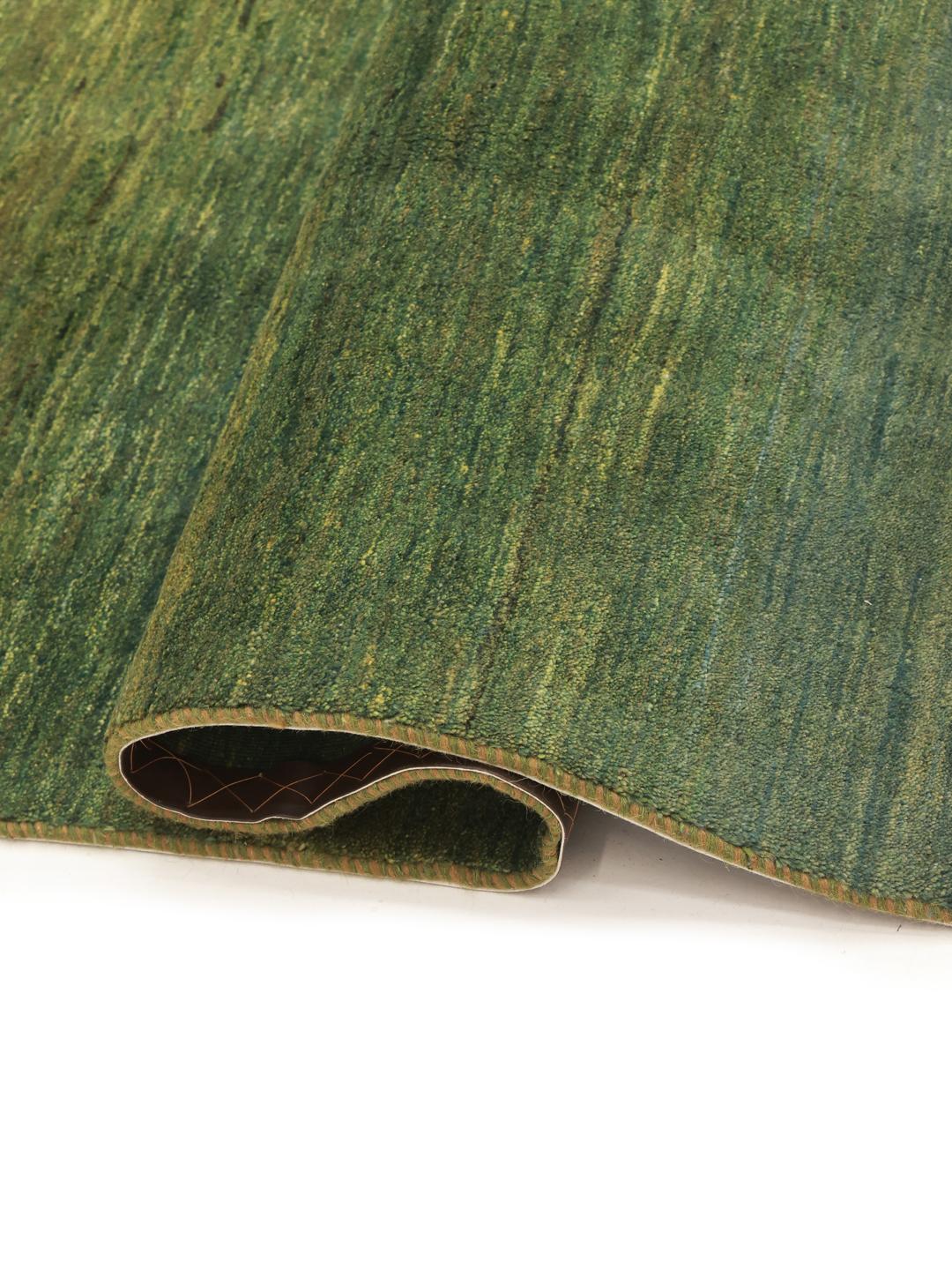
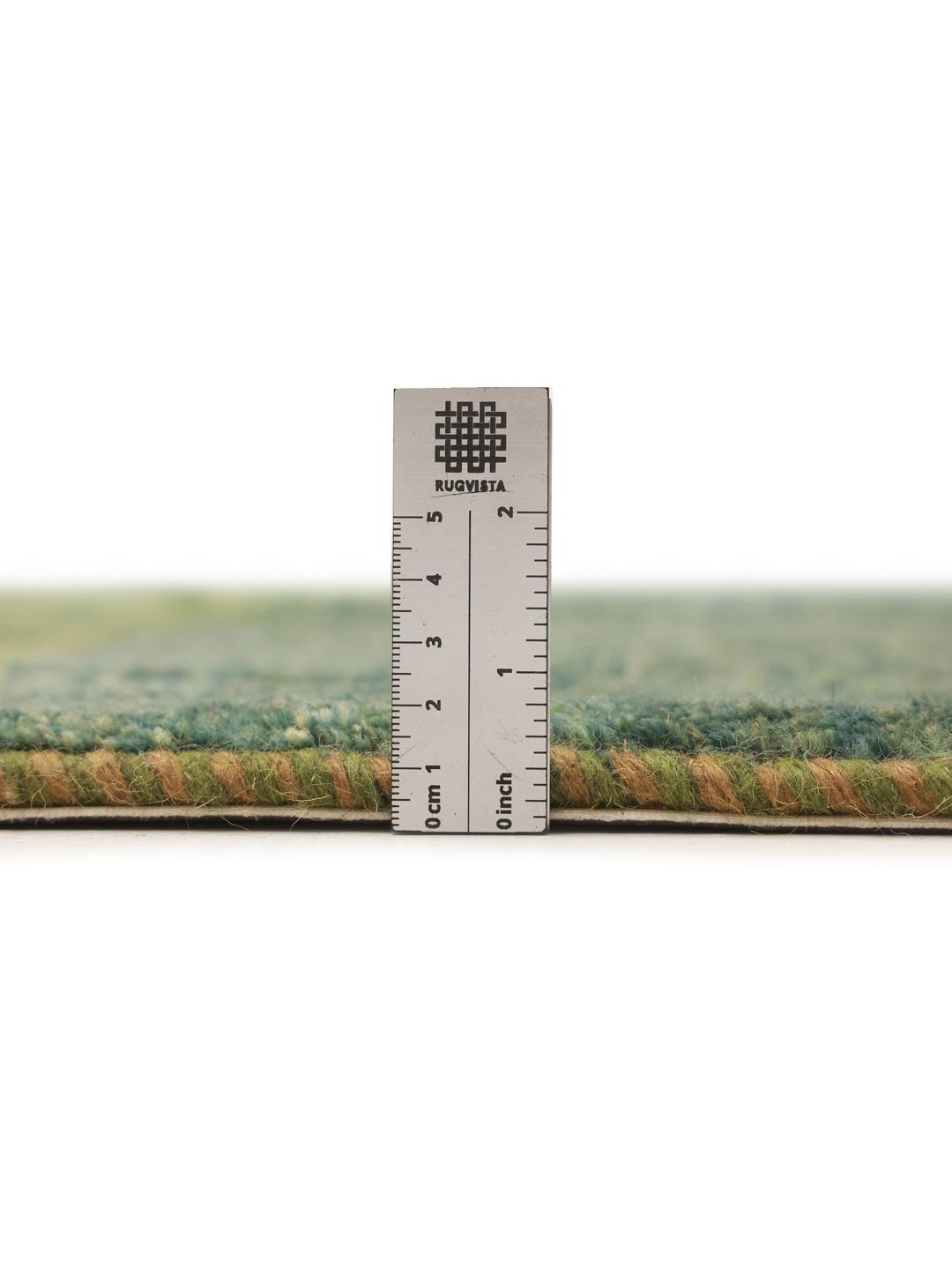
The term Gabbeh itself refers to a 'raw' or 'natural' aesthetic, which is defined by a thicker, longer pile and a more relaxed, artistic approach to pattern. This construction style was developed to provide maximum insulation and comfort, utilising the high-quality wool available to the tribes. The resulting texture is distinctively soft and inviting, making these rugs highly sought after by those who prioritise comfort as much as visual impact.
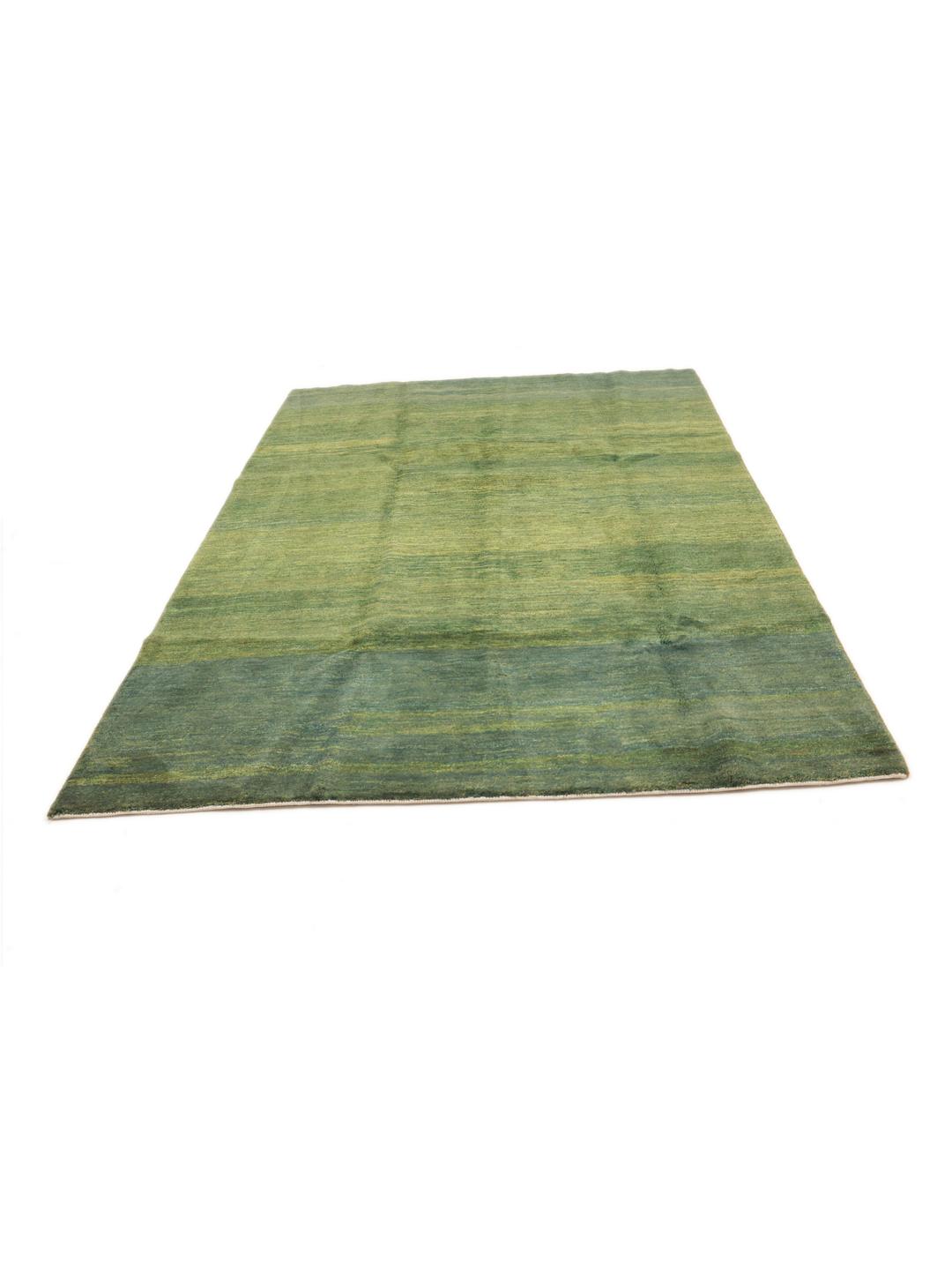
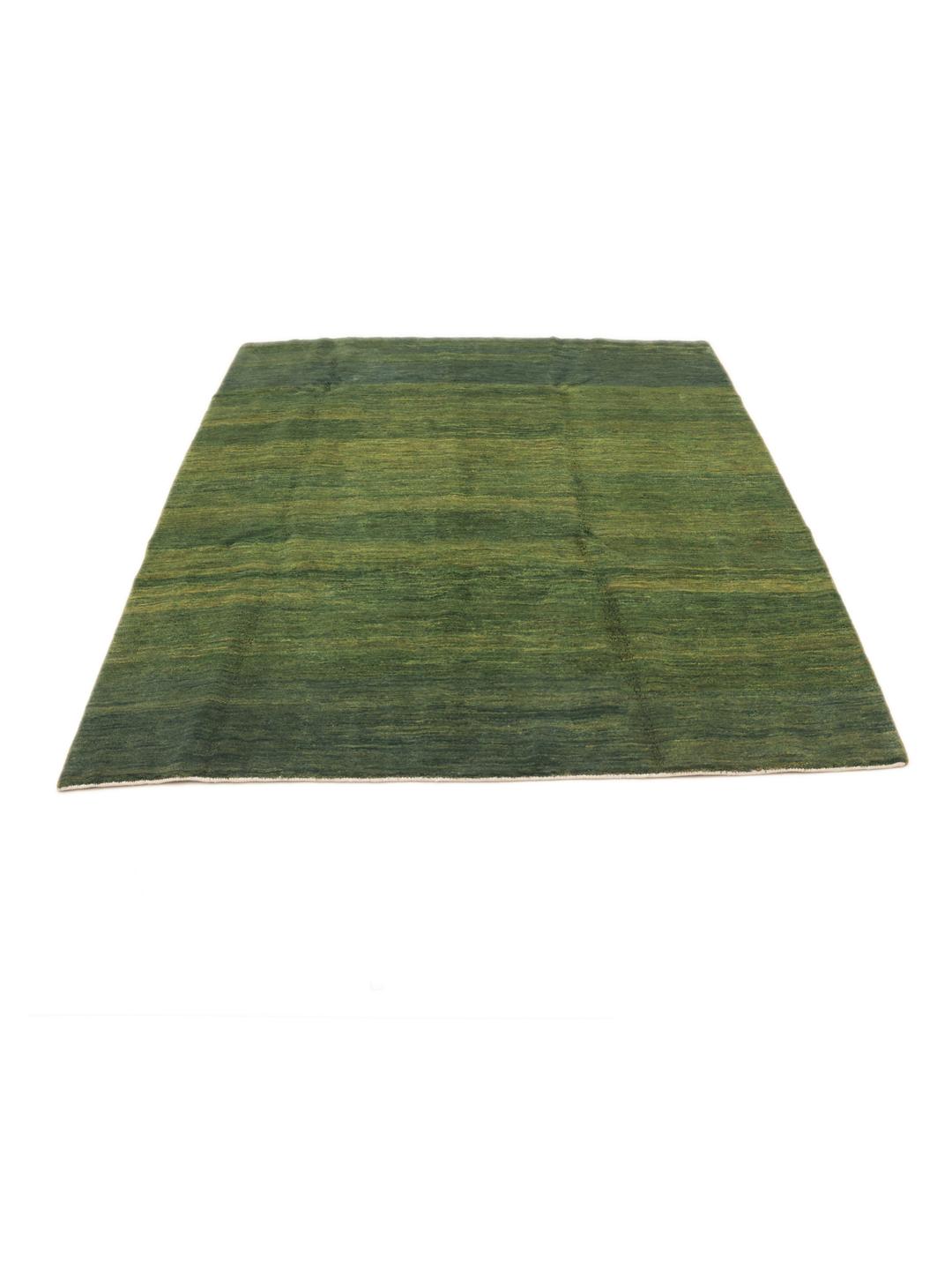
Visually, these rugs are known for their bold, minimalist approach, often focusing on vast expanses of colour rather than intricate, repetitive patterns. The use of natural dyes derived from plants and minerals gives the wool a depth and variation that is difficult to achieve with synthetic processes. While traditional motifs may appear, the hallmark of a true Gabbeh is its ability to showcase the natural beauty of the wool and the unique personality of the person who created it.
Collecting a Gabbeh is an investment in cultural heritage and human skill. Because they are rooted in a nomadic lifestyle, every rug carries the legacy of a specific weaver and their creative vision. Owning one is an opportunity to connect with an ancient craft that values individuality and resilience, bringing a grounded, soulful element into your living space that mass-produced items cannot replicate.