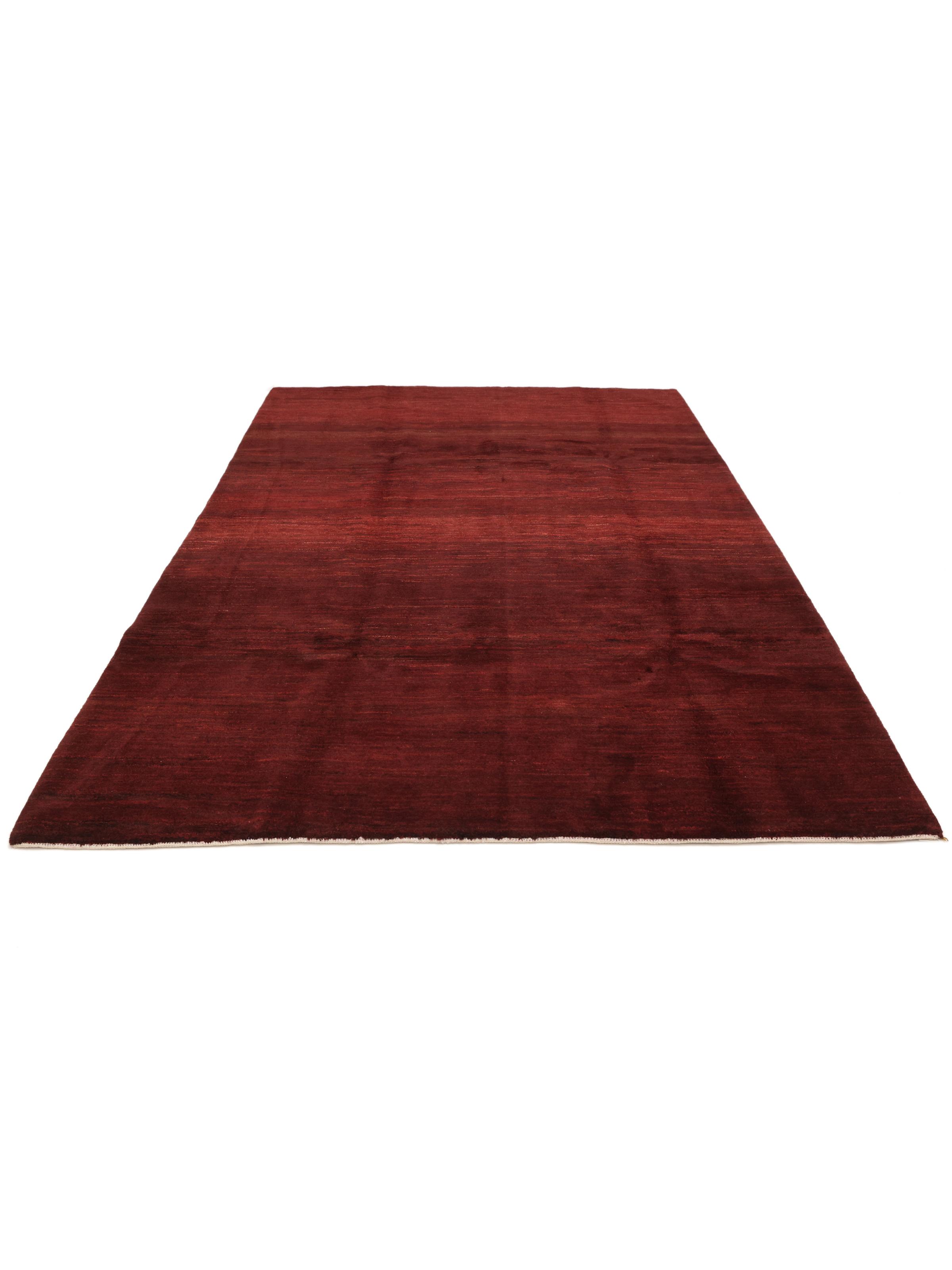
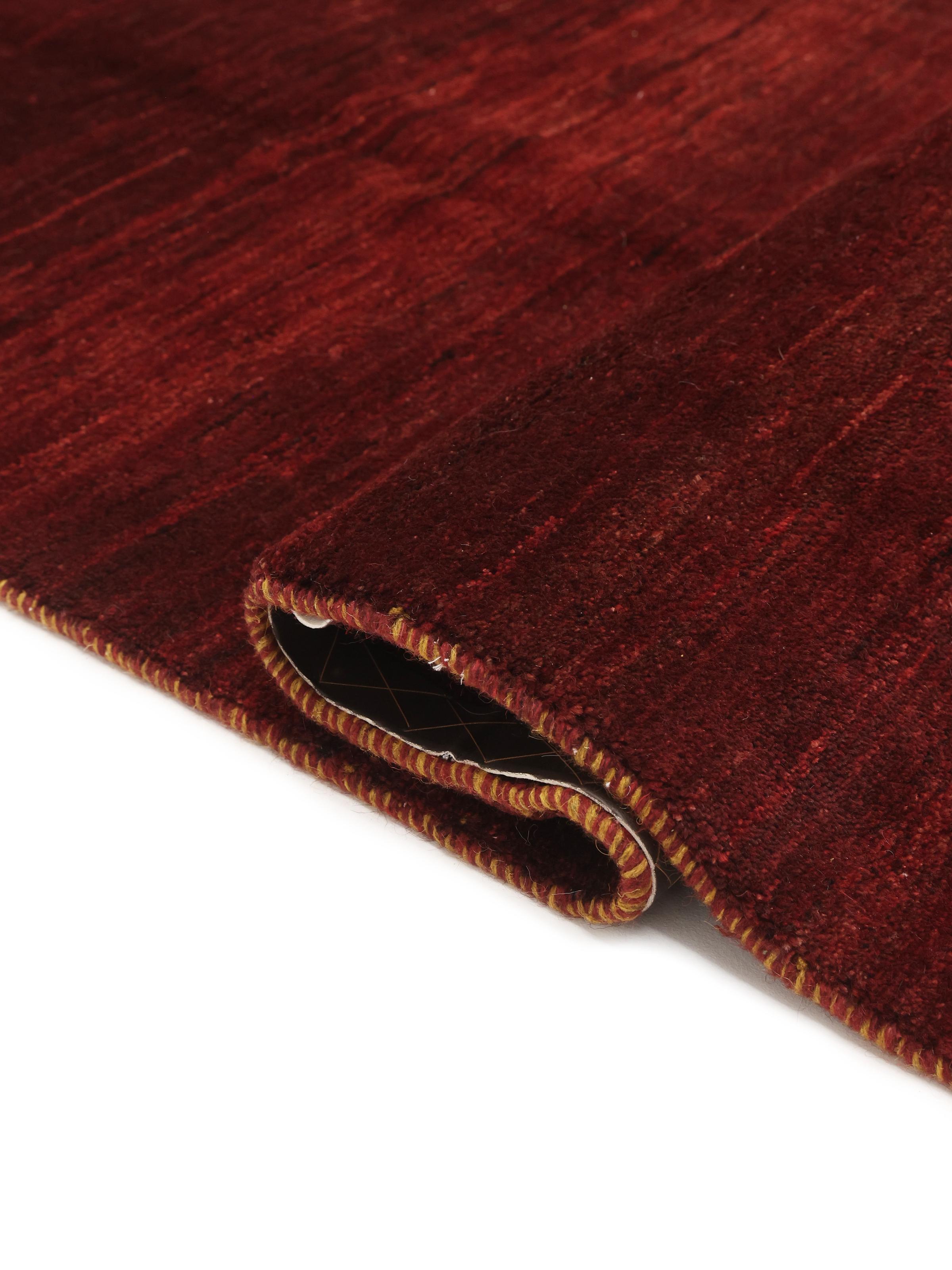
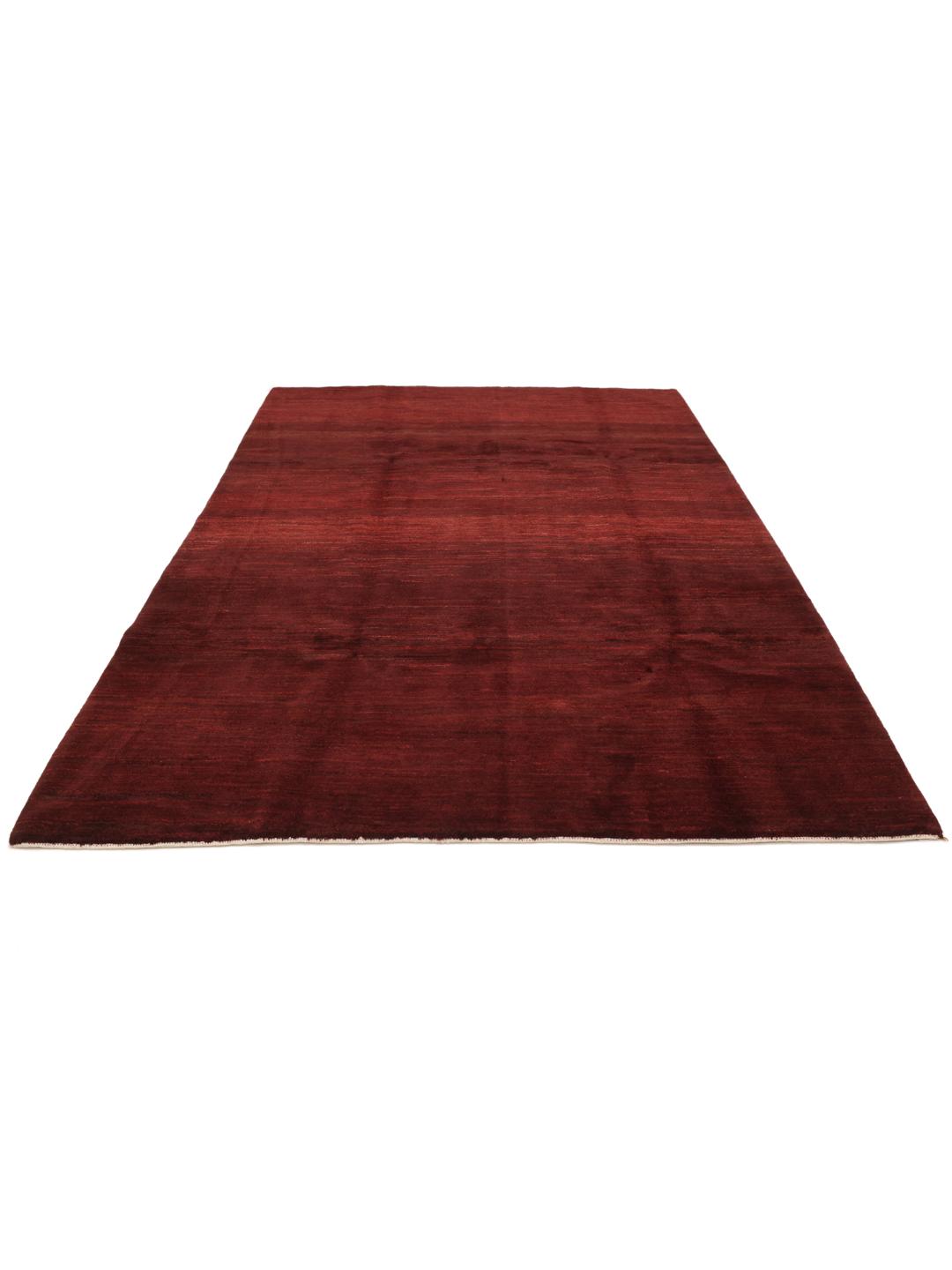
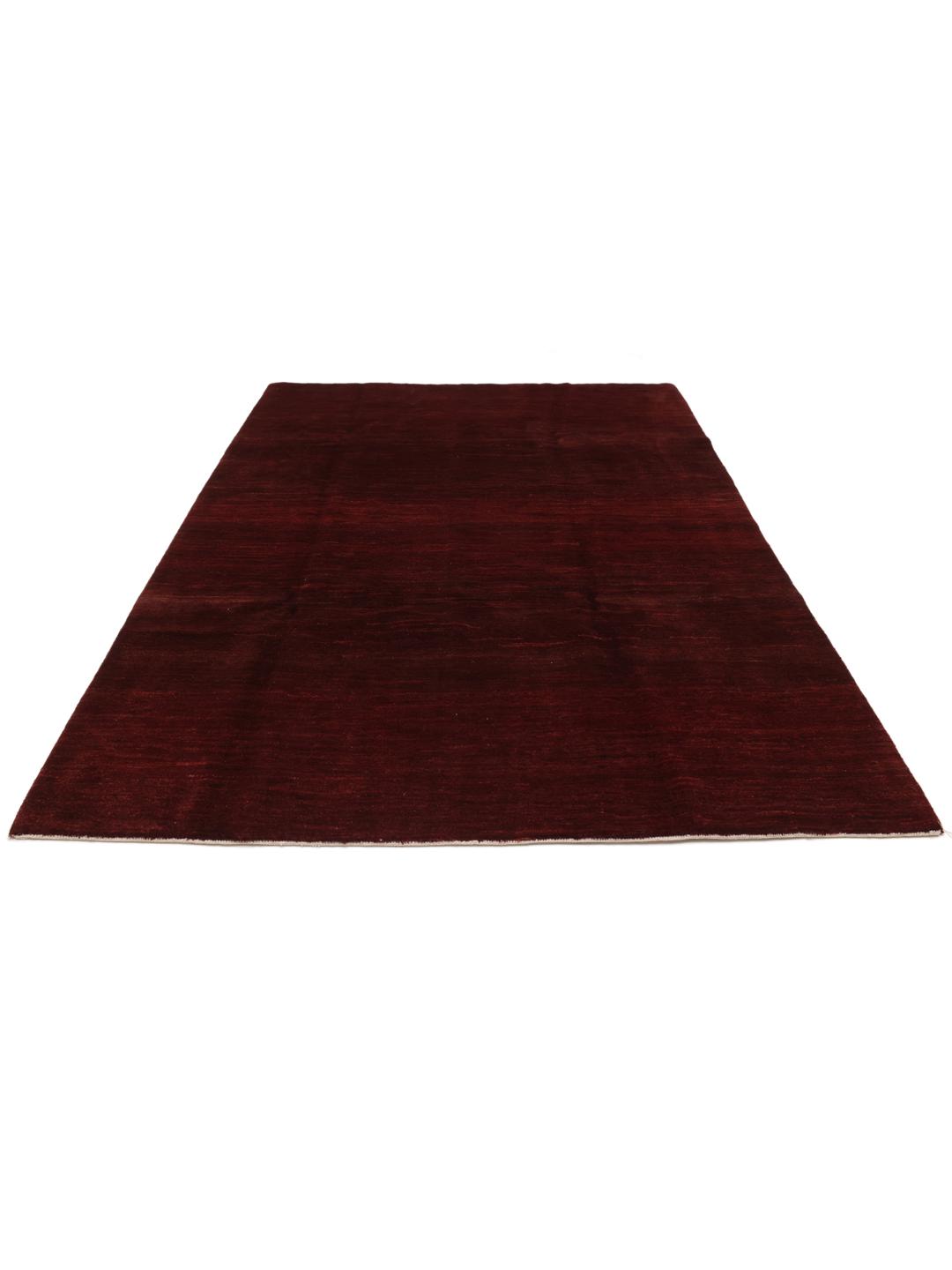
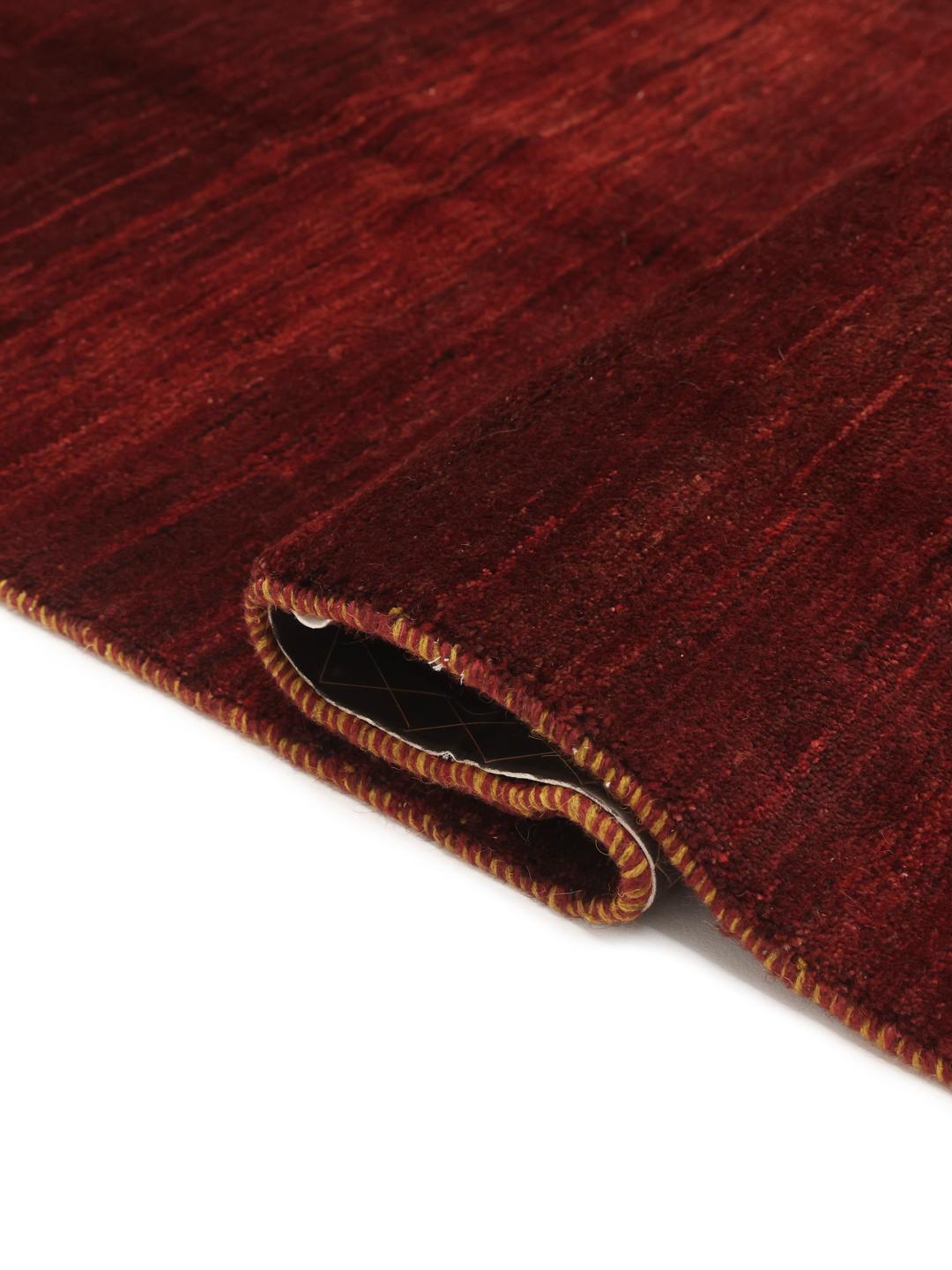
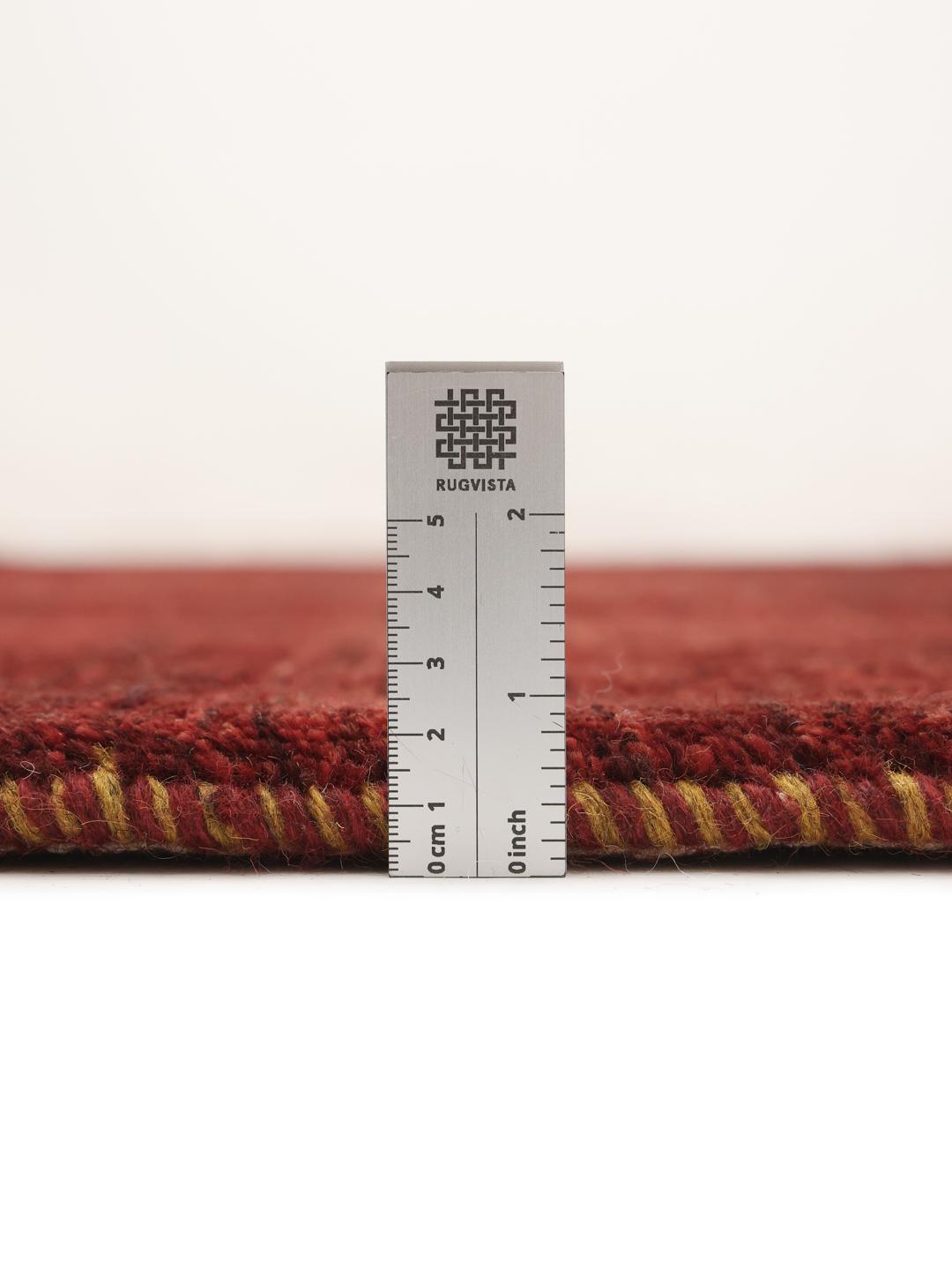
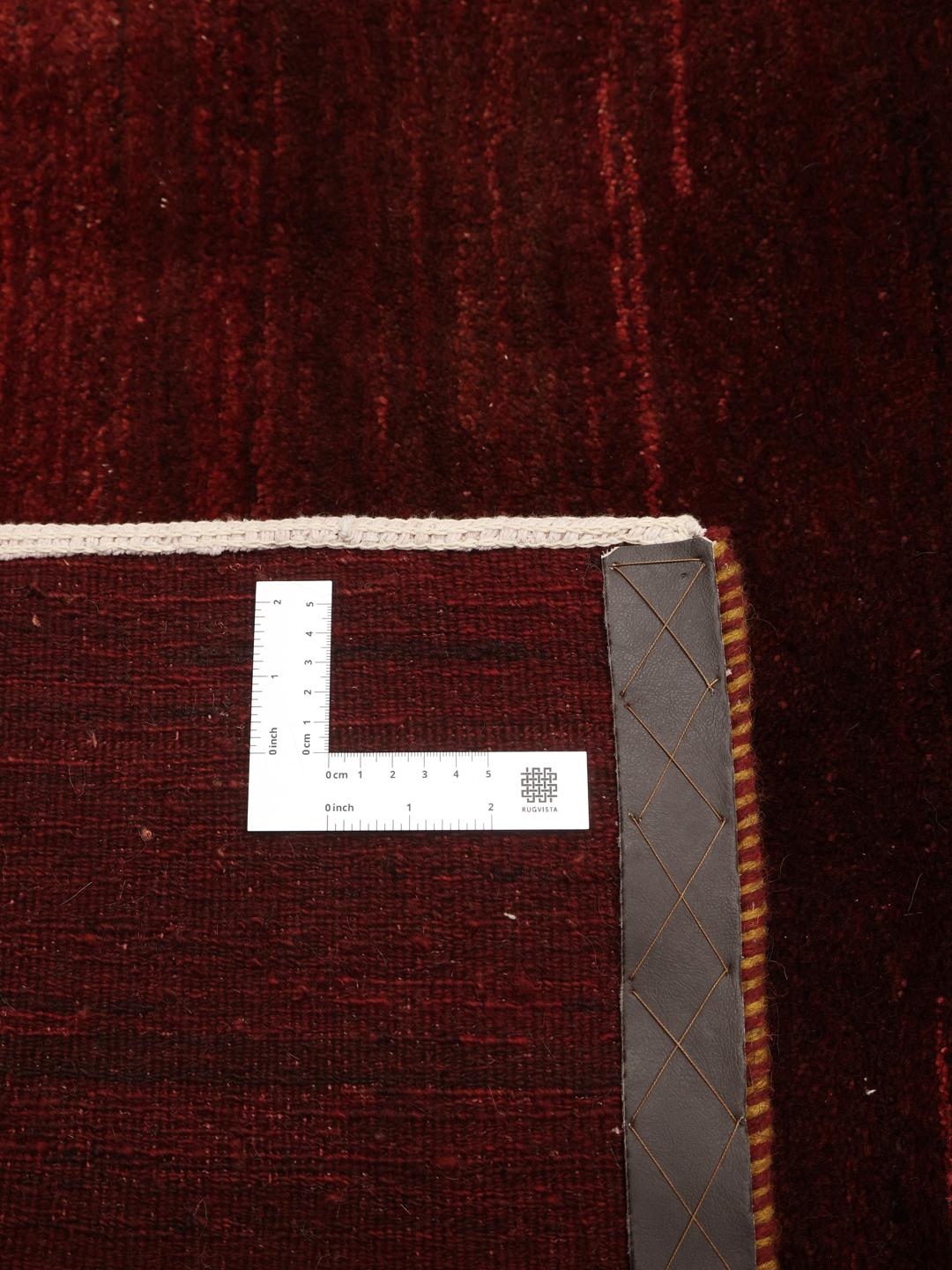
The Gabbeh tradition traces its roots to the nomadic tribes of the Middle East, where these rugs were originally crafted for personal use within tents and homes. Unlike more formal, intricate city rugs, the Gabbeh was designed to be a thick, insulating floor covering that provided comfort against the cold ground.
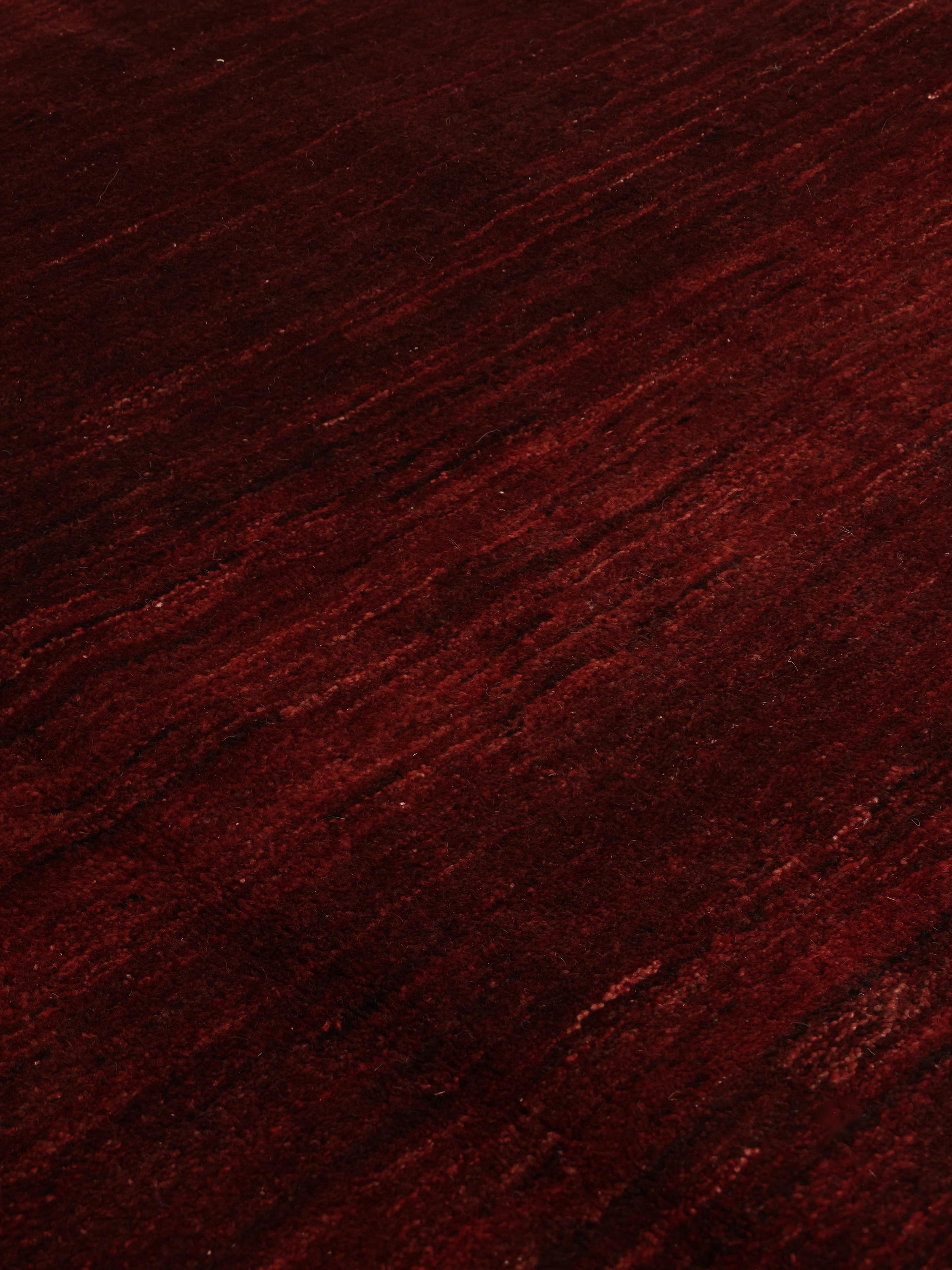
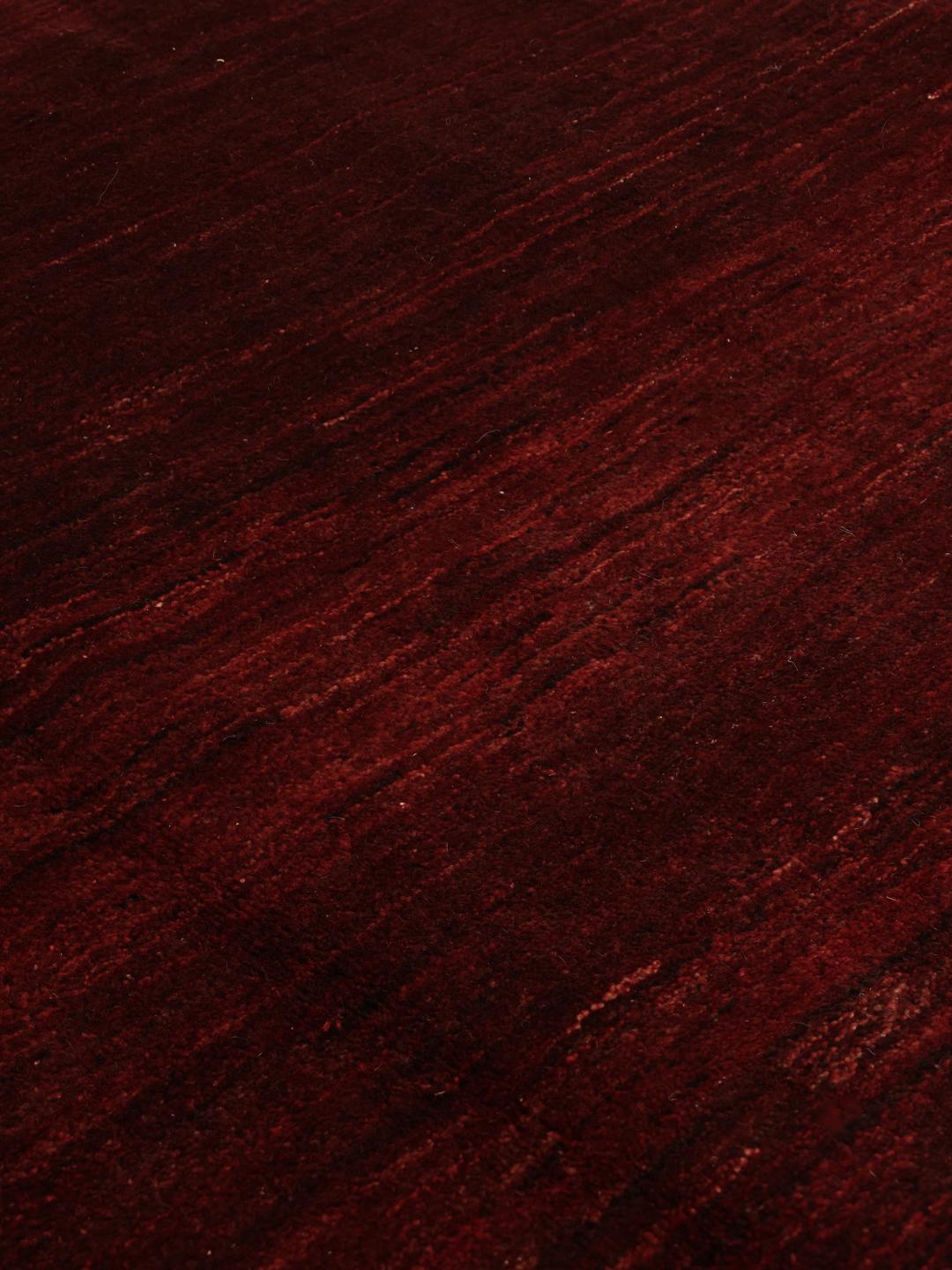
In the context of the Shabargan category, these rugs represent a evolution of traditional weaving that values simplicity and the raw beauty of natural materials. The term itself refers to a style that often highlights the natural, undyed or vegetable-dyed qualities of the Wool, focusing on the material's inherent character rather than complex, rigid patterns.
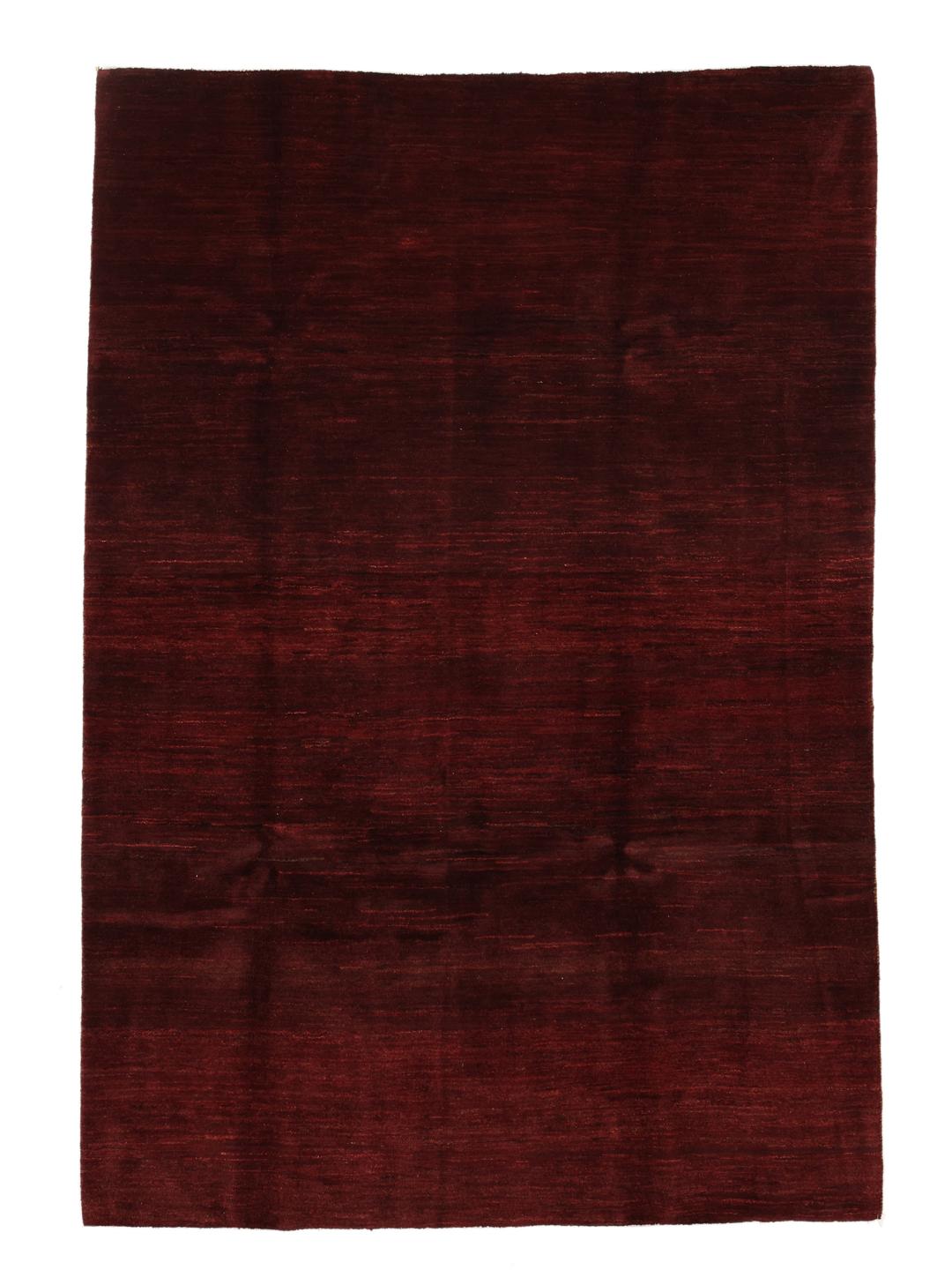
Visually, these rugs are defined by their minimalist aesthetic and focus on colour fields. While urban rugs might feature dense, symmetrical motifs, the Gabbeh is often prized for its open space and expressive use of colour. This approach allows the quality of the Wool and the subtle nuances of the dye to take centre stage, creating a look that is both modern and rooted in ancient tradition.
Owning a Gabbeh is an opportunity to connect with a long heritage of nomadic artistry. These rugs are highly valued by collectors not just for their visual appeal, but for what they represent: a commitment to human skill, the preservation of regional craft techniques, and a celebration of a simpler, more authentic way of living.