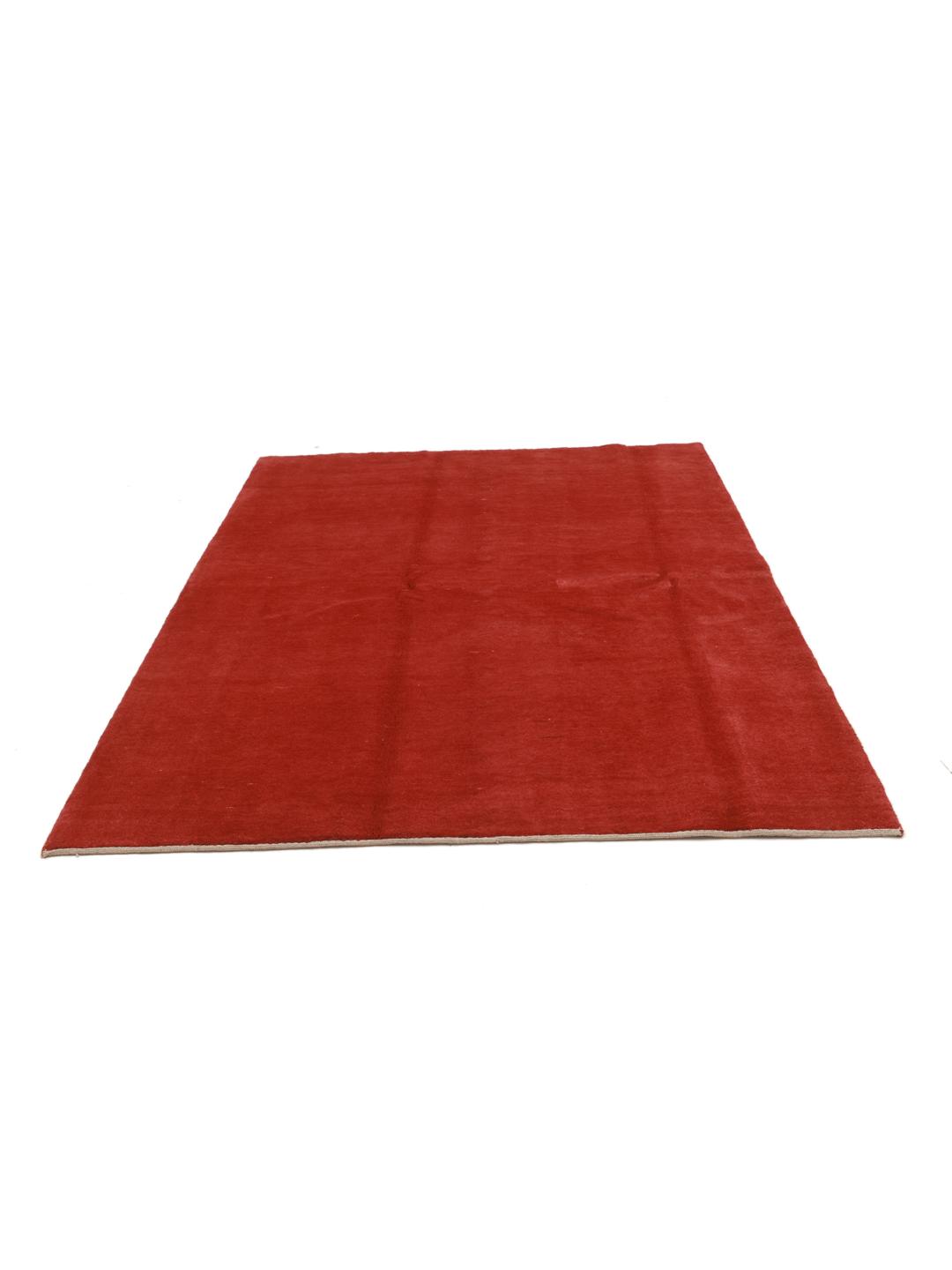
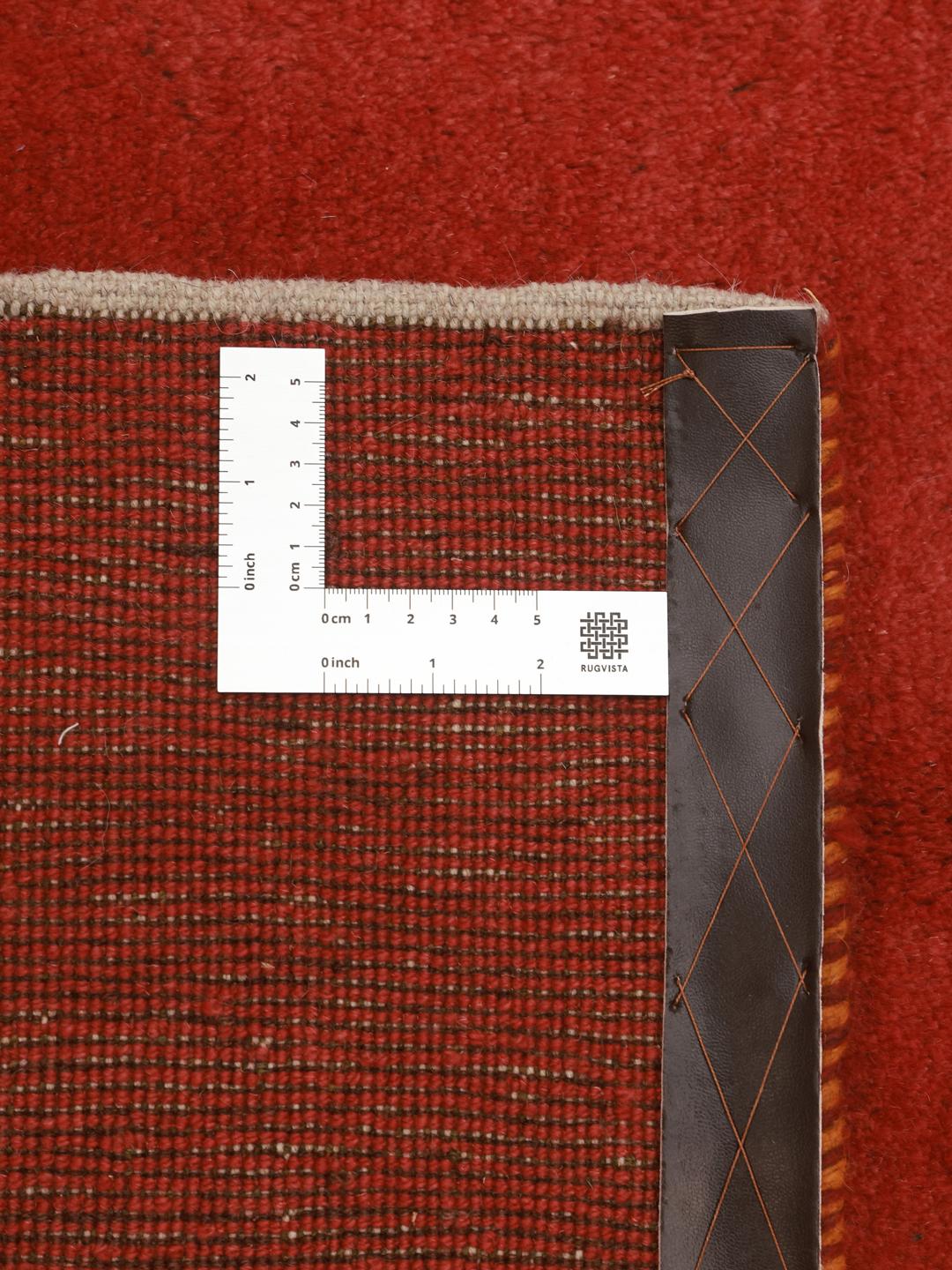
The Gabbeh tradition originates from the tribal regions of the Middle East, where nomadic weavers traditionally created these rugs for their own daily use. Unlike formal court rugs with rigid, complex patterns, Gabbeh rugs were born from a culture that valued simplicity and the expression of the weaver's own surroundings and emotions.
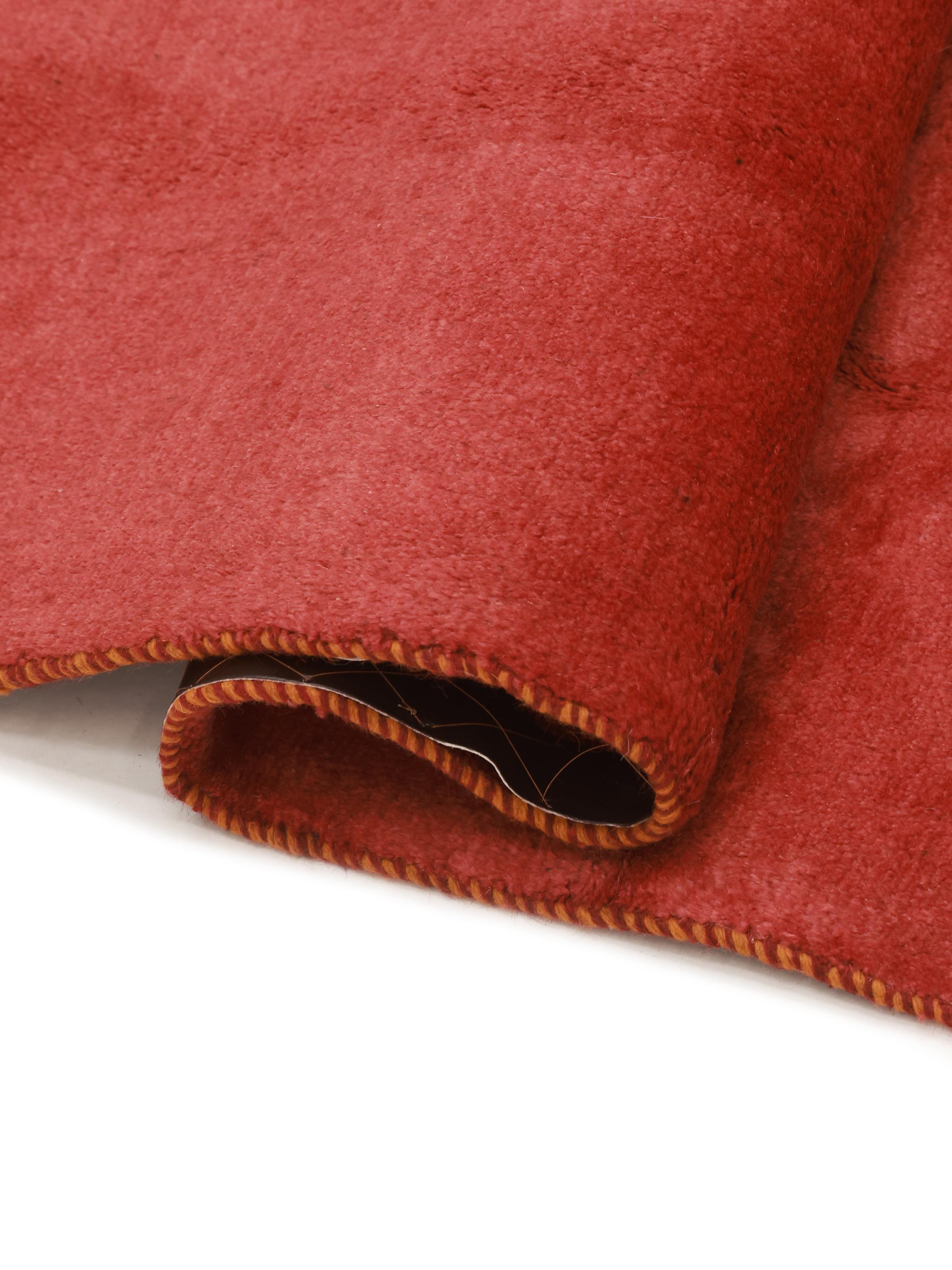
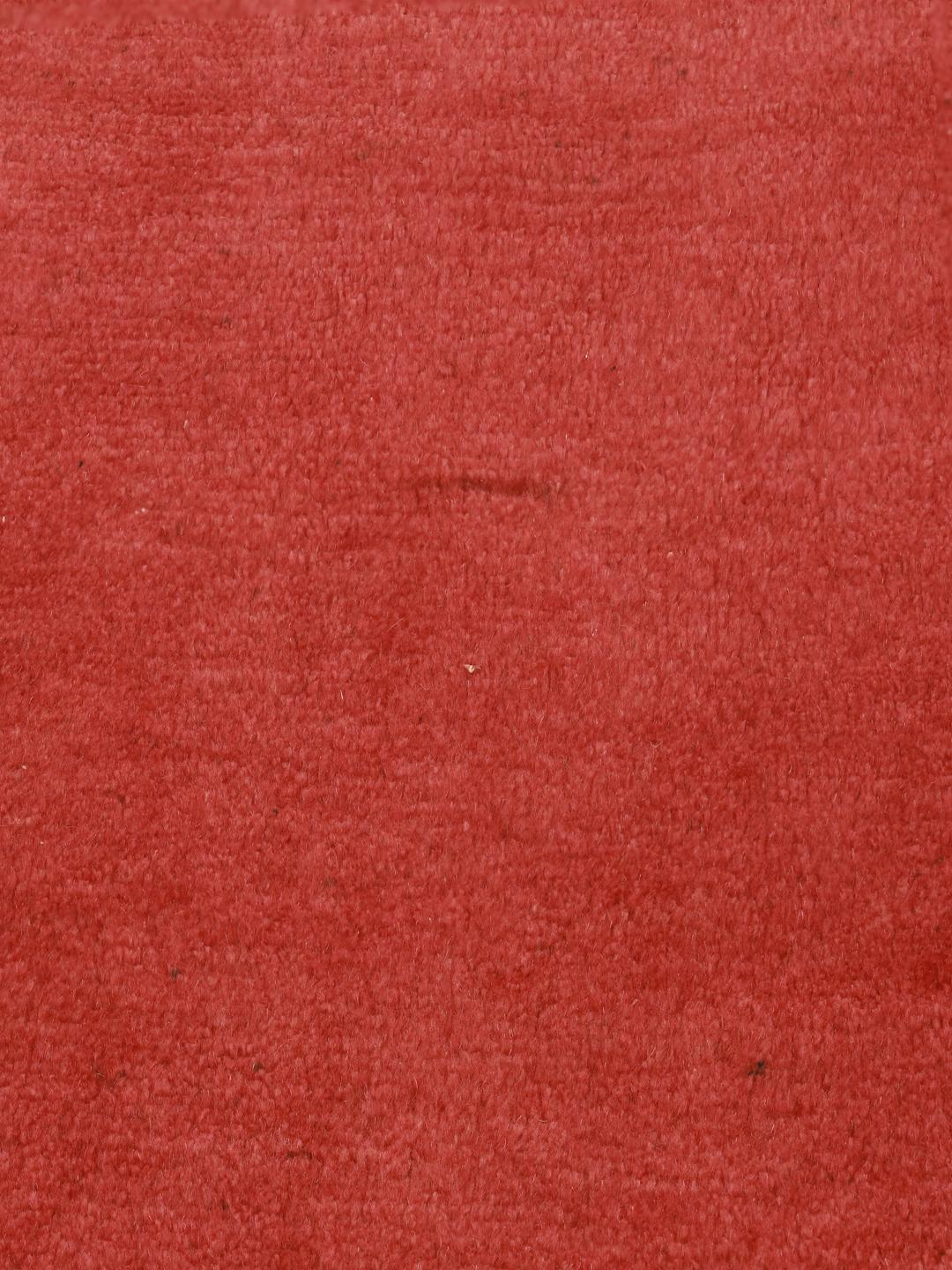
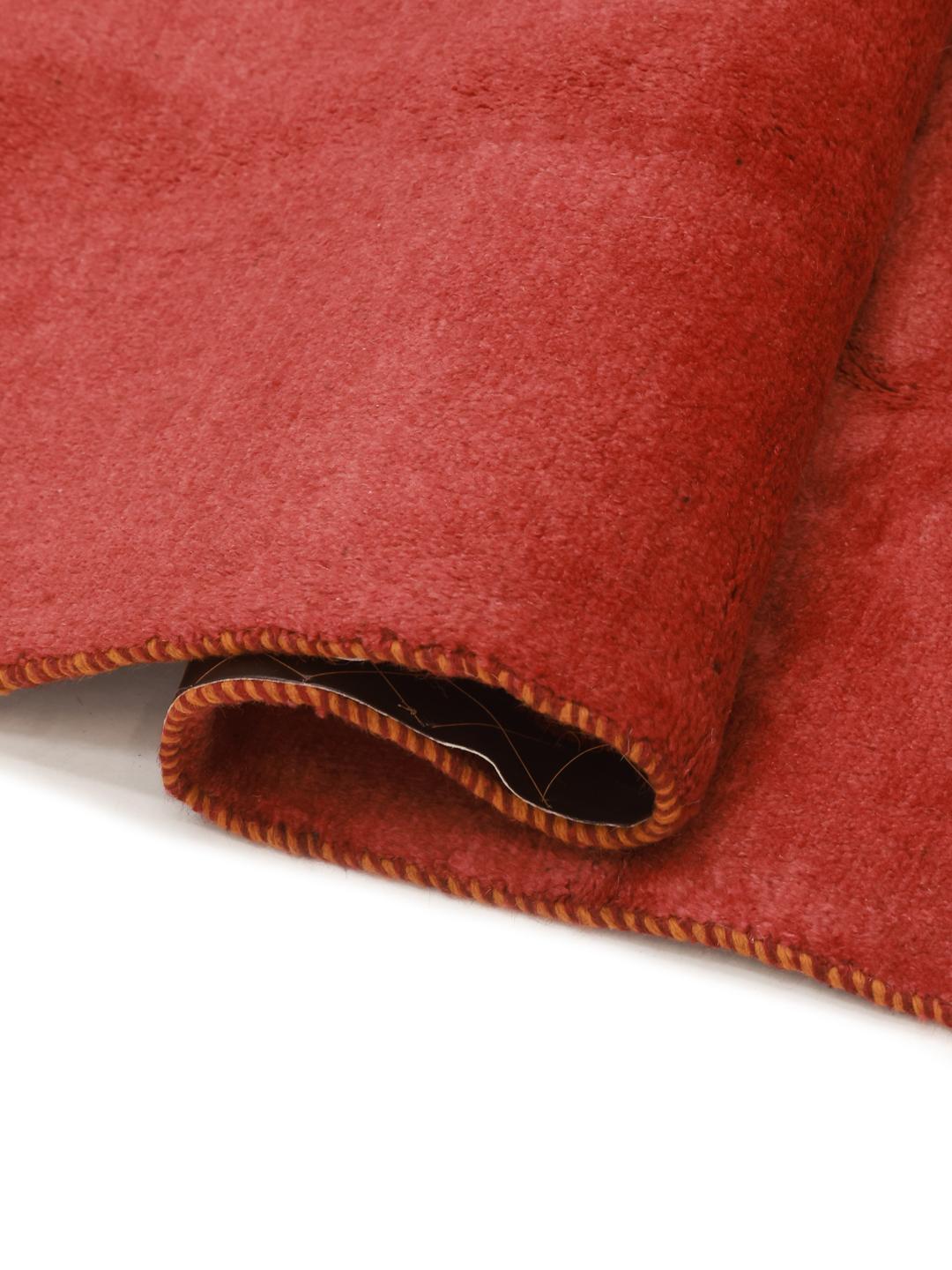
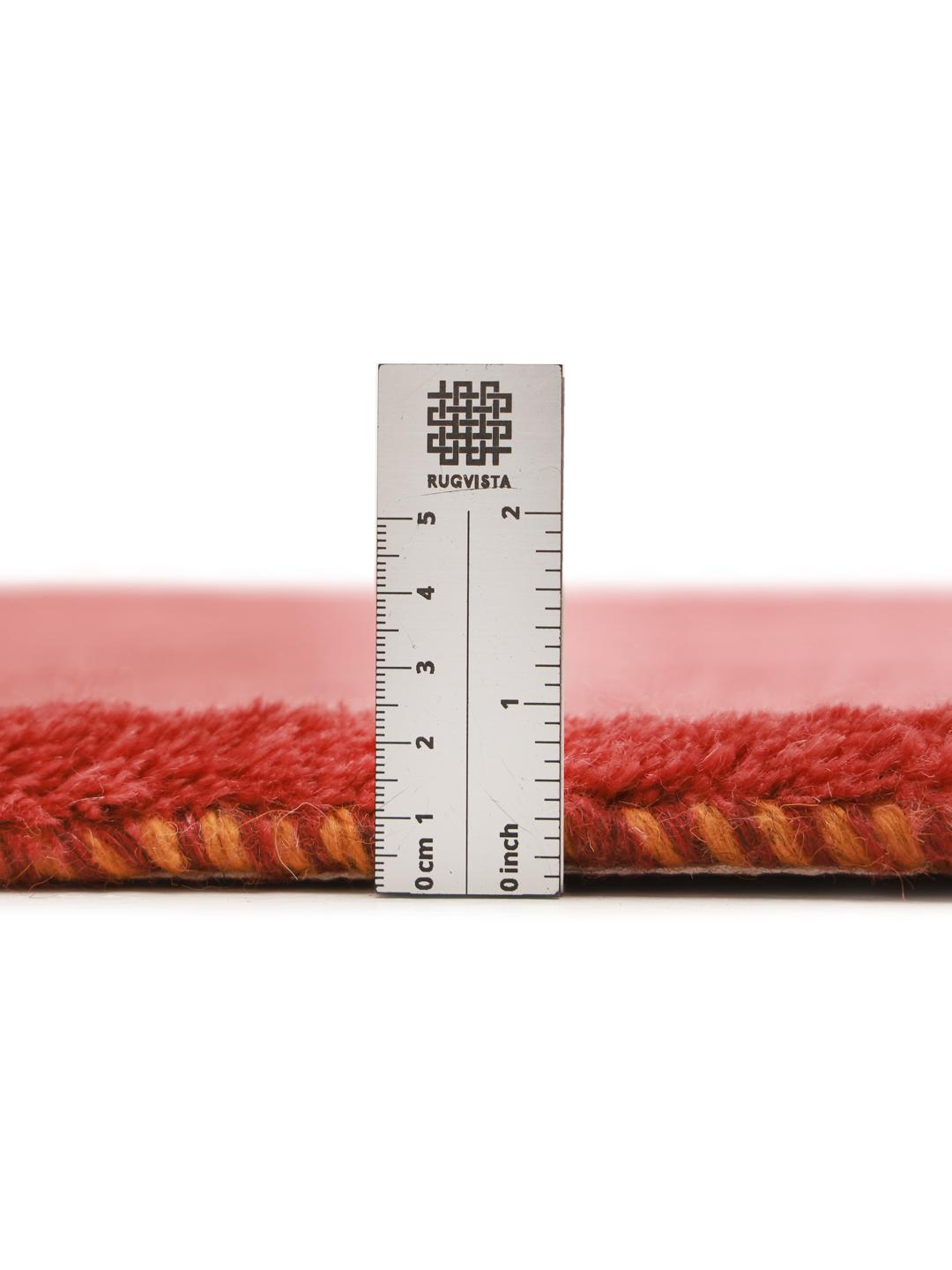
The term Gabbeh itself means raw, natural, or unclipped in the local dialect, which perfectly describes the aesthetic of these pieces. Historically, they were known for their thicker, longer pile and their focus on minimalist, often abstract designs that stood in stark contrast to the intricate florals found in more urbanised rug-weaving centres.
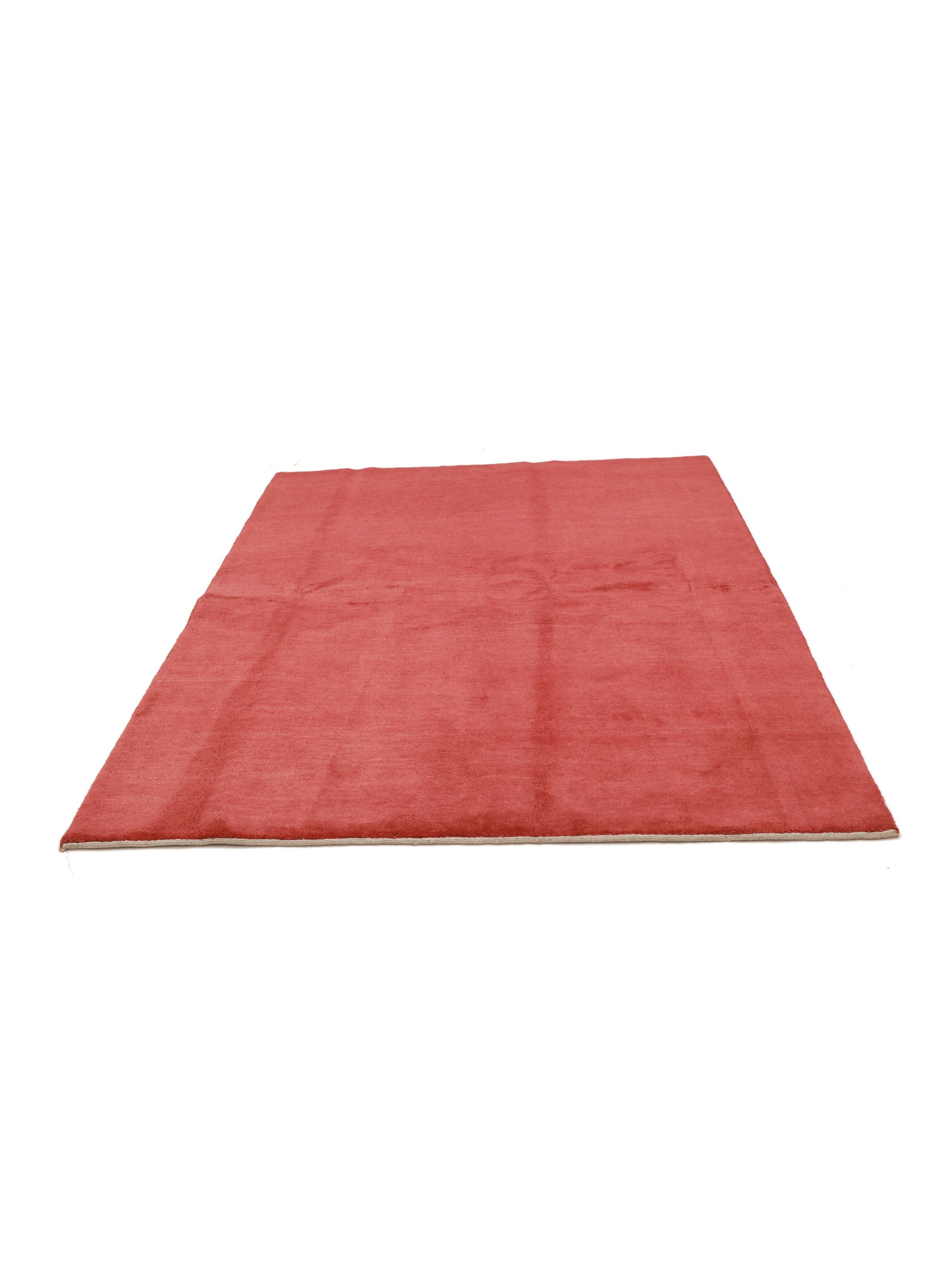
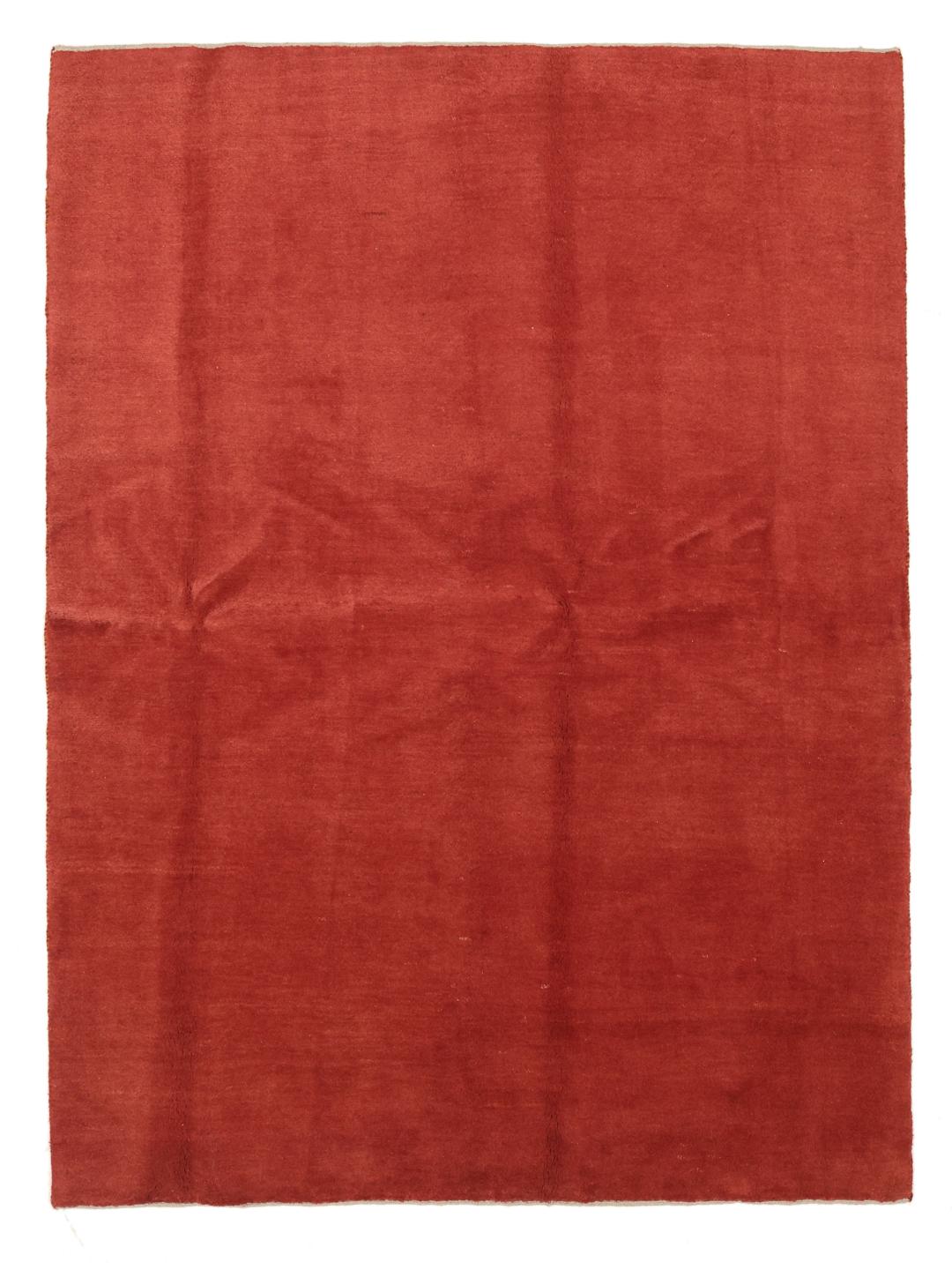
While traditional Gabbeh rugs often utilised the natural, undyed colours of wool, many pieces evolved to incorporate vibrant, bold pigments derived from local plants and minerals. This shift allowed weavers to experiment with colour blocking and simple geometric motifs, resulting in a style that feels remarkably modern and relevant to contemporary homes today.
Collecting a Gabbeh is about more than just aesthetics; it is about honouring a lineage of craft that prioritises the personal touch of the maker. These rugs are highly valued for their authenticity and the sense of history they bring into a space, representing a direct connection to the nomadic traditions of the Middle East.