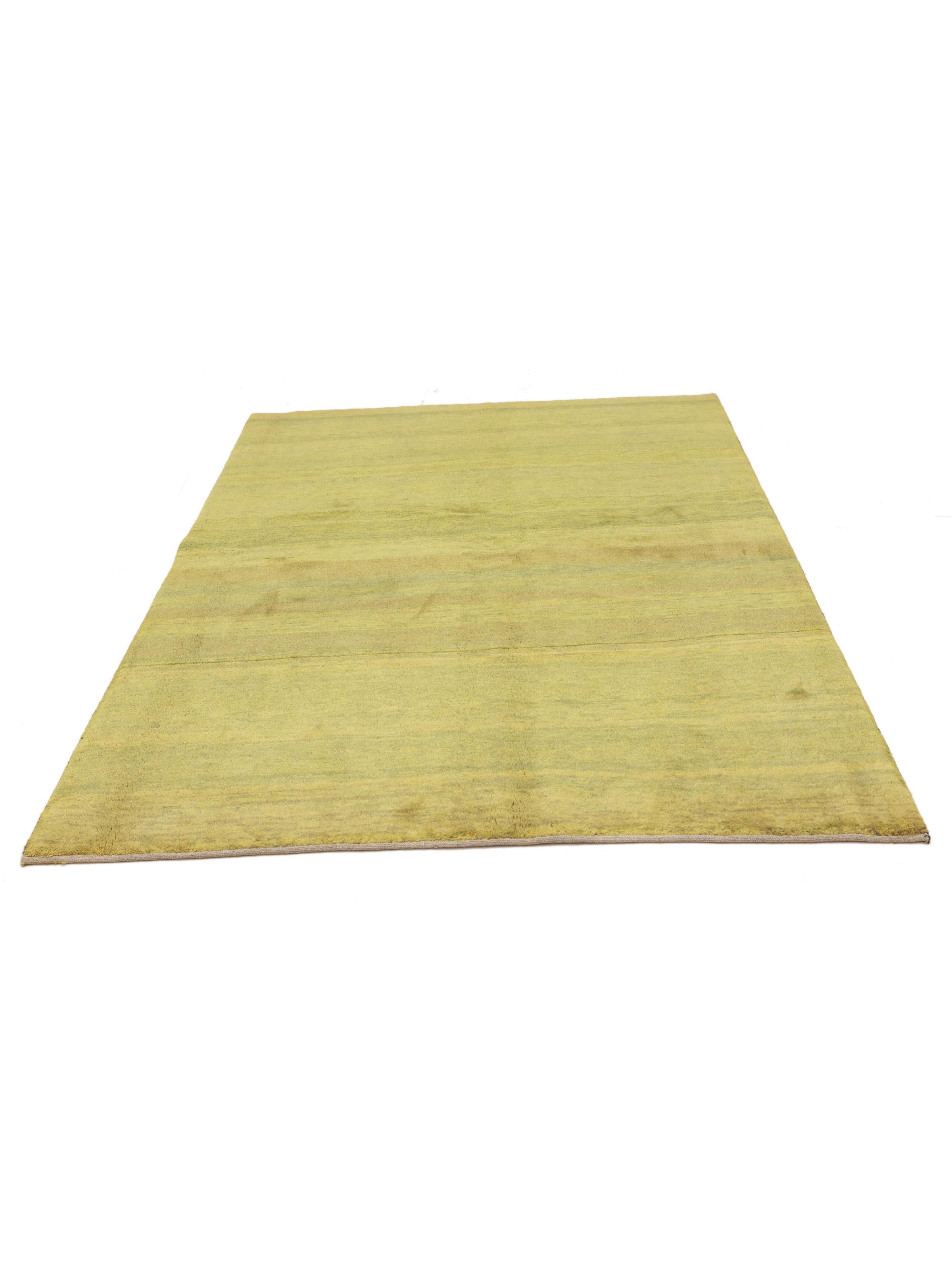
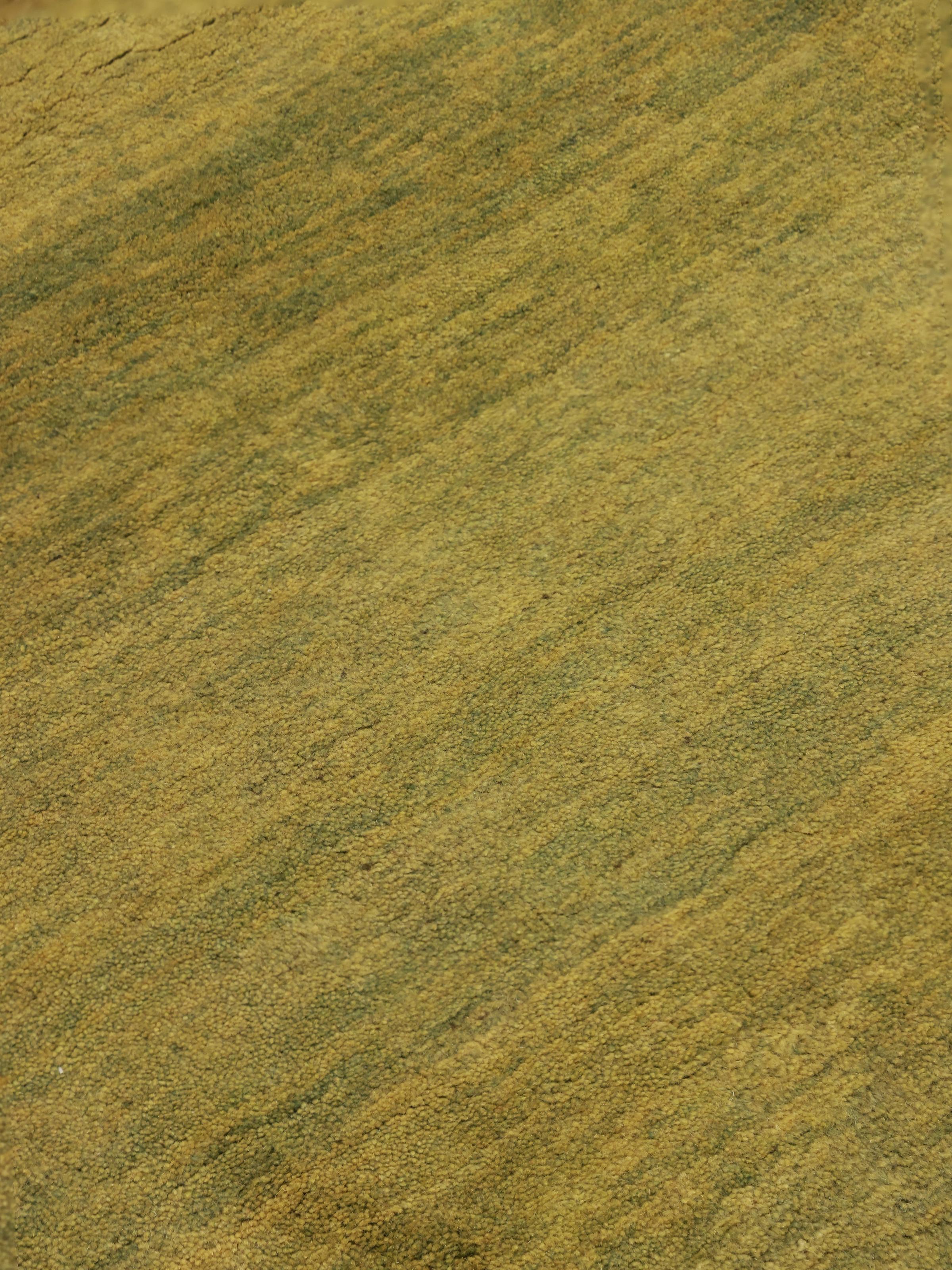
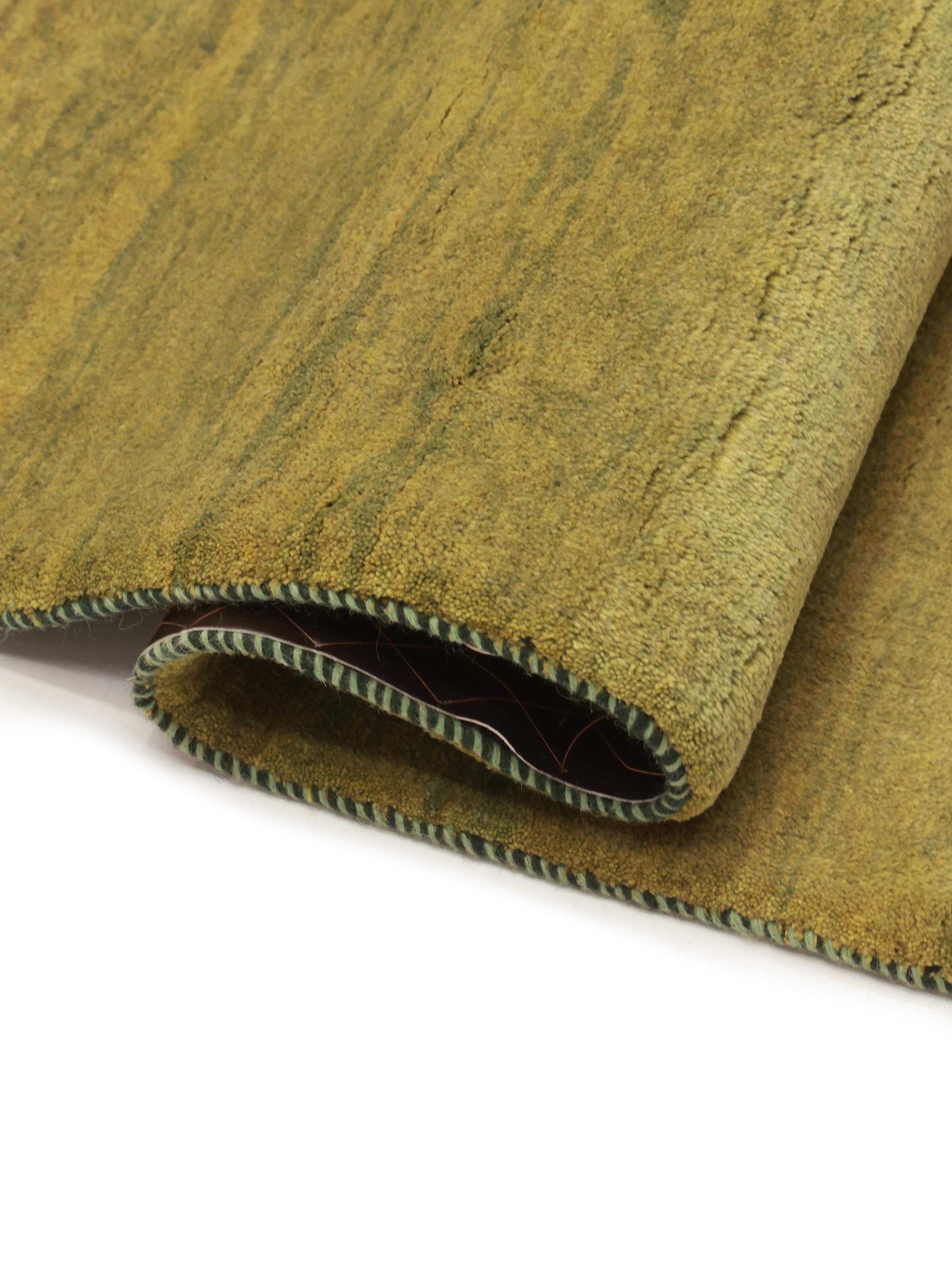
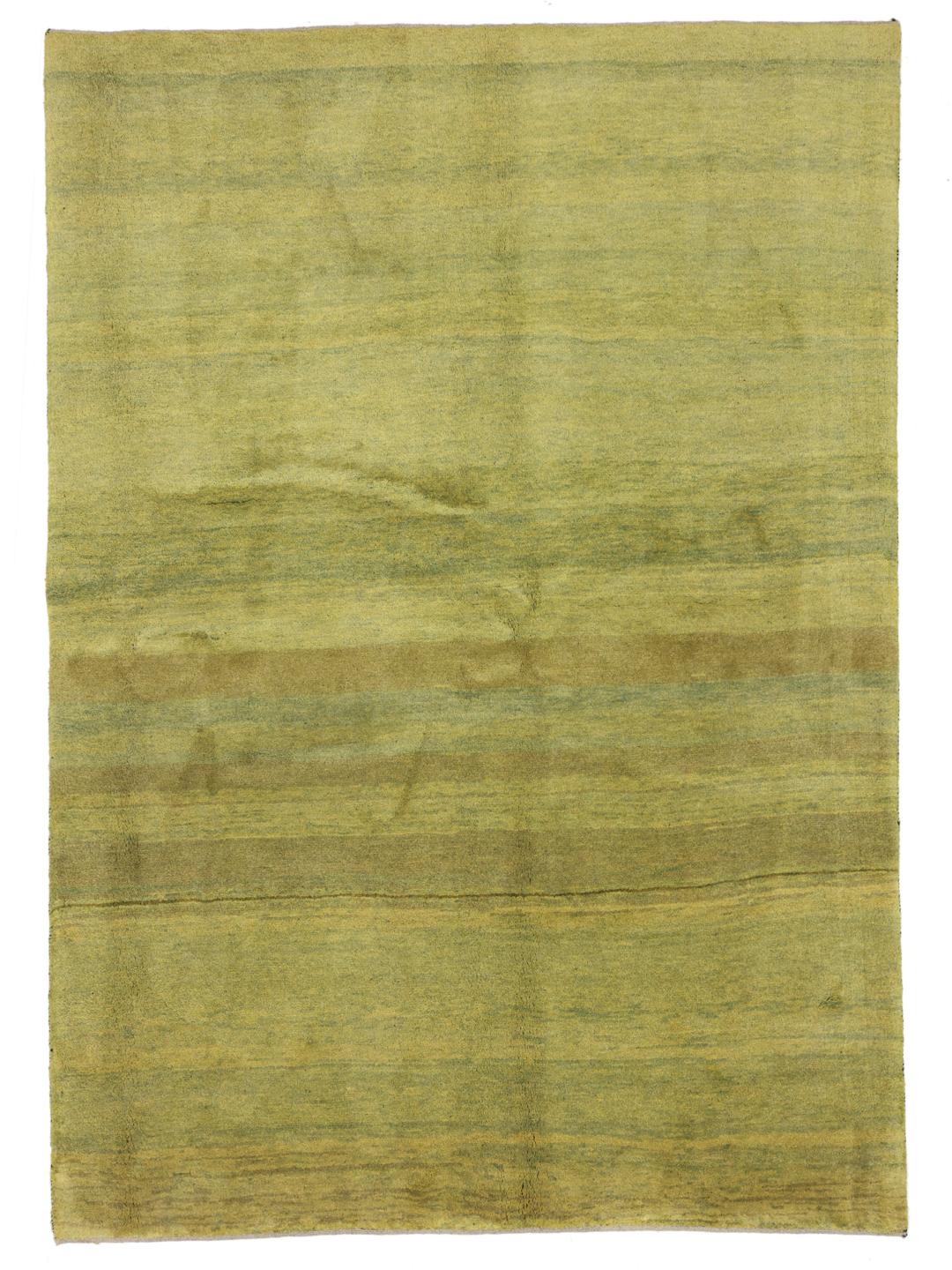
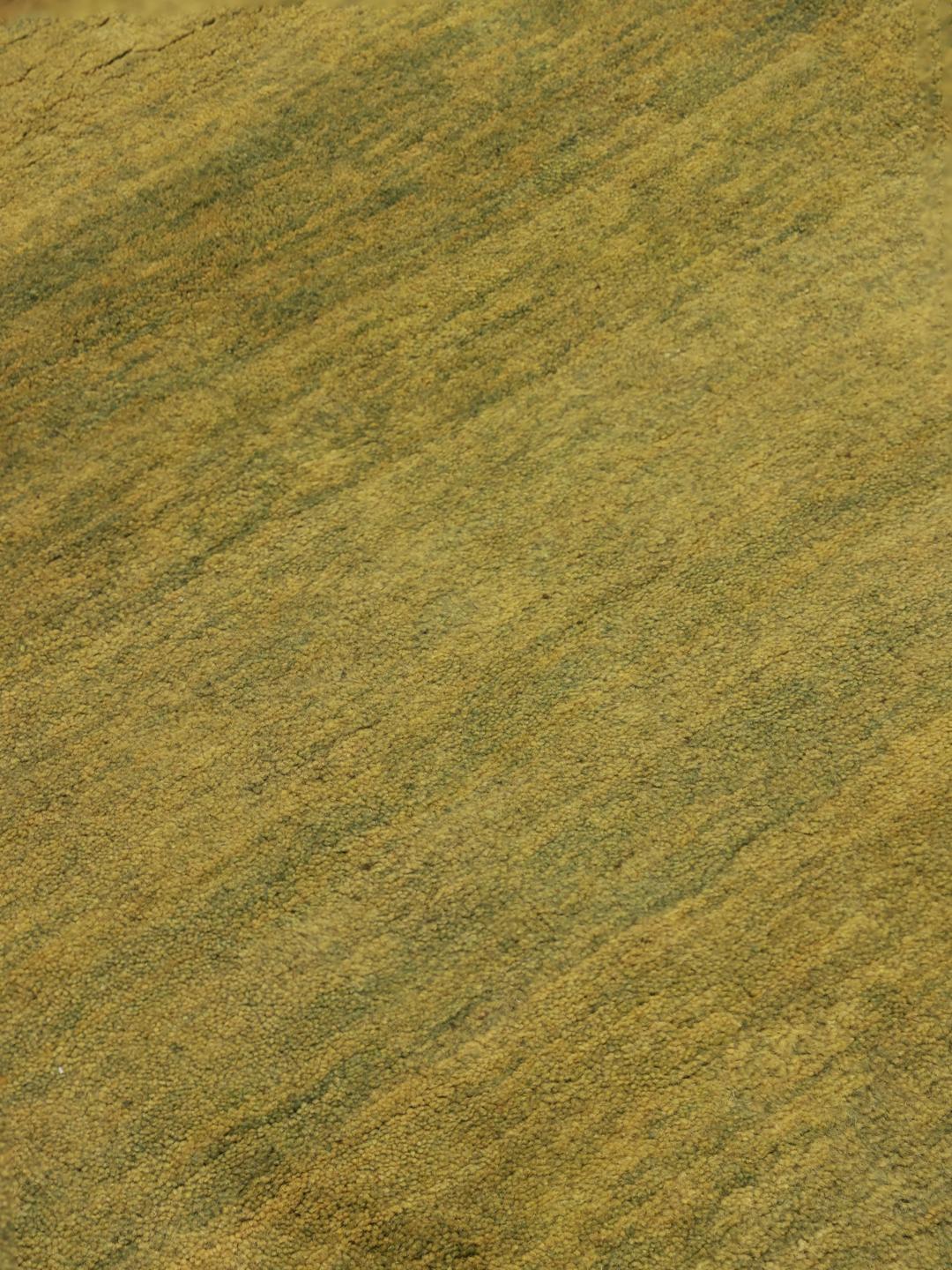
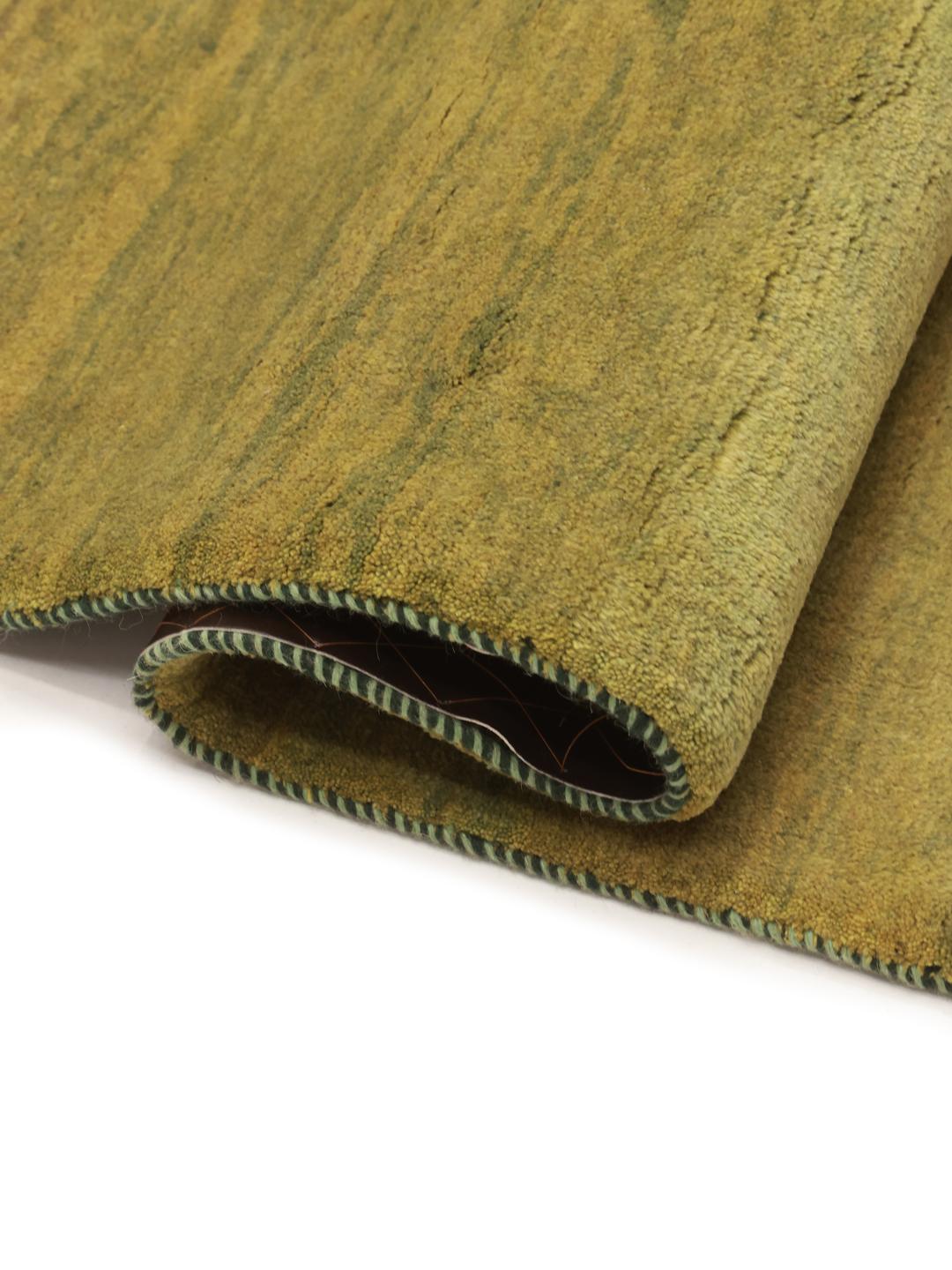
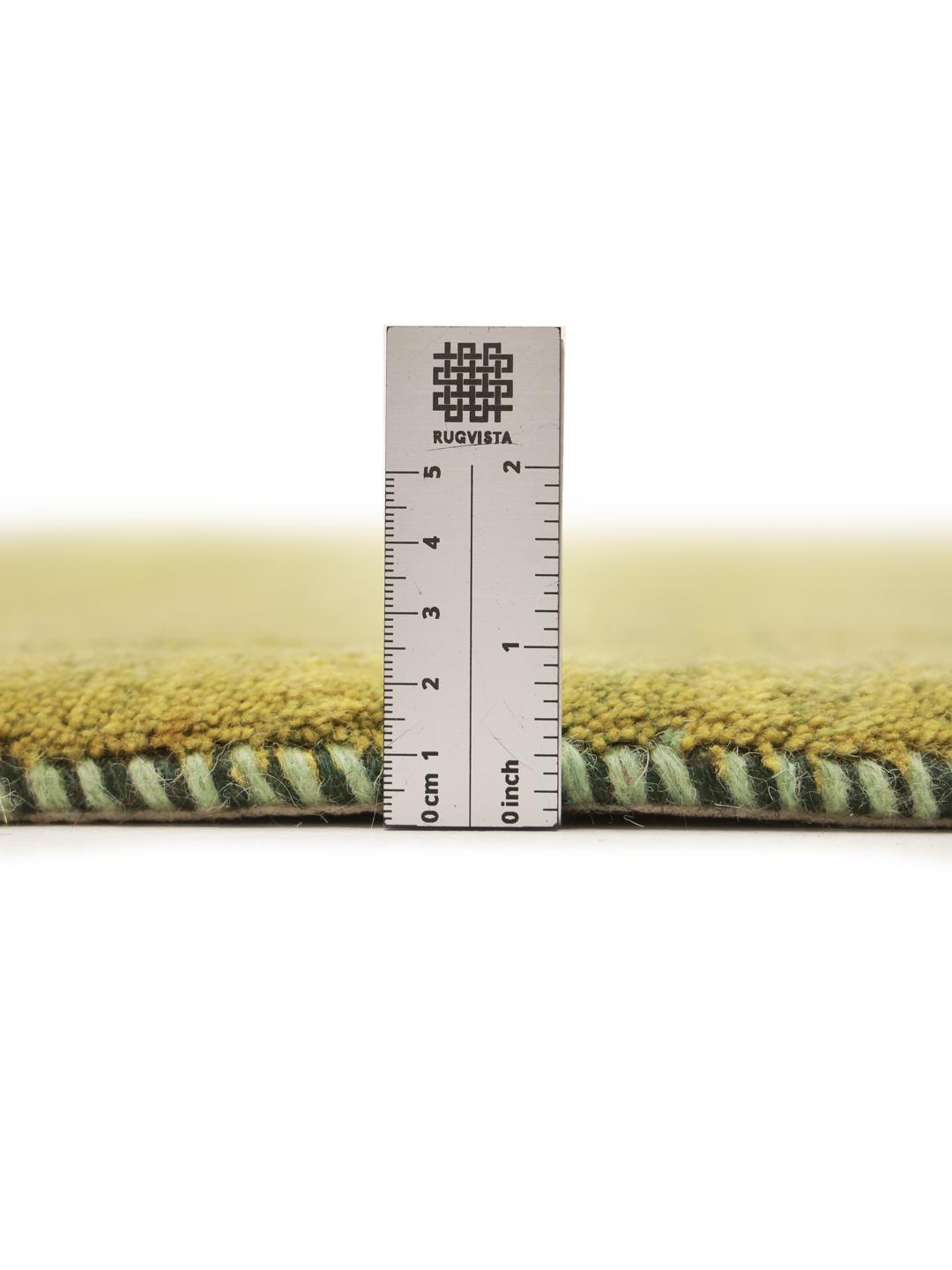
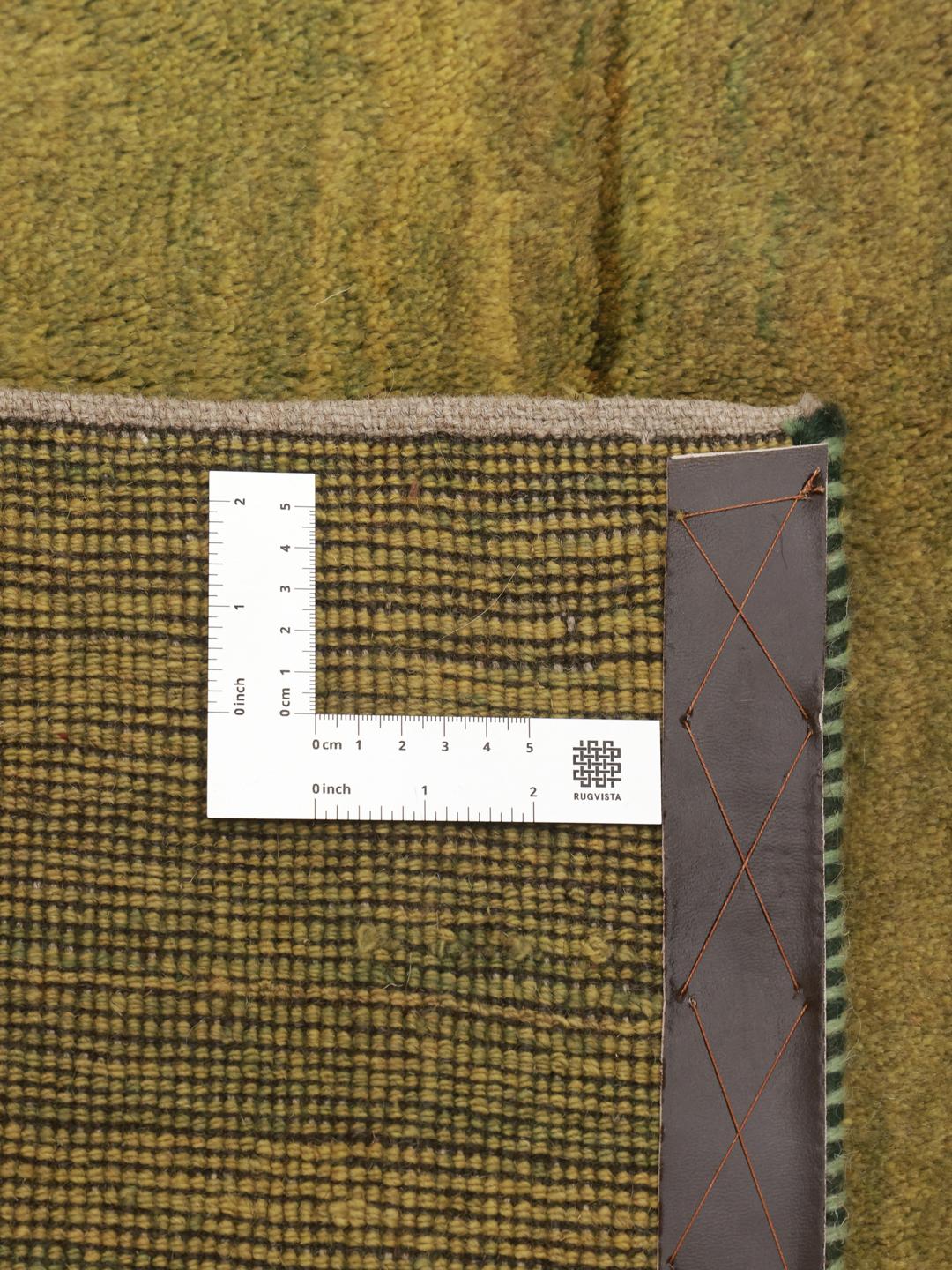
Gabbeh rugs originate from the tribal weaving traditions of the Middle Eastern nomadic peoples. Historically, these rugs were created by families for their own domestic use, serving as warm bedding or floor coverings within tents, which is why they are celebrated for their thick, plush piles and functional durability.
The term Gabbeh itself implies something raw, natural, or in its original state. This reflects the philosophy of the weavers who traditionally used hand-spun, high-quality wool and natural dyes to create rugs that were not constrained by the rigid, formal patterns found in city workshops, but rather allowed for personal expression.
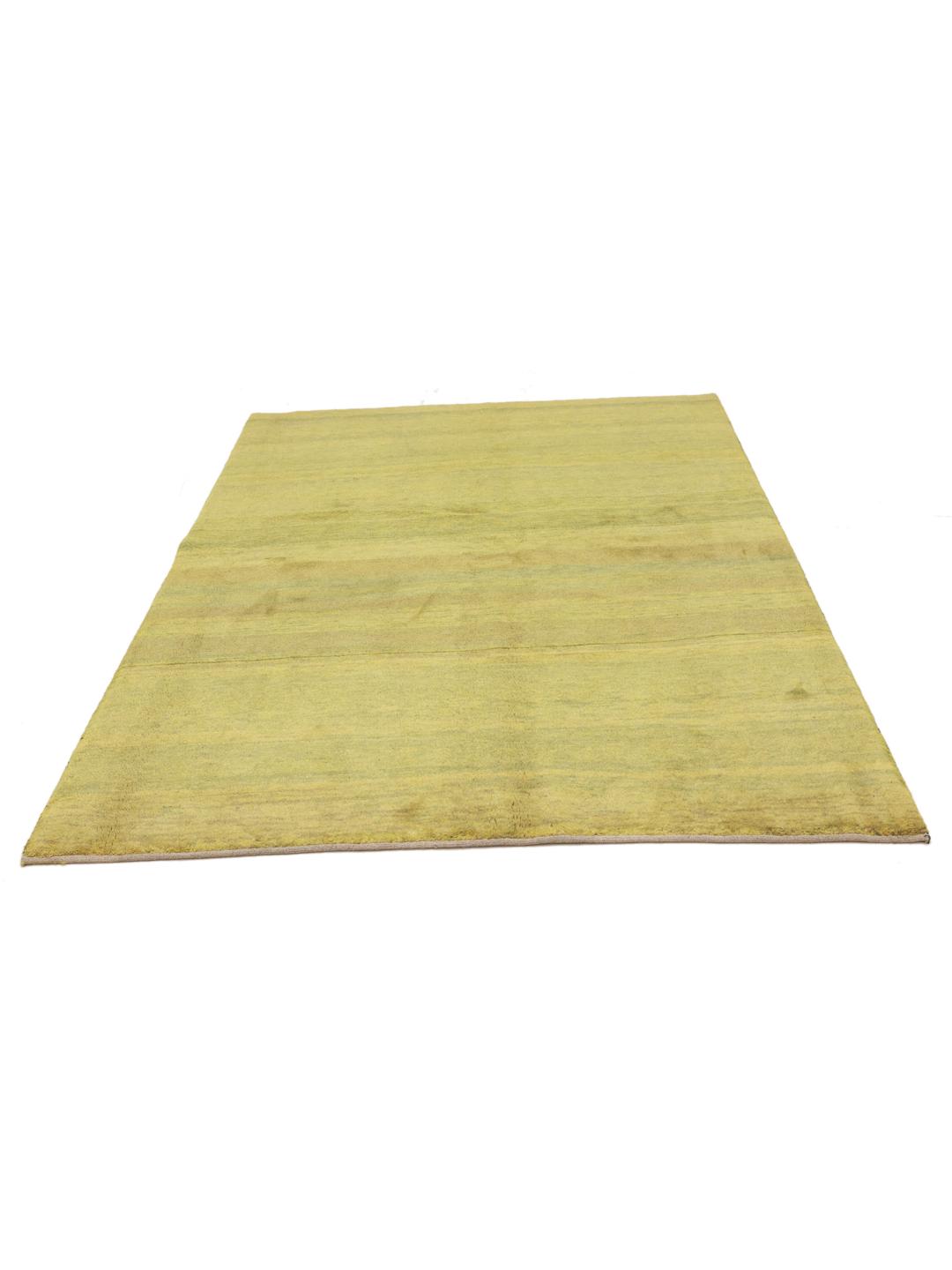
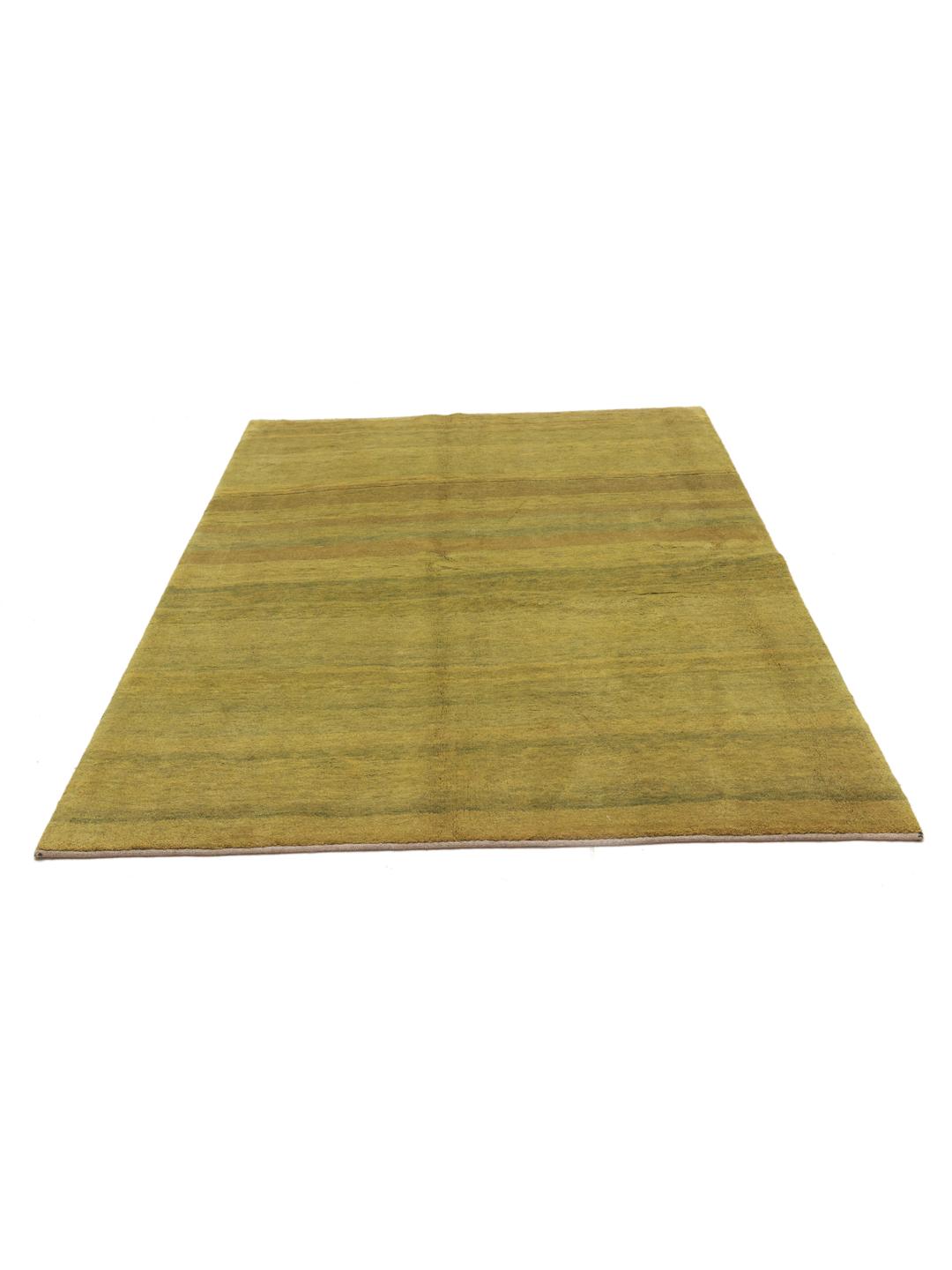
Visually, these pieces are known for their minimalist yet evocative designs. While they often feature wide, open fields of colour, they may also incorporate simple geometric motifs or subtle stripes that represent the weaver's environment. The use of soft, earthy palettes and variations in colour, often called abrash, creates a dynamic, painterly effect that is highly sought after by collectors.
Today, these rugs are valued not only for their heritage but for their ability to bring a sense of history and human touch into contemporary interiors. Collecting a piece like this is an investment in a living tradition, where the skill of the weaver is preserved in every strand of wool, offering a timeless connection to the cultures of the region.