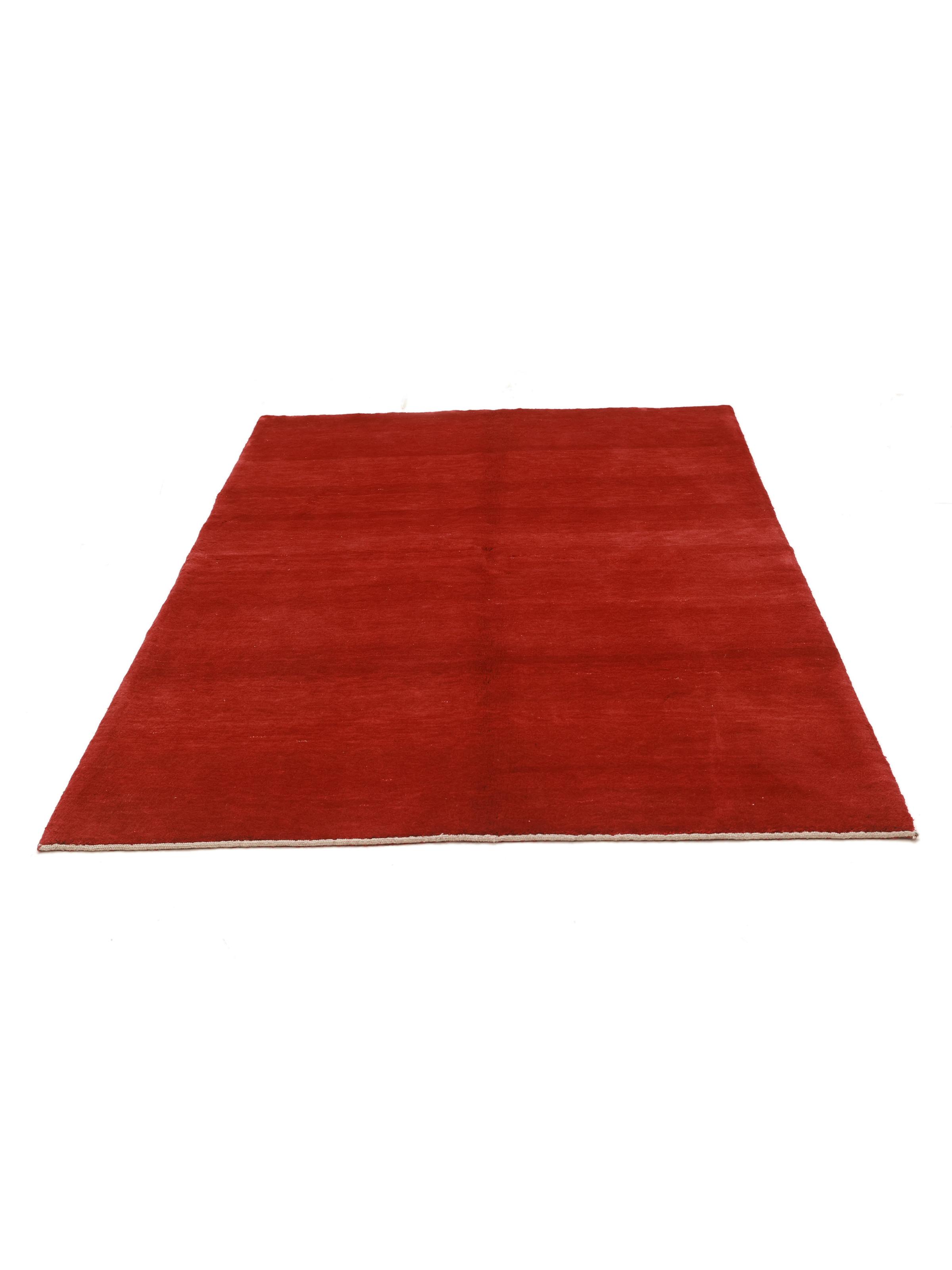
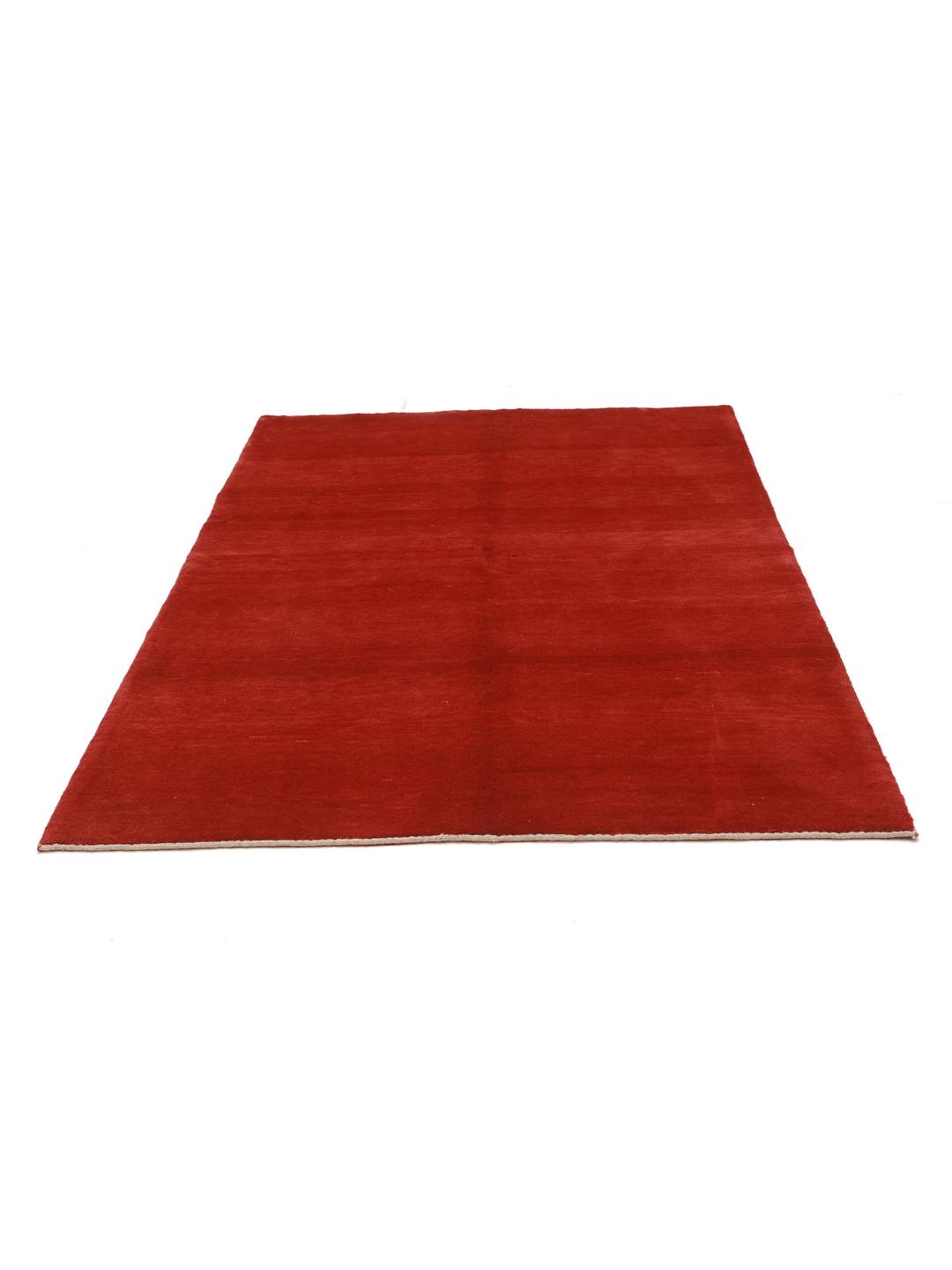
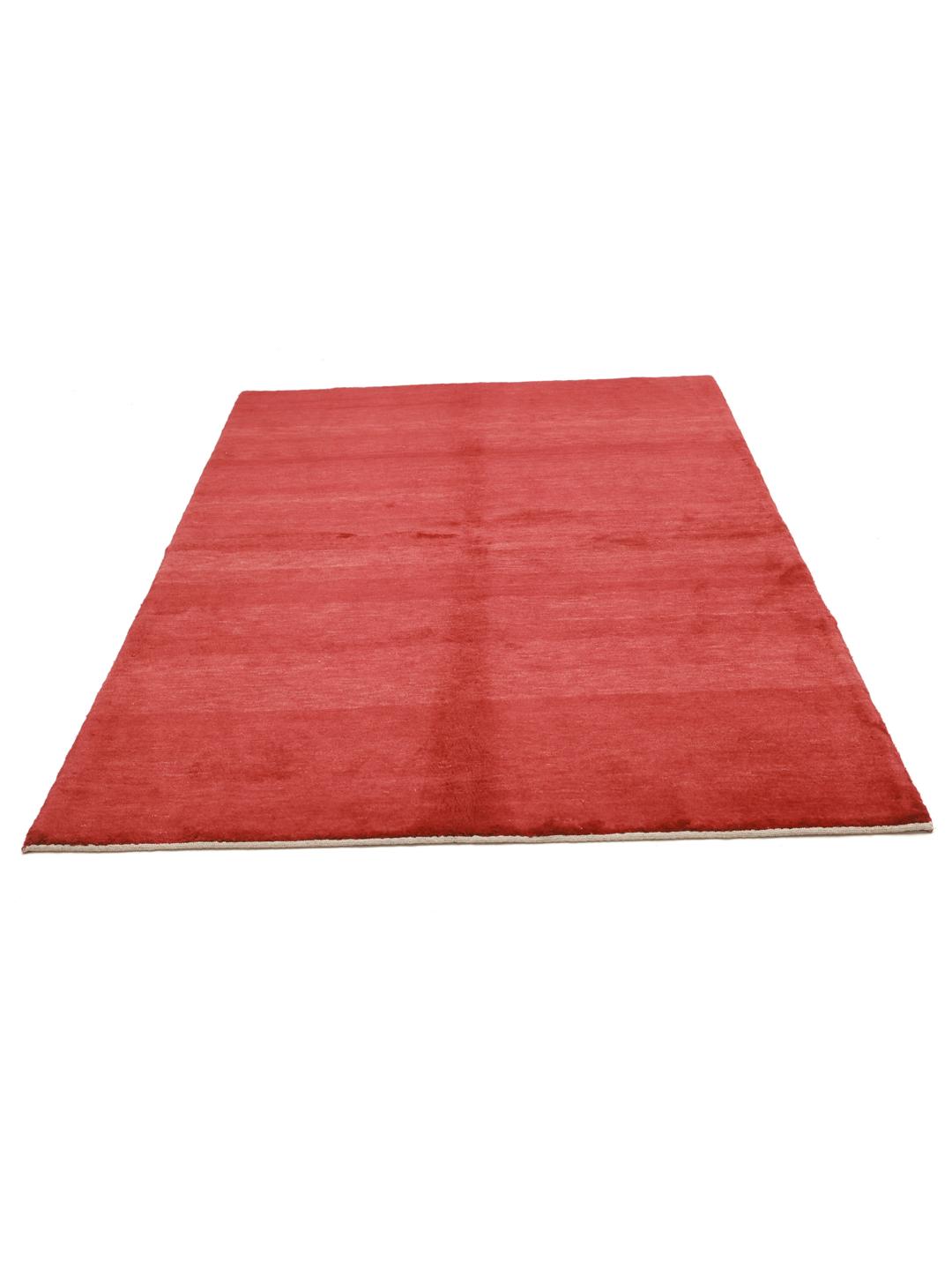
The Gabbeh tradition originates from the nomadic tribes of the Middle East, where weavers historically created these rugs for personal use rather than for trade. Unlike formal, city-woven rugs, Gabbeh pieces were designed to provide warmth and comfort within the rugged, often harsh conditions of nomadic life.
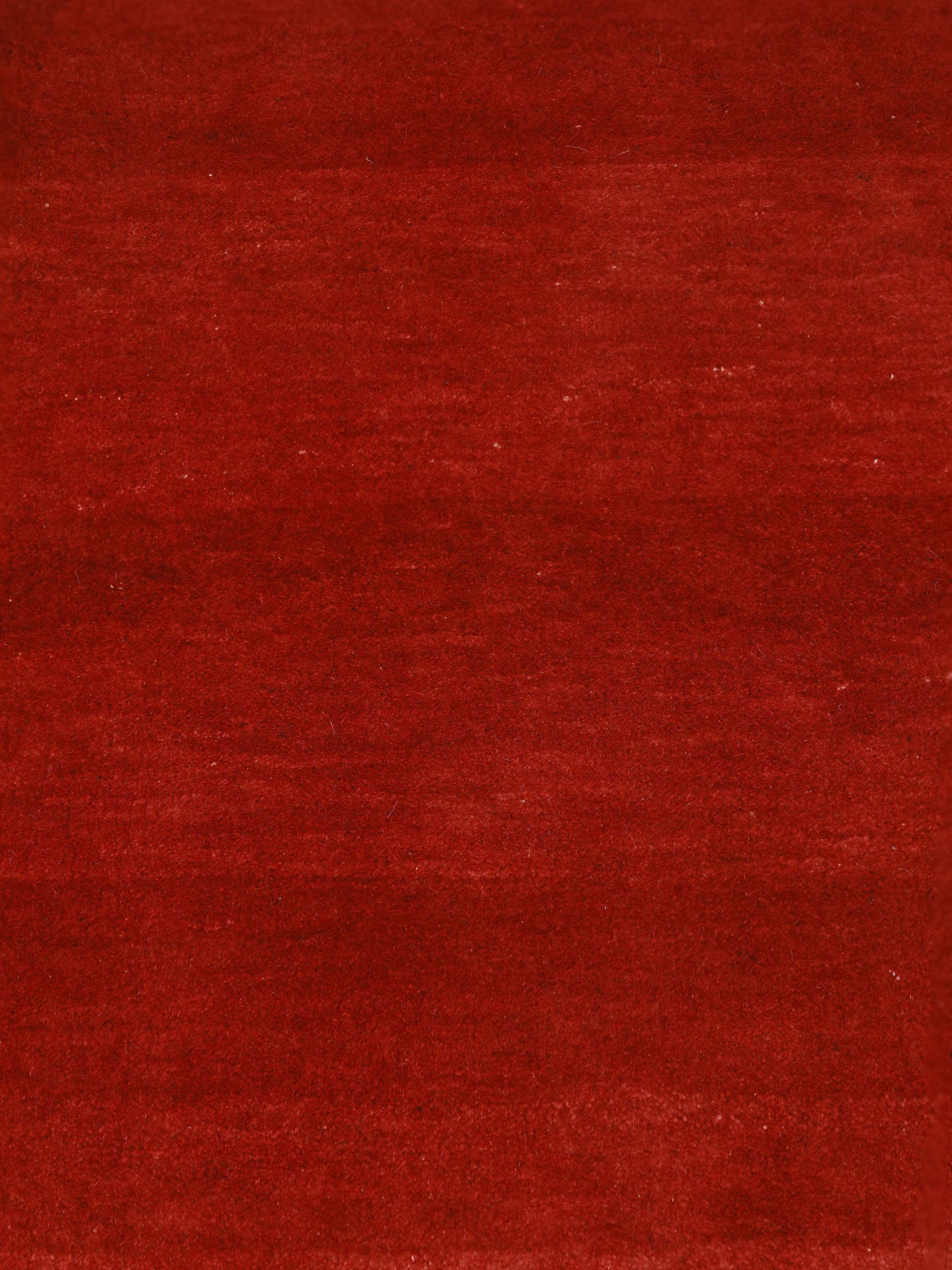
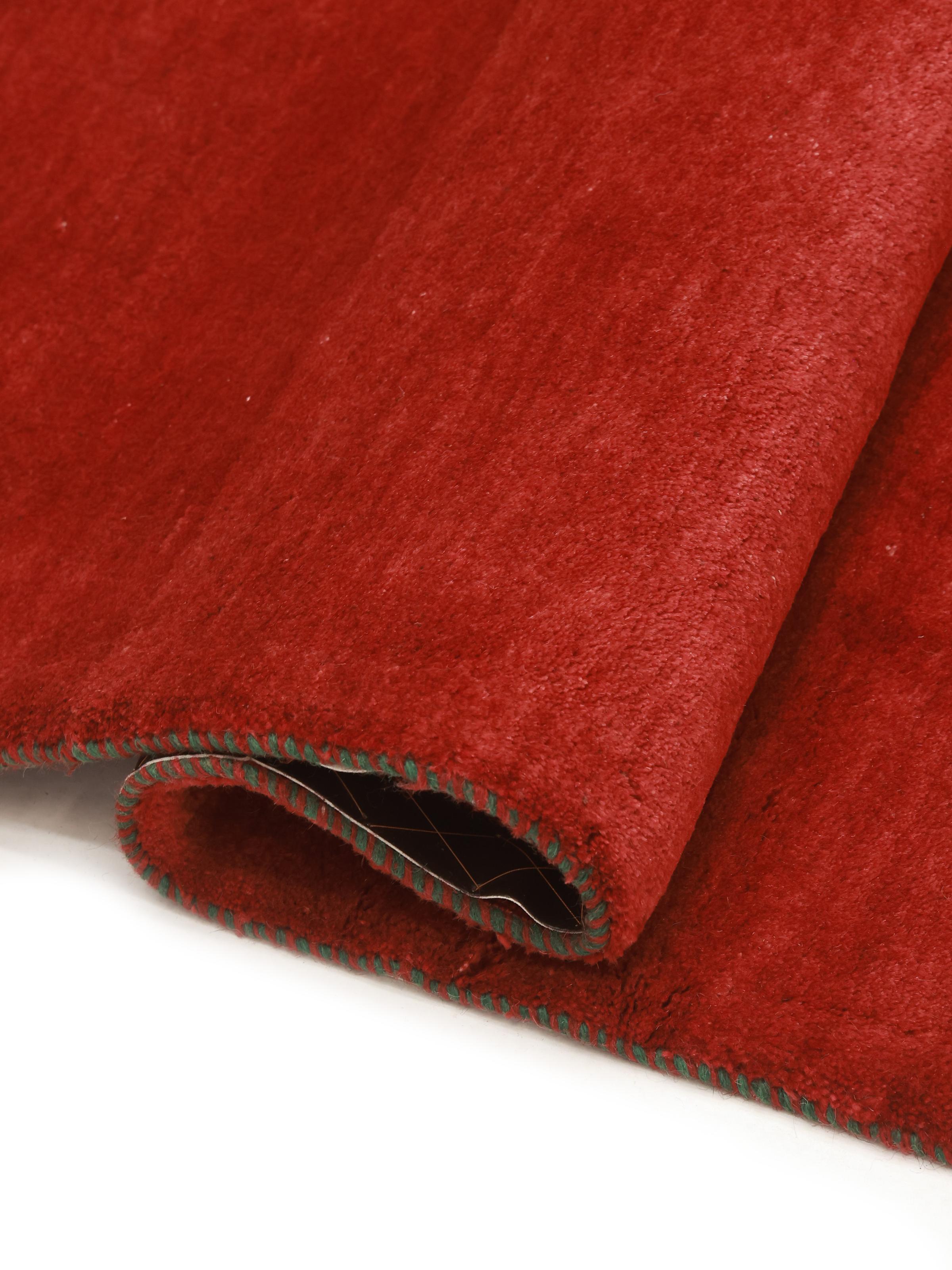
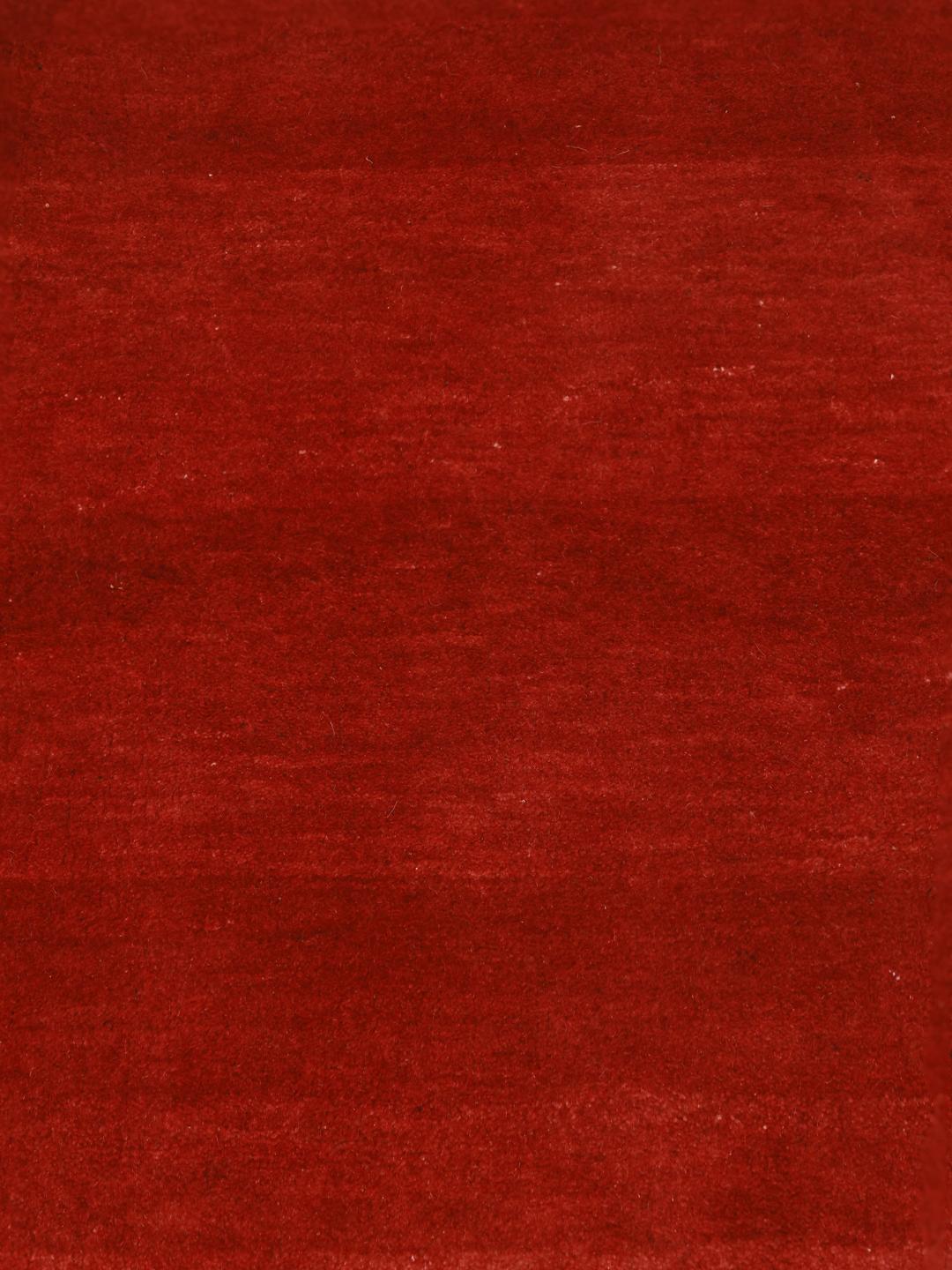
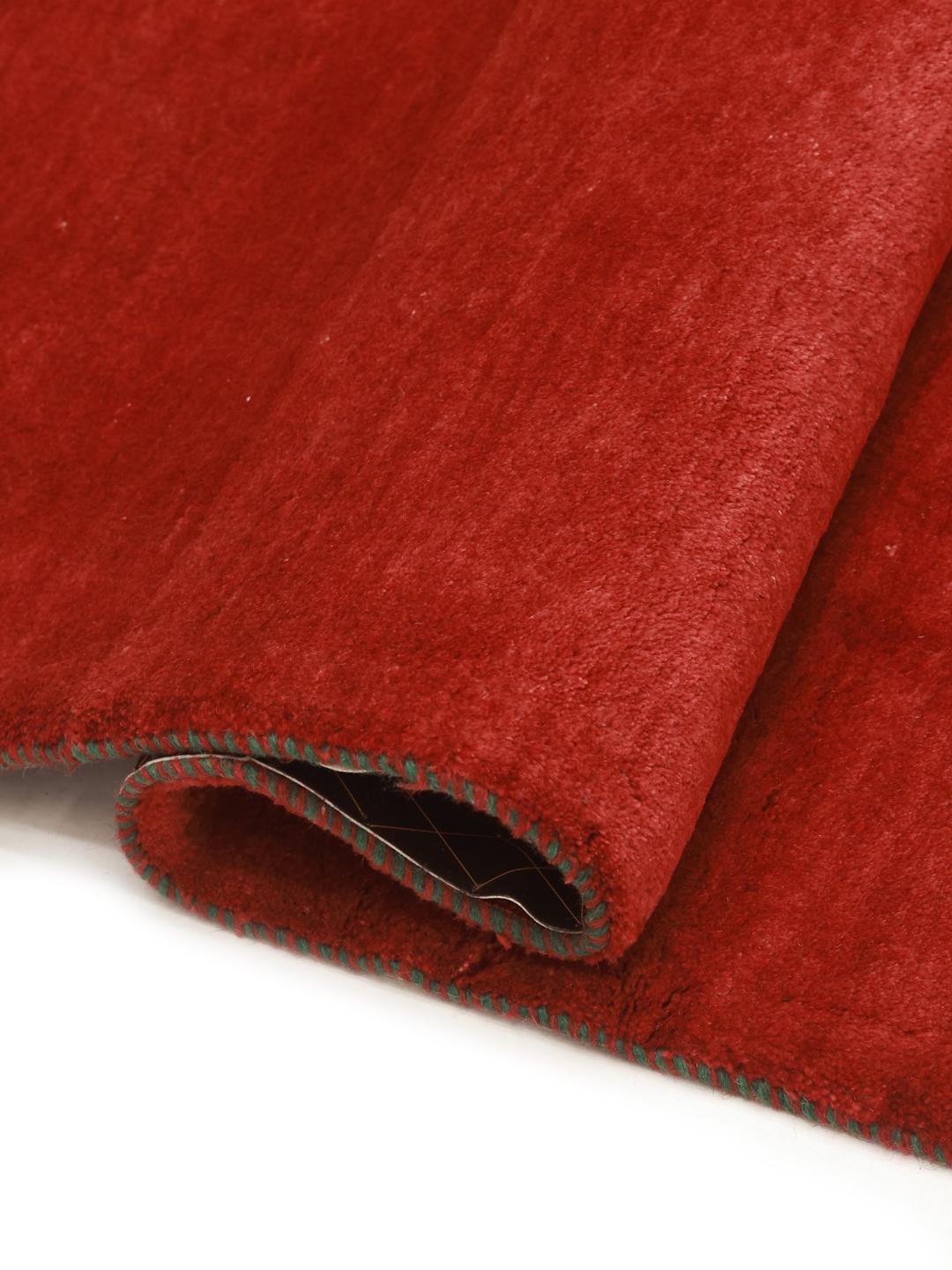
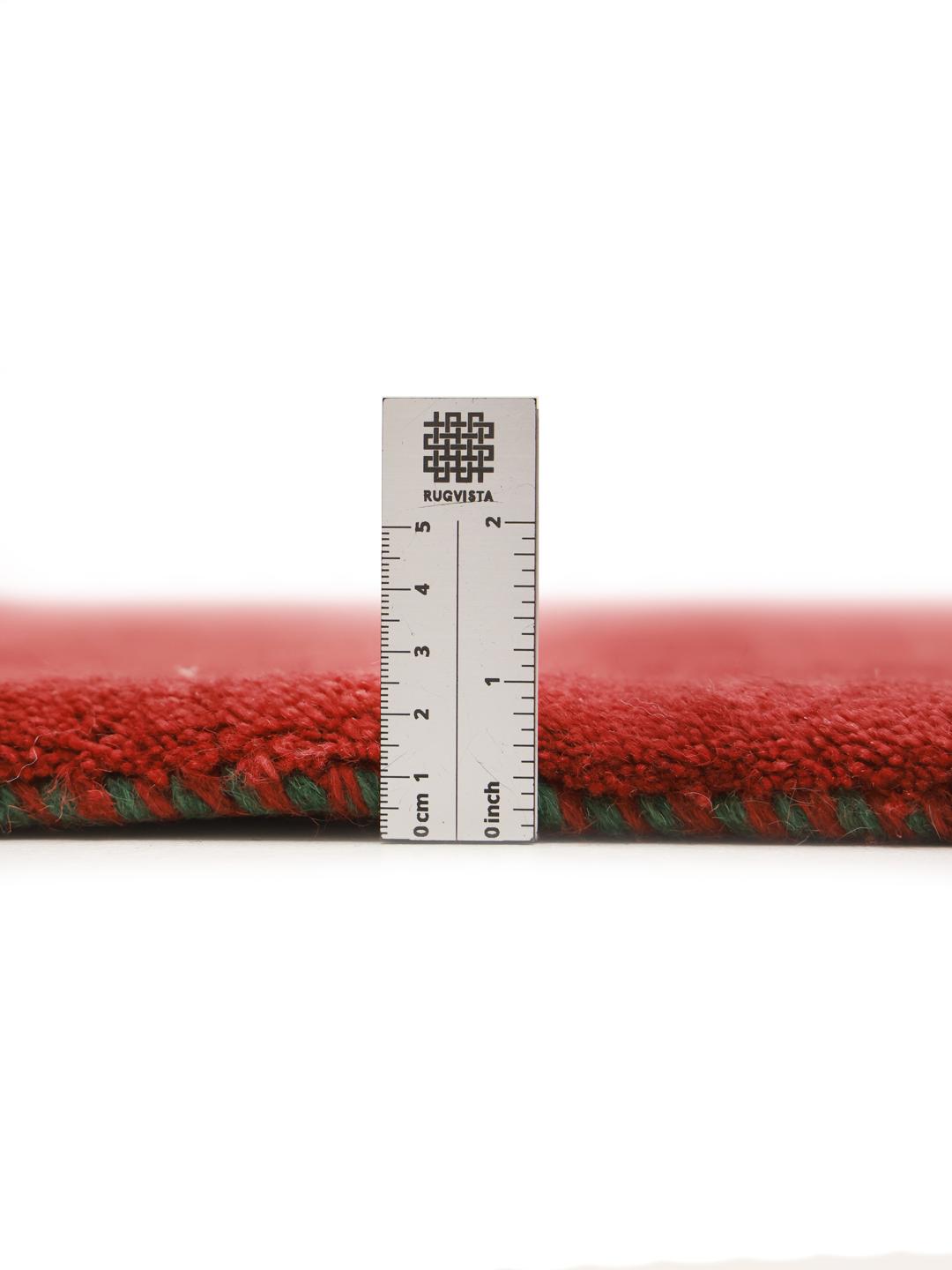
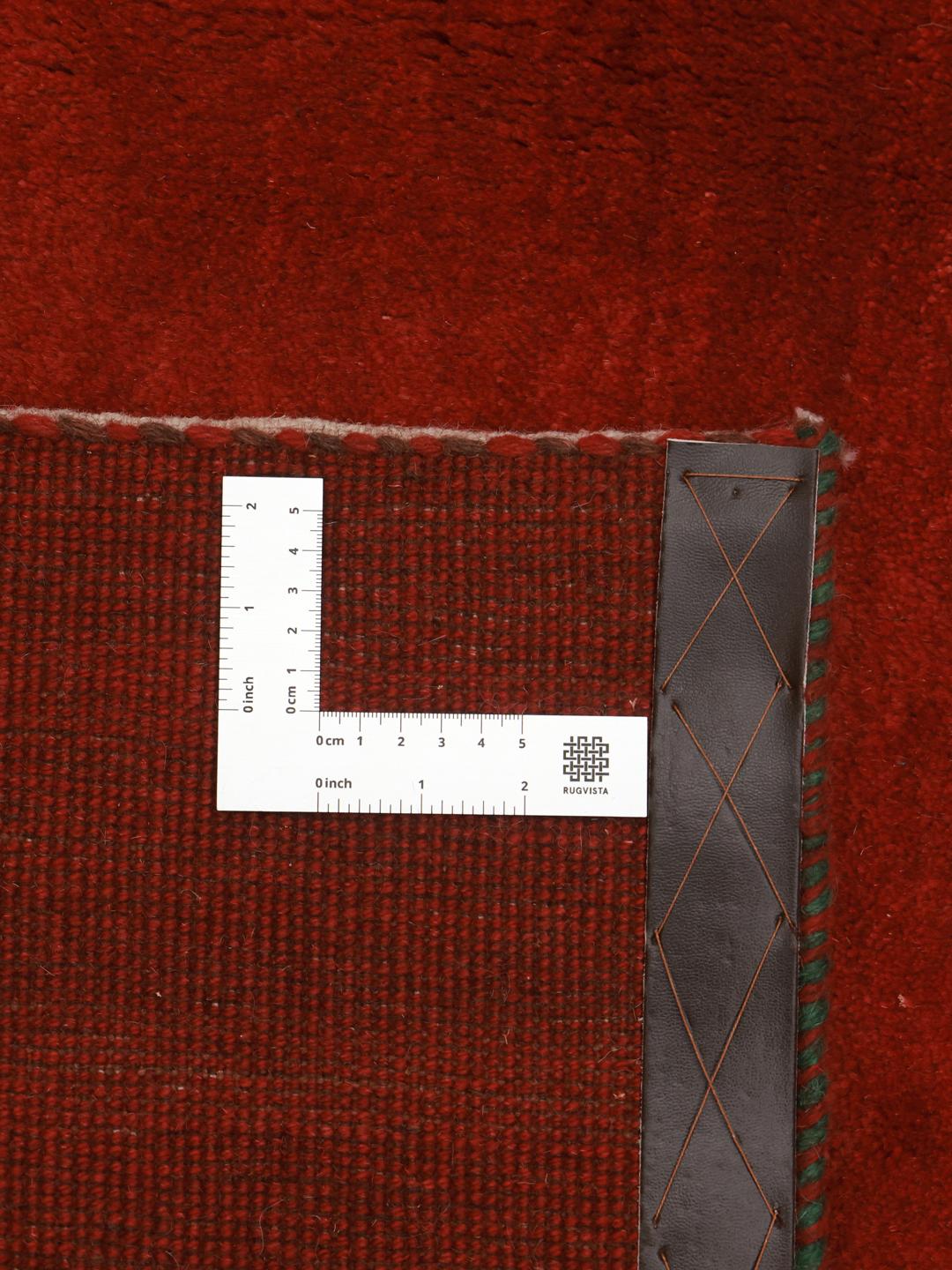
The term Shabargan refers to a specific regional style within this broader tradition, often recognised for its focus on bold, open fields and thick, plush piles. The construction typically uses a coarser knotting technique compared to traditional city rugs, which allows for a thicker, more substantial pile that feels exceptionally soft and heavy.
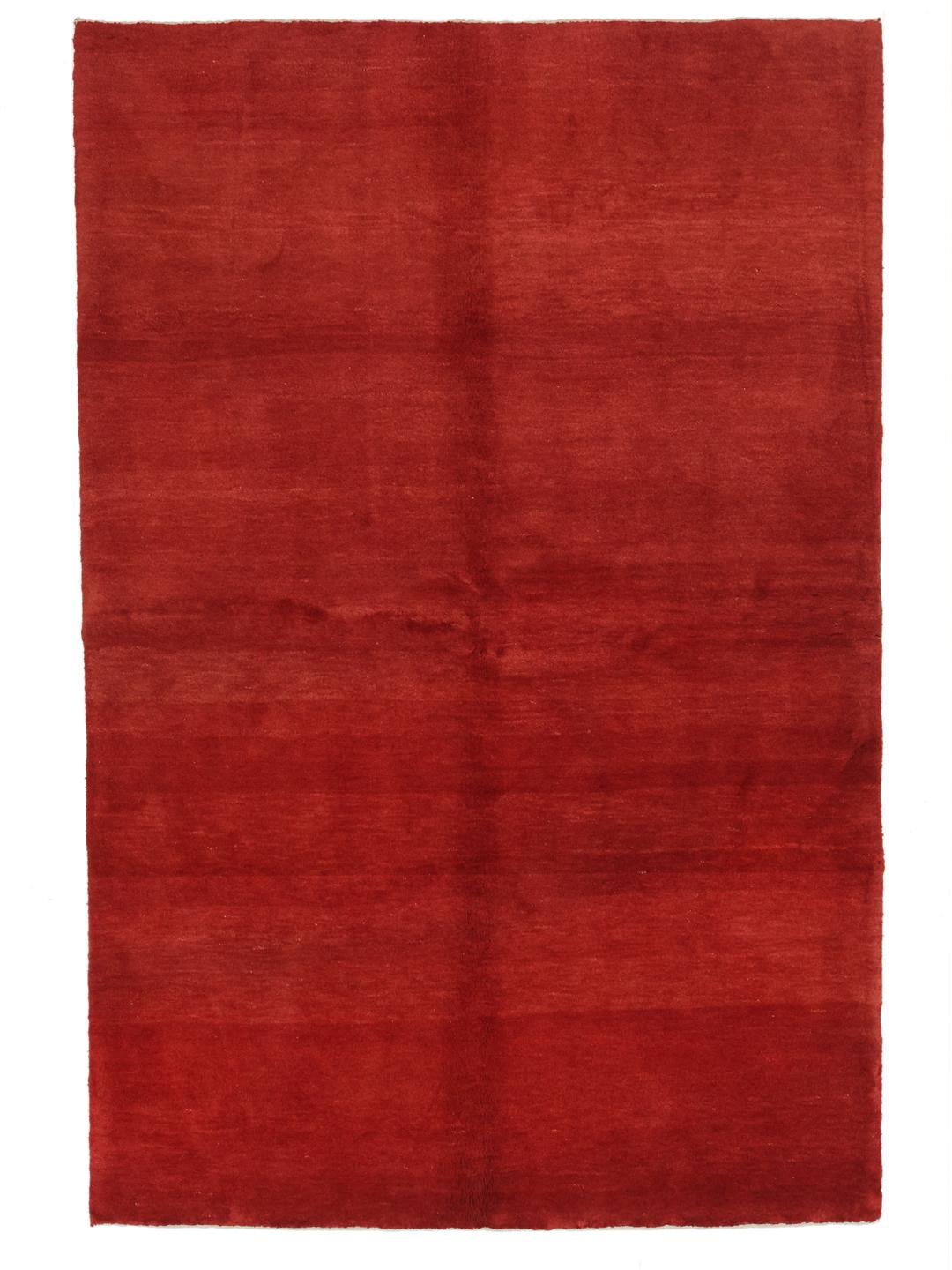
Visually, these rugs are defined by their minimalist approach, often prioritising colour over complex patterns. While they may incorporate simple geometric motifs or subtle shifts in tone, the primary focus remains on the raw beauty of the dyed wool. This vibrant red colour is a classic hallmark of the tradition, achieved through natural dyes that develop a beautiful, muted patina over time.
Owning a Gabbeh is an opportunity to connect with a centuries-old craft. These rugs are highly valued by collectors for their authenticity and the honest, unpretentious skill they represent. By bringing this piece into your home, you are not just adding a floor covering, but a slice of nomadic heritage that emphasises human creativity and enduring utility.