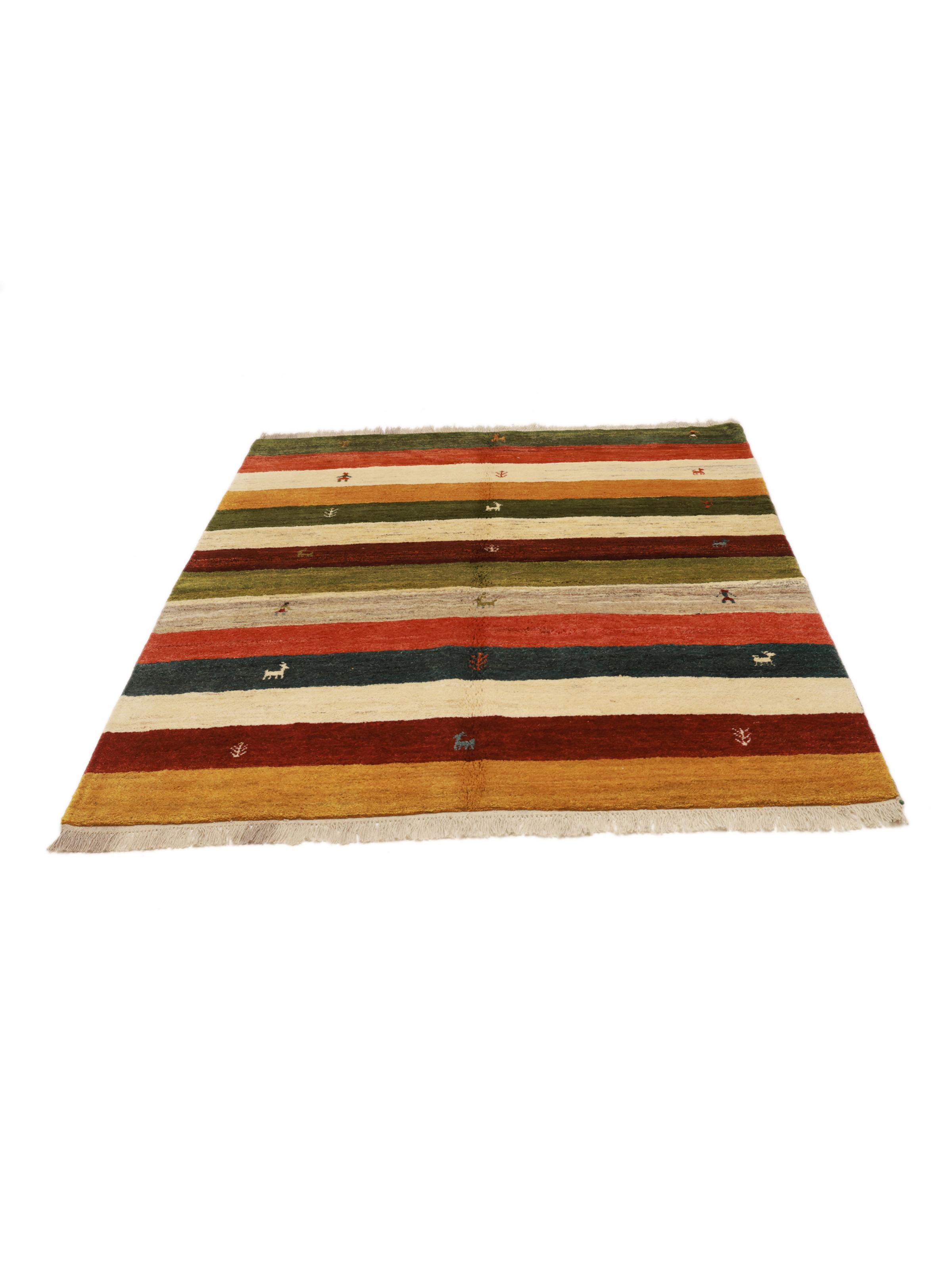
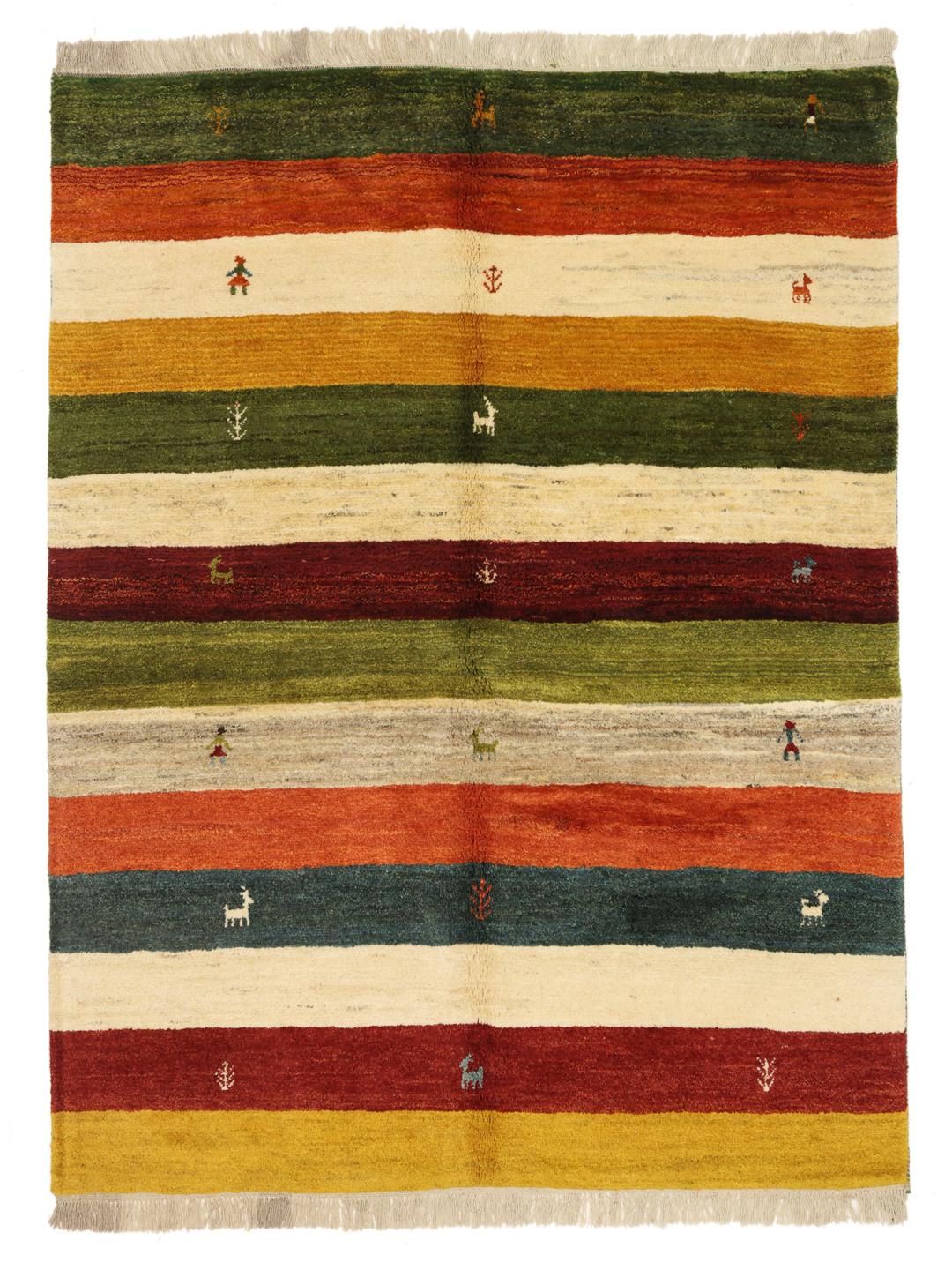
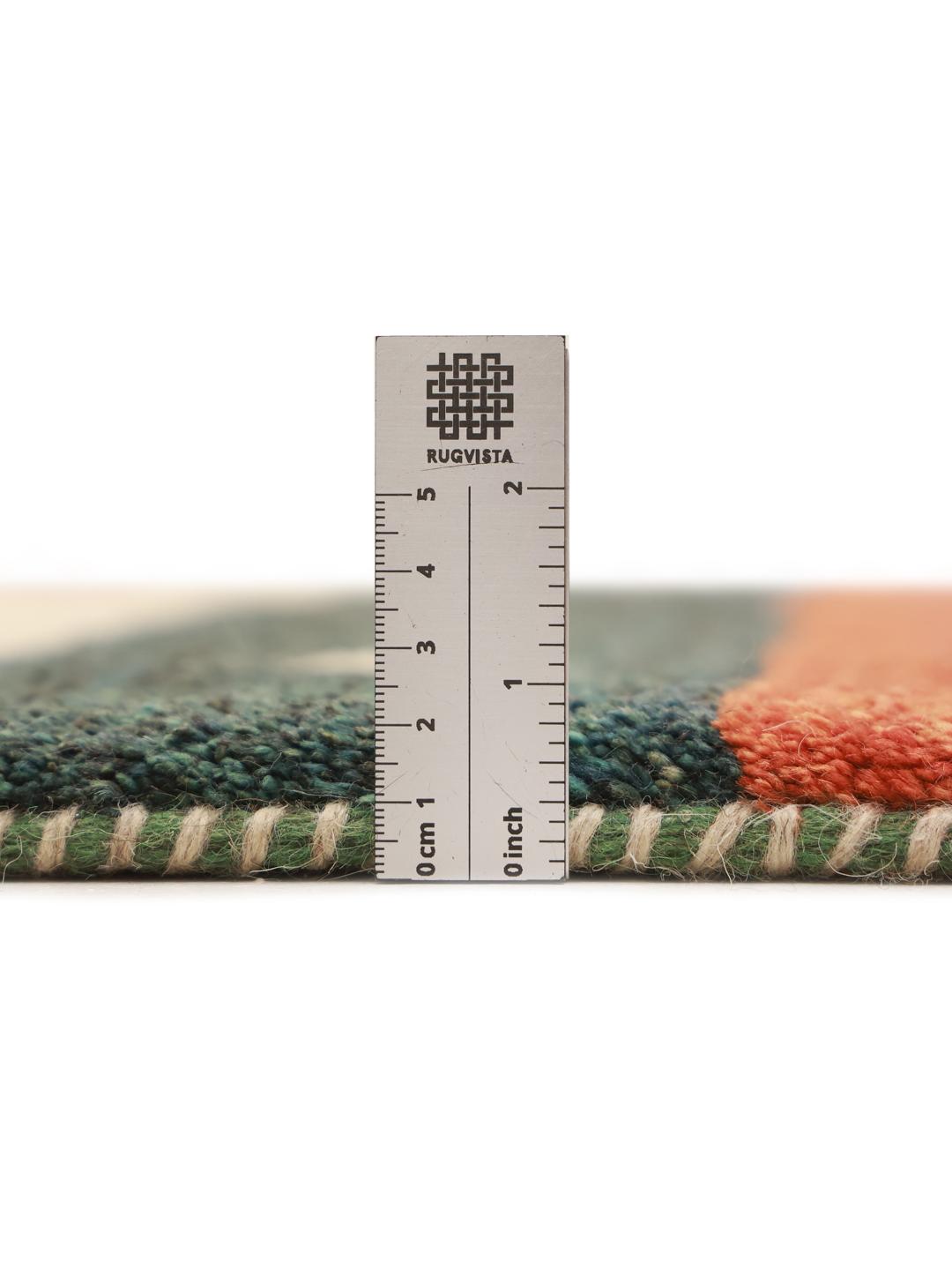
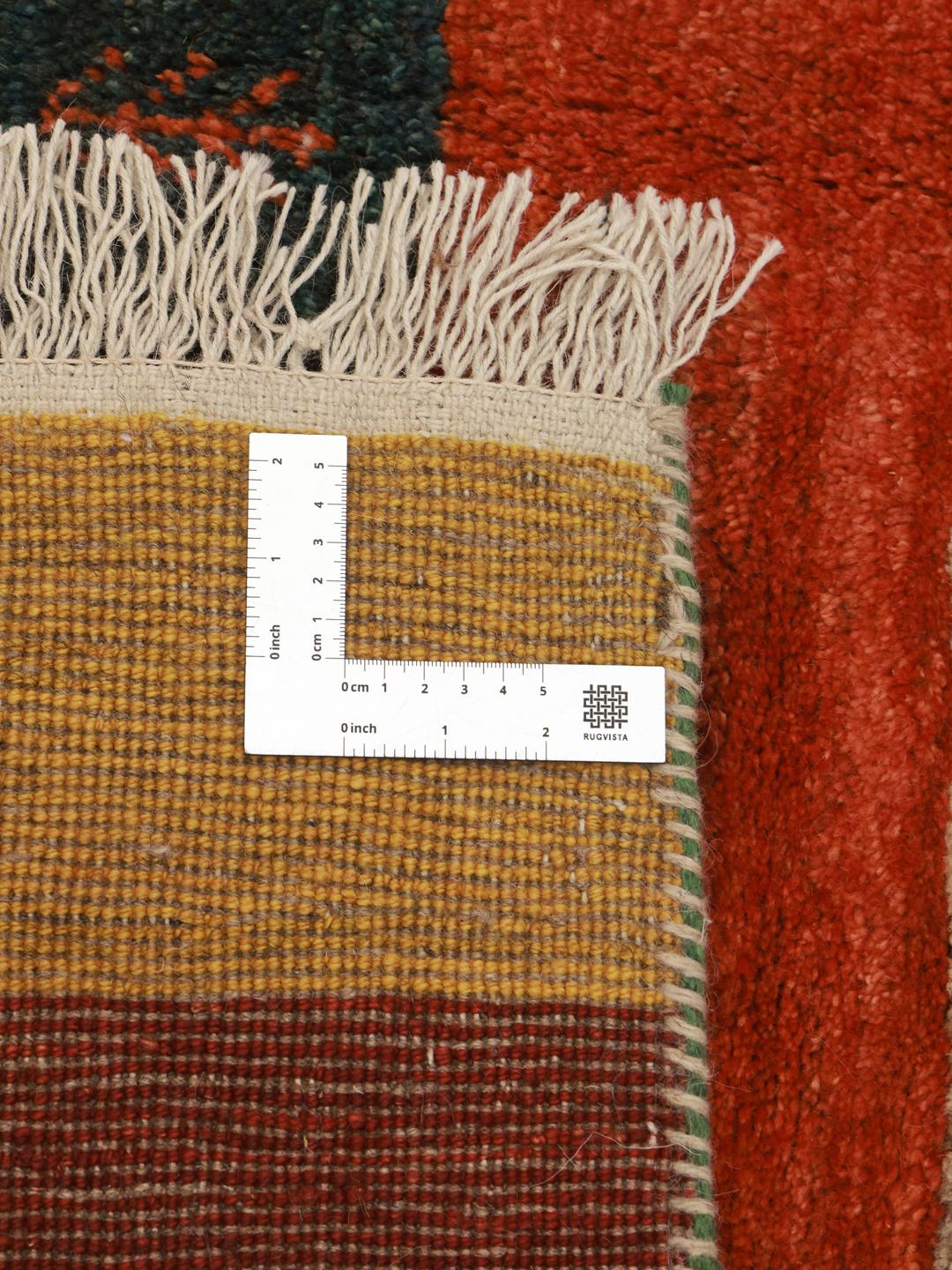
Gabbeh rugs are a beautiful tradition rooted in the nomadic lifestyle of the Middle East. Historically, these rugs were woven by tribal women primarily for their own use, serving as thick, protective floor coverings in tents. Unlike more formal, city-made rugs, Gabbeh rugs were designed to be functional and personal, often reflecting the surroundings and daily life of the weaver.
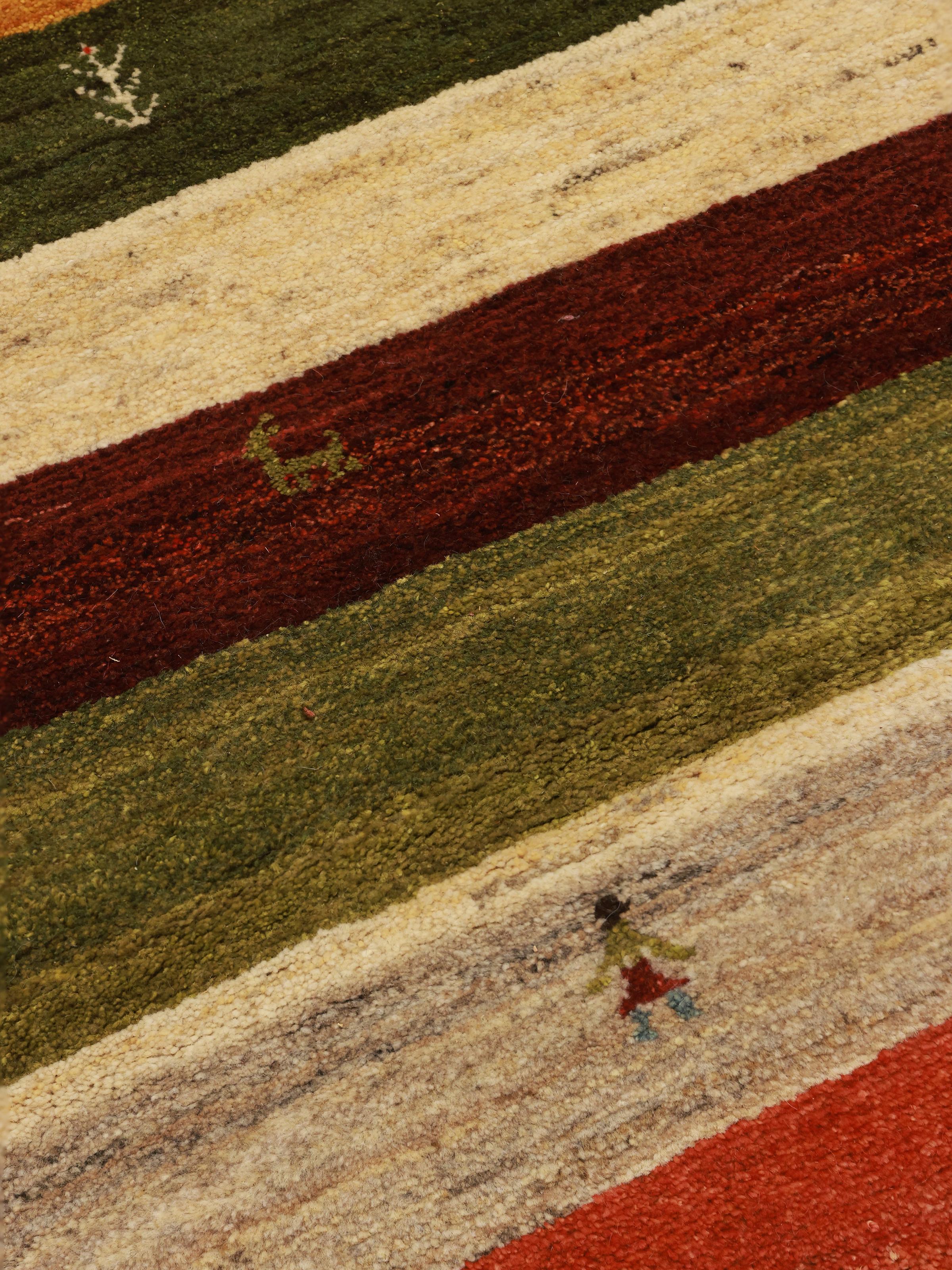
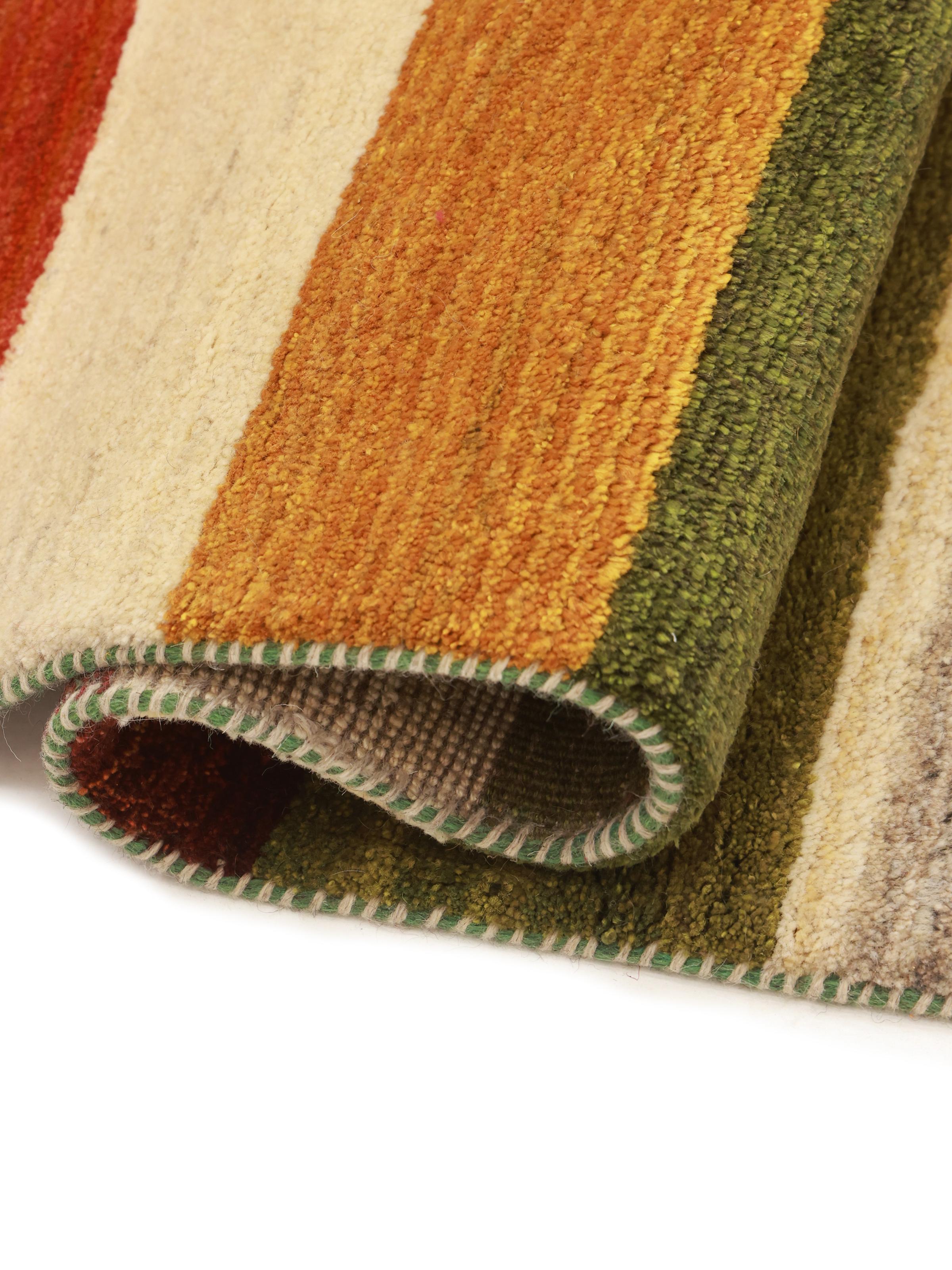
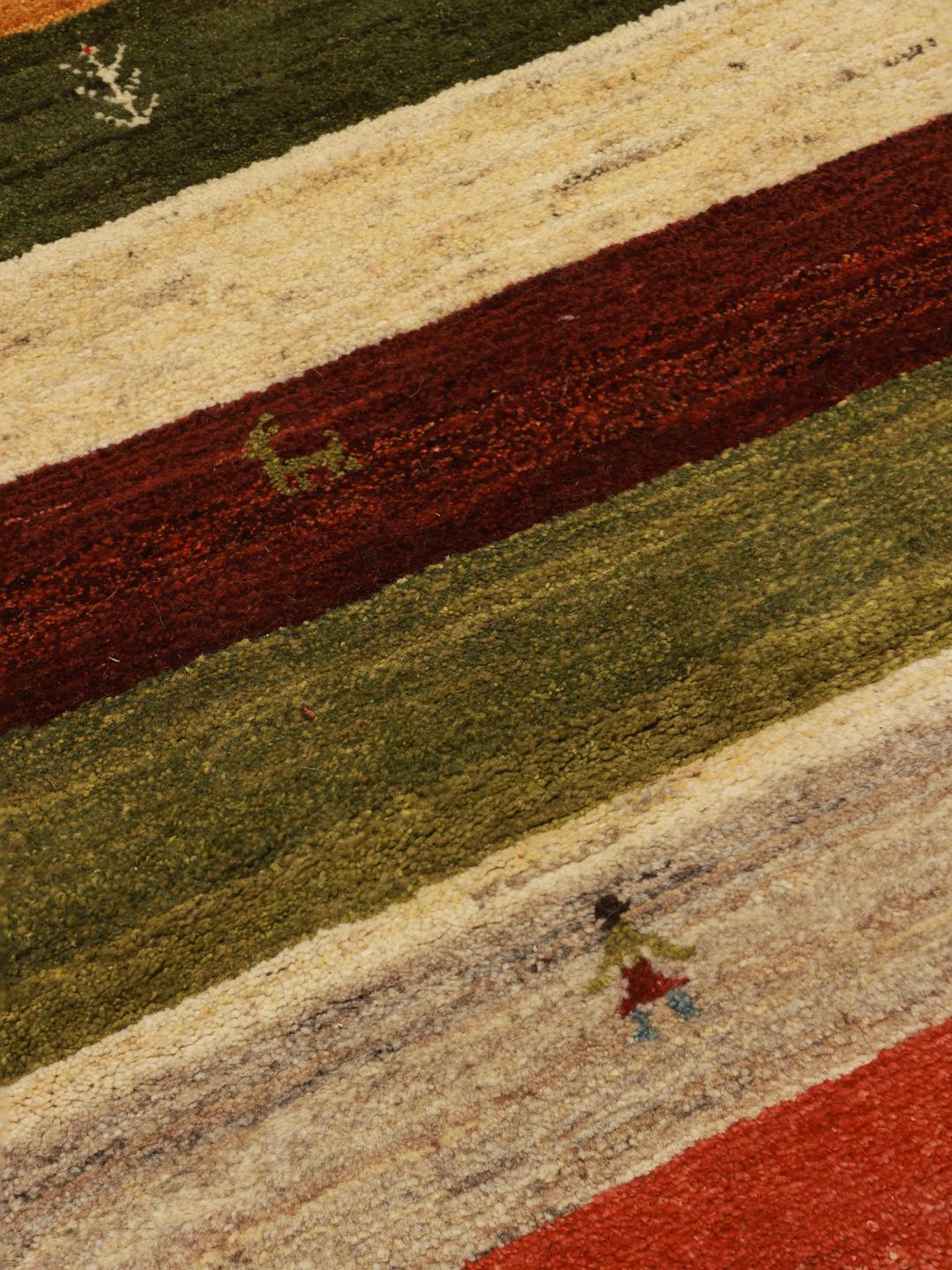
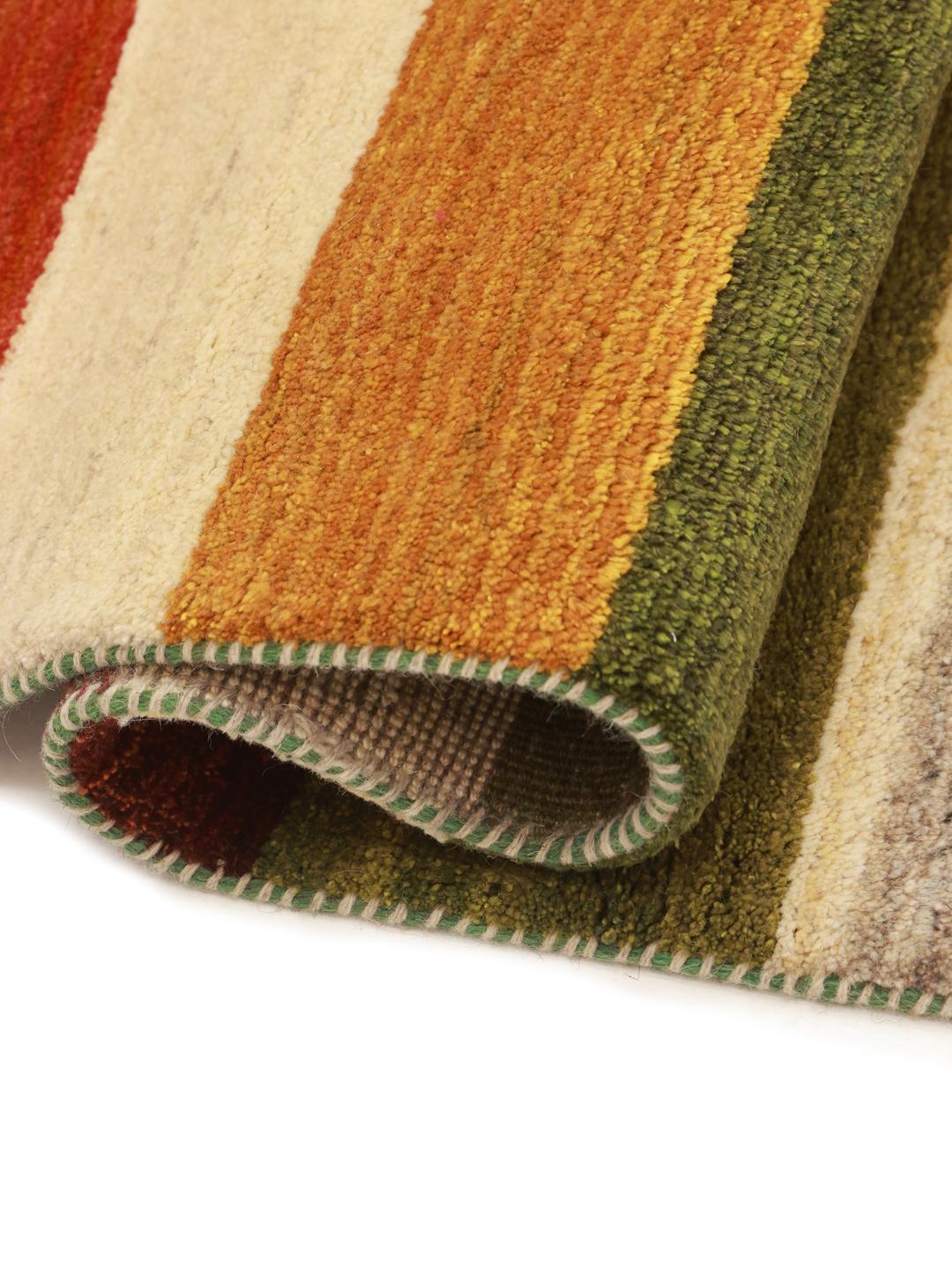
The term 'Gabbeh' itself translates roughly to 'natural' or 'raw,' which speaks to the uninhibited and spontaneous nature of their design. These rugs are traditionally made with a thicker pile and a coarser knotting technique compared to other regional styles. This construction choice was deliberate, as it allowed the weavers to complete their work more efficiently while ensuring the final product was warm, soft, and durable enough for life on the move.
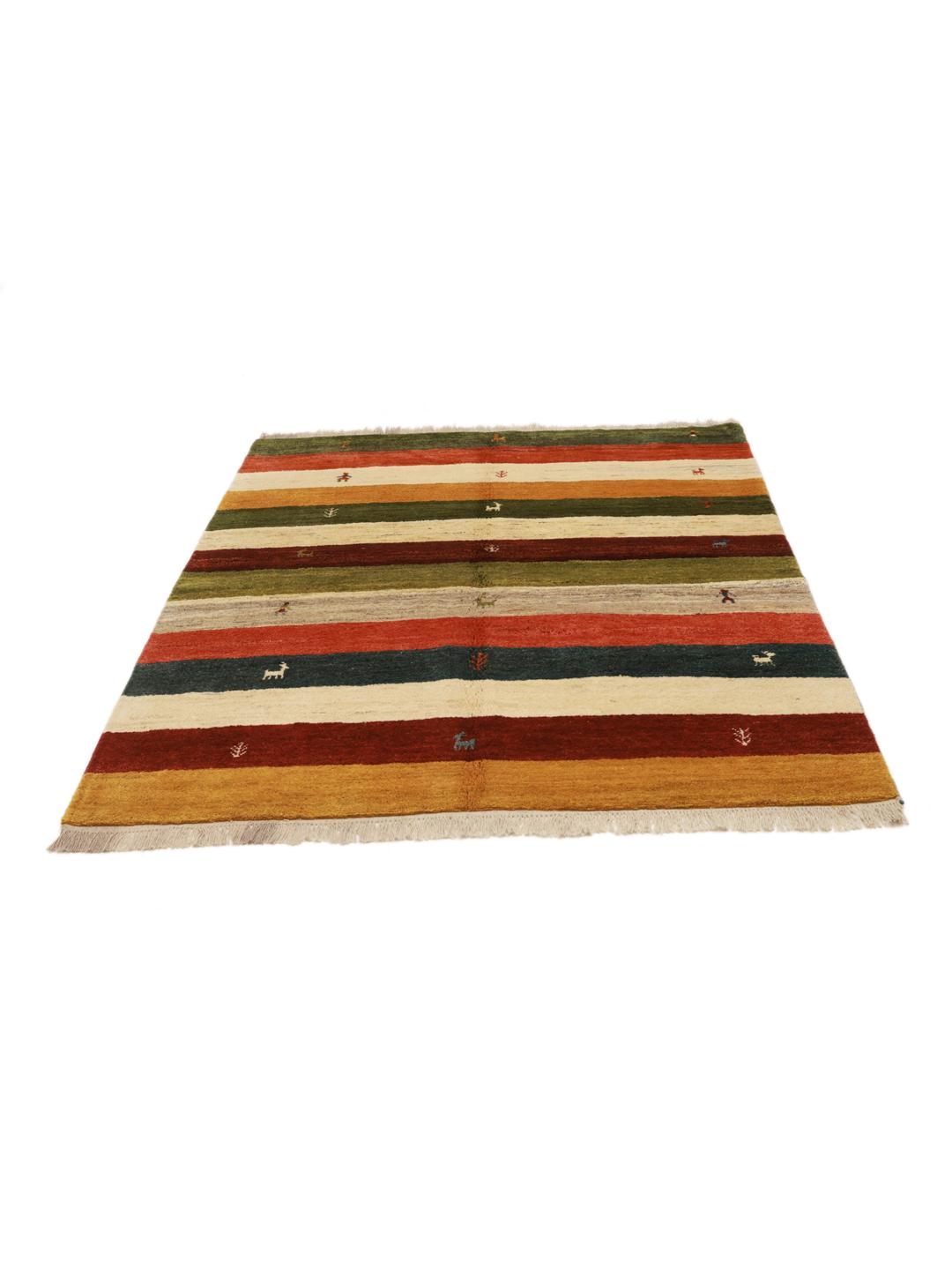
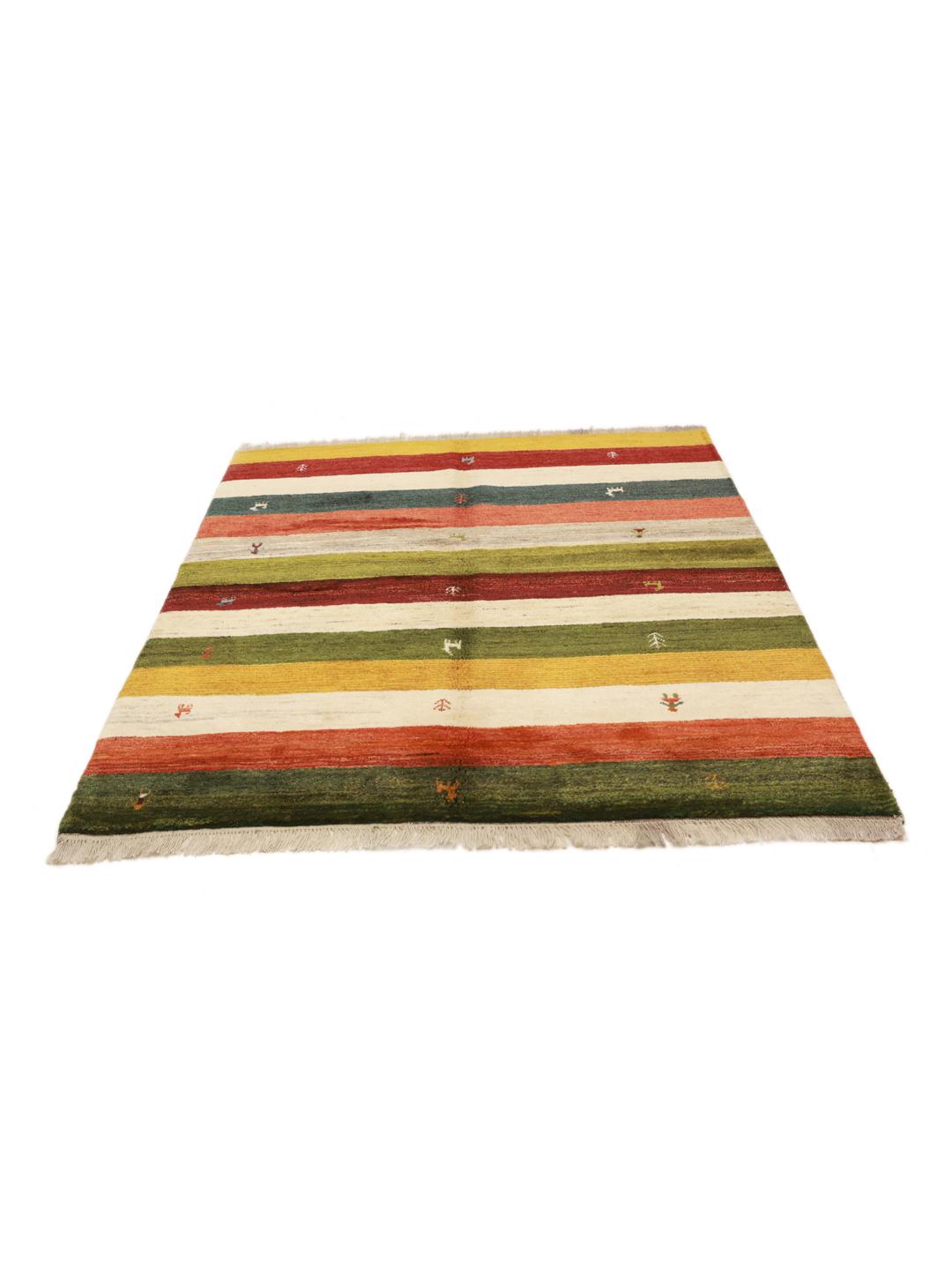
The visual language of a Gabbeh is defined by its simplicity and abstraction. While many traditional rugs focus on intricate, symmetrical medallions, the Gabbeh celebrates open spaces, bold stripes, and whimsical, stylized motifs. You will often find tiny figures of animals, trees, or humans integrated into the design—these are not just decorative, but often represent the weaver's family, livestock, or the landscape they inhabited.
Today, these rugs are highly prized by collectors for their artistic freedom and the human touch evident in every piece. Owning a Gabbeh is an opportunity to connect with a centuries-old craft that values individual expression over rigid patterns. It is a testament to the skill of the weaver and the enduring appeal of art that is made to be lived with and enjoyed every day.