Gabbeh rugs trace their roots to the nomadic tribes of the Middle East, where they were originally crafted for practical family use rather than commercial trade. Historically, these rugs were woven by women who drew inspiration from their immediate surroundings, using the wool from their own flocks to create functional, warm floor coverings for their tents.
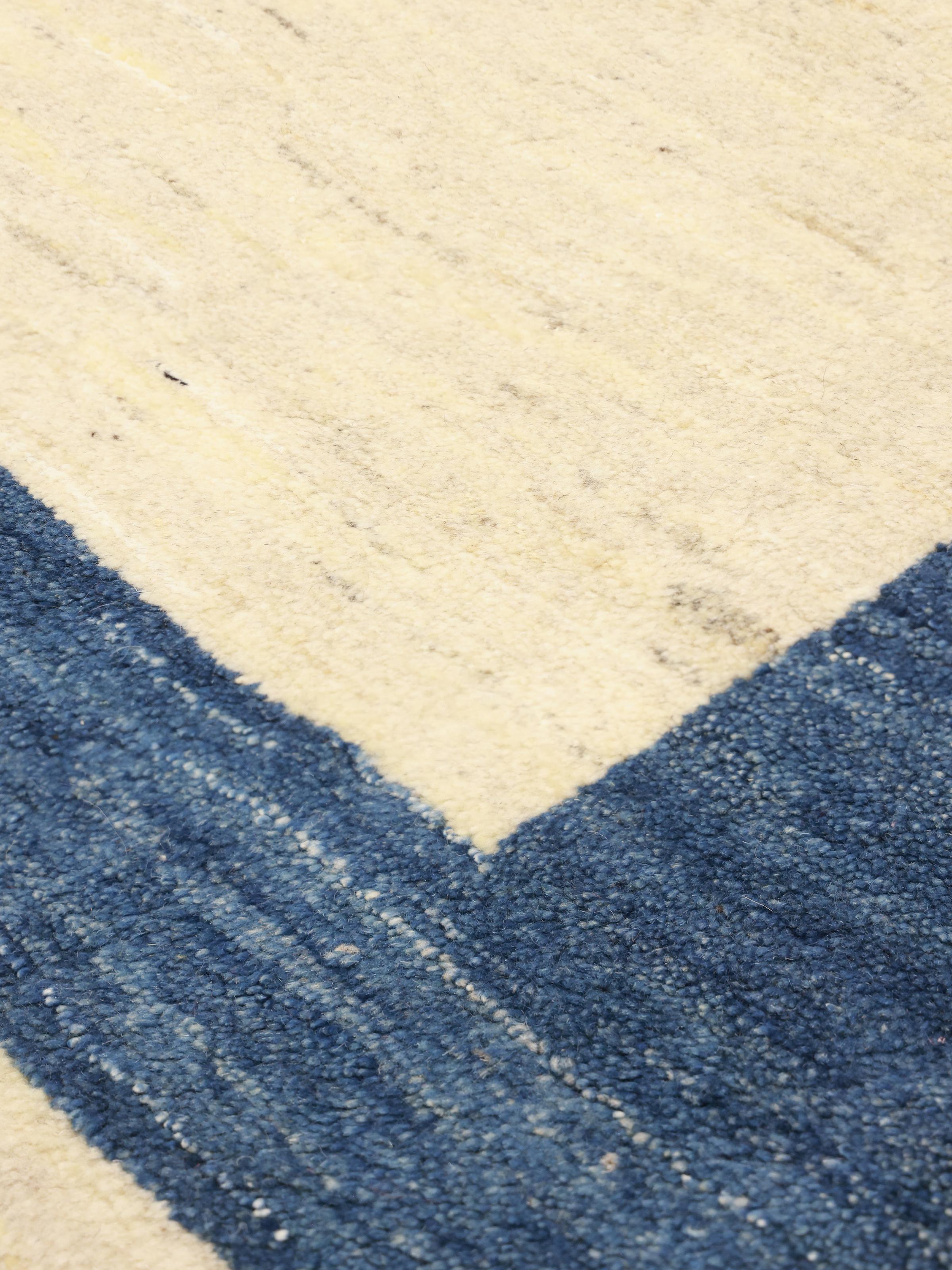
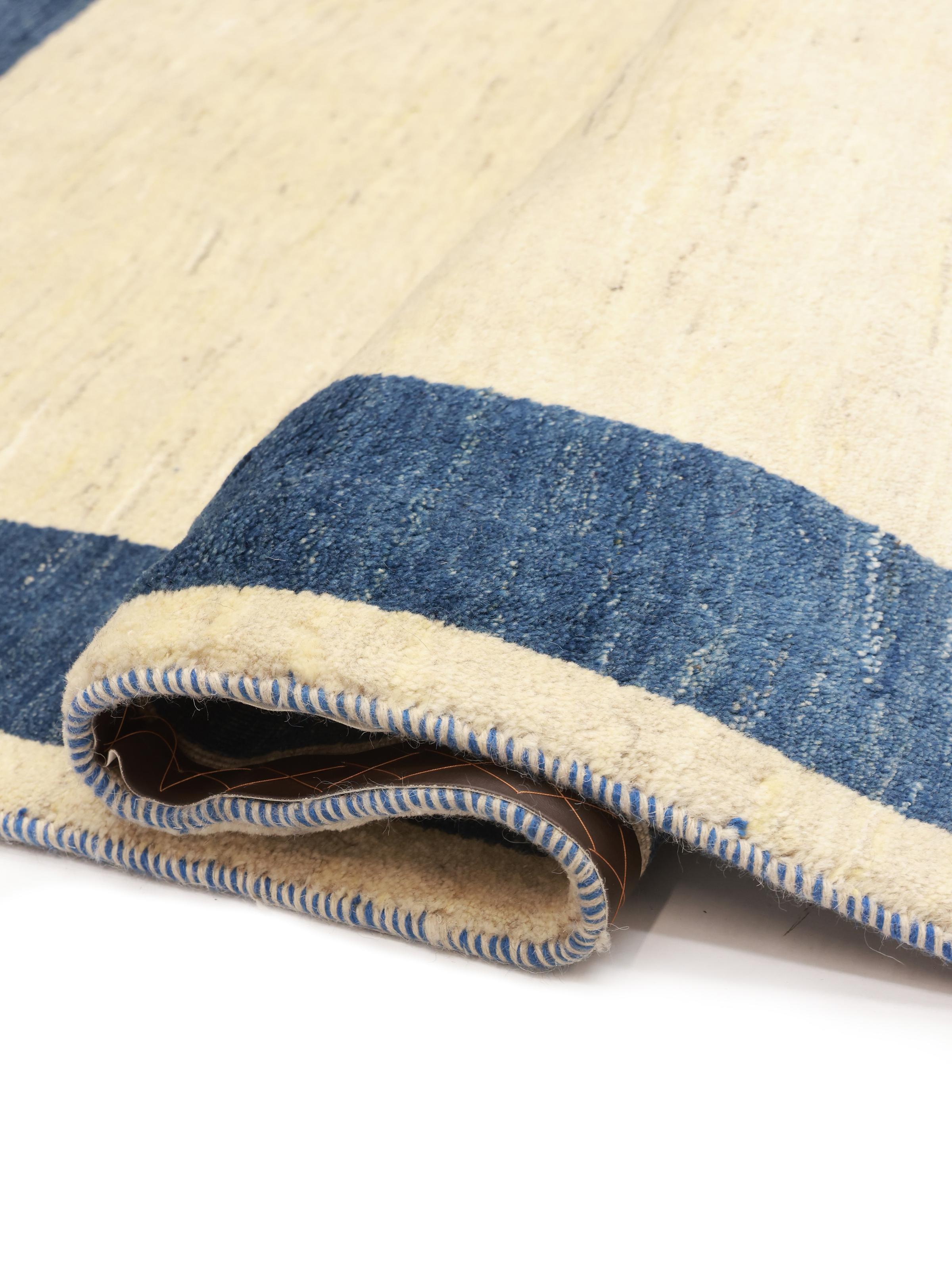
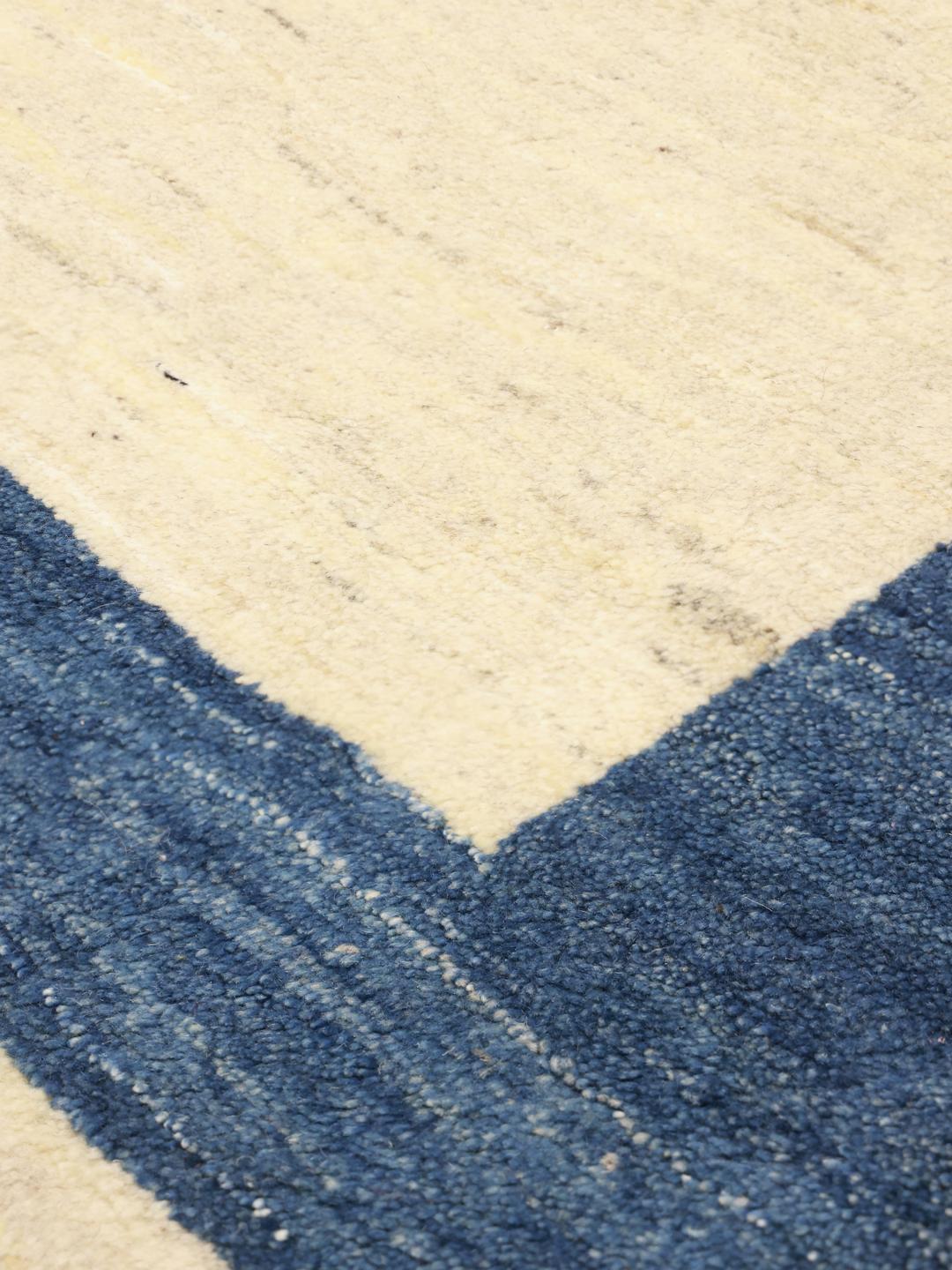
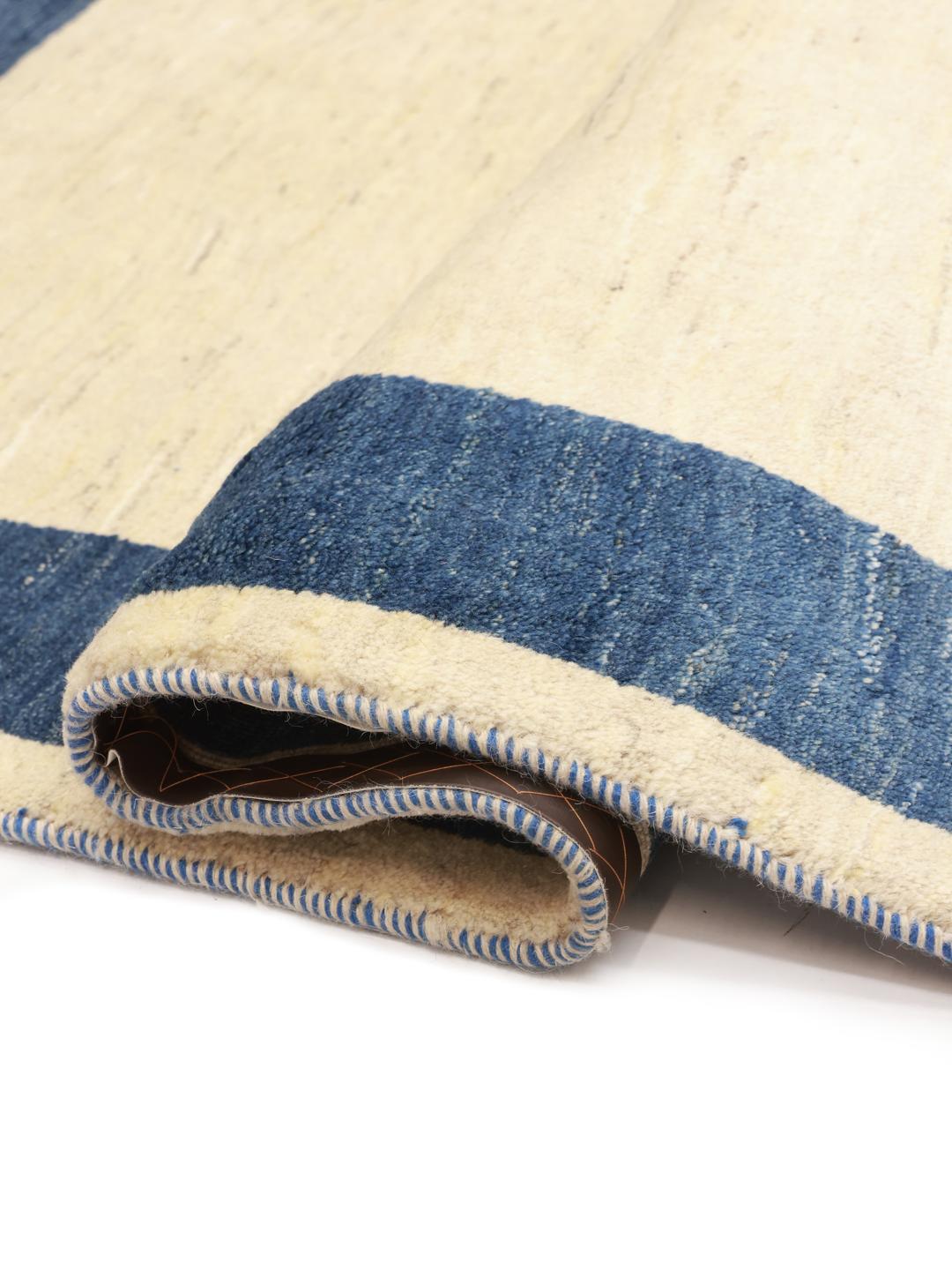
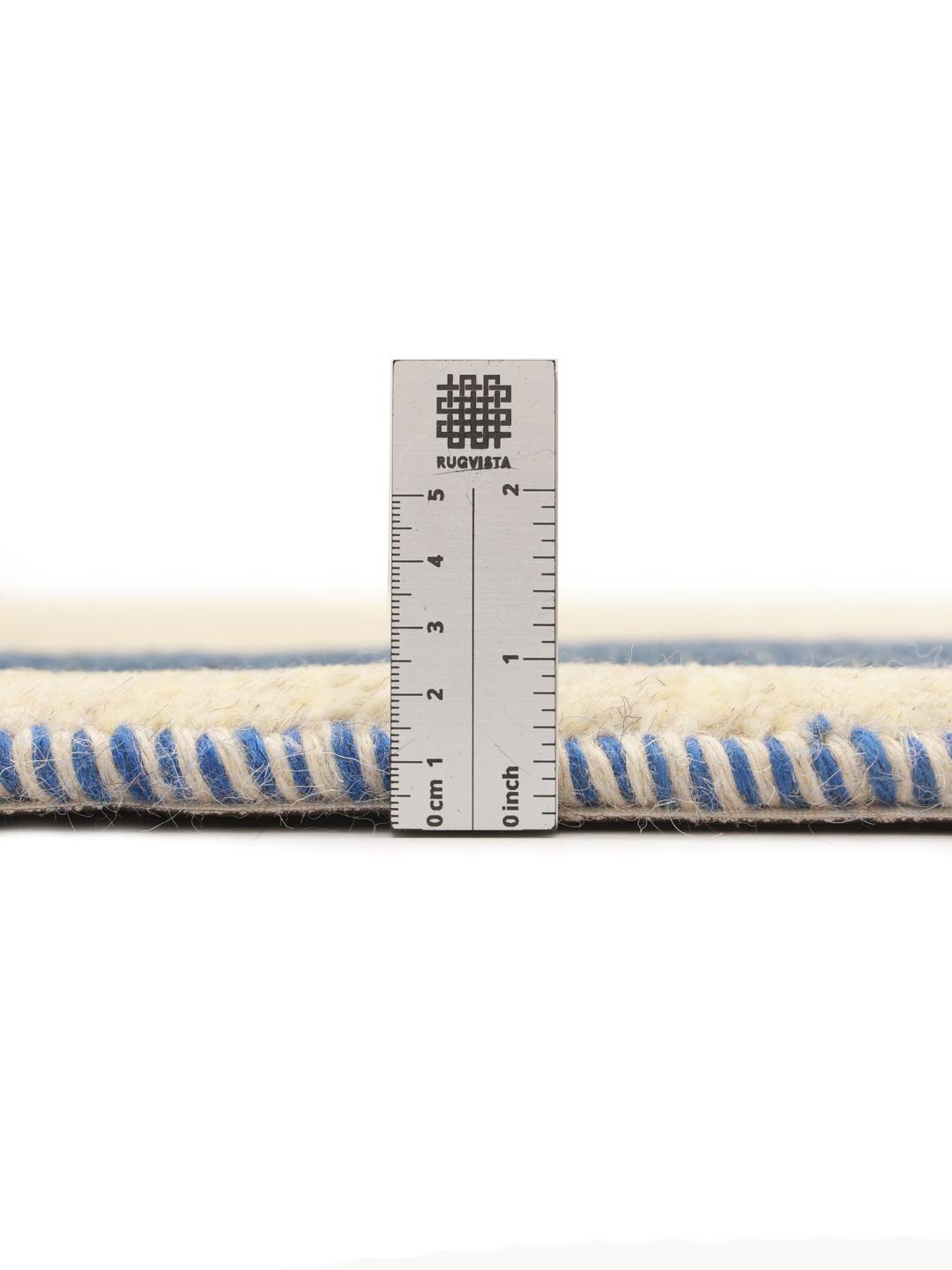
The terminology of these rugs is deeply tied to their construction. The term Gabbeh refers to a type of coarse, long-piled rug characterised by its simplistic, often abstract or minimalist designs. This construction method prioritises a thick, soft surface that provides comfort in harsh, rugged environments, relying on the natural quality of the wool to provide both durability and insulation.
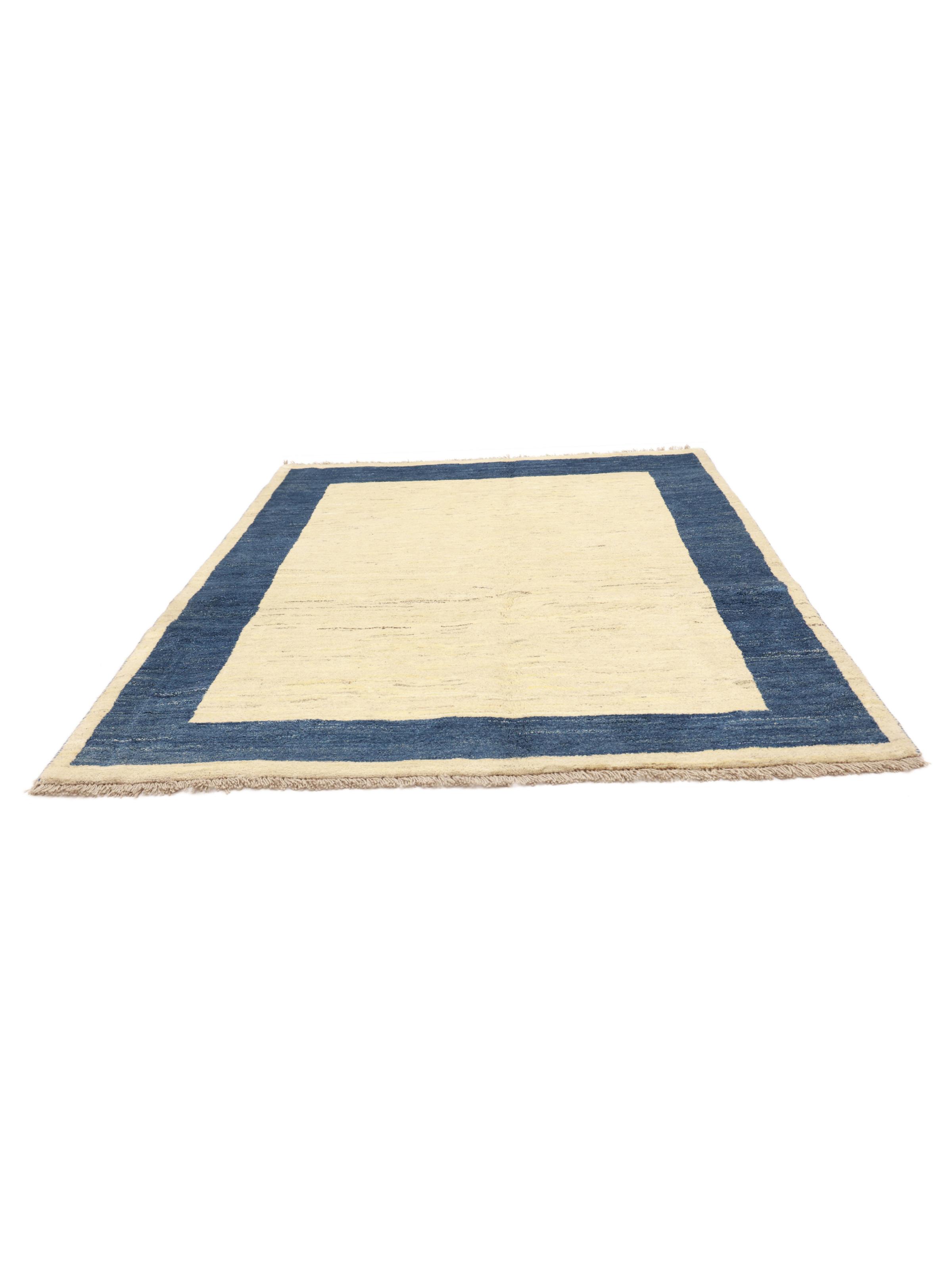
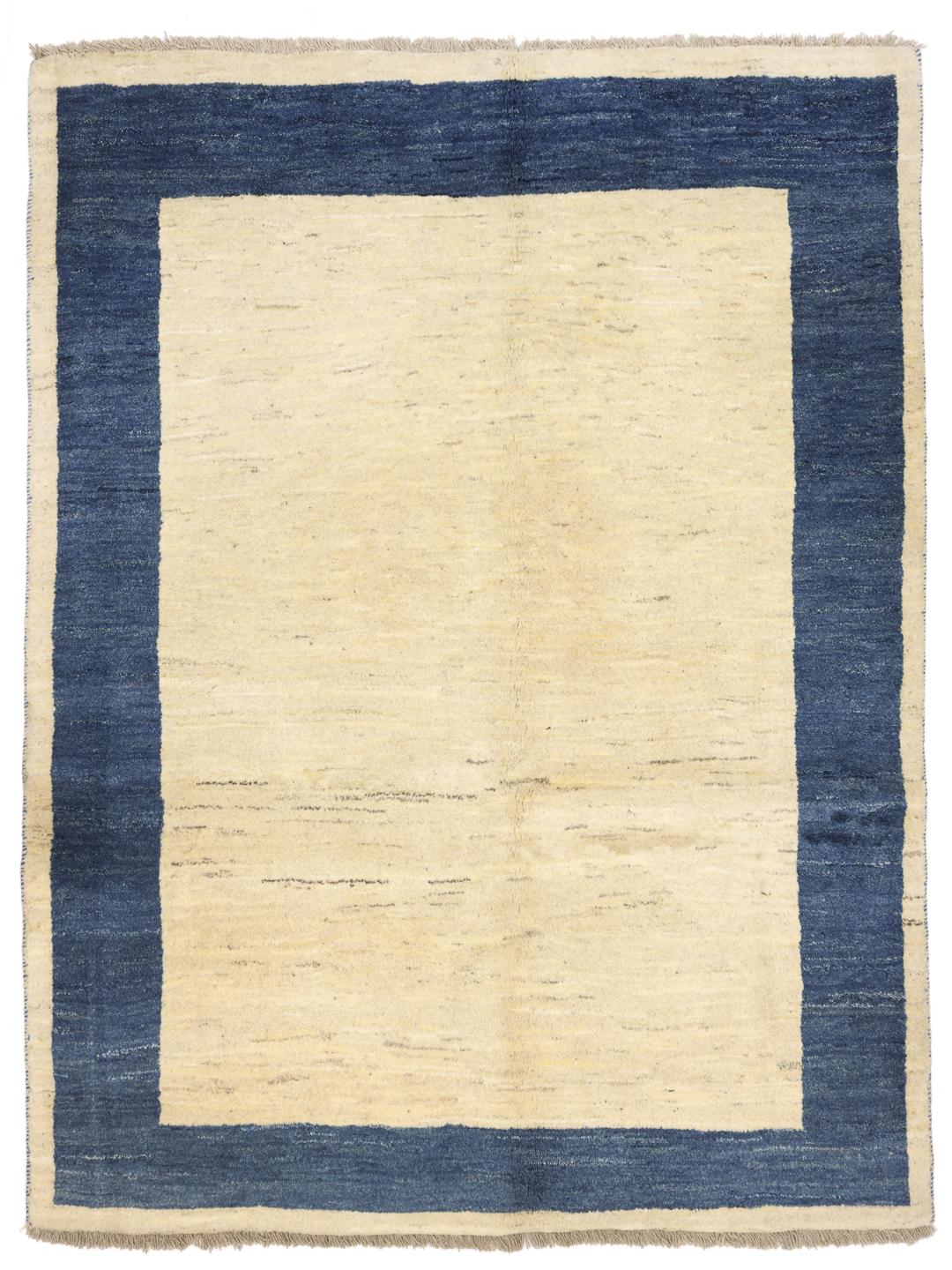
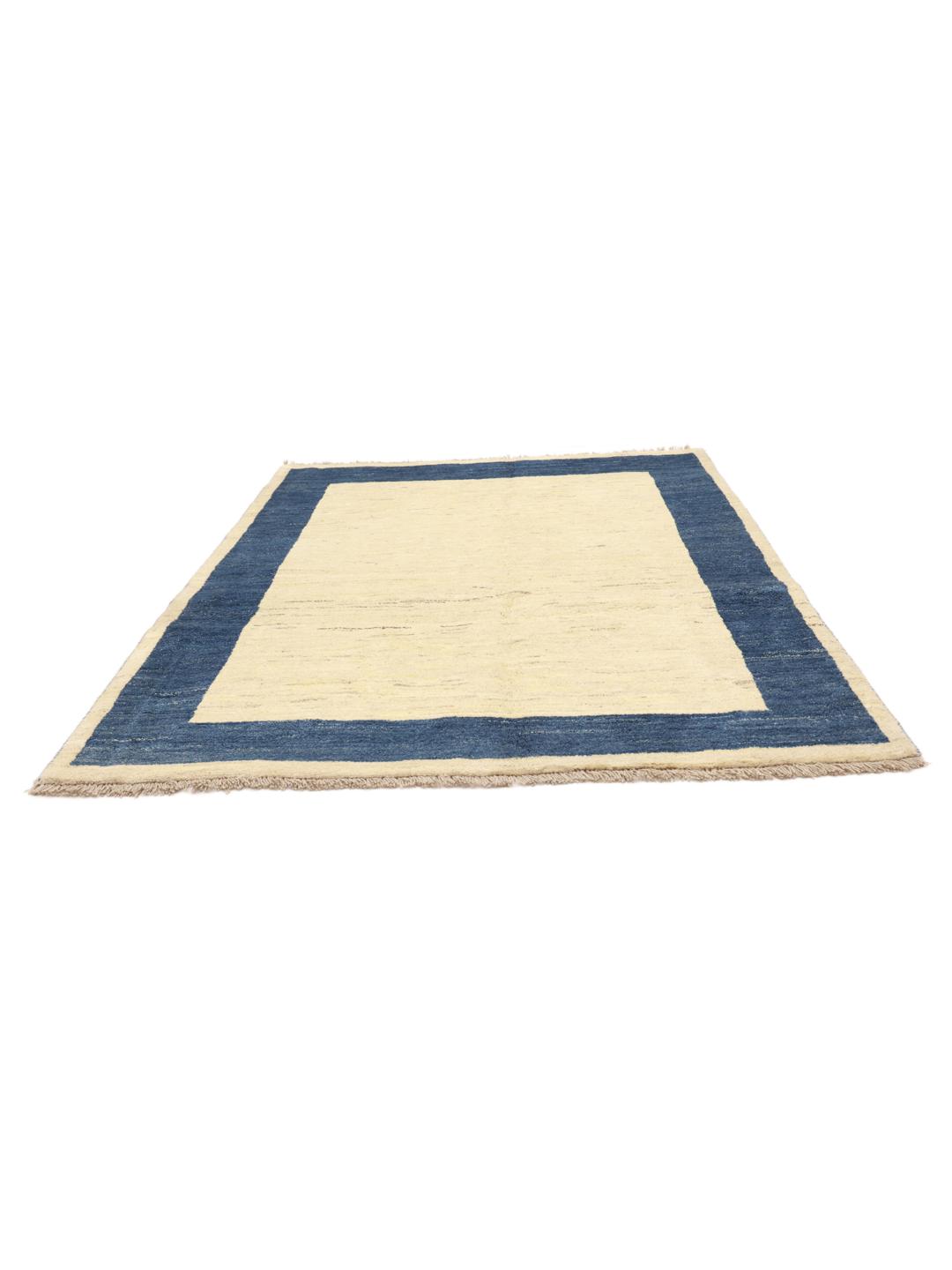
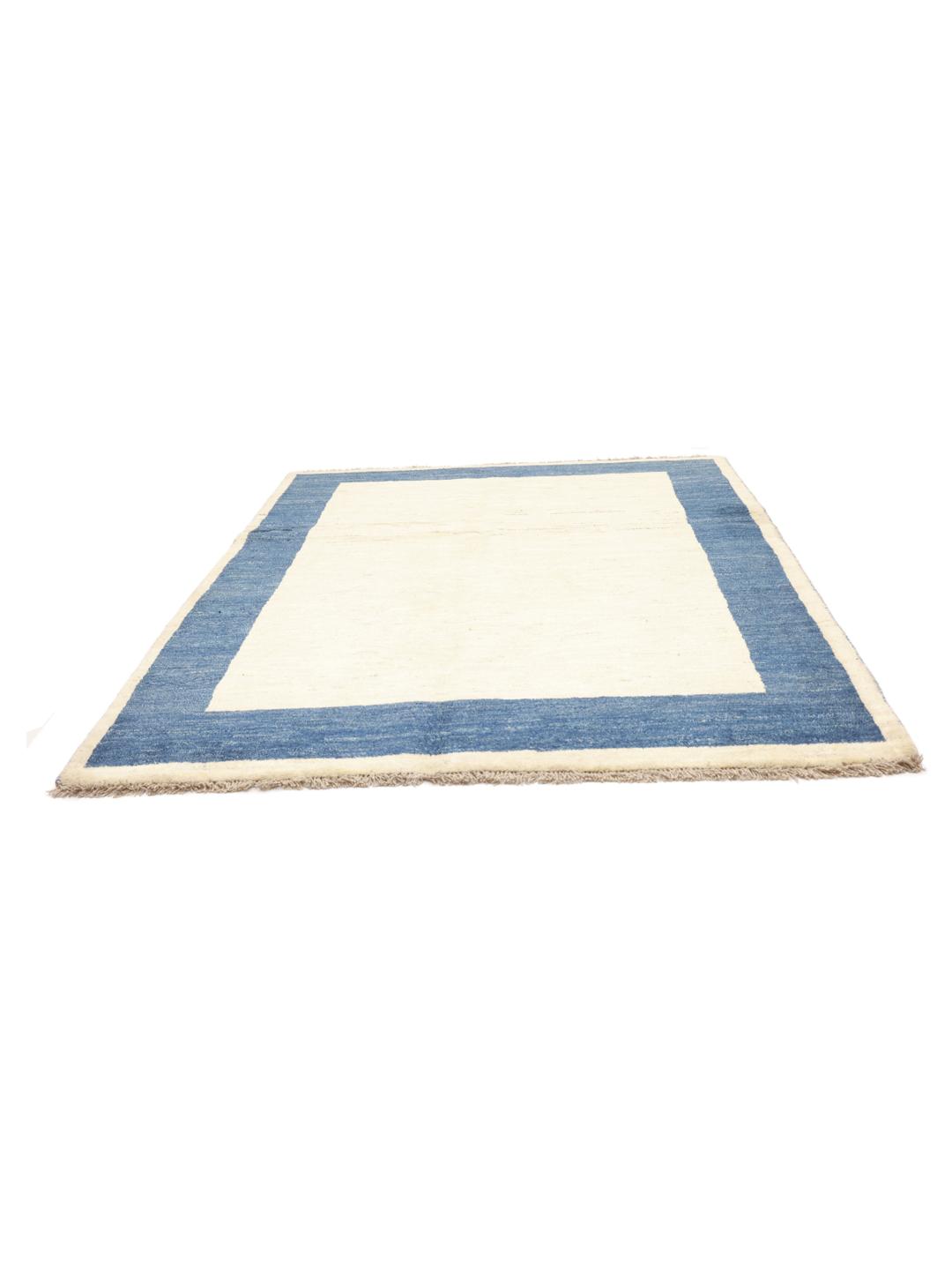
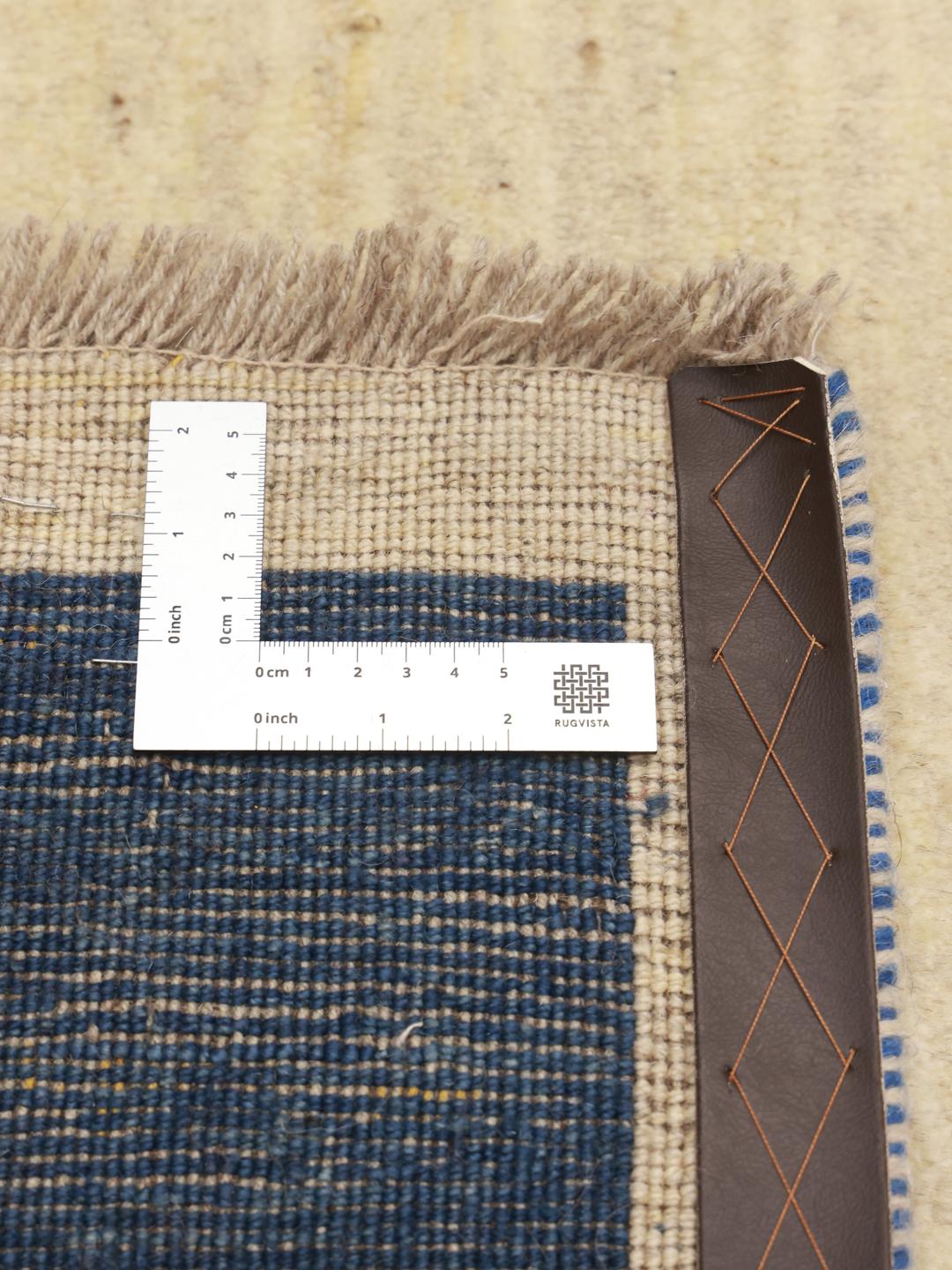
Visually, traditional Gabbeh rugs are known for their bold, spontaneous patterns and vibrant colours. Unlike more formal, symmetrical carpets, these pieces often feature wide-open fields or simple geometric shapes that highlight the weaver's artistic freedom. The dark-blue border on this particular piece creates a striking contrast against the neutral, earthy field, a hallmark of the expressive, uninhibited style that defines this tradition.
Today, these rugs are highly sought after by collectors who value the authenticity and human story behind each piece. Owning a Gabbeh is an opportunity to connect with a centuries-old tradition of nomadic artistry. Each rug is a record of the weaver's skill and environment, making it a culturally significant addition to any modern home.