Gabbeh rugs originate from the nomadic tribes of the Middle East, primarily woven by the Ghashgai and Luri peoples. Historically, these rugs were created as thick, practical floor coverings for tent life, designed to provide insulation against the cold ground. Unlike more formal urban carpets, the Gabbeh was a personal, utilitarian object often created for the weaver's own family use.
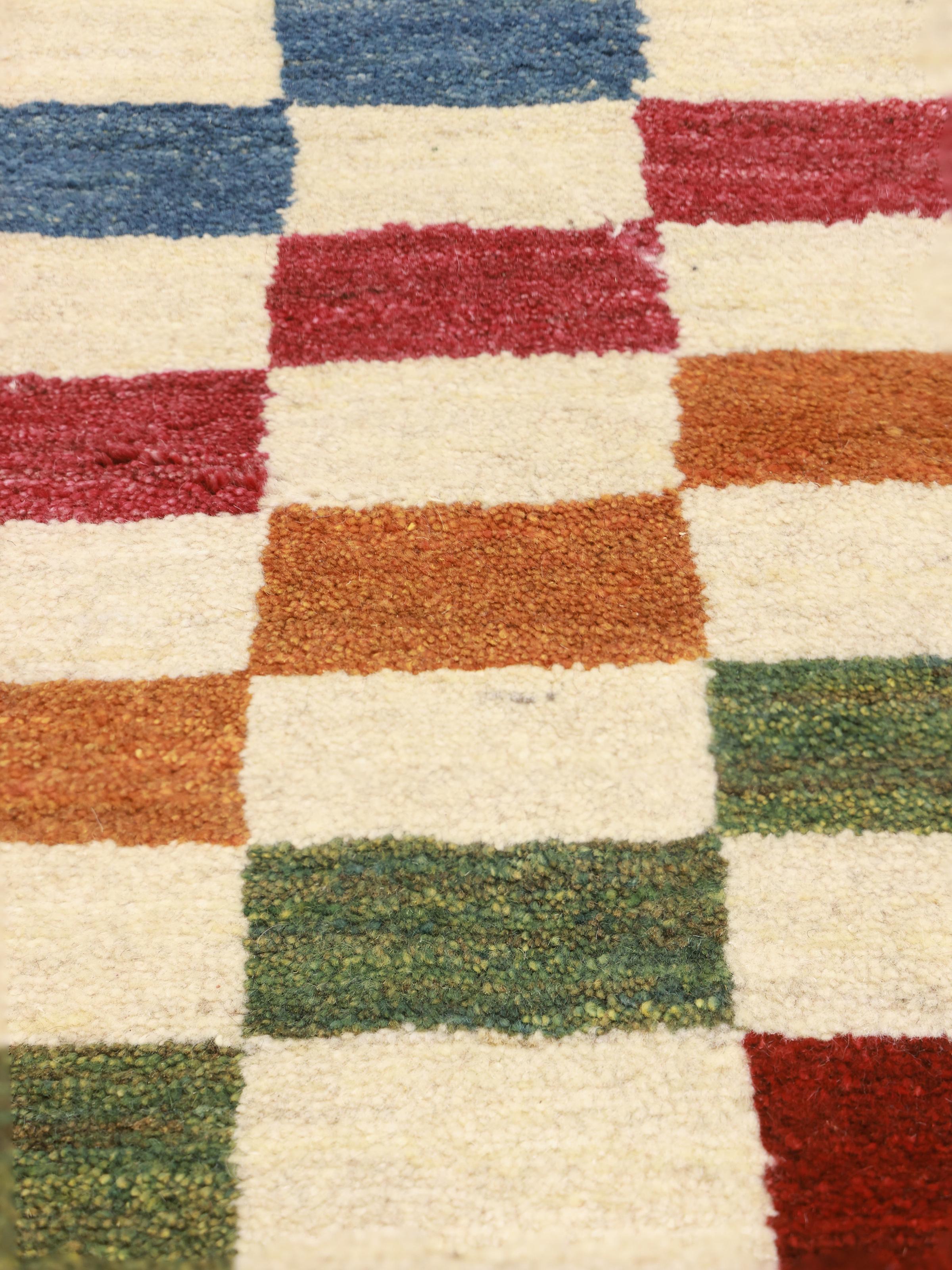
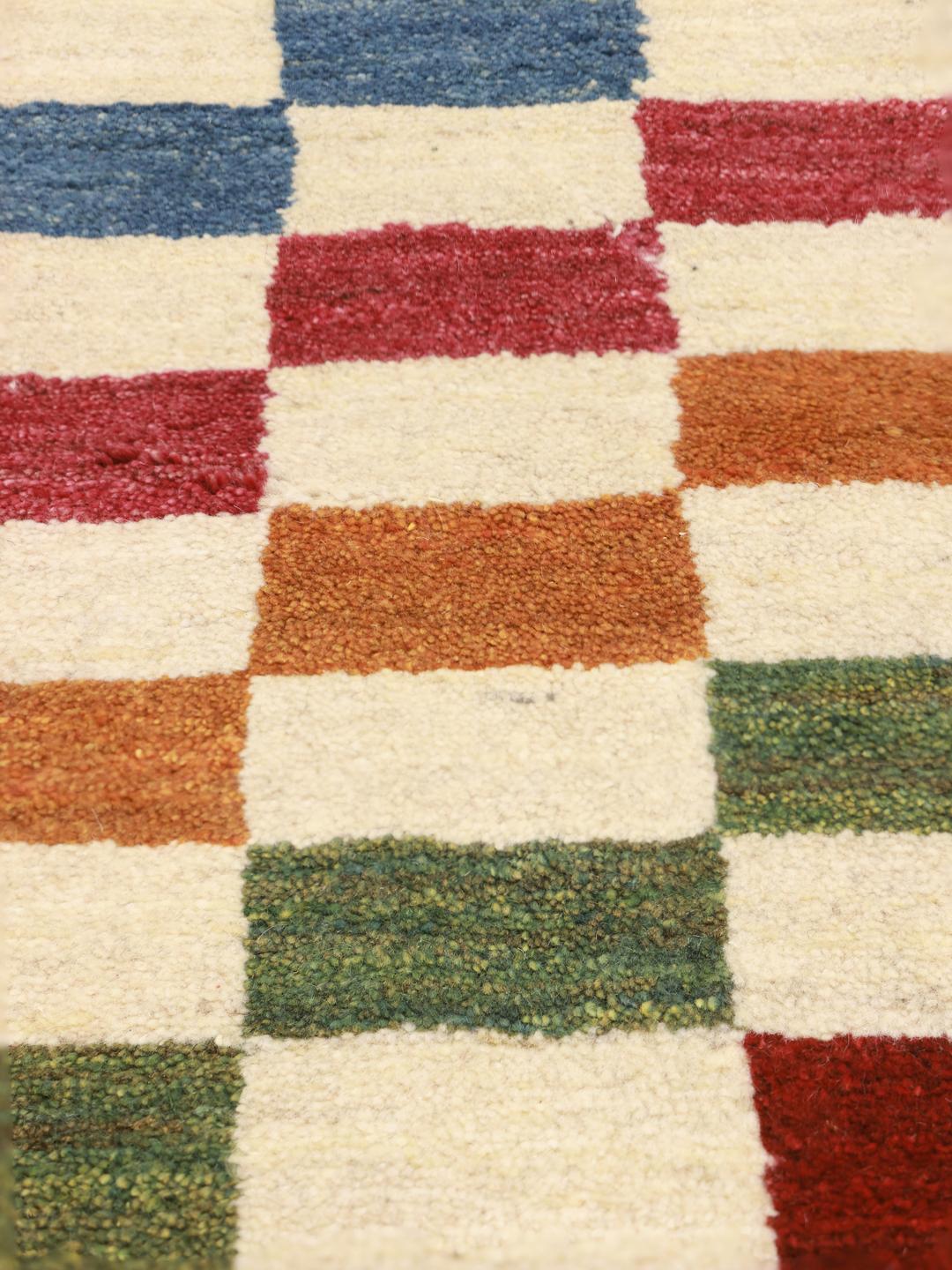
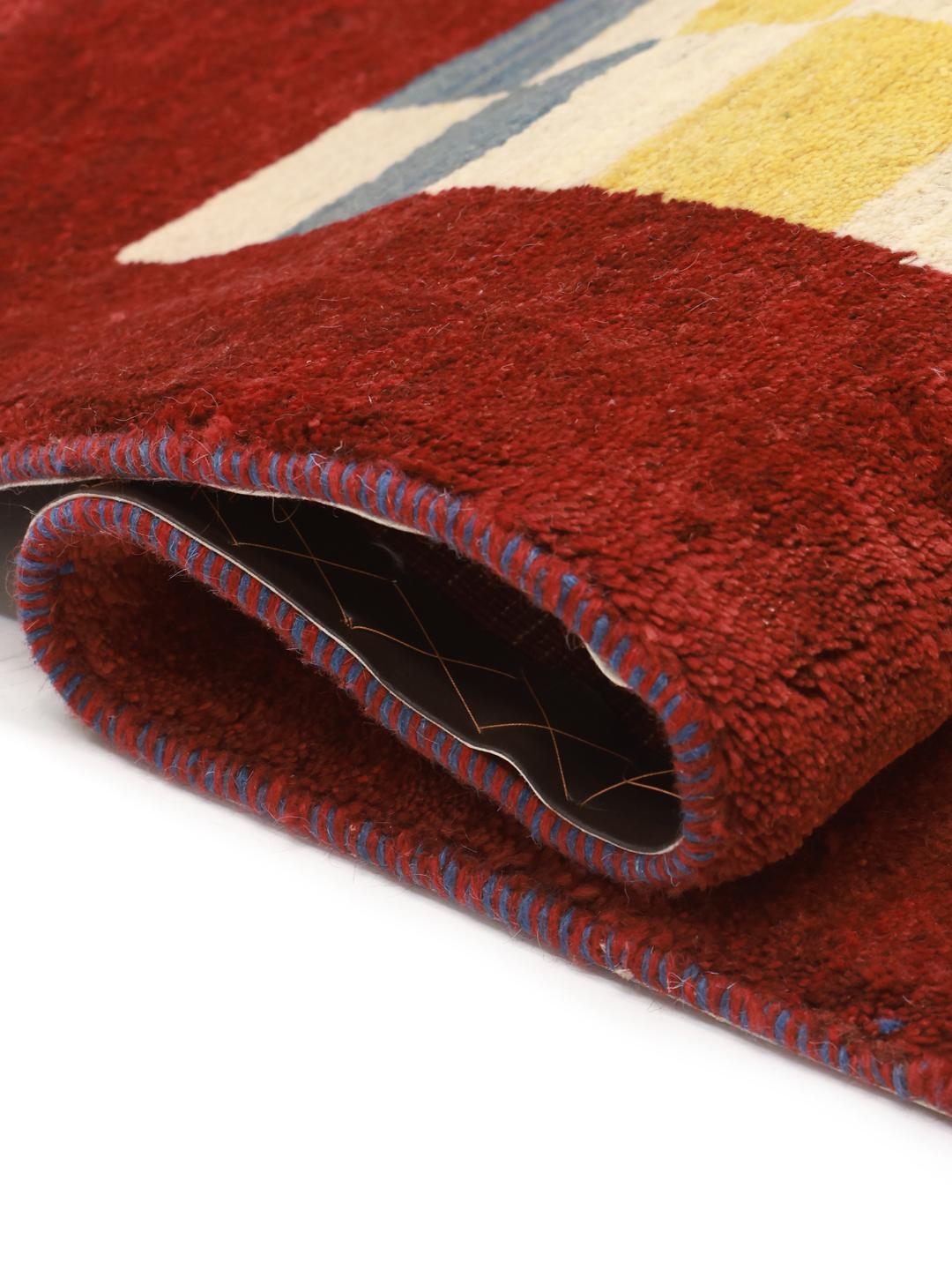
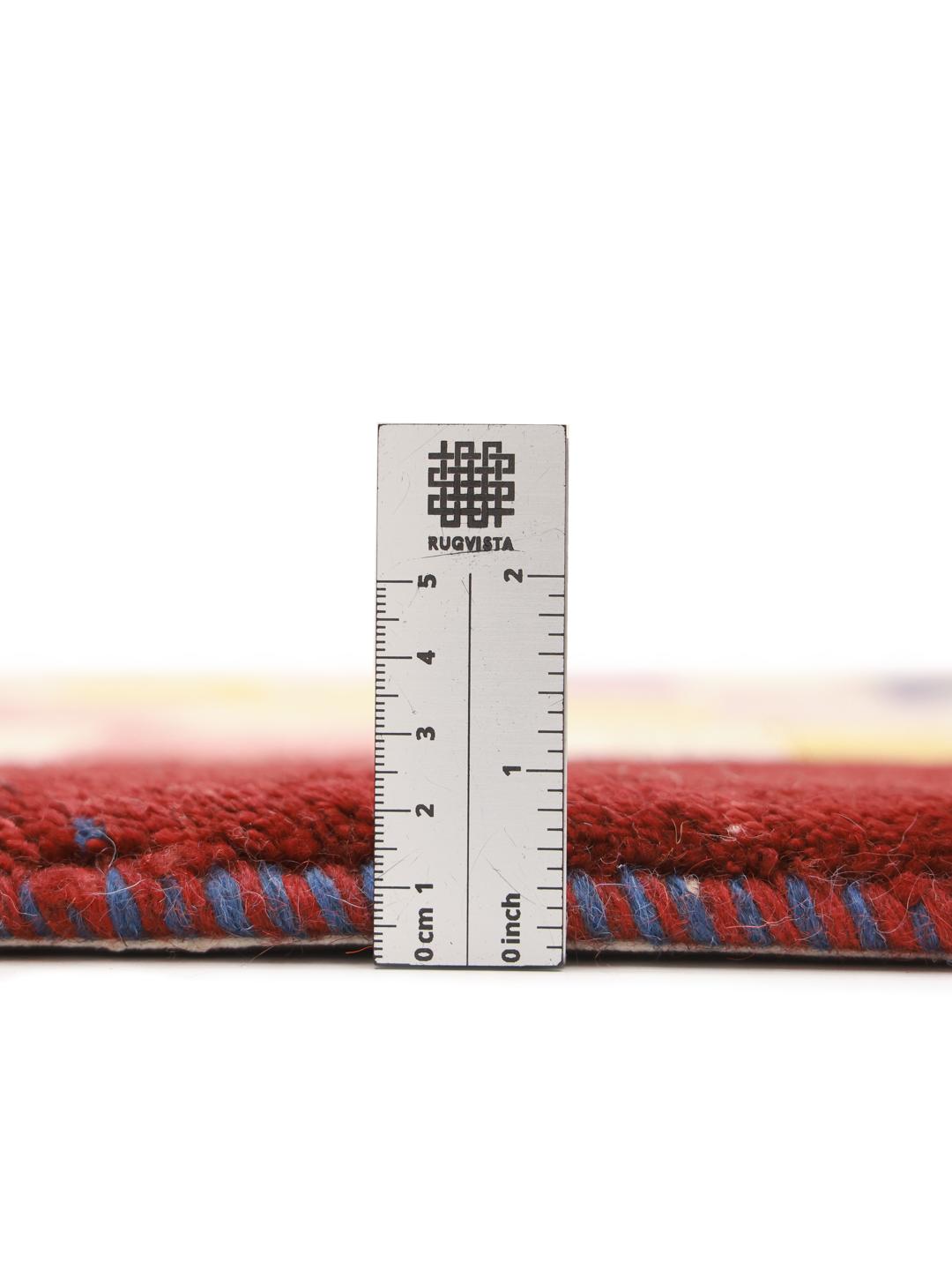
The term 'Gabbeh' itself translates to 'raw' or 'natural', reflecting the original intent of these rugs to be simple and unpretentious. The construction typically features a thick, hand-spun Wool pile, which is prized for its high lanolin content. This natural oil provides the Wool with a soft, lustrous quality and inherent stain resistance, making it an ideal material for long-lasting floor coverings.
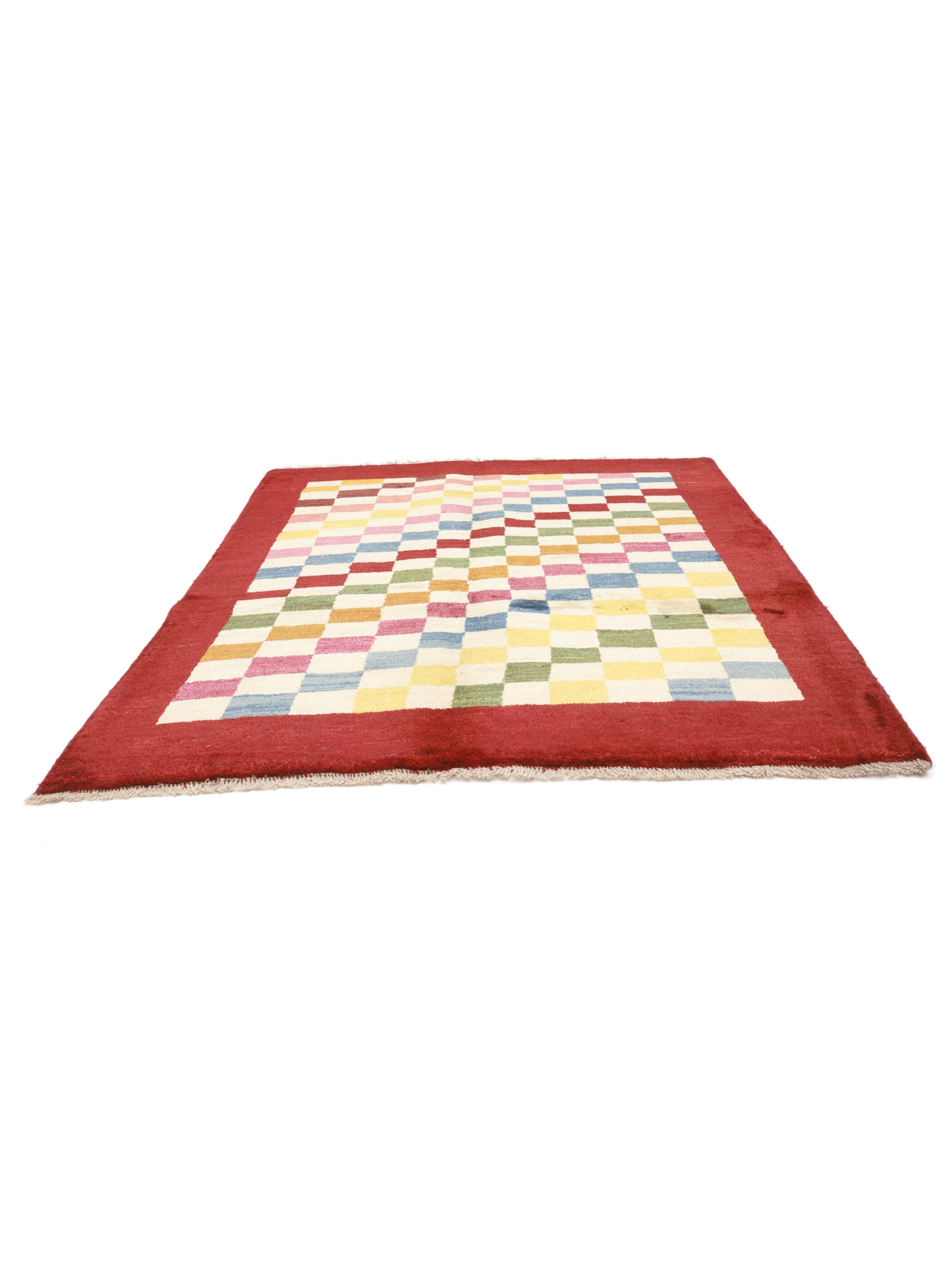
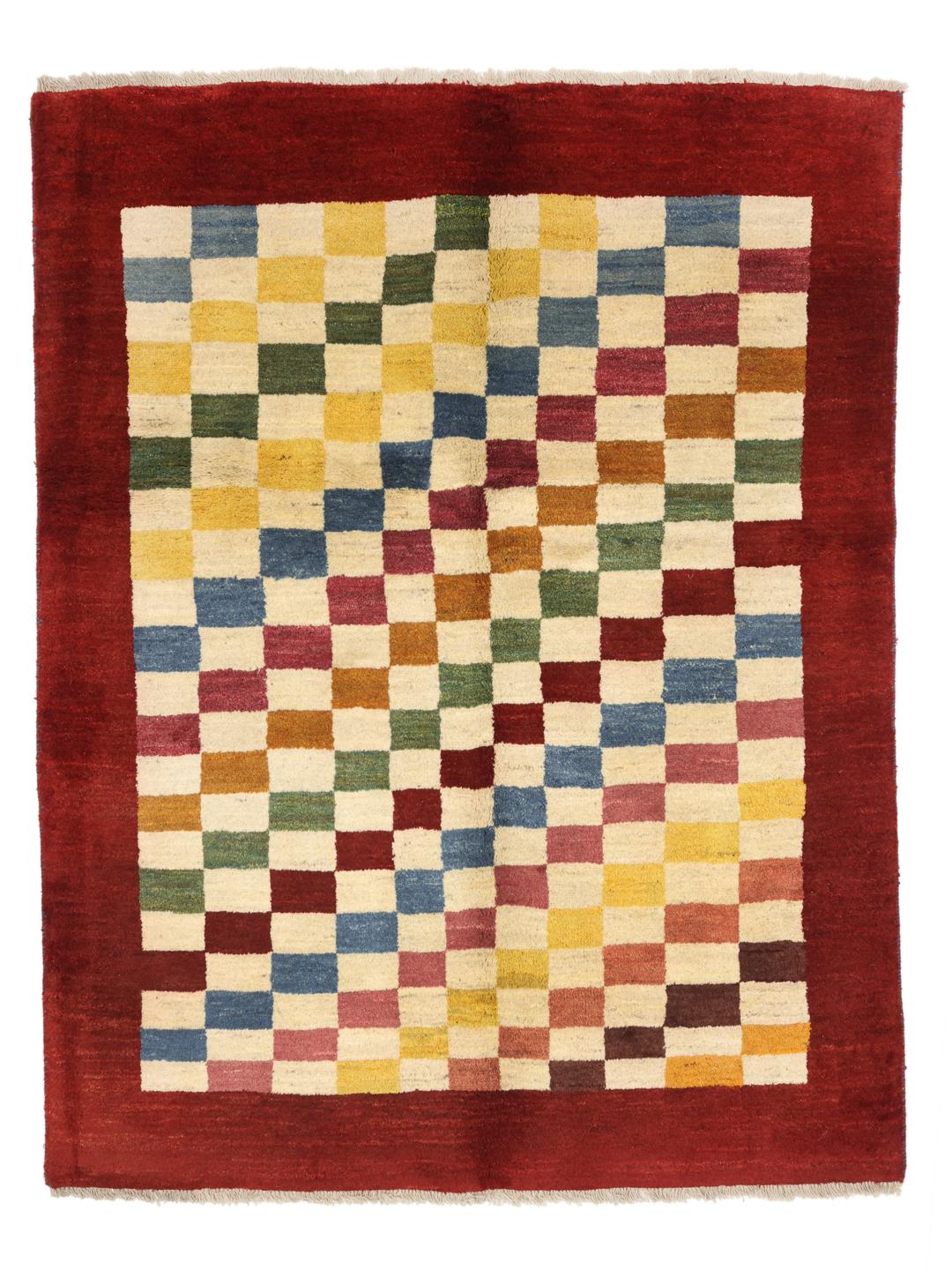
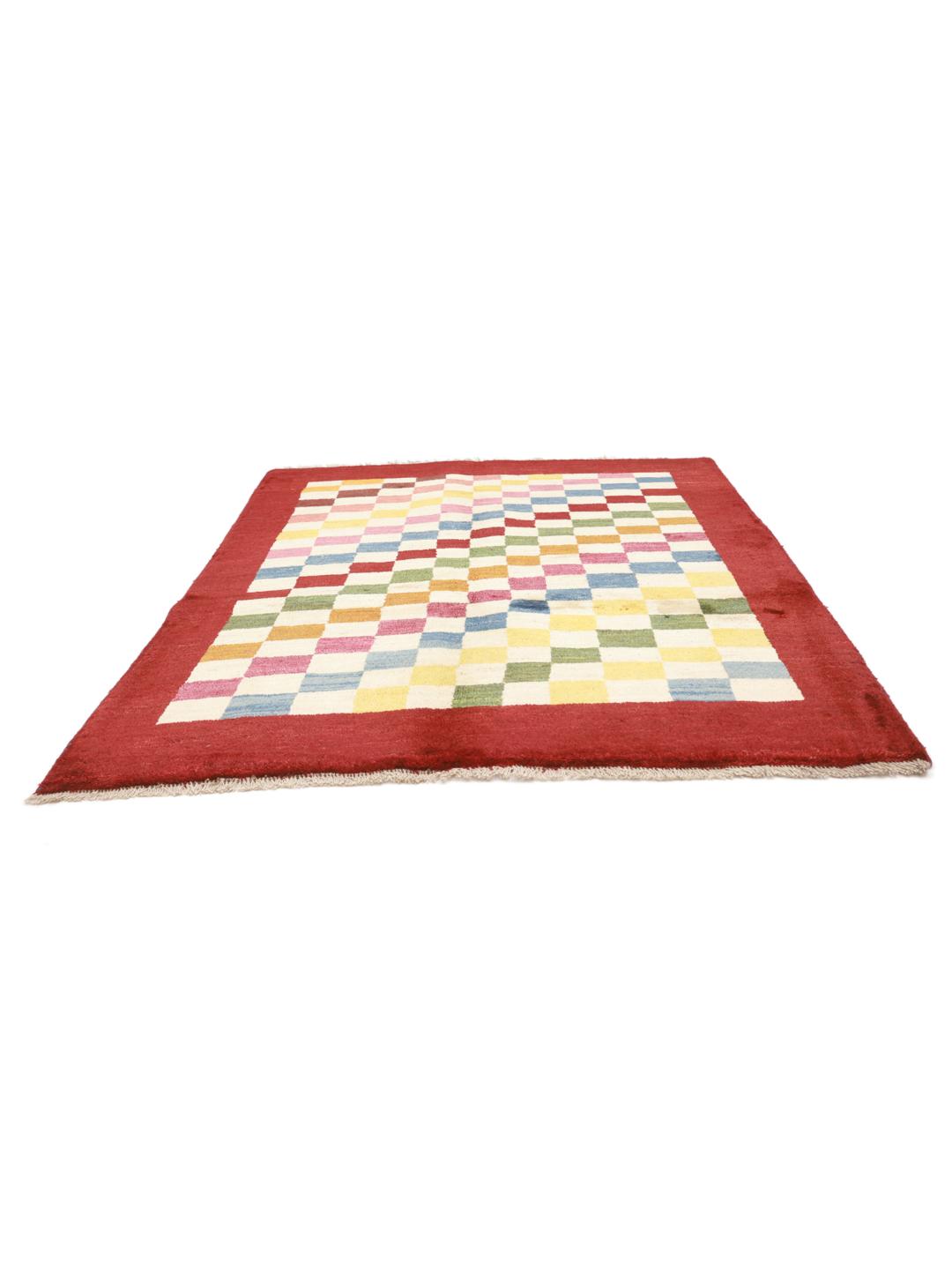
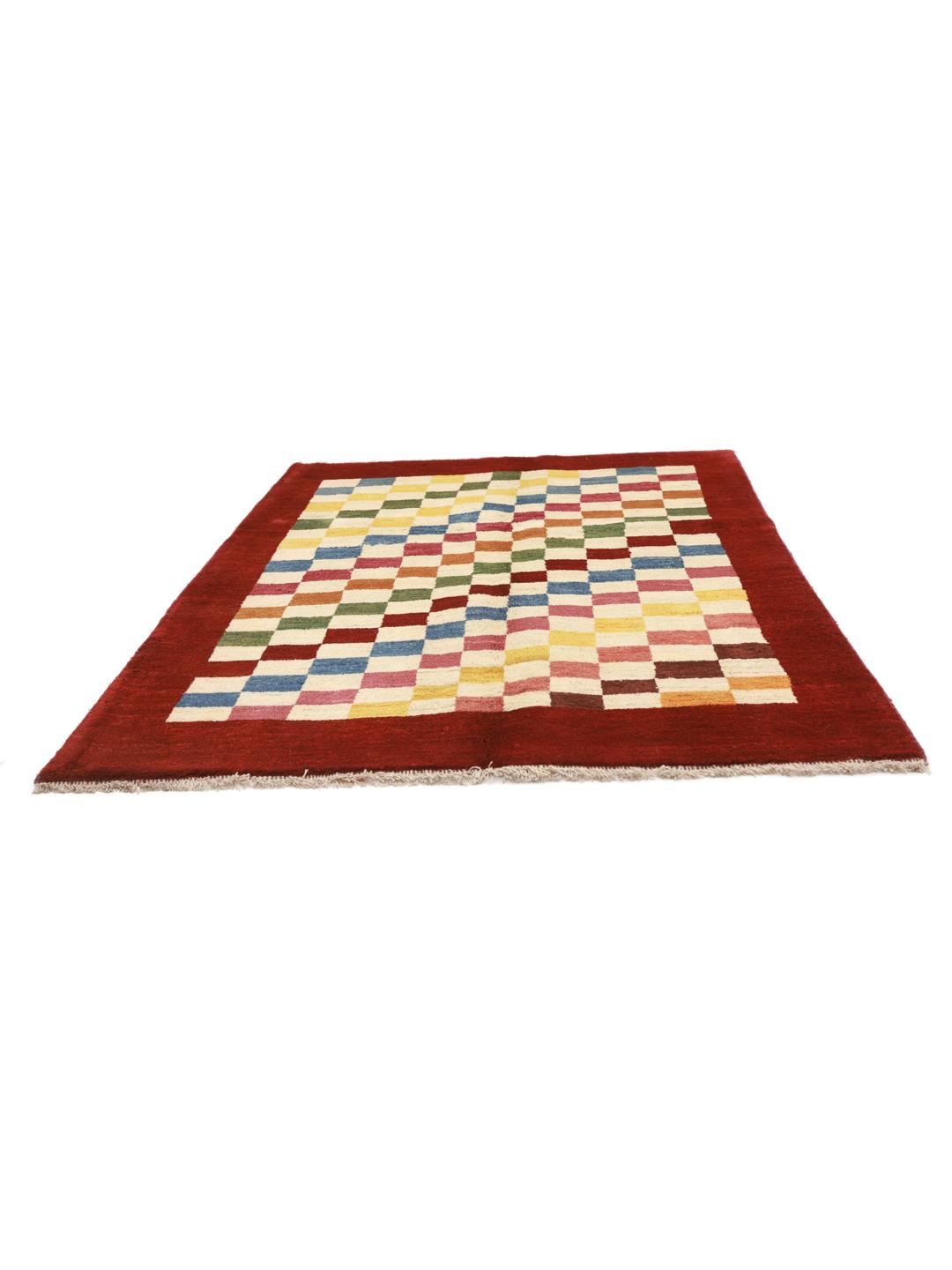
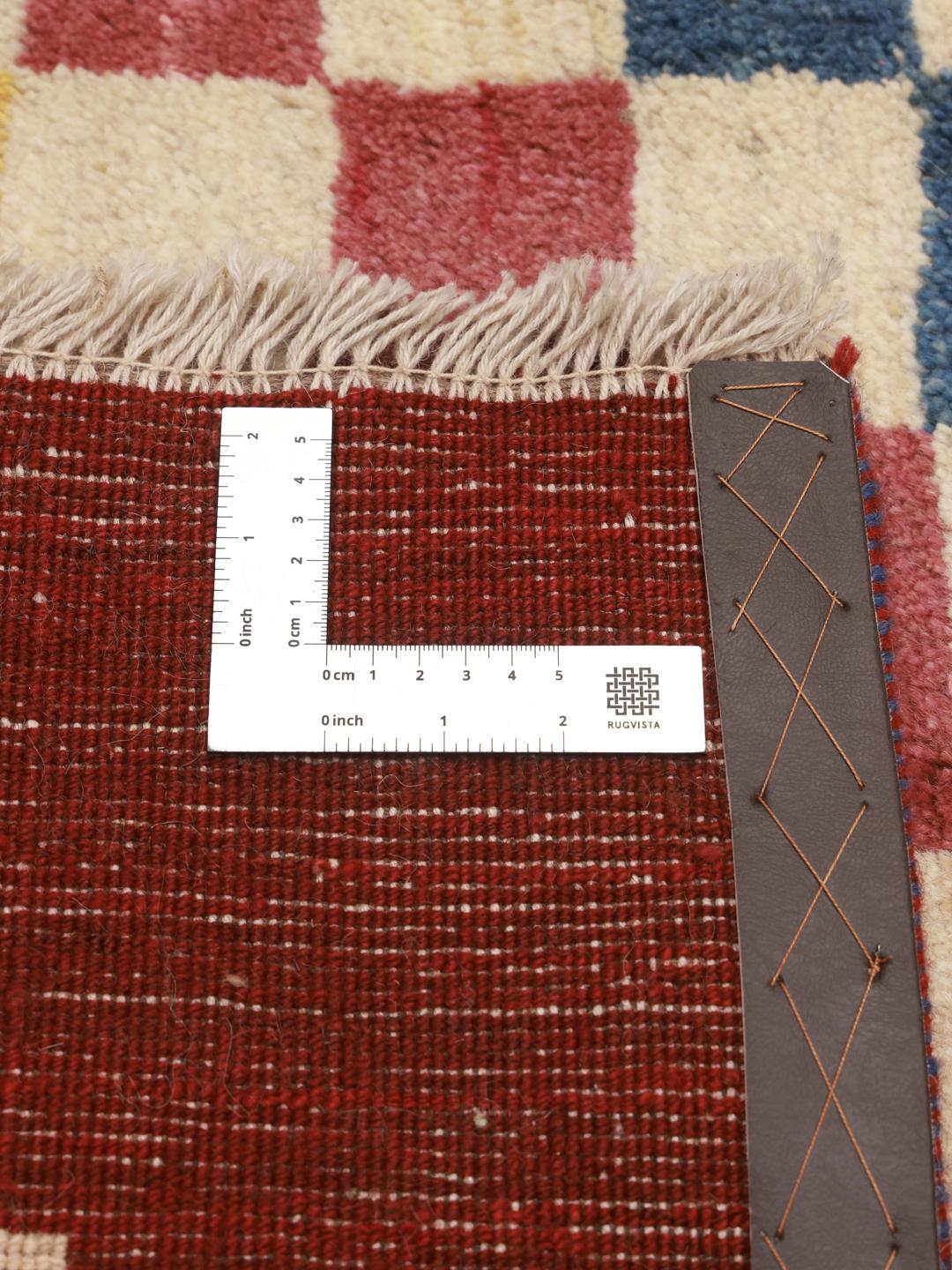
Visually, traditional Gabbeh rugs are known for their minimalist, often abstract or geometric designs. While formal rugs from the region often follow strict, symmetrical patterns, the Gabbeh is characterised by its spontaneity. Weavers often incorporate simple shapes, animals, or, as seen in this piece, bold checkered grids that allow for a playful and artistic use of colour, often derived from natural plant and mineral dyes.
Owning a Gabbeh today is a way of connecting with a rich tradition of nomadic artistry. These rugs are highly valued by collectors not just for their aesthetic appeal, but for the untethered creativity they represent. They stand as a testament to the skill of the weaver and the endurance of a craft that prioritises individual expression over mass-produced uniformity.