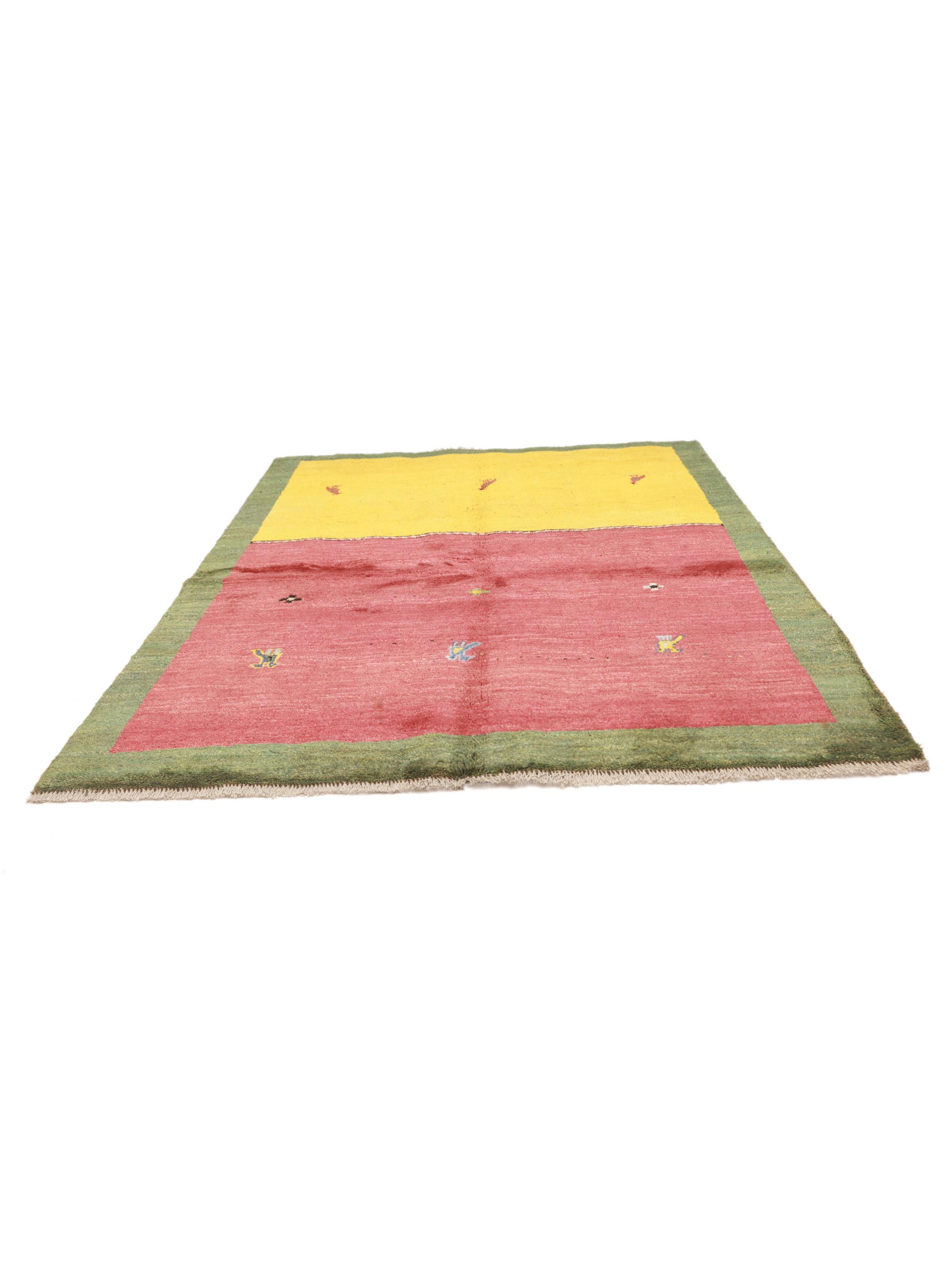
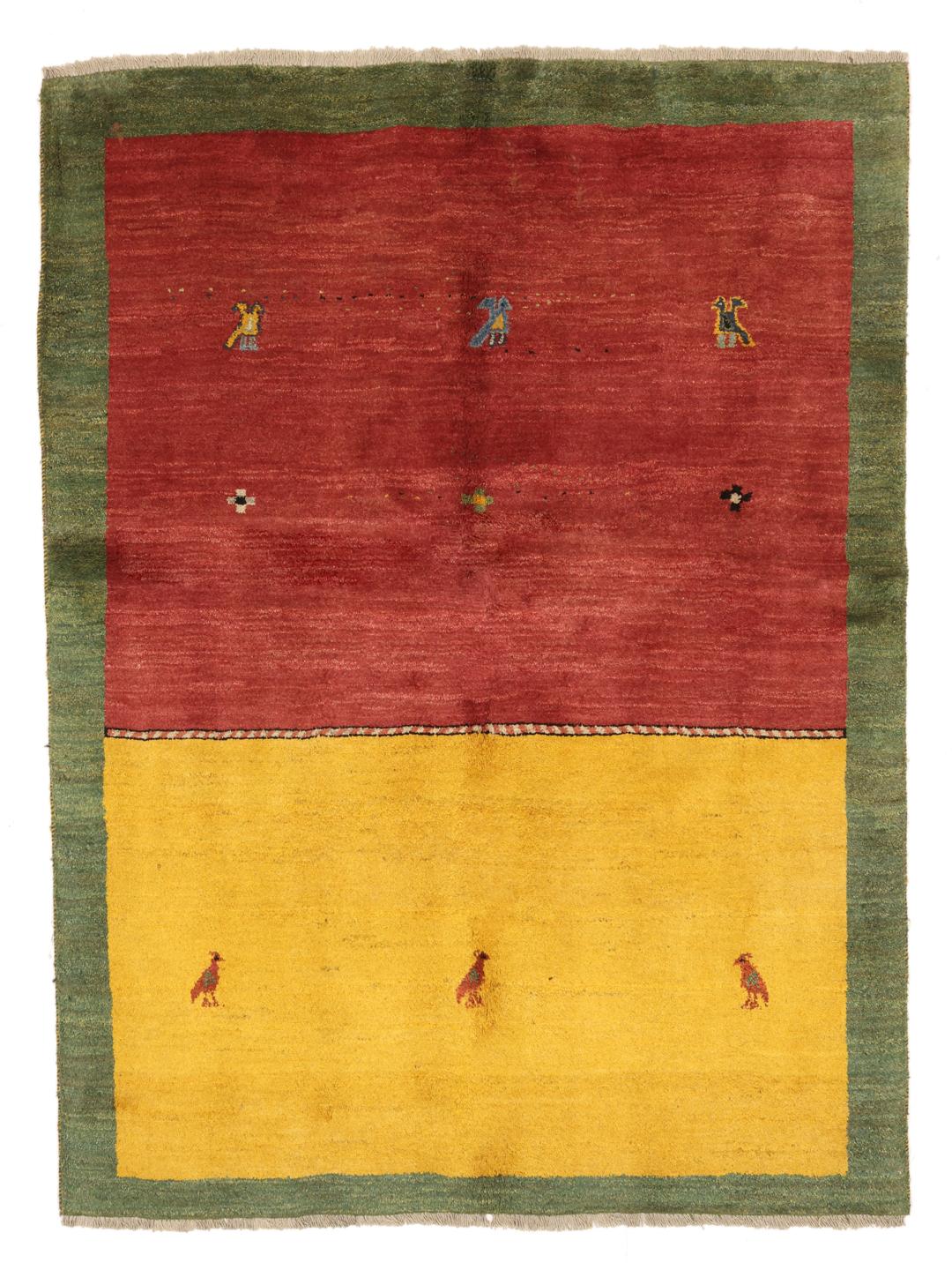
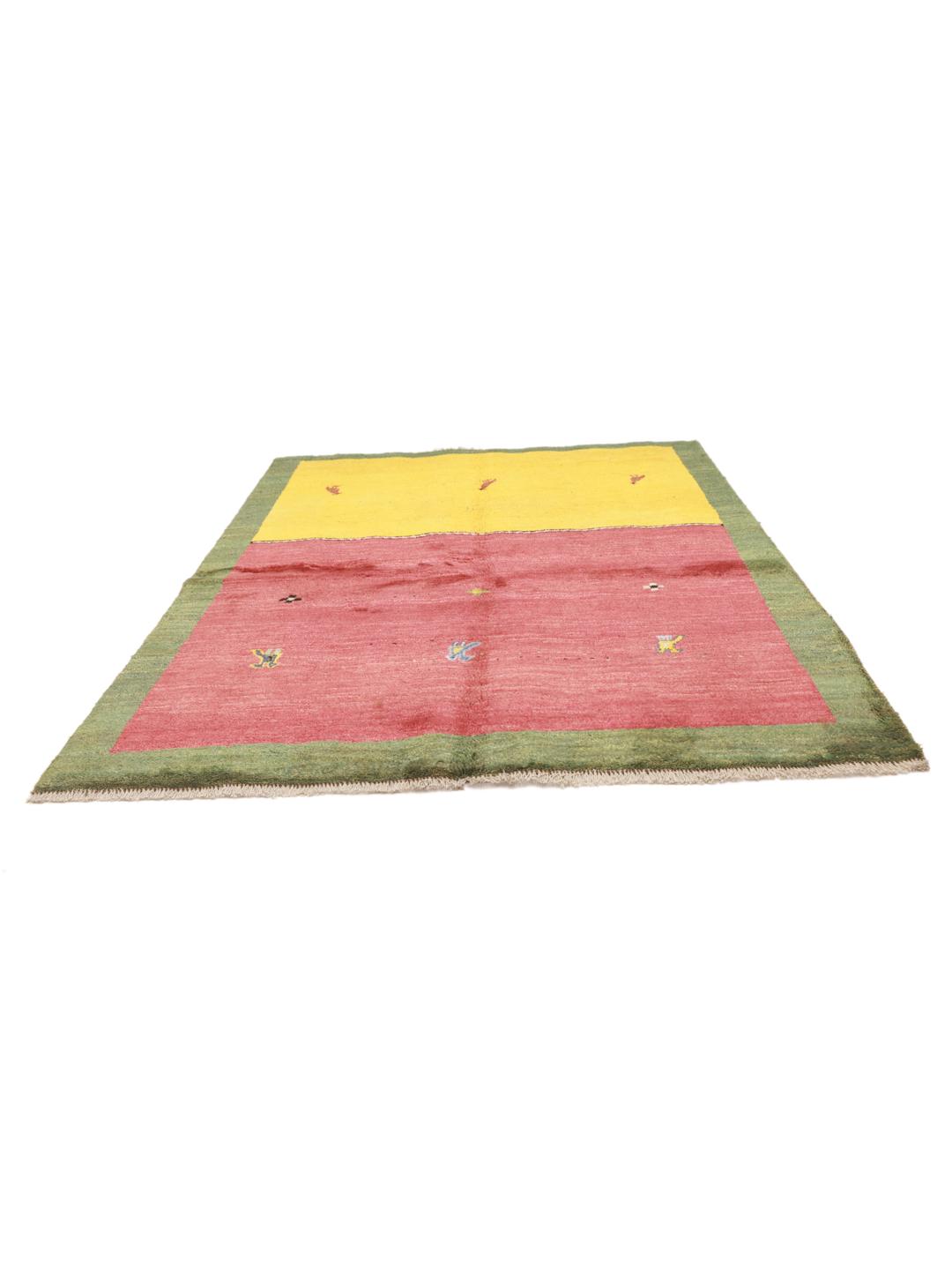
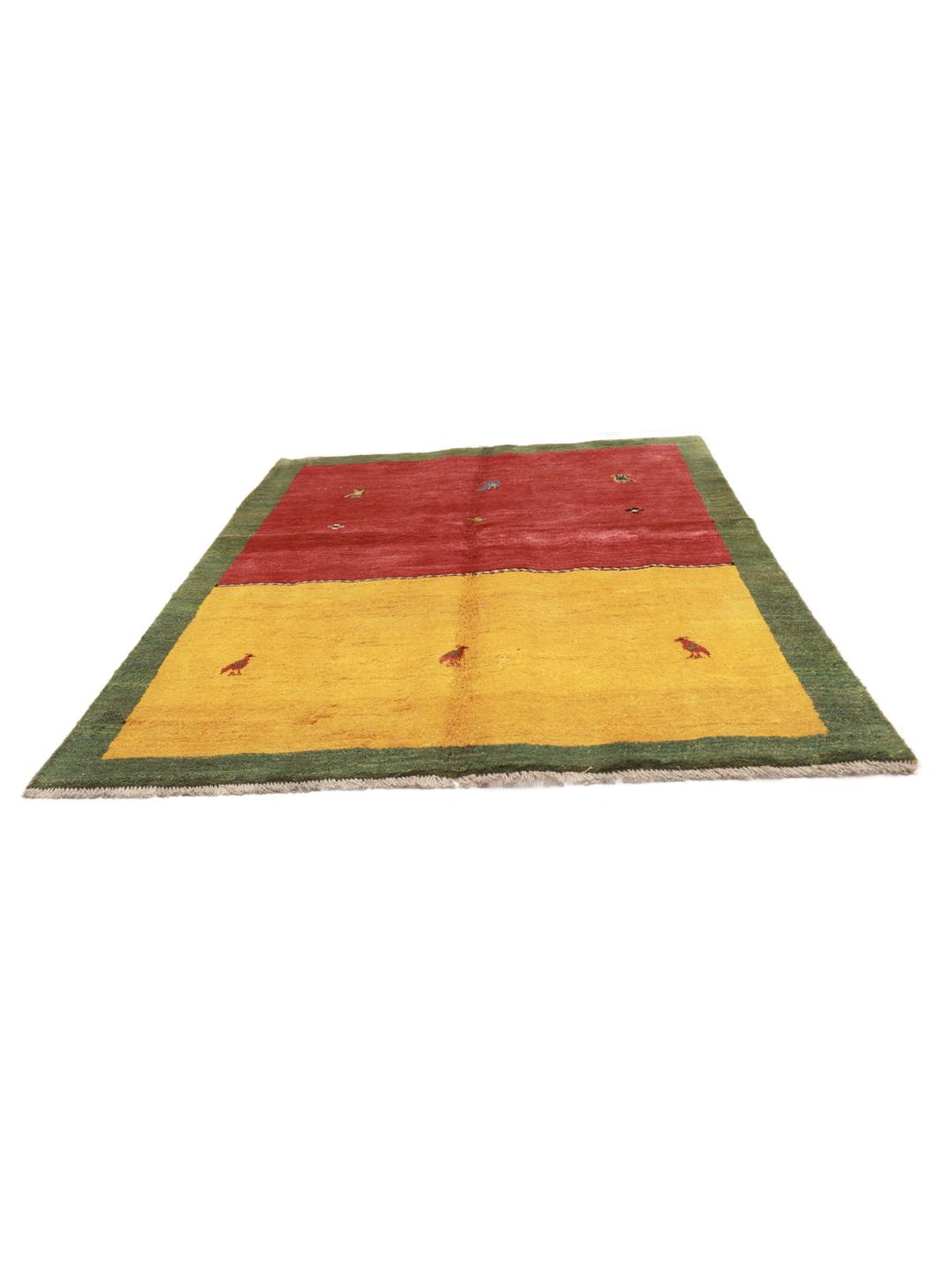
The Gabbeh tradition is deeply rooted in the nomadic history of the Middle East, where weavers created these rugs primarily for their own domestic use rather than for trade. Unlike formal, city-made rugs, Gabbeh rugs are known for their spontaneous and expressive designs, often reflecting the surroundings and emotional state of the weaver.
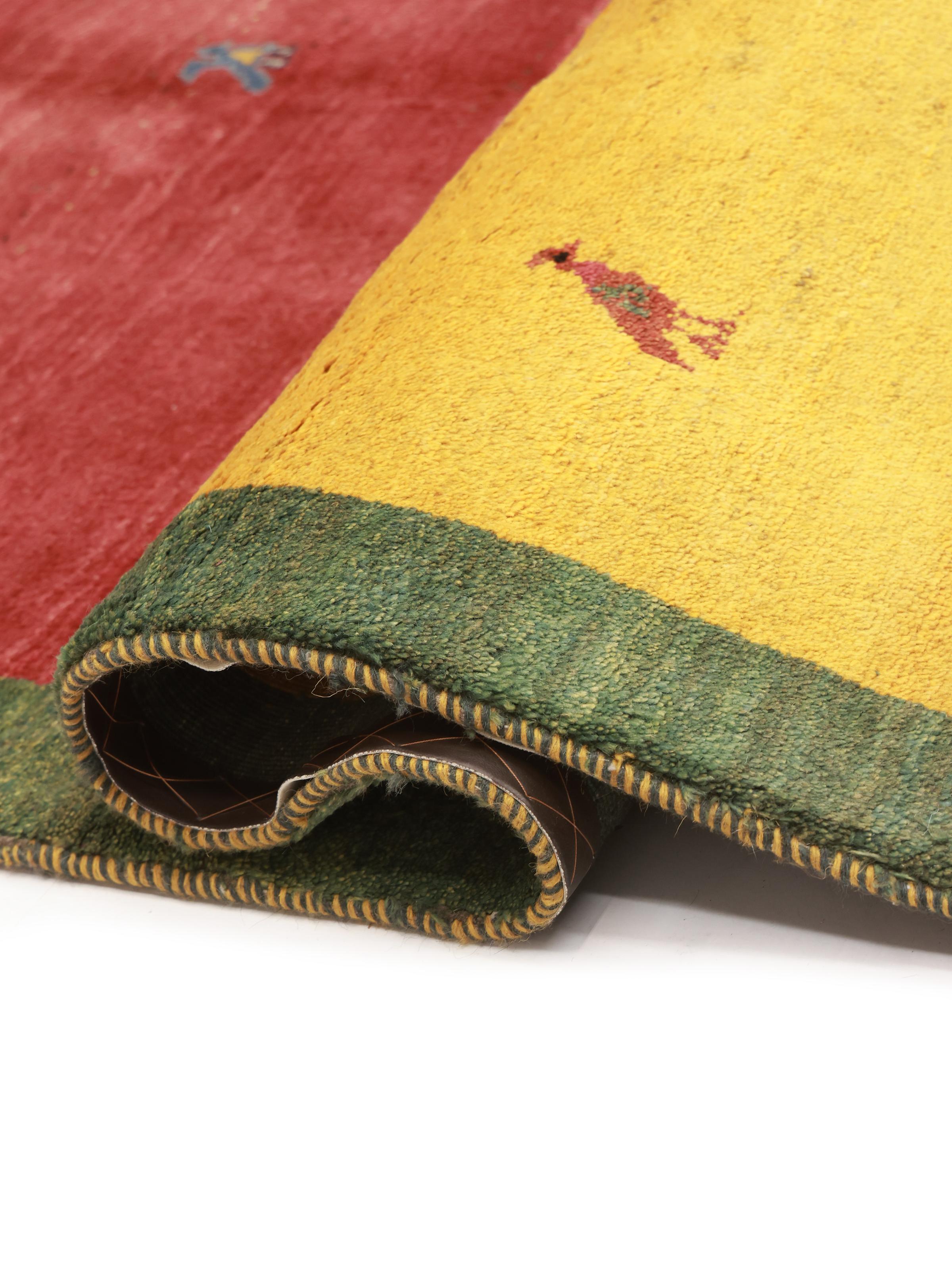
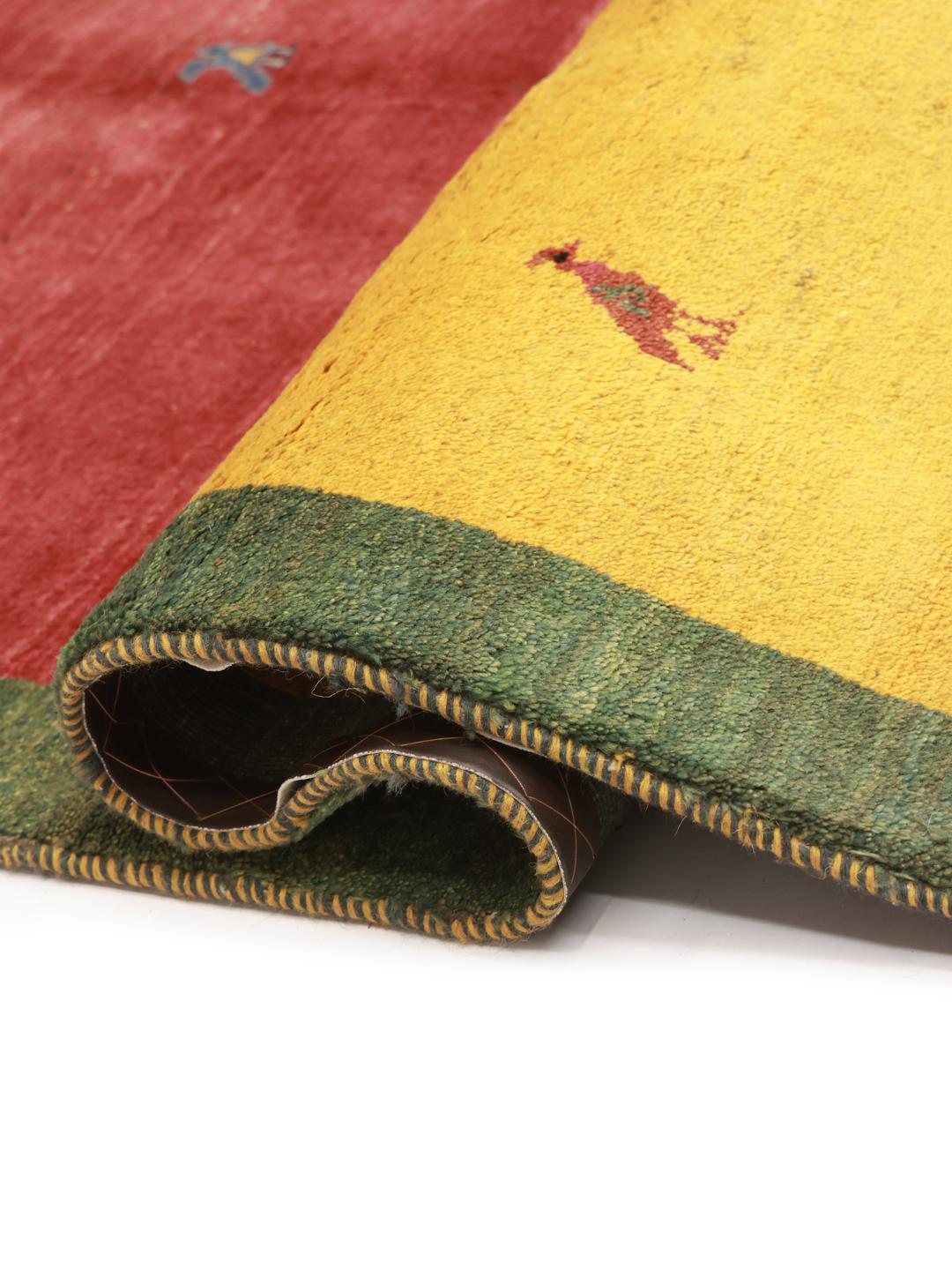
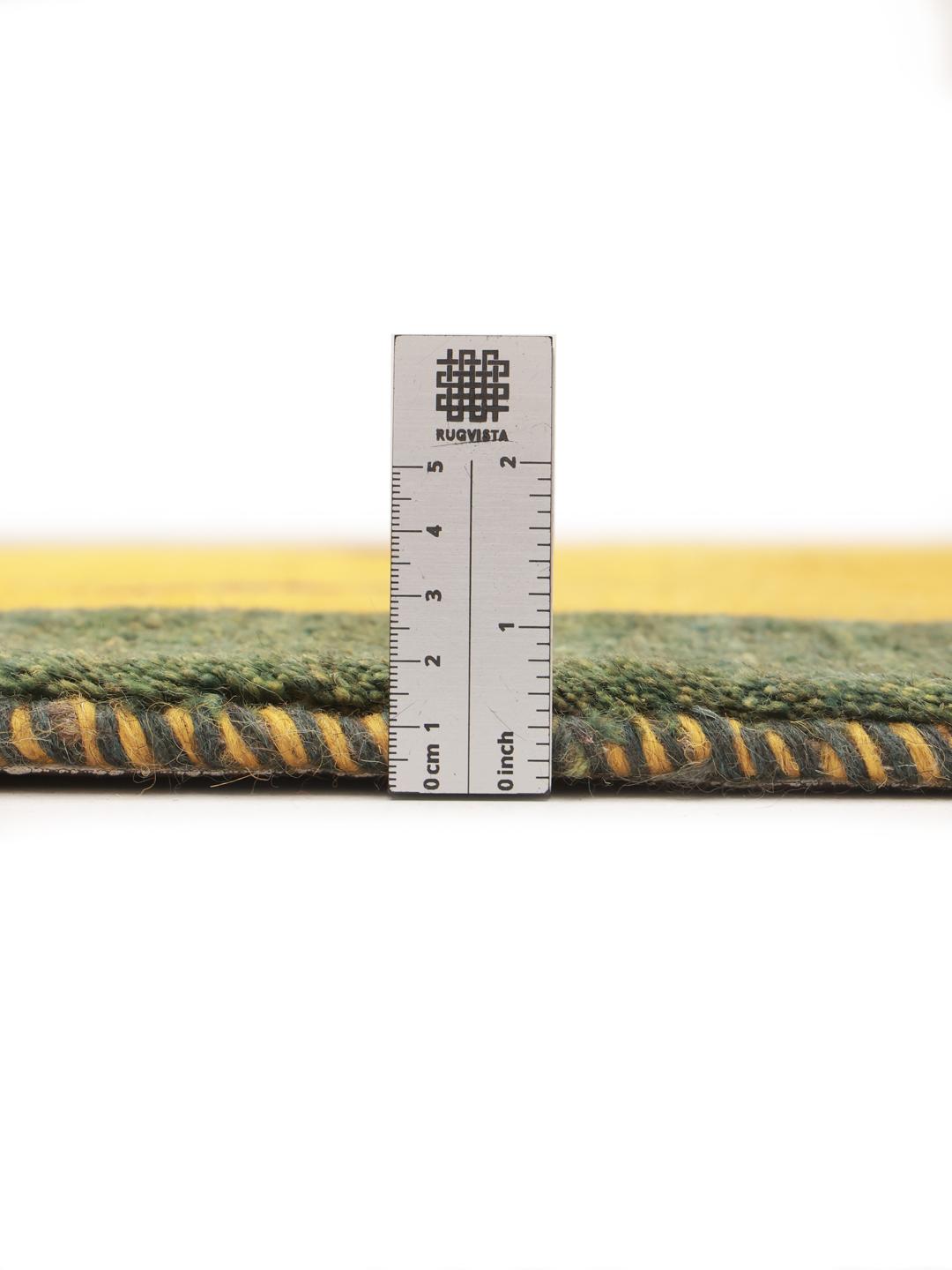
The term Gabbeh itself refers to a 'natural' or 'raw' style, typically characterised by a thicker, longer pile that provides excellent comfort in the harsh, cold climates of the mountain regions. This style prioritises warmth and durability, making use of high-quality, hand-spun wool that retains its natural oils for extra resilience.
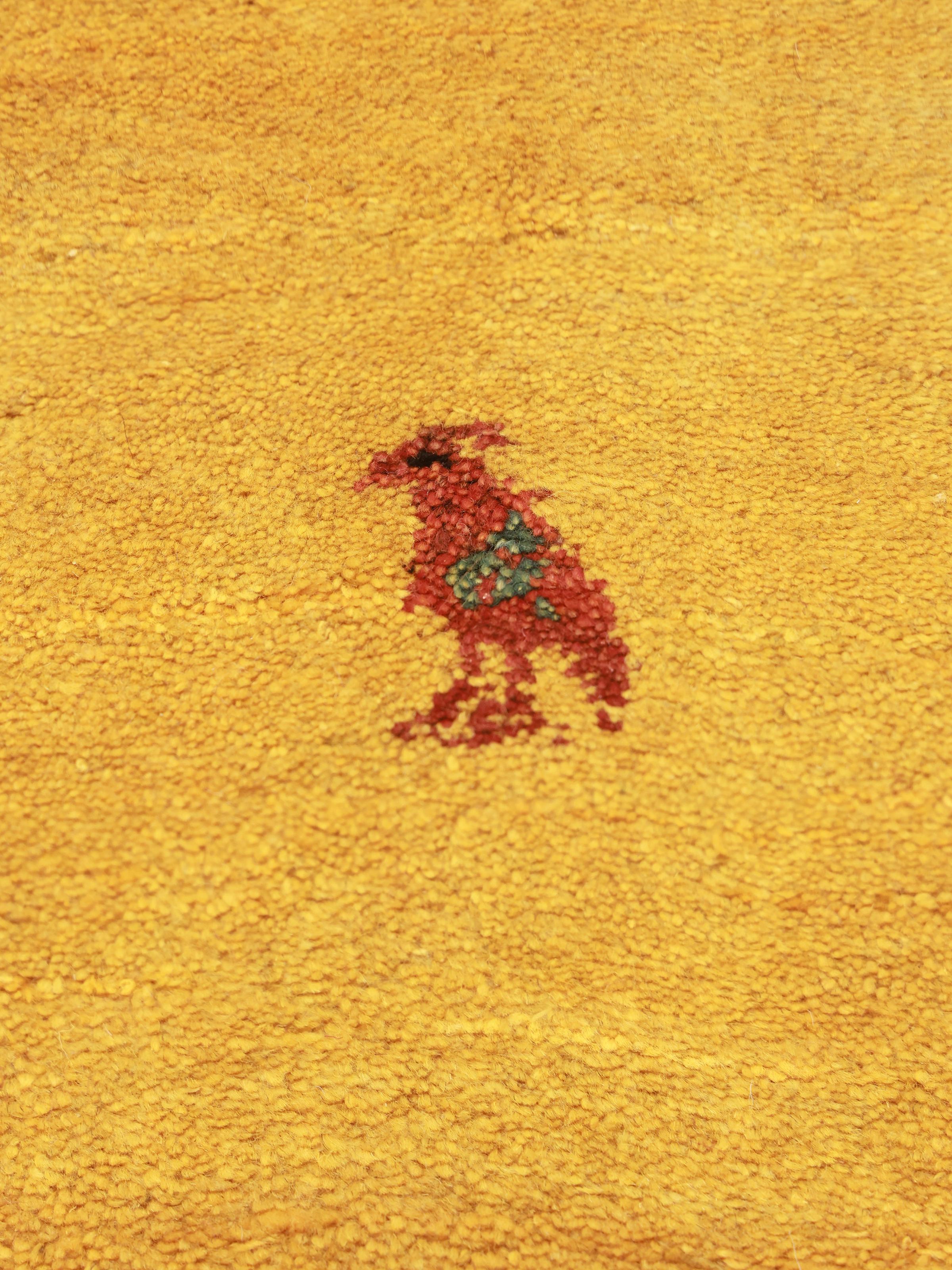
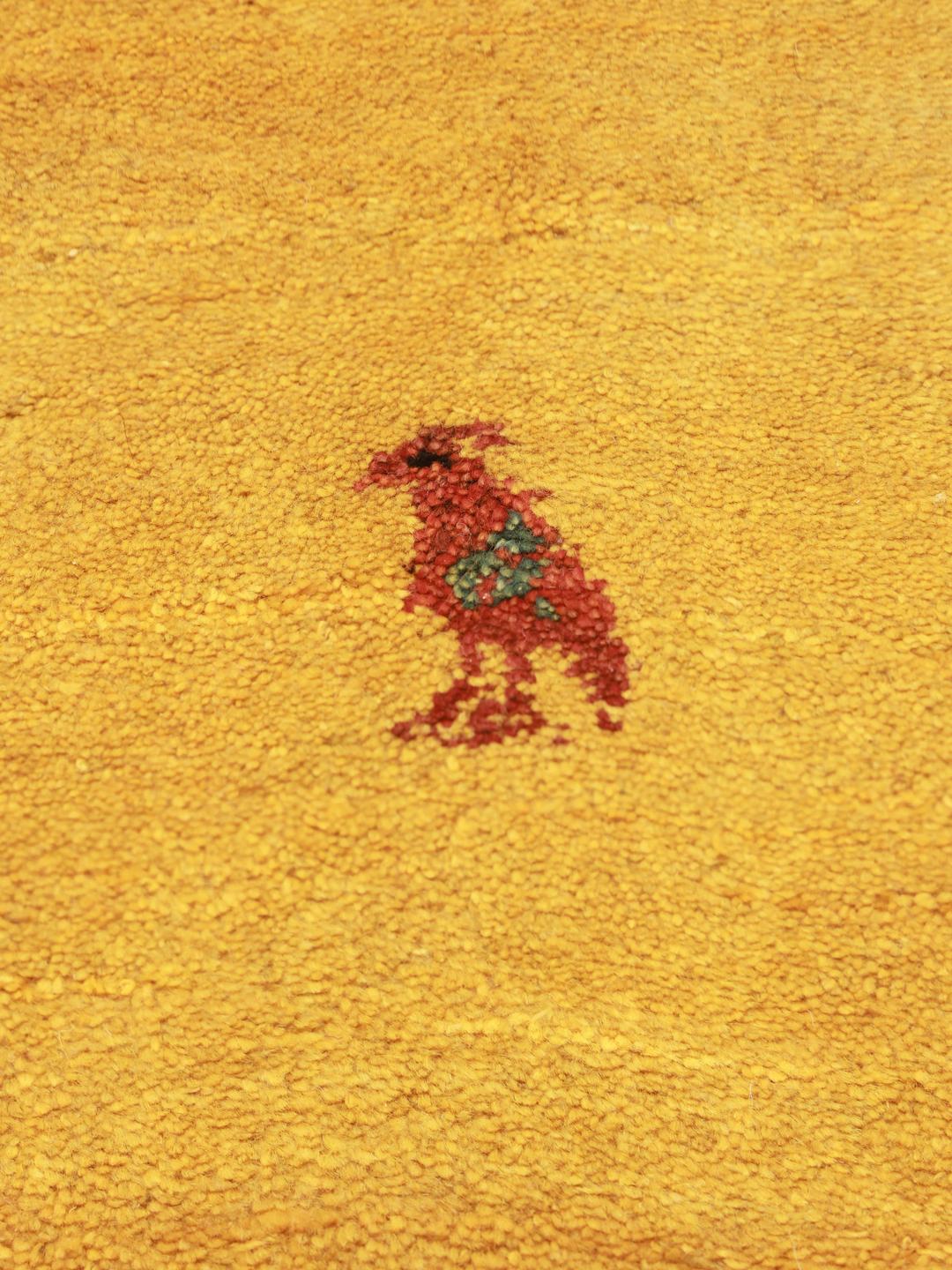
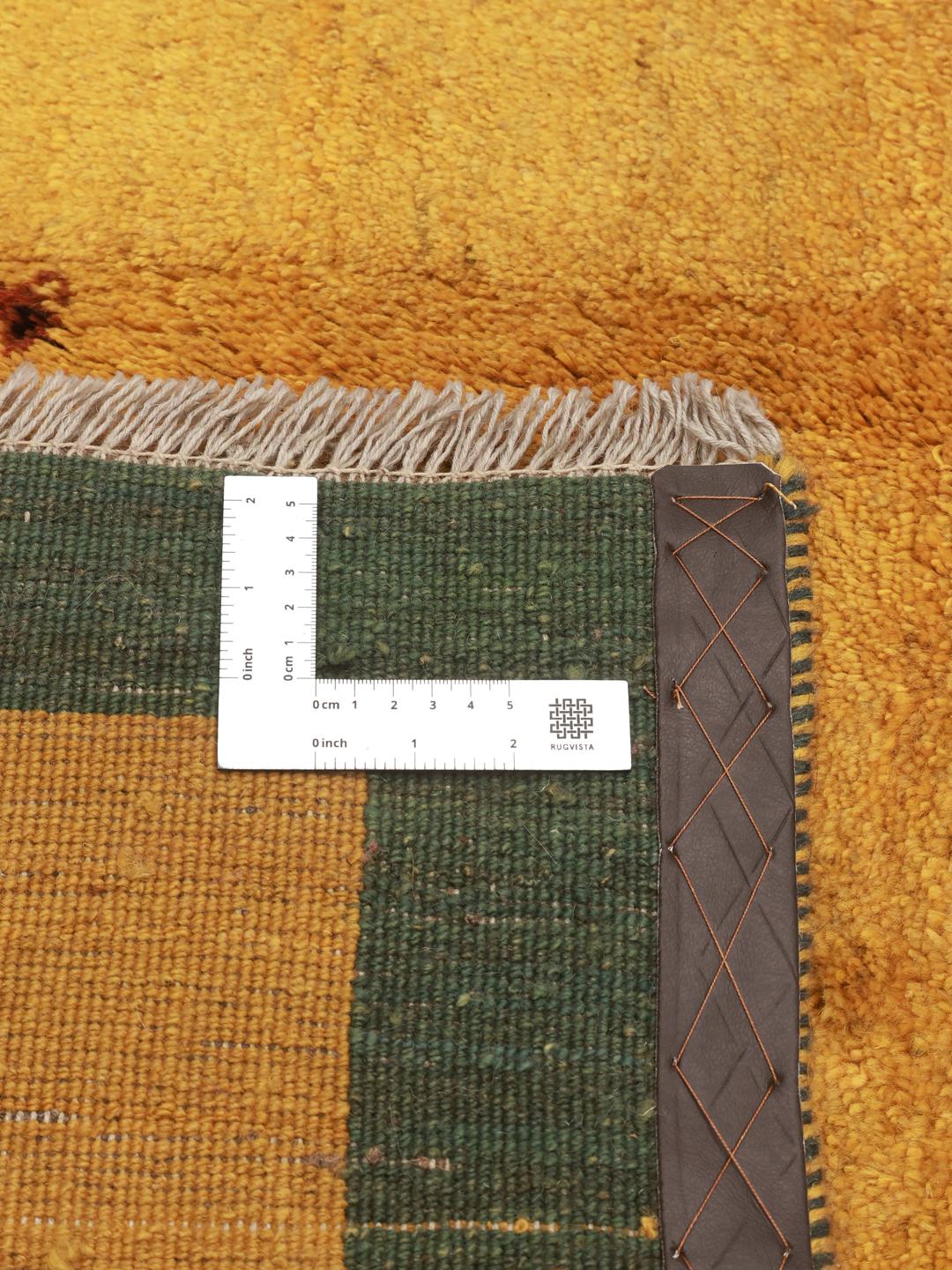
Signature design elements of these rugs include large, open fields of solid or abrash-dyed colours, accented by sparse, stylized motifs. These motifs often depict tribal symbols, animals, or geometric representations of nature. The use of vibrant, natural dyes is a hallmark of the tradition, resulting in rich, earthy tones that age beautifully over time.
Owning a piece from this tradition is more than just acquiring a floor covering; it is an investment in cultural heritage and human skill. Because these rugs are woven from memory and tradition rather than rigid patterns, each one serves as a historical document of the weaver's life, making them highly prized by collectors who value authenticity and soul in their homes.