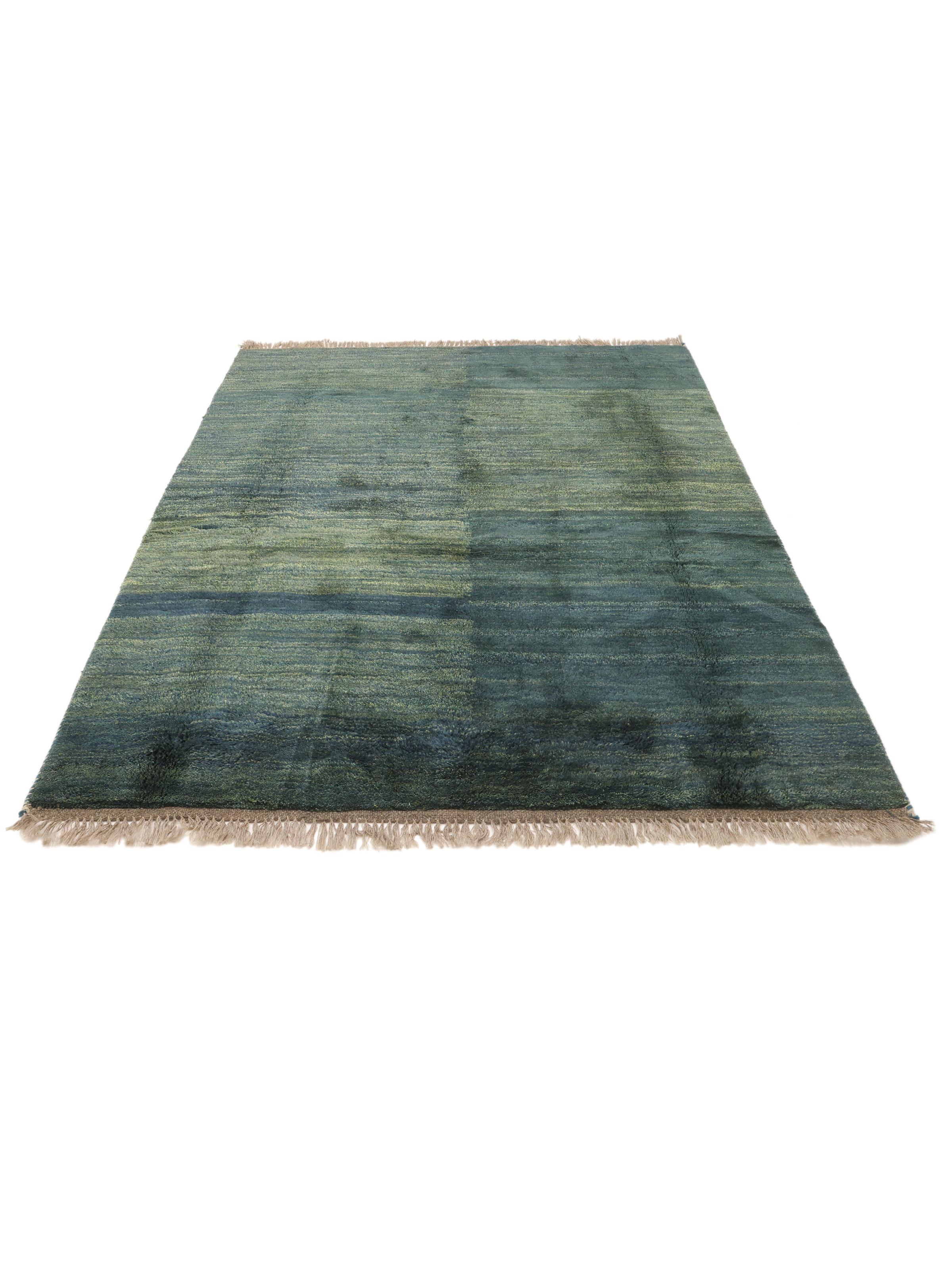
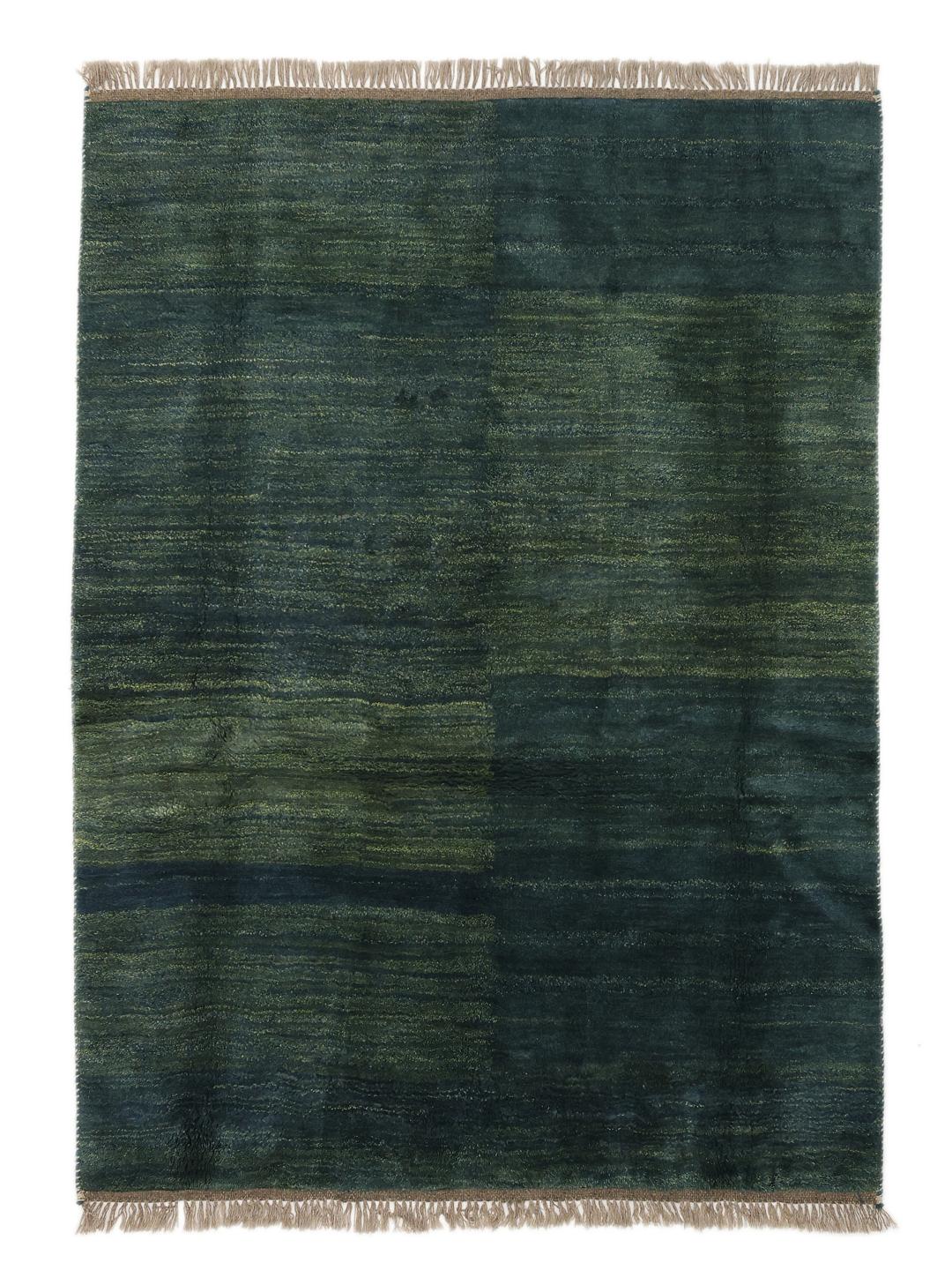
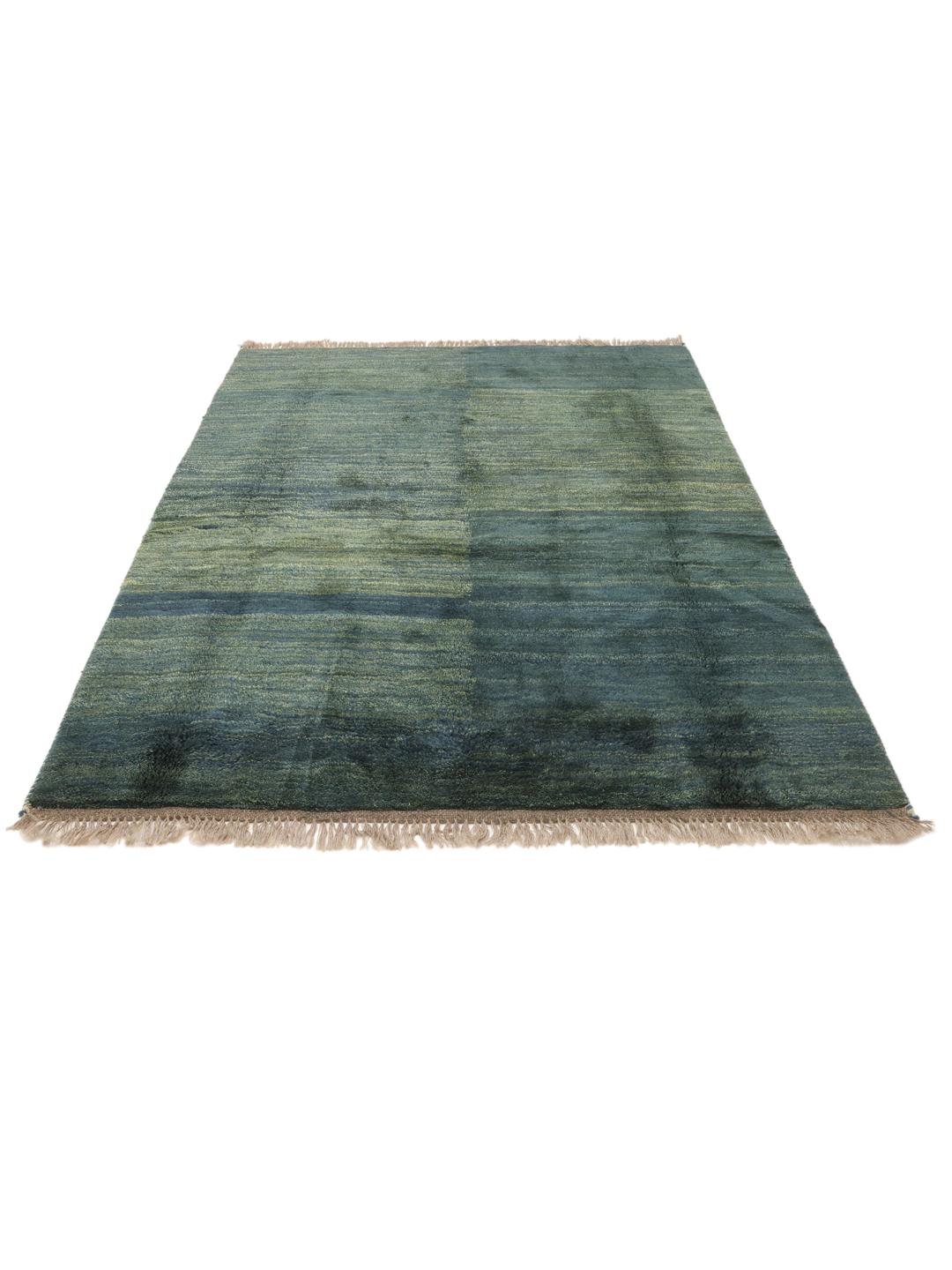
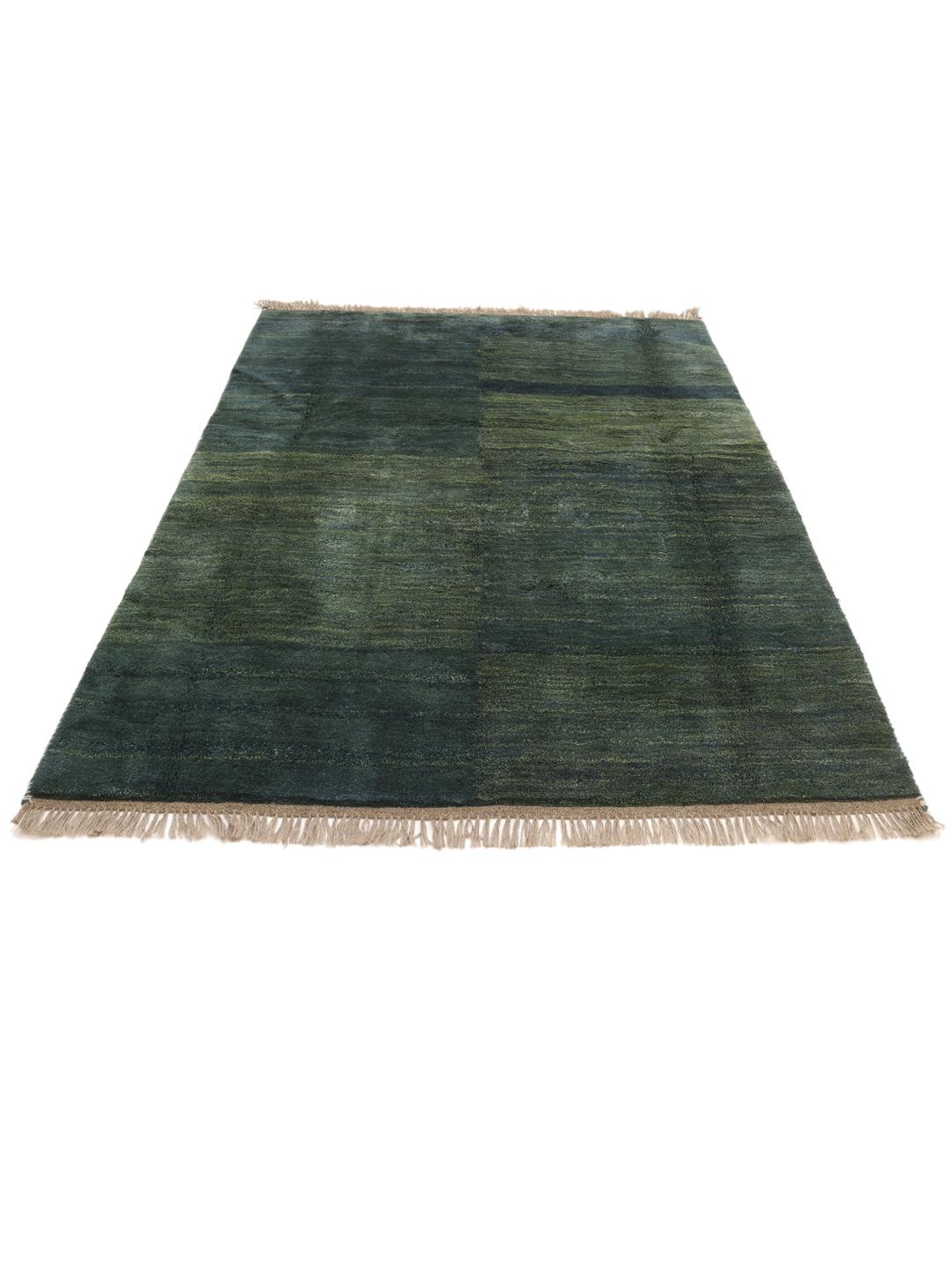
Gabbeh rugs are a cherished tradition from the Middle East, originally woven by nomadic tribes for their own personal use. Unlike formal, city-made rugs that often follow strict, pre-planned patterns, the Gabbeh was traditionally a canvas for the weaver's own imagination. These rugs were intended to provide warmth and protection on the floors of tents, and their design language is rooted in simplicity, comfort, and the direct expression of the weaver’s surroundings.
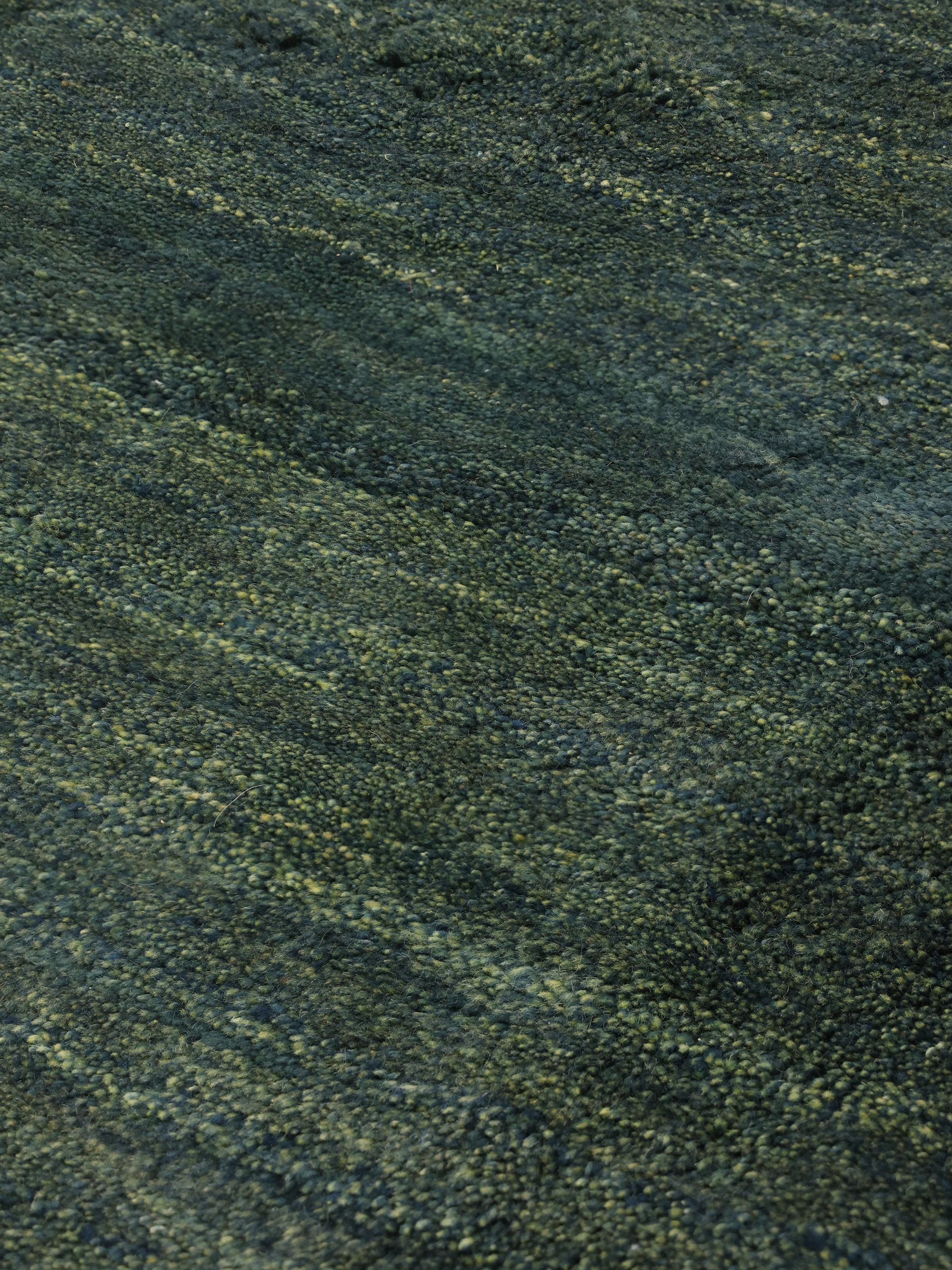
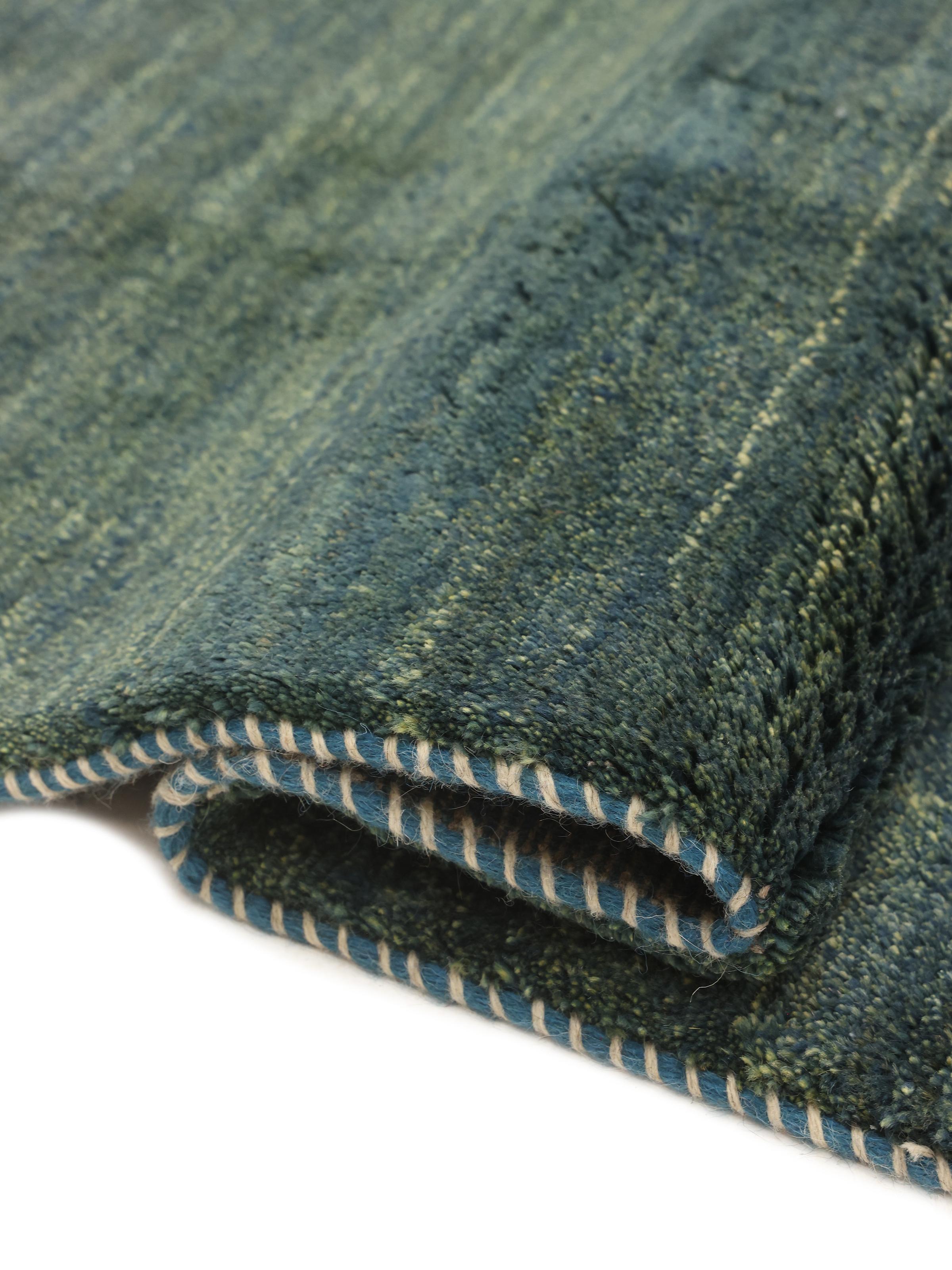
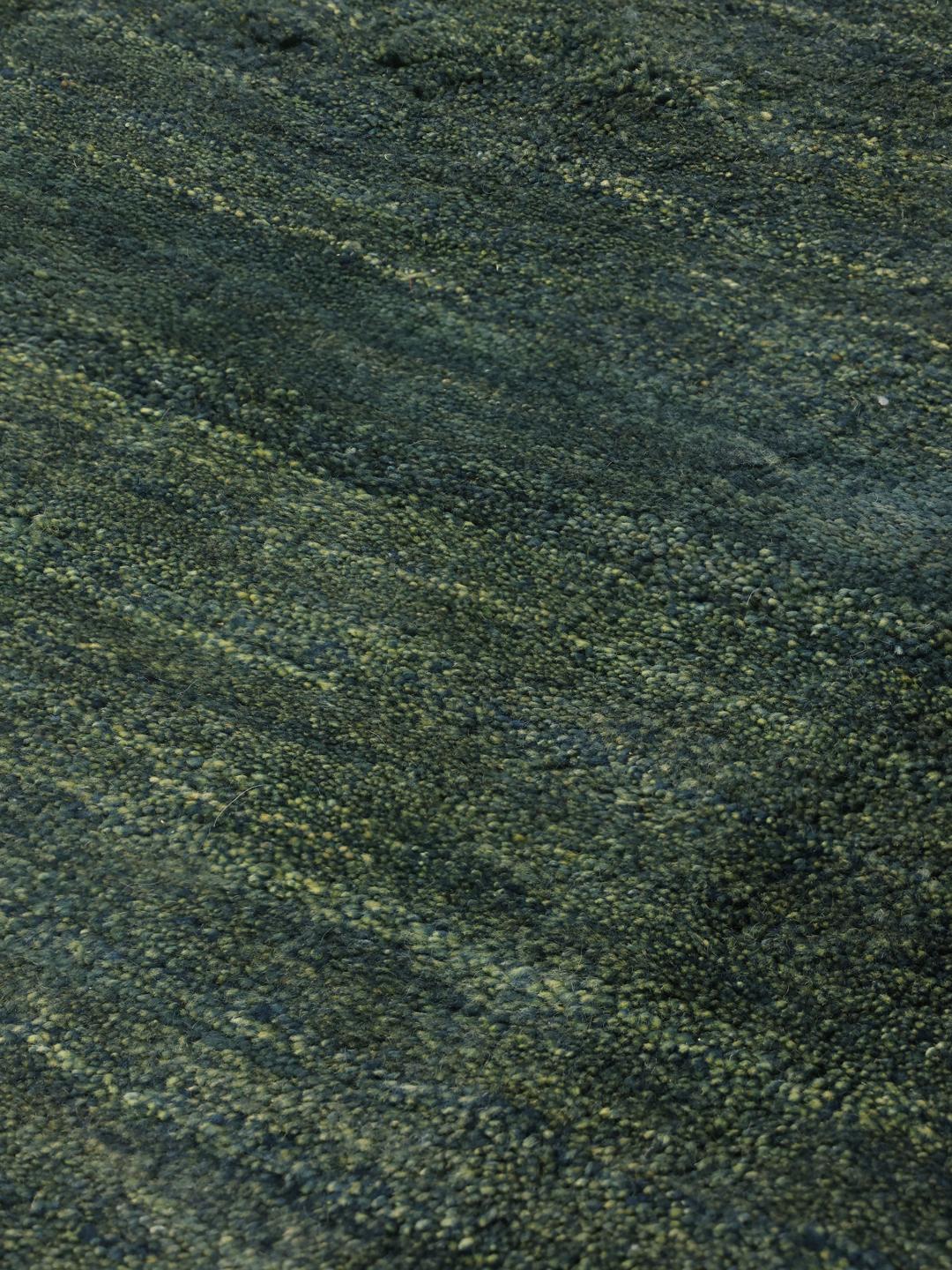
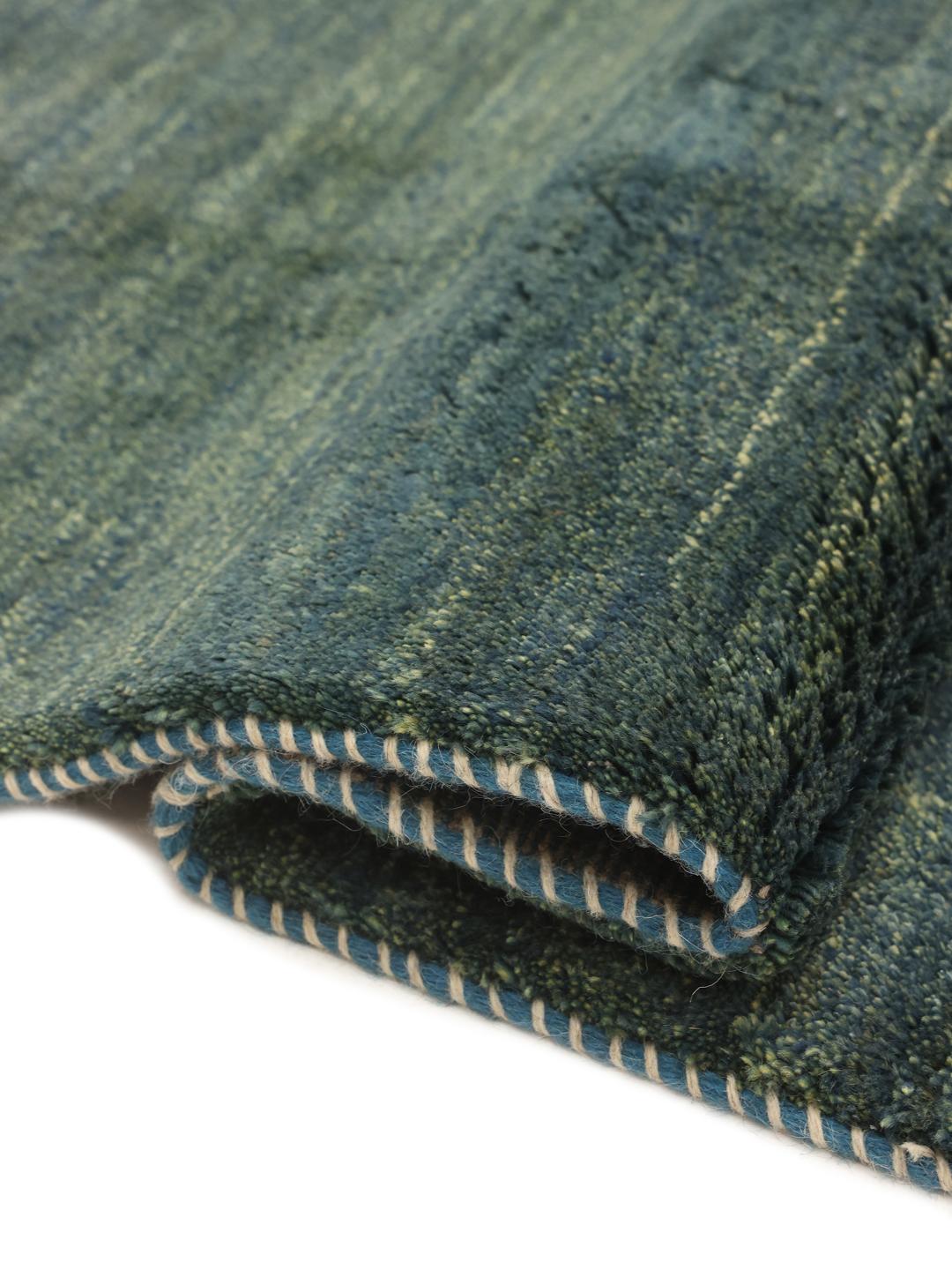
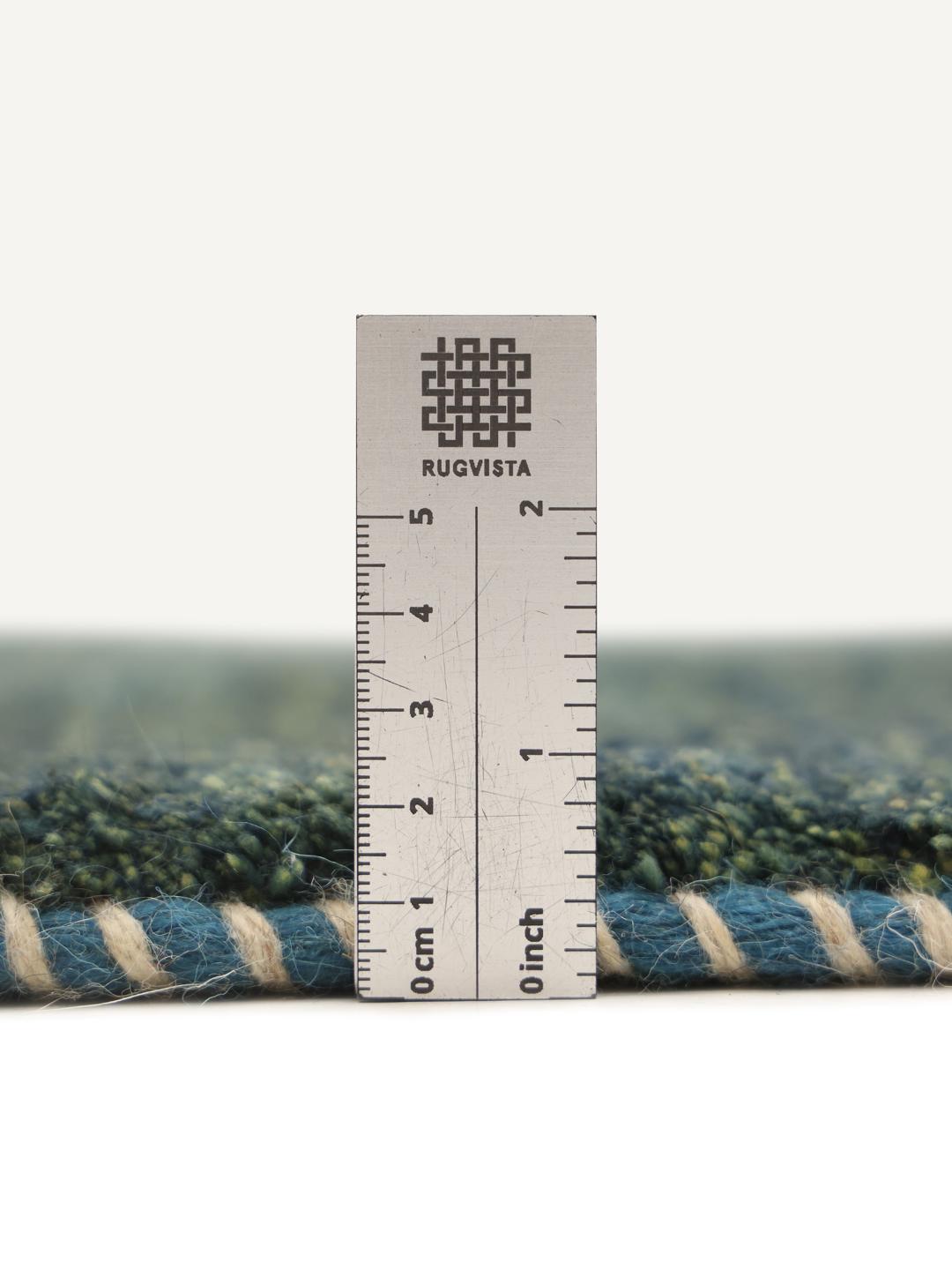
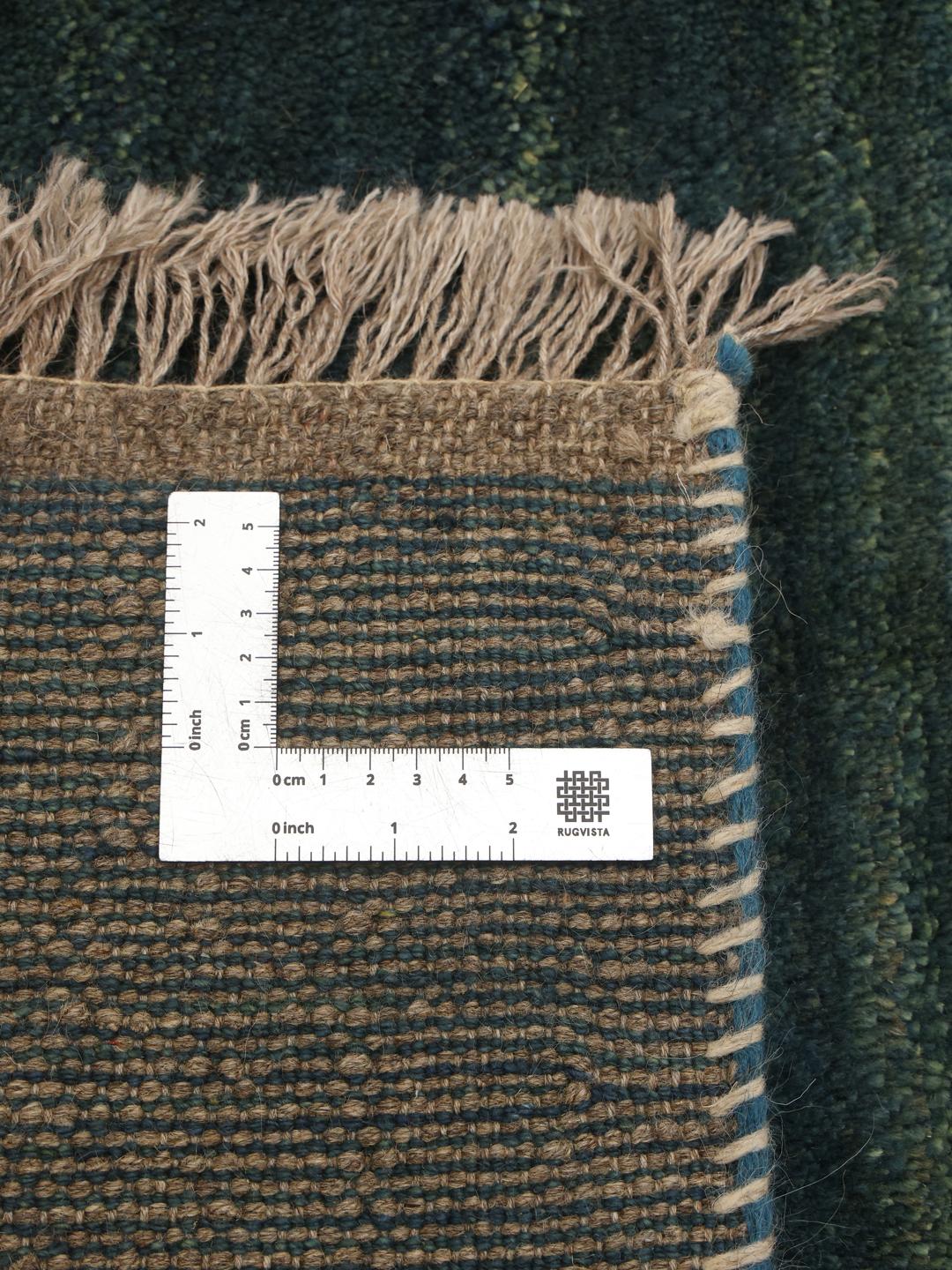
The term 'Gabbeh' itself translates roughly to 'raw' or 'natural,' which perfectly describes their unpretentious beauty. These rugs are known for their thicker, longer pile, which is achieved by using a looser knotting technique compared to the highly intricate, fine rugs found in formal palace settings. This construction choice creates a softer, more inviting surface that has become a hallmark of the style, prized for its ability to create a cosy, grounded environment.
Visually, these rugs are defined by their use of bold, simplified motifs and a rich, often monochromatic or subtly shaded colour palette. While traditional versions might feature small, scattered geometric figures, the style has evolved to include more contemporary, minimalist expressions that emphasise the interplay of light and shadow across the wool. The use of natural dyes has historically given these rugs a vibrant, yet harmonious colour depth that matures beautifully over time.
Today, these rugs are highly sought after by collectors and interior enthusiasts who value the human element in their decor. Owning a piece from this tradition is more than just a purchase; it is a commitment to preserving a craft that has survived for centuries. Each rug stands as a testament to the weaver’s skill and the cultural narrative of the region, offering a unique blend of historical weight and lasting, tangible quality.