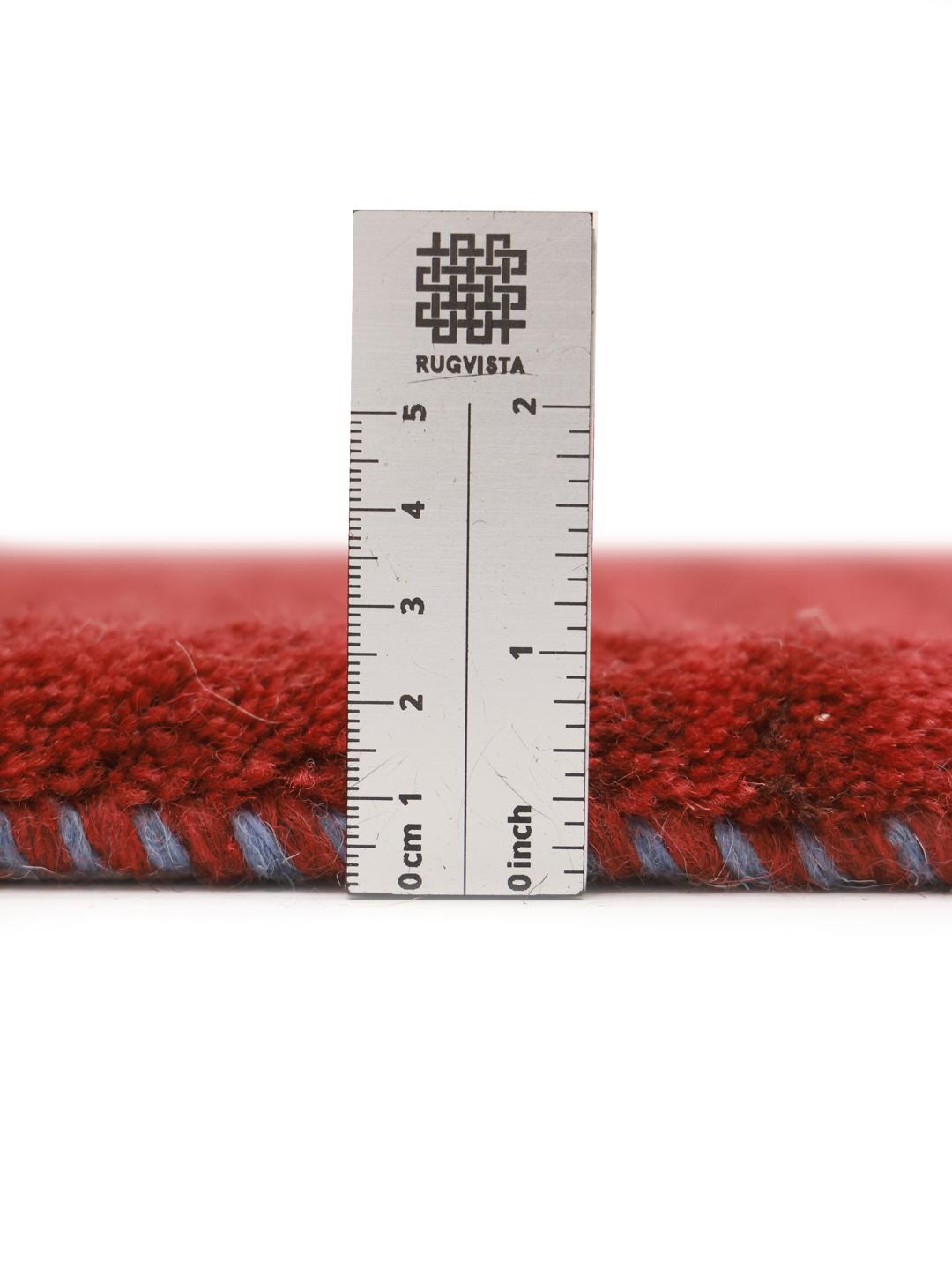
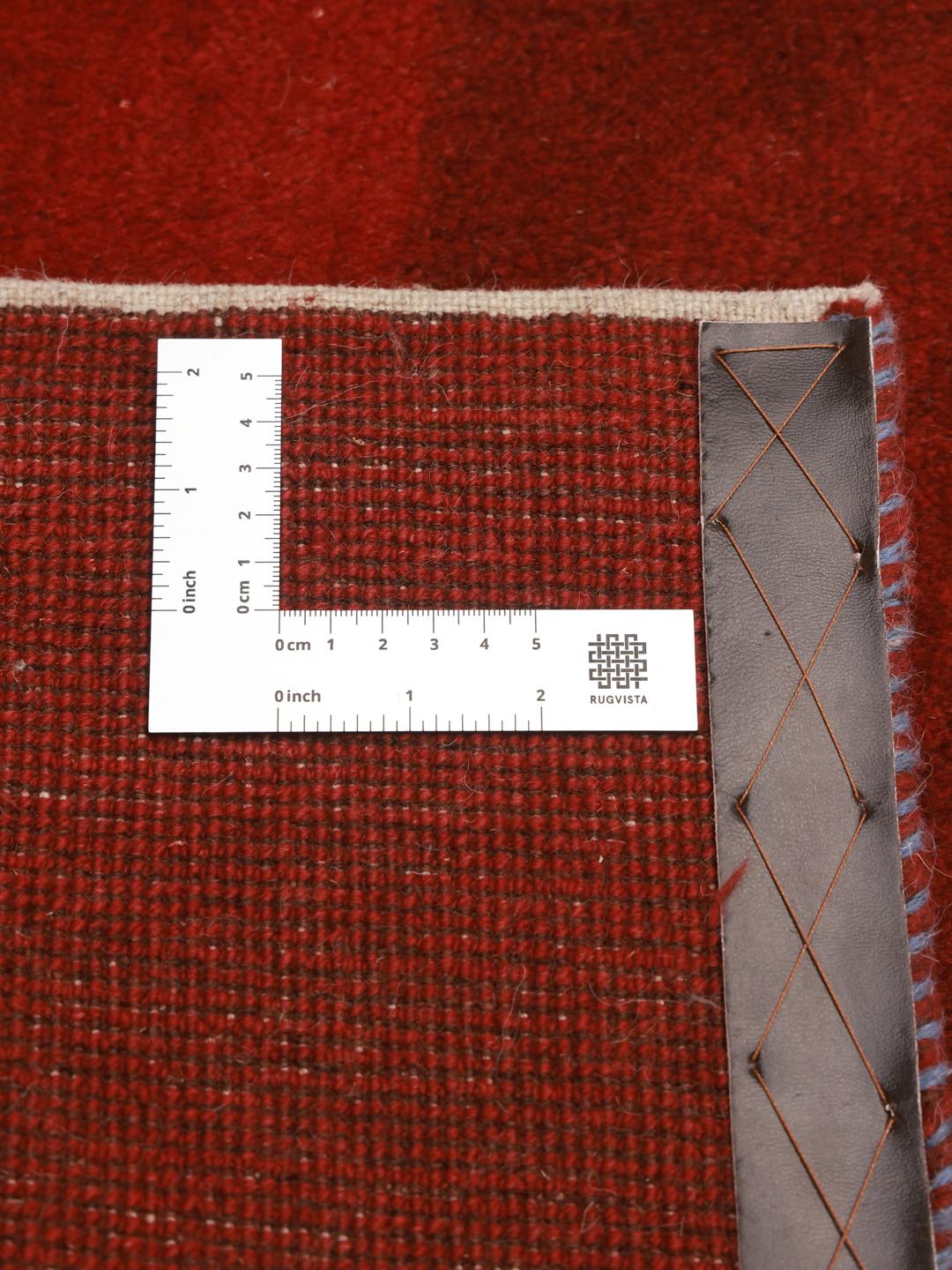
Gabbeh rugs have a long and storied history rooted in the nomadic traditions of the Middle East. Historically, these rugs were woven by tribal groups for their own practical use, intended to provide warmth and comfort in the harsh, variable climates of the region. Unlike more formal, city-made rugs, the Gabbeh was designed as an essential item for daily life, often serving as a sleeping mat or a protective floor covering in tents.
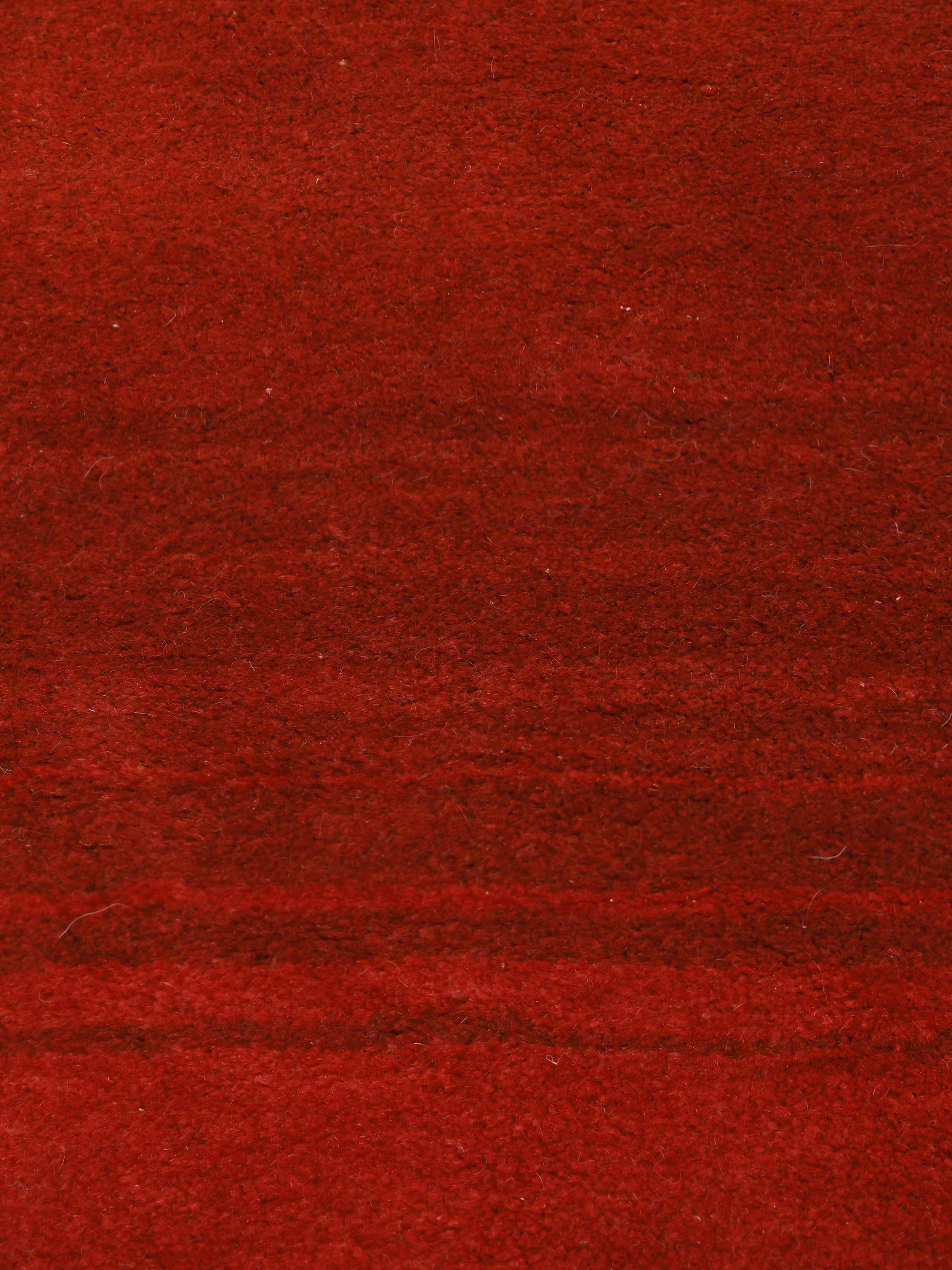
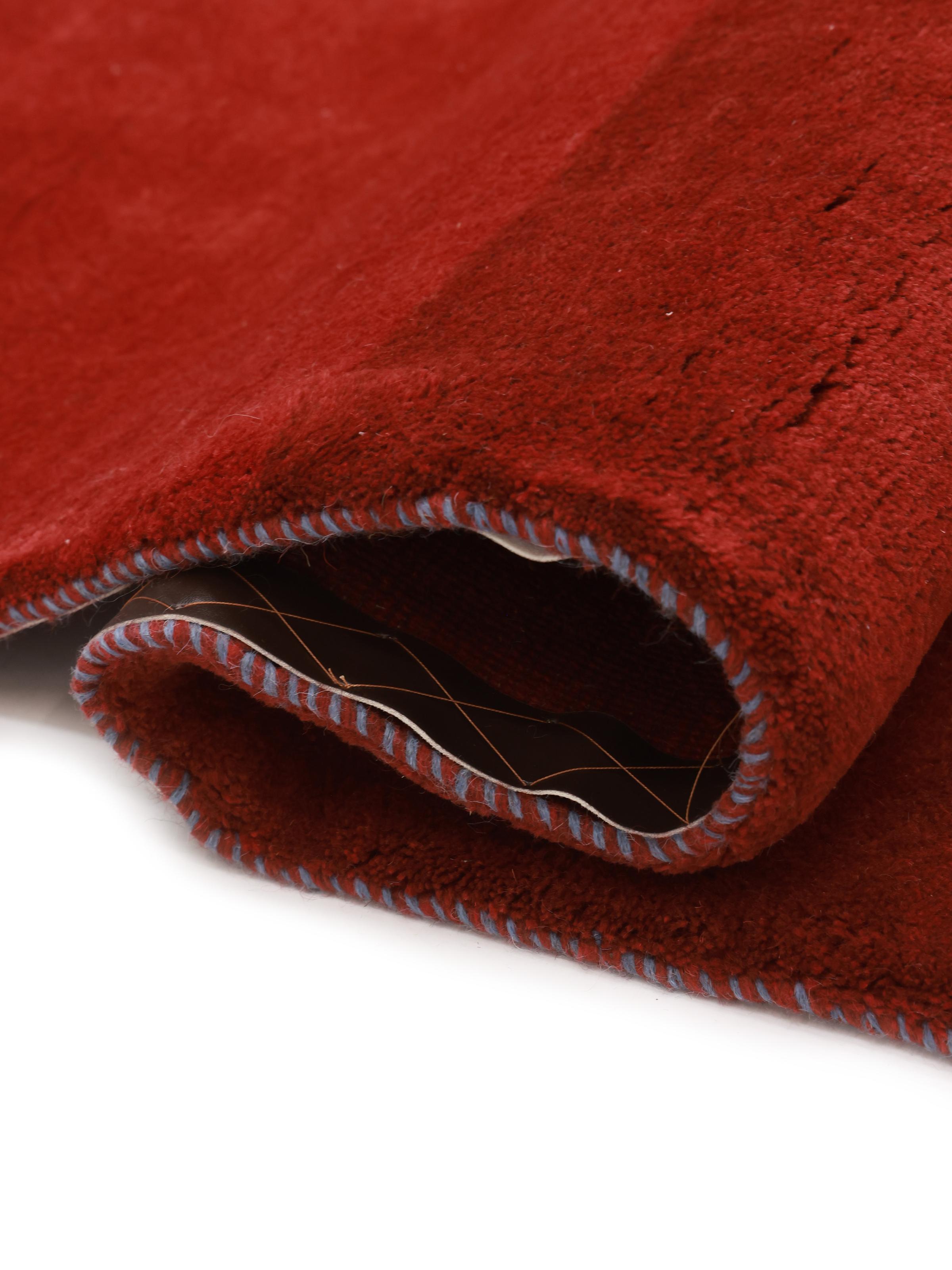
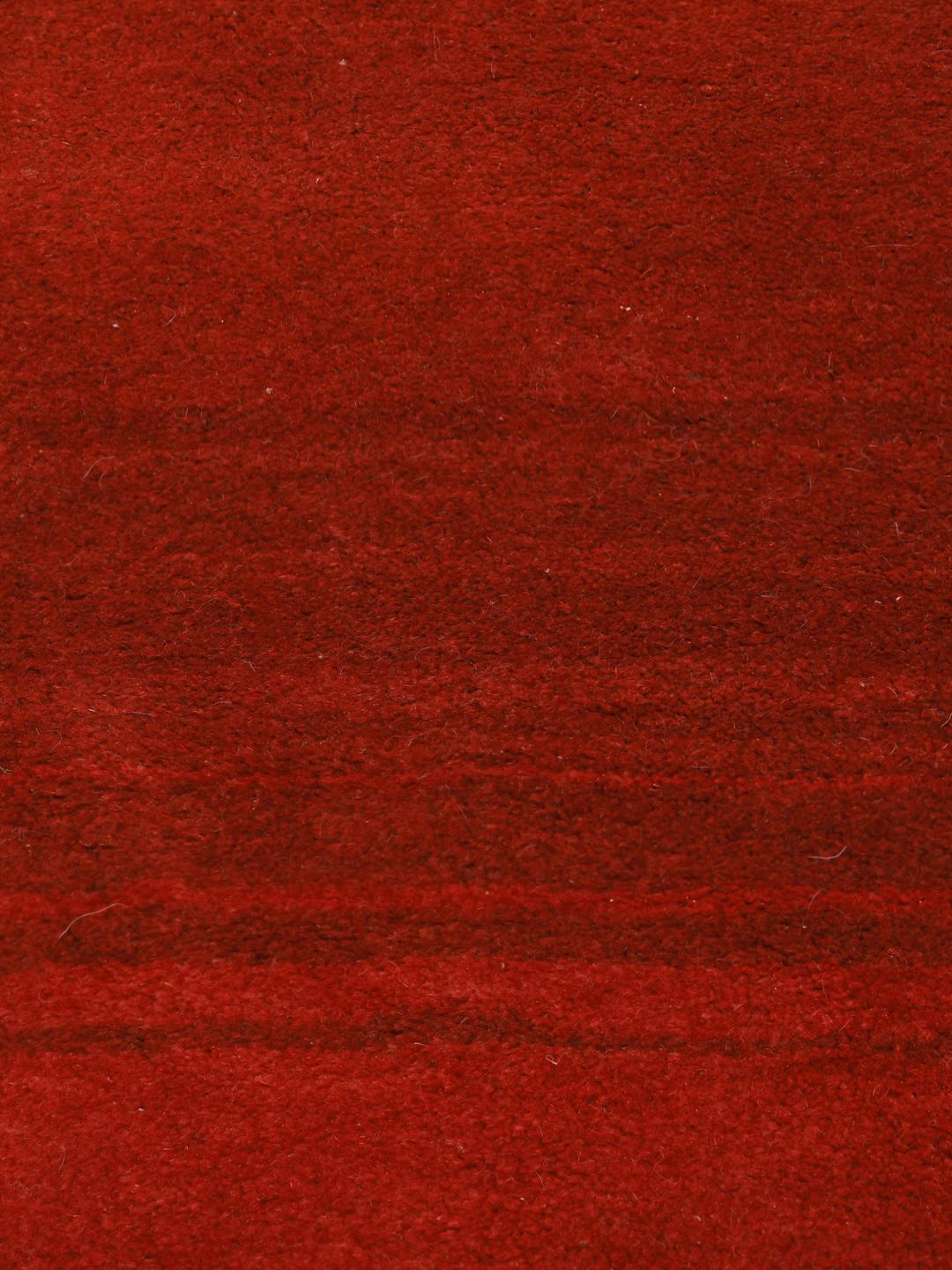
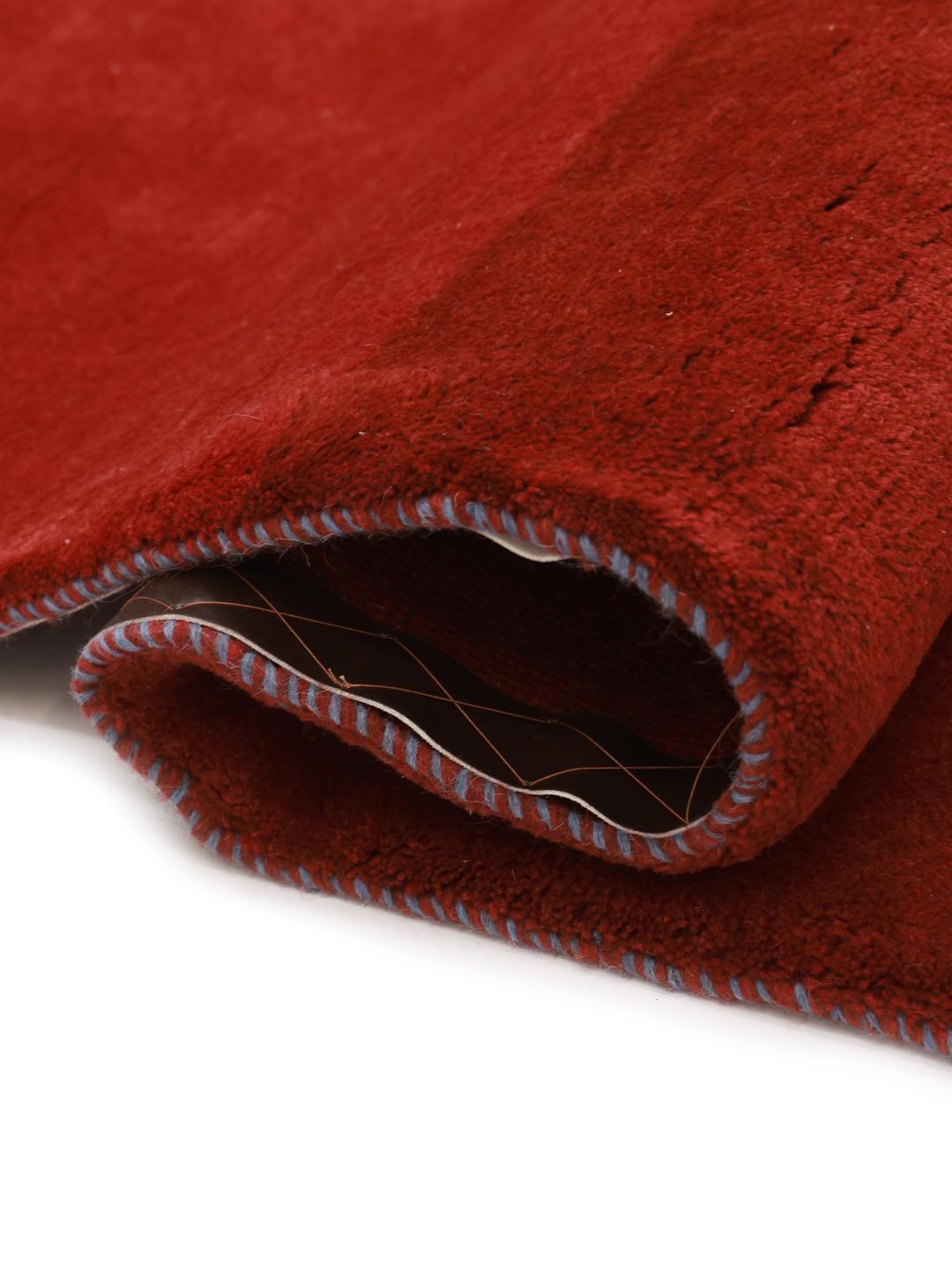
The term Gabbeh itself refers to the raw, unclipped, or natural state of the wool, reflecting the rug's traditional, rustic character. These pieces are celebrated for their thick pile and honest construction. By using hand-spun wool, the weavers ensured that each rug possessed a unique texture and a natural lustre that improves as the rug ages, making it a functional piece of art that gains character over time.
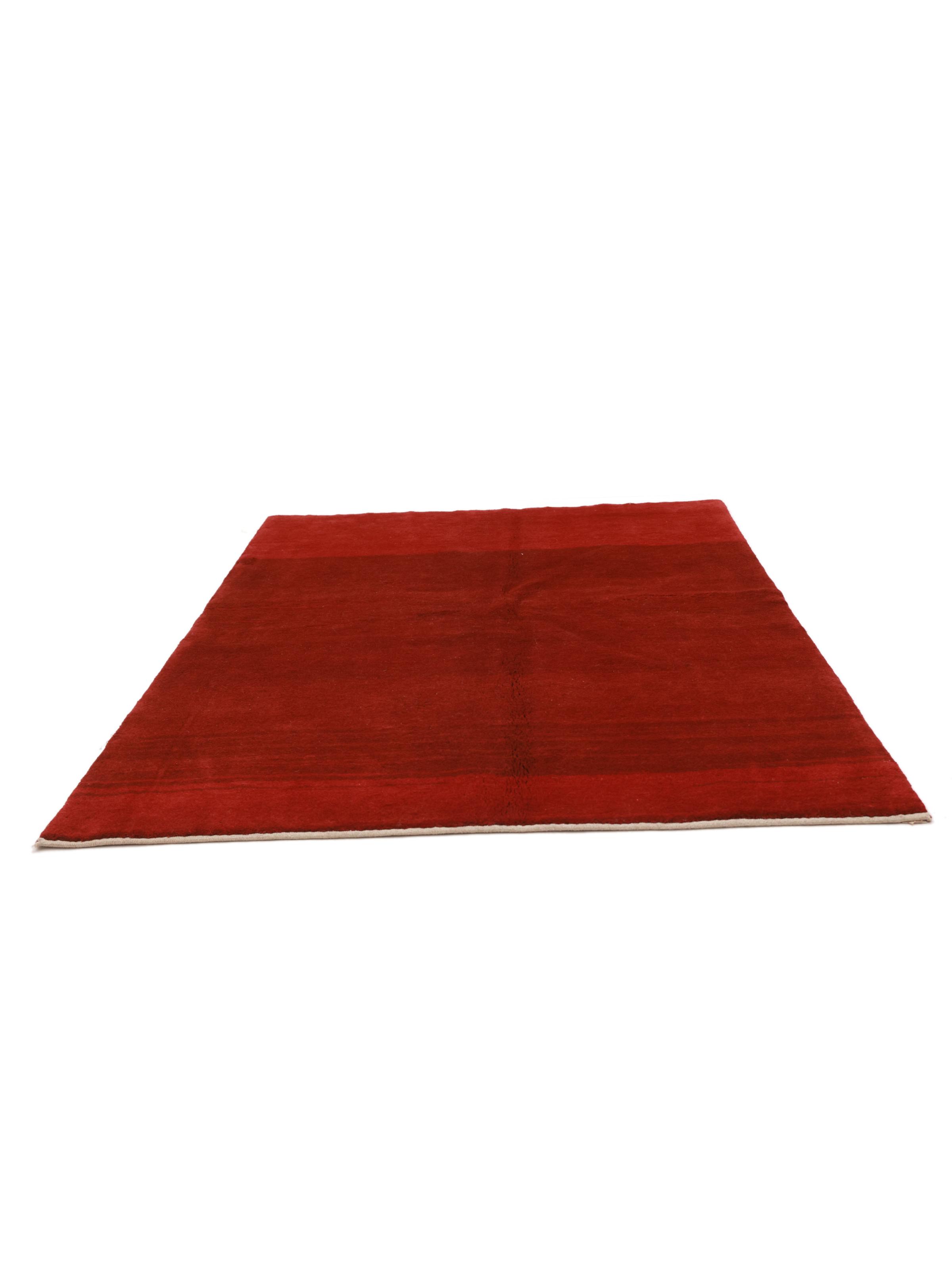
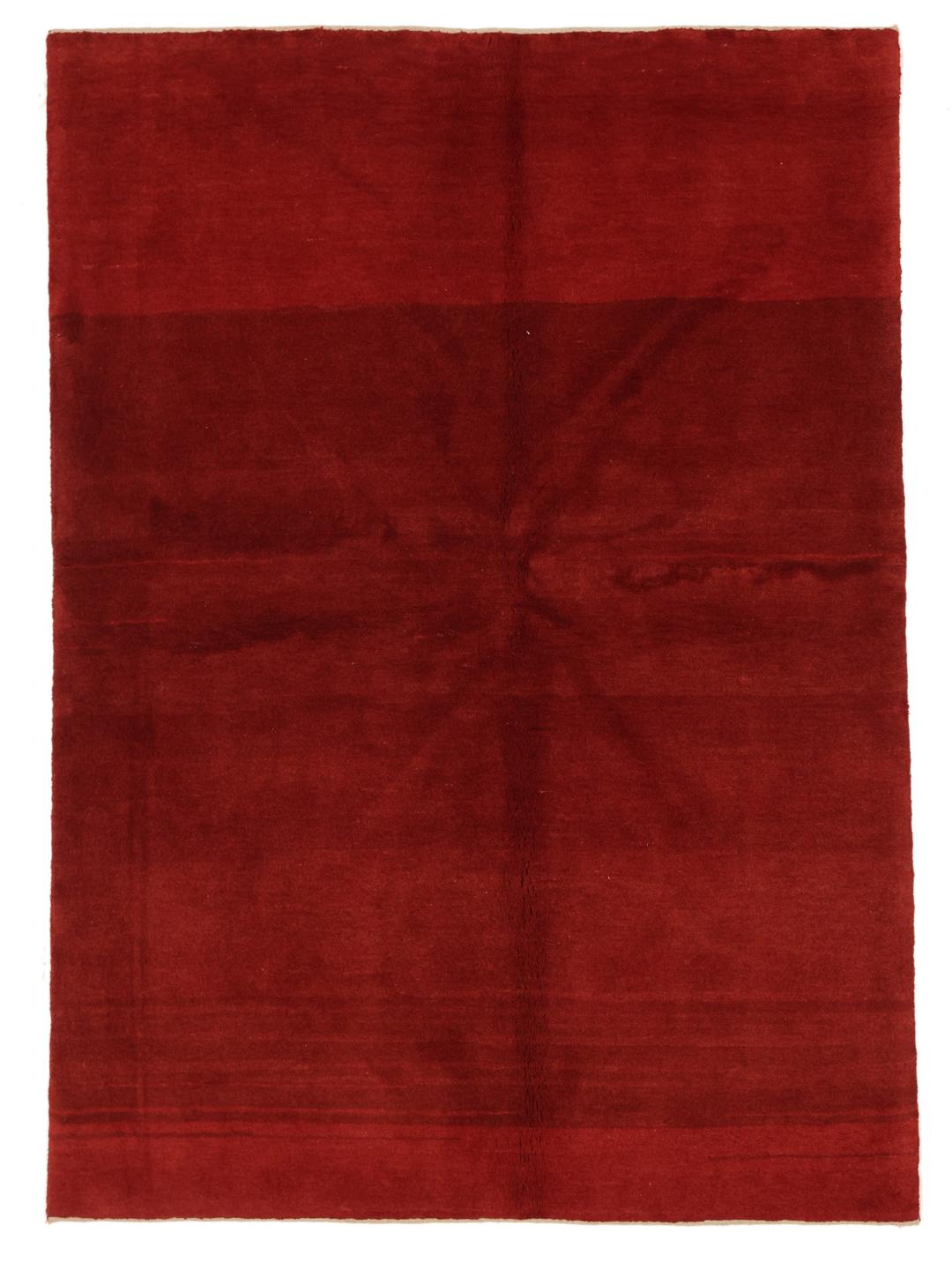
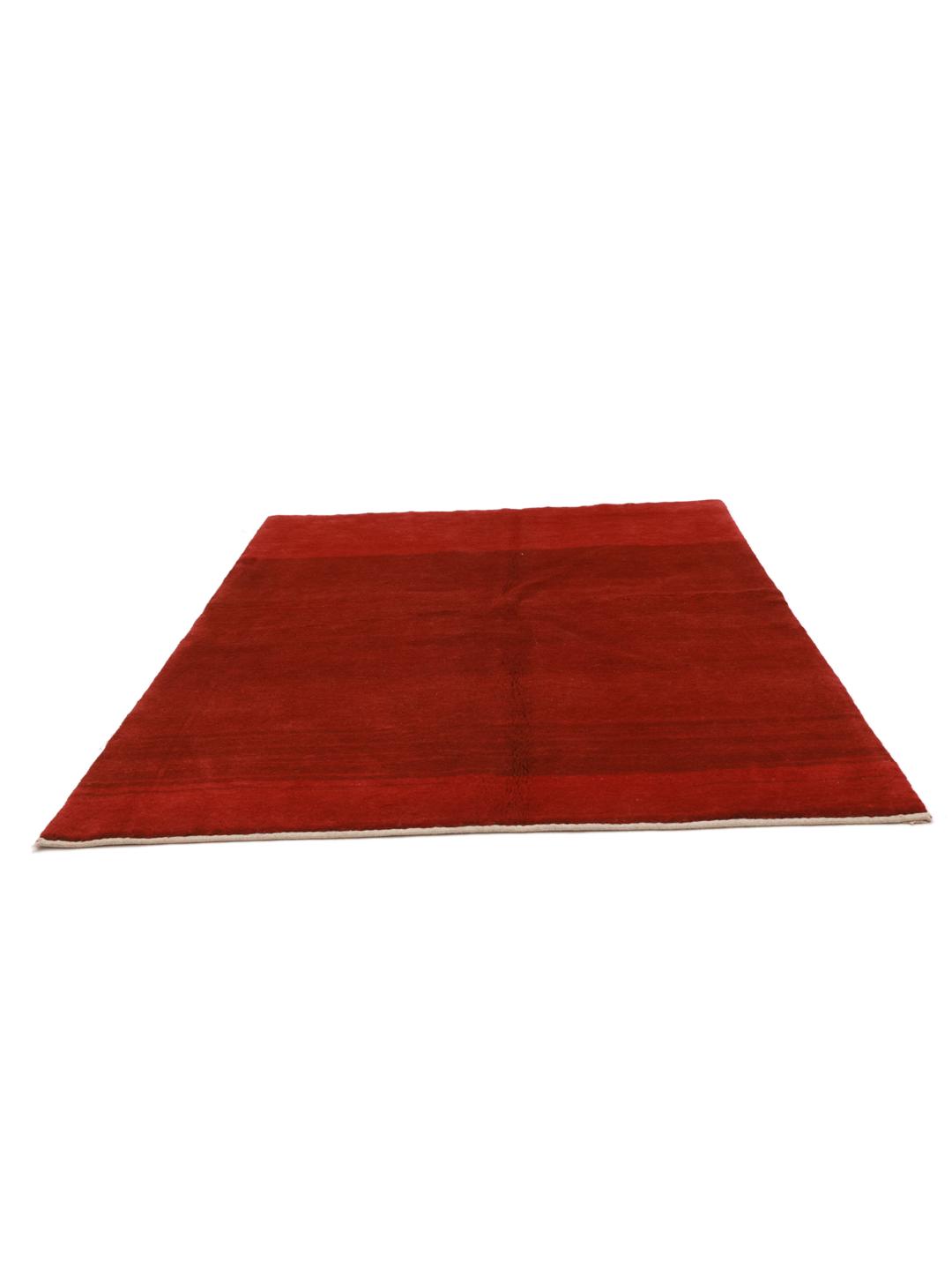
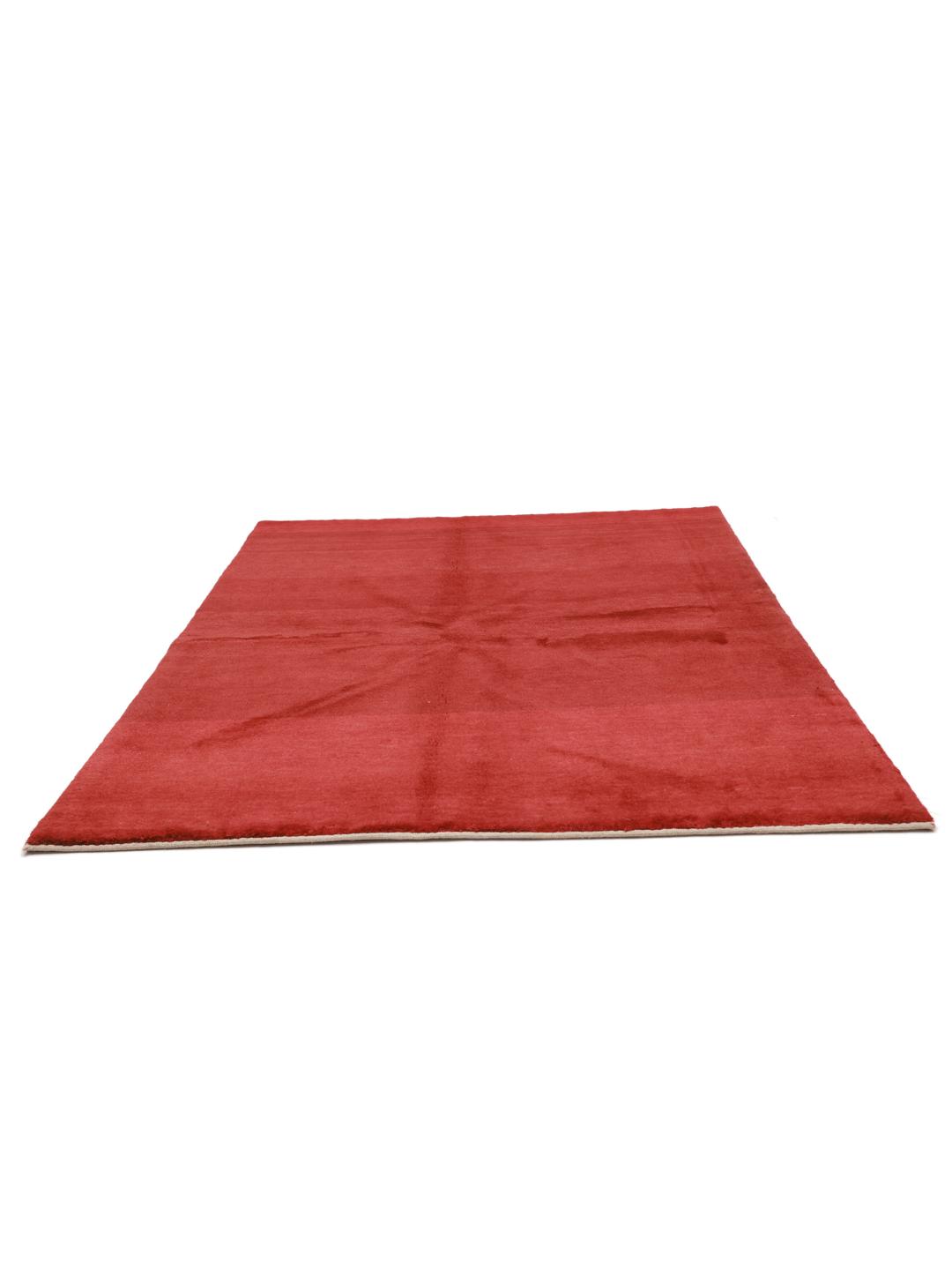
Visually, traditional Gabbeh rugs are known for their minimalist approach, often featuring bold, open fields of colour or simple, stylized geometric motifs. While they draw from a deep well of tribal iconography, the focus remains on the interplay of colour and the tactile quality of the wool. This rug showcases the classic, emotive power of a deep, solid colour field, which is a hallmark of the finest, most sought-after examples.
Today, Gabbeh rugs are highly valued by collectors and homeowners alike for their authenticity and the human story behind every knot. Owning a Gabbeh is a way to connect with a centuries-old tradition of nomadic craftsmanship. These rugs are not mass-produced, and the skill required to maintain their simple yet sophisticated aesthetic is a testament to the enduring talent of the artisans who continue to produce them today.