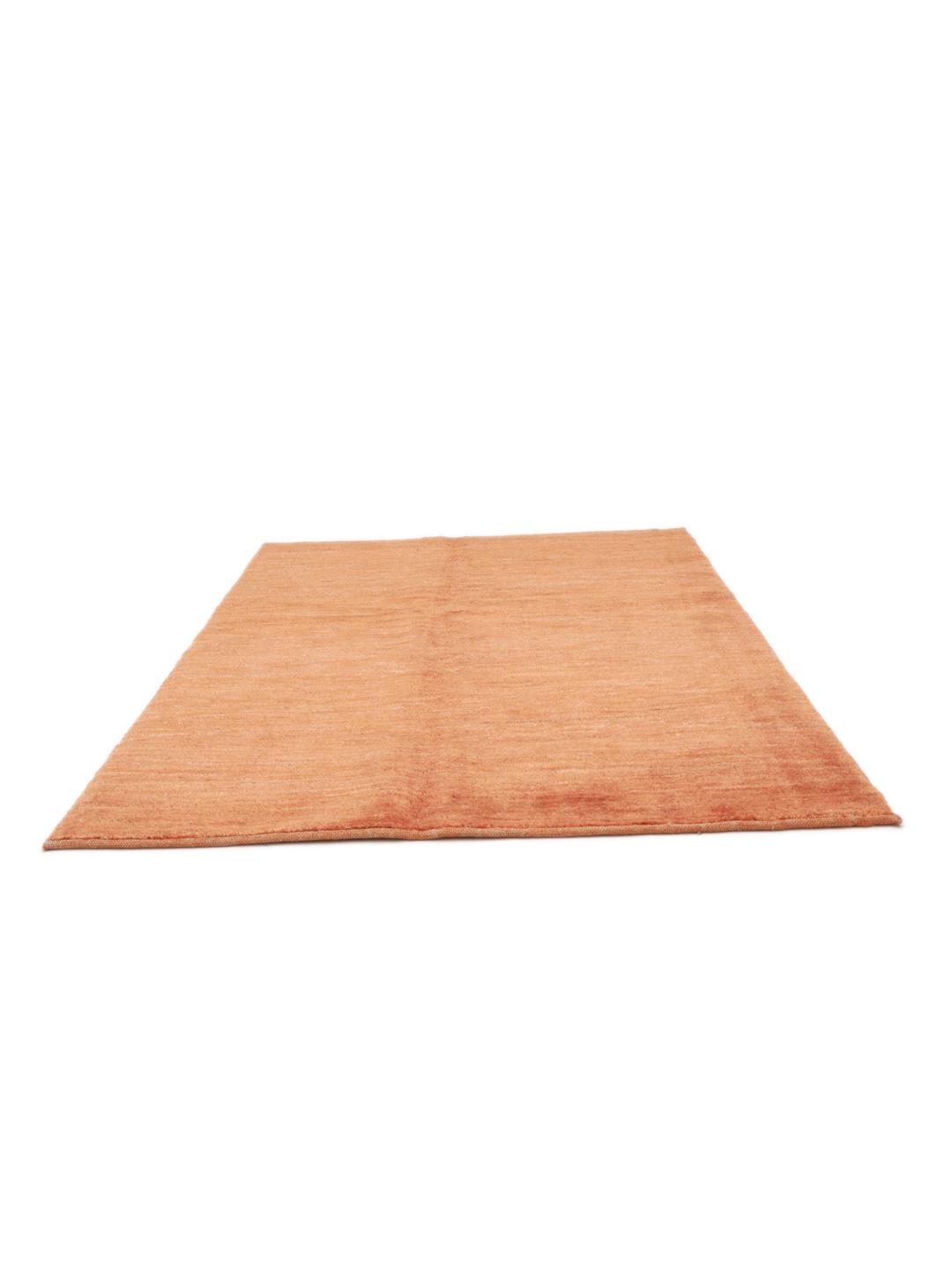
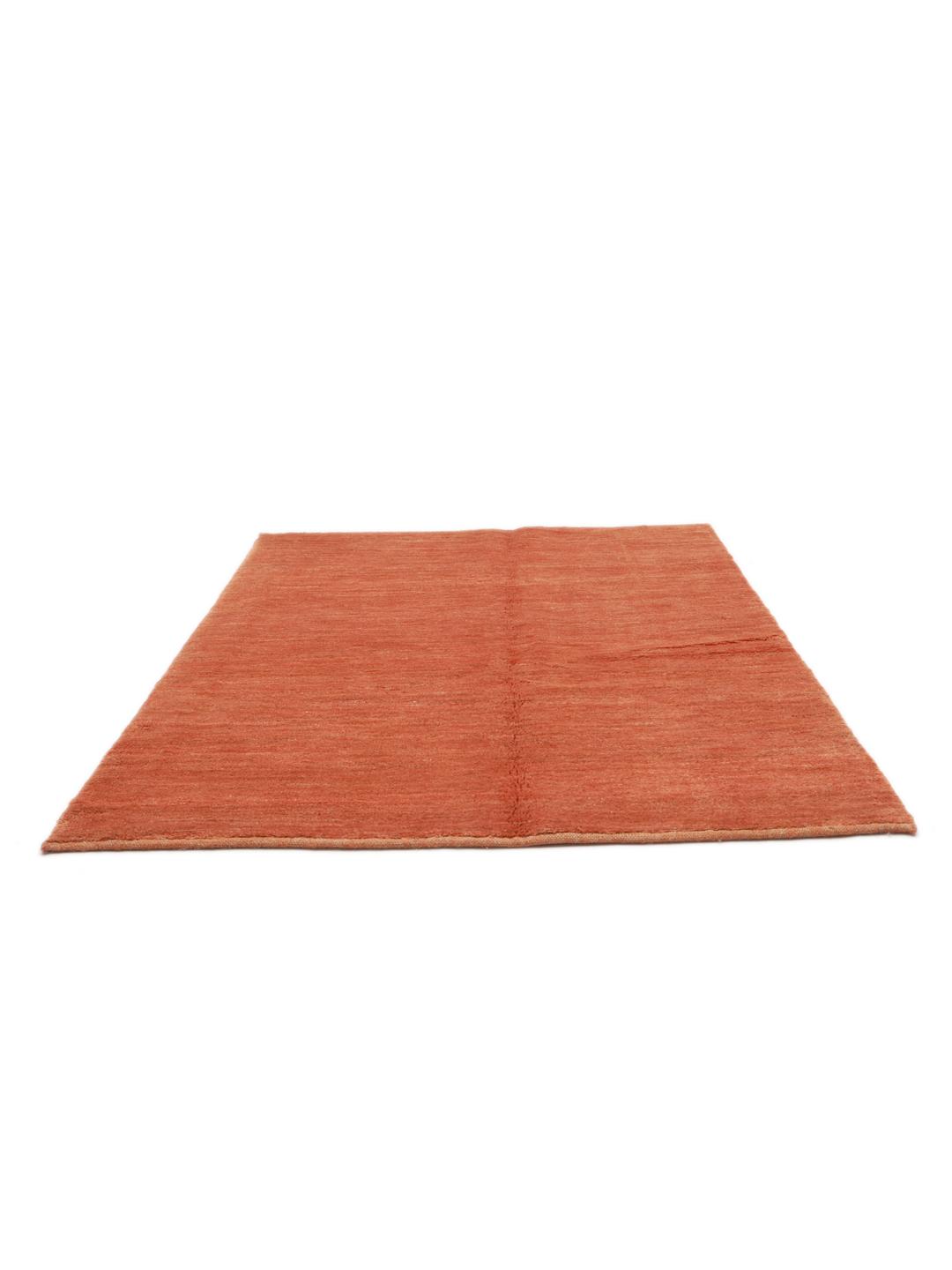
Gabbeh rugs are deeply rooted in the nomadic traditions of the Middle East, where they were originally woven for personal use rather than for trade. These rugs were designed by tribal weavers to provide warmth and comfort in harsh climates, often serving as bedding or floor coverings within tents. Over time, their simple yet striking aesthetic gained international appreciation, evolving from functional utilitarian objects into celebrated works of folk art.
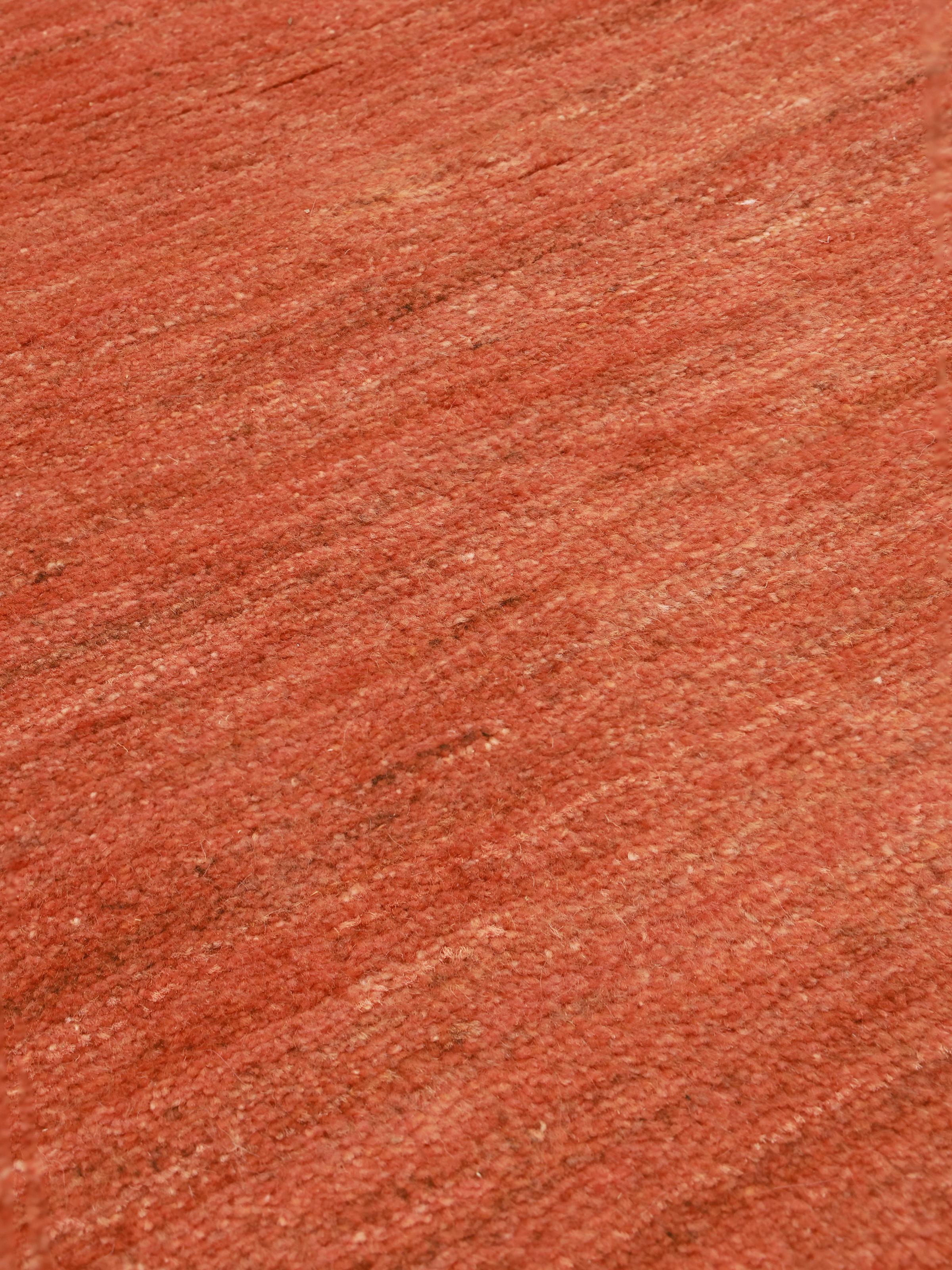
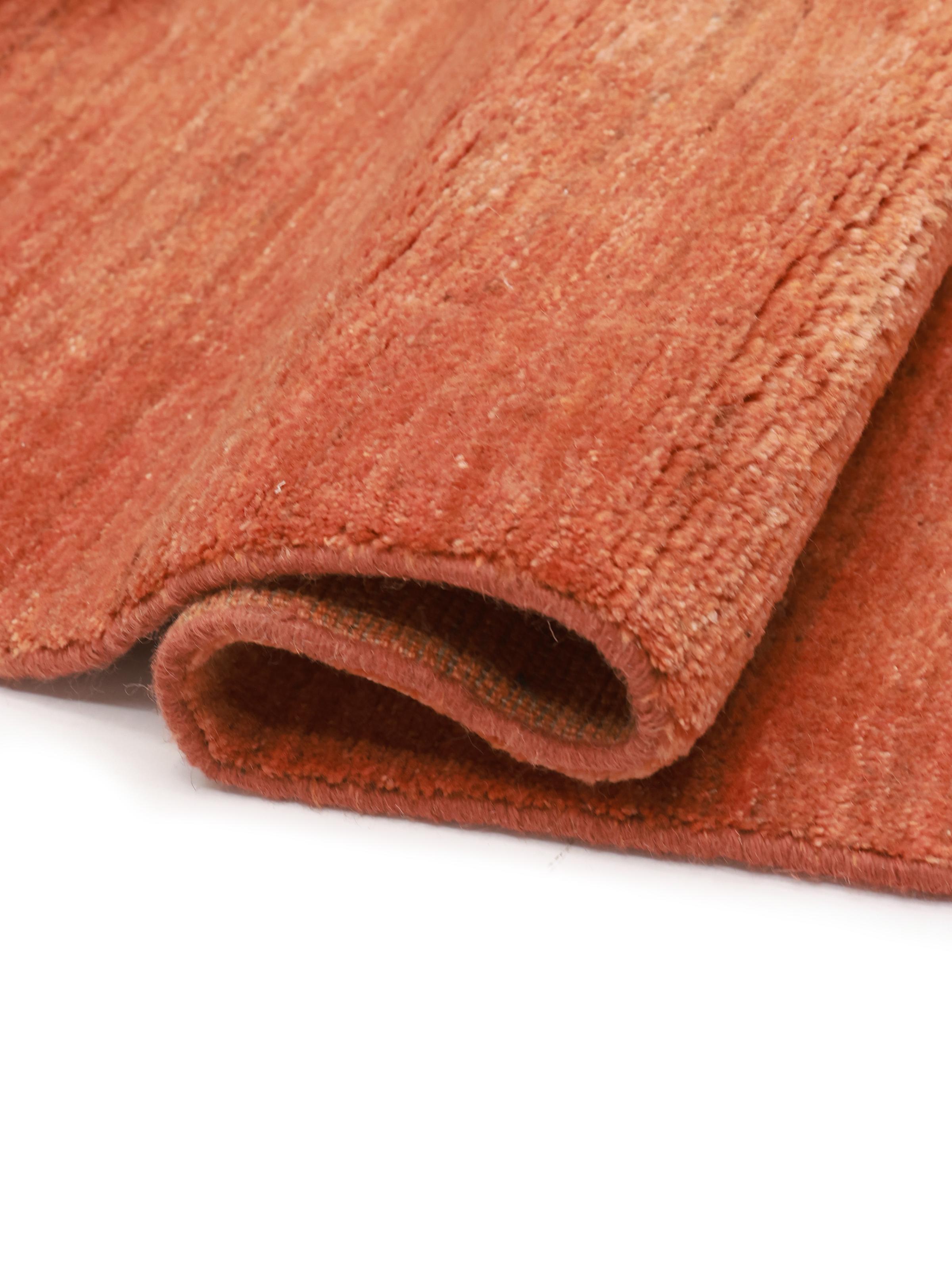
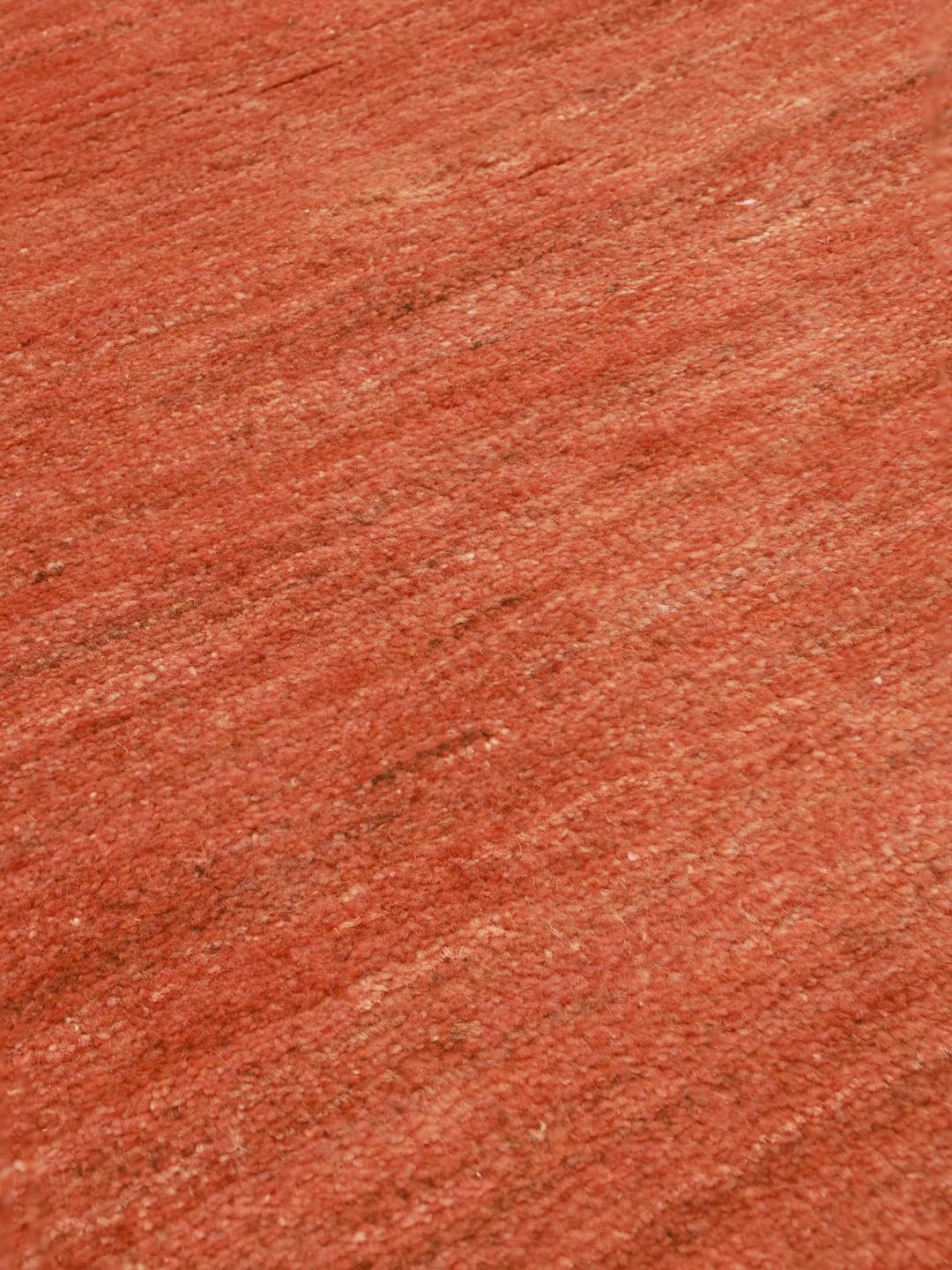
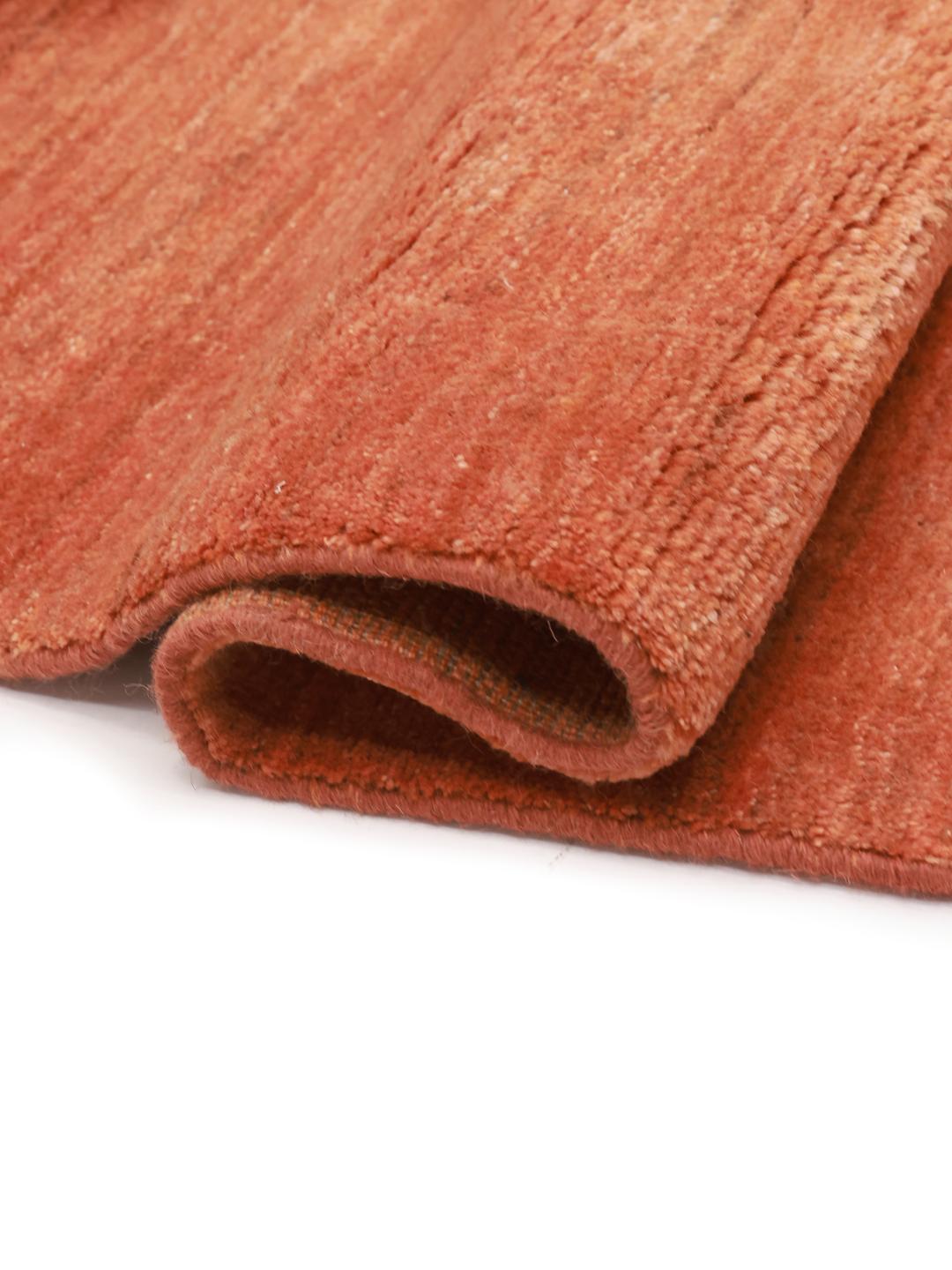
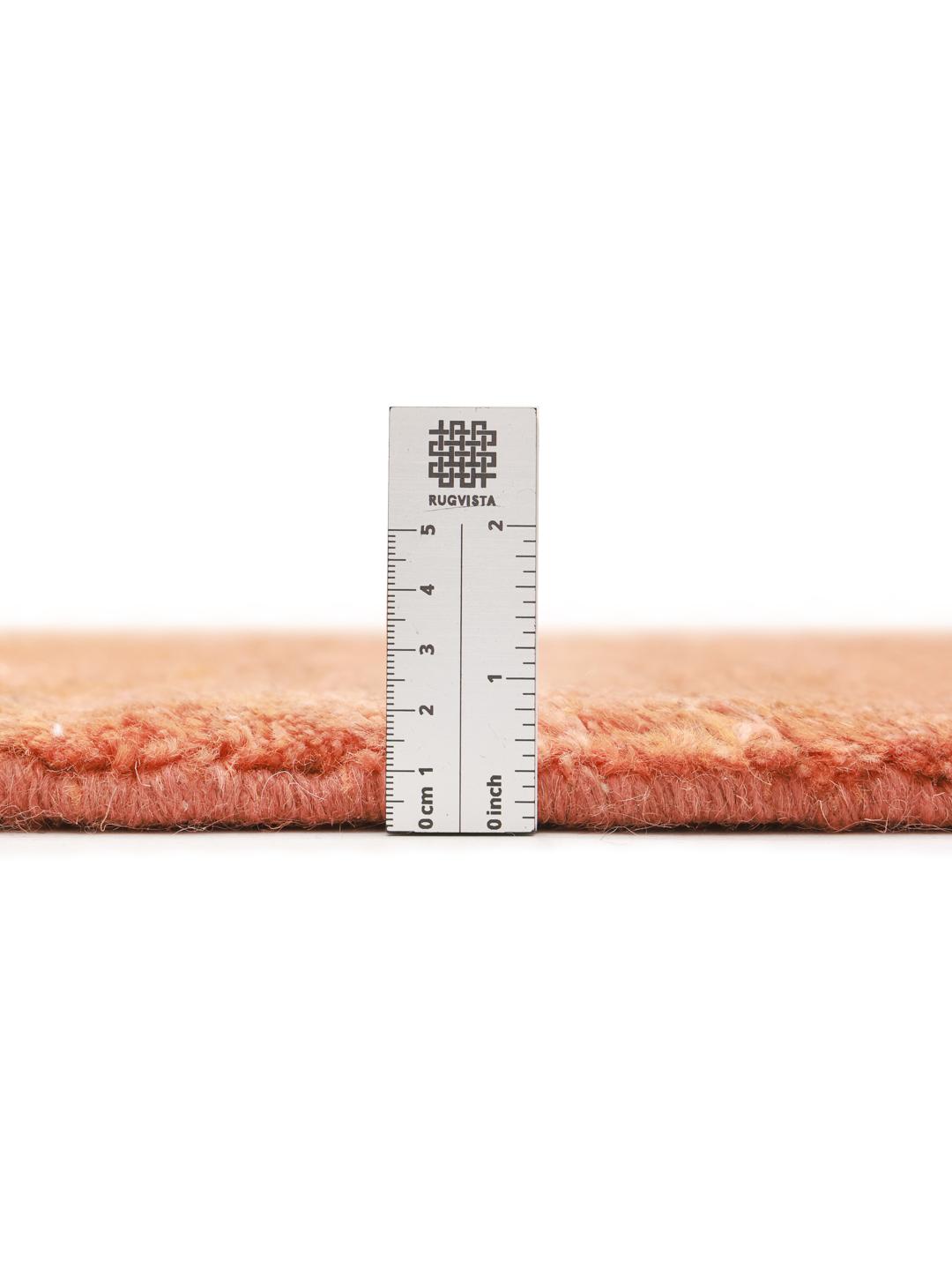
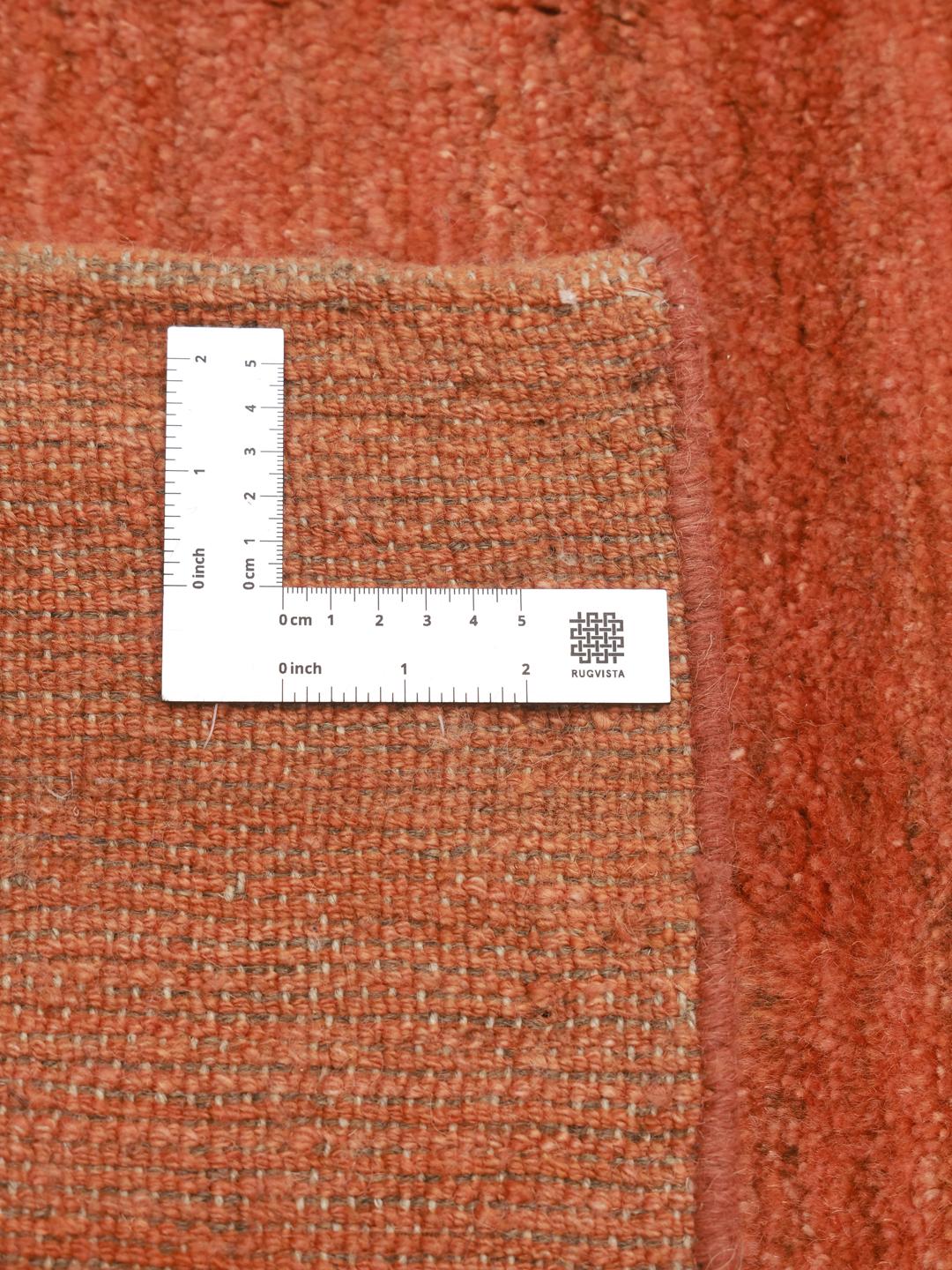
The term Gabbeh itself refers to a style that is traditionally thicker and more rustic than other regional rugs, prioritising a deep, soft pile. This construction is achieved through a specific knotting technique that uses thicker, hand-spun wool, resulting in a rug that feels remarkably cushioned and substantial. This approach to weaving is not just about aesthetics but about creating a durable, long-lasting surface that can handle the rigours of nomadic life.
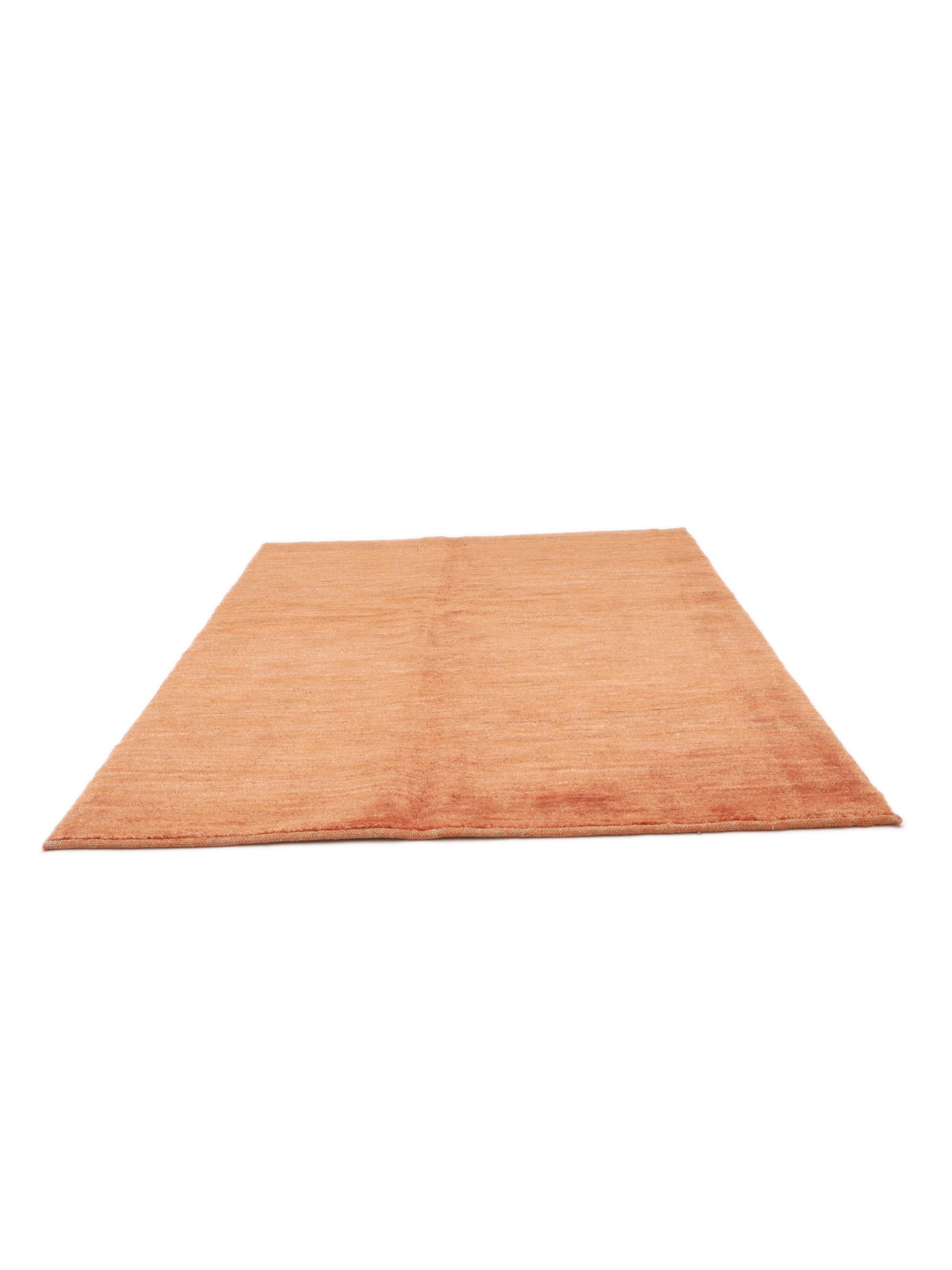
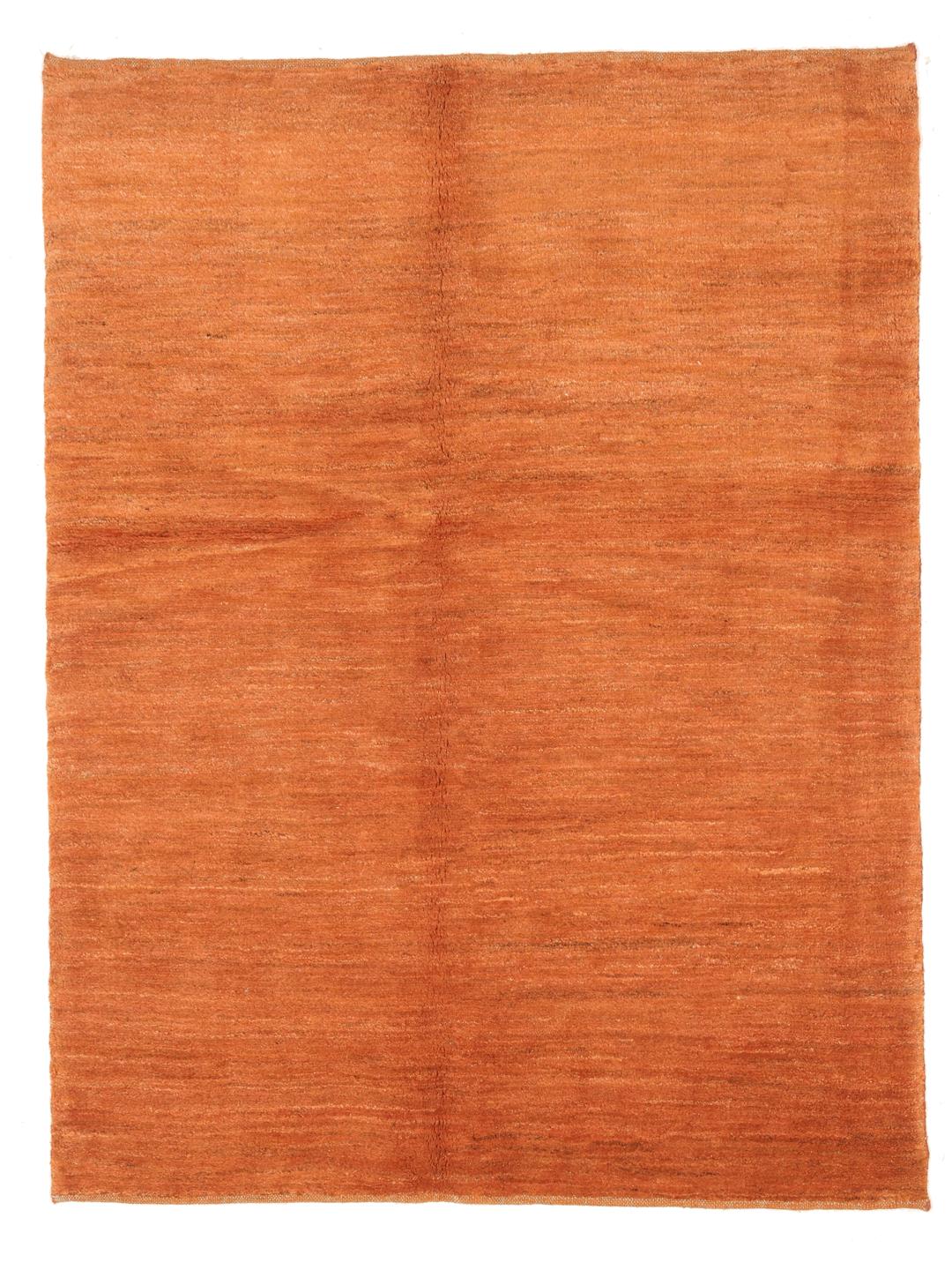
Visually, Gabbeh rugs are celebrated for their bold, minimalist designs and expansive fields of colour. While many feature simple geometric motifs or playful, stylised representations of animals and nature, others are celebrated for their solid, monochromatic fields that allow the natural variations of the wool to shine. The use of traditional, often natural dyes creates a rich depth of colour that can shift subtly in different lighting, giving each rug a dynamic and living quality.
Collecting a Gabbeh rug is an invitation to own a piece of cultural heritage that honours the skill of the individual weaver. Because these rugs are not bound by the strict, formal patterns seen in more commercial traditions, they offer a sense of creative freedom and raw authenticity. Owning one is a testament to the enduring value of human craft, representing a bridge between ancient nomadic life and the modern, comfortable home.