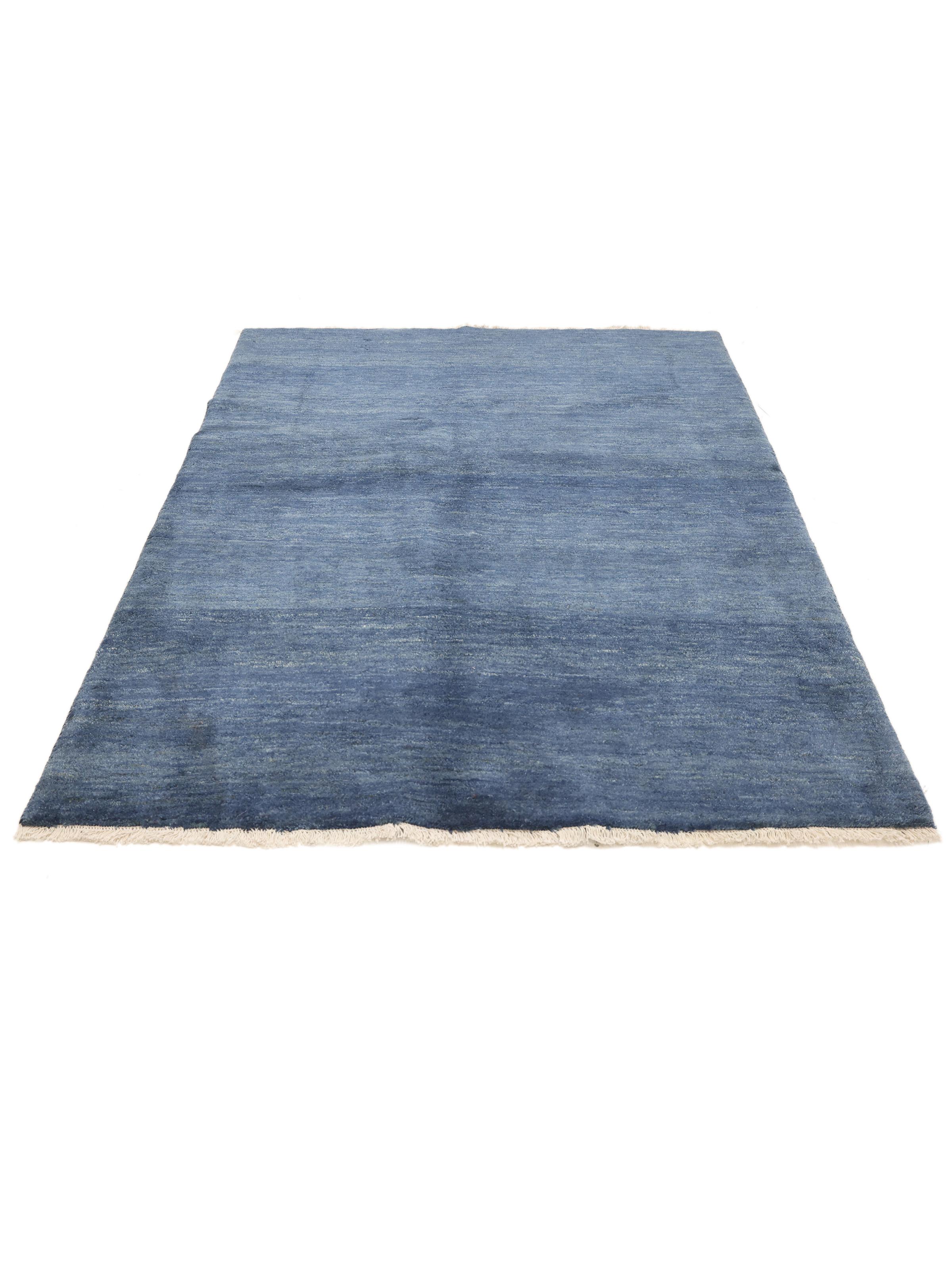
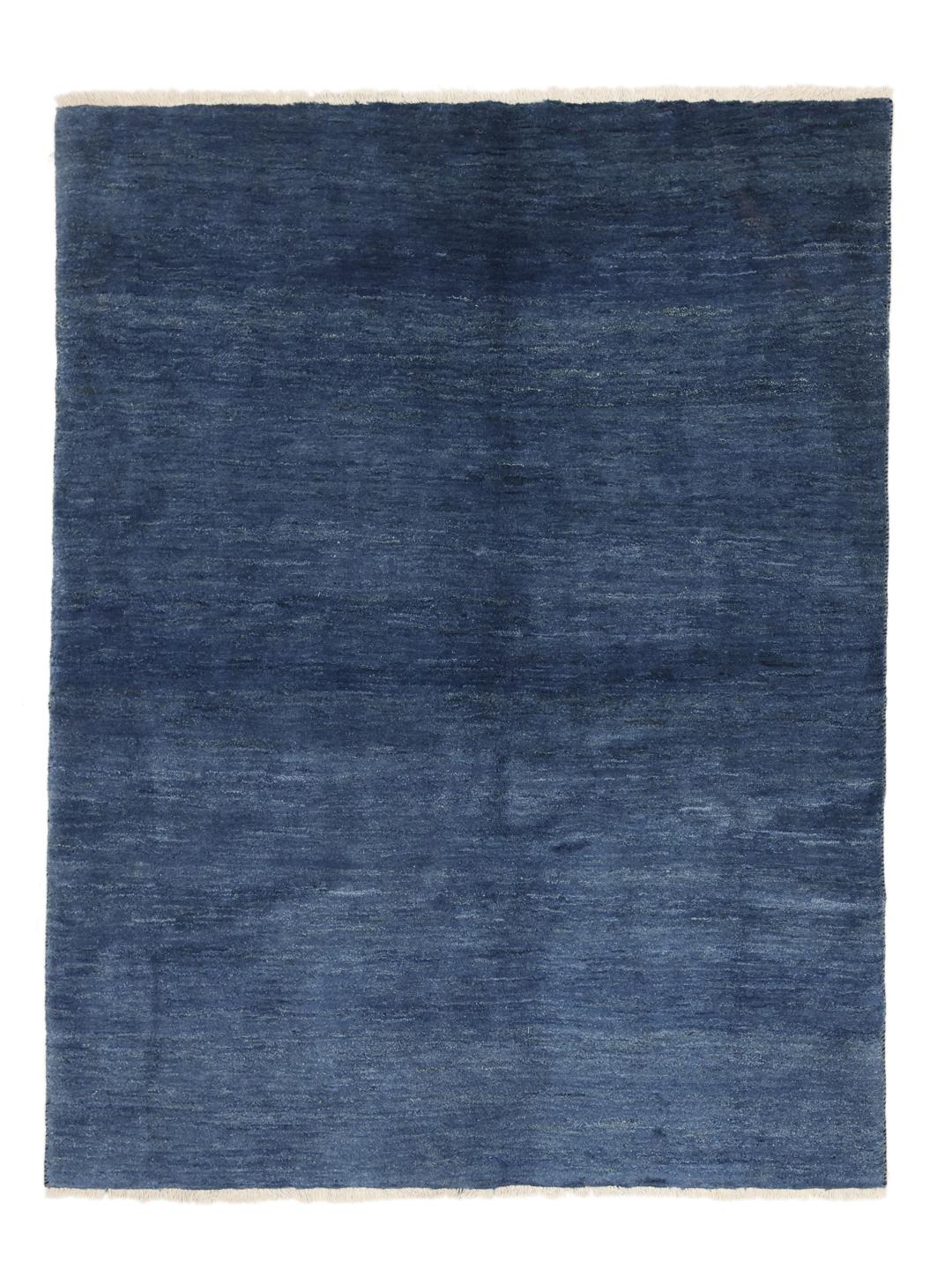
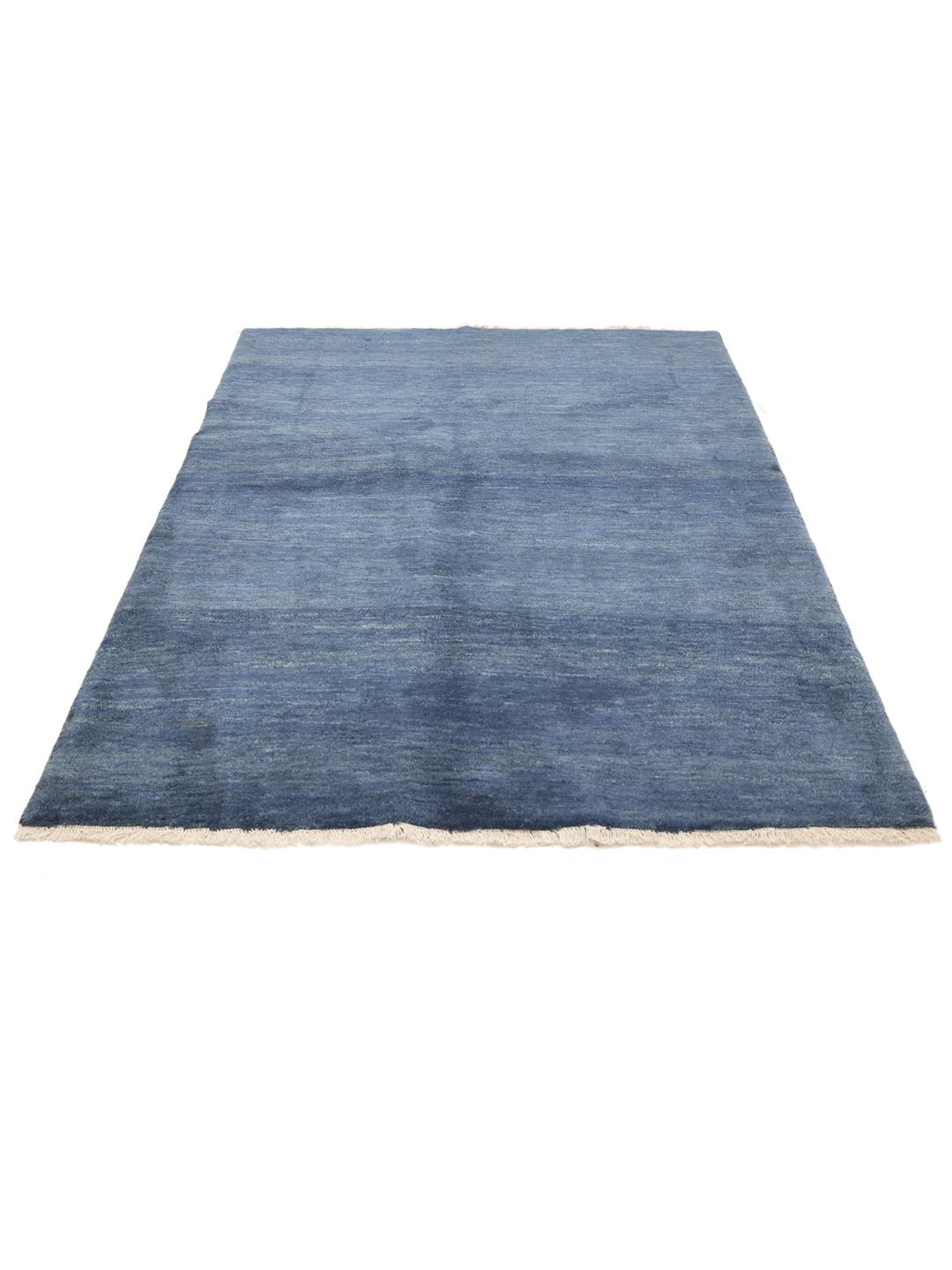
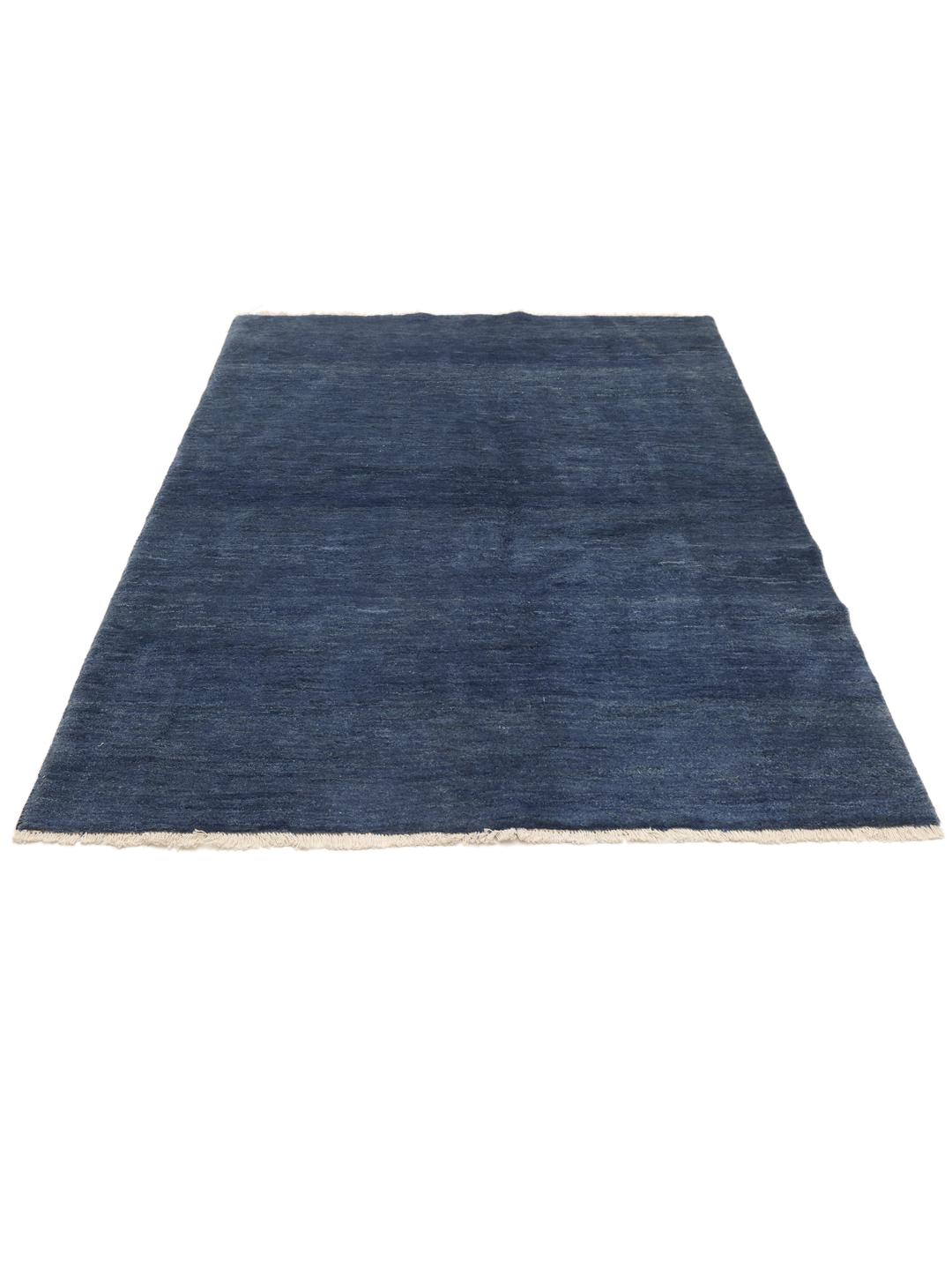
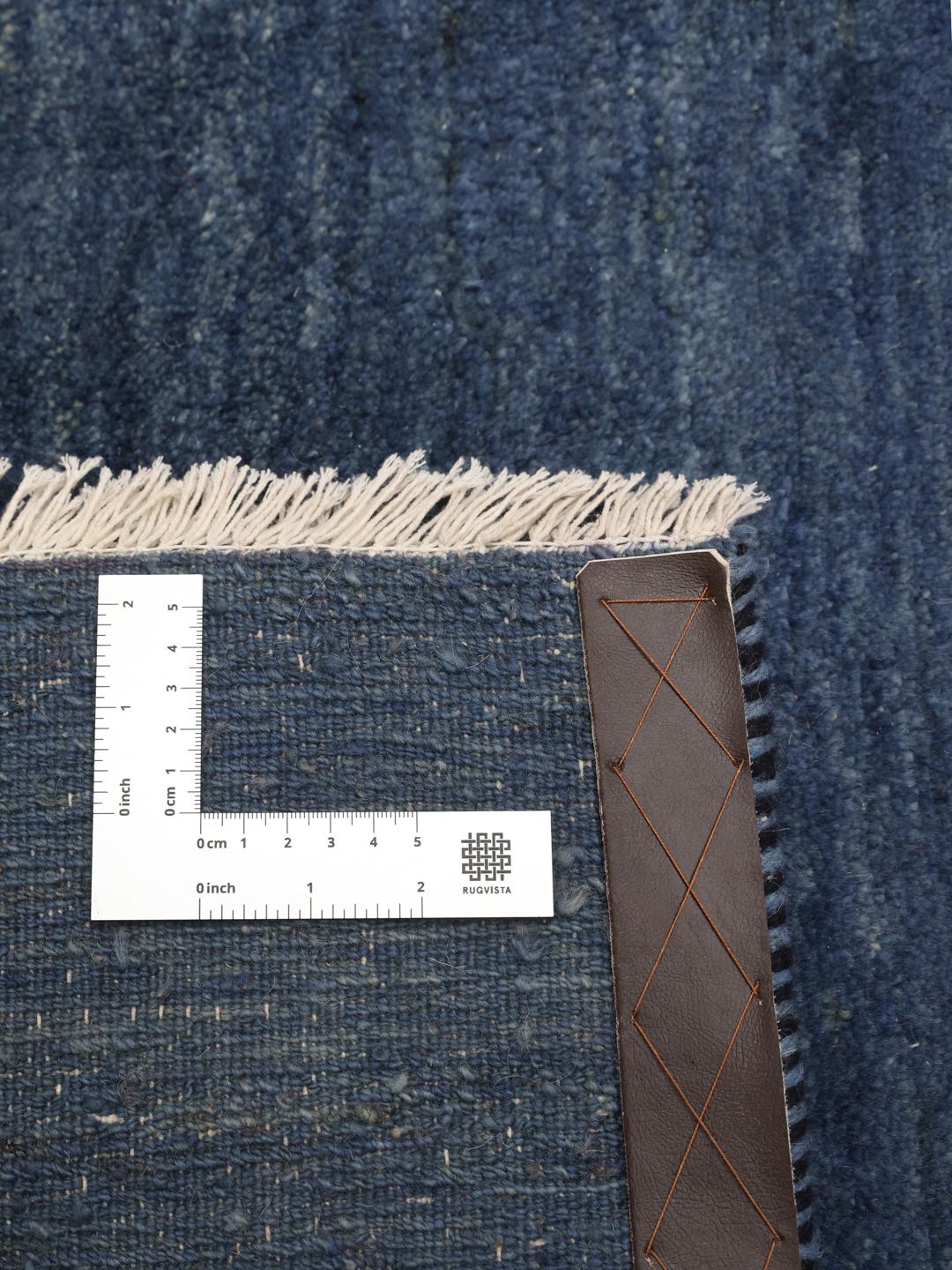
Gabbeh rugs have a long history in the Middle Eastern region, traditionally woven by nomadic tribes such as the Qashqai. Unlike many other styles that emphasise intricate, formal patterns, the Gabbeh was originally created for personal use within the home, prioritising comfort, warmth, and utility for the family. These rugs are renowned for their thick, hand-spun wool and their ability to provide a soft, insulating layer in desert environments.
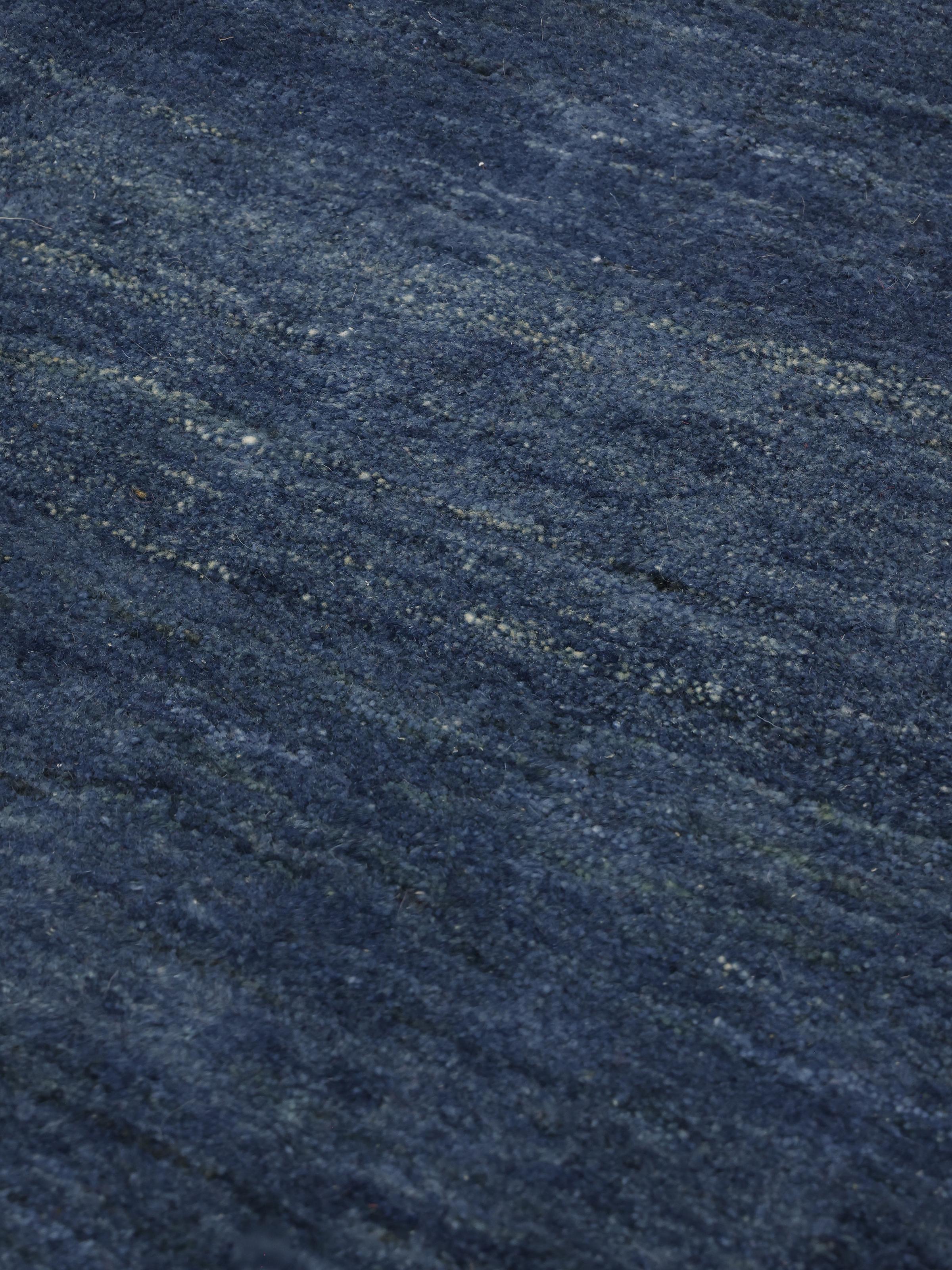
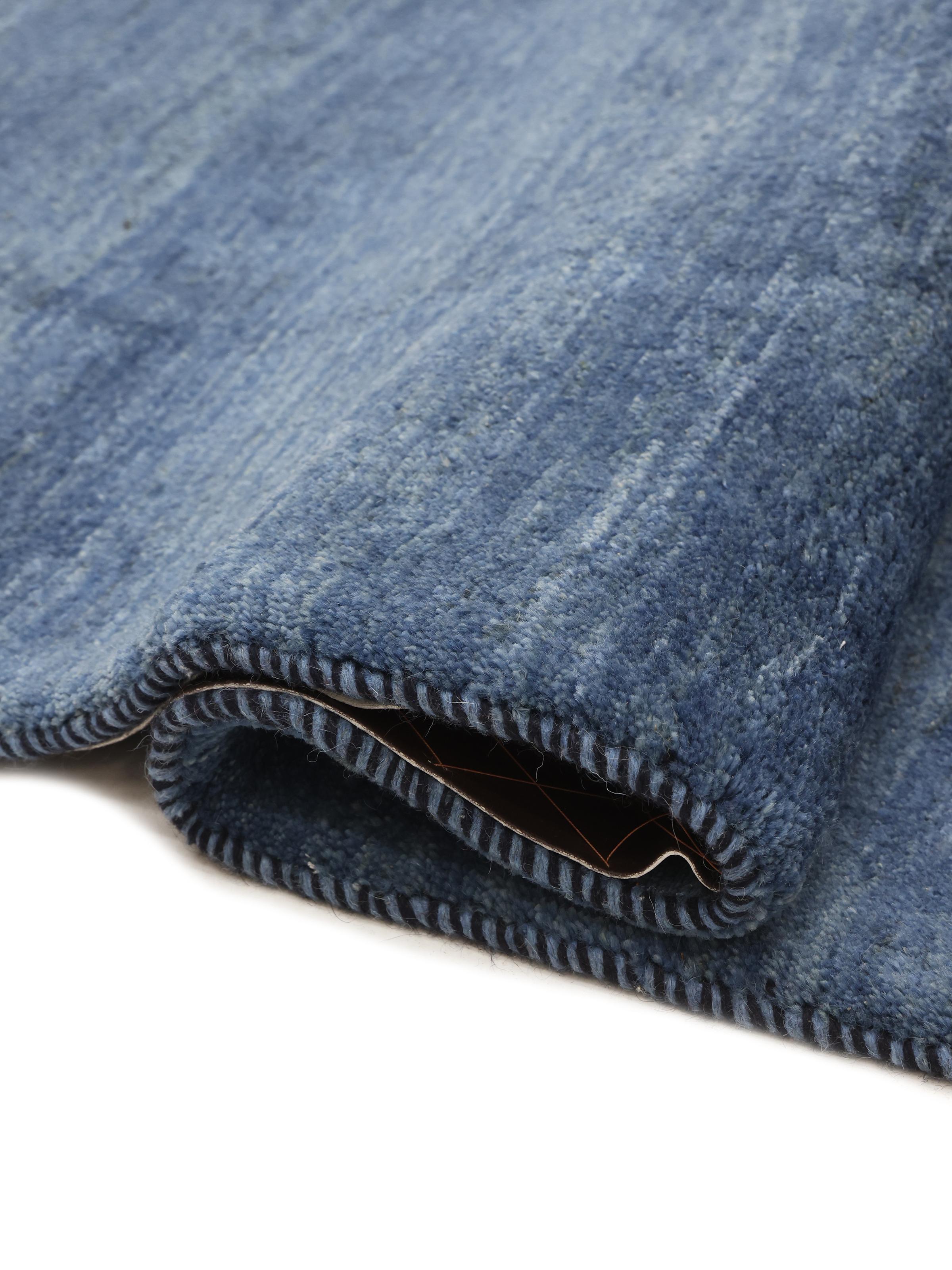
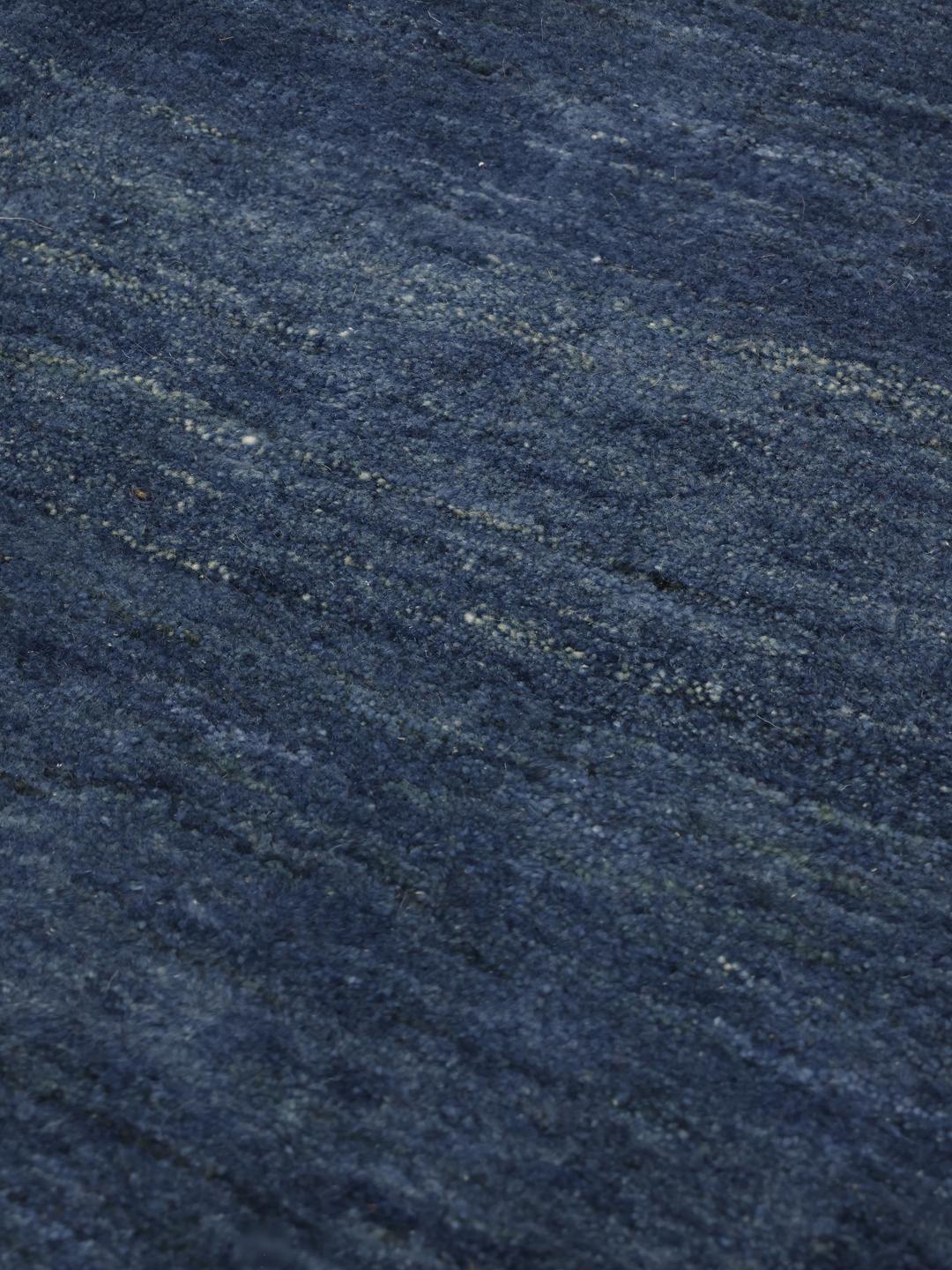
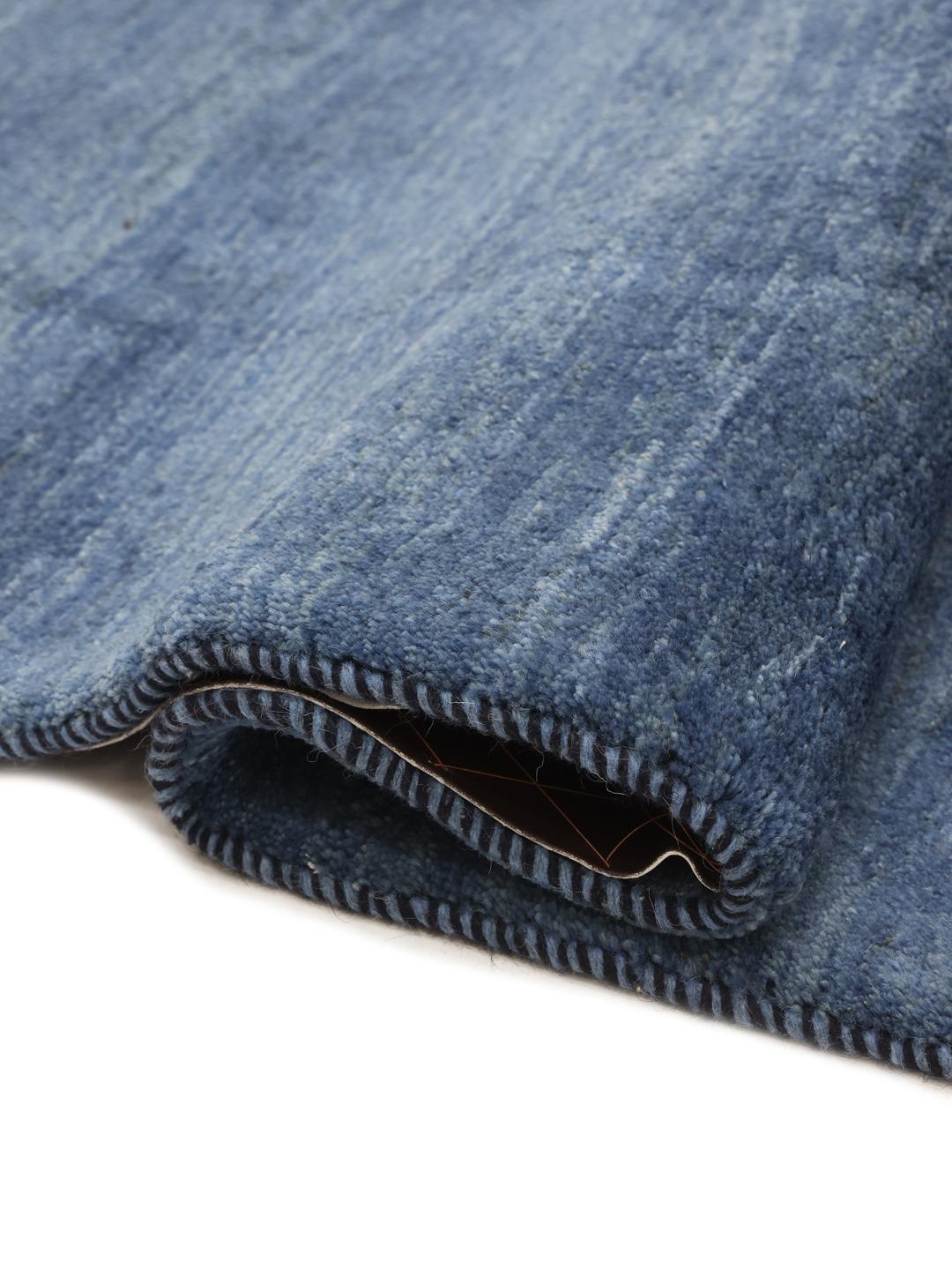
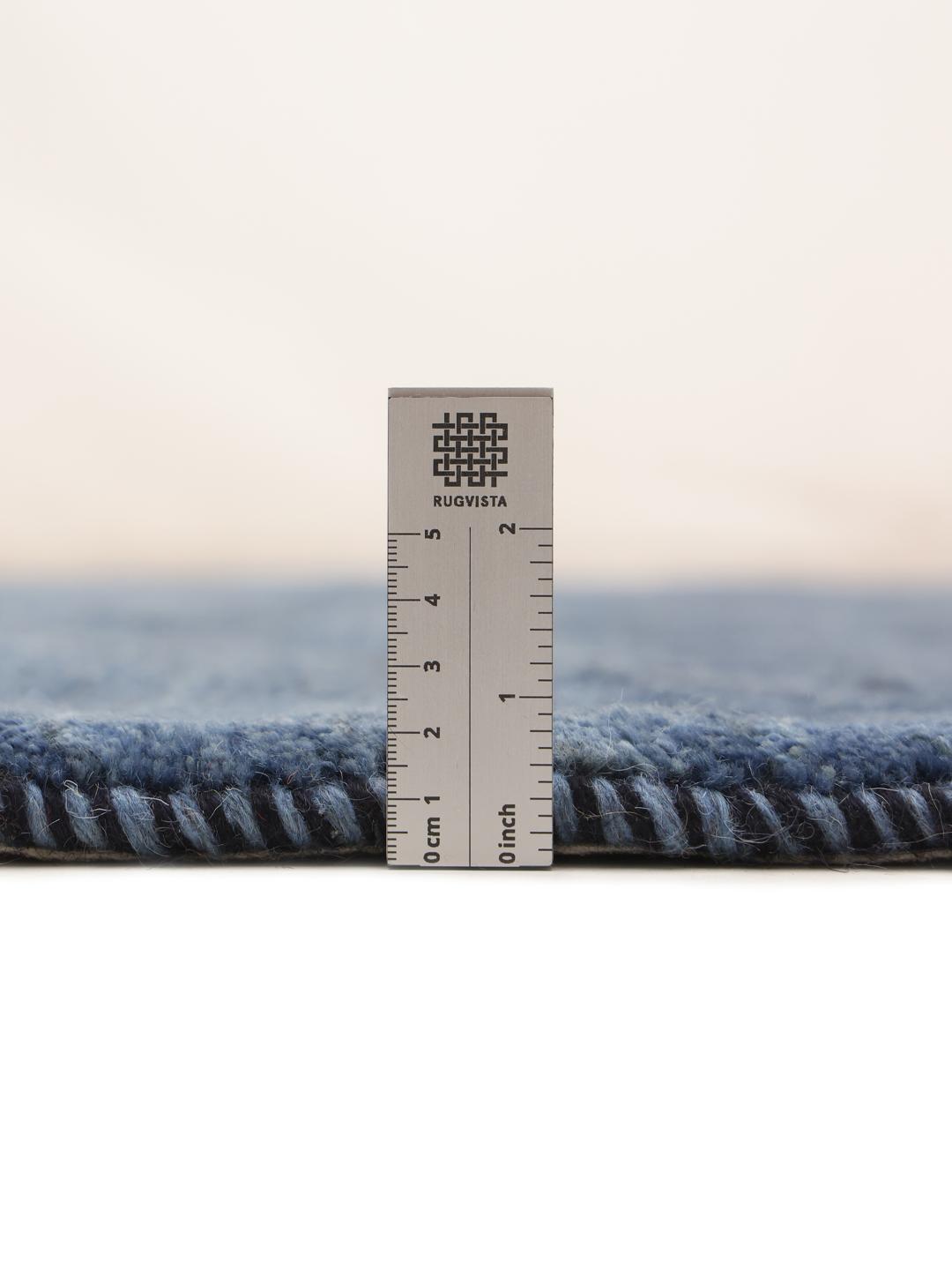
The term Gabbeh itself refers to a 'natural' or 'unclipped' style, which historically resulted in a longer, thicker pile compared to other types of rugs. This thickness is not just a visual choice but a technical one, as it provides superior cushioning and insulation. The evolution of these rugs has moved from purely functional nomadic floor coverings to highly sought-after collector pieces that are celebrated for their raw, artistic expression and tactile quality.
Design-wise, Gabbeh rugs are famous for their minimalist aesthetic, often featuring large, open fields of colour or simple, symbolic motifs that hold personal meaning for the weaver. While they may appear simple, the colour depth is often quite complex, as the wool is traditionally dyed using natural materials like roots, leaves, and bark. This gives each rug a subtle variation in tone that changes beautifully under different lighting conditions.
Collecting a Gabbeh rug is an investment in cultural heritage and human skill. Because they are hand-knotted by individuals rather than mass-produced, each rug captures the specific mood and artistic choices of the weaver at the time of creation. Owning one means holding a piece of history that continues to bring warmth and character to modern homes, serving as a reminder of the enduring value of traditional craftsmanship.