Gabbeh rugs have a long and storied history, originating from the nomadic tribes of the Middle East. Traditionally woven by women of the Qashqai and Lori tribes, these rugs were initially created for personal use as sleeping mats or blankets to provide warmth against the cold desert nights, rather than for commercial sale.
The term Gabbeh essentially translates to raw, natural, or unfinished, which perfectly describes the aesthetic of these rugs. Unlike formal city rugs that follow rigid patterns, Gabbeh designs are often spontaneous and intuitive, reflecting the weaver's personal experiences, surroundings, and emotions in a way that feels deeply authentic and unpretentious.
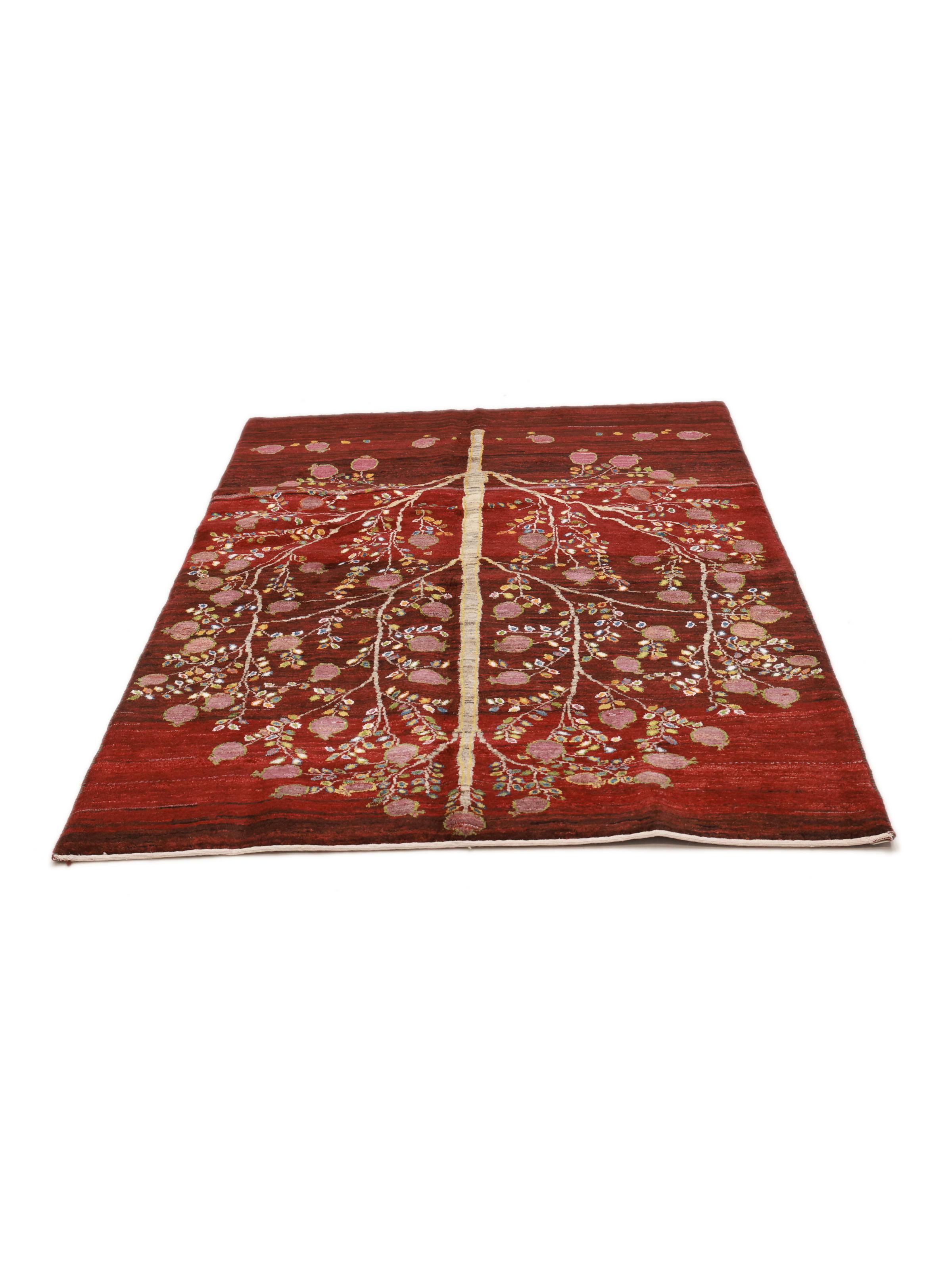
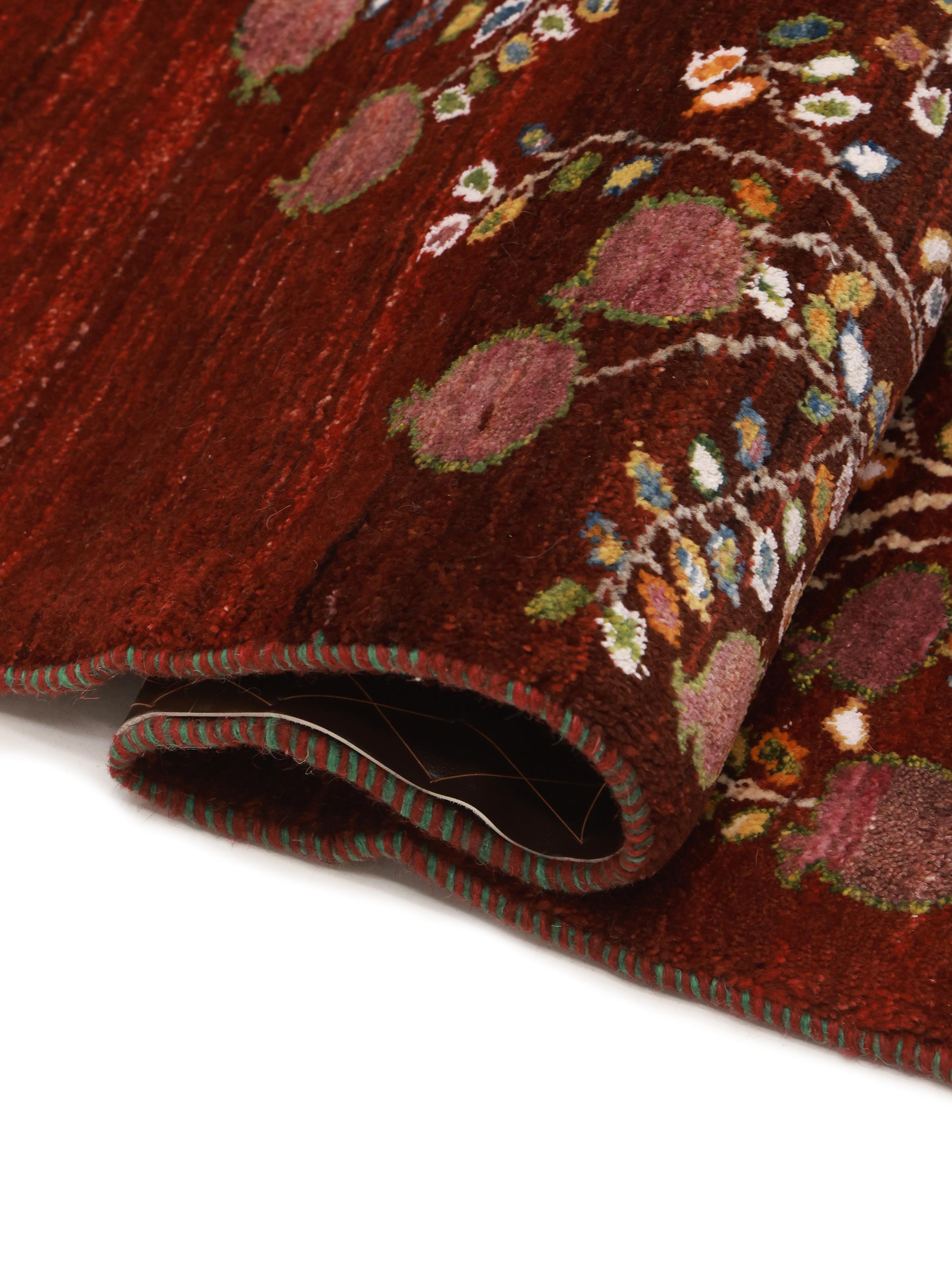
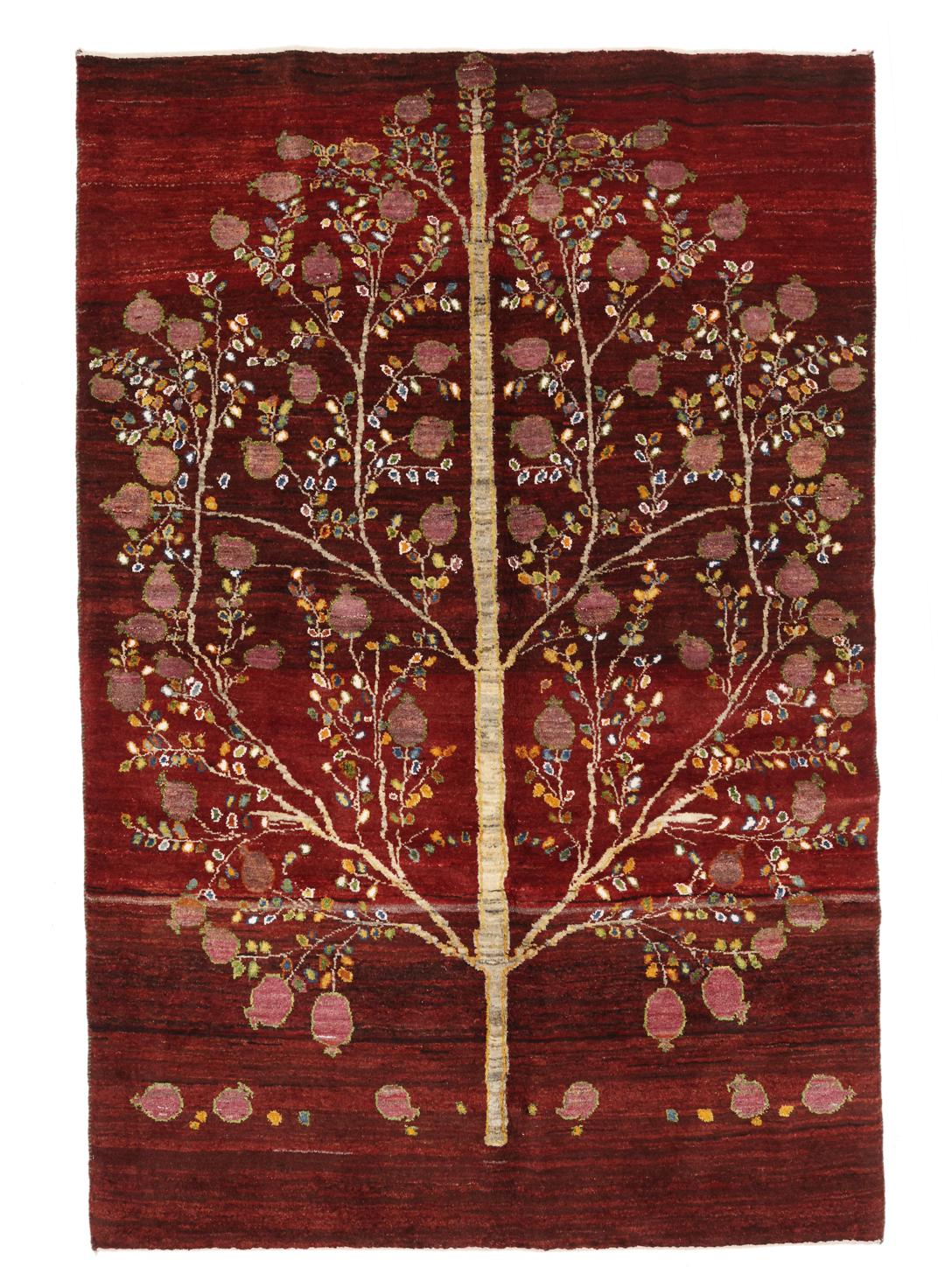
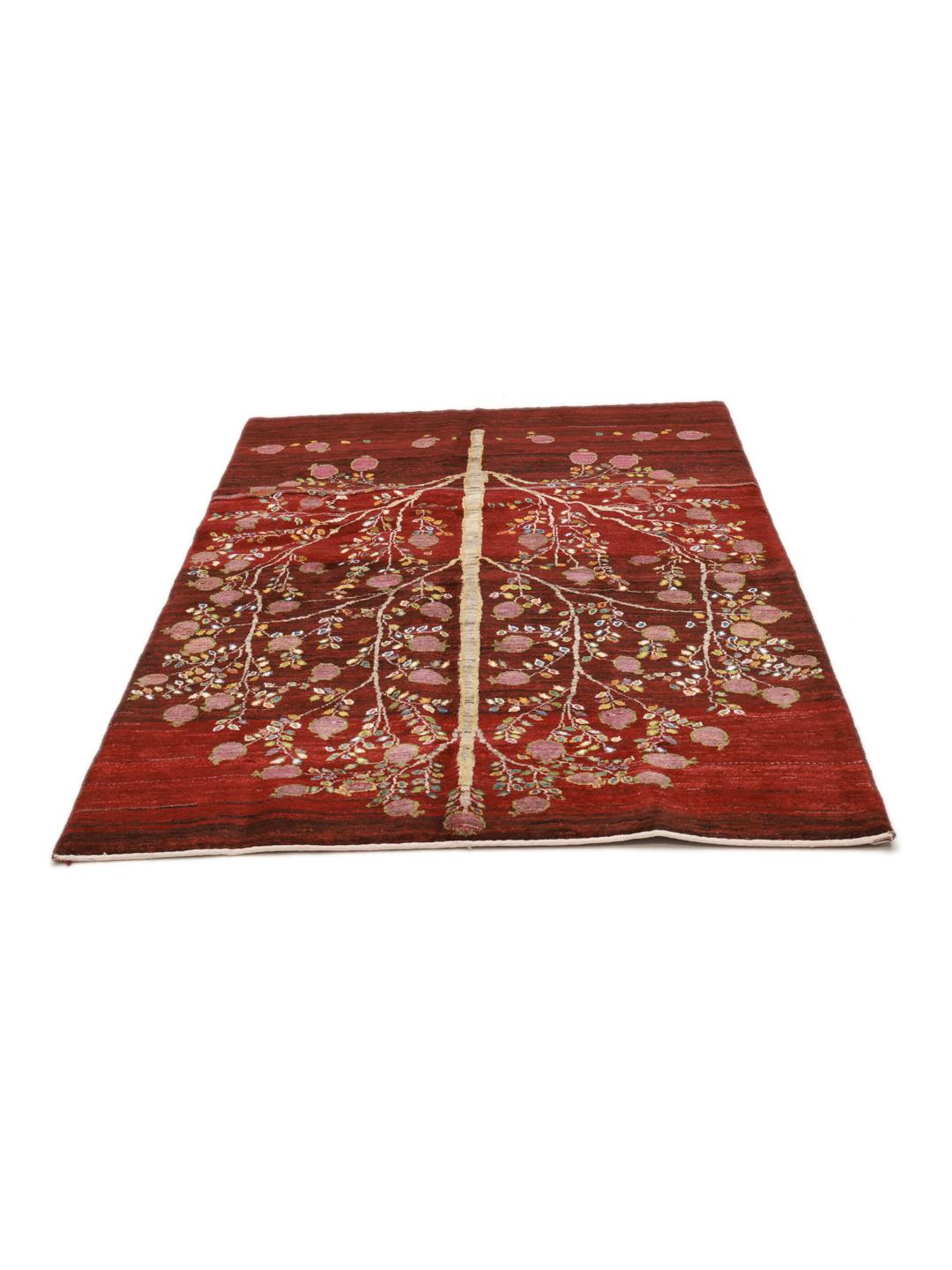
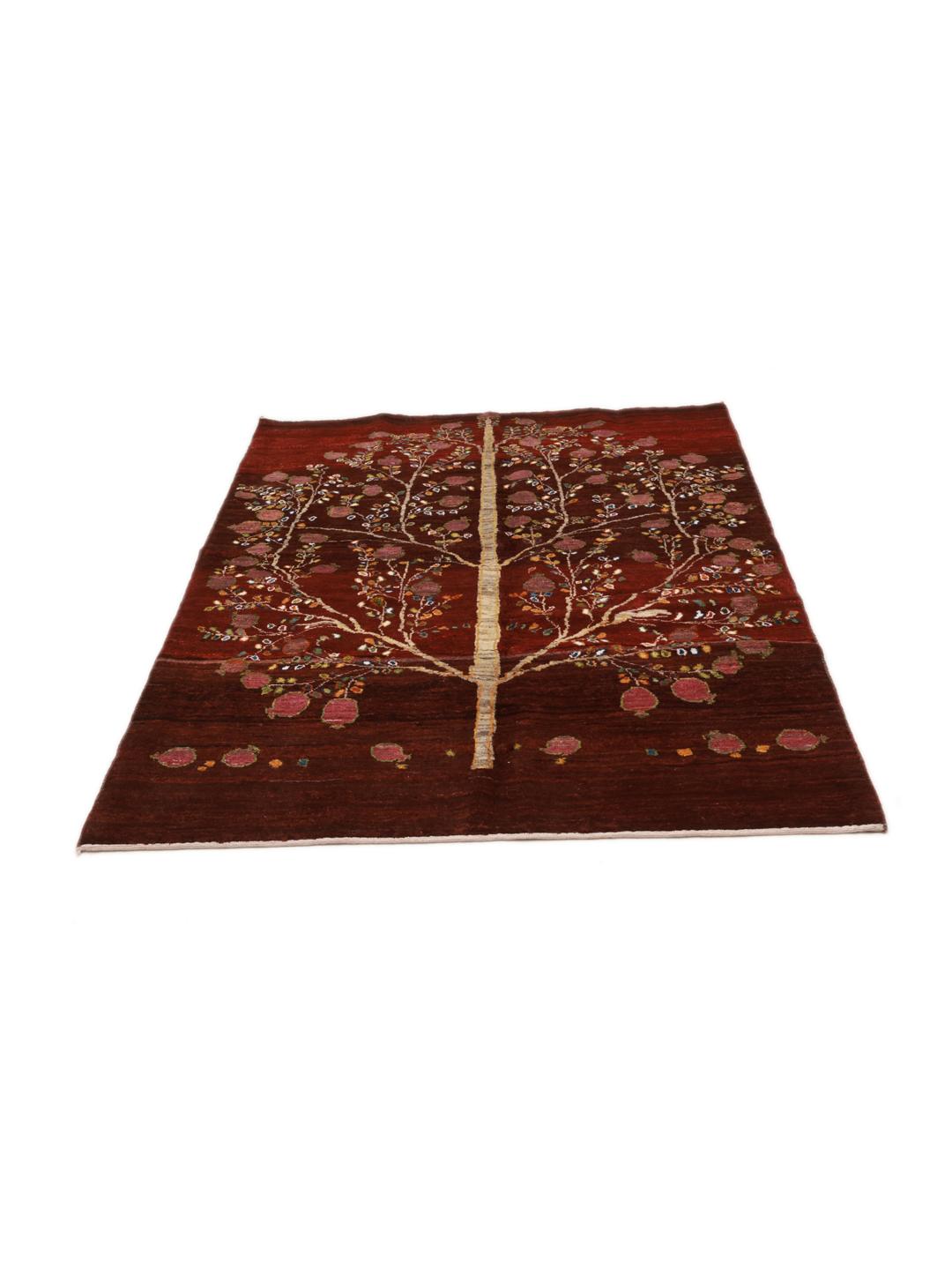
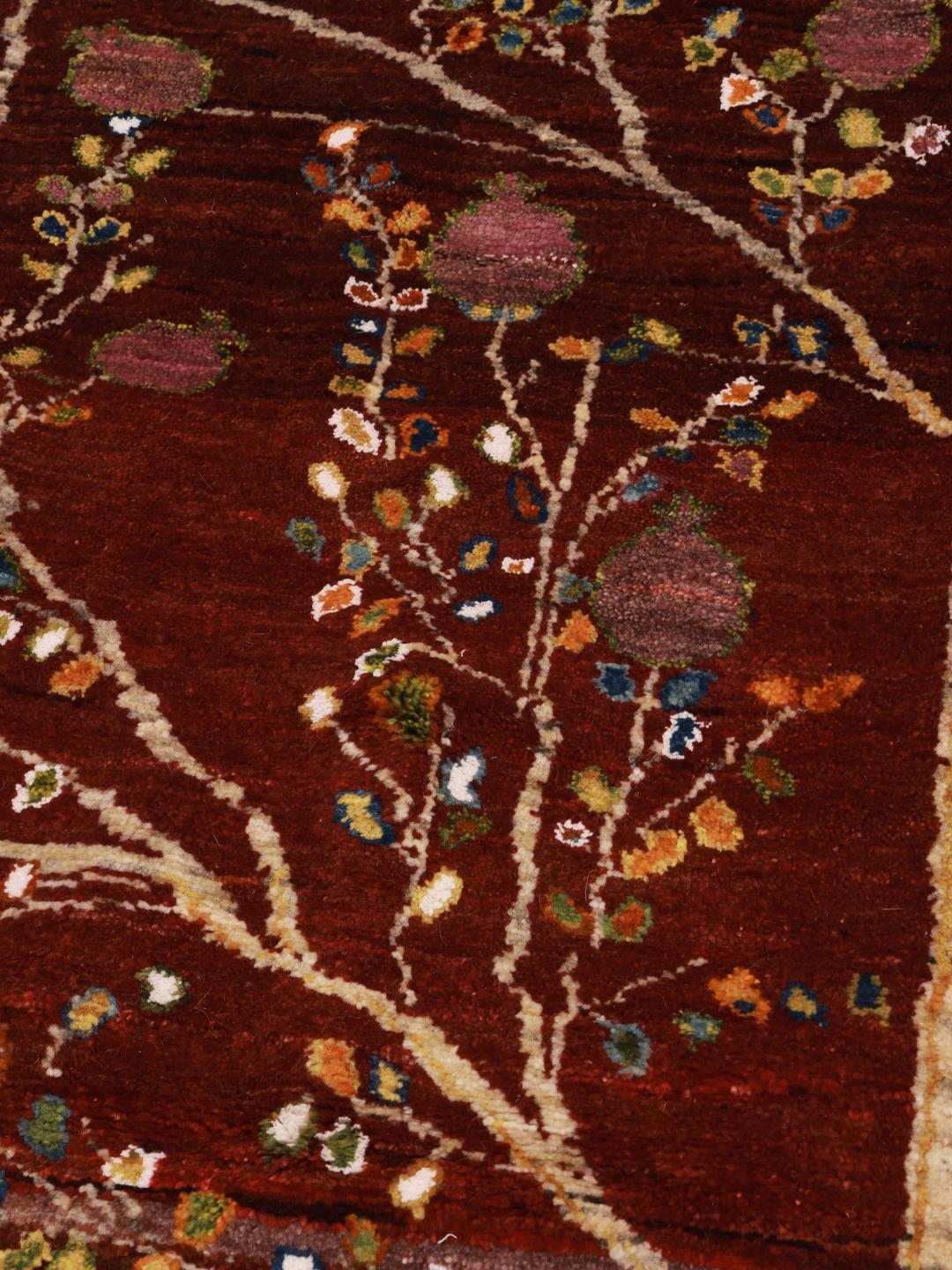
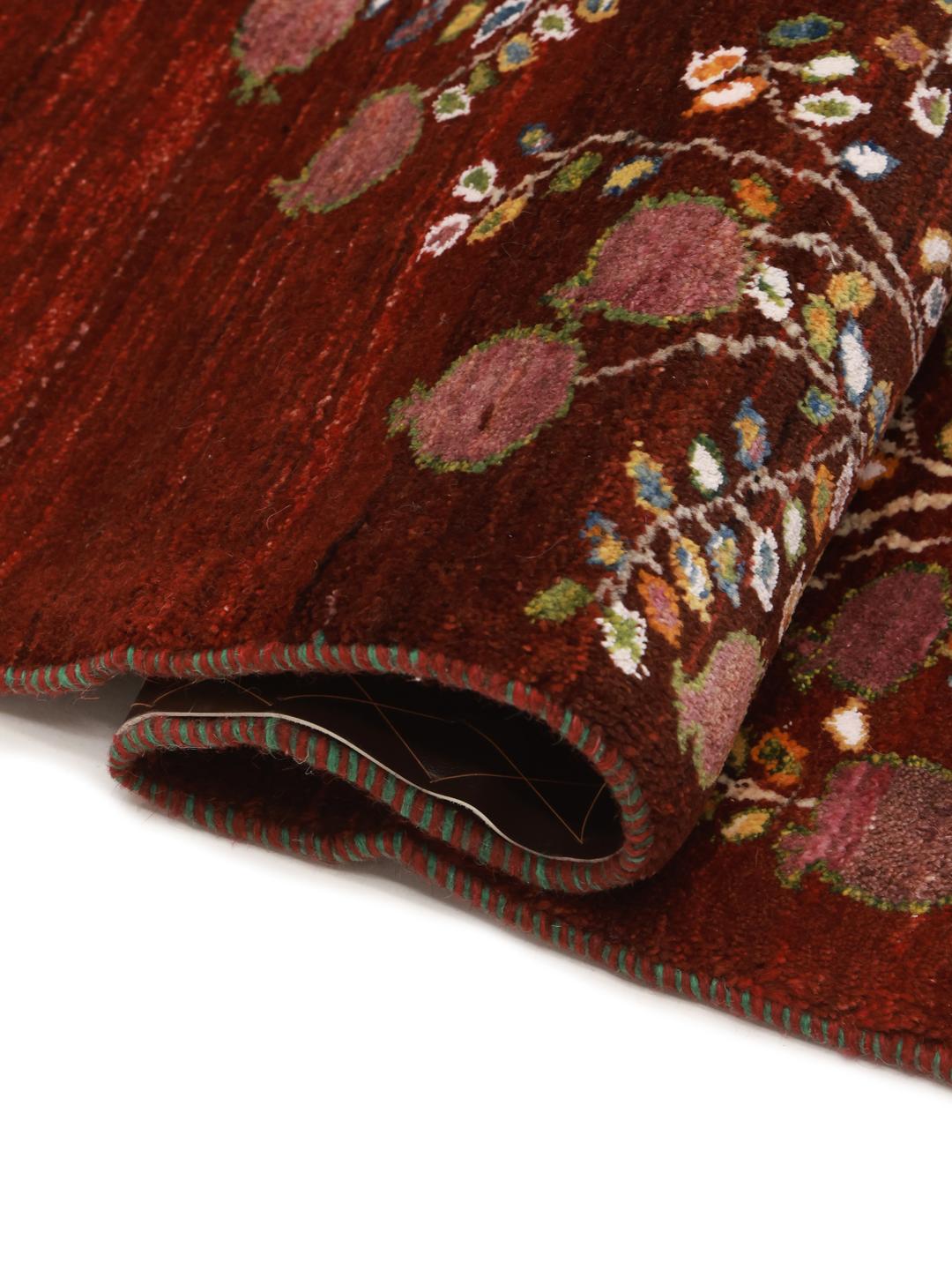
The design of this specific rug features a tree motif, a classic symbol in Middle Eastern weaving traditions representing life, fertility, and the connection between the earth and the heavens. The artistic application of such motifs, often rendered in bold, simplified forms, makes each Gabbeh a narrative piece that tells a story through its colours and symbols.
Today, these rugs are highly prized by collectors for their artistic freedom and the tangible connection they offer to ancient weaving traditions. Owning a Gabbeh is not just about acquiring a floor covering, but about welcoming a piece of cultural heritage into your home that celebrates the beauty of human imperfection and the enduring spirit of nomadic craftsmanship.