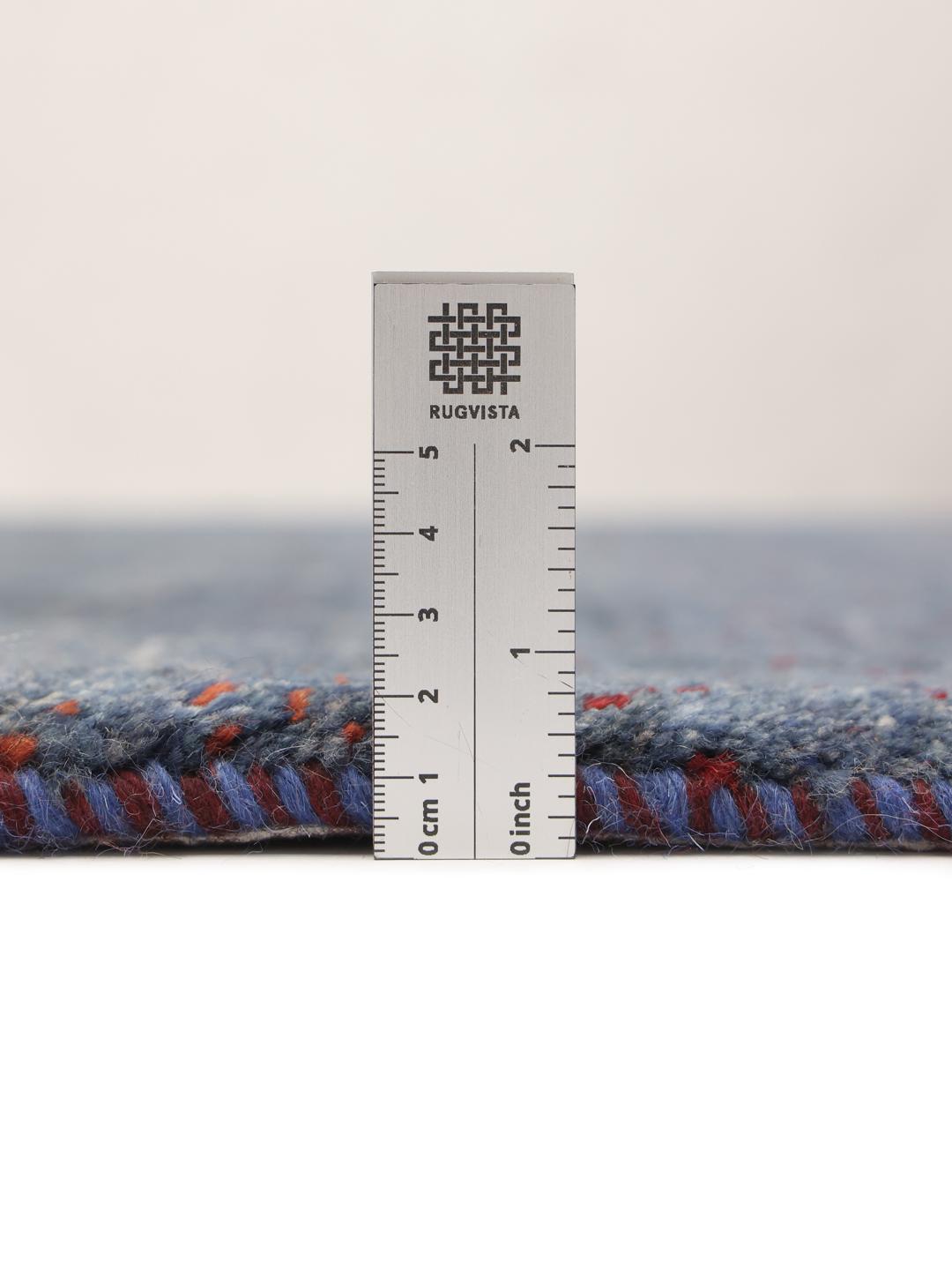
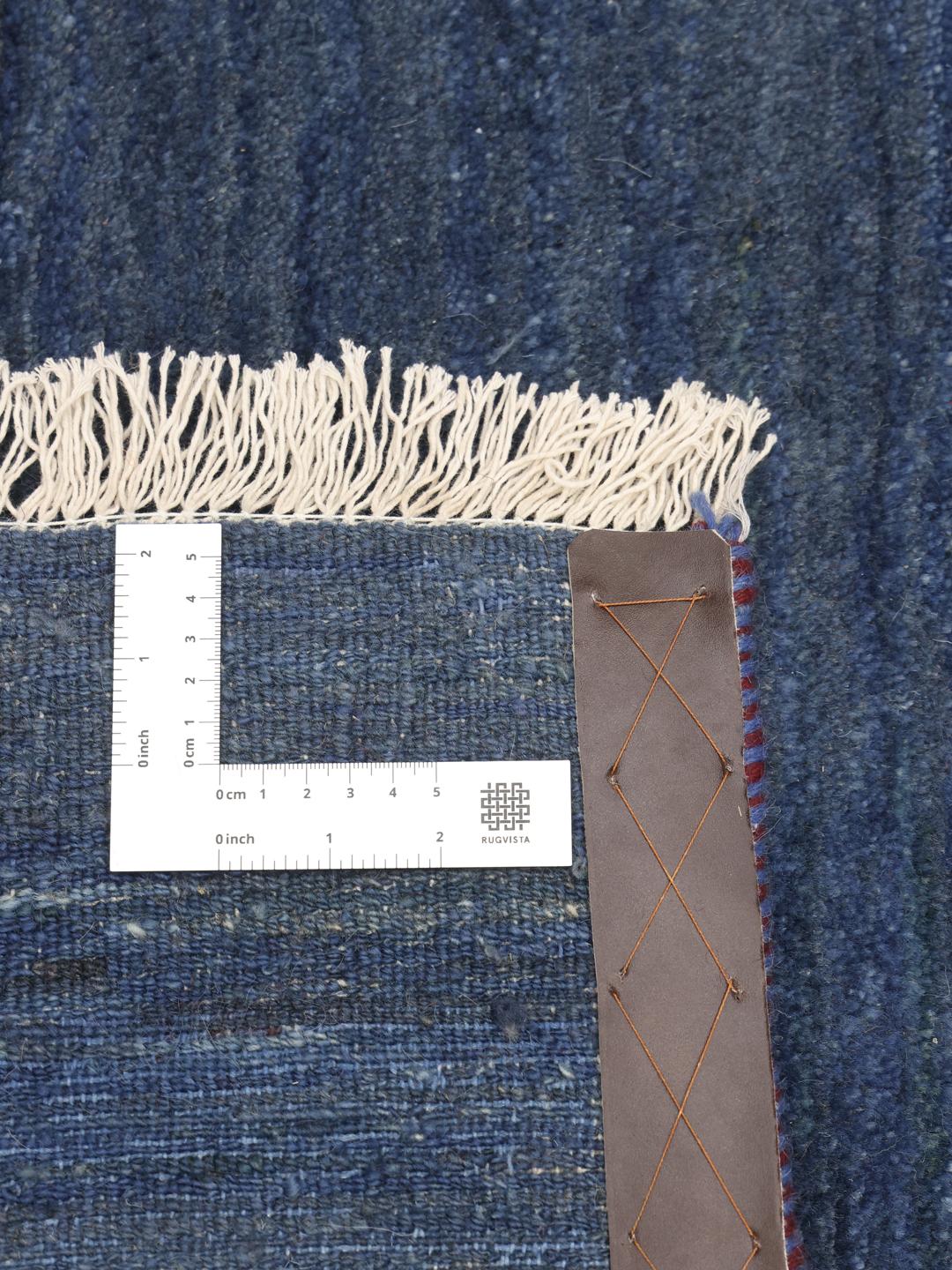
The Gabbeh tradition originates from the nomadic tribes of the Middle East, who have long crafted these rugs for practical use within their homes. Unlike formal city rugs, Gabbeh rugs were traditionally woven by women to provide insulation and comfort against the cold desert ground, prioritising a soft, thick pile that could withstand the rigours of nomadic life.
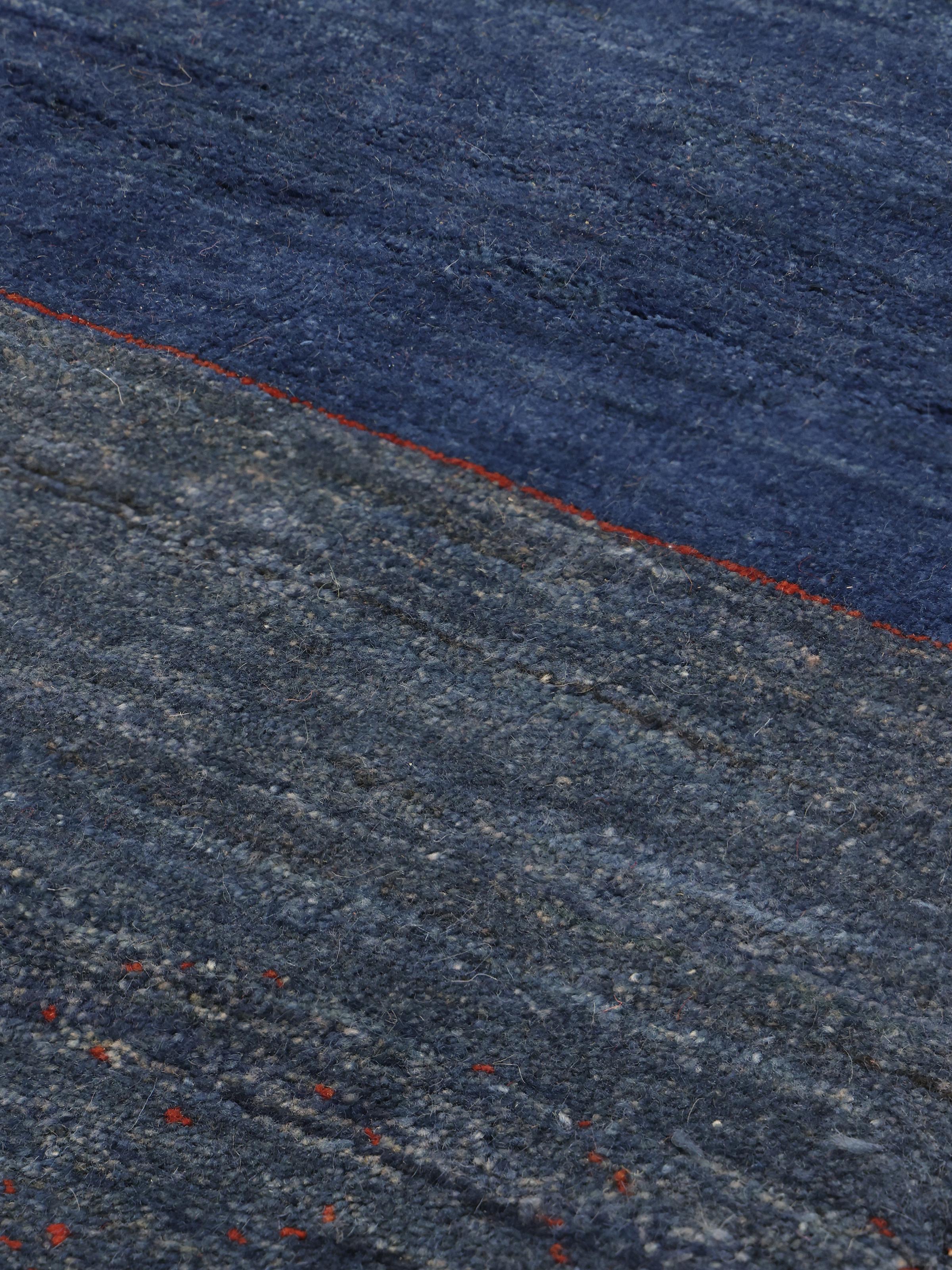
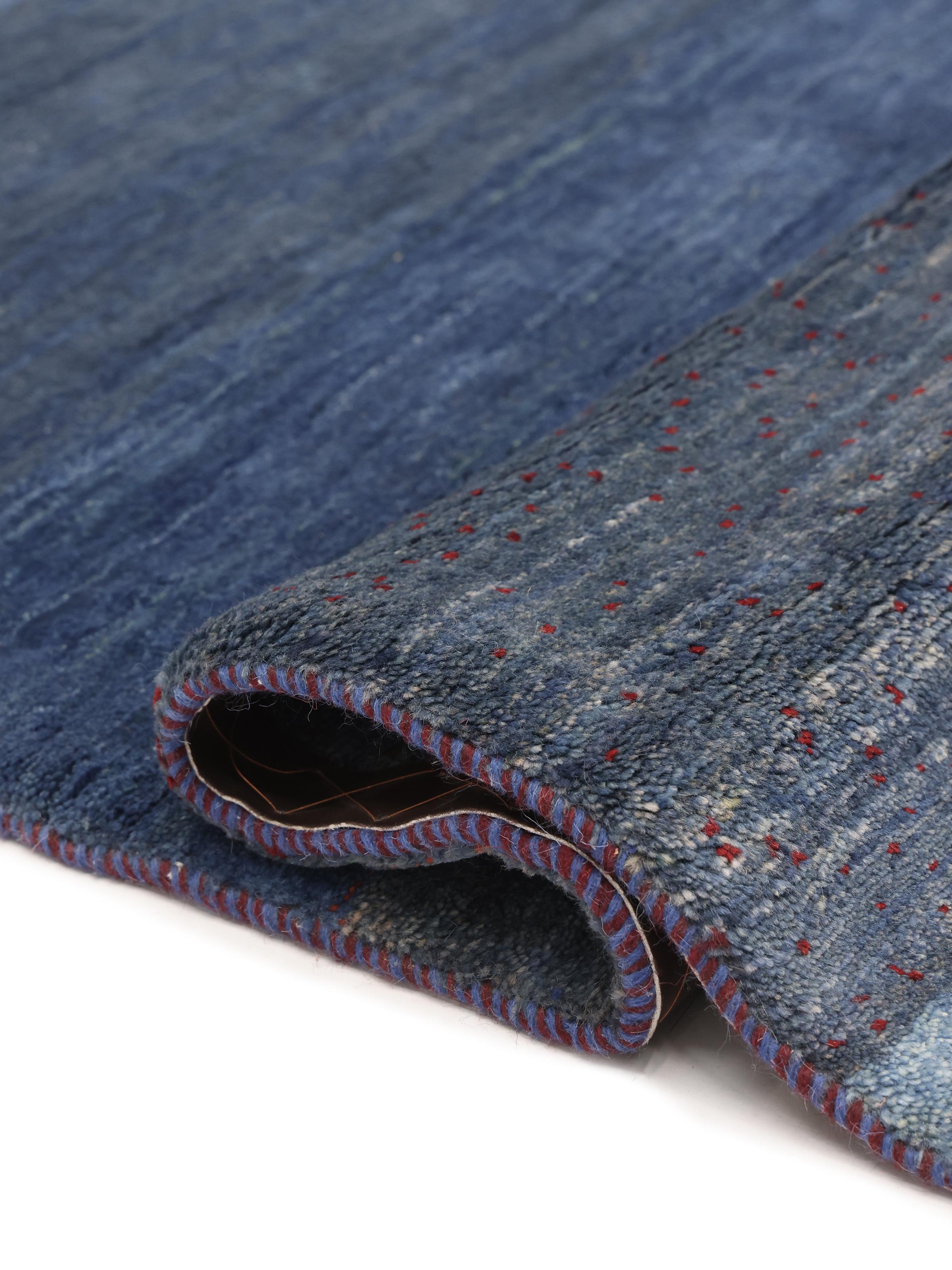
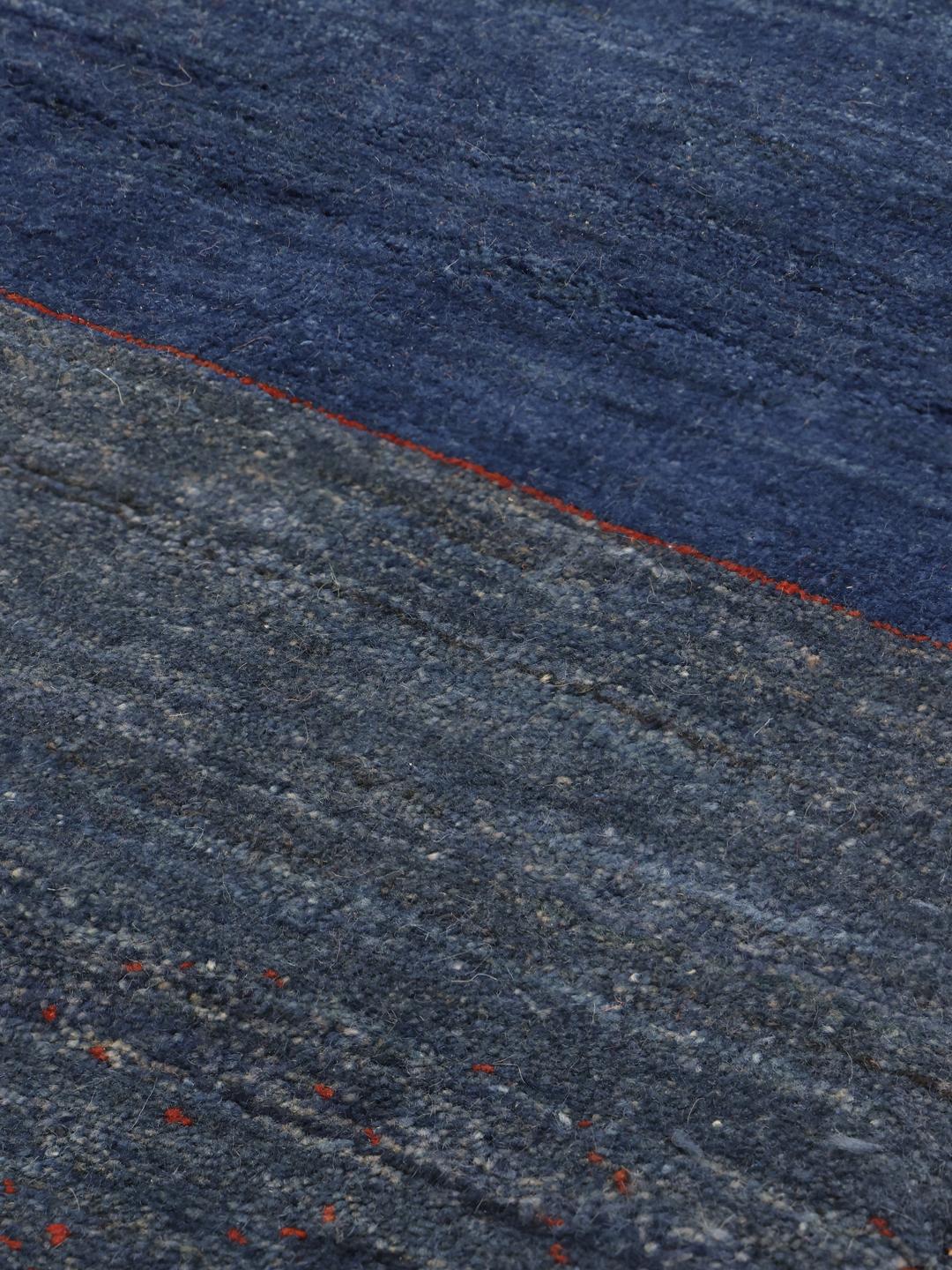
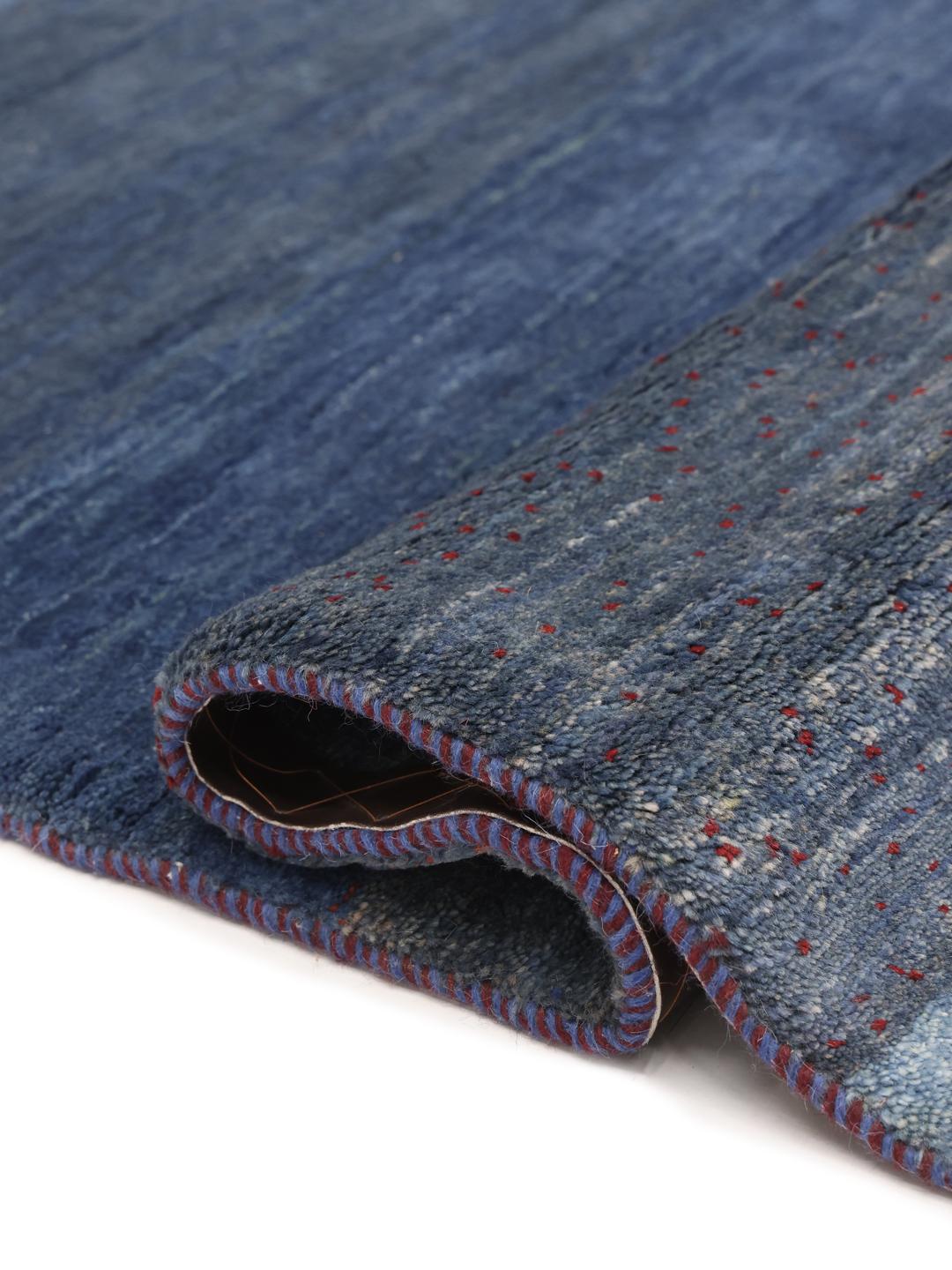
The term Shabargan refers to a specific style of these rugs known for their creative use of space and colour. These pieces often feature a more minimalist aesthetic compared to traditional floral rugs, allowing the natural properties of the wool and the depth of the dye to take centre stage. The construction emphasises a thick, plush pile, which is achieved through a specific knotting technique that creates a durable and highly cushioned surface.
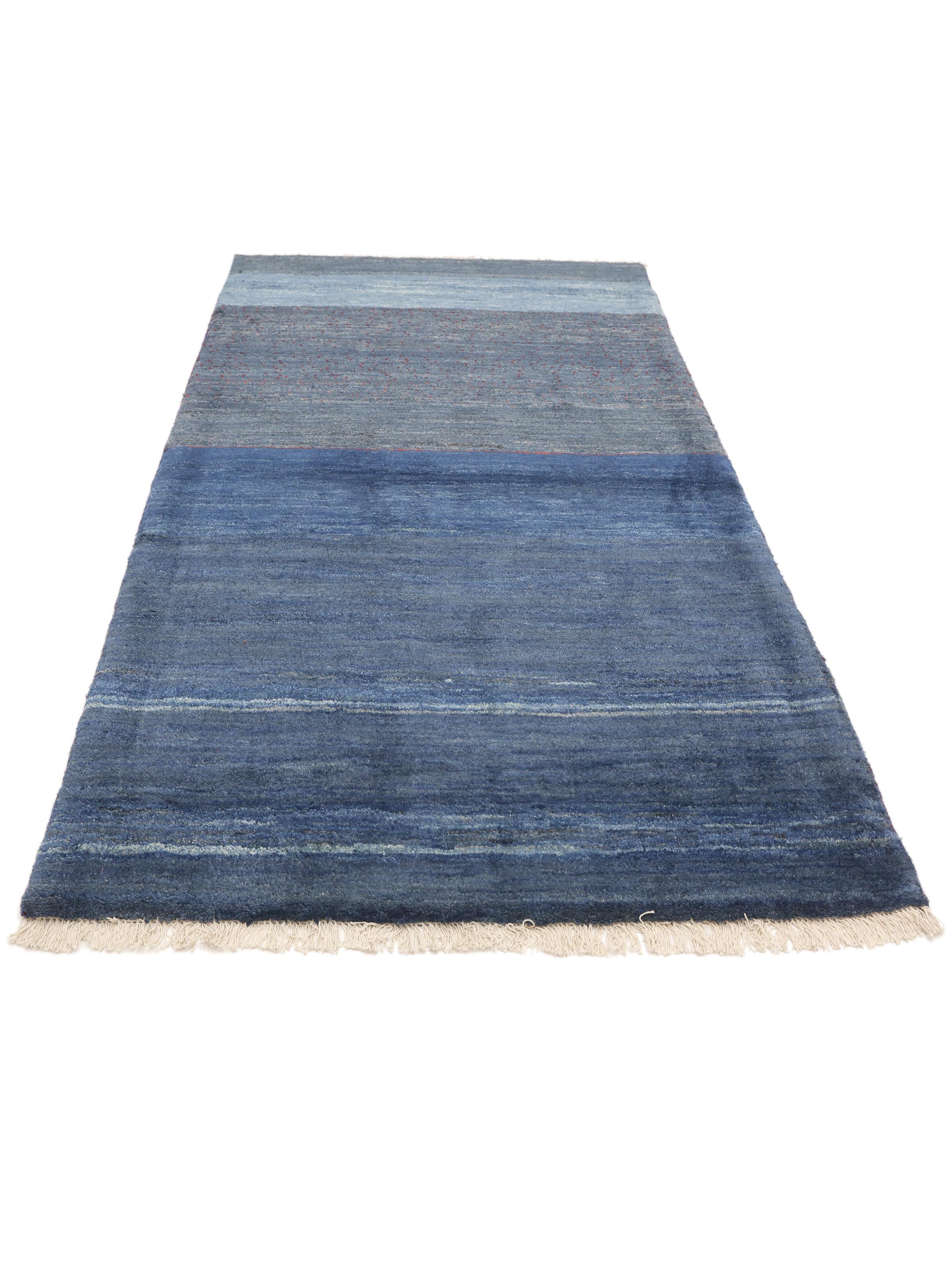
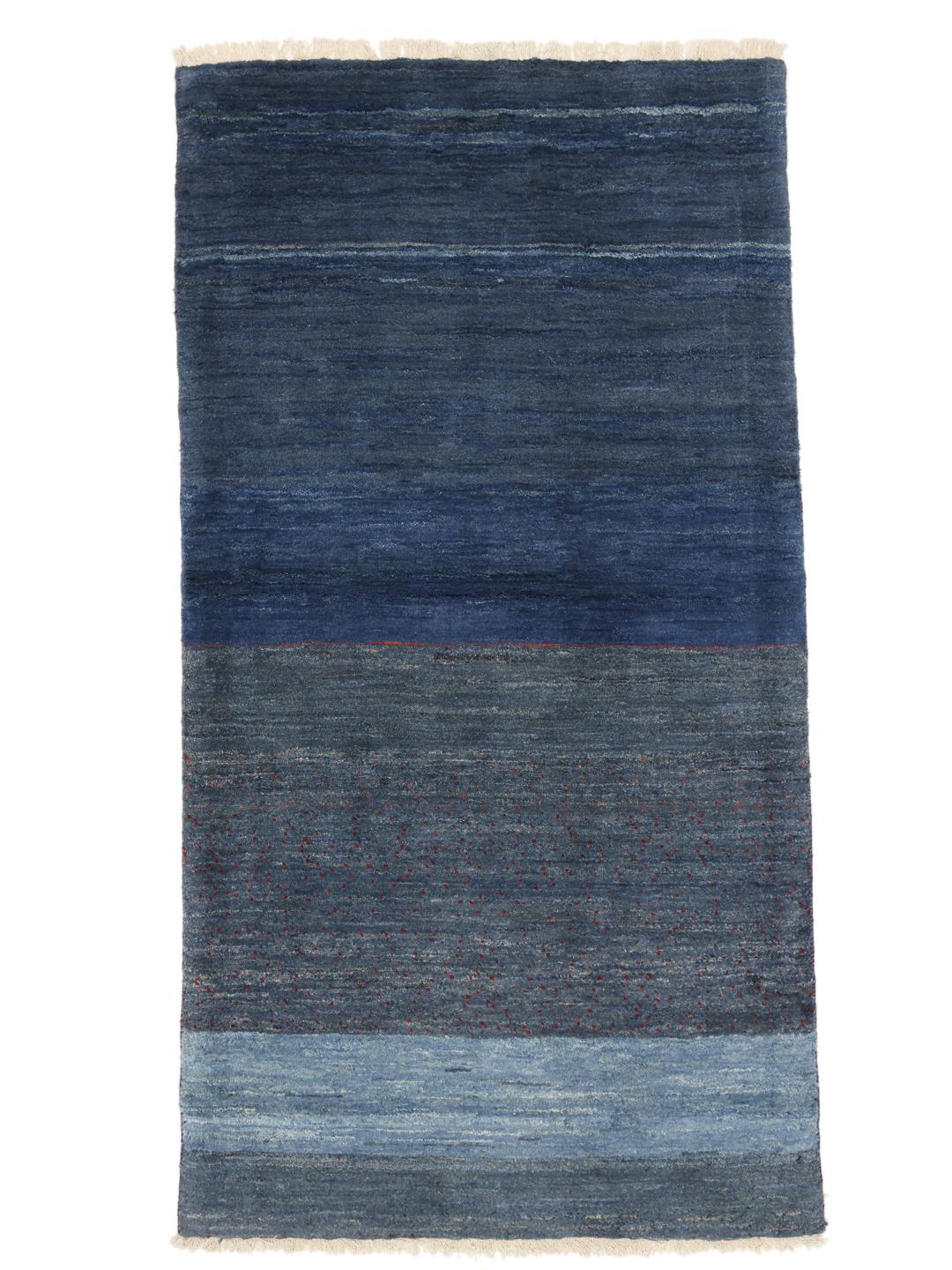
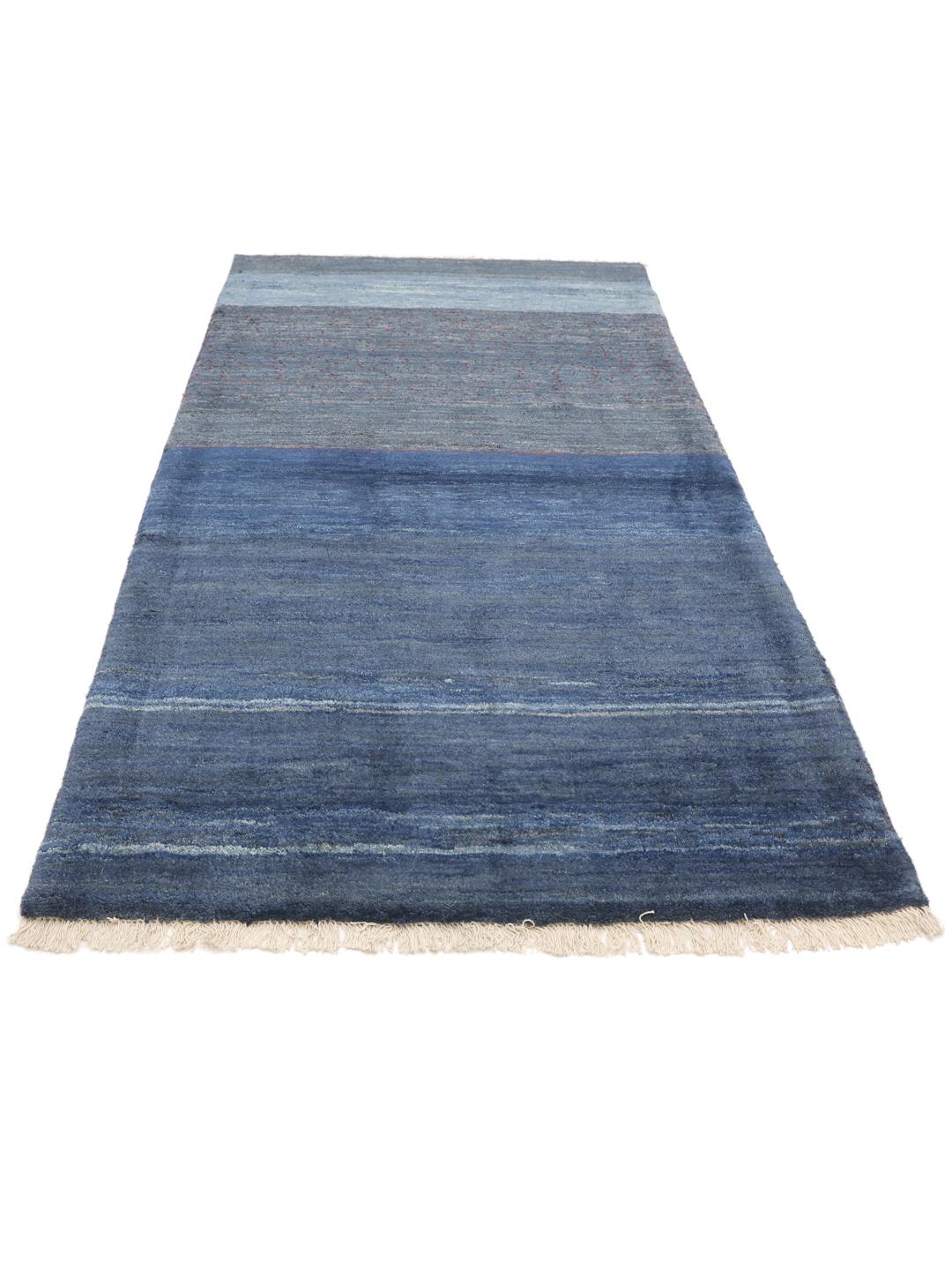
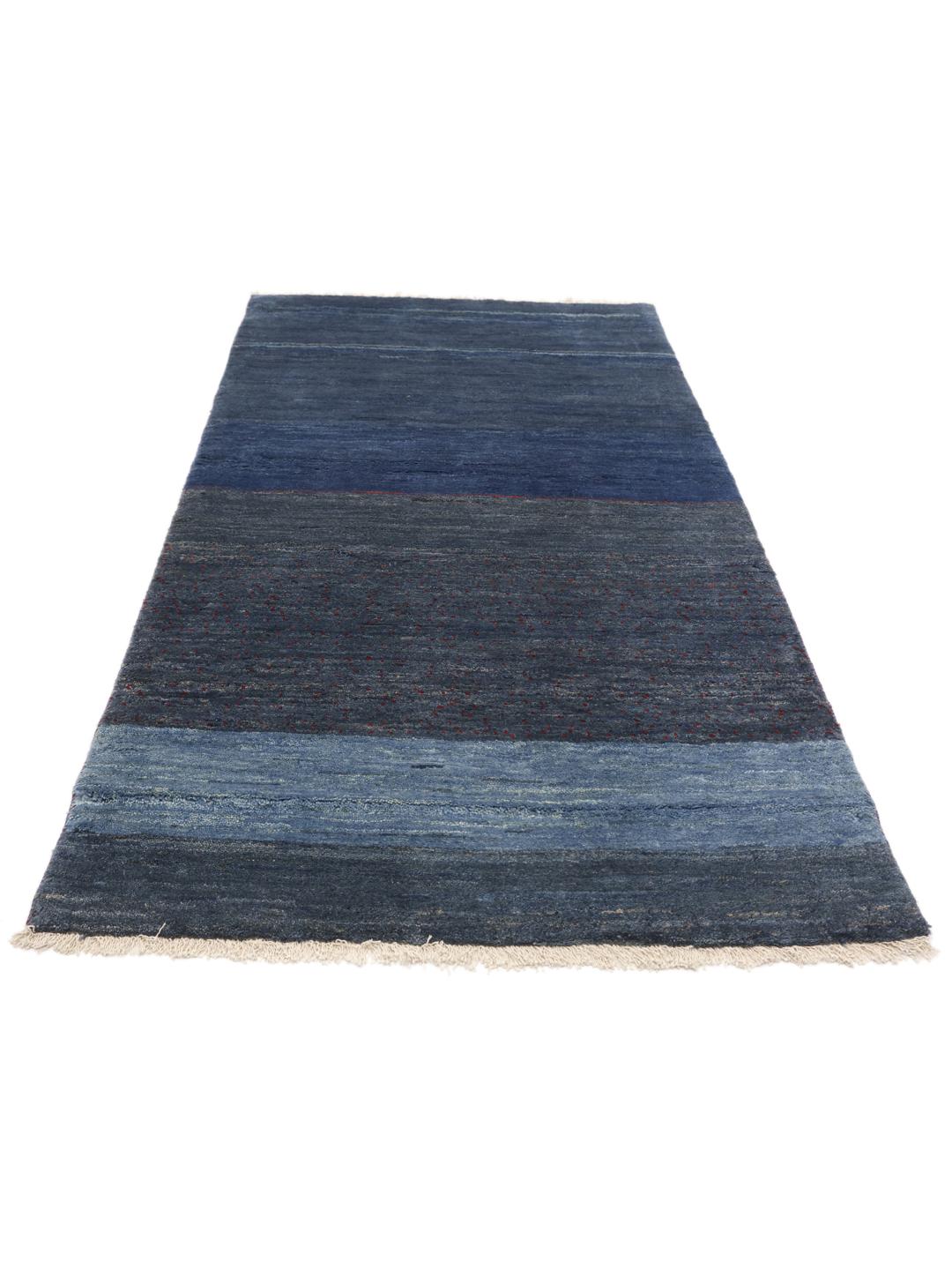
Visually, these rugs are defined by their open fields and restrained use of colour. While they may incorporate simple geometric motifs or subtle variations in tone, the focus remains on the purity of the wool and the hand-dyed colours. In this particular piece, the layered blue tones create a soft, atmospheric effect that is both modern and rooted in ancient textile traditions.
Today, these rugs are highly sought after by collectors and homeowners alike for their authenticity and the human story behind their creation. Owning a Gabbeh is a way to connect with a centuries-old craft tradition, as each rug represents a unique expression of the weaver's artistic vision and technical skill, ensuring that your home is enriched by a piece with genuine cultural weight.