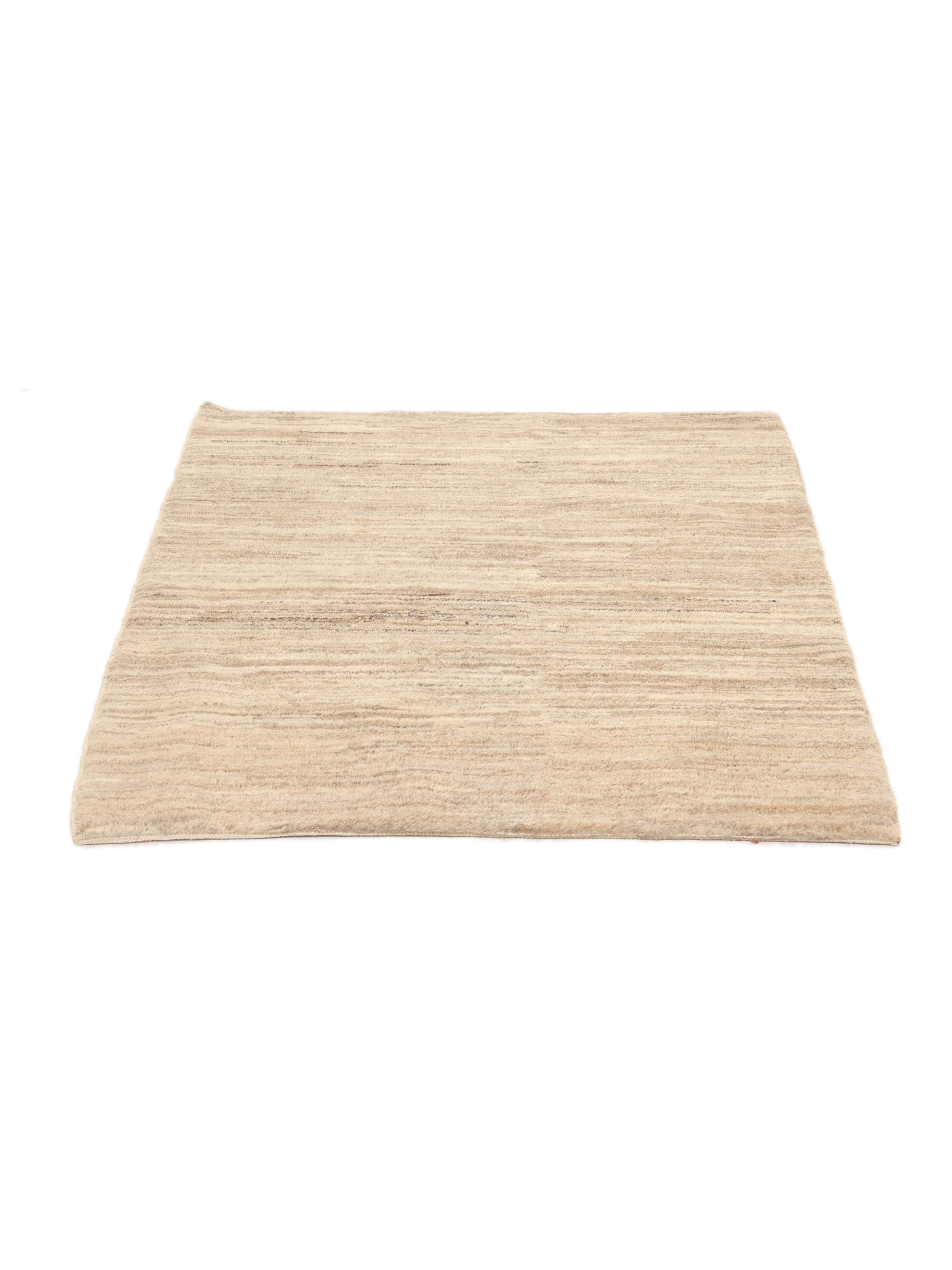
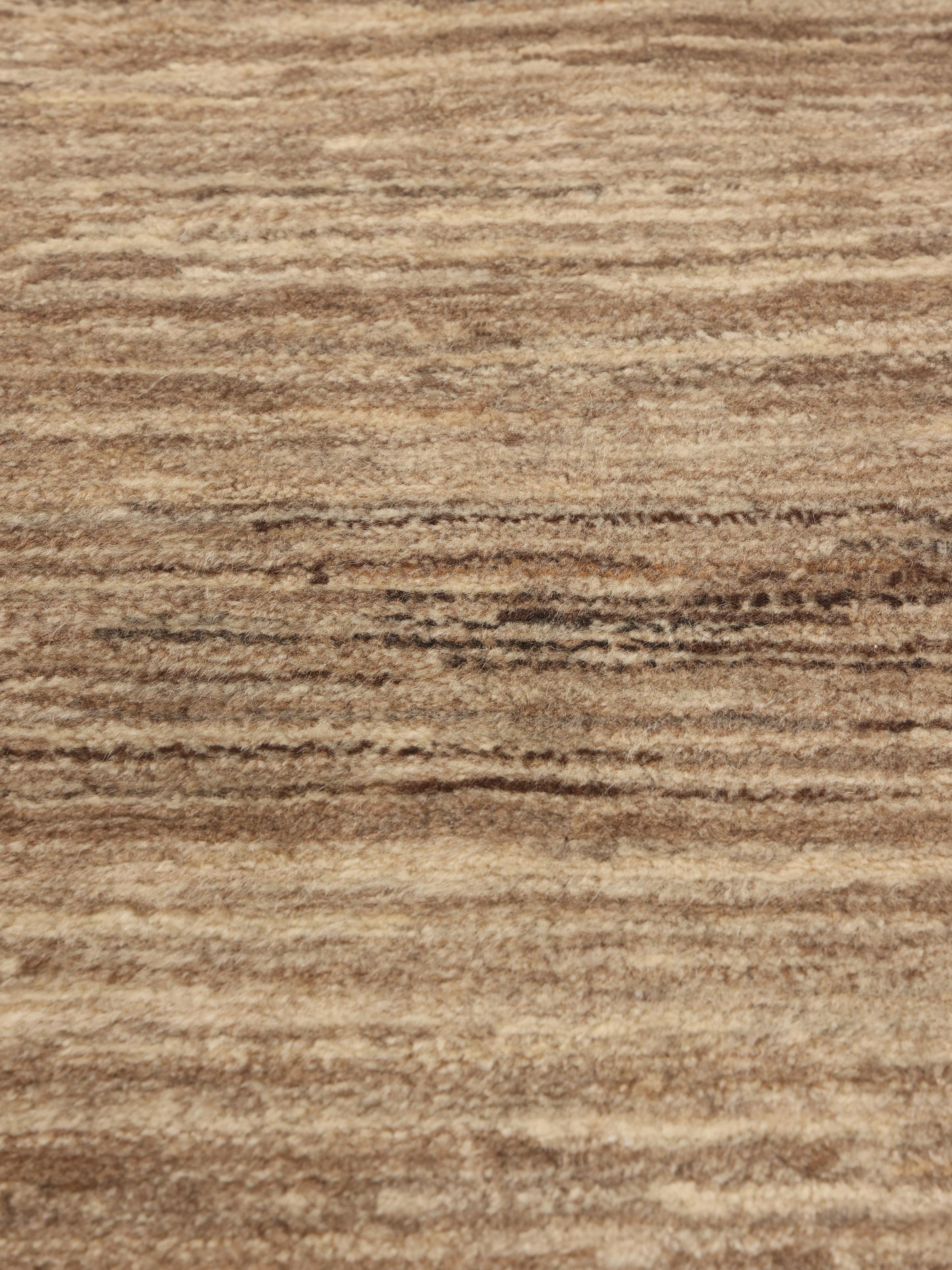
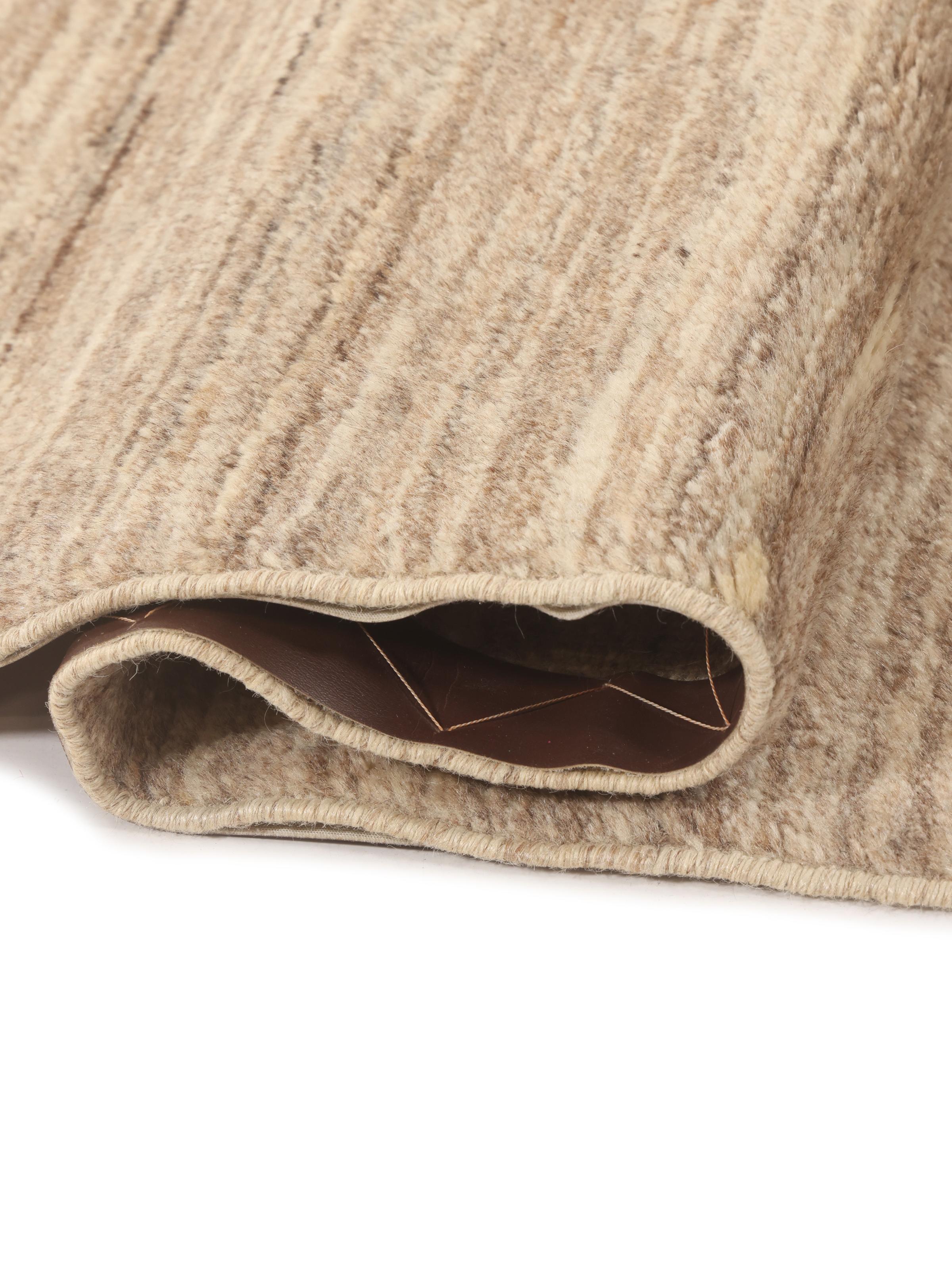
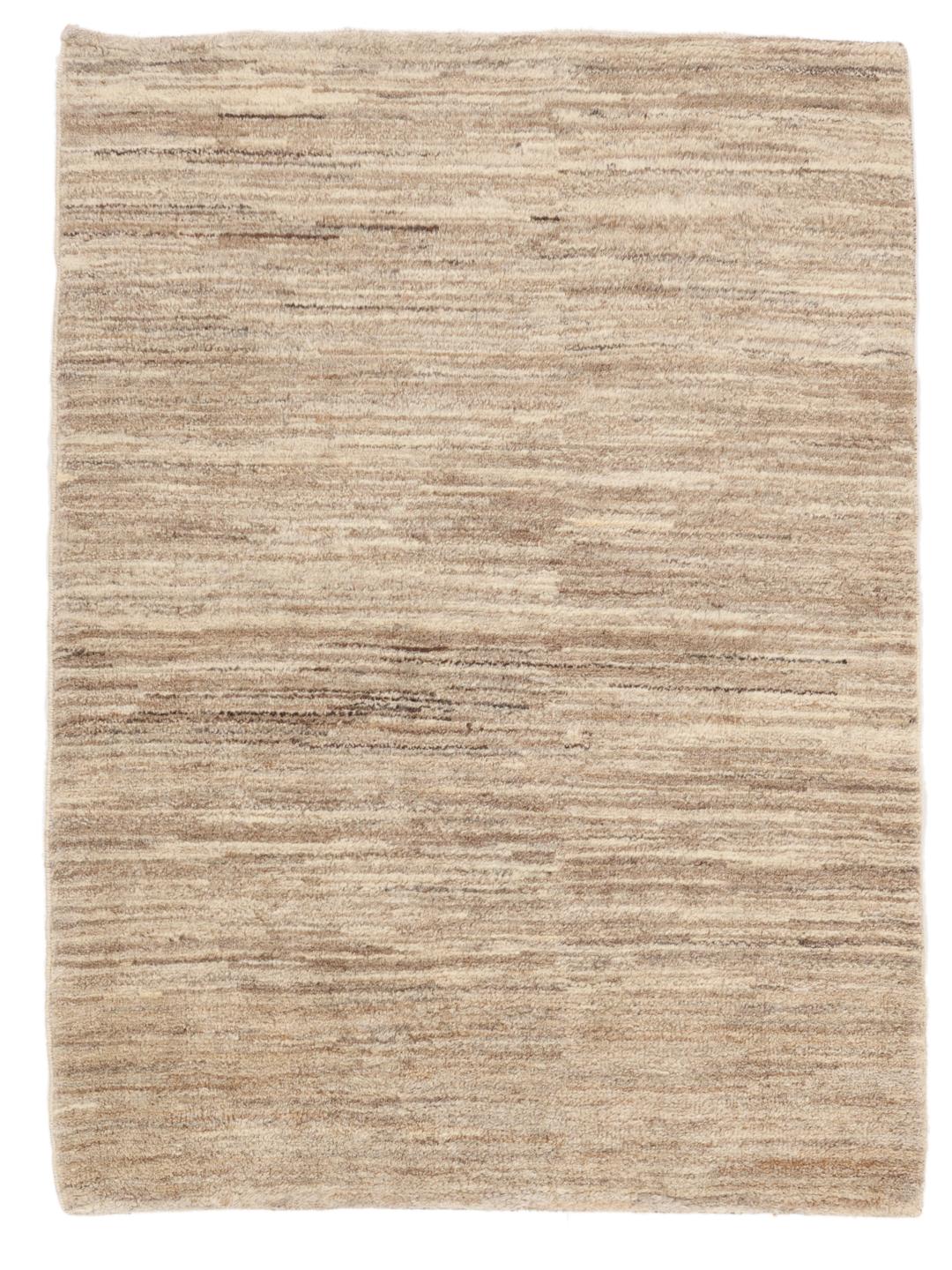
The Gabbeh tradition originates from the nomadic tribes of the Middle East, where weavers created these rugs primarily for their own domestic use. Historically, these were thick, coarse, and highly functional floor coverings, often prized for their simple, abstract, and deeply personal designs that reflected the weaver's environment and daily life.
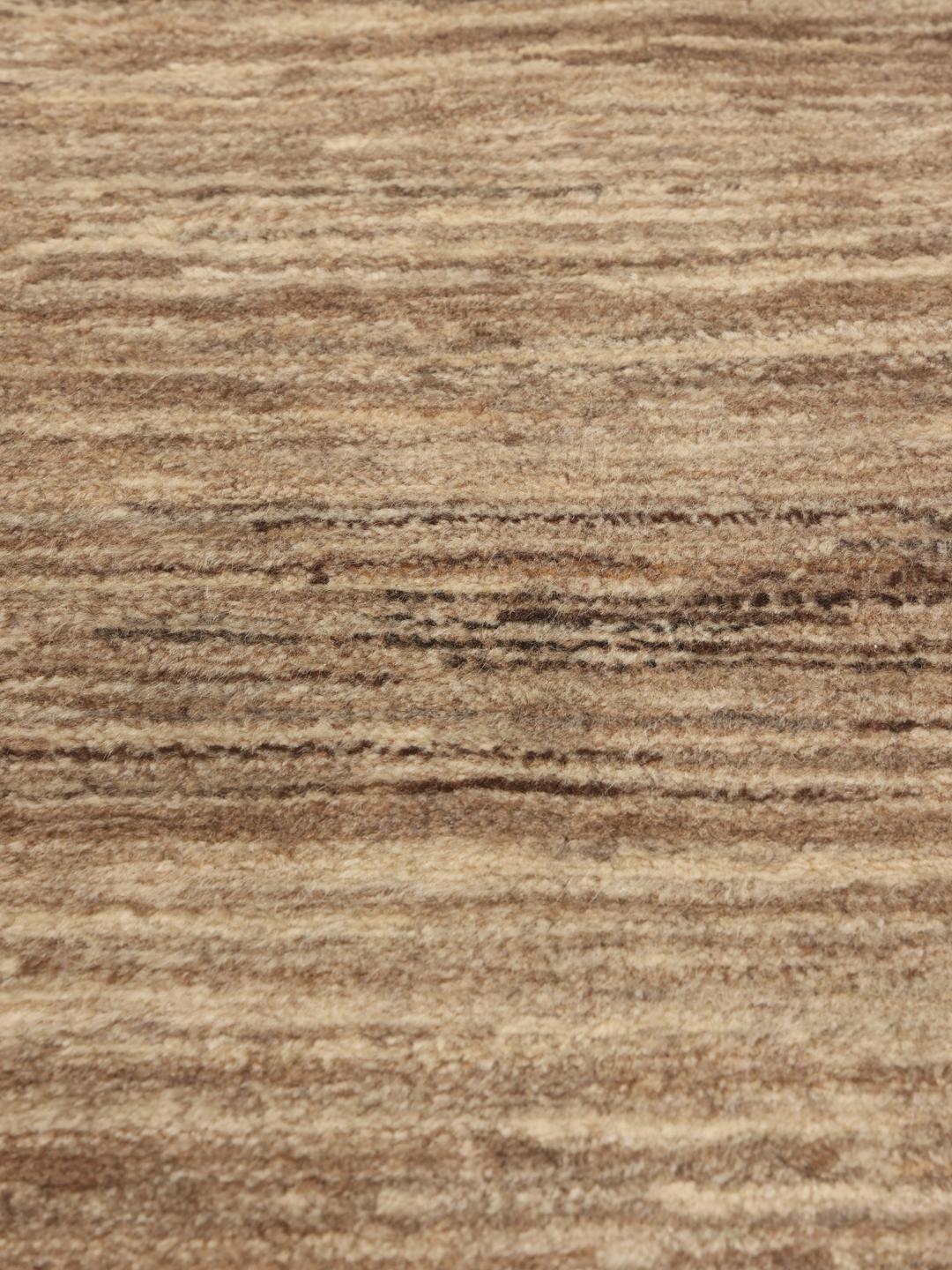
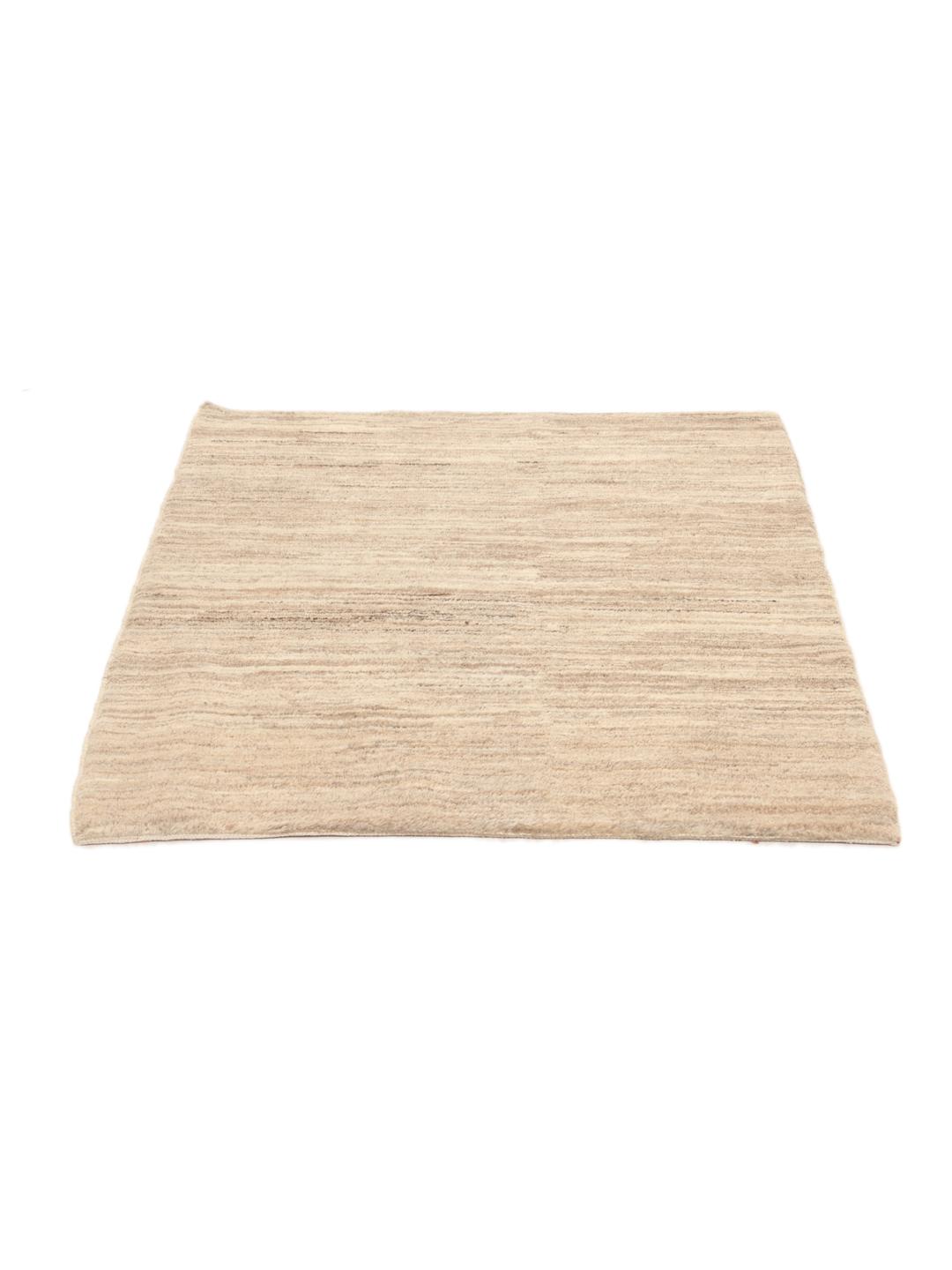
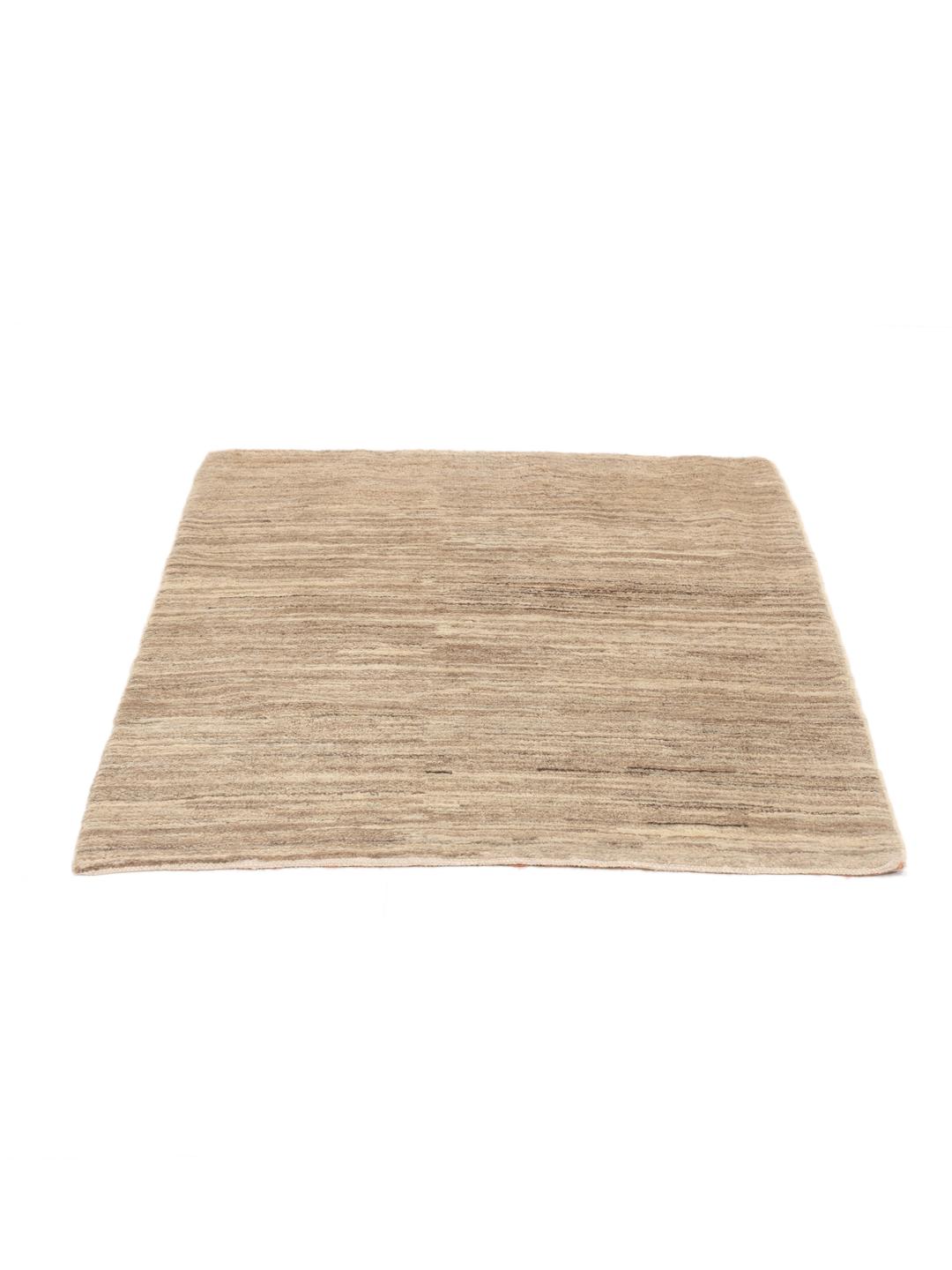
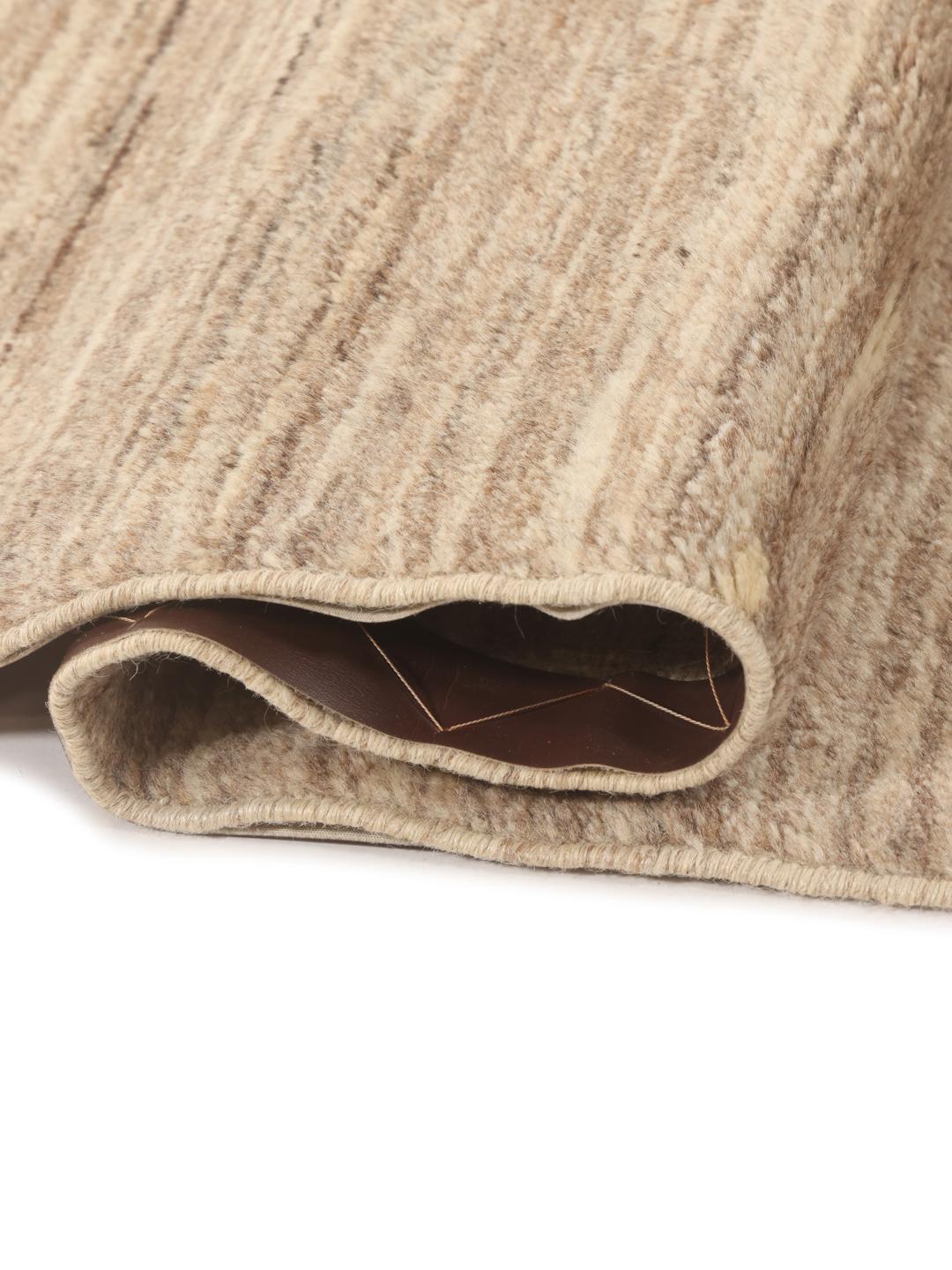
The term 'Gabbeh' itself translates to 'raw' or 'natural', reflecting the tradition of using un-dyed or simply dyed wool. Over time, these rugs have evolved into a refined art form, with 'Fine' variations like this one utilising higher knot counts to achieve a smoother, more polished finish while still retaining the soul of the original nomadic style.
Signature design elements of the Gabbeh tradition include a focus on simplicity and space. Rather than the complex, floral, or geometric patterns found in formal urban rugs, Gabbeh rugs often feature wide expanses of colour and subtle, earthy tones. This minimalist aesthetic makes them highly versatile for modern interiors that value a grounded, natural look.
Today, these rugs are highly sought after by collectors for their cultural significance and the genuine human effort behind every knot. Owning a Gabbeh is an act of preserving a nomadic heritage, providing a tangible link to a craft tradition that prioritises individual expression and enduring quality over mass production.