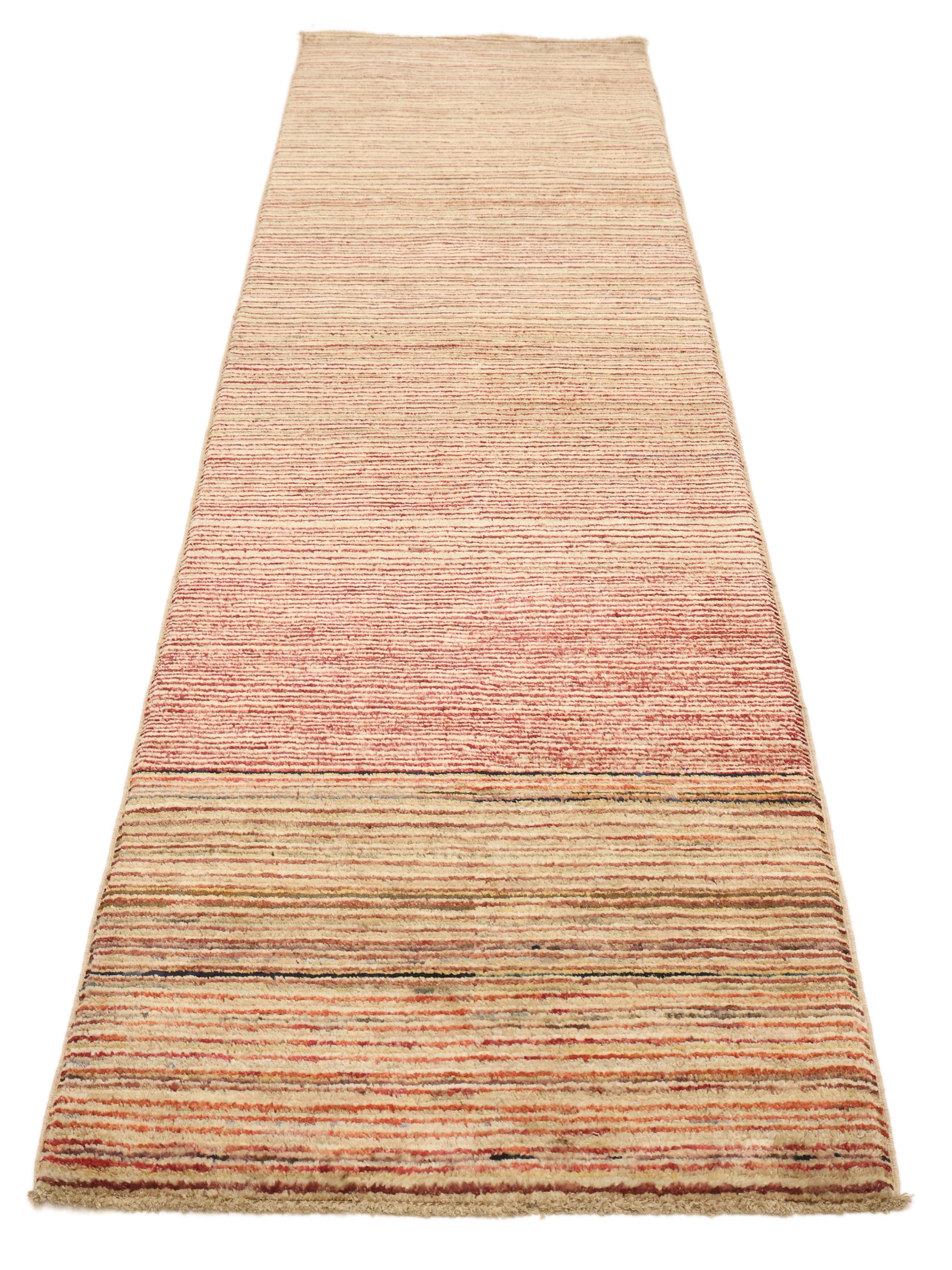
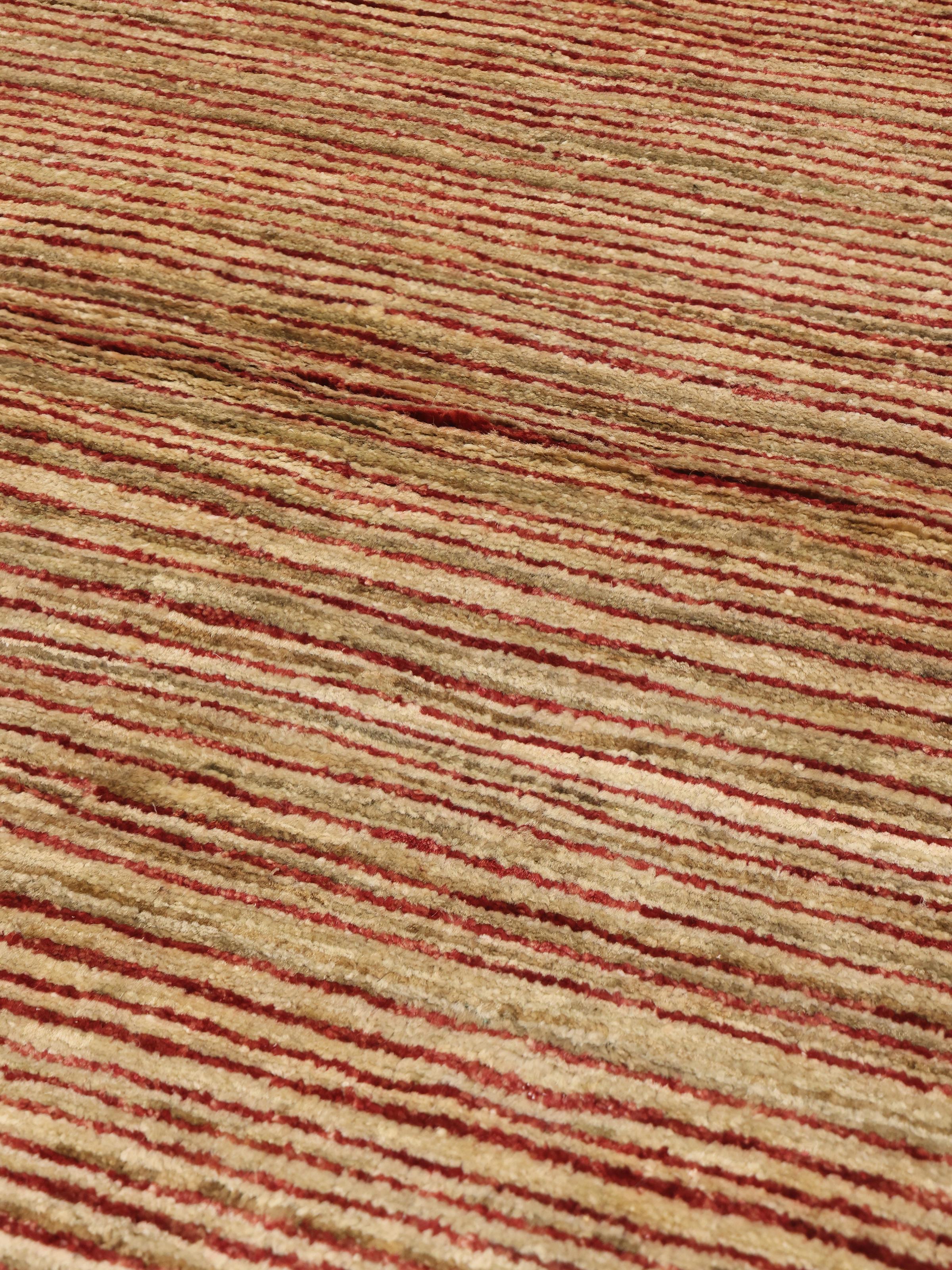
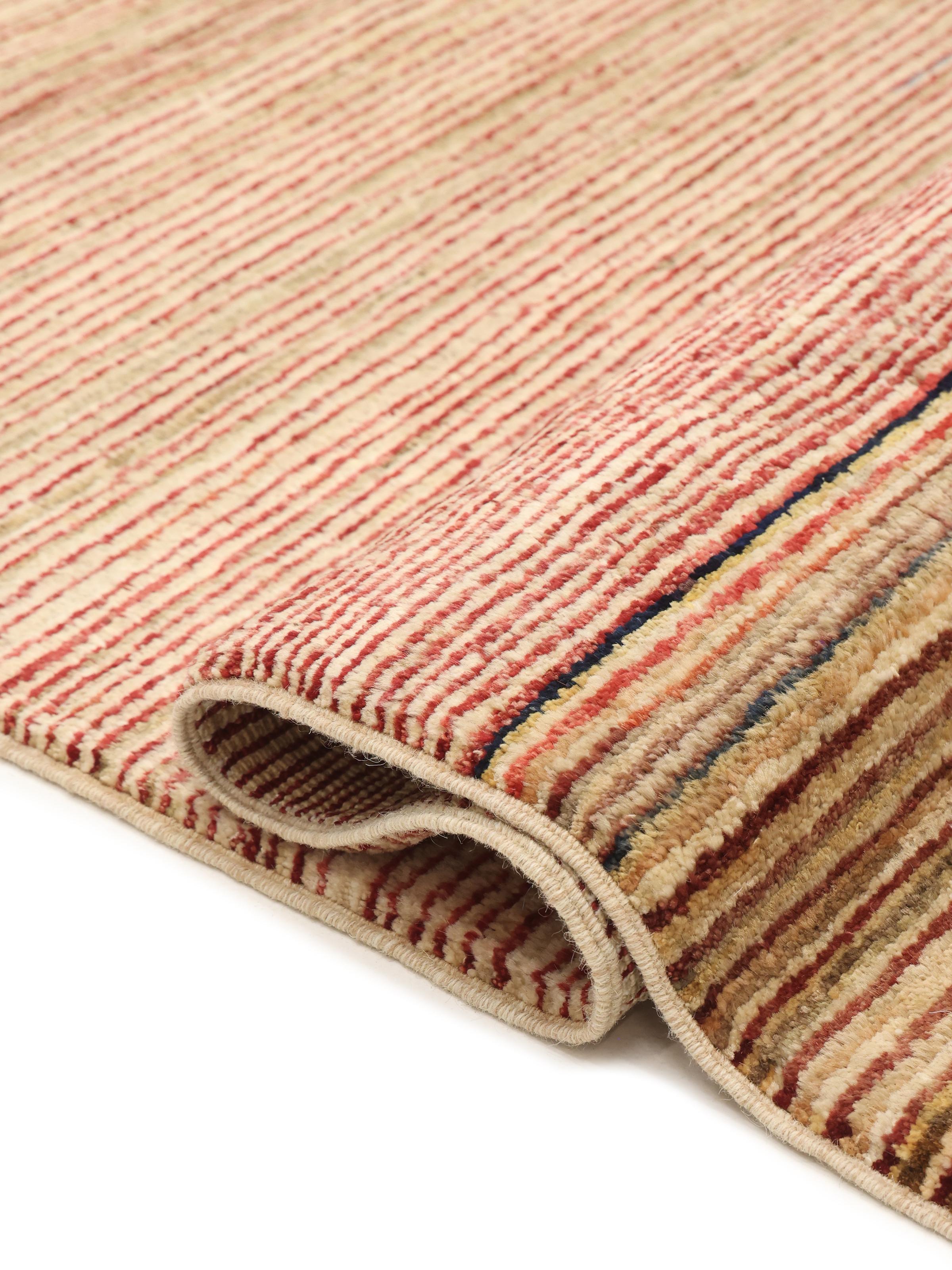
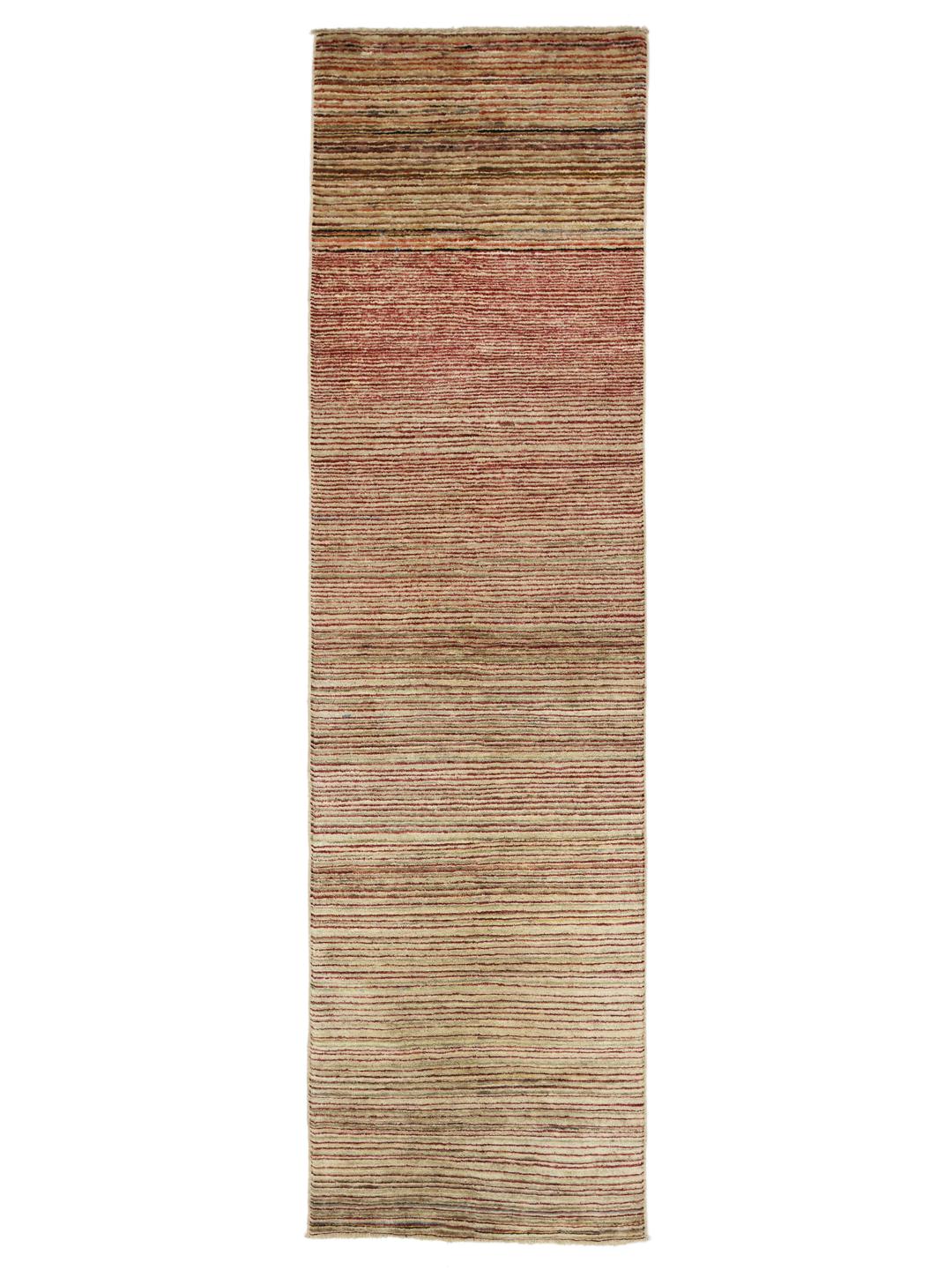
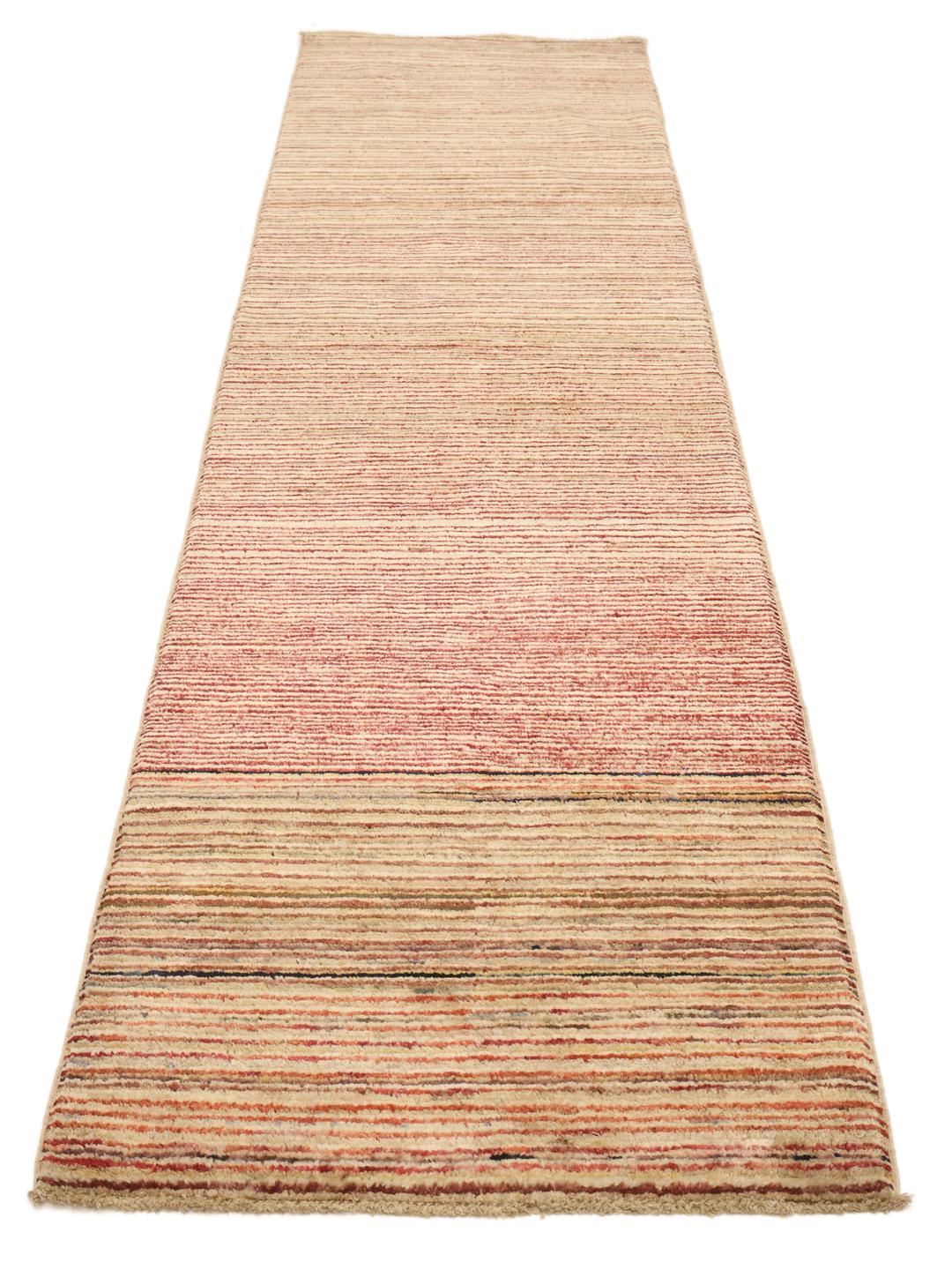
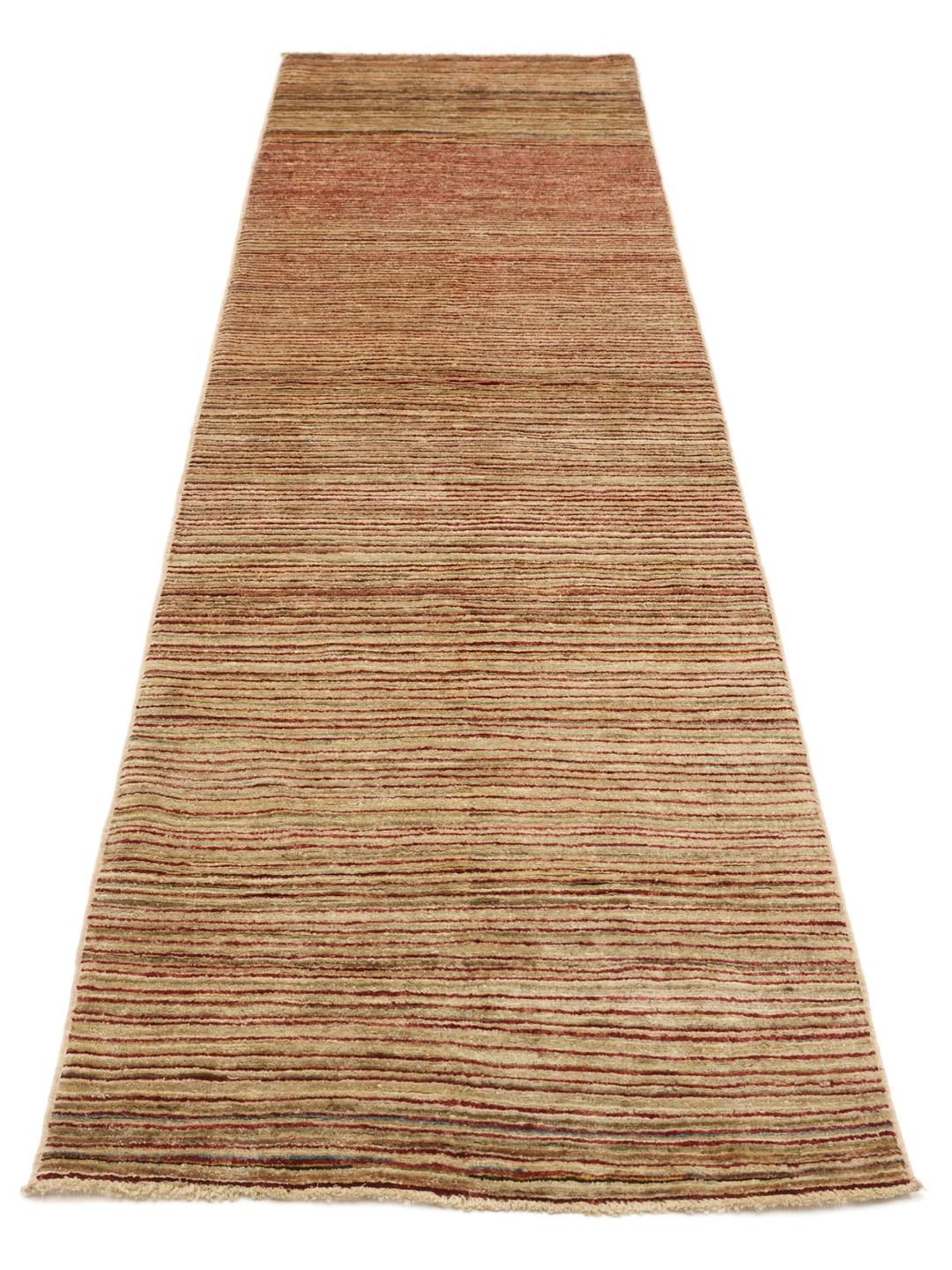
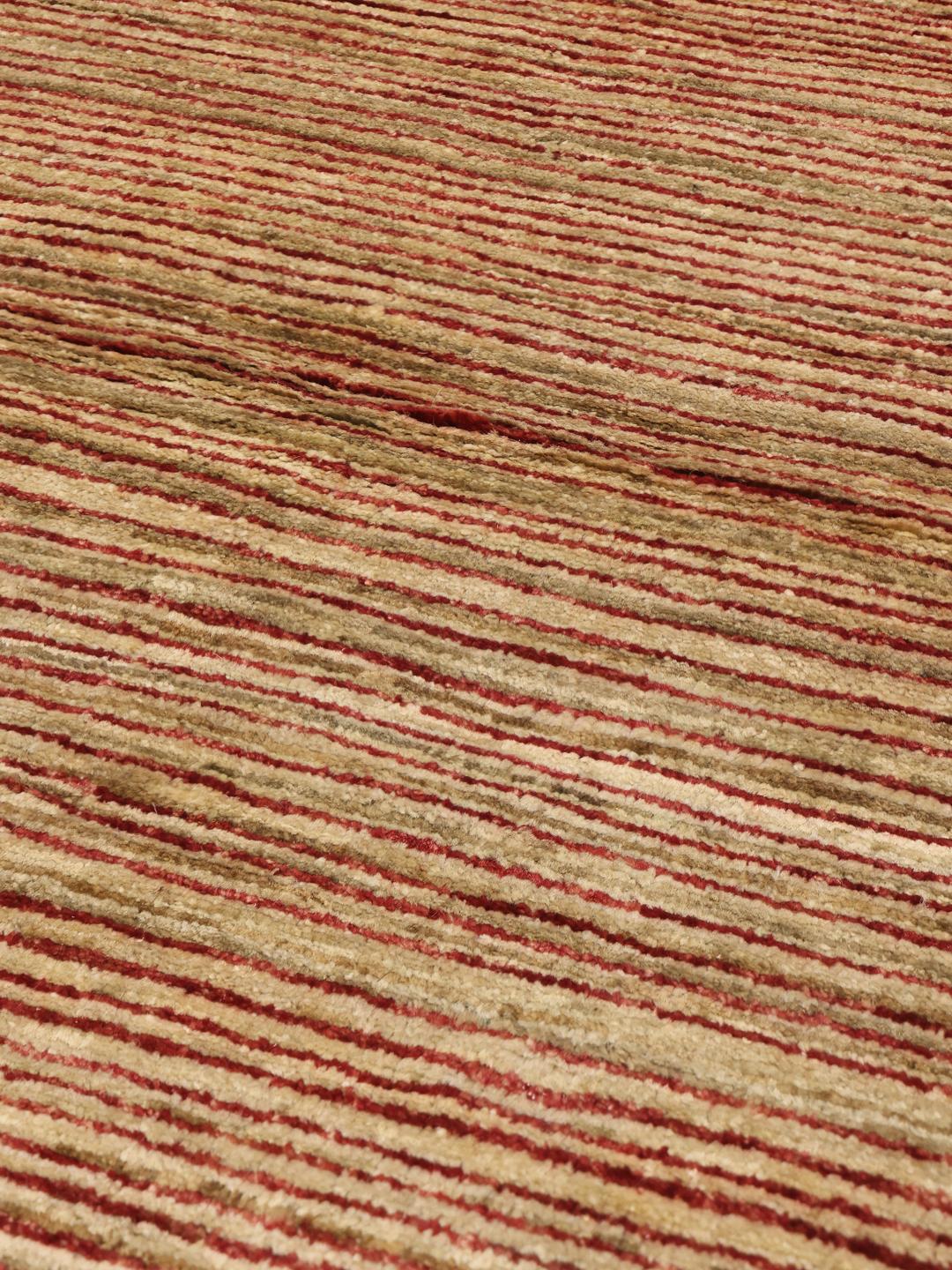
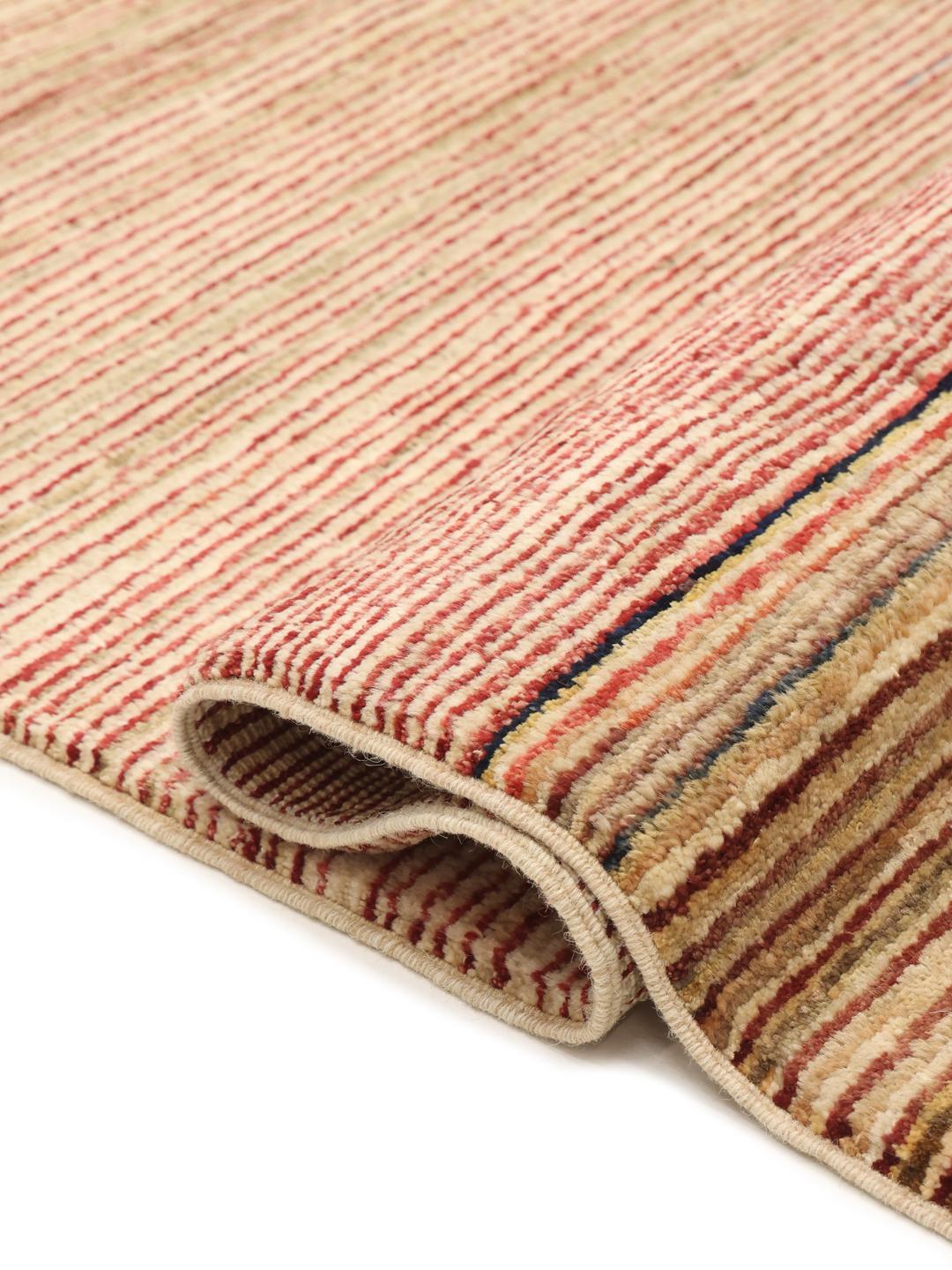
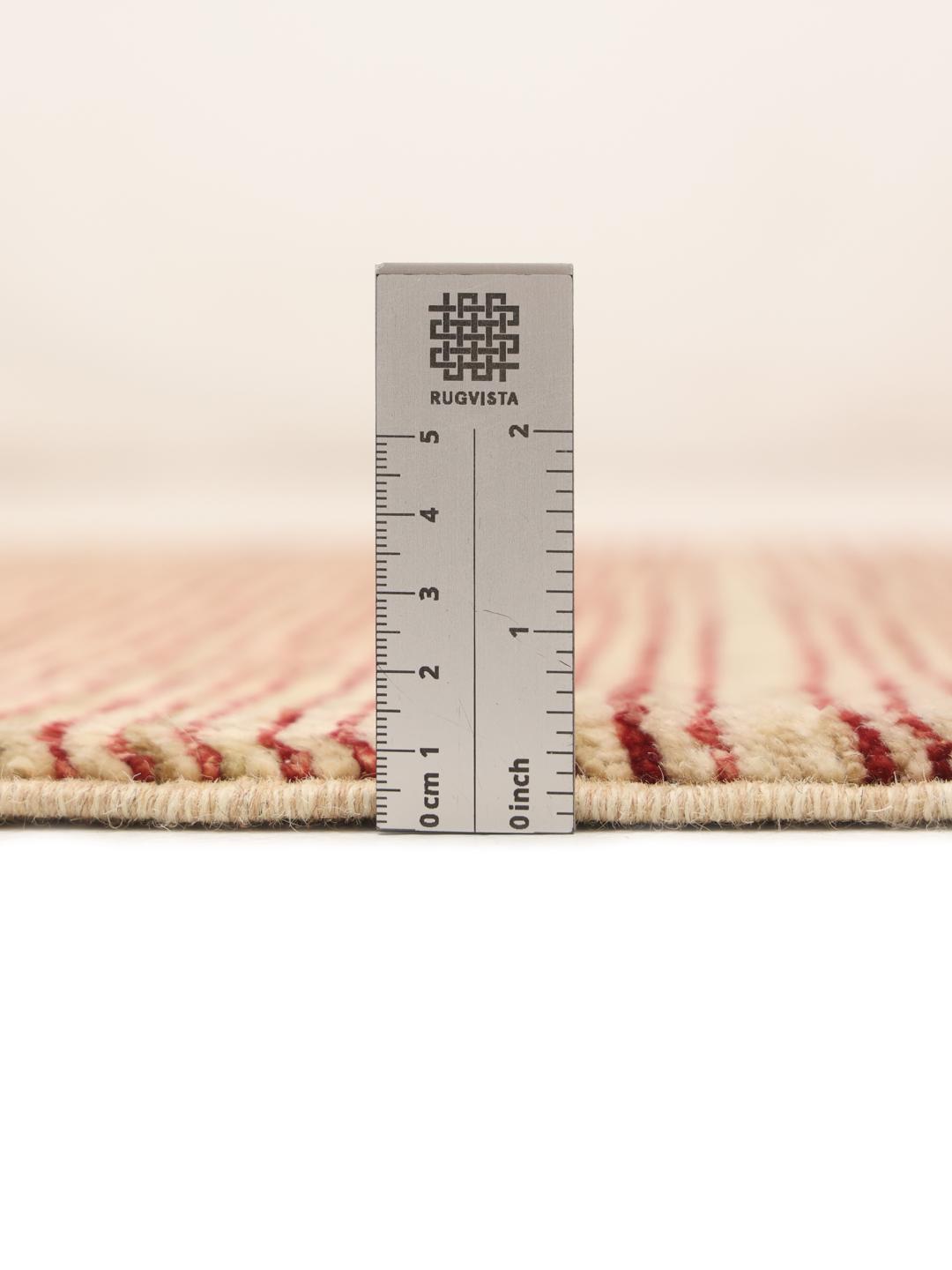
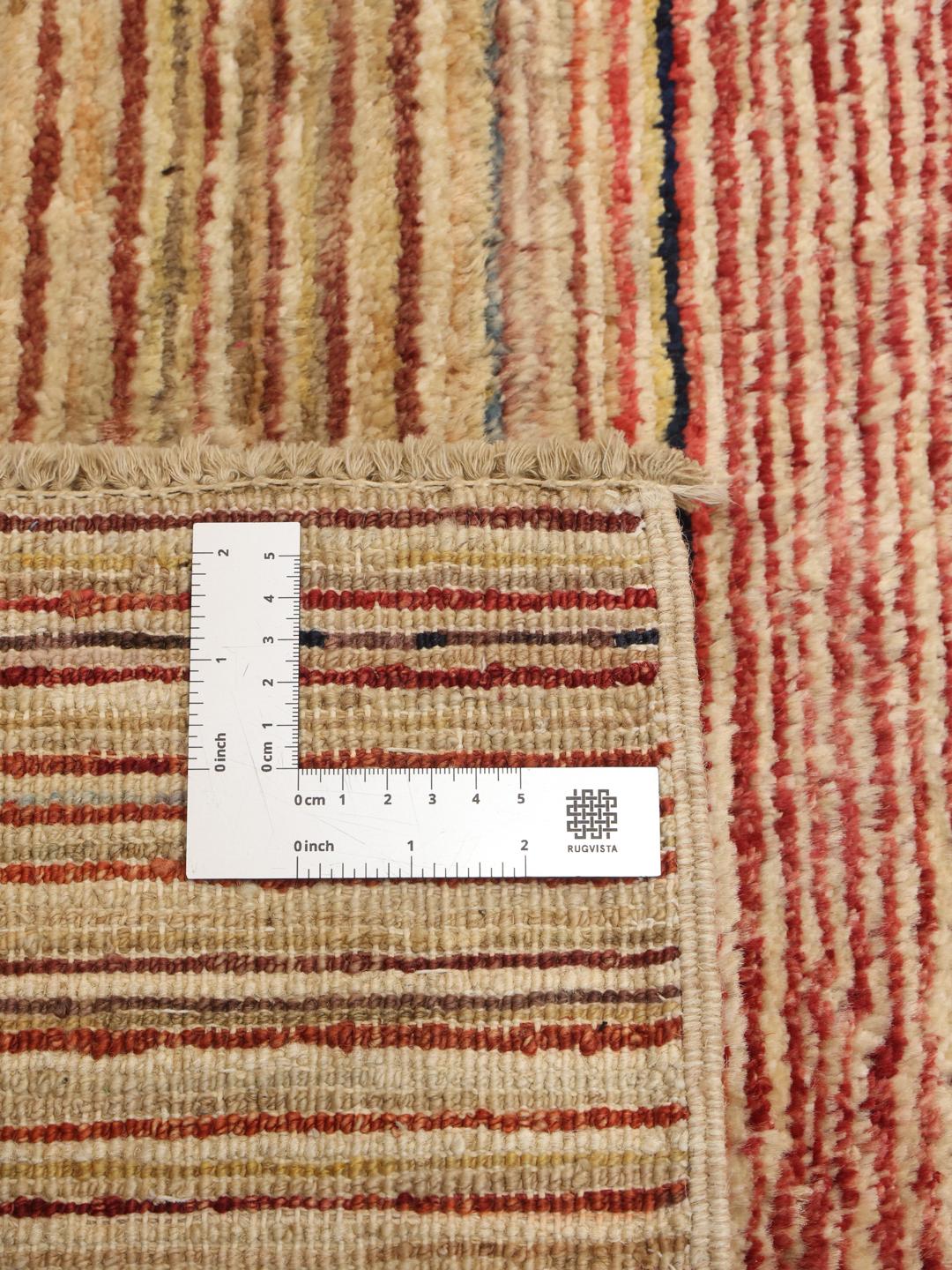
Gabbeh rugs trace their roots to the nomadic and semi-nomadic weavers of the Zagros Mountains in the Middle East, where families traditionally crafted them for their own household use rather than for trade. These weavers relied entirely on local resources, shearing sheep from their own flocks and carding the wool by hand before dyeing it with natural plant extracts and roots.
Unlike formal city carpets featuring intricate floral medallions, traditional Gabbeh designs were born from daily life, memory, and imagination, often displaying wide open fields of colour with sparse, meaningful motifs. The name Gabbeh itself translates roughly from Persian origins to mean raw, natural, or uncut, which aptly describes the honest, unpretentious aesthetic of these thick-pile floor coverings.
Over generations, the tradition evolved into what is now known as Gabbeh Modern, blending ancient nomadic weaving techniques with simplified colour blocking and minimalist visual sensibilities. While the style has adapted to suit contemporary homes, the underlying methods remain deeply traditional, relying on the weaver's eye and hand rather than mechanical aids.
Collecting a Gabbeh runner connects your home to a long lineage of textile artistry, where each maker poured personal stories and practical wisdom into the warp and weft. Owning such a piece is a celebration of enduring craft, cultural heritage, and the quiet beauty of handmade wool.