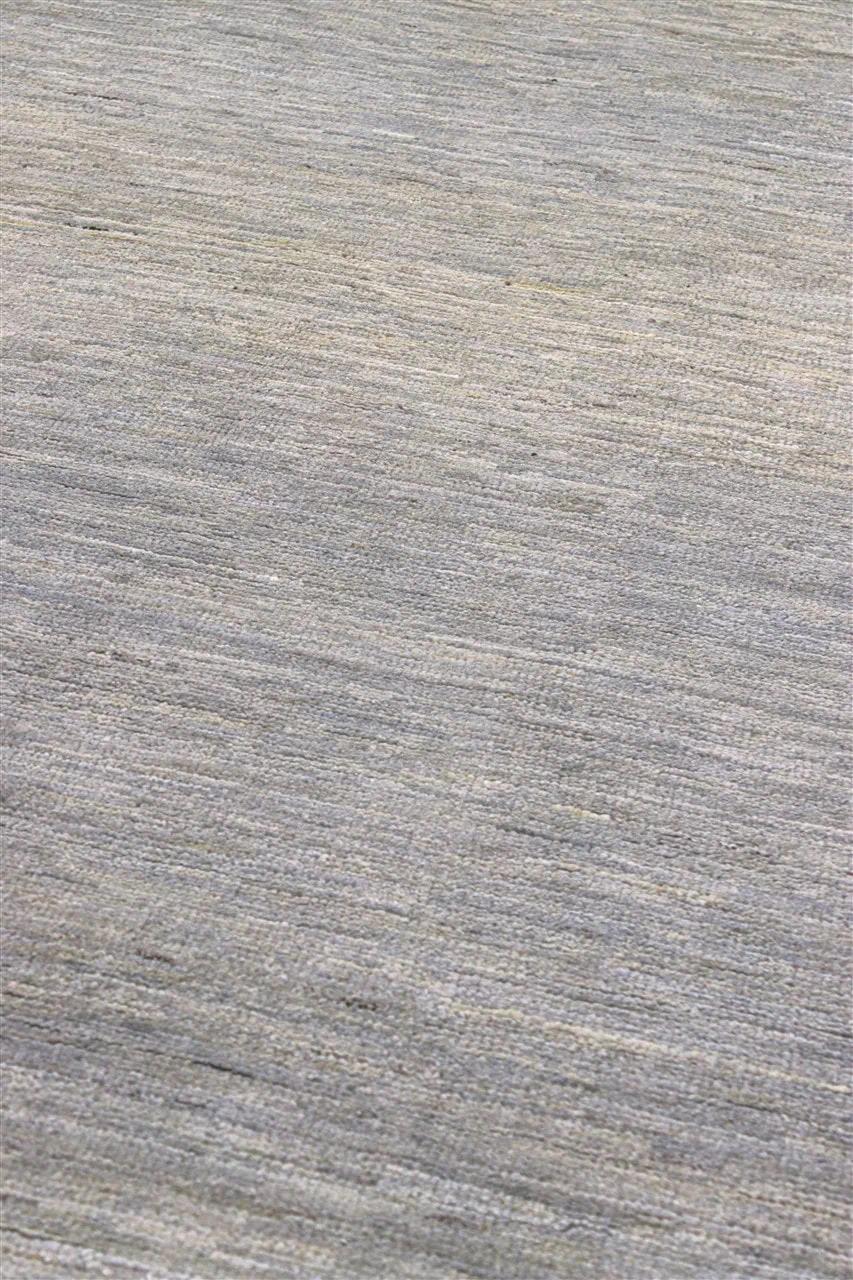
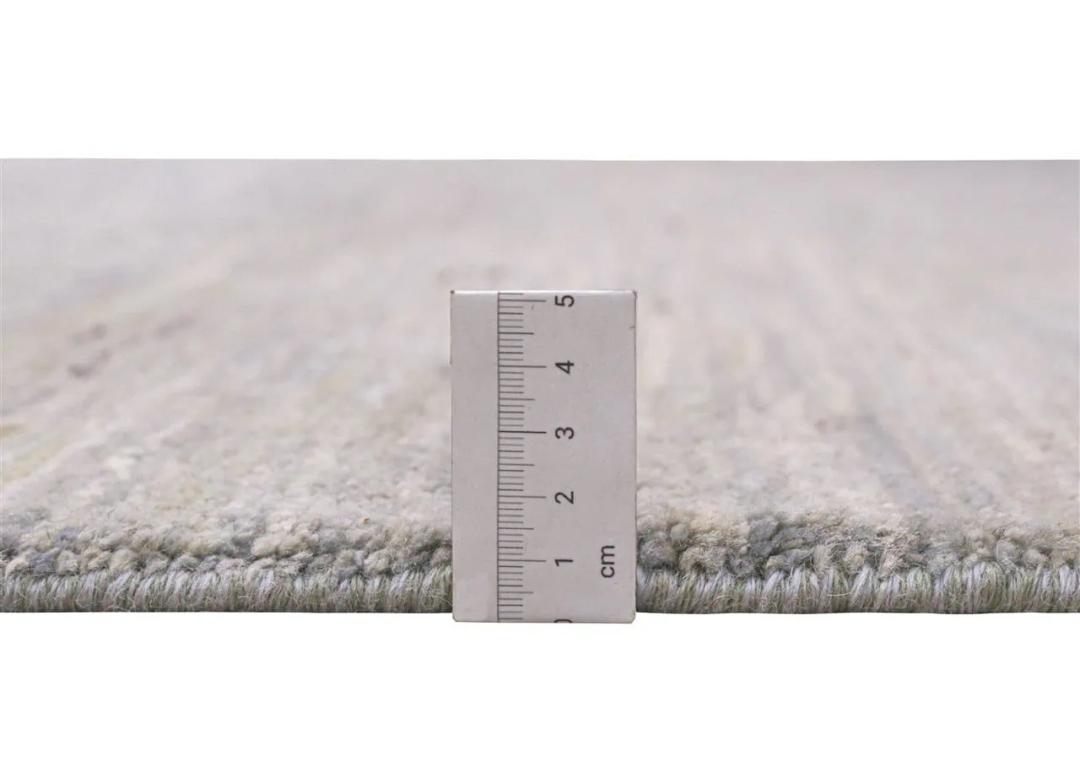
Gabbeh rugs have a storied history rooted in the nomadic traditions of the Middle East. Traditionally, these rugs were woven by tribal groups for their own practical use, intended to provide warmth and comfort in the harsh environments of the region. Unlike more formal, city-made rugs that often feature intricate, predetermined patterns, Gabbeh rugs were historically left to the weaver's imagination.
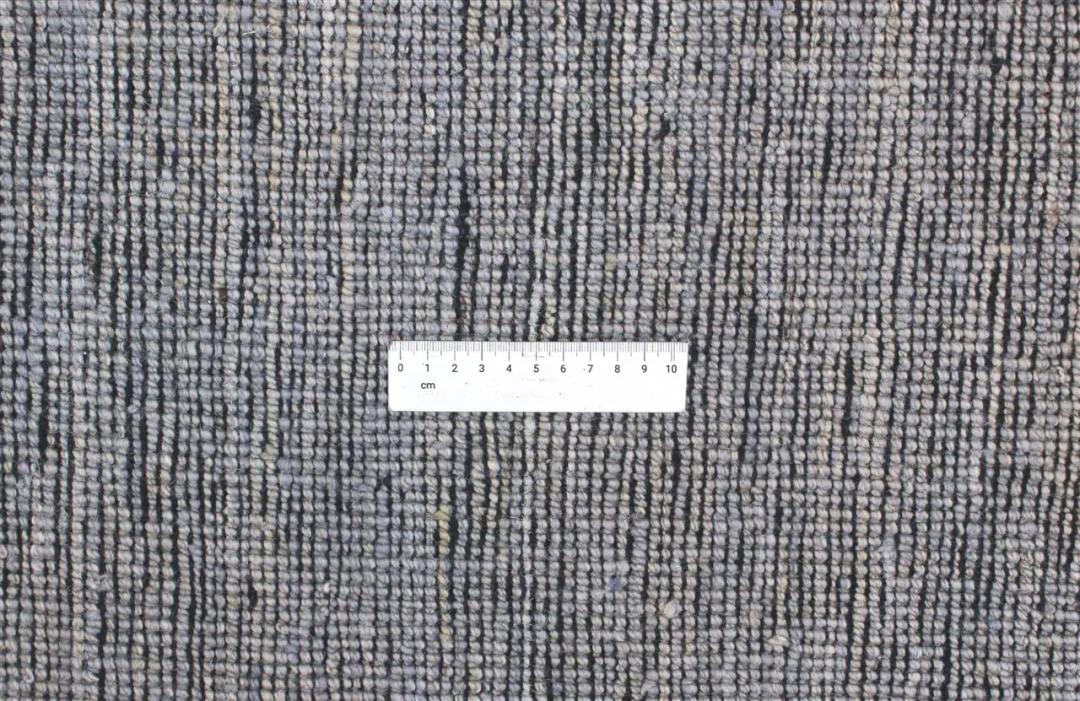
The term 'Gabbeh' itself translates to 'raw' or 'natural', which speaks to the authentic and unrefined nature of these pieces. Historically, they were known for their thicker, coarser pile compared to other rug types, which made them exceptionally durable. Today, the term has evolved to represent a specific style of weaving that prioritises simplicity and the beauty of the wool itself, often featuring open fields and minimal design elements.
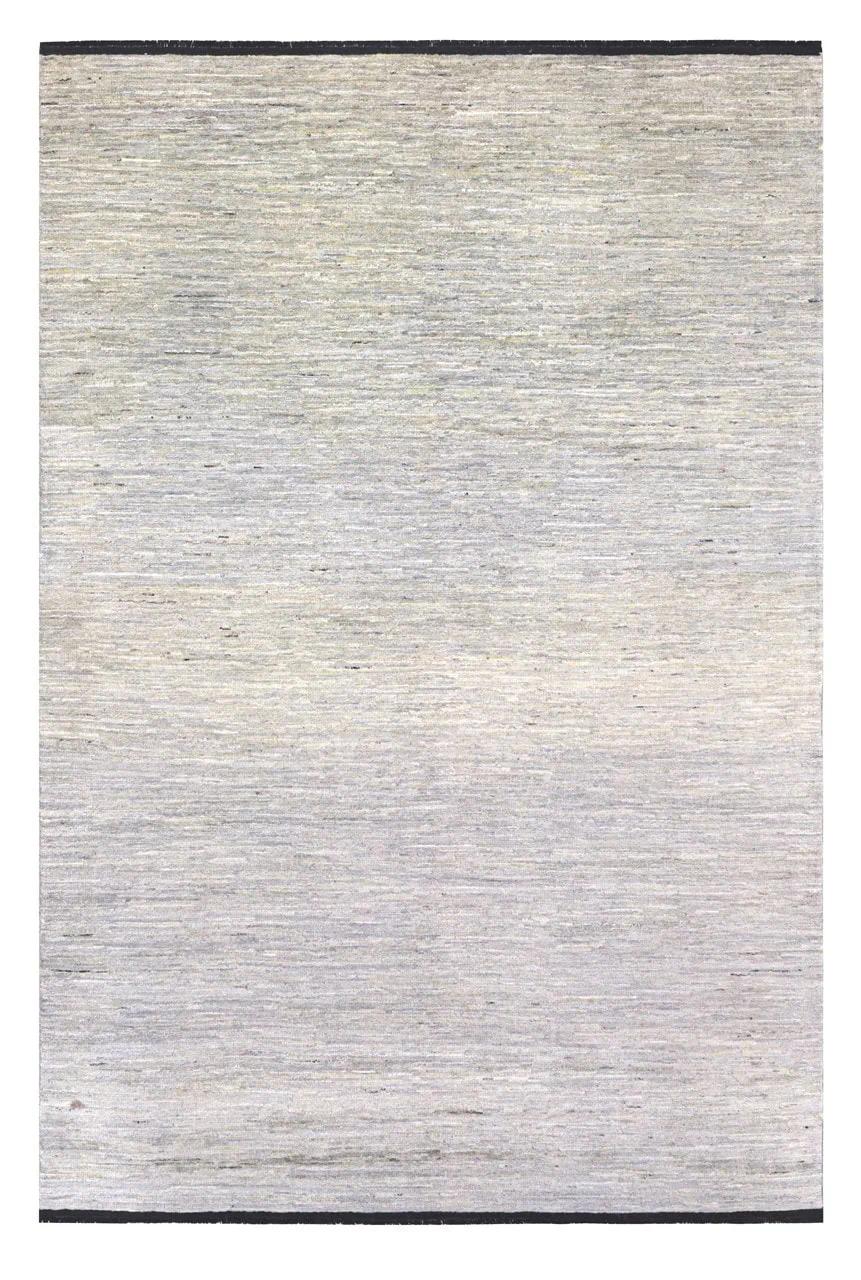
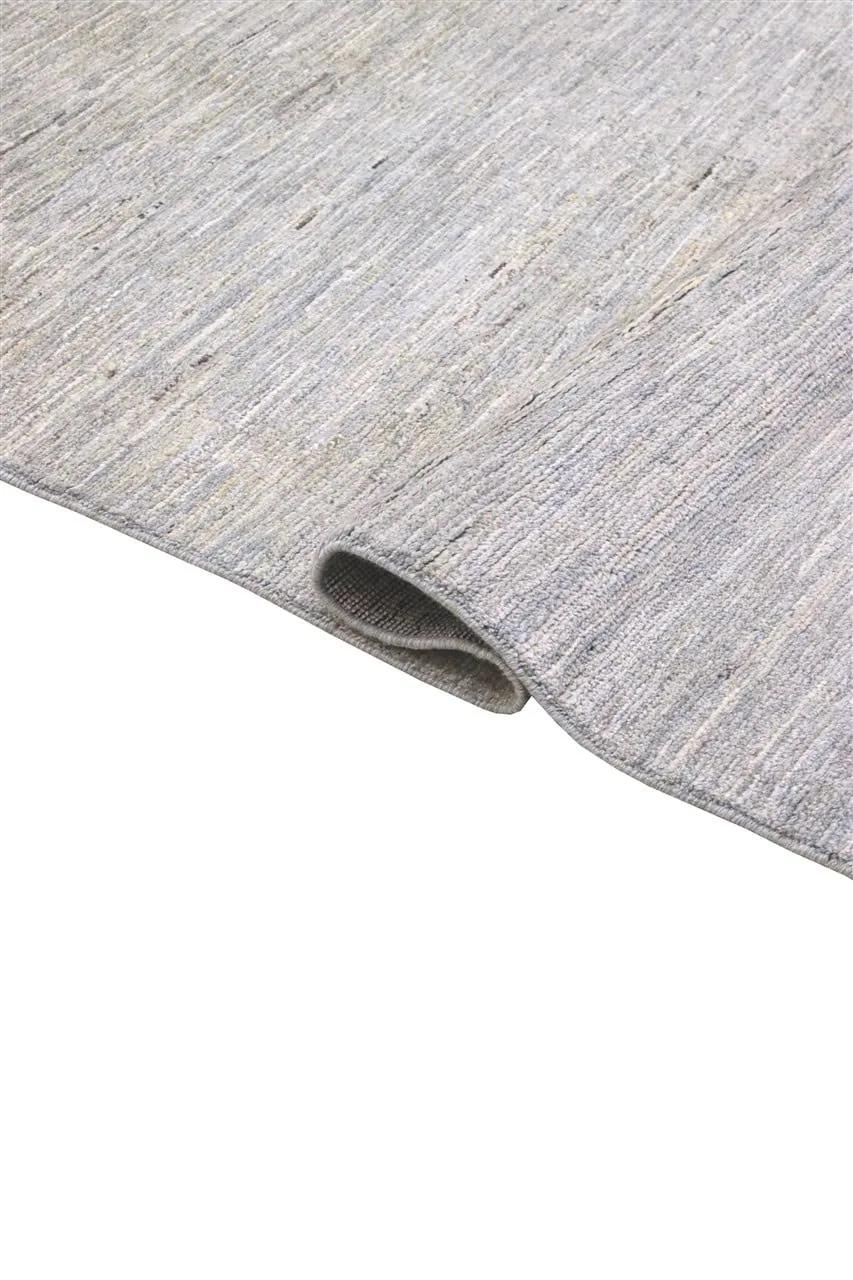
The visual language of a Gabbeh is one of deliberate restraint. While many traditional rugs are covered in complex floral or geometric motifs, the Gabbeh typically celebrates the variations in the wool's natural colour. This modern interpretation continues that legacy by focusing on texture and nuance. The borders are often kept simple or omitted entirely, allowing the field to serve as a calm, artistic canvas that anchors a room without overwhelming it.
Collecting a Gabbeh rug is an act of preserving a dying art form. As the world moves toward faster and more automated production, these hand-knotted pieces stand as a testament to the value of slow, deliberate work. They are cherished by collectors for their cultural weight and the human story behind every knot. Owning one is an invitation to bring a piece of history into your home, grounded in the skill and dedication of the people who created it.