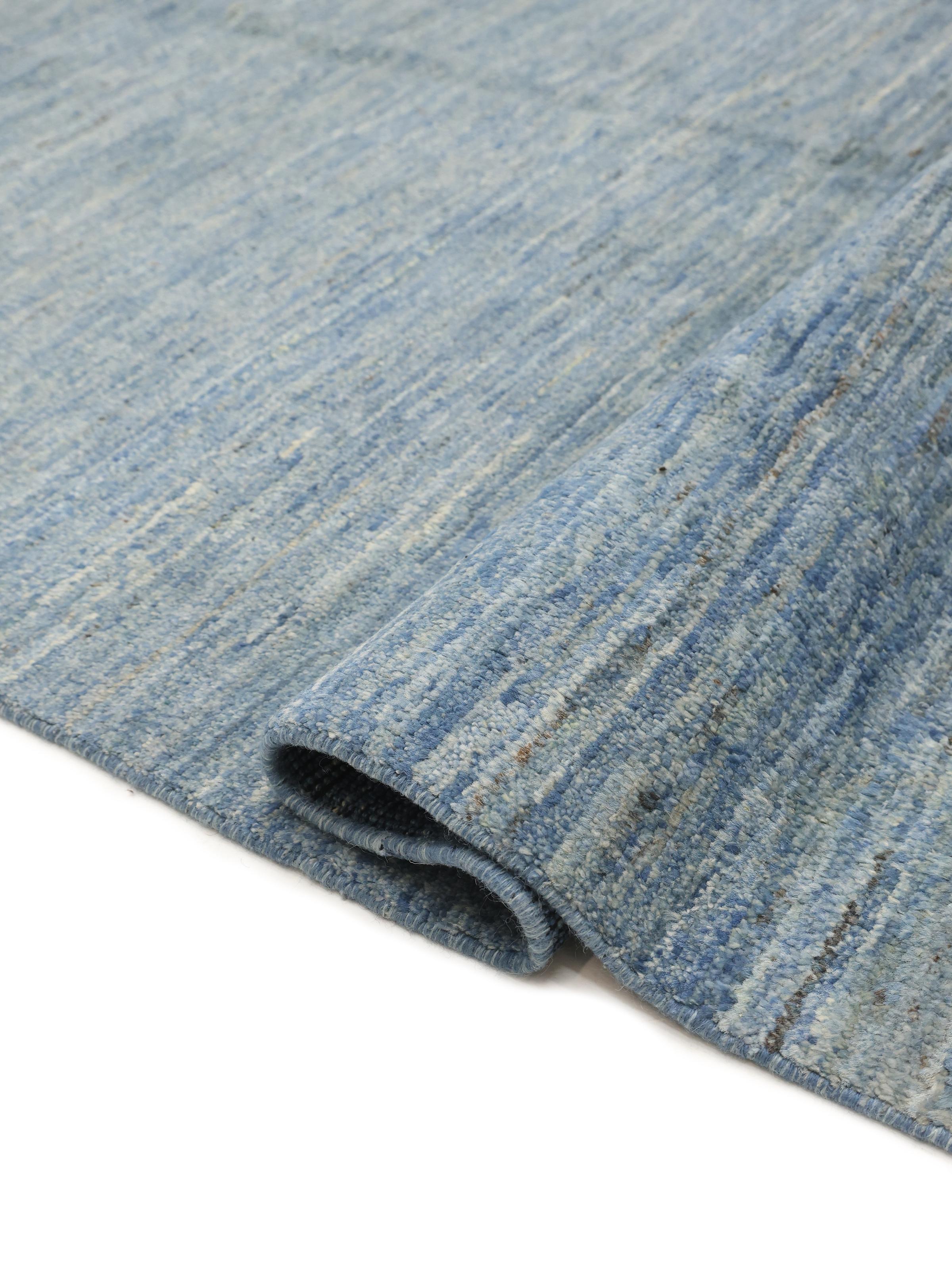
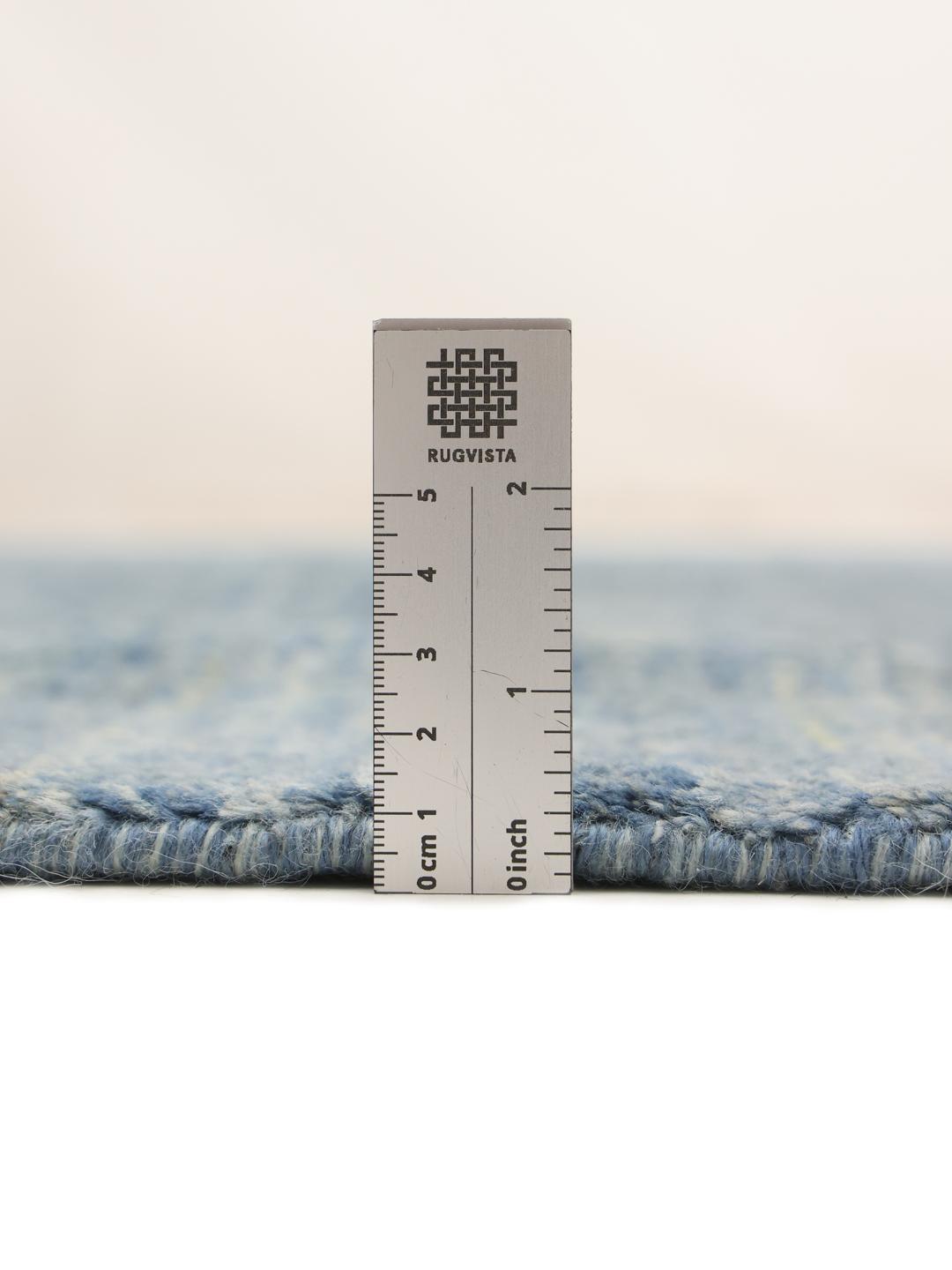
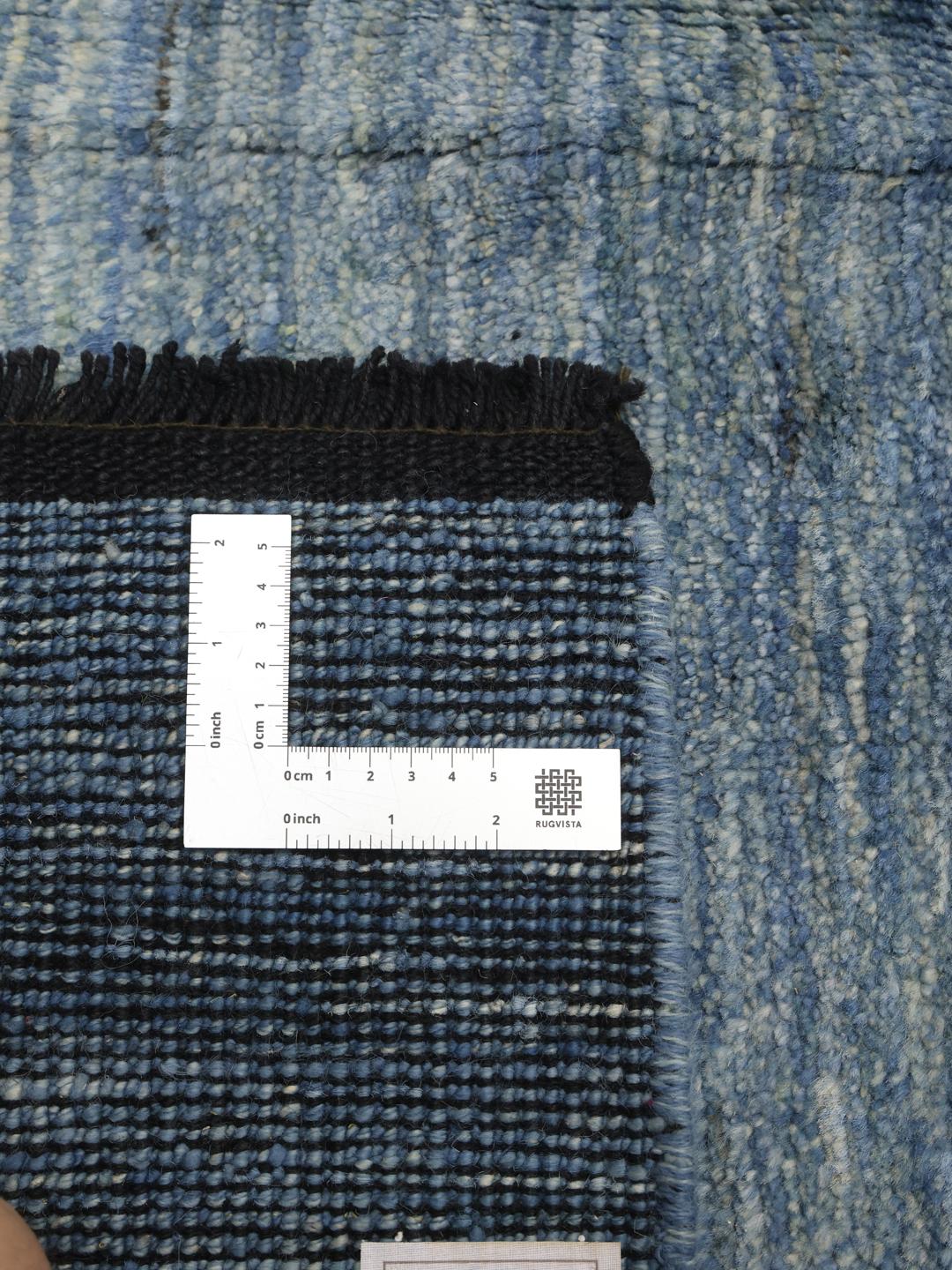
Gabbeh rugs trace their origins to the nomadic tribal weavers of the Middle East, particularly among the Qashqai and neighbouring pastoral groups. Traditionally woven for personal use rather than for trade, these pieces served as heavy sleeping blankets and floor coverings to protect families from cold mountain floors, resulting in a thick, comforting pile that prioritises warmth and utility.
The term Gabbeh translates roughly to raw, uncut, or natural, reflecting the unpretentious and spontaneous nature of their creation. Unlike formal urban carpets with rigid geometric cartography, traditional Gabbehs were designed freely from memory and daily surroundings, celebrating an authentic folk art tradition passed down through generations.
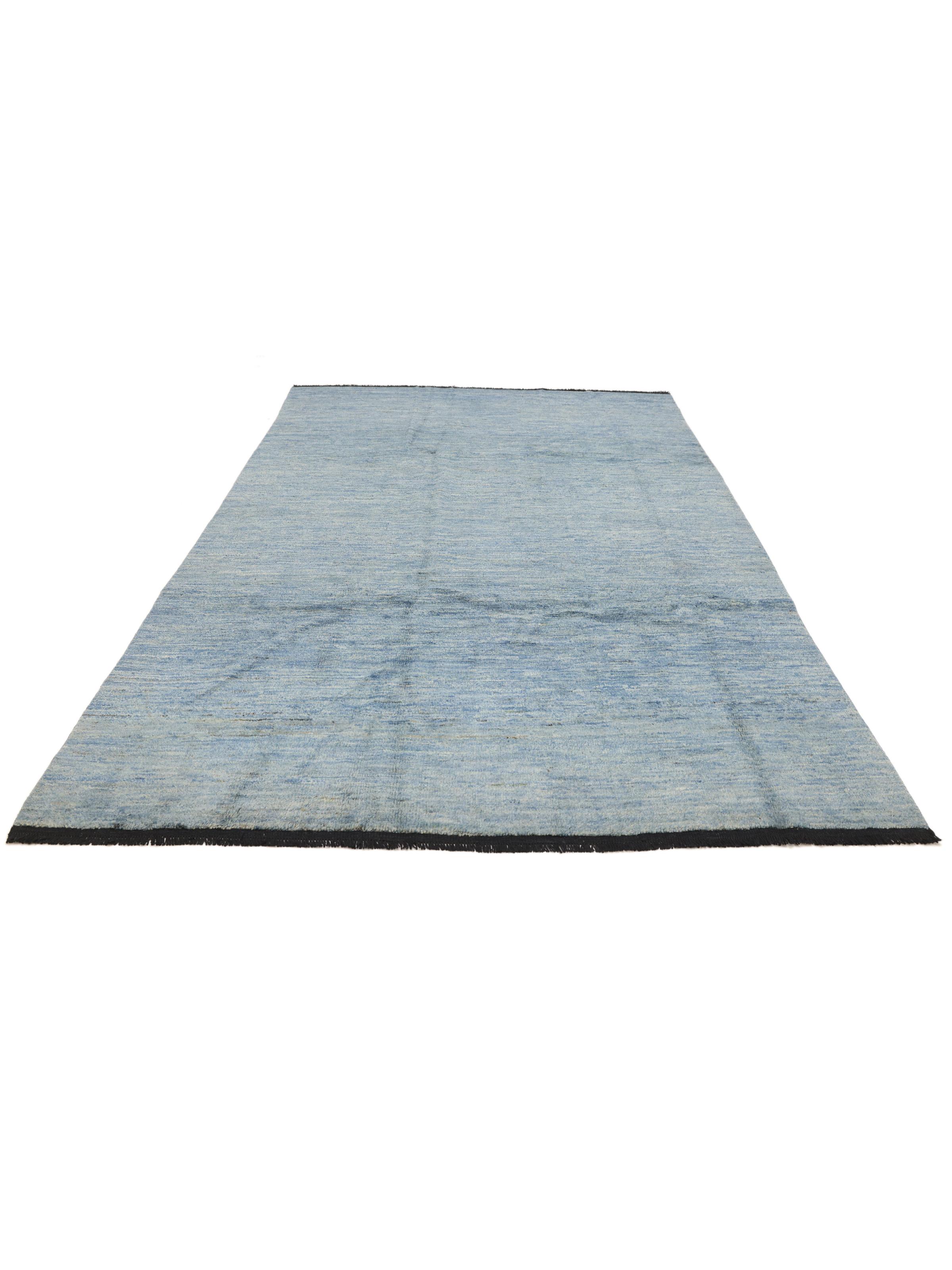
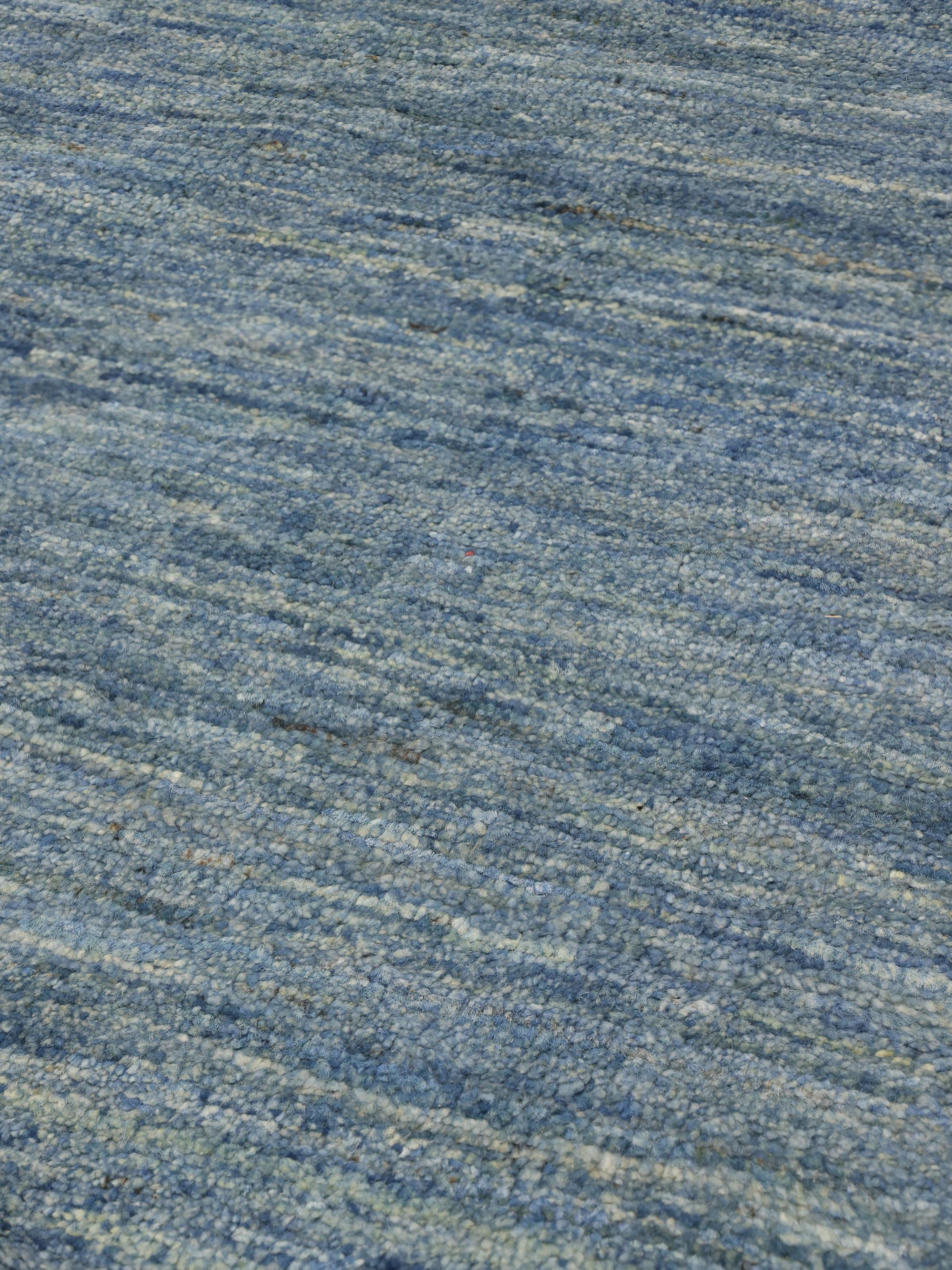
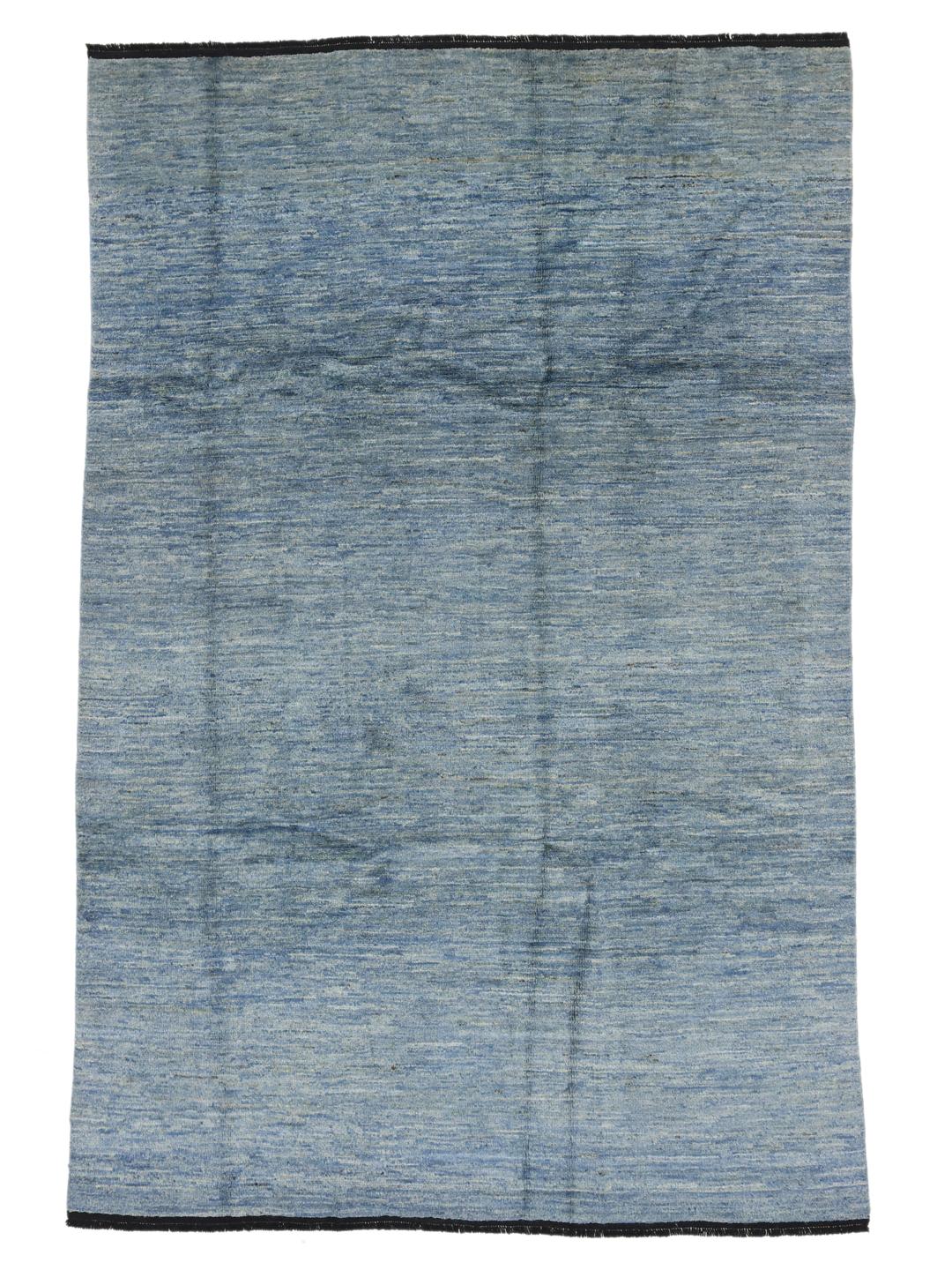
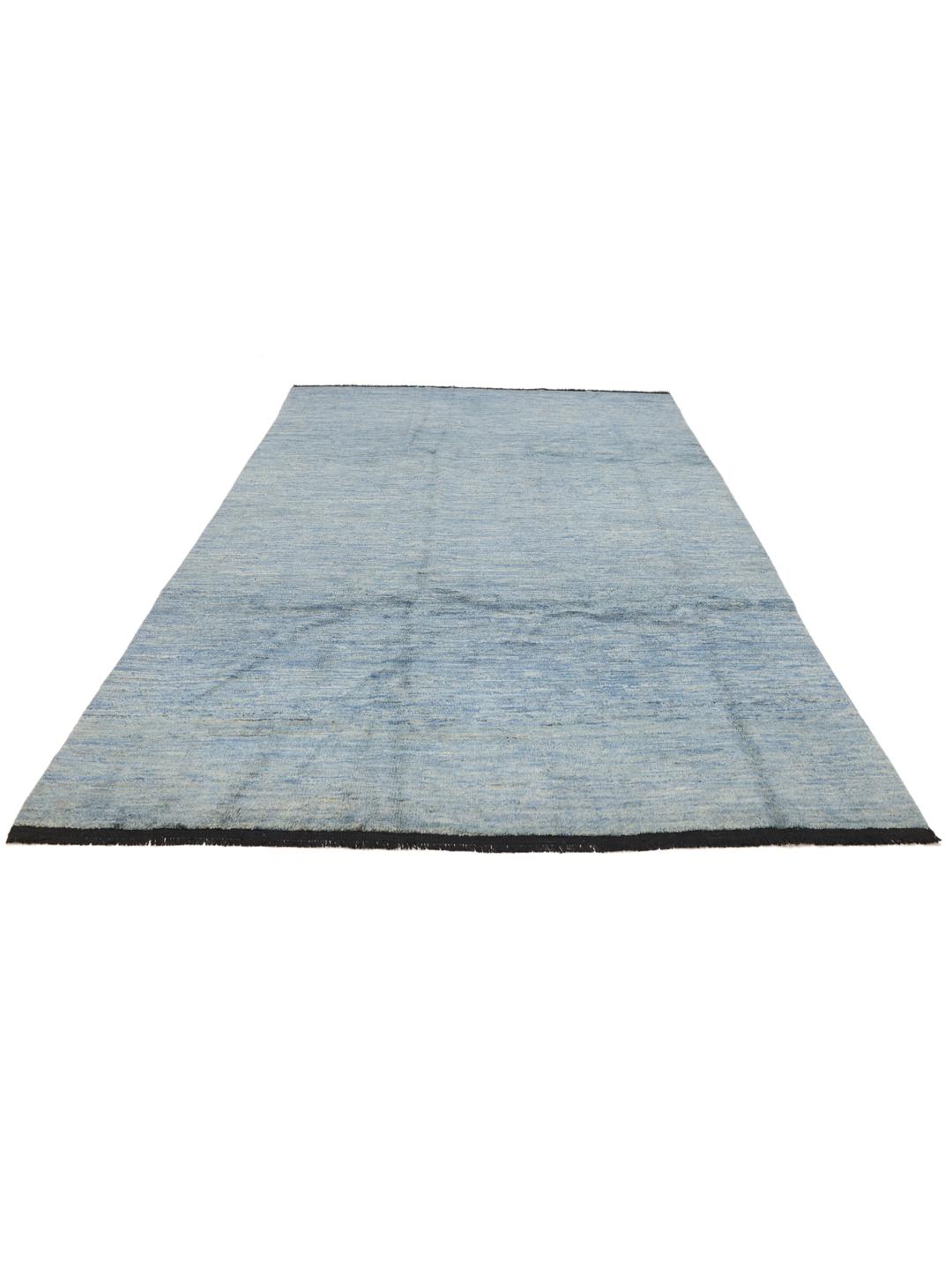
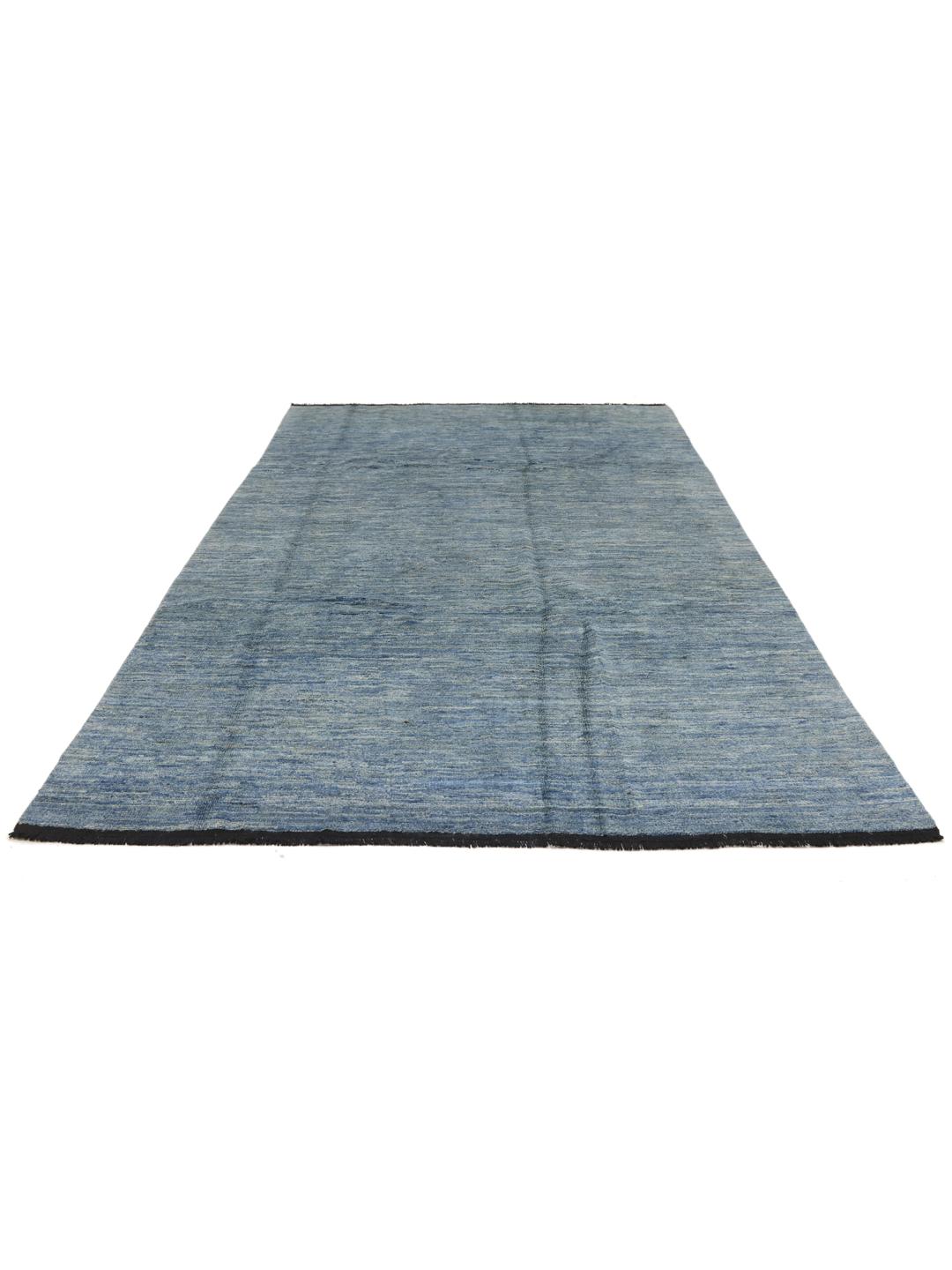
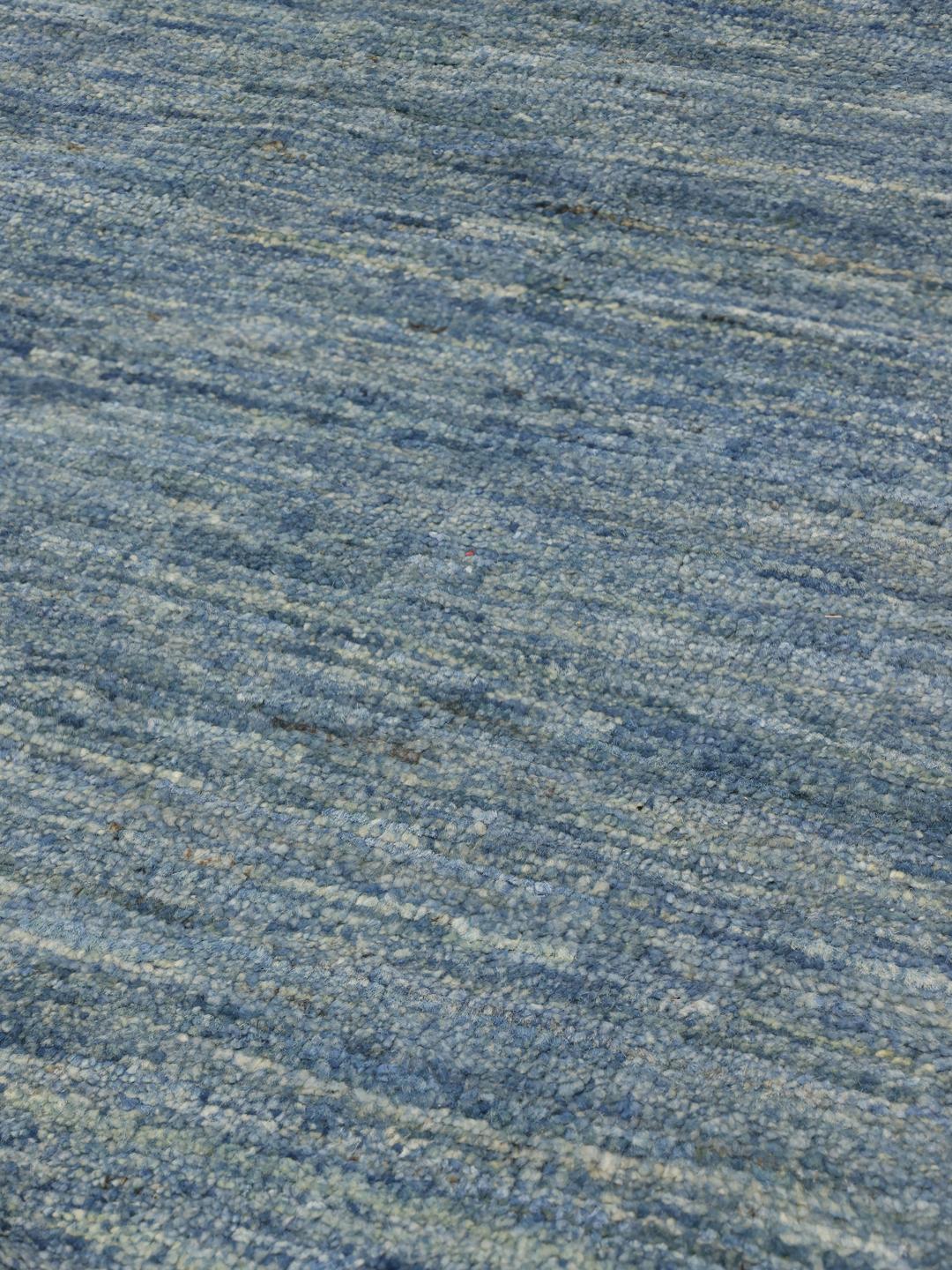
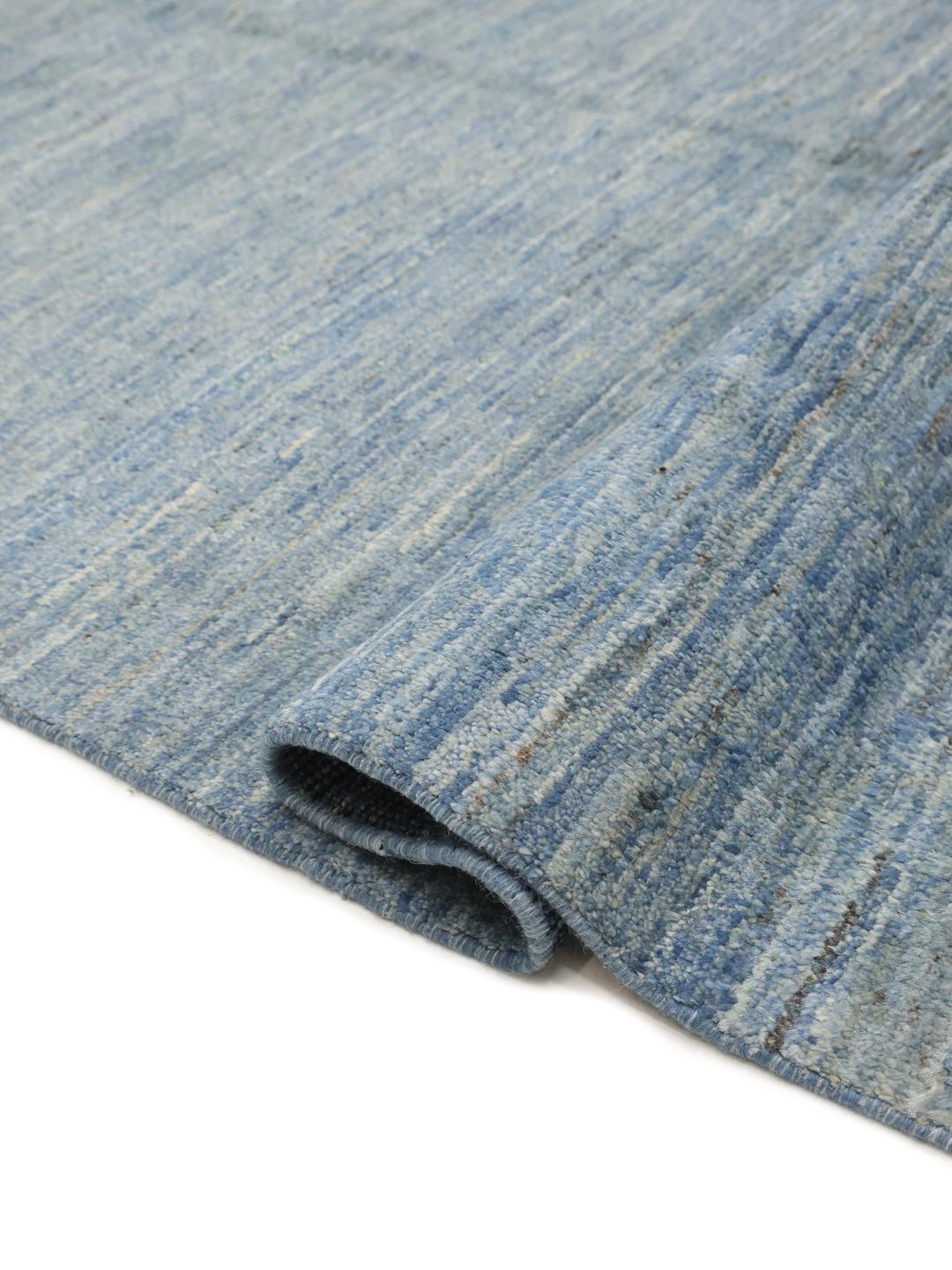
While classical Gabbeh designs often featured sparse tribal motifs or solid fields of colour inspired by pastoral landscapes, modern iterations like this Afghan piece adapt those ancient weaving traditions for contemporary interiors. The minimalist field lets the natural variance of hand-spun wool take centre stage, honouring the craft roots while fitting seamlessly into clean, modern living spaces.
Collecting a Gabbeh means welcoming a piece of living heritage into your home, rooted in centuries of nomadic resourcefulness. Each rug embodies the patience and dedication of artisan weavers, offering a tangible connection to time-honoured craft techniques that keep ancient traditions alive today.