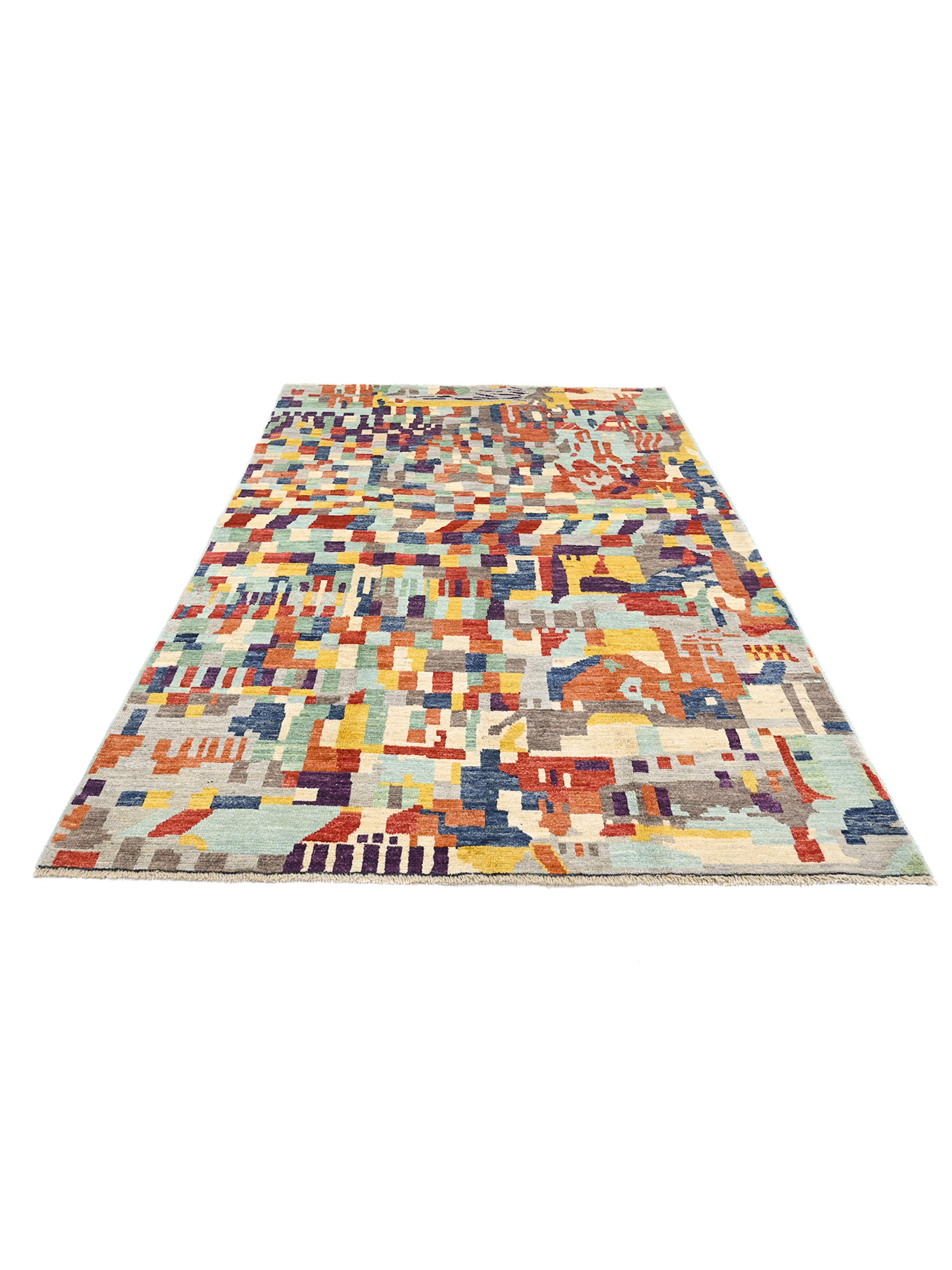
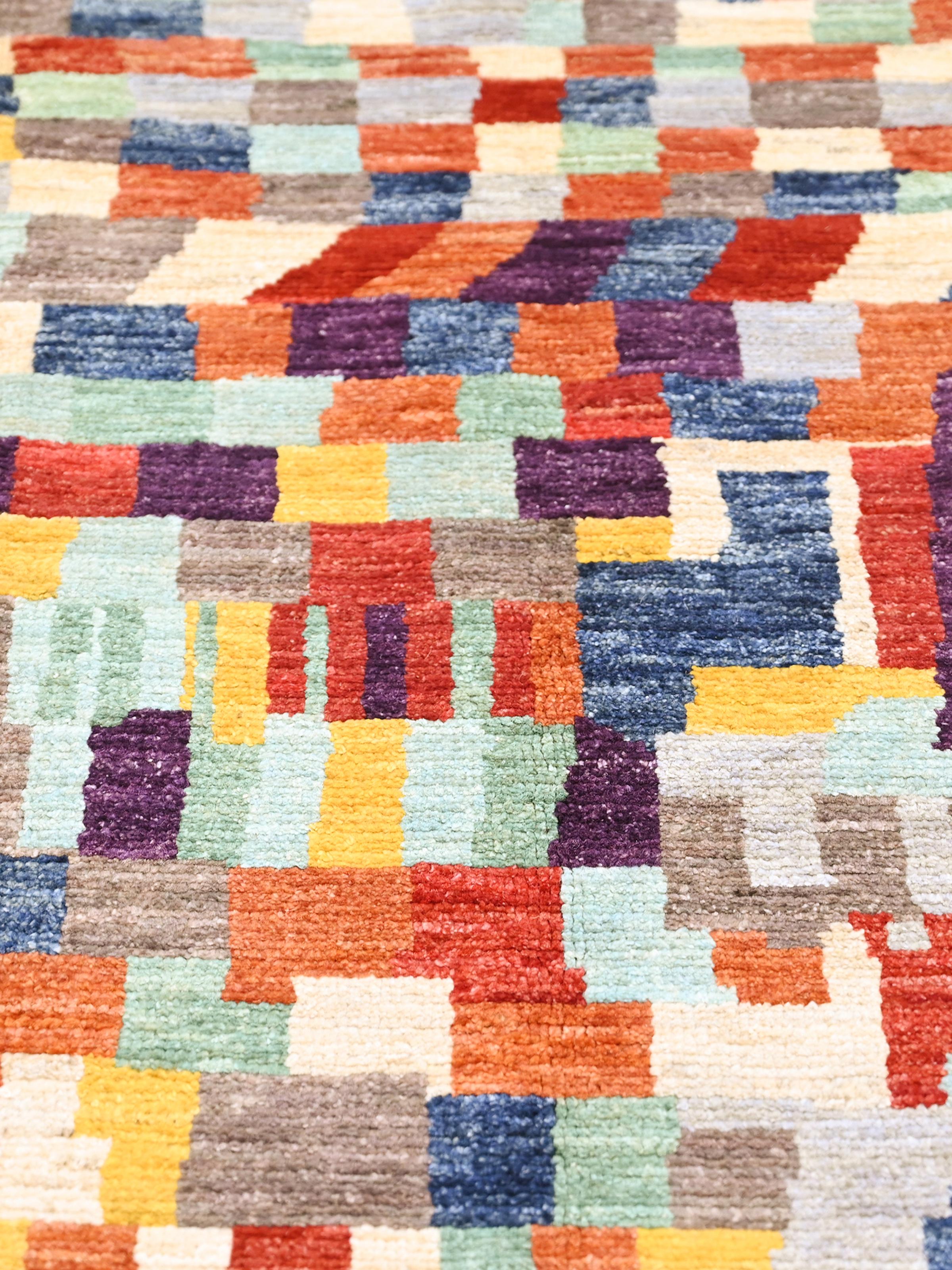
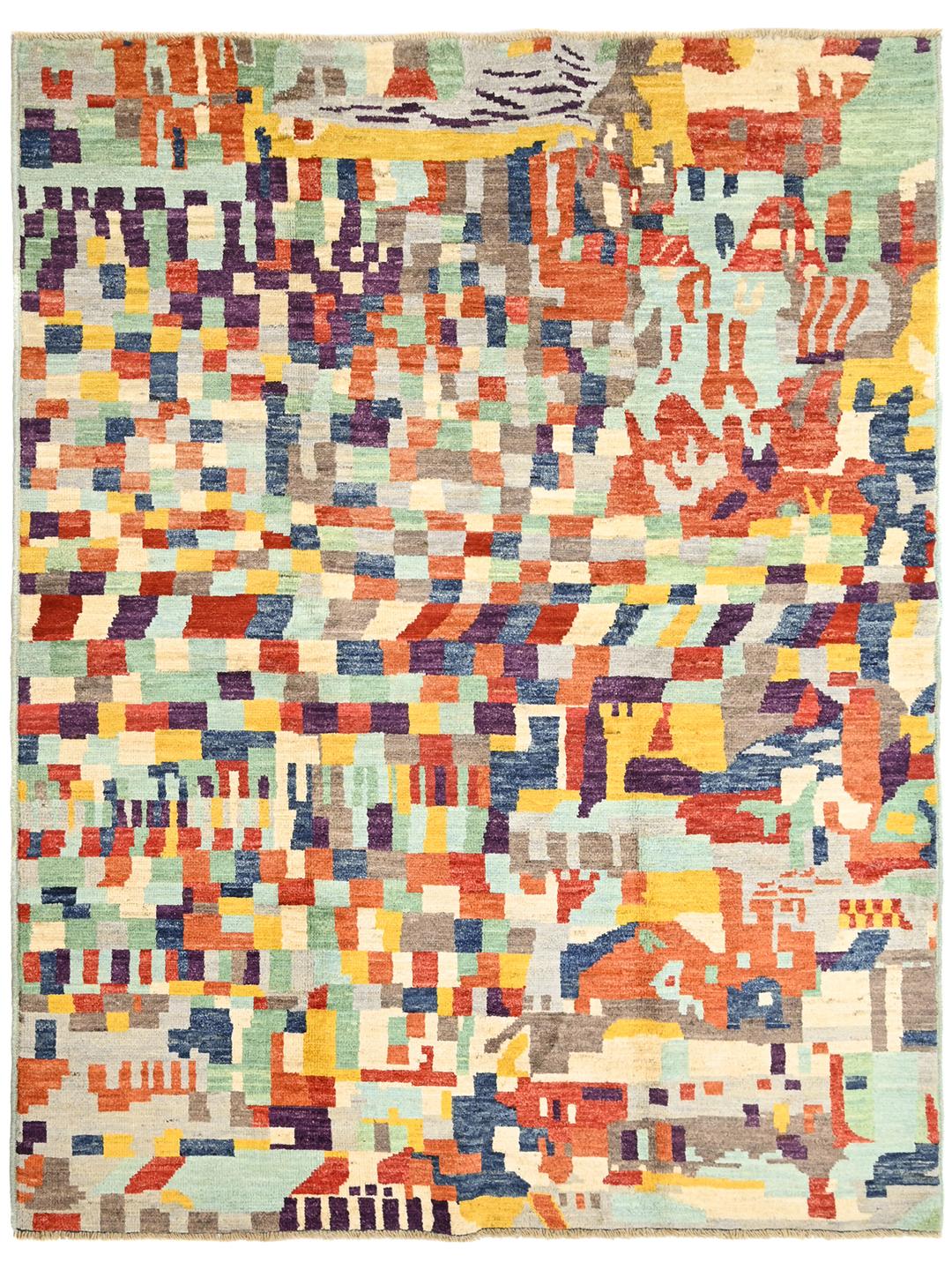
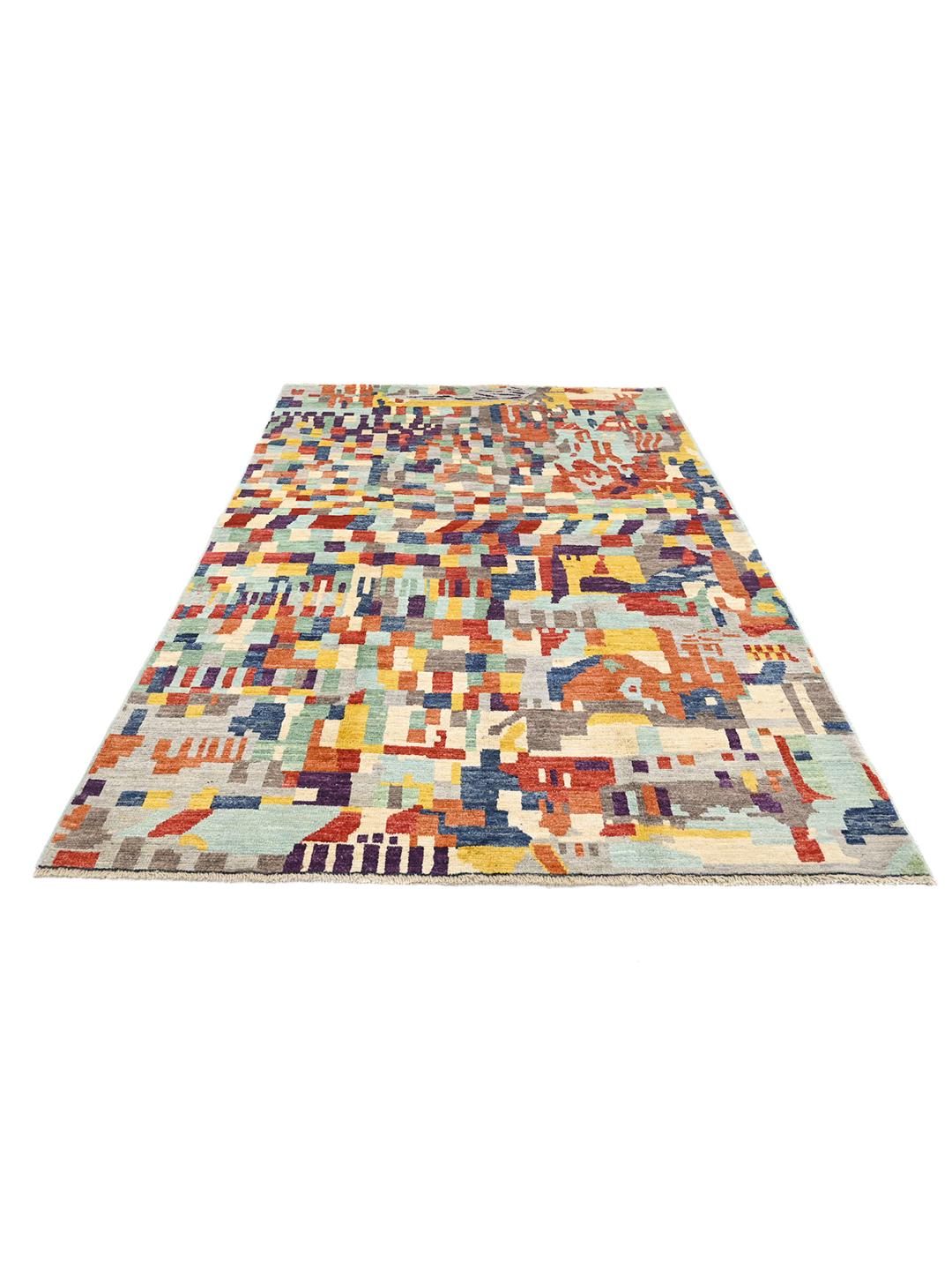
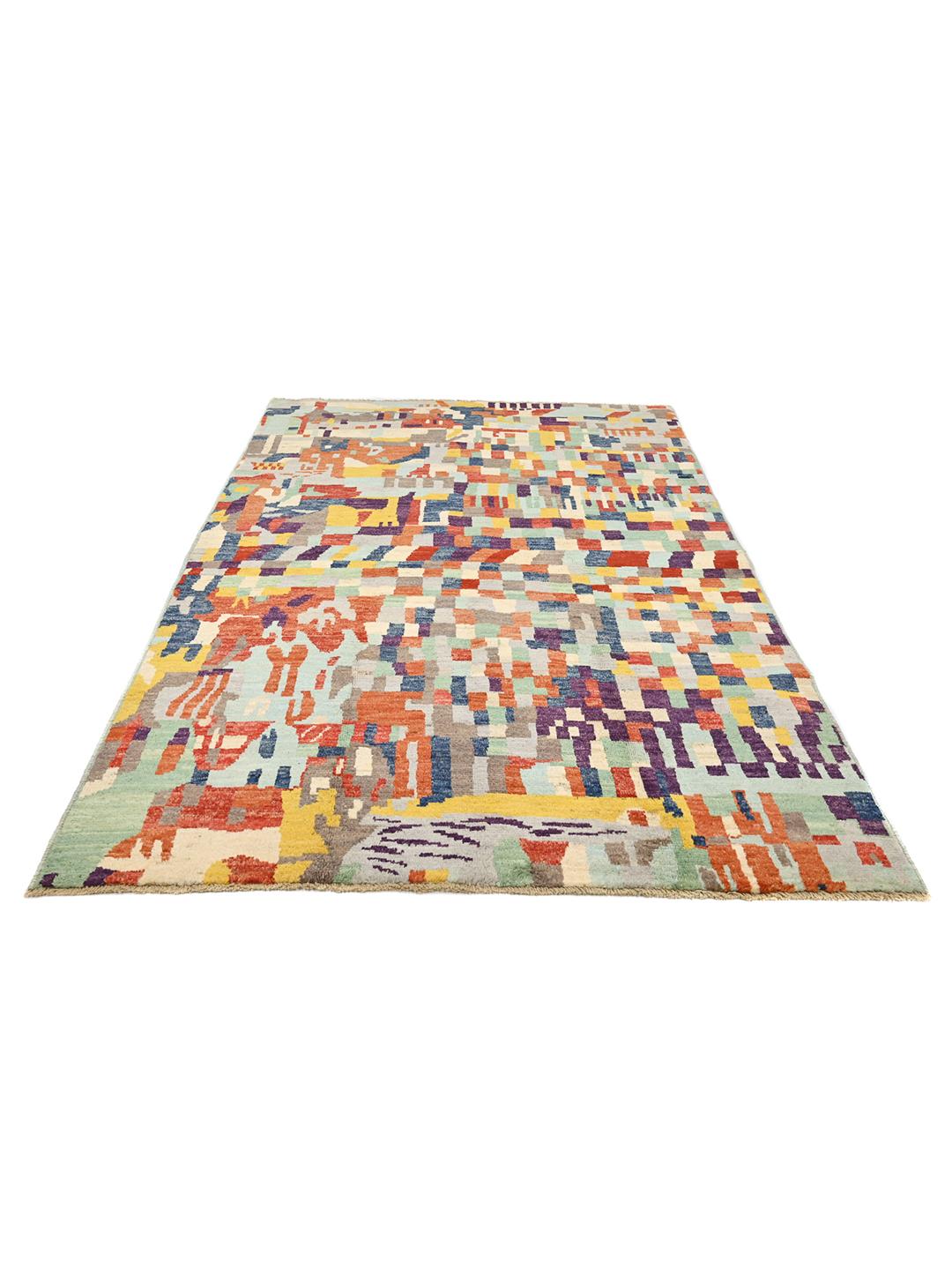
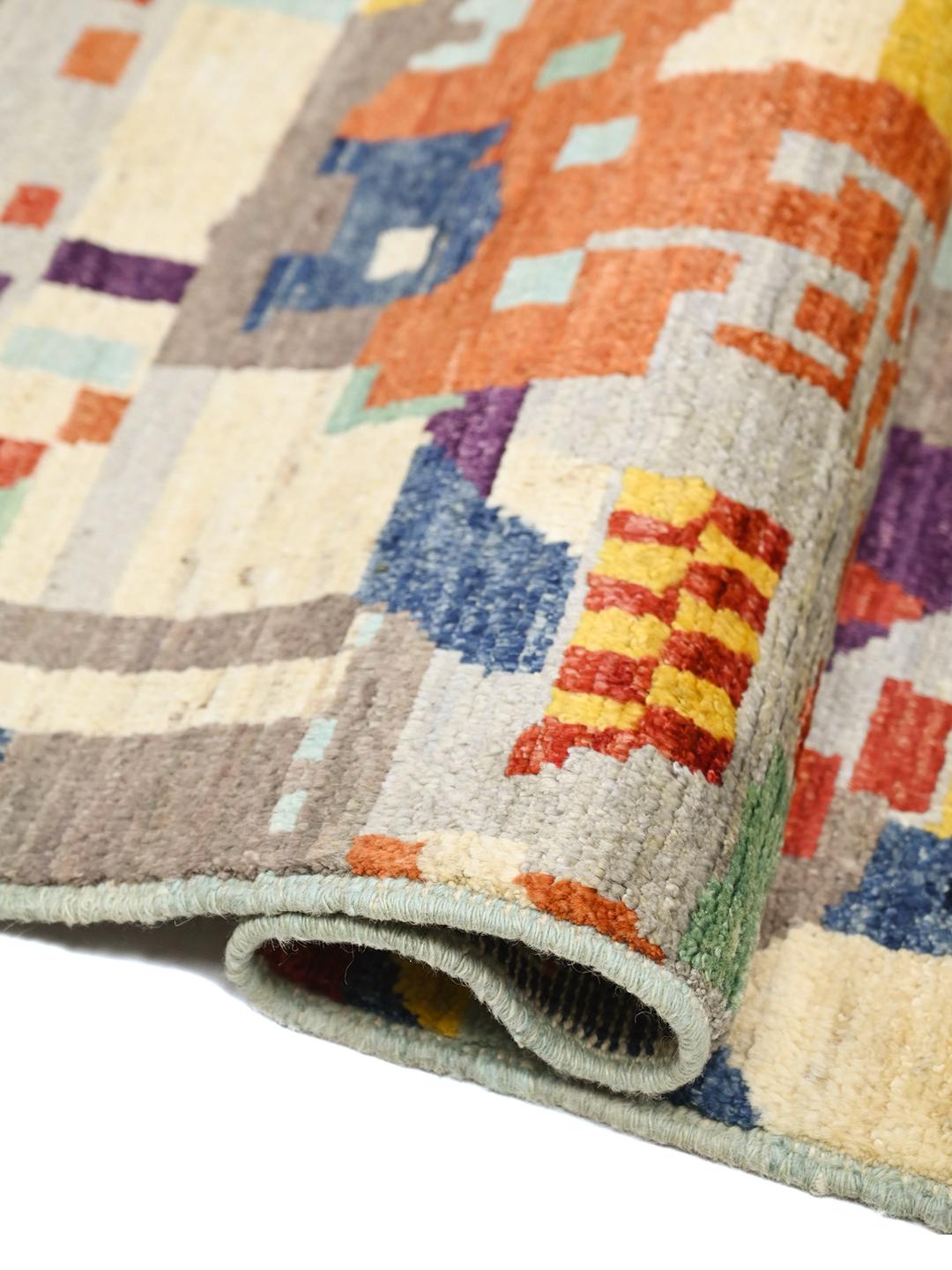
Gabbeh rugs originated among the nomadic tribes of southwest Asia, historically hand-woven for practical everyday warmth rather than formal decorative display. Traditionally characterized by thick piles, simple geometric motifs, and thick wool, these rugs were woven spontaneously without strict draft patterns, making each piece an authentic reflection of the weaver's personal vision.
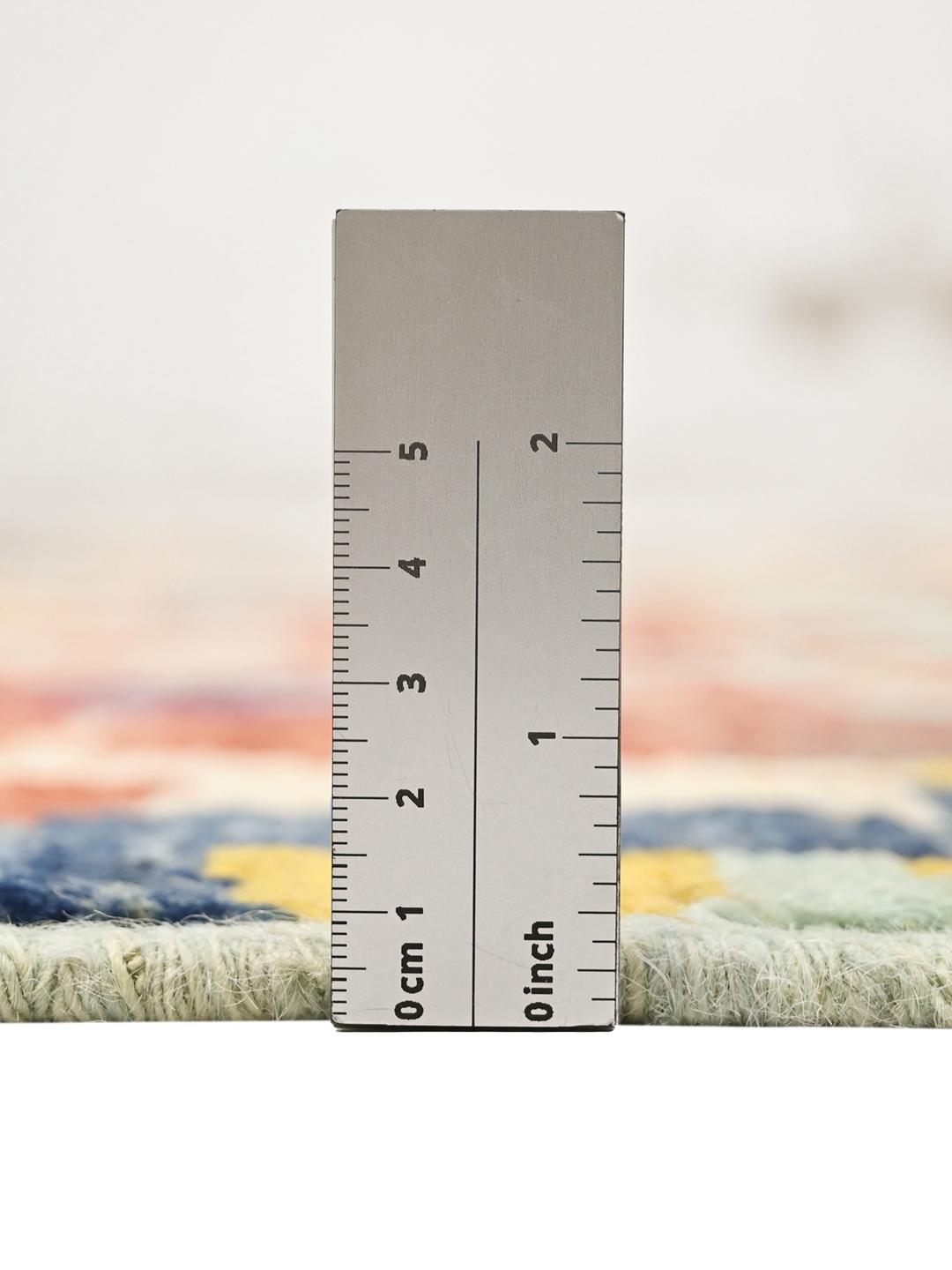
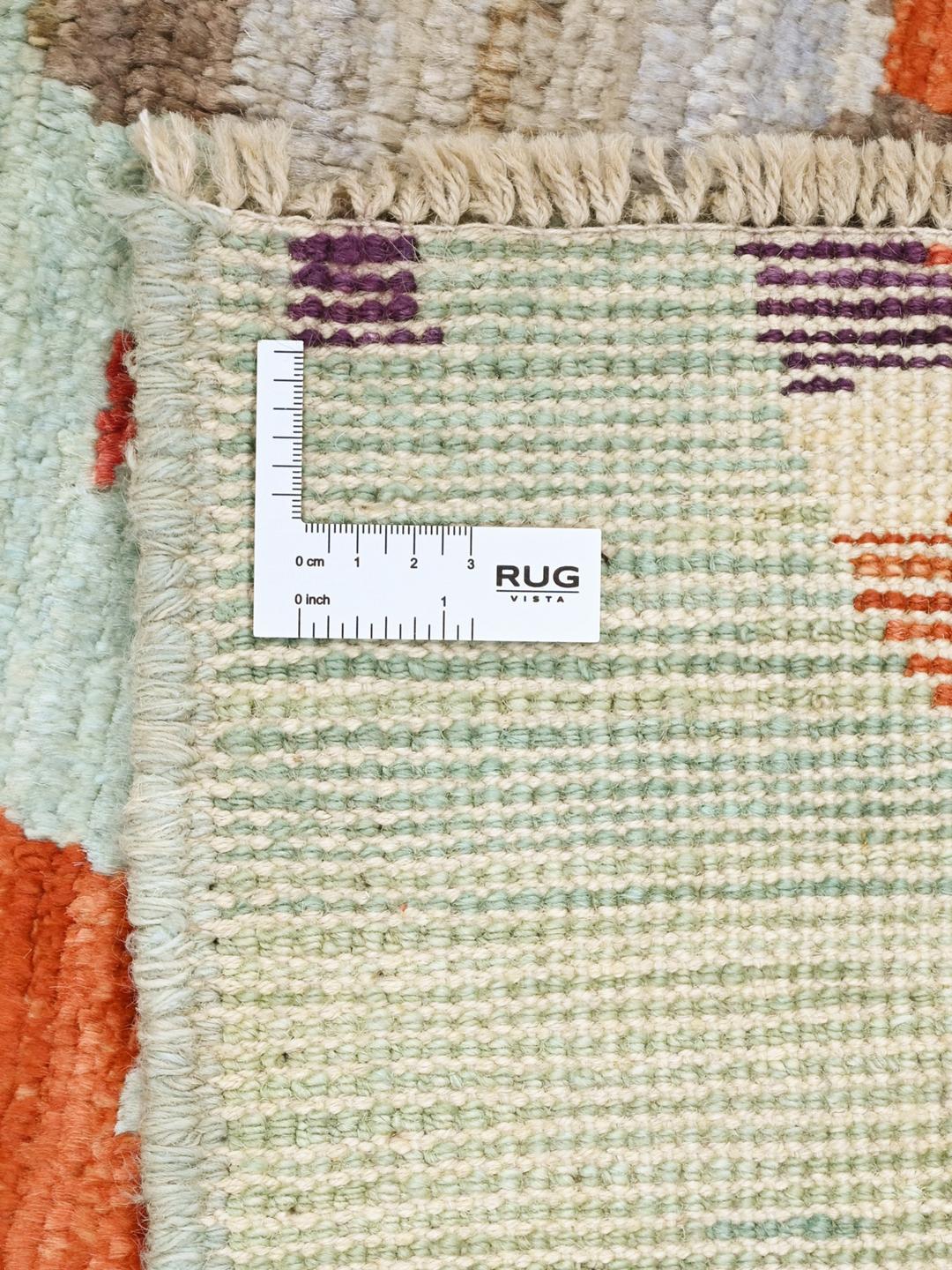
The modern Gabbeh movement preserves these ancestral hand-knotted weaving methods while adapting the traditional visual repertoire for contemporary homes. Artisans in regions like Afghanistan continue to use time-tested spinning and knotting traditions, using high-quality natural wool to produce floor coverings known for their resilience and deep, rich surface texture.
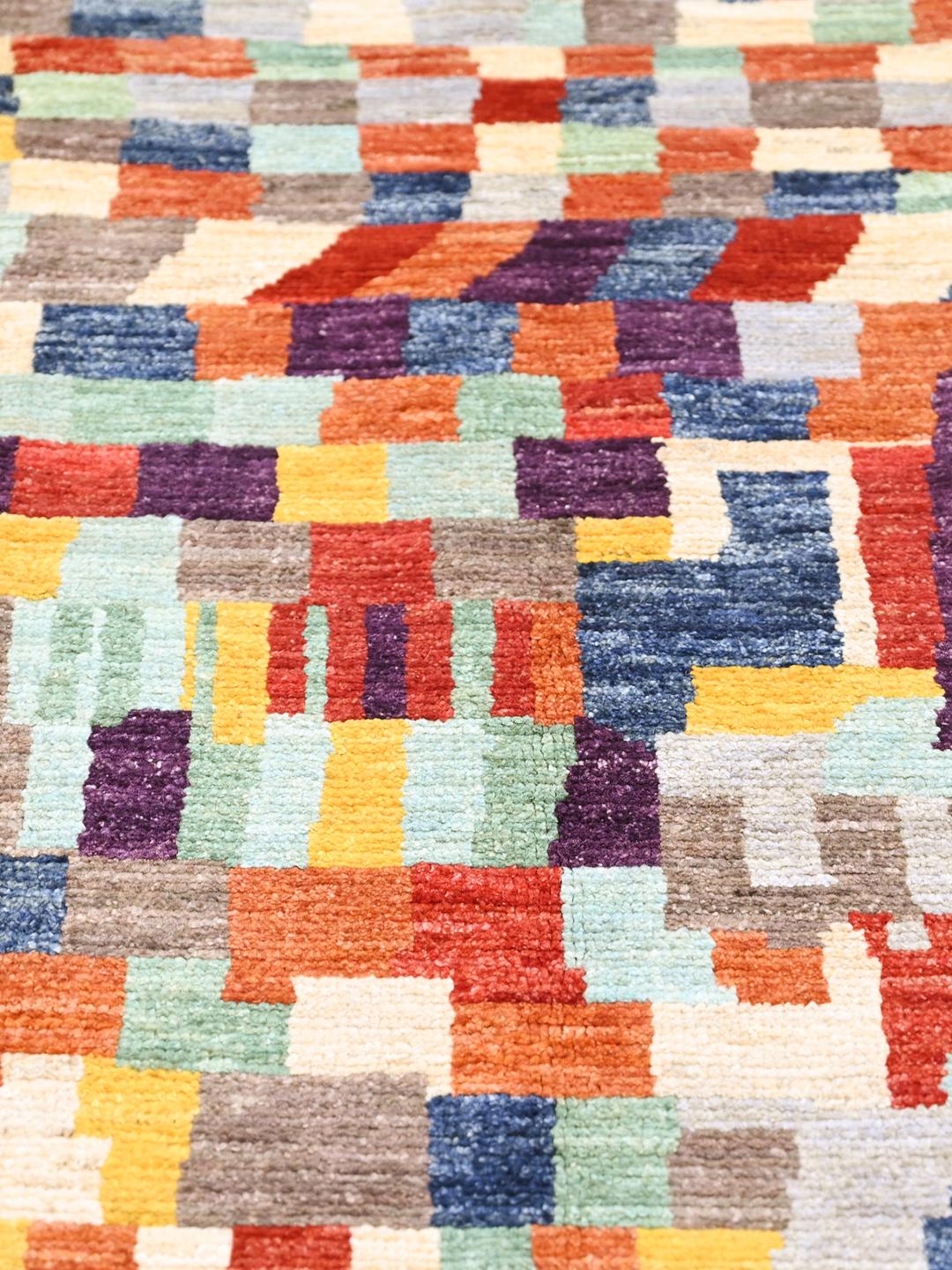
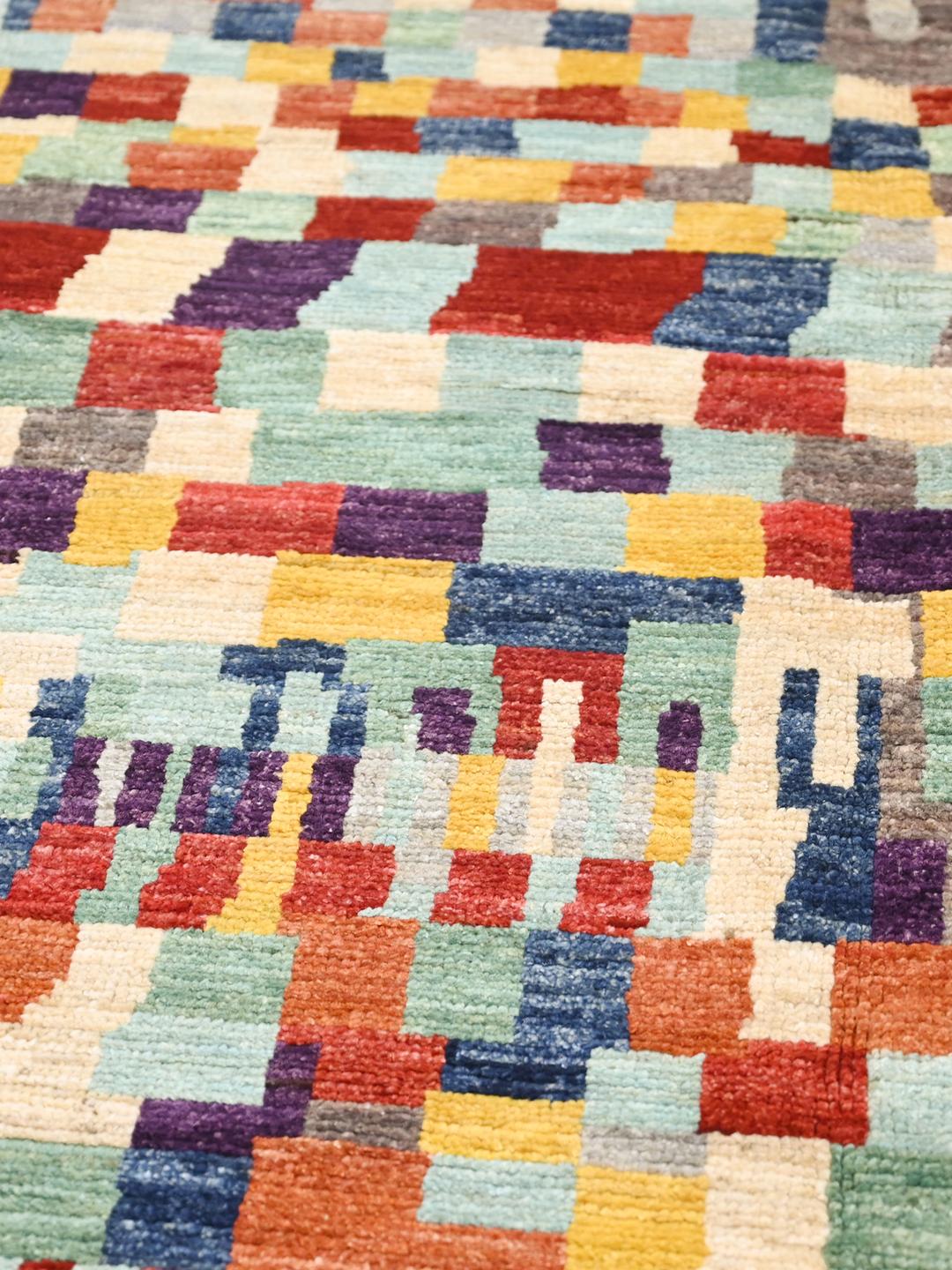
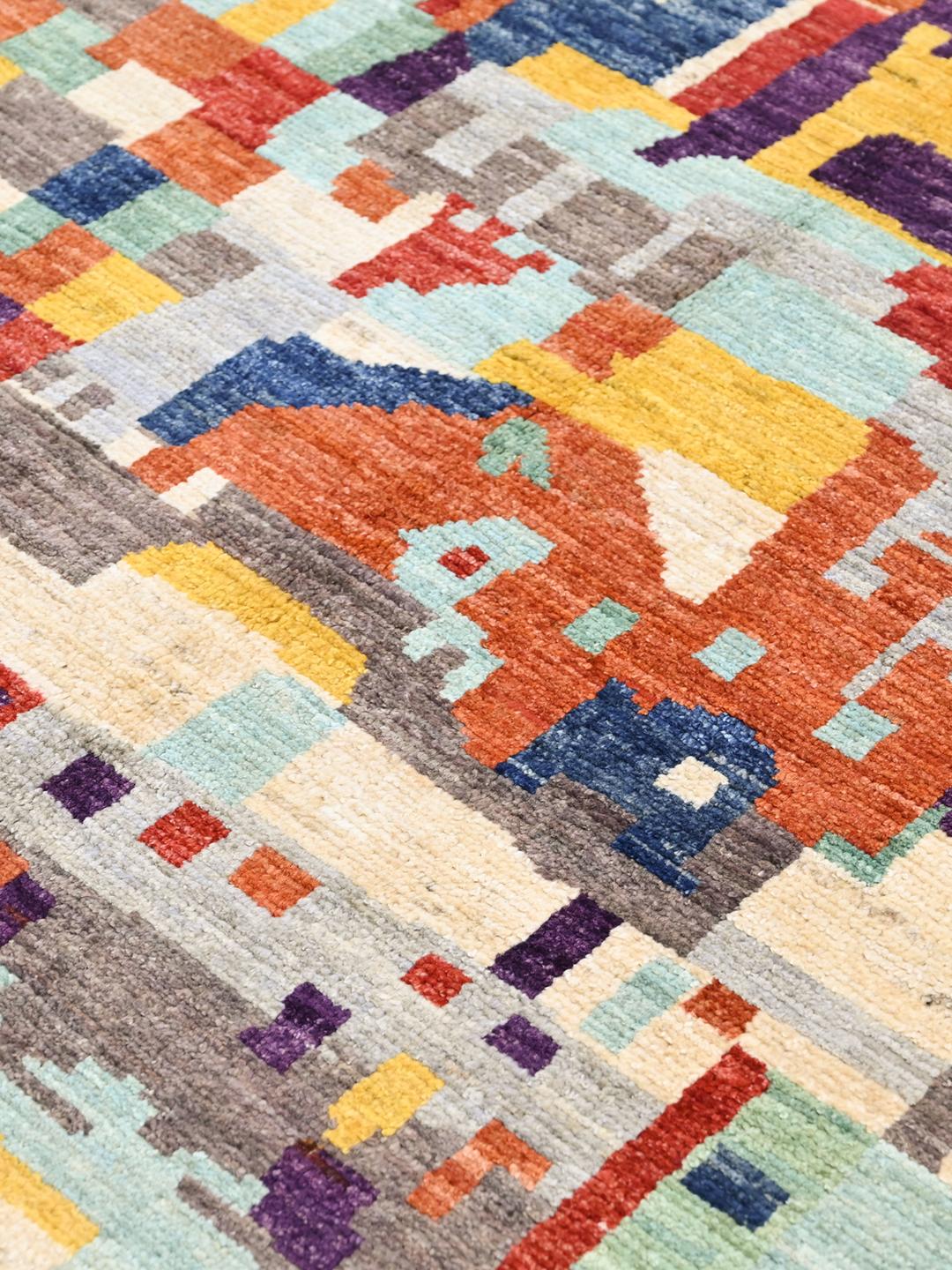
Design elements in modern Gabbeh weaving often feature minimalist fields, subtle color transitions, or abstract pixelated block motifs that reframe simple tribal shapes into modern art forms. Rather than following rigid symmetrical layouts, weavers compose balanced field arrangements that highlight small artistic variations across the surface.
Prized by collectors and interior design enthusiasts alike, Gabbeh rugs bridge historical folk art traditions with modern living spaces. Acquiring a hand-knotted Gabbeh rug brings a piece of regional heritage into the home, offering an enduring textile with rich tactile qualities that outlast temporary interior trends.