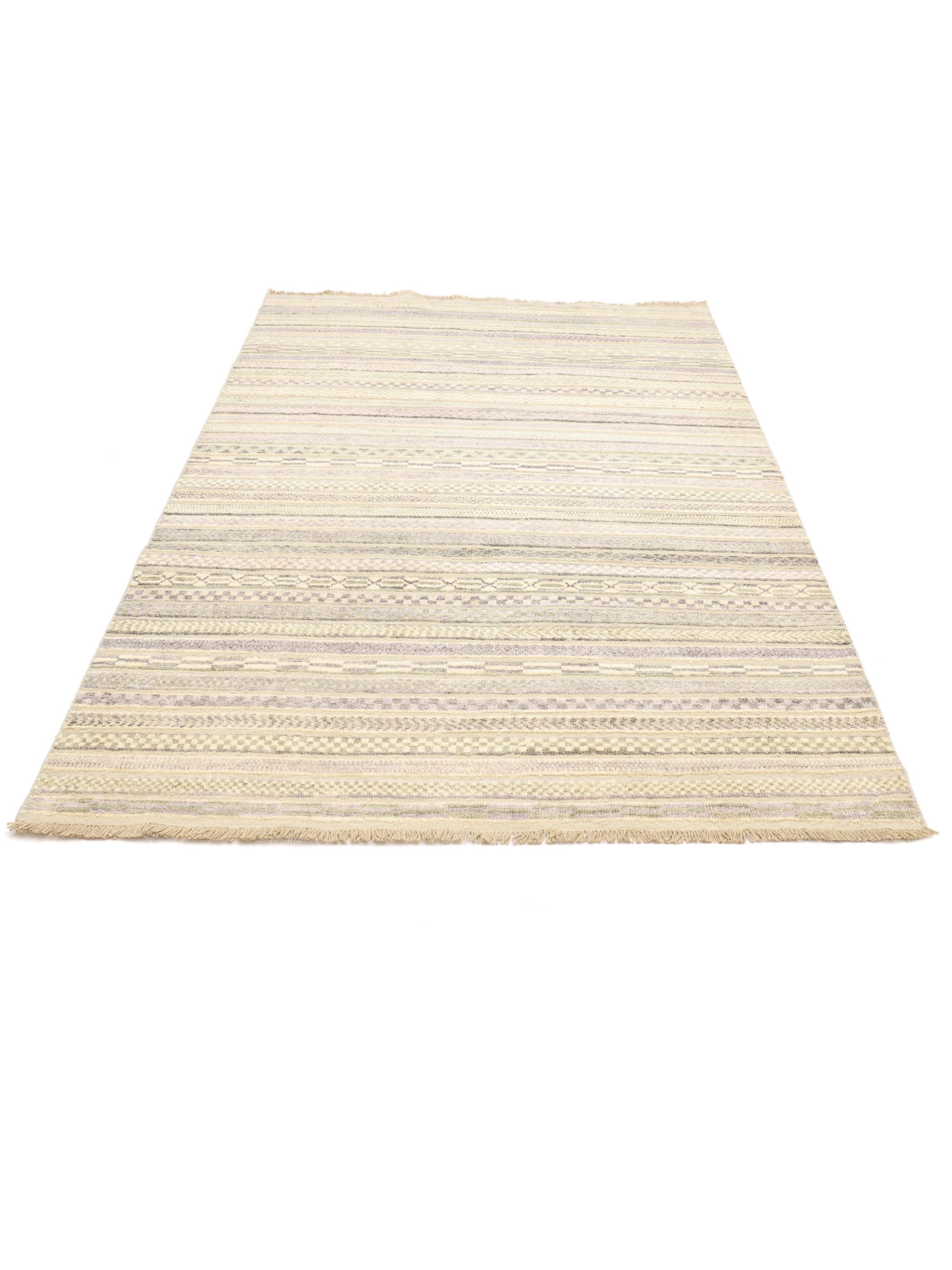
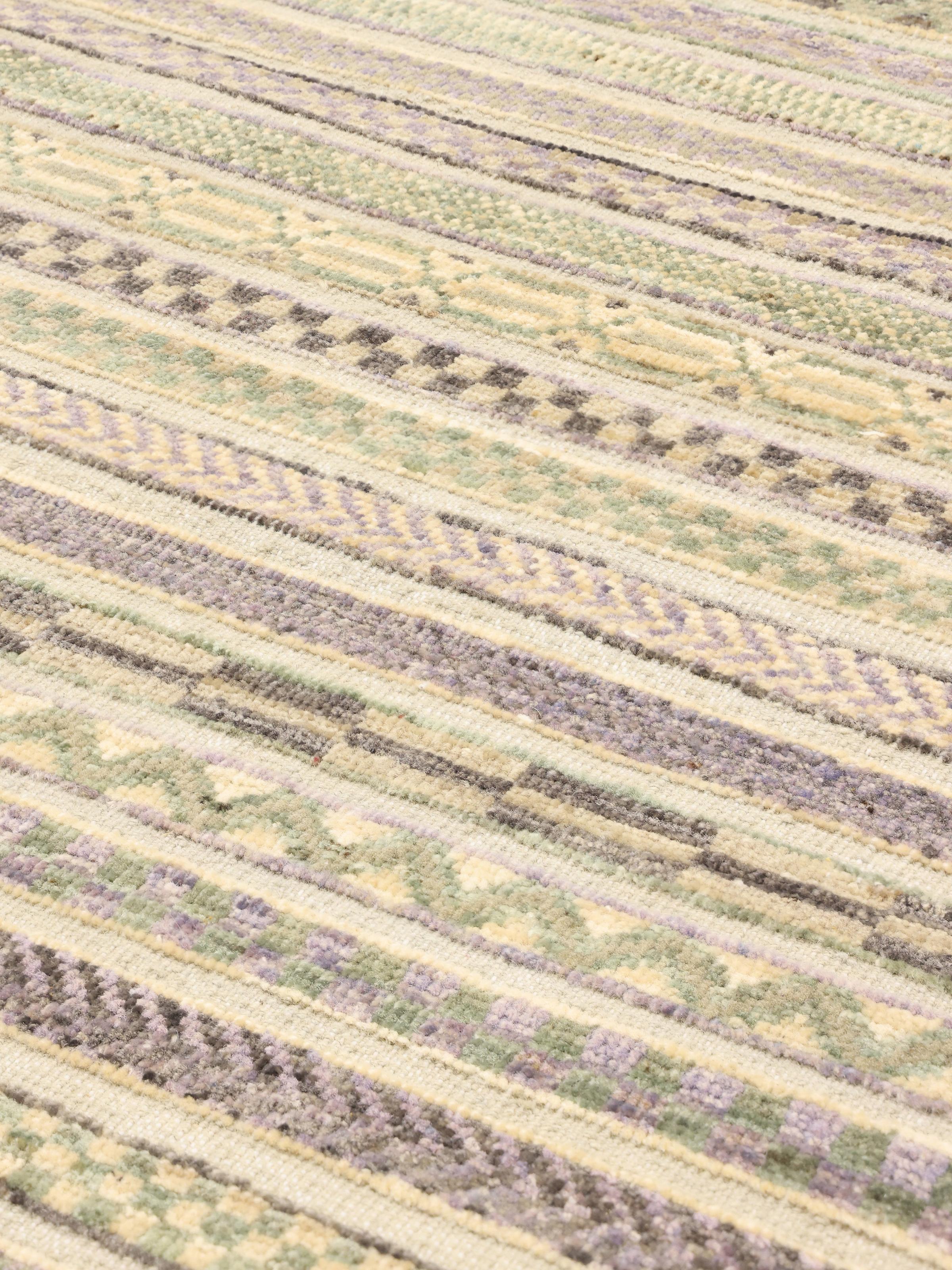
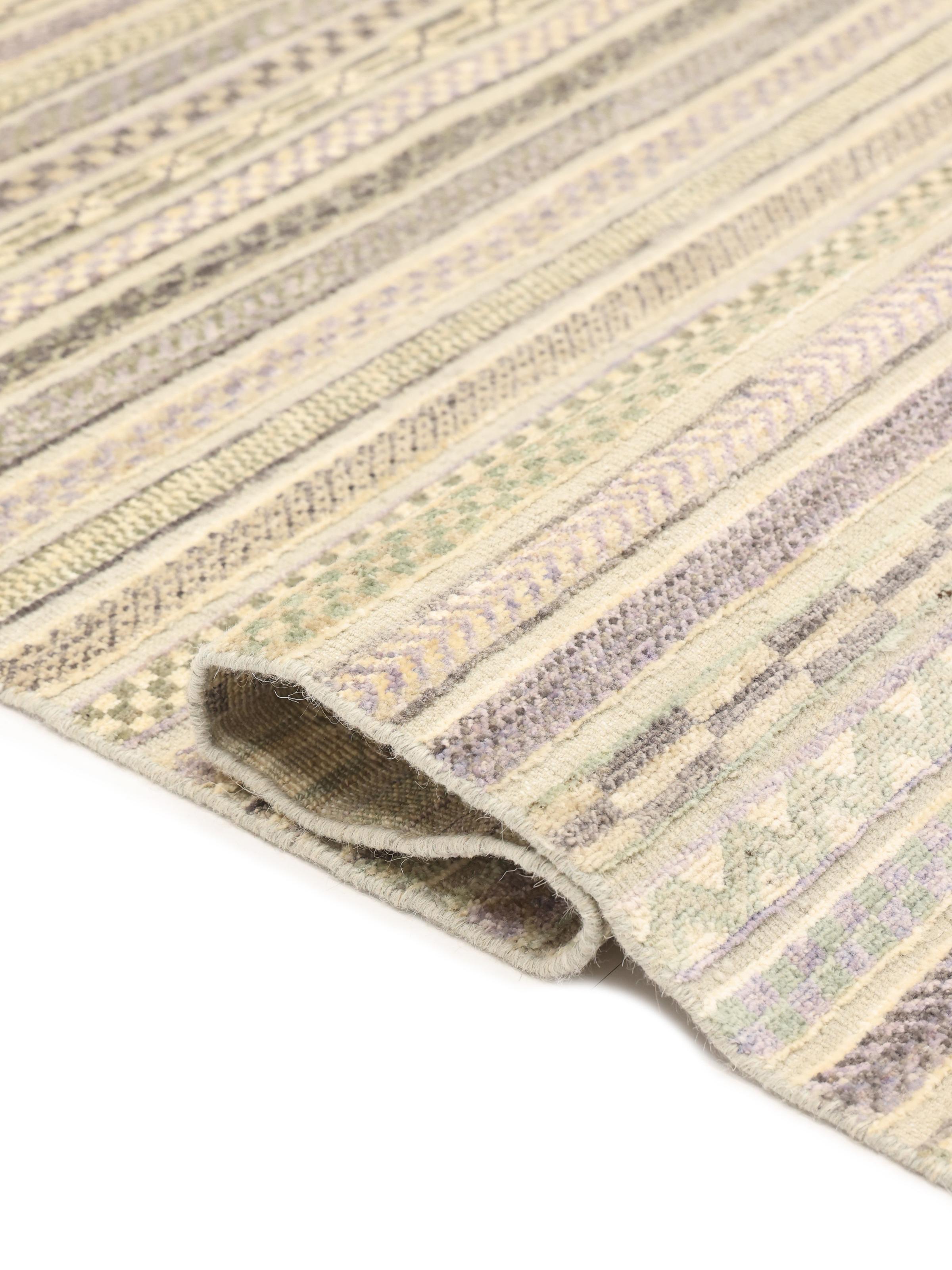
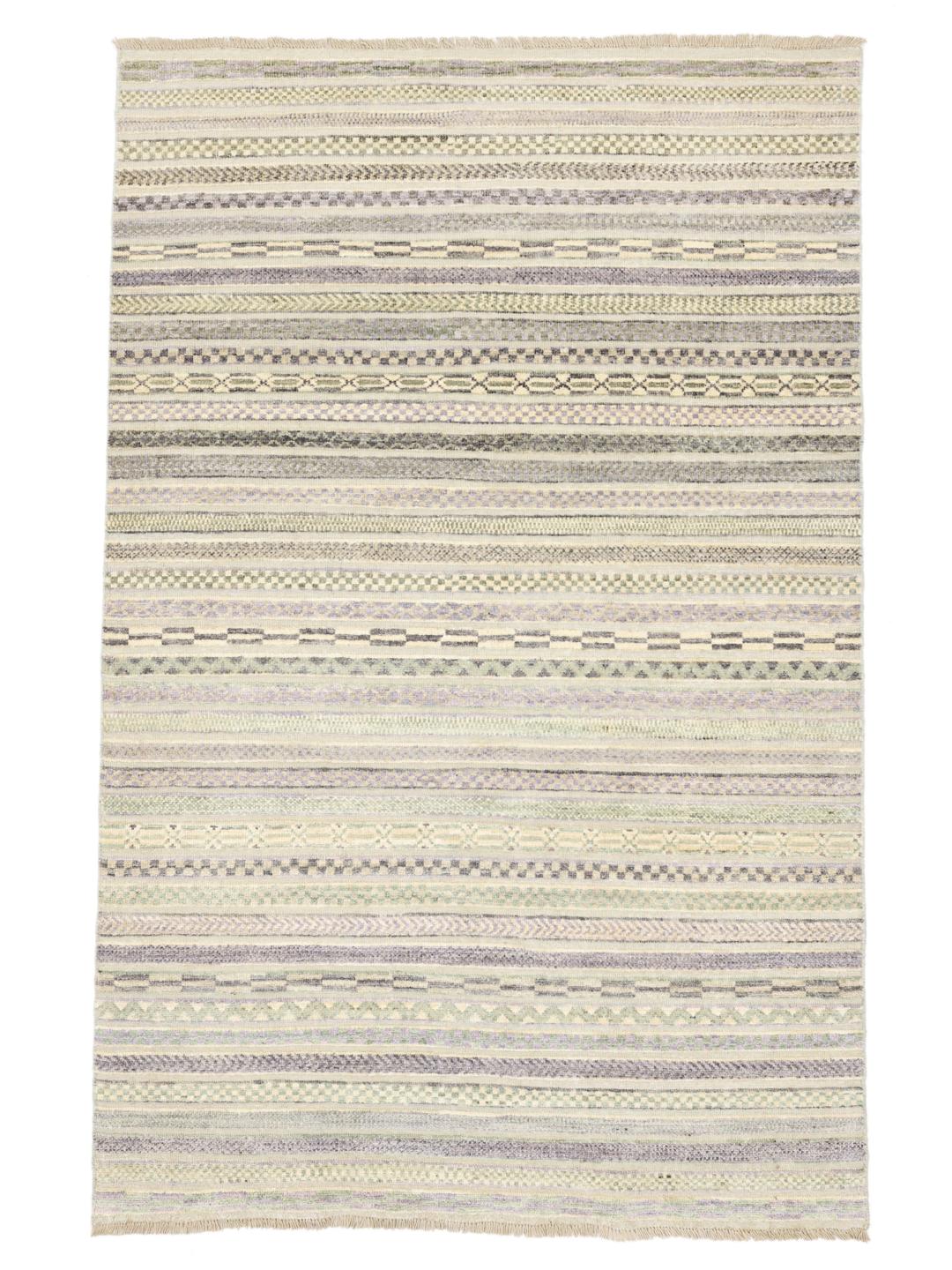
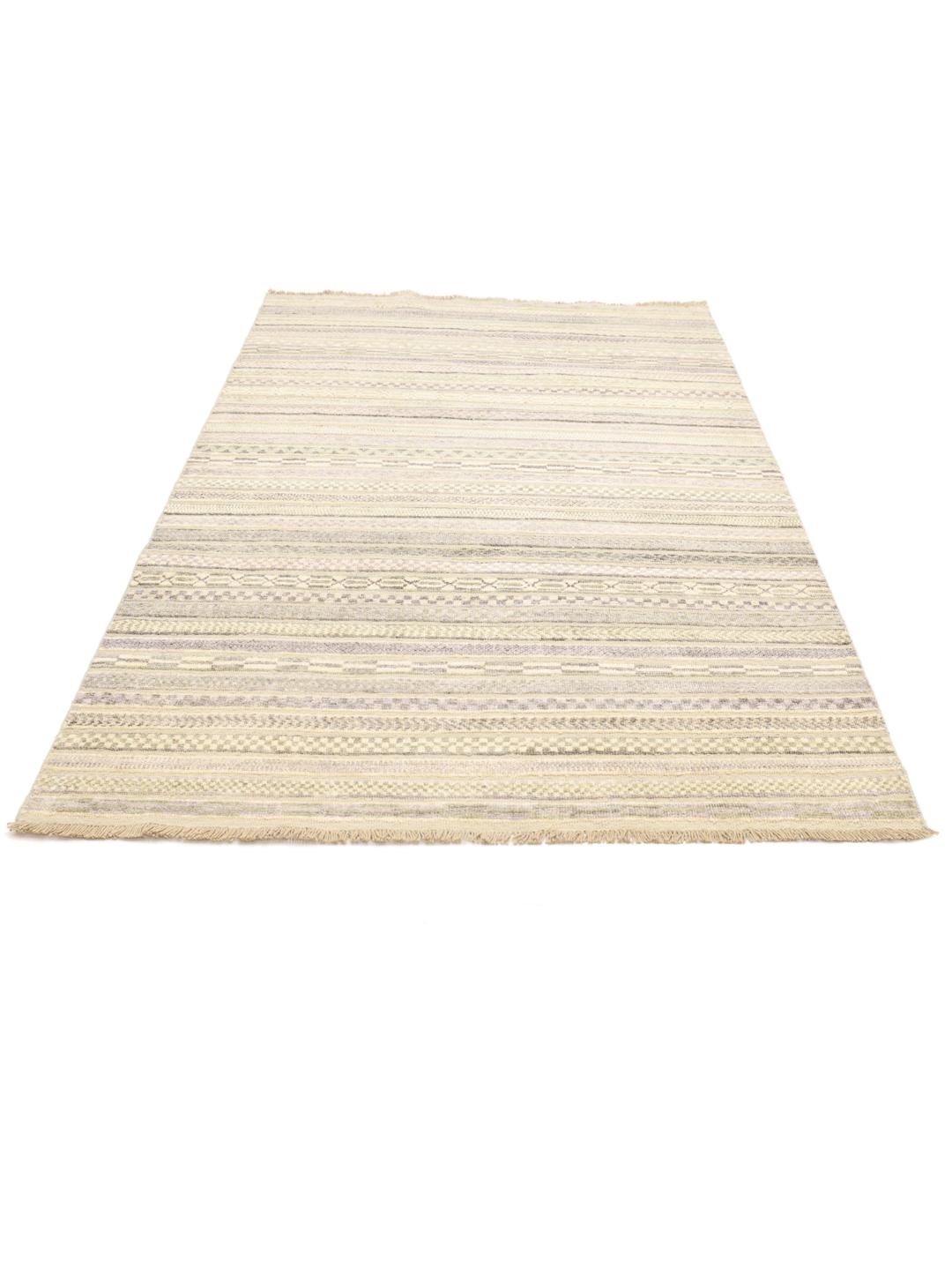
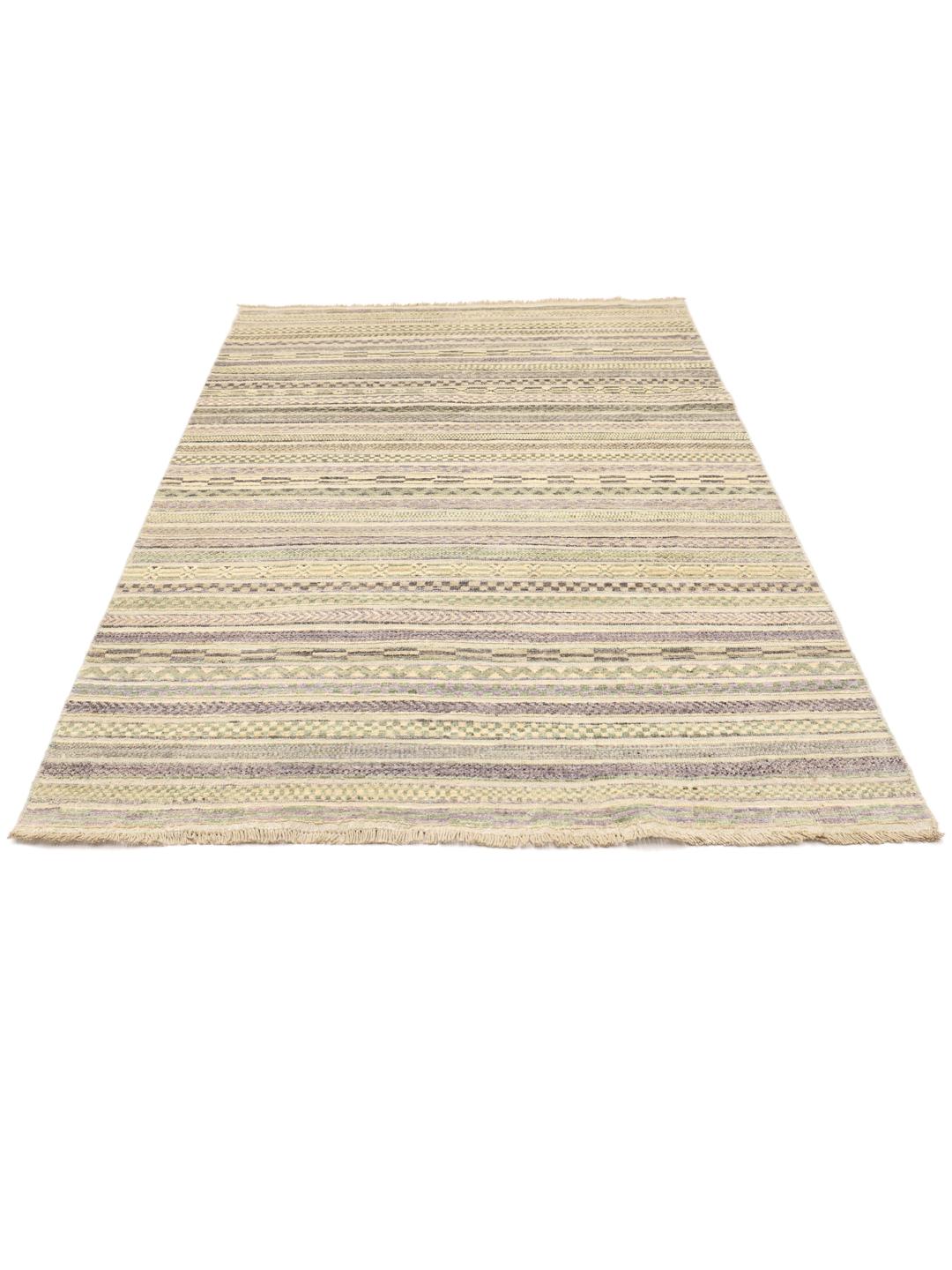
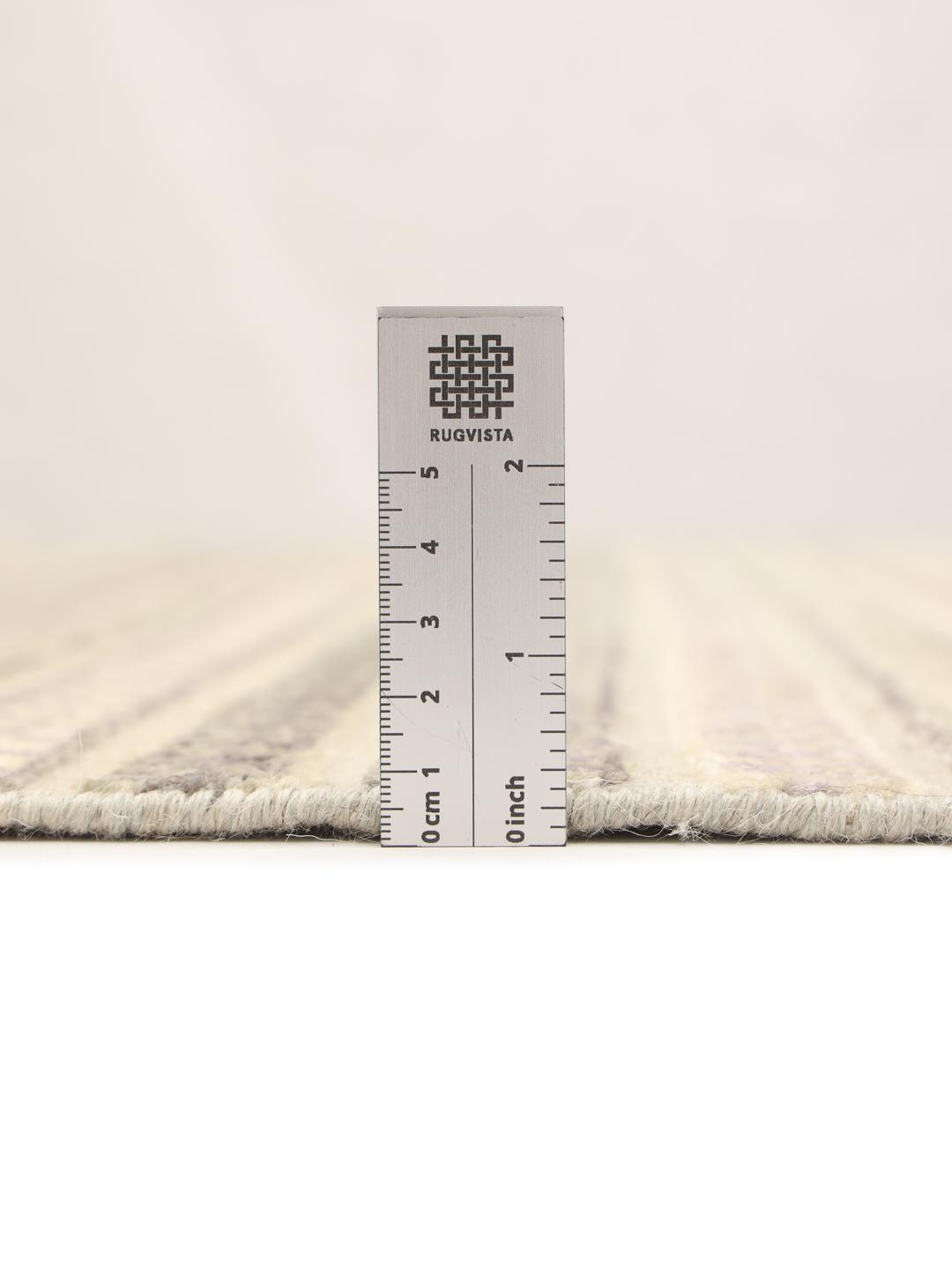
Gabbeh rugs are celebrated for their thick, plush pile and their artistic, often minimalist approach to design. Originating from the nomadic tribes of the Middle East, these rugs were traditionally woven for personal use, providing essential warmth and comfort within tents. Over time, their distinctive aesthetic has evolved, with modern versions now being crafted in regions like Afghanistan where traditional techniques remain vibrant and highly respected.
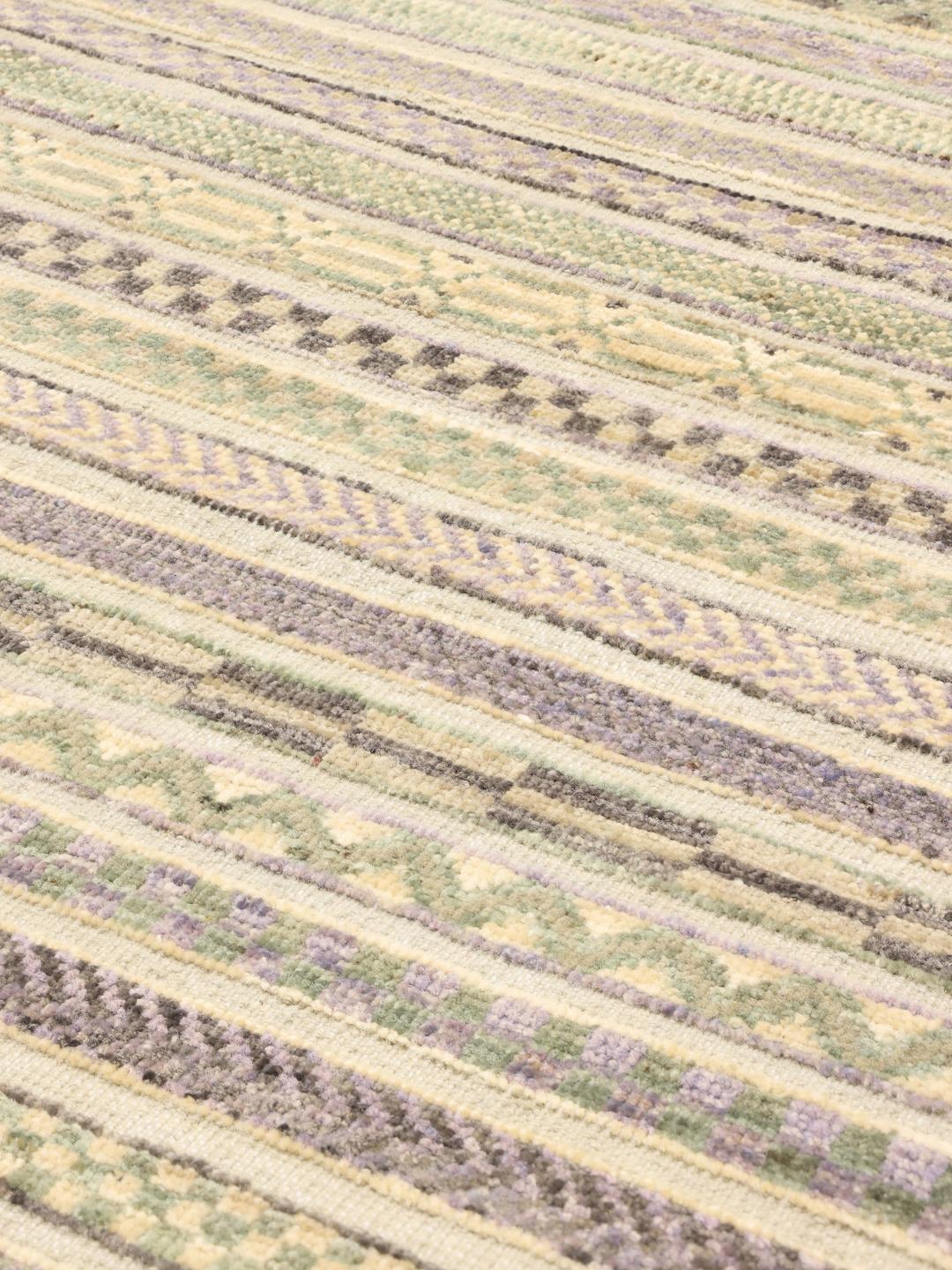
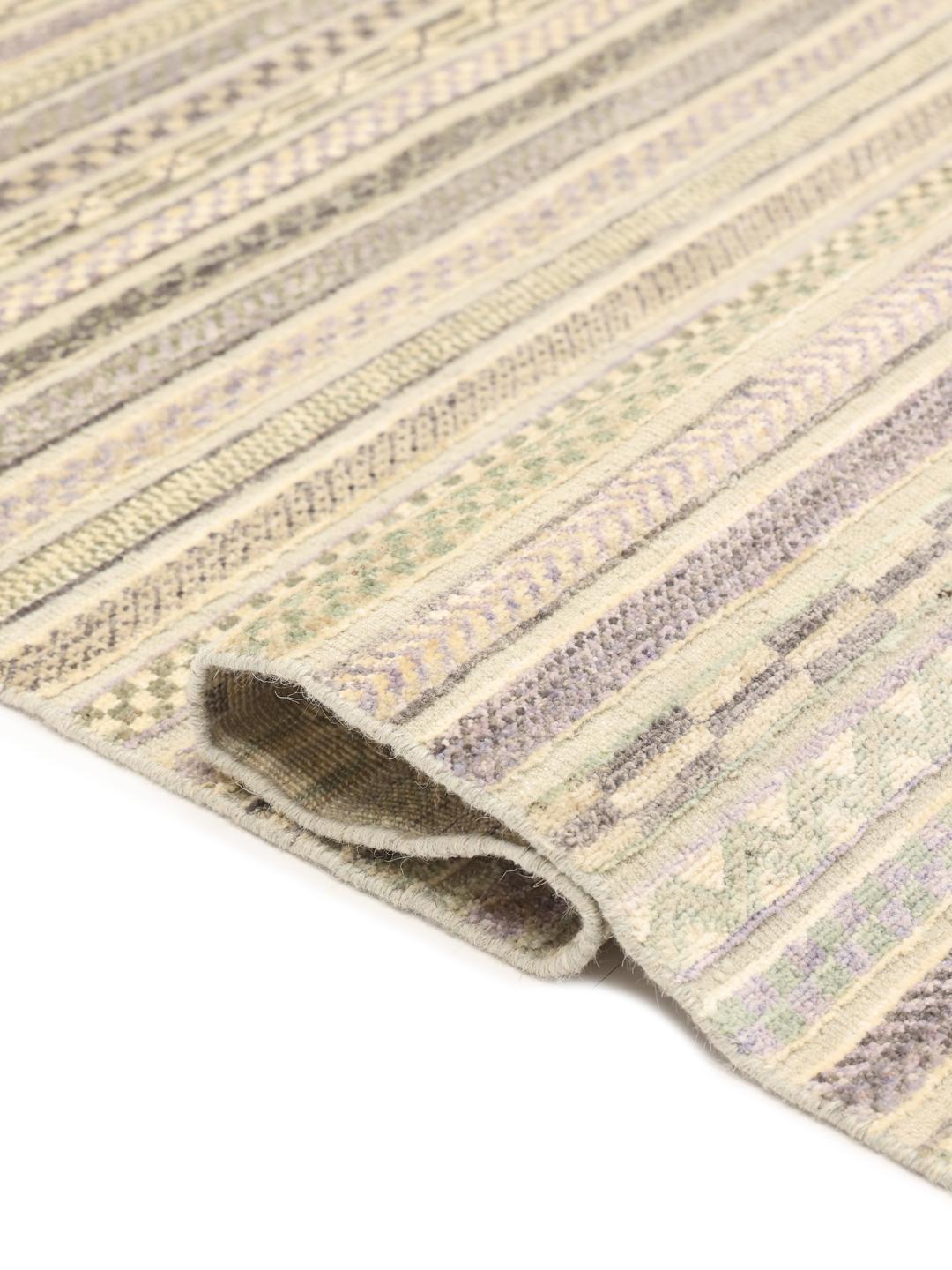
The term 'Gabbeh' refers to a rug that is typically coarser and more abstract than more formal, city-woven carpets. This style focuses on the beauty of the raw material, often utilizing hand-spun wool that retains its natural character and slight variations in tone. These variations are not considered flaws, but rather the hallmark of a genuine, hand-crafted item that possesses depth and soul.
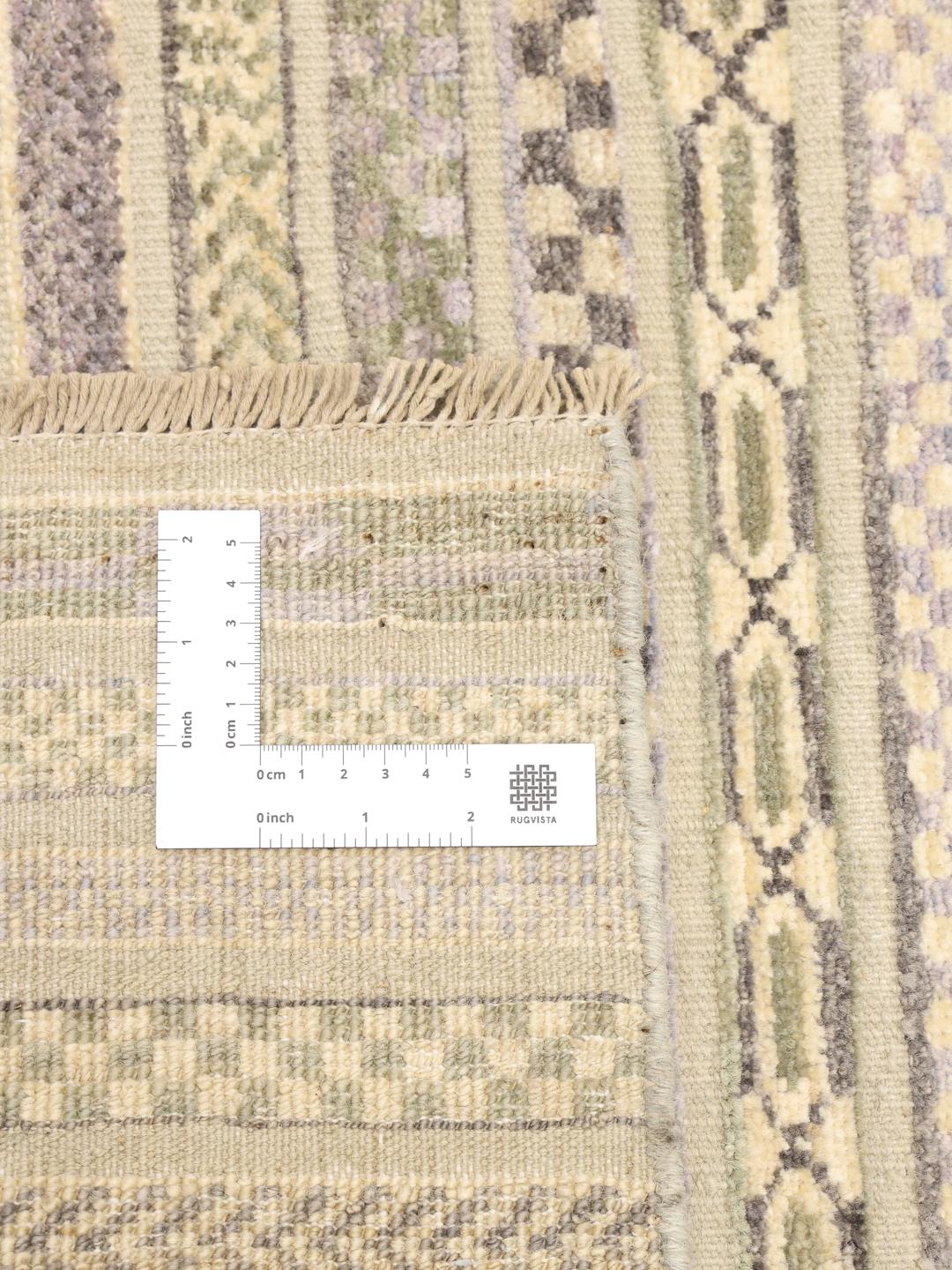
Visually, these rugs are known for their use of negative space and rhythmic, geometric motifs. While traditional tribal Gabbehs often featured bold, symbolic patterns, the modern iteration seen here embraces a striped composition. This shift reflects a contemporary design sensibility while maintaining the essential, earthy charm that has made the Gabbeh a beloved category among collectors and interior enthusiasts alike.
Valued for their cultural weight and lasting quality, these rugs represent a bridge between ancient heritage and modern living. Owning a piece from this tradition is an investment in human skill and regional history. It serves as a reminder that behind every thread lies a story of tradition, making it a meaningful addition to any home that values authenticity and enduring craft.