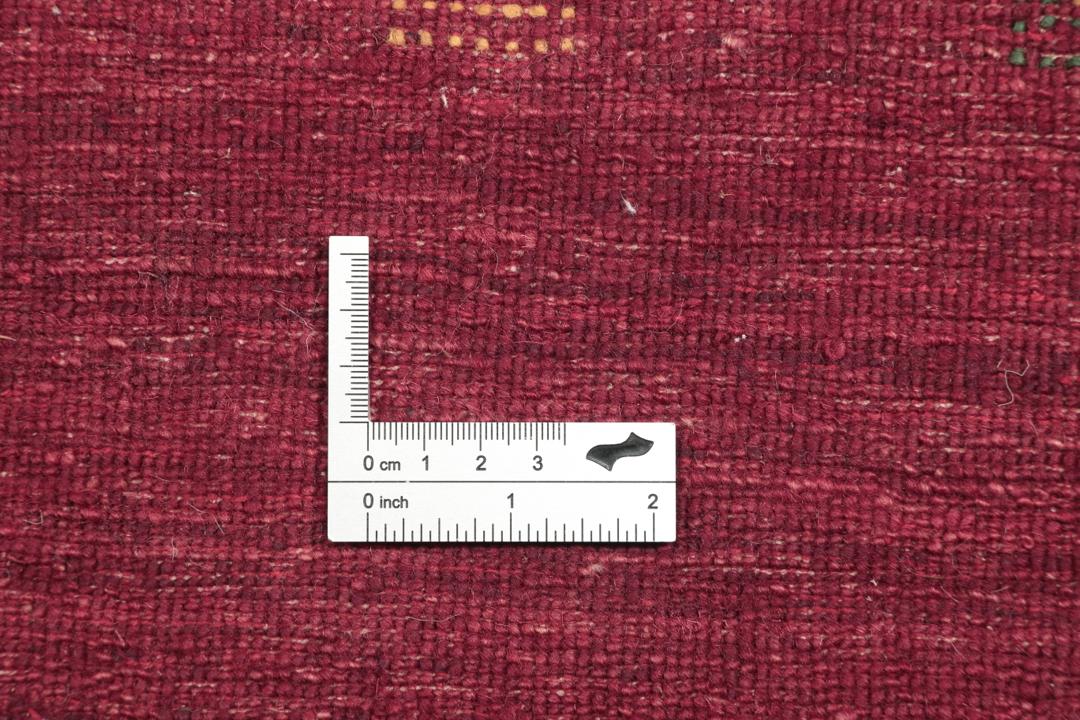
The Loribaf and Kashkooli styles find their roots in the tribal traditions of the Middle East, though today some of the finest examples are produced in India. These rugs were historically created by nomadic tribes who used their weaving to tell stories of their environment, incorporating abstract motifs and natural dyes that reflected the world around them.
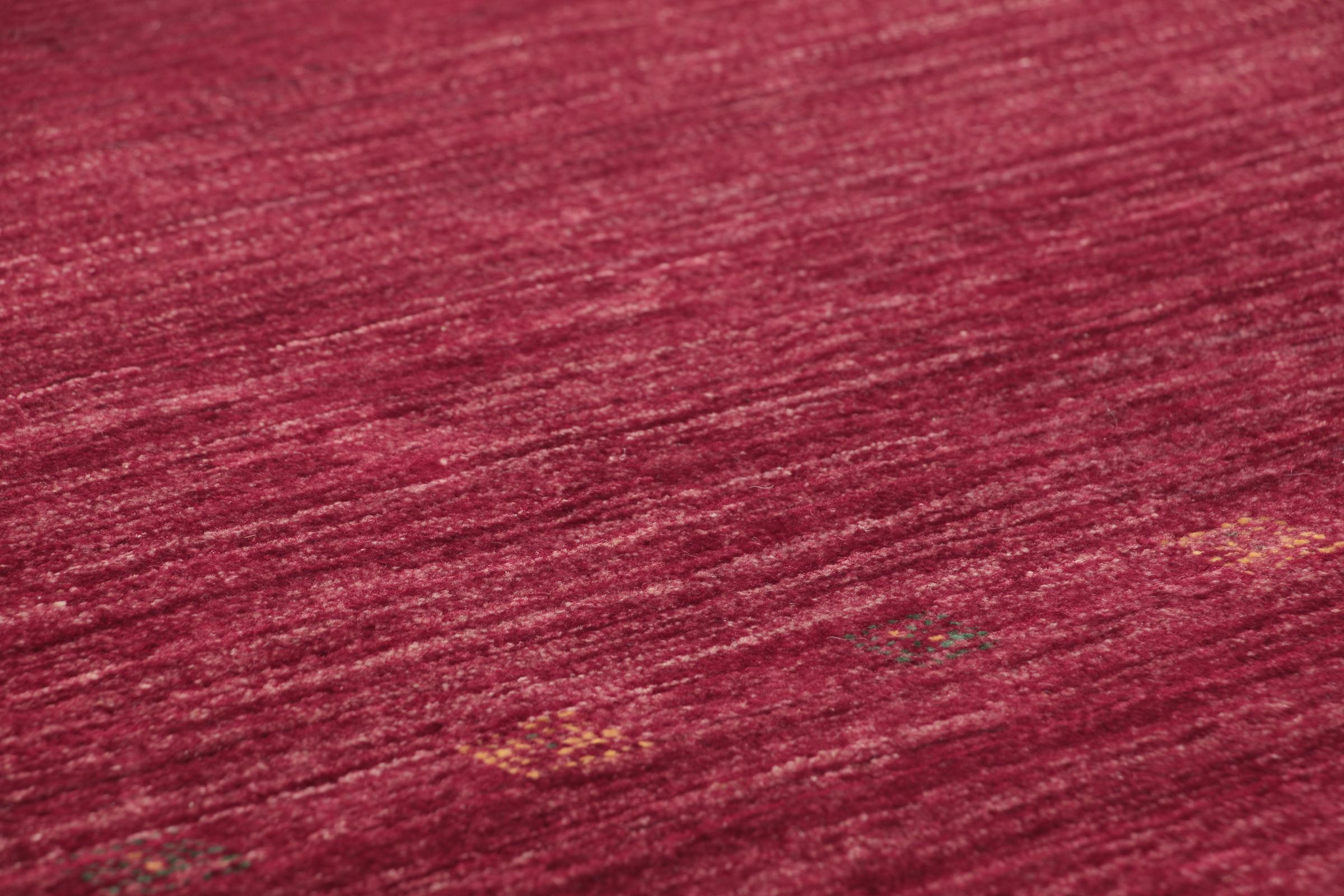
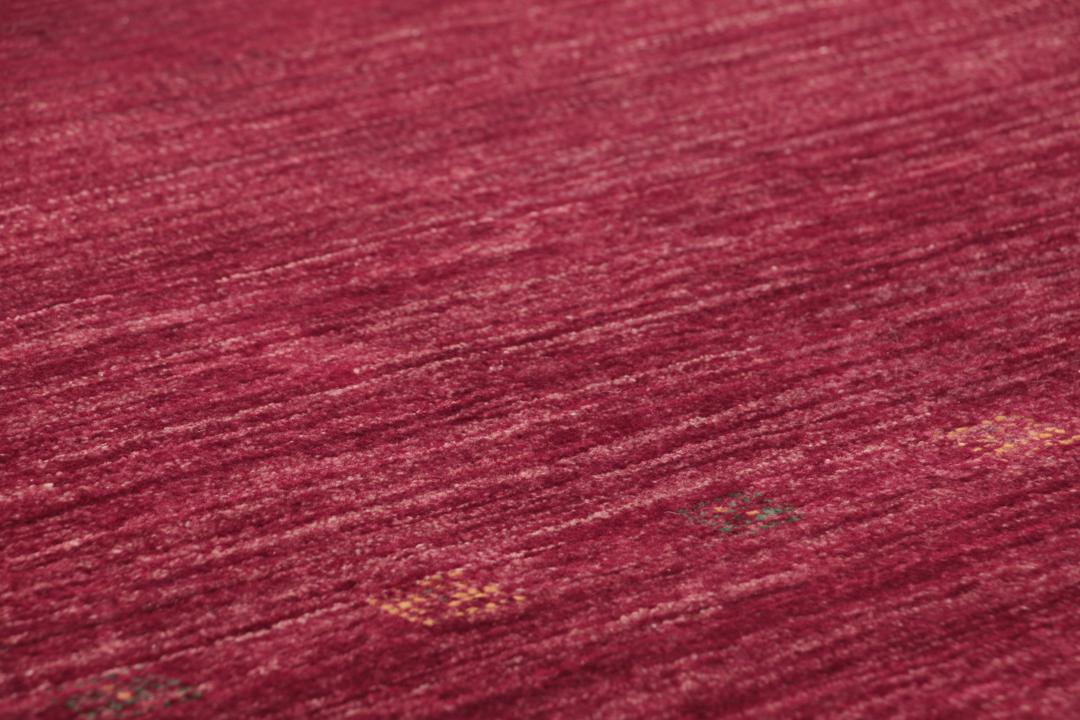
The term 'Loribaft' refers to a specific style of Gabbeh rug known for its finer knotting and more sophisticated finish compared to traditional, coarser tribal weaves. By using a tighter knotting technique, these rugs achieve a more refined texture and allow for more detailed patterns, bridging the gap between rustic tribal heritage and modern interior needs.
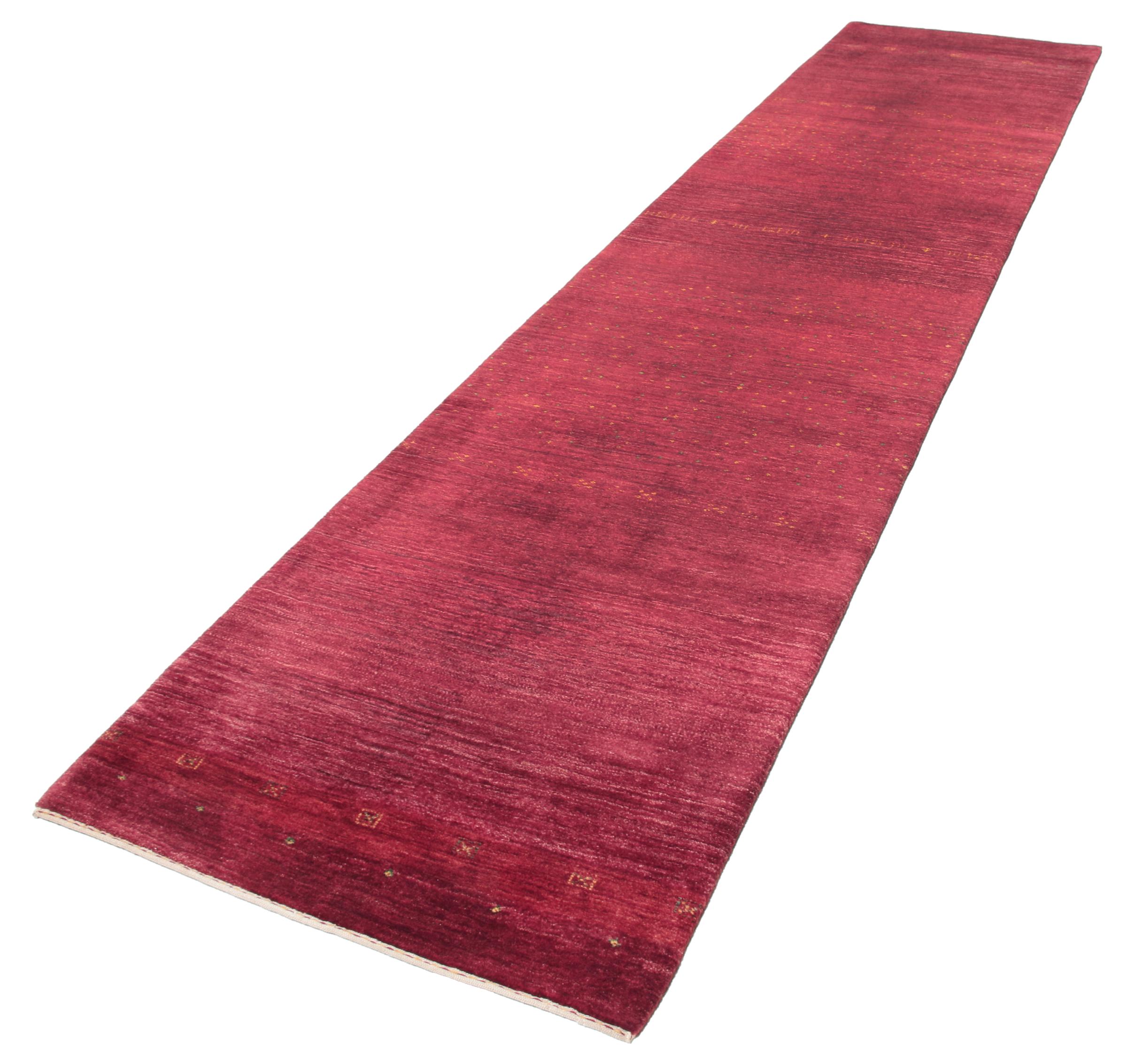
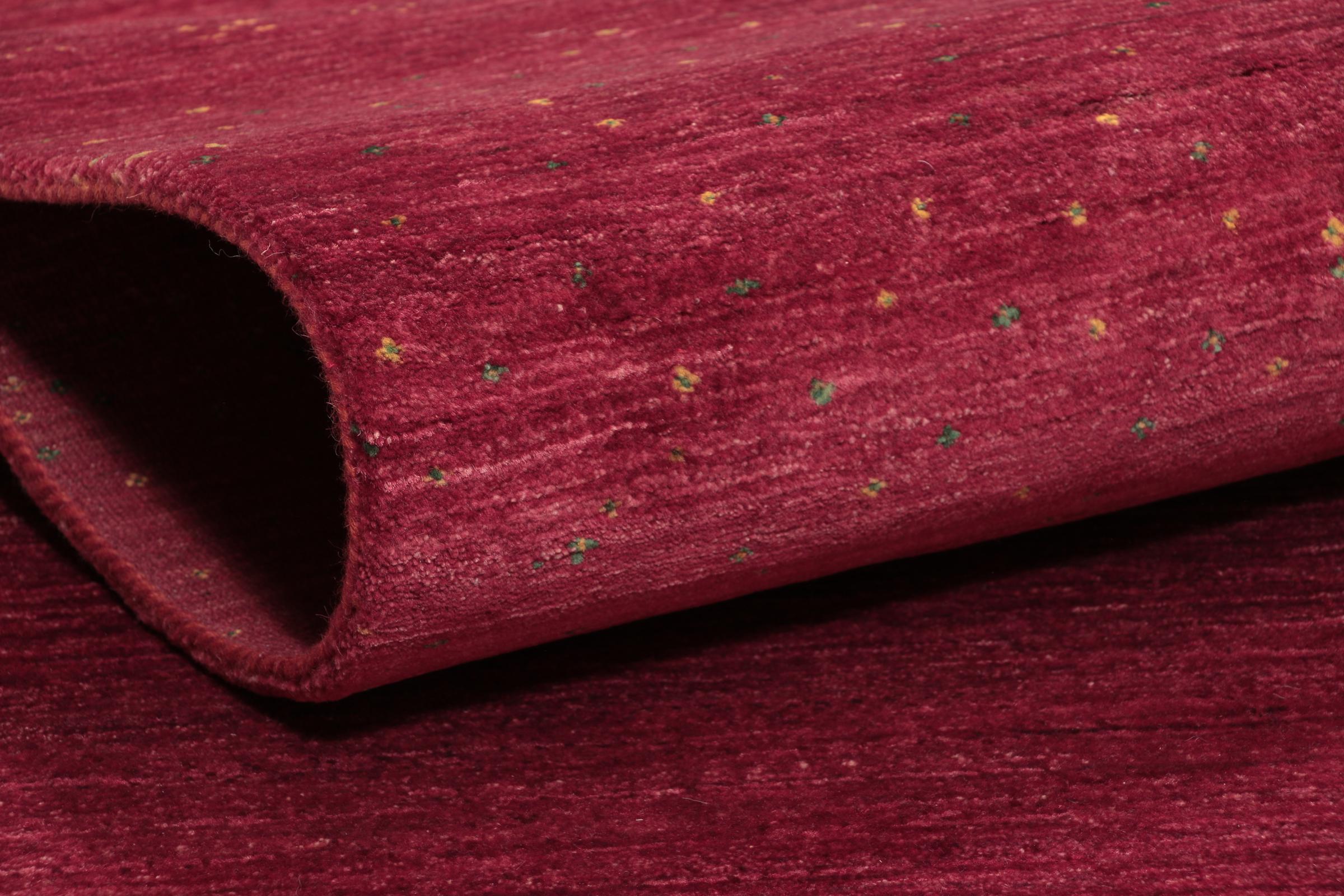
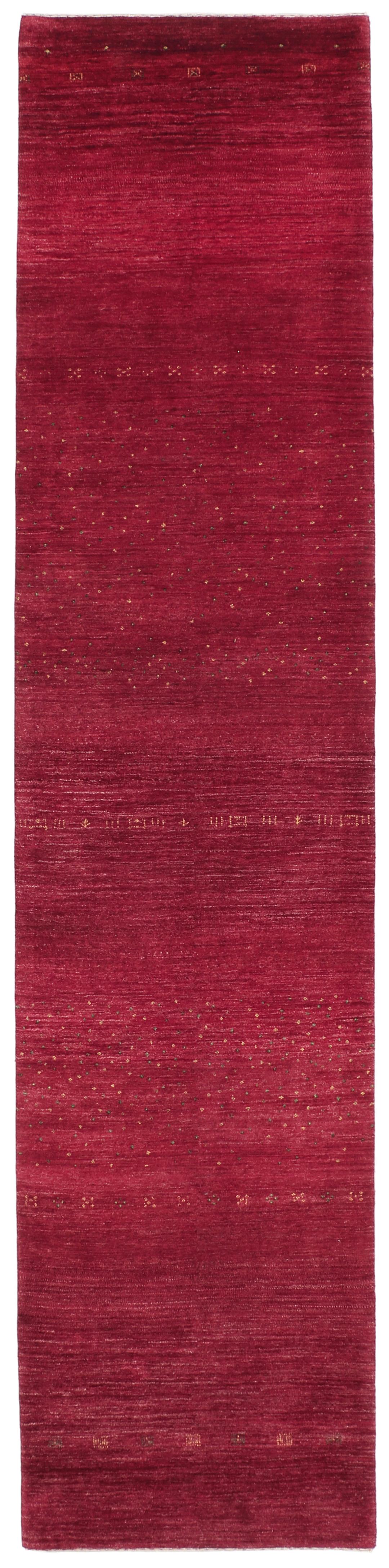
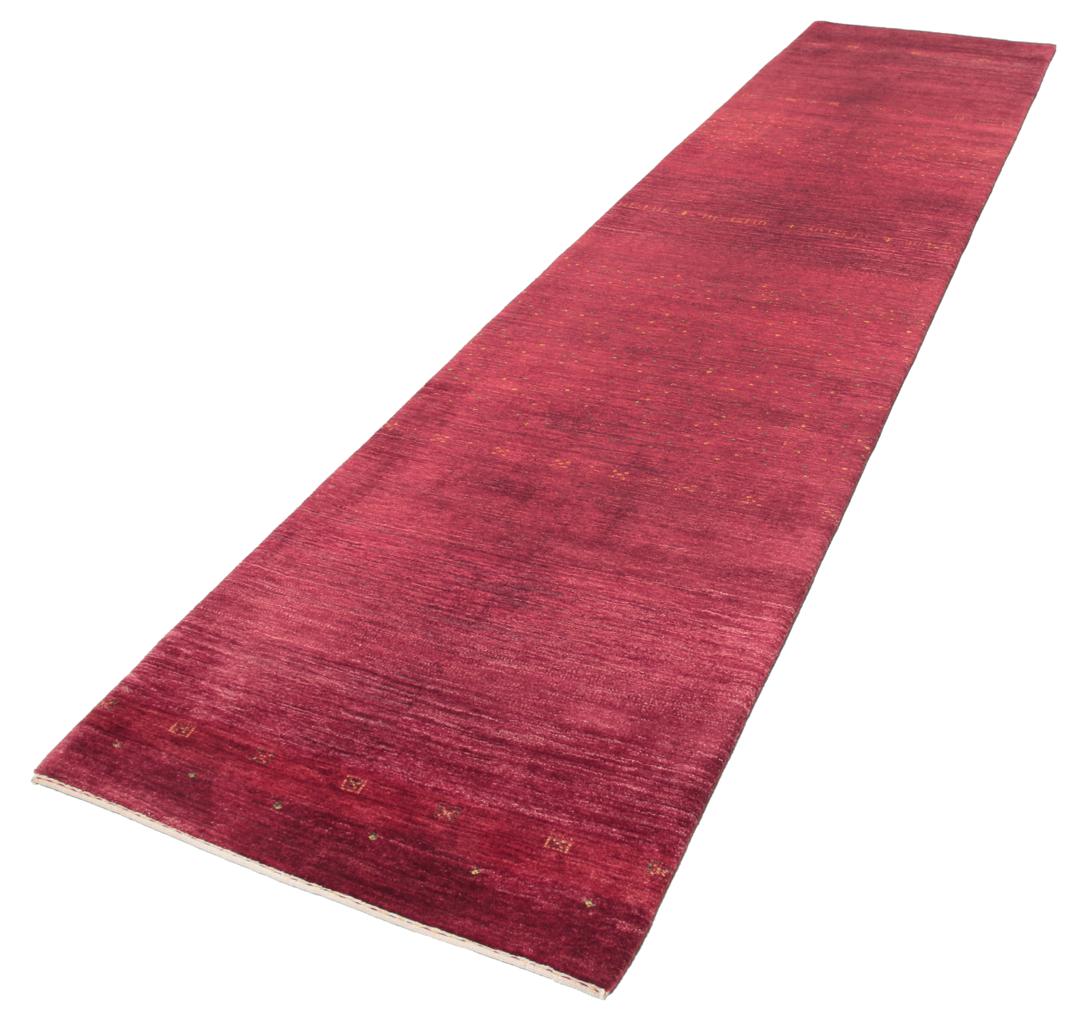
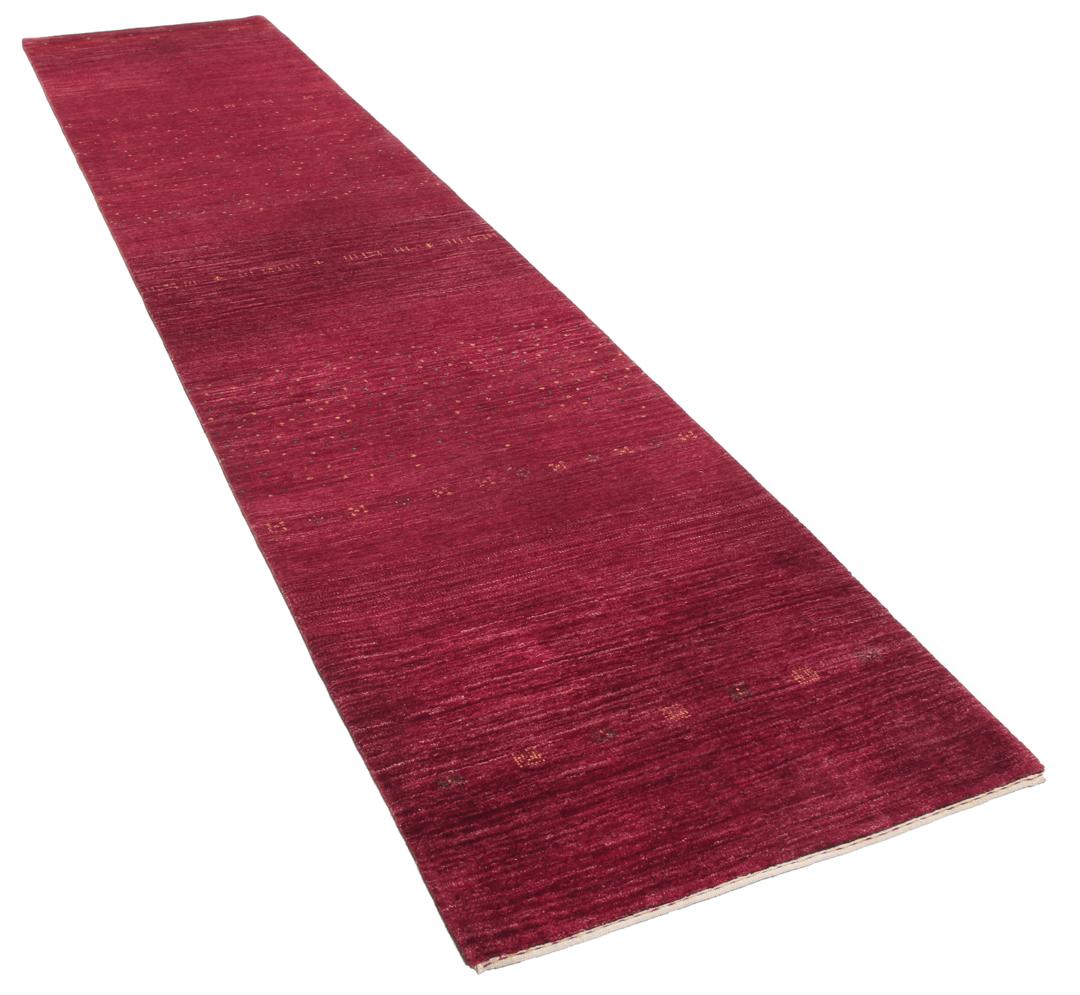
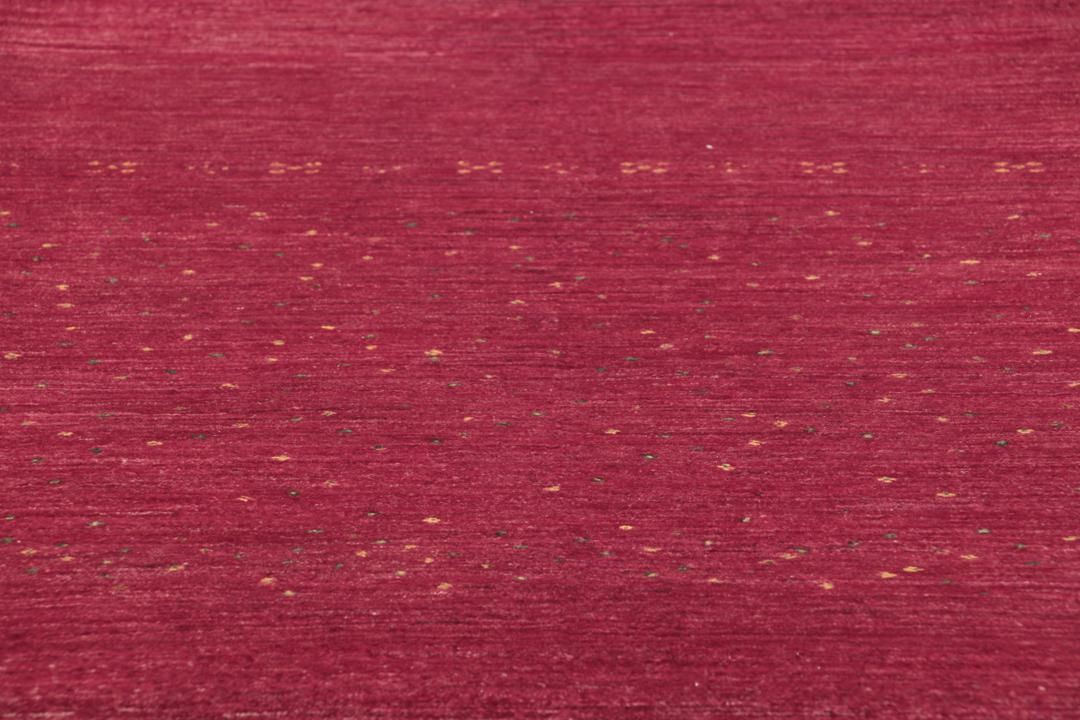
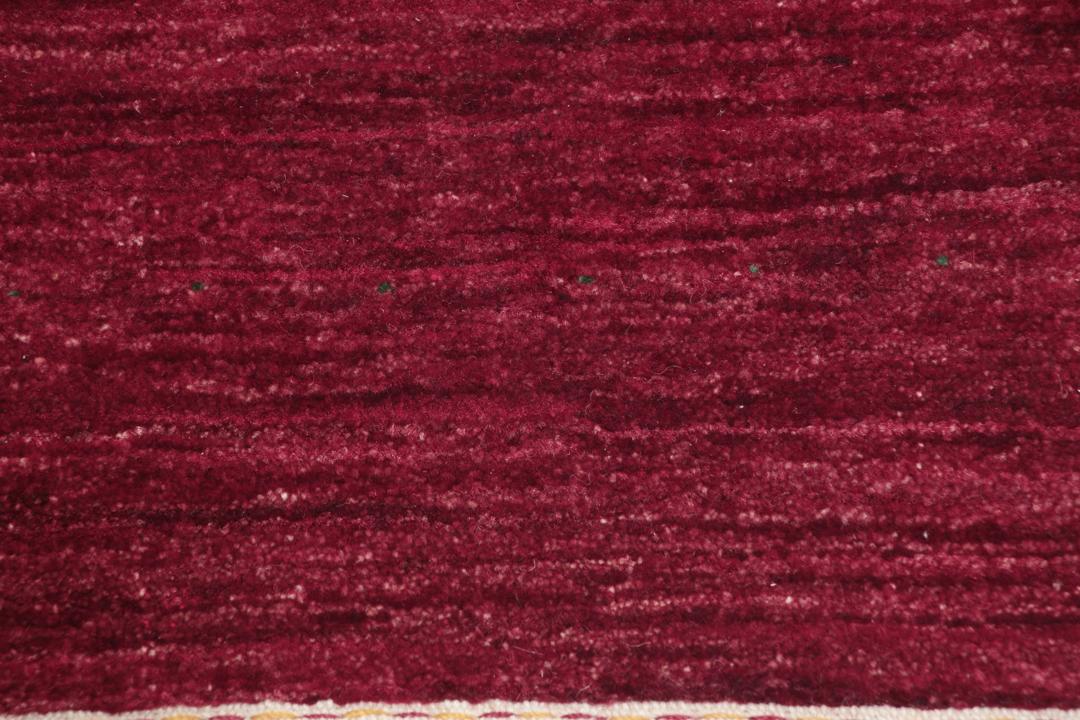
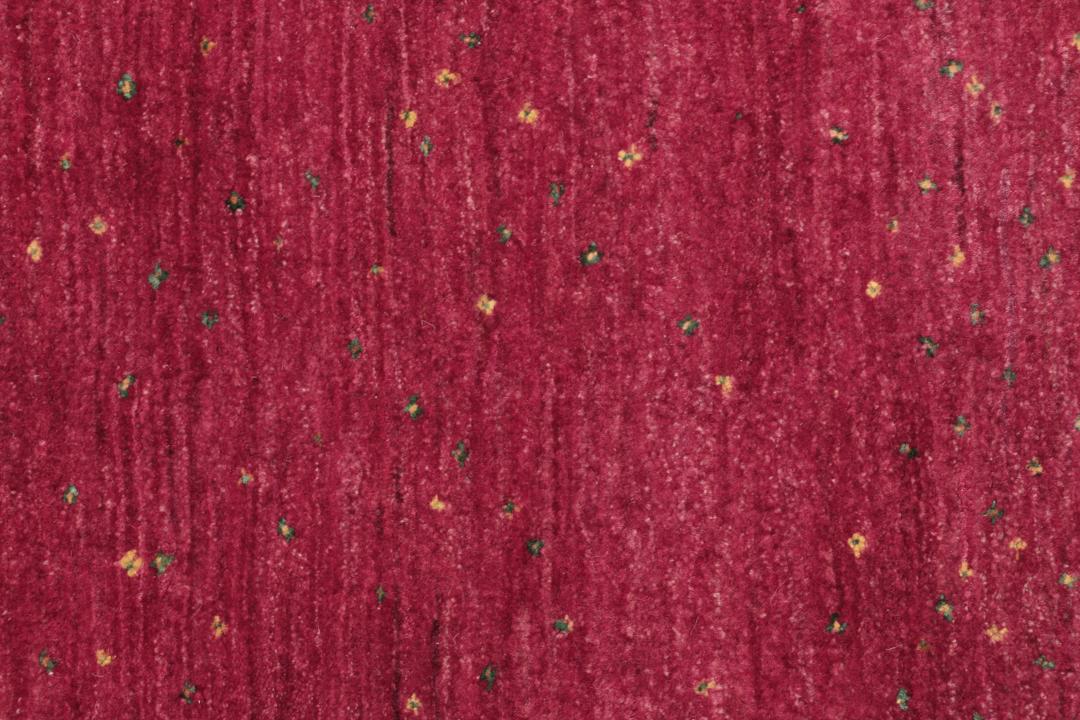
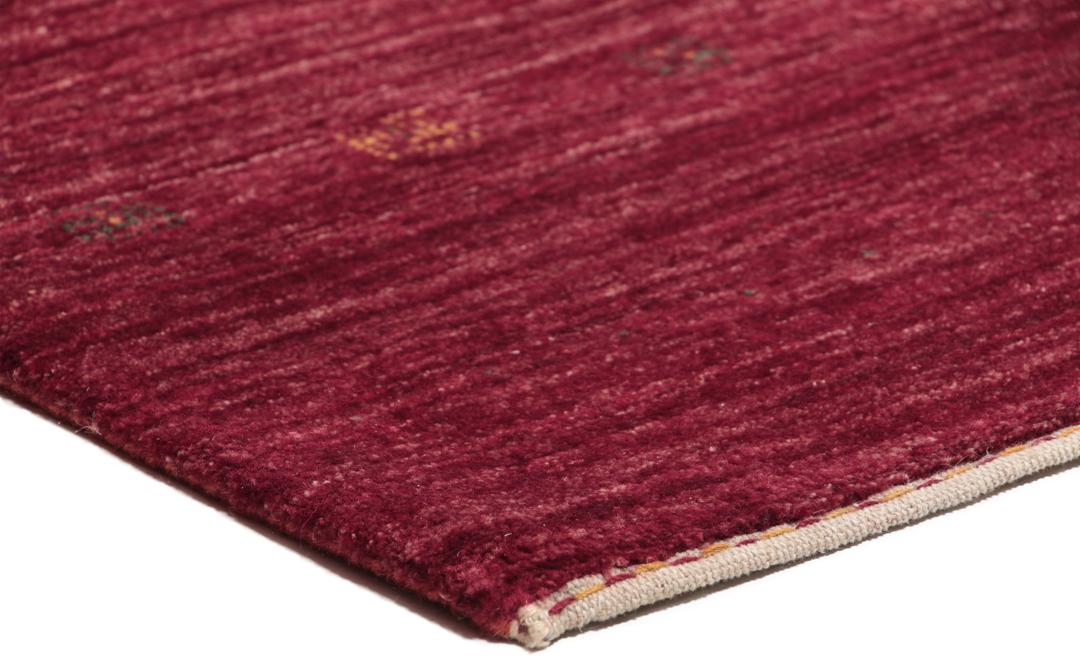
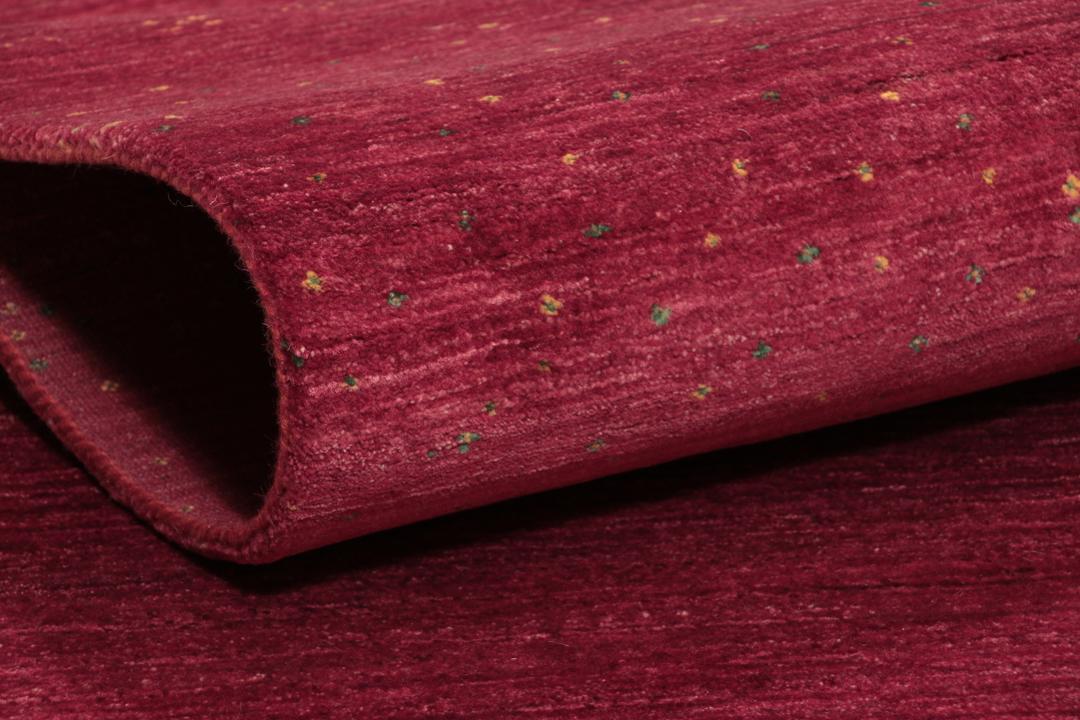
Visually, these rugs are defined by their minimalist yet expressive designs. While traditional Gabbeh rugs are often known for their bold, open fields of solid colour, they occasionally feature subtle, sparse motifs like the small, delicate details seen in this piece. This approach focuses on the beauty of the Wool's natural variations and the richness of the dye, creating a piece that feels both contemporary and deeply connected to its origins.
Collecting a piece from this tradition is a way of preserving a craft that prioritizes human expression over mechanical uniformity. These rugs are highly valued for their ability to bring a sense of history and soul to a room. Owning one means appreciating the skill involved in every knot and the cultural legacy that continues to live on through these beautiful, handmade textiles.