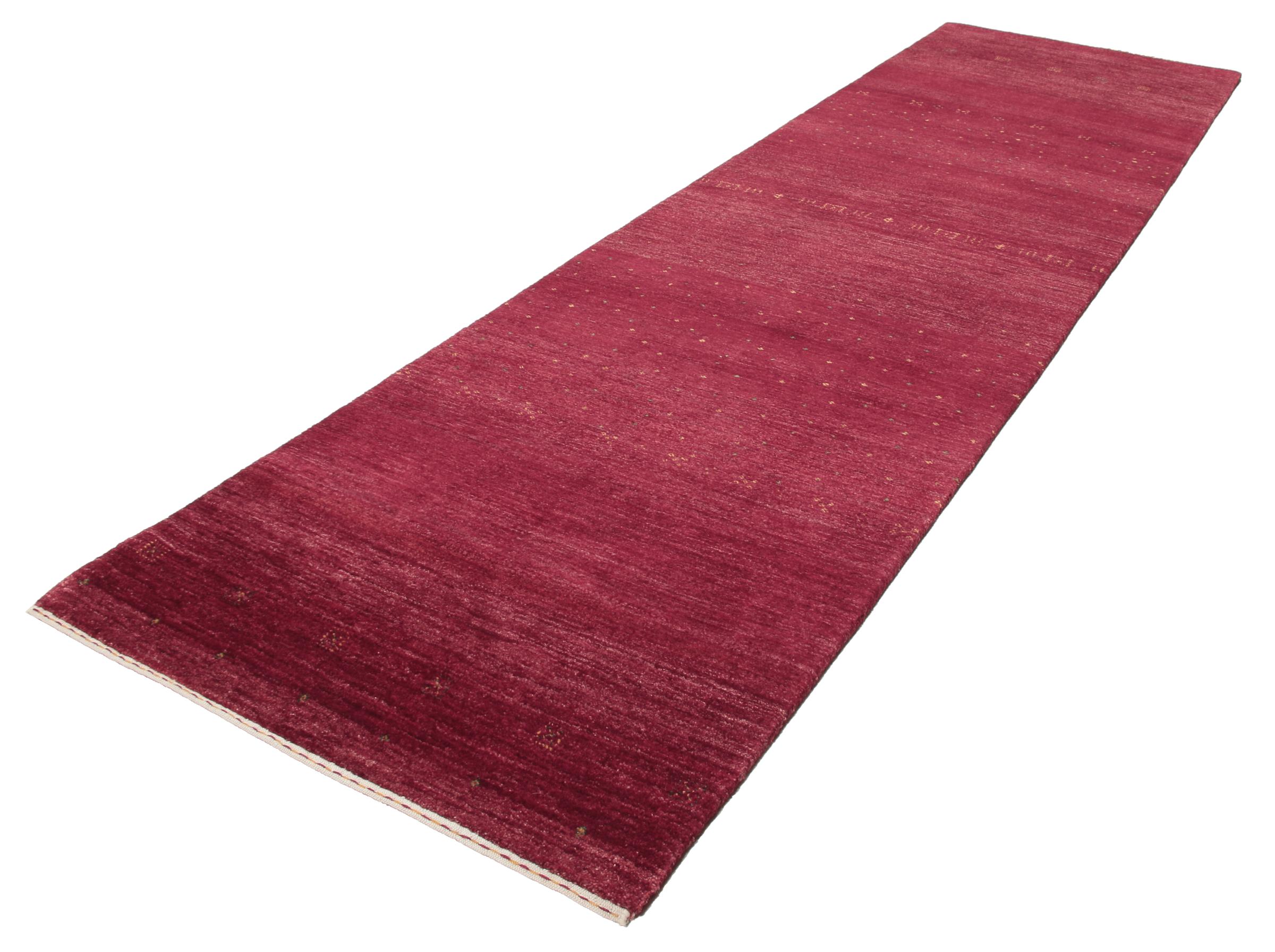
The Loribaft tradition finds its roots in the nomadic weaving practices of the Middle East, where weavers created rugs not just for utility, but as a canvas for cultural expression. Over generations, these techniques migrated and evolved, with India becoming a modern hub for producing these dense, high-quality pieces that honour the original nomadic spirit.
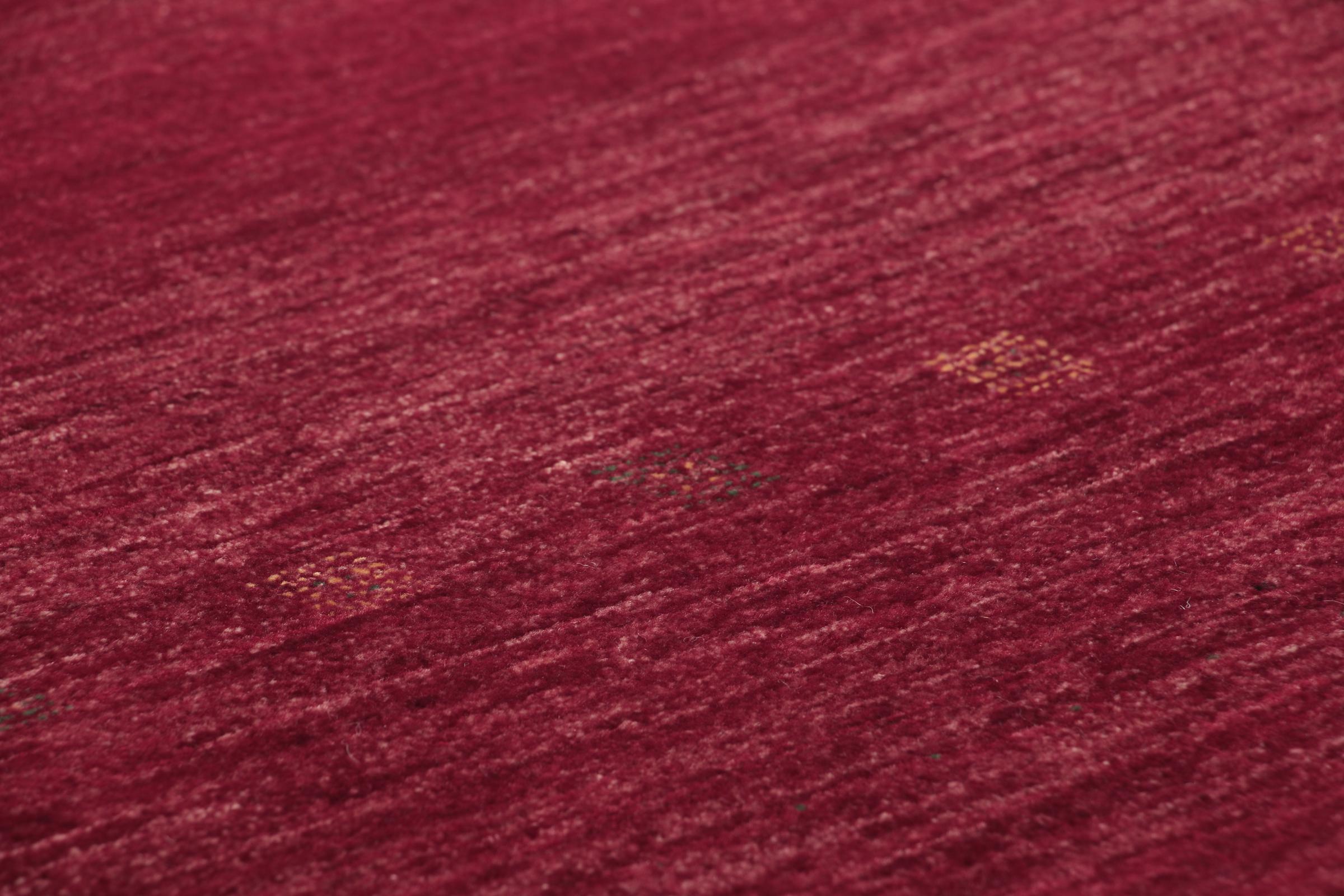
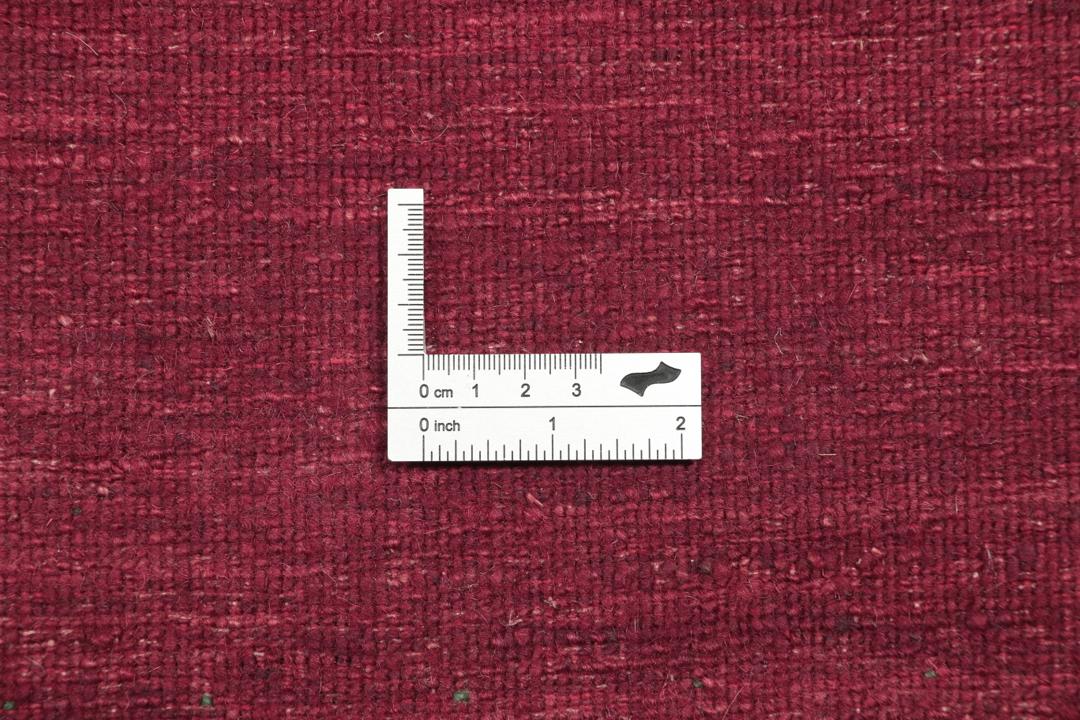
The term 'Loribaft' refers to a specific, refined style of Gabbeh weaving known for its higher knot density and smoother, more polished finish compared to traditional, coarser tribal rugs. This evolution in technique allows for a more uniform pile that feels exceptionally soft while retaining the rustic, honest charm that makes the category so beloved.
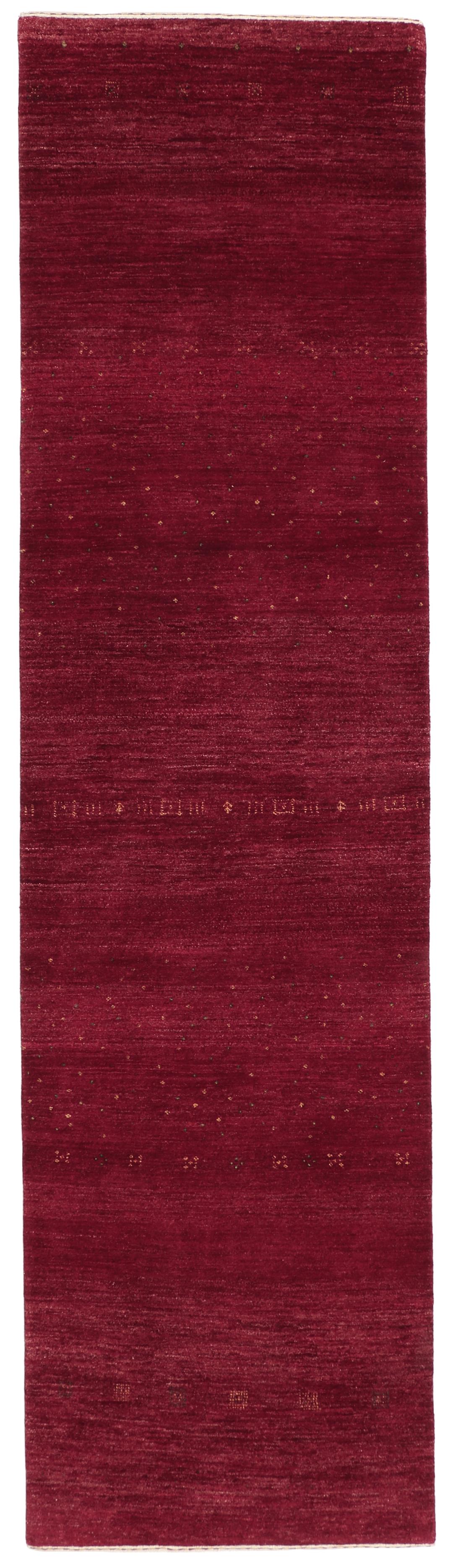
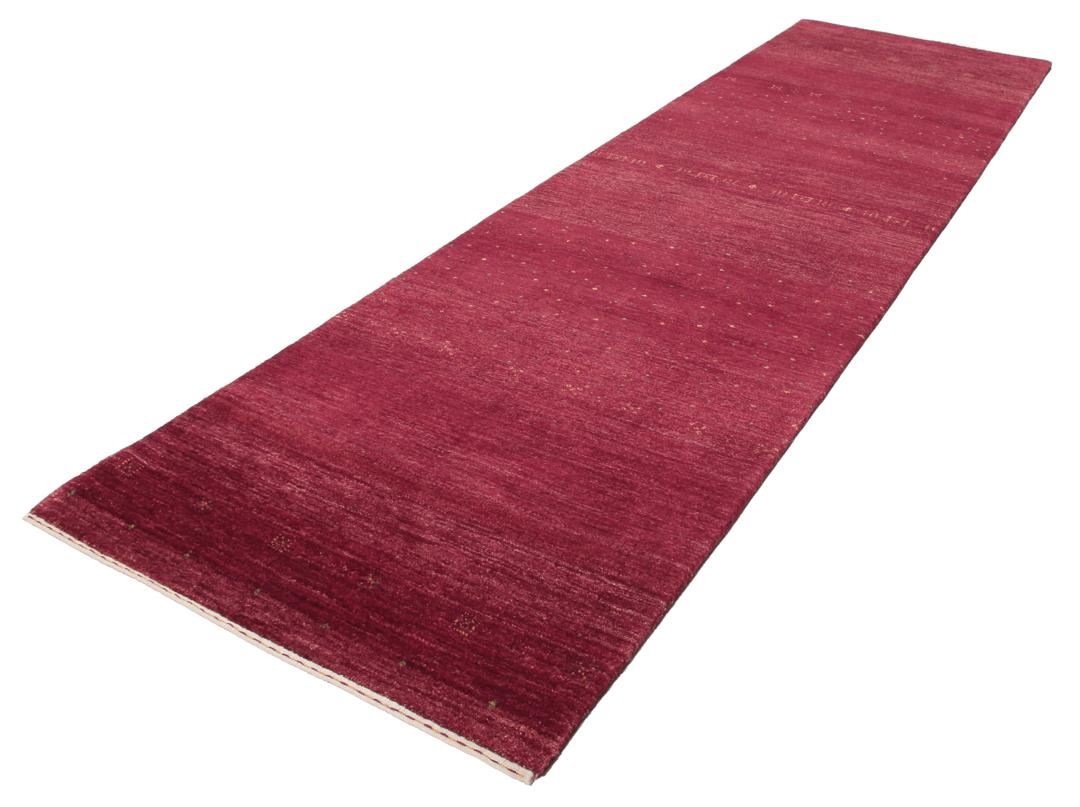
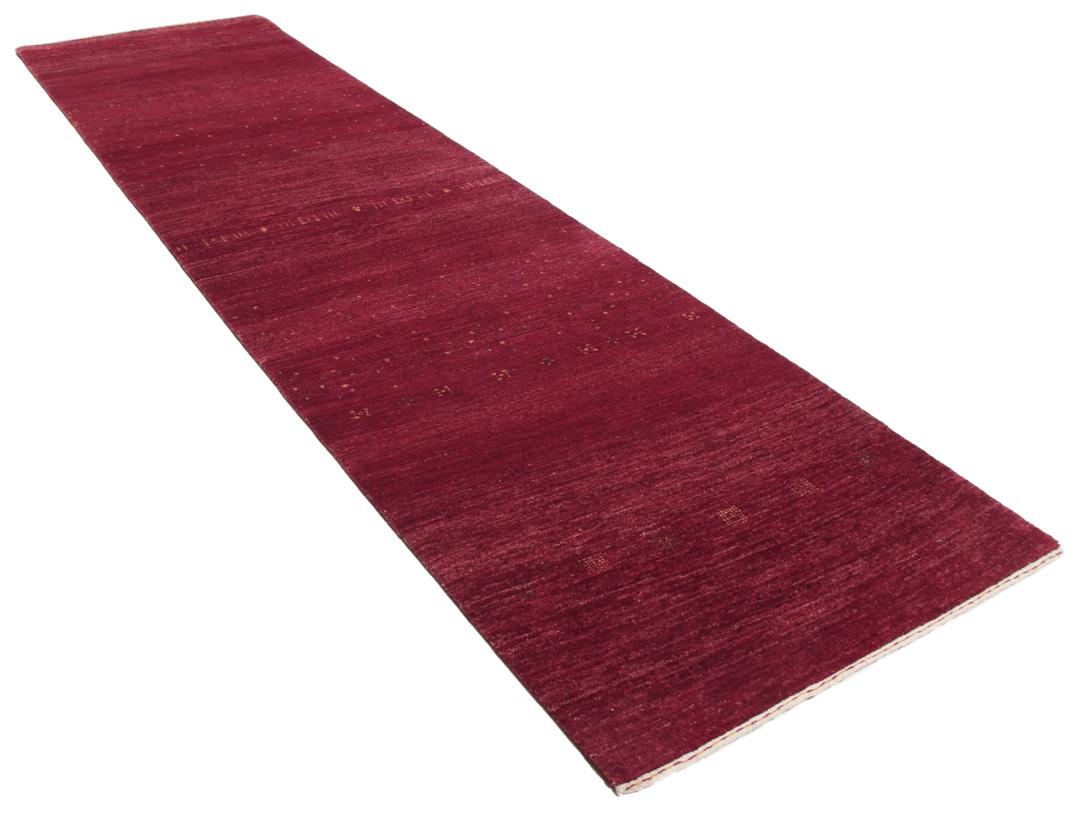
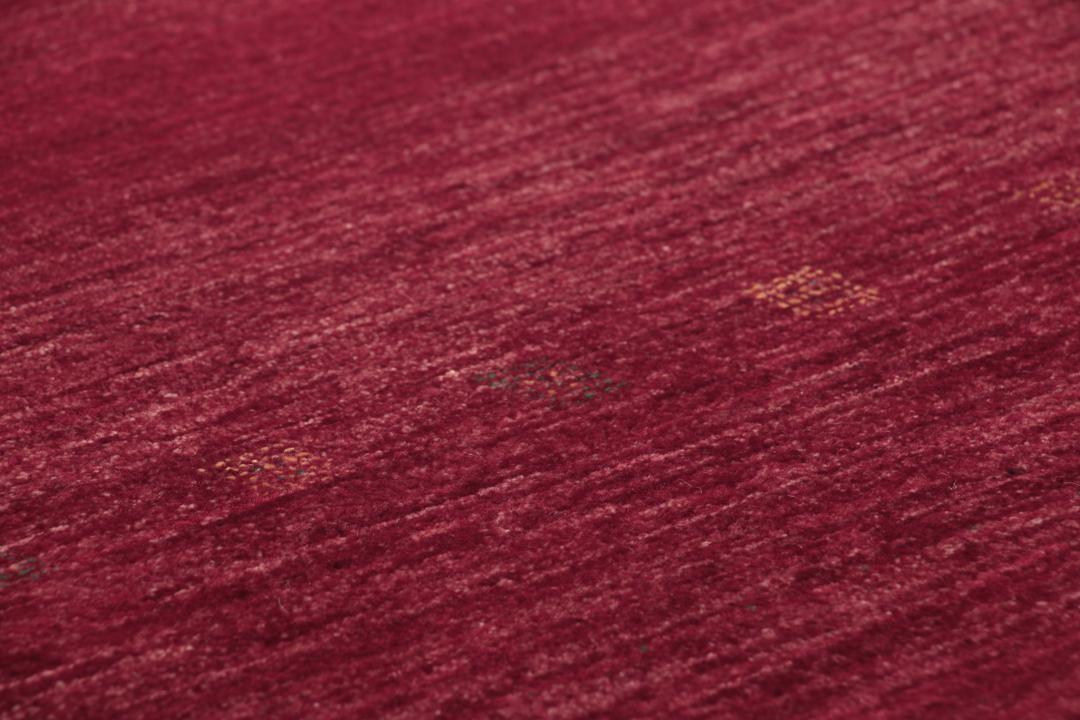
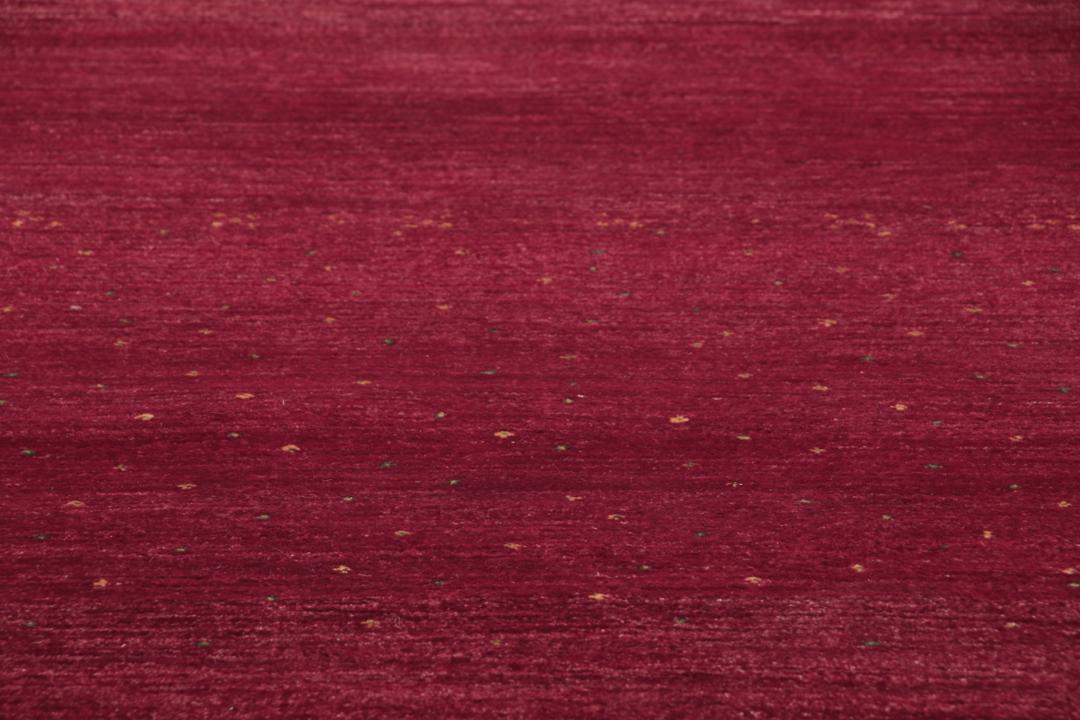
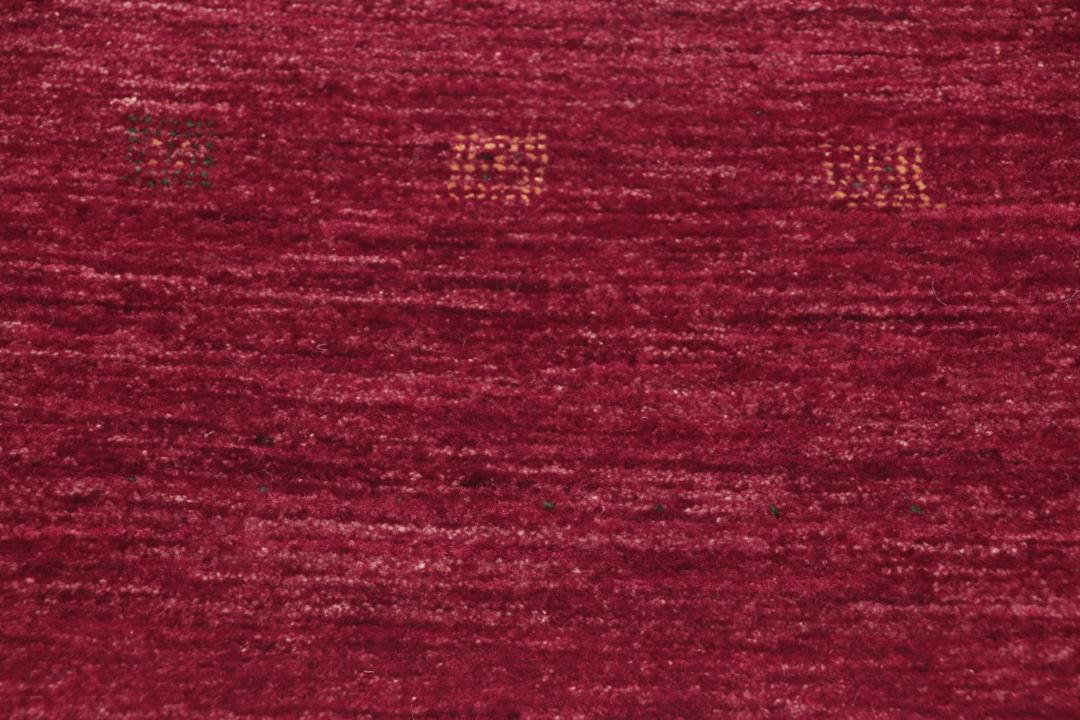
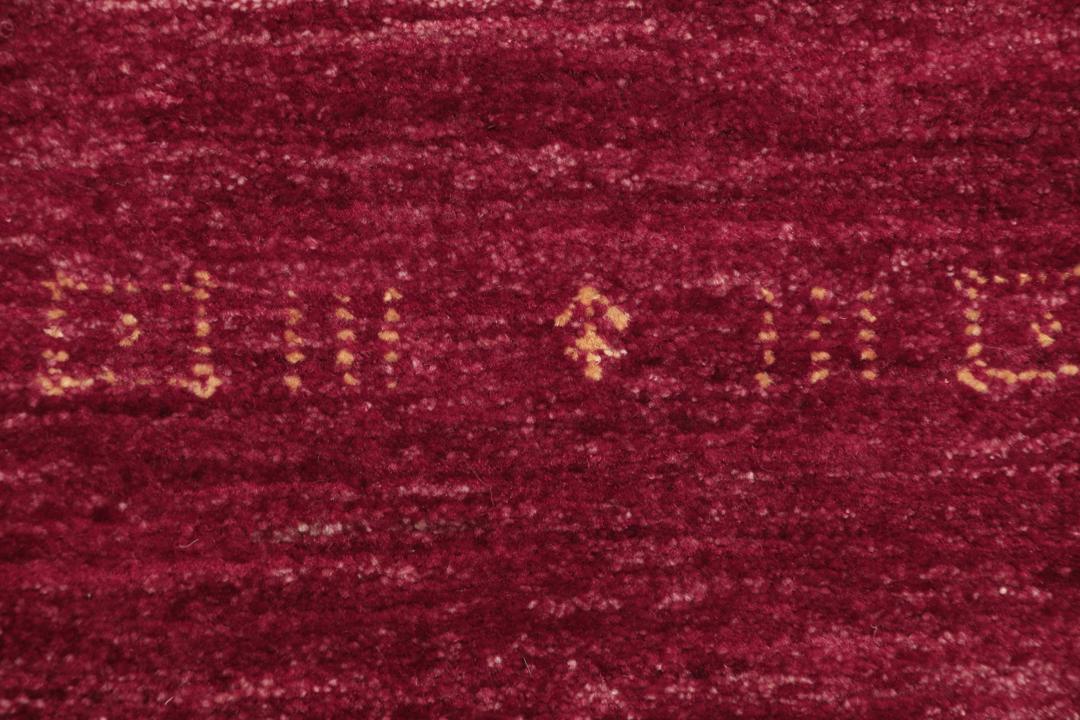
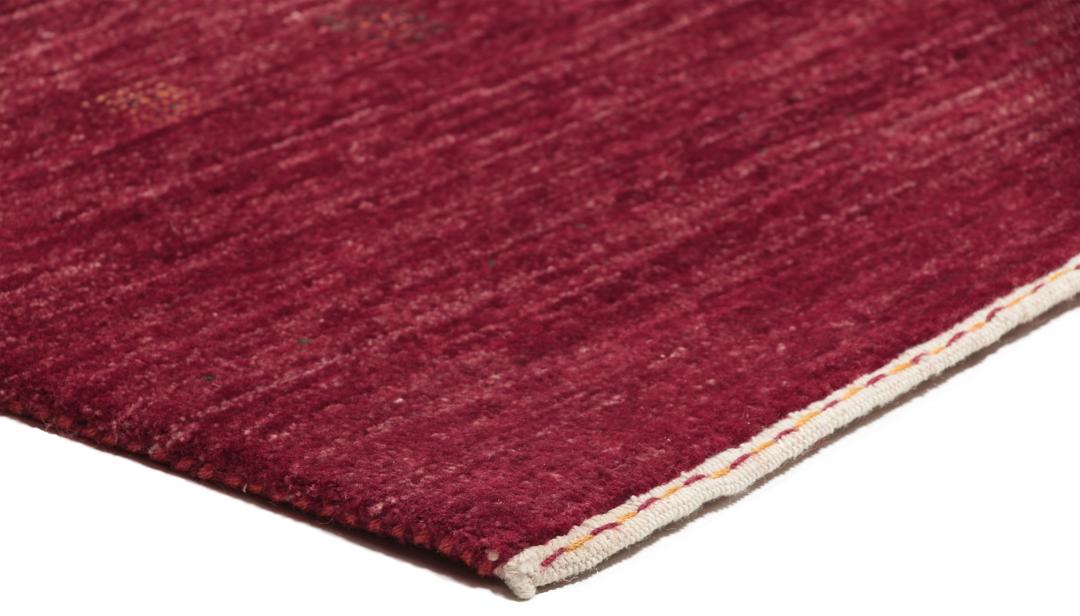
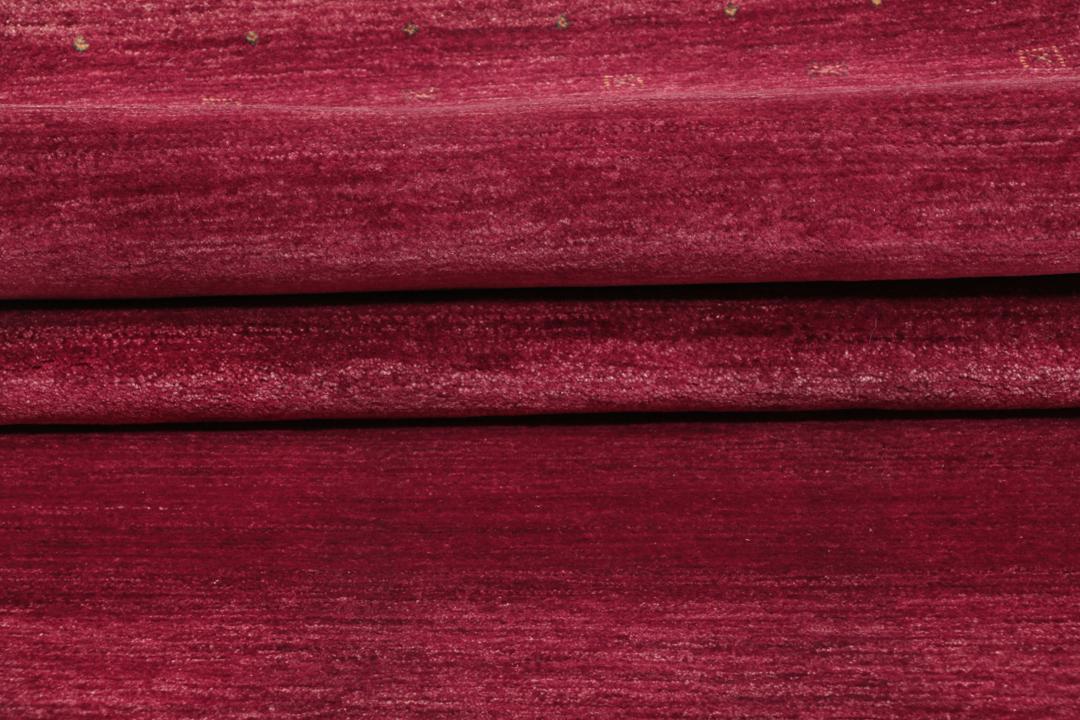
Visual language in this tradition is often characterised by a focus on the field itself, frequently using deep, monochromatic tones punctuated by small, symbolic motifs. In this instance, the sparse, delicate details across the field provide a quiet contrast to the intensity of the colour, following a tradition of understated elegance that lets the quality of the wool speak for itself.
Collecting a piece from this tradition is about more than just decor; it is about preserving a legacy of skill and human connection. These rugs are highly valued for their ability to bring warmth and a sense of history into a space, offering a tactile connection to a craft that has been passed down through centuries.