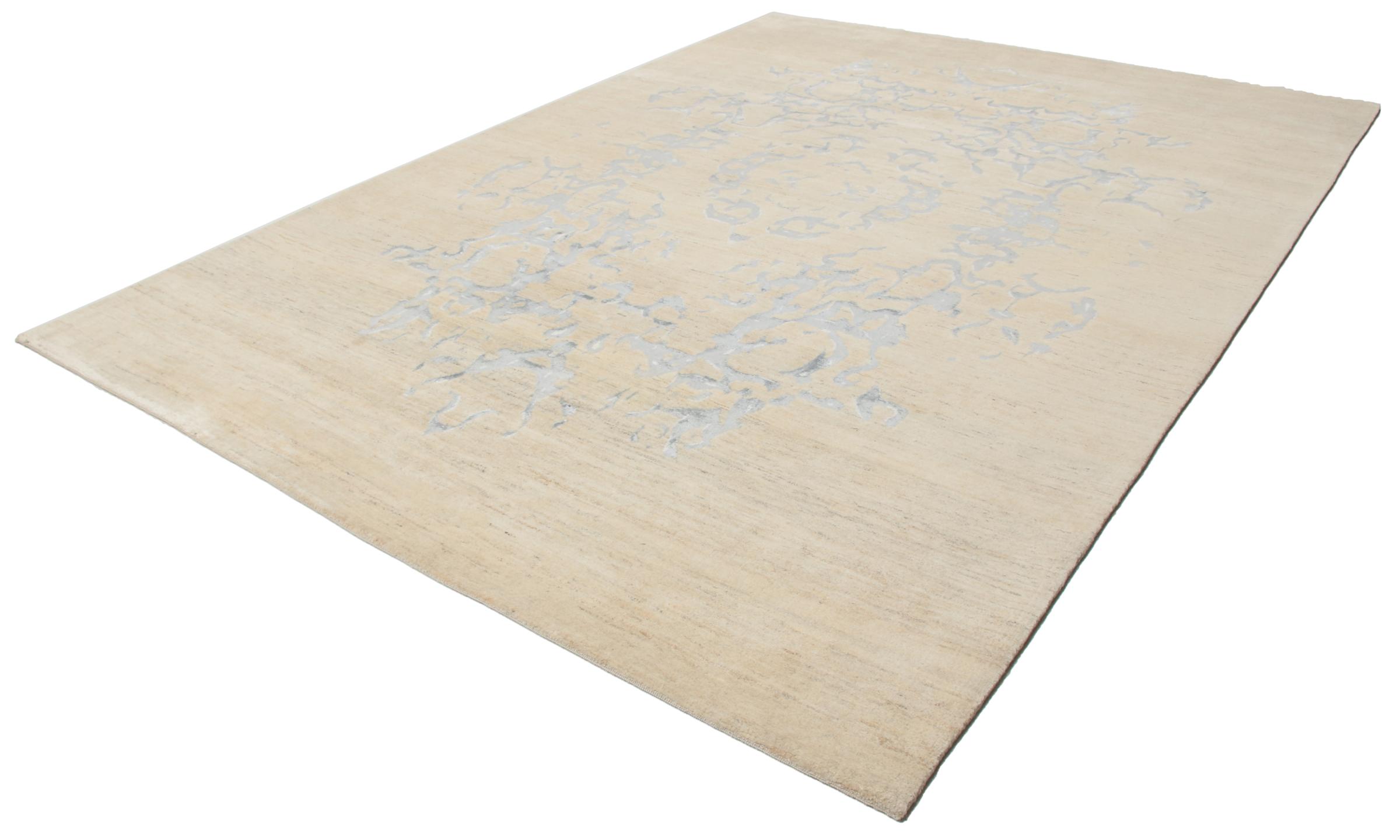
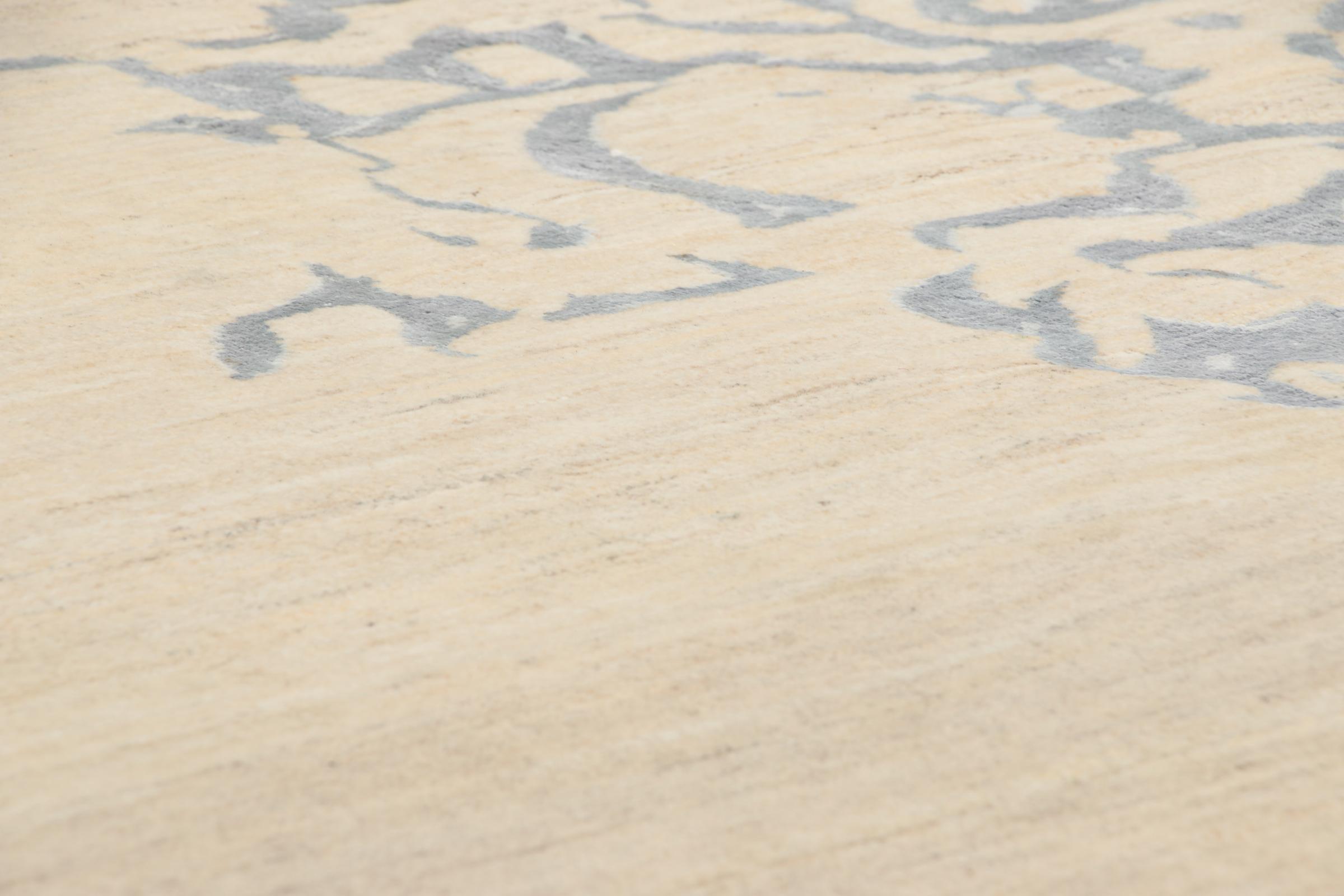
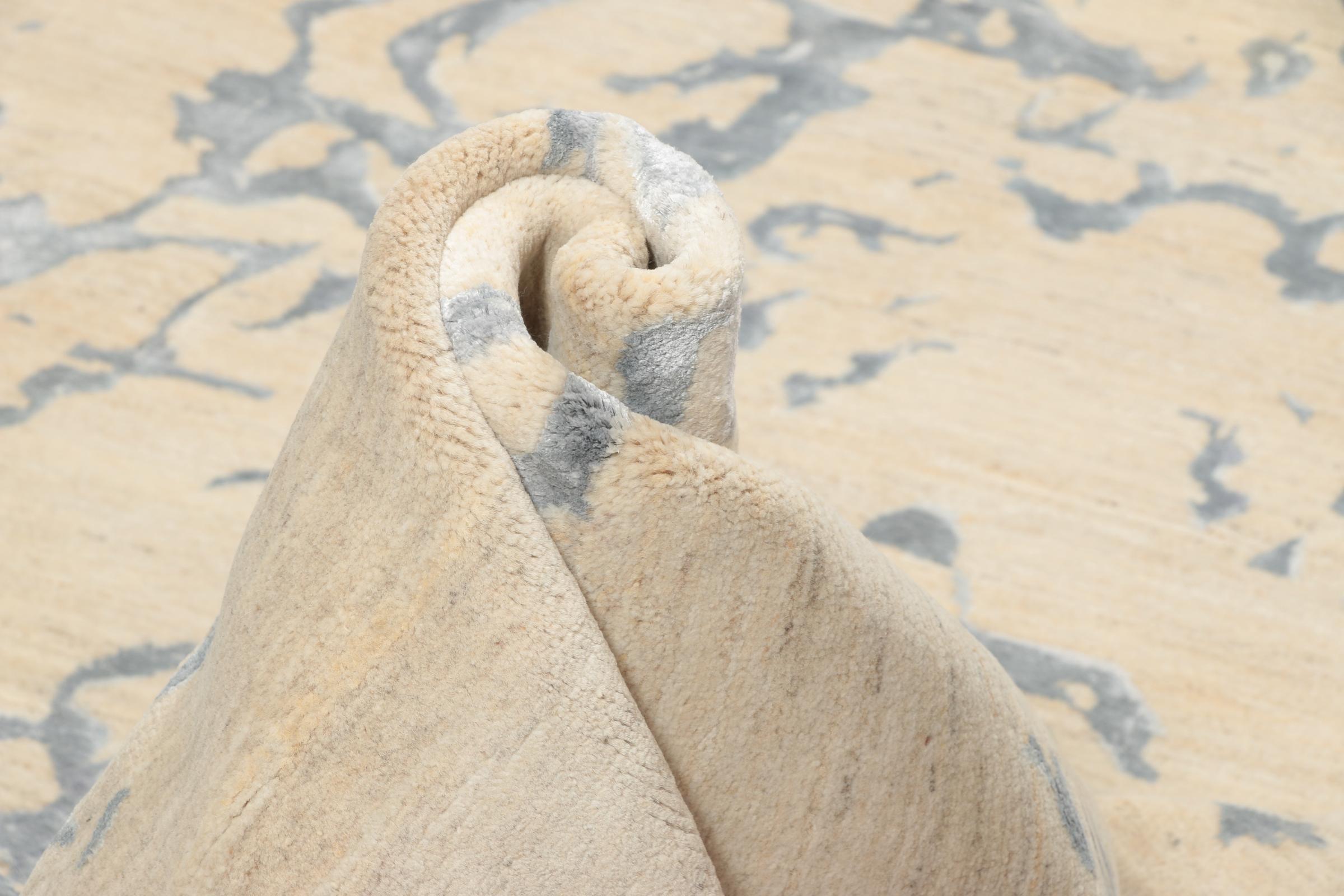
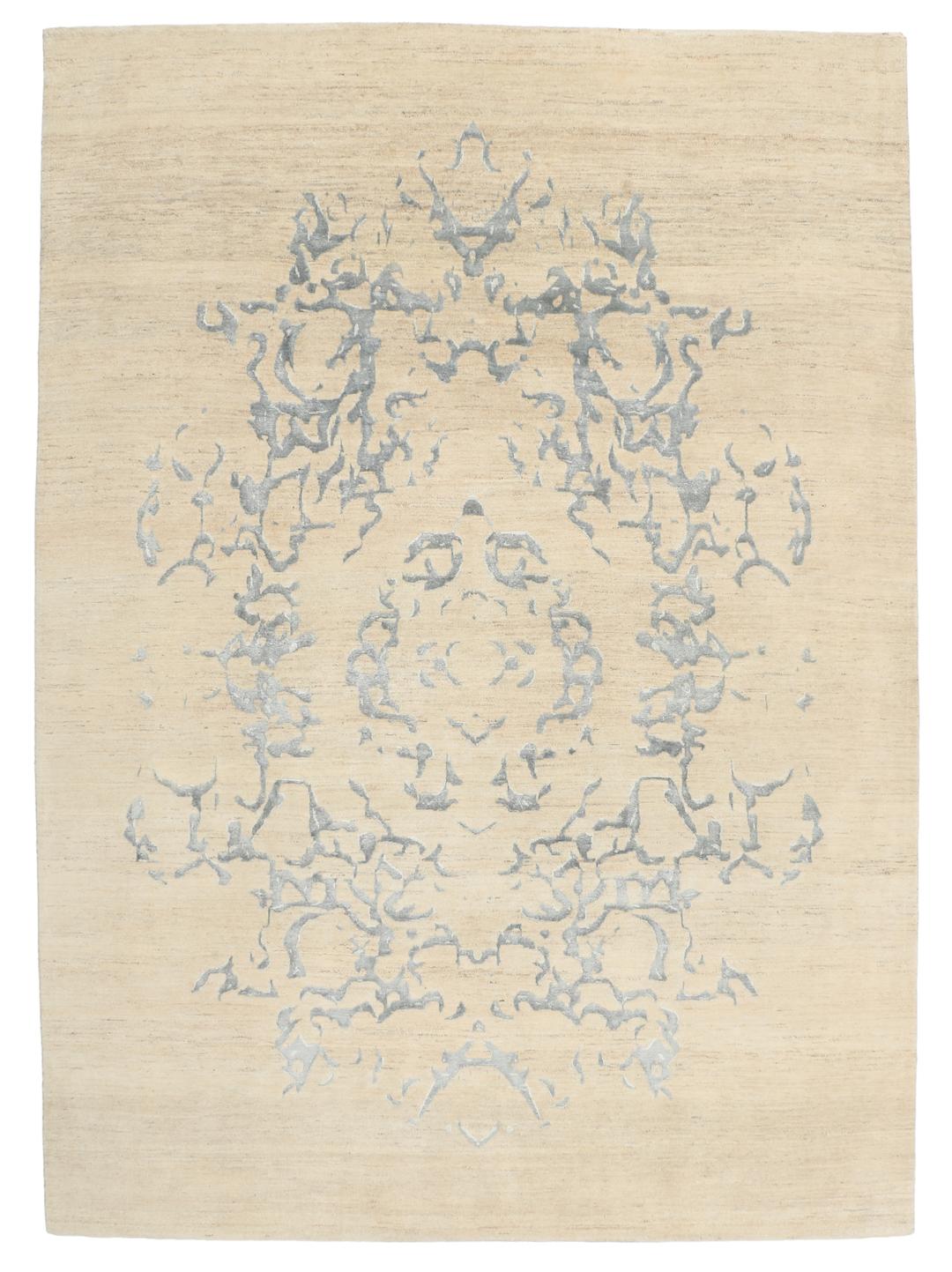
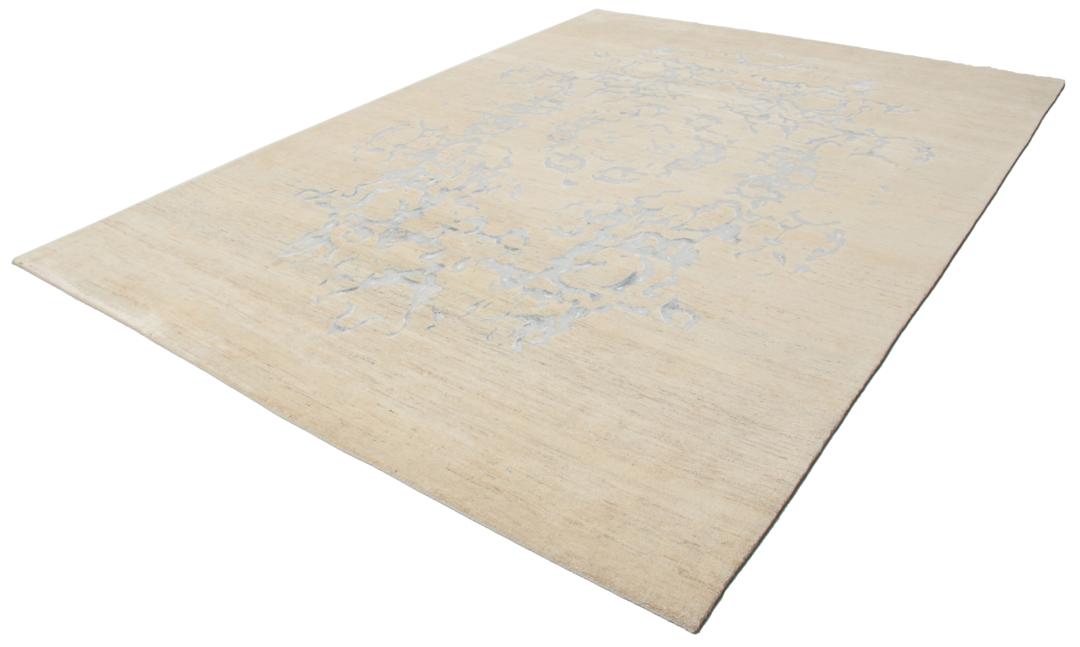
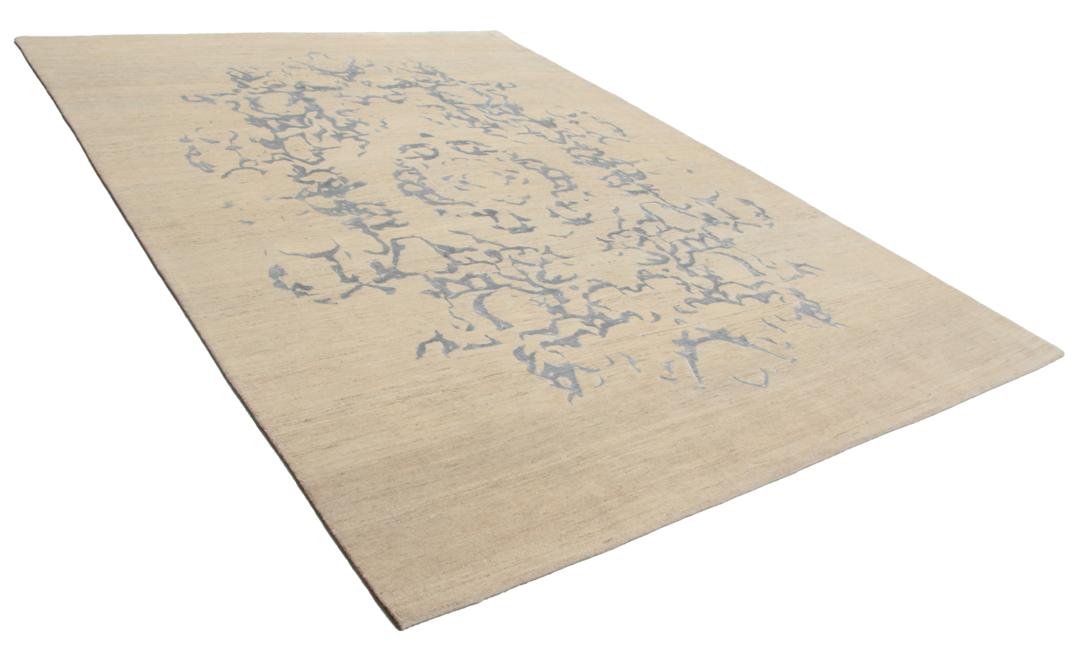
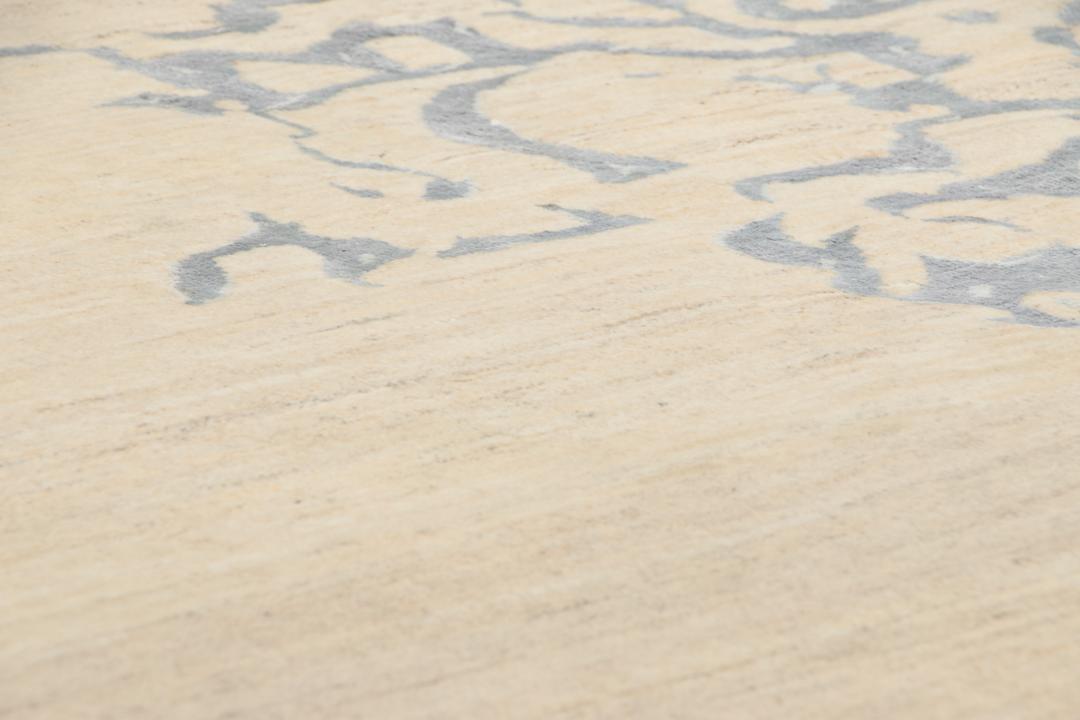
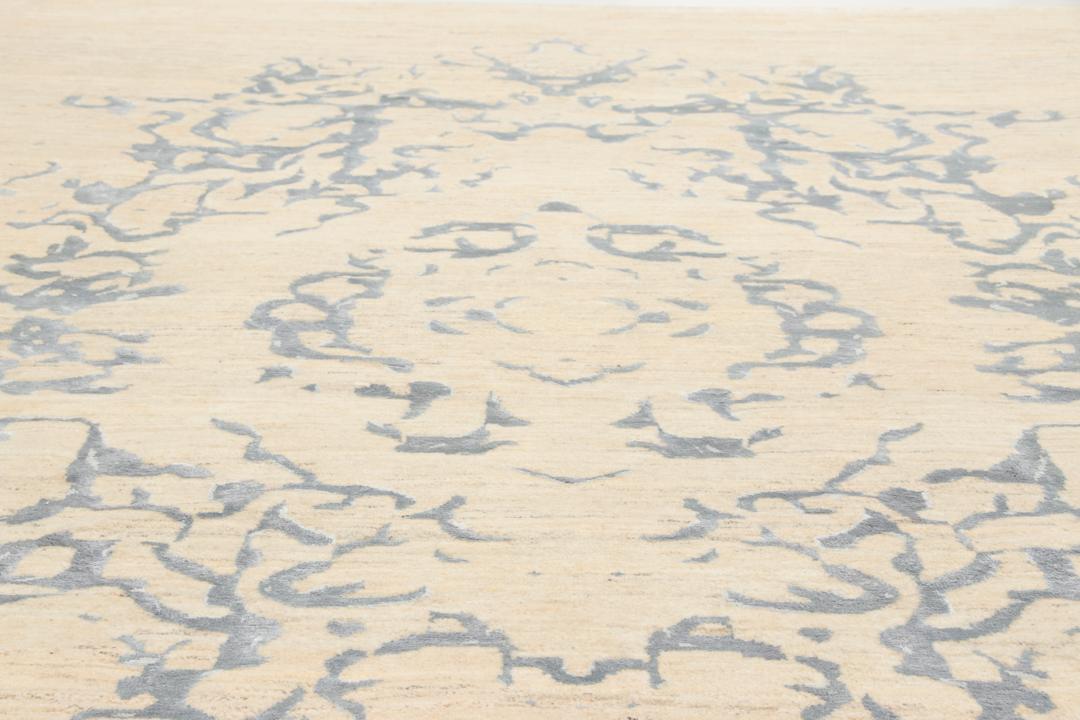
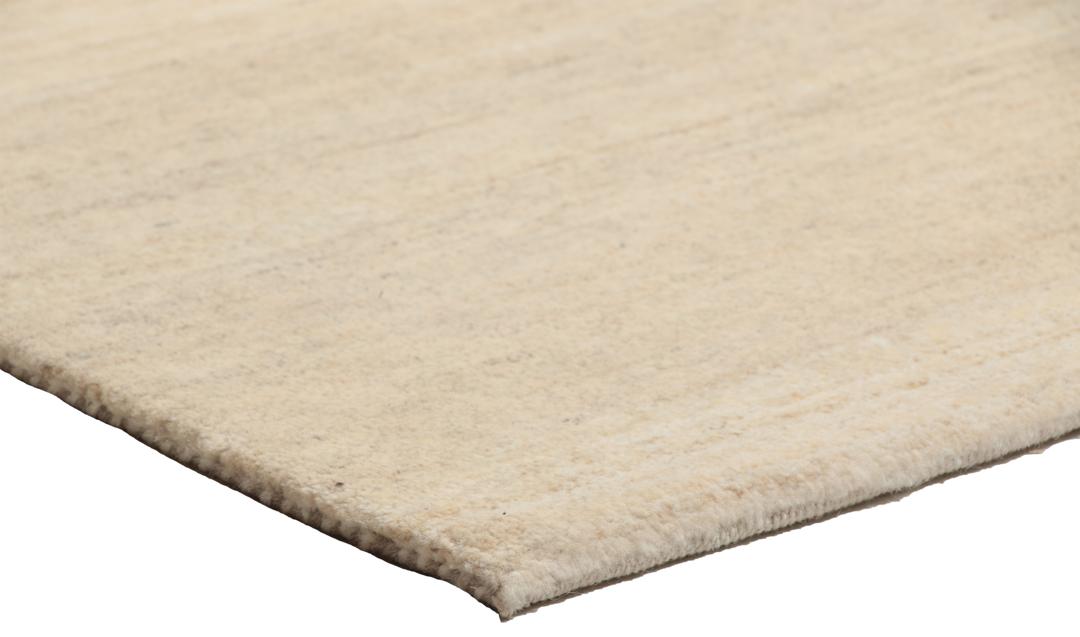
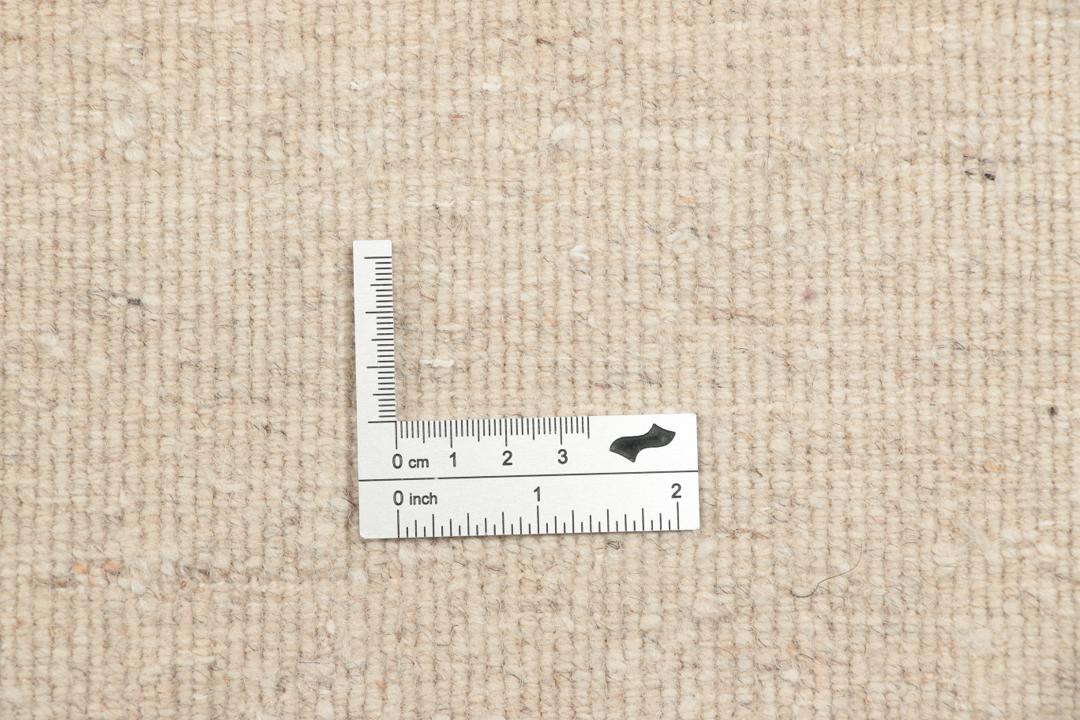
Gabbeh rugs have long been celebrated for their artistic freedom and connection to traditional nomadic life. While the name originally refers to a simple, thick, and coarse rug, the Loribaft style represents an evolution of this tradition, characterised by a significantly higher knot density and a much finer, more refined pile.
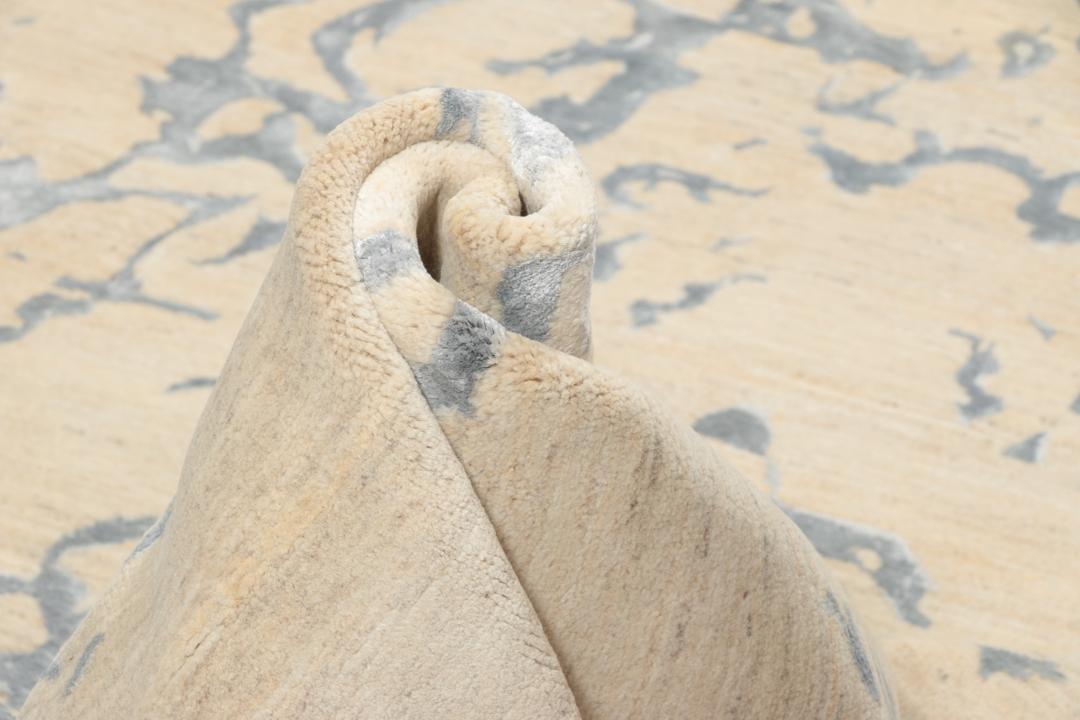
The transition from traditional, rustic Gabbeh to the Loribaft style reflects a desire for greater detail and softness. By using a denser knotting technique, artisans can achieve more intricate patterns and a smoother surface, bridging the gap between historical tribal aesthetics and the requirements of modern interior design.
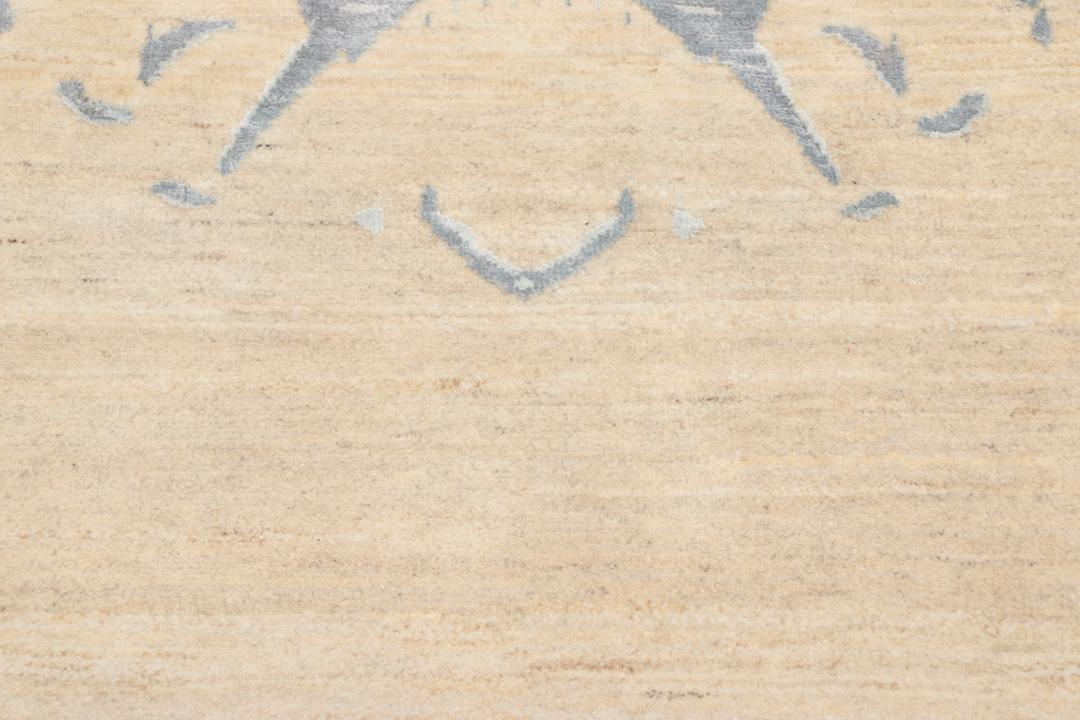
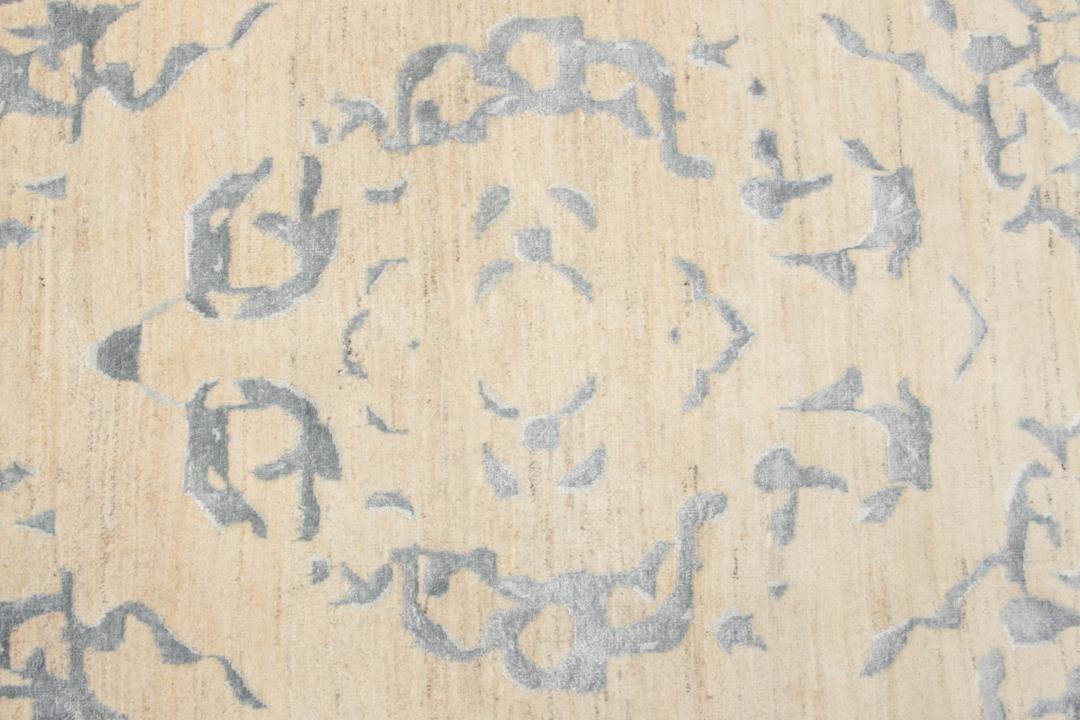
Signature elements of this tradition often include a play between negative space and stylised motifs. While traditional rugs may feature bold tribal symbols, modern interpretations like this one often embrace a more artistic, minimalist approach, focusing on the quality of the wool and the subtle interplay of soft, earthy tones.
Owning a Gabbeh Loribaft is an investment in human skill and cultural heritage. These rugs are highly valued by collectors for their blend of historical techniques and contemporary appeal. By choosing a piece like this, you are supporting a craft that has been passed down through generations, ensuring the survival of these beautiful, hand-made traditions.