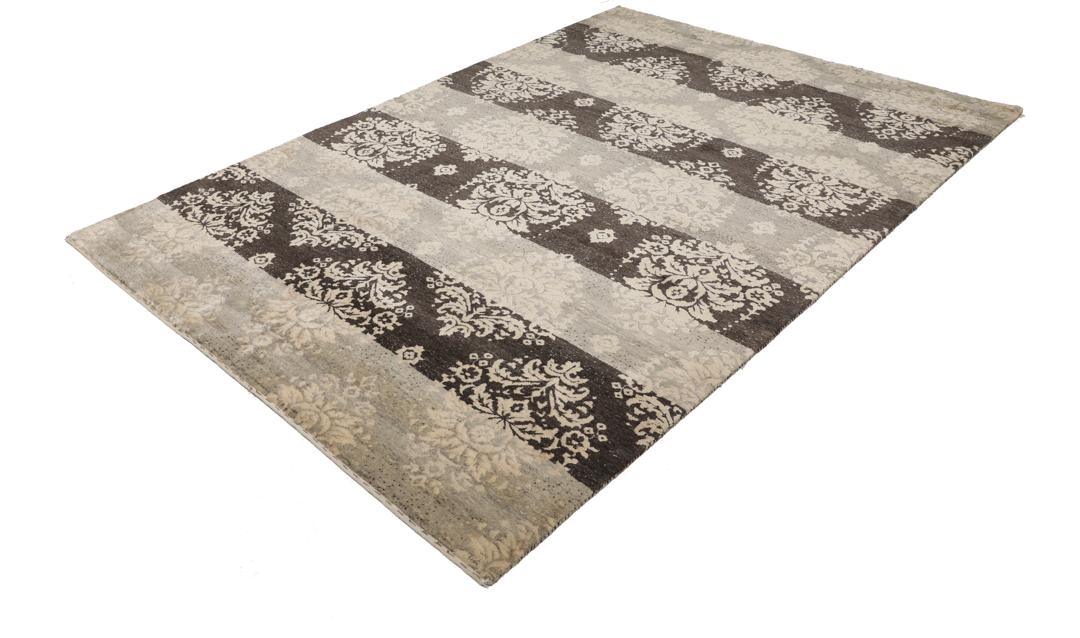
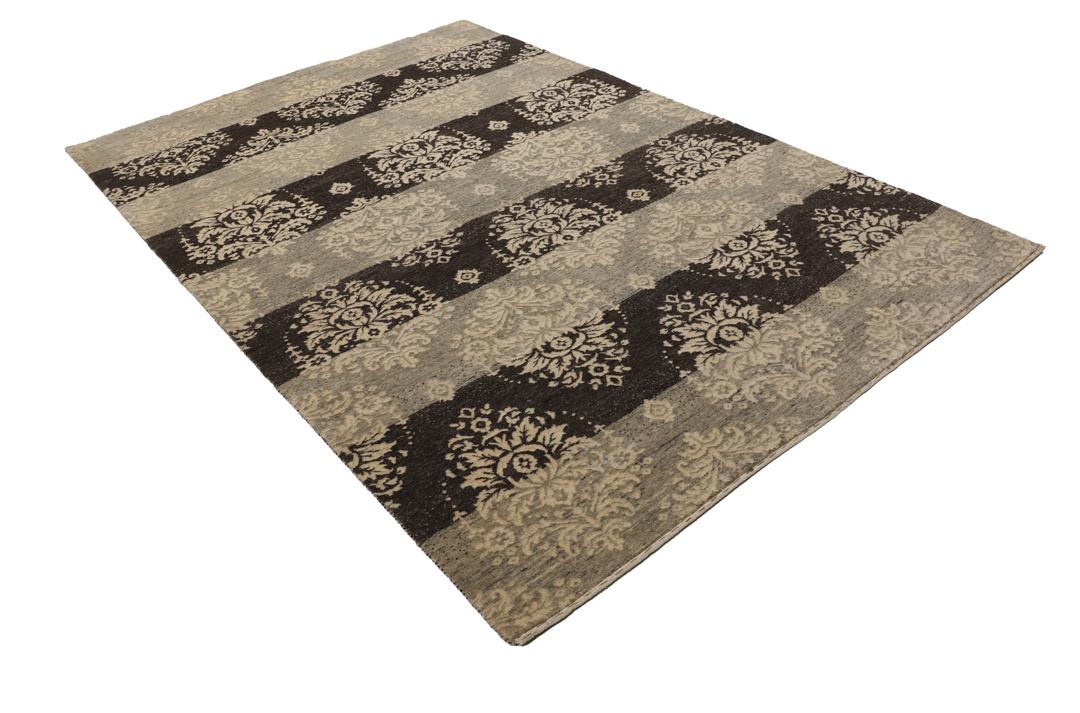
The Loribaft rug represents a refined evolution of the traditional Gabbeh style. While classic Gabbeh rugs were originally woven by nomadic tribes for their own practical use, often featuring bold, abstract designs, the Loribaft tradition emerged as a more sophisticated and finely woven counterpart that honours those tribal roots while embracing greater detail.
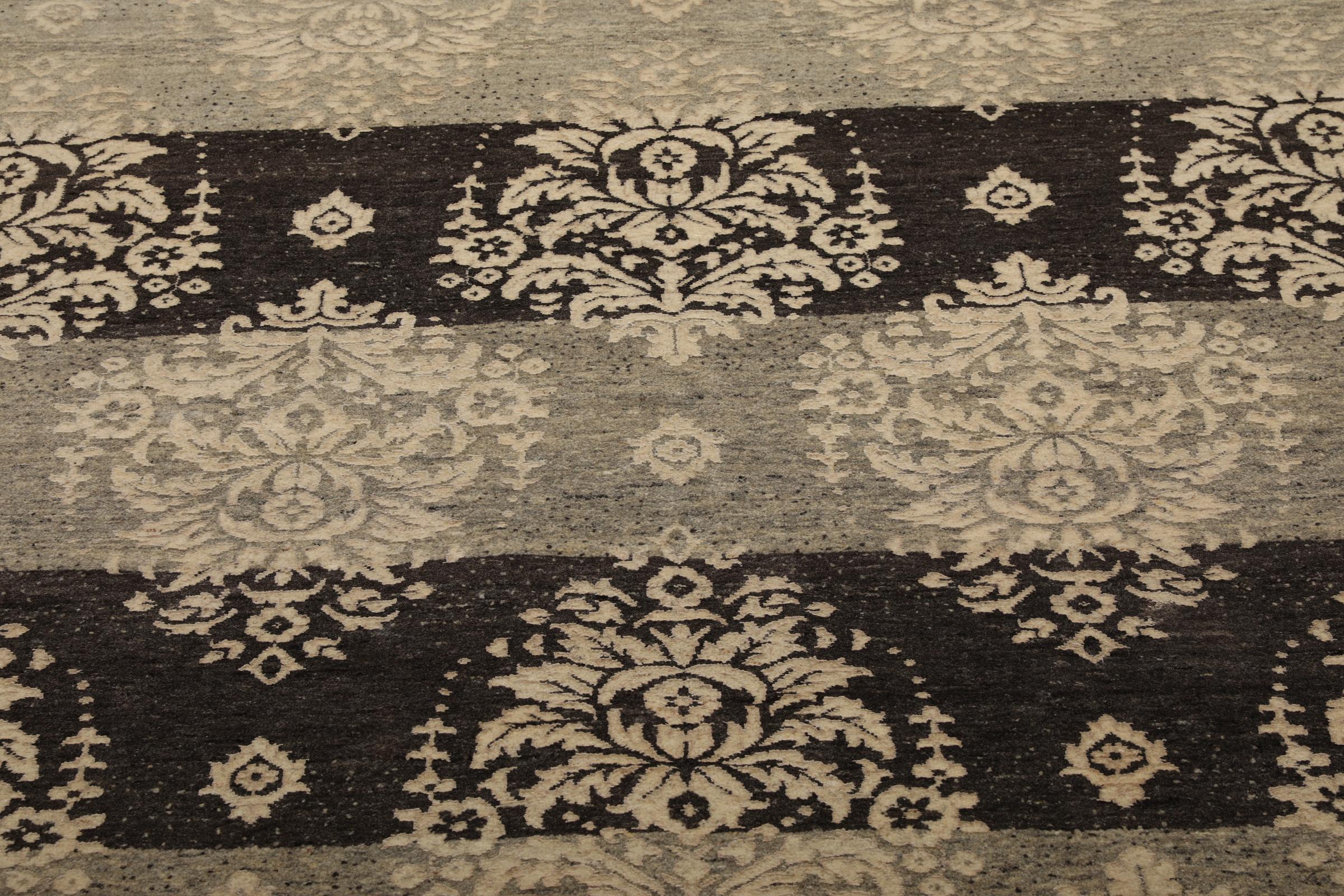
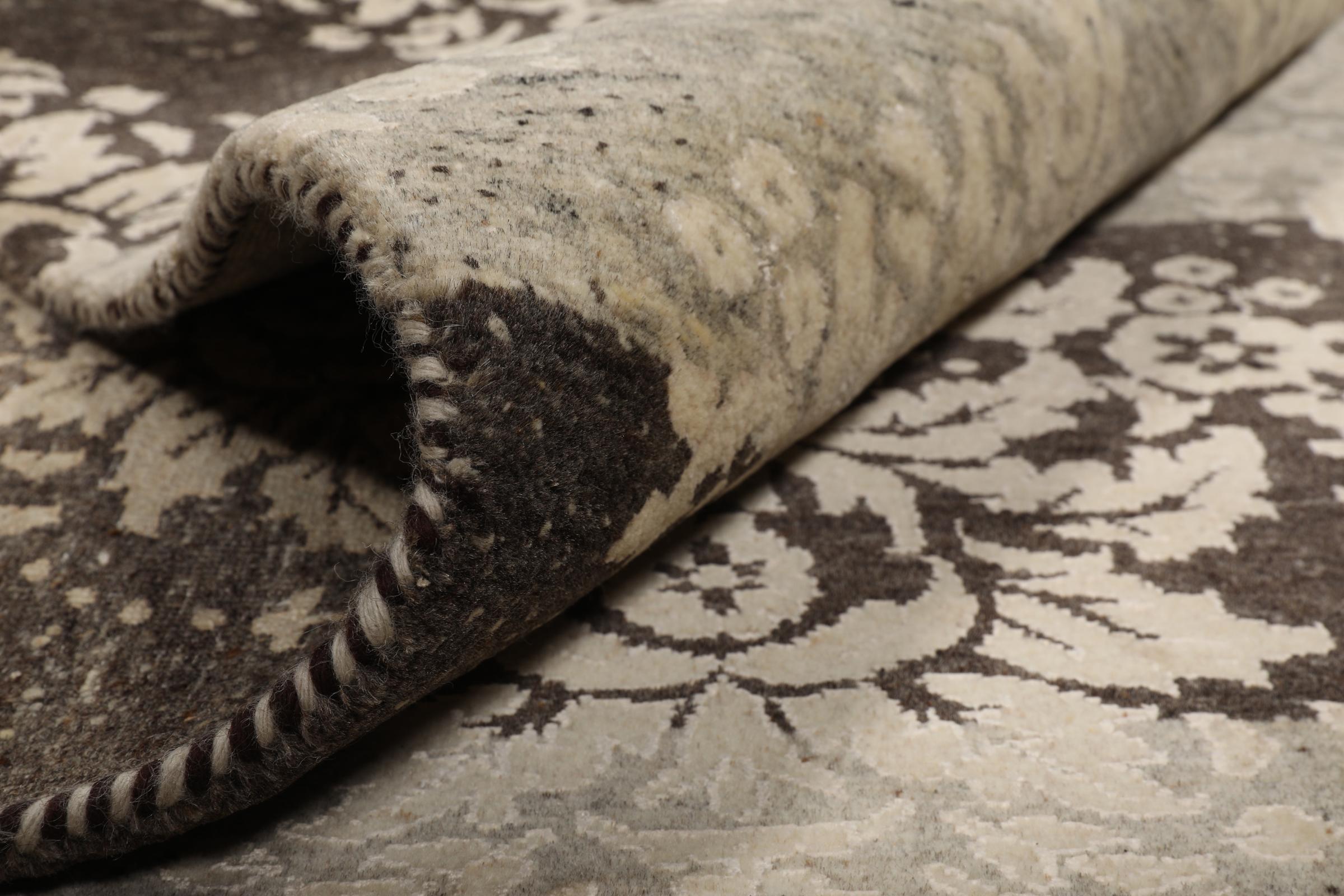
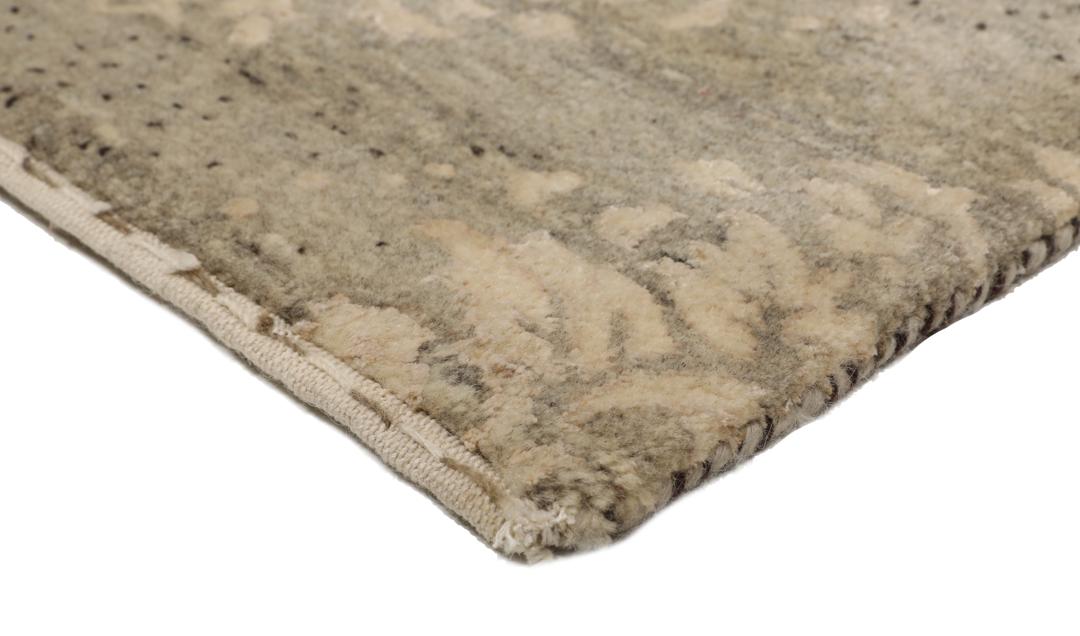
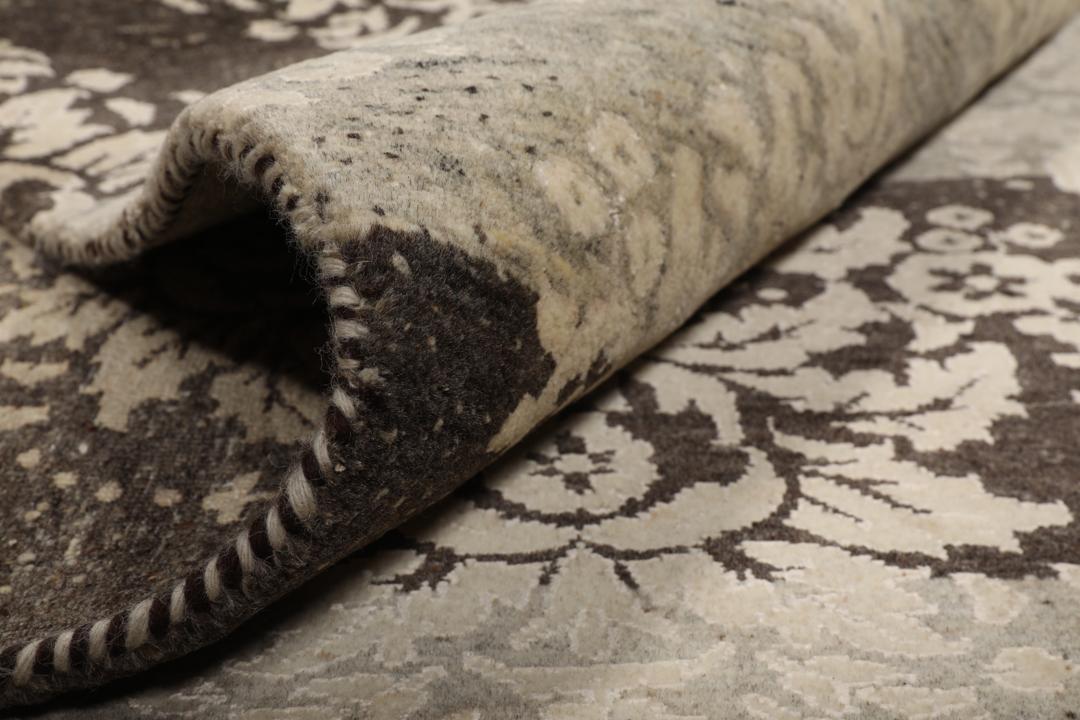
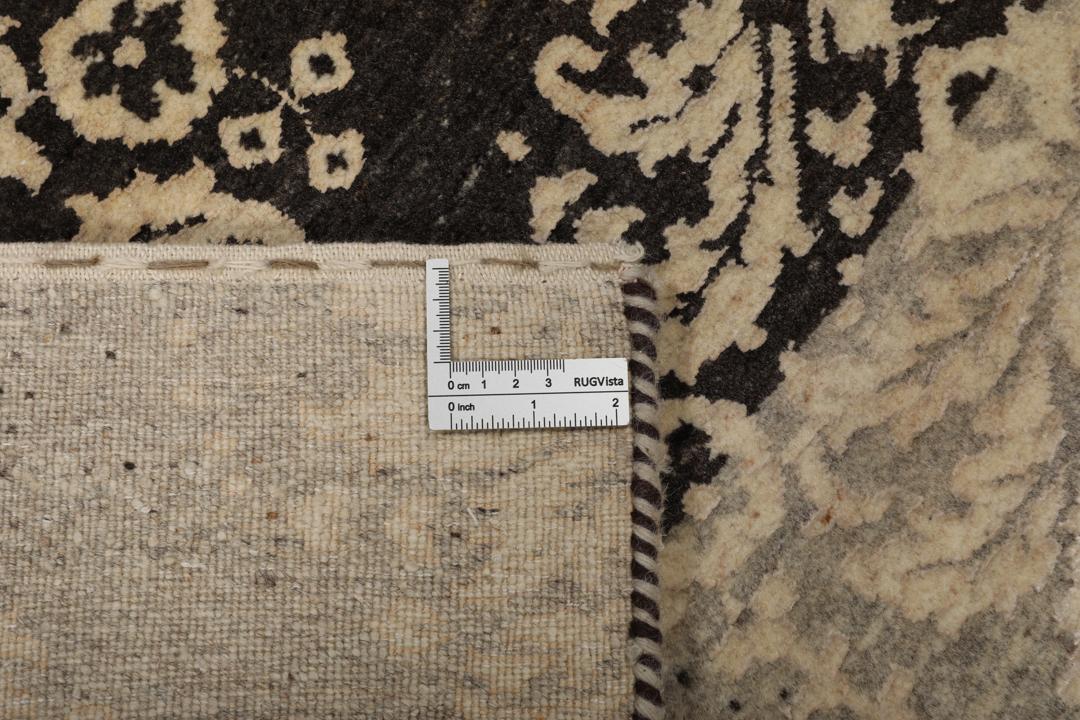
The term Loribaft itself denotes a specific quality of weaving, characterised by a much higher knot density than standard tribal rugs. This technical refinement allows weavers to move beyond simple geometric shapes and incorporate more intricate, flowing patterns that would be impossible to achieve with coarser weaving methods.
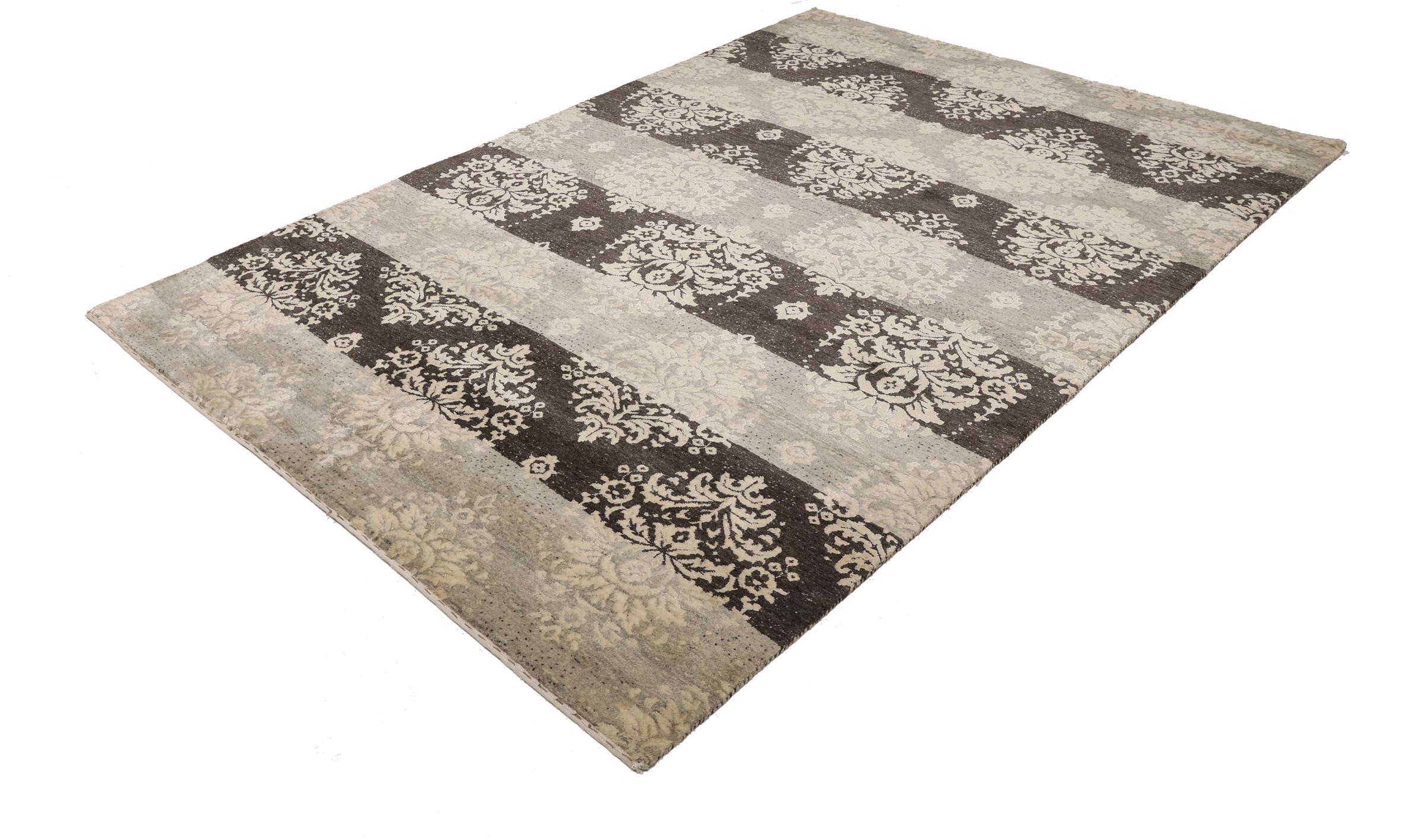
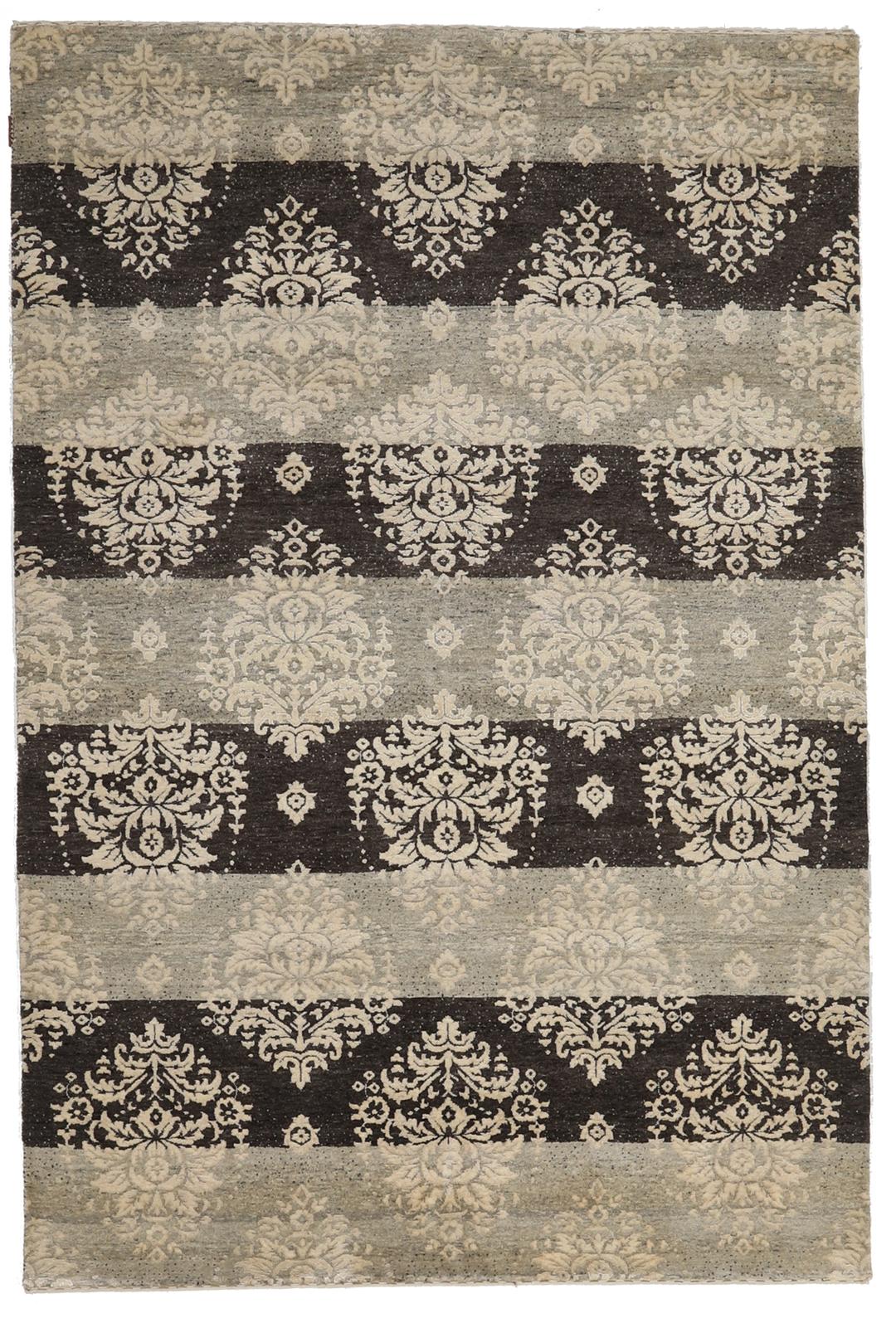
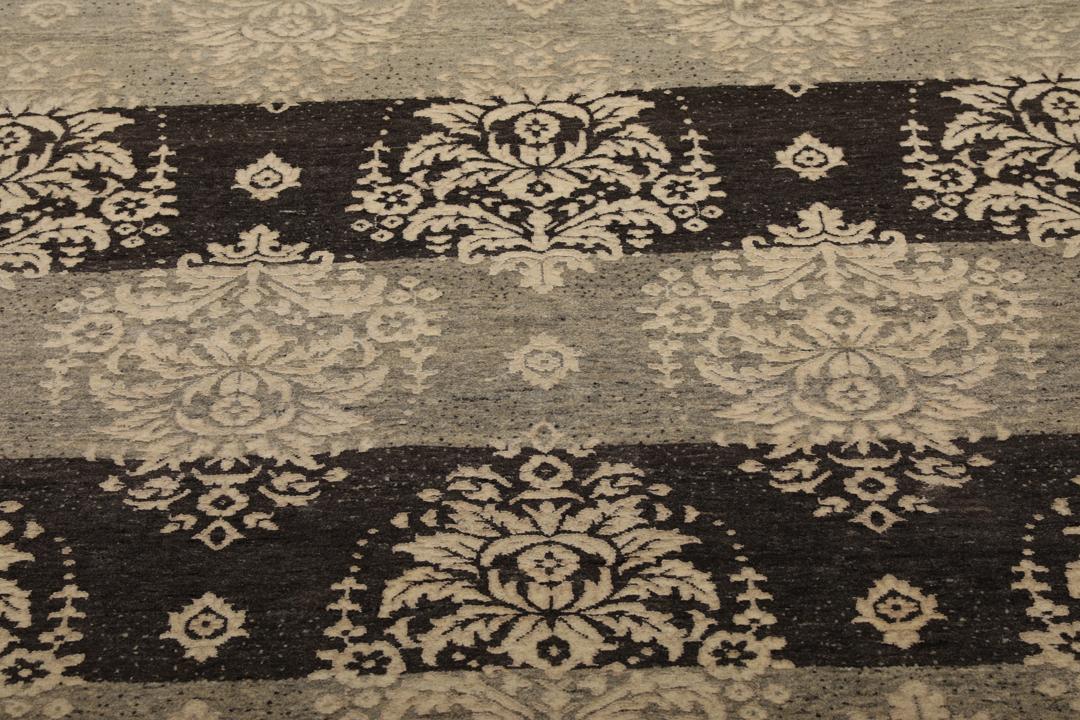
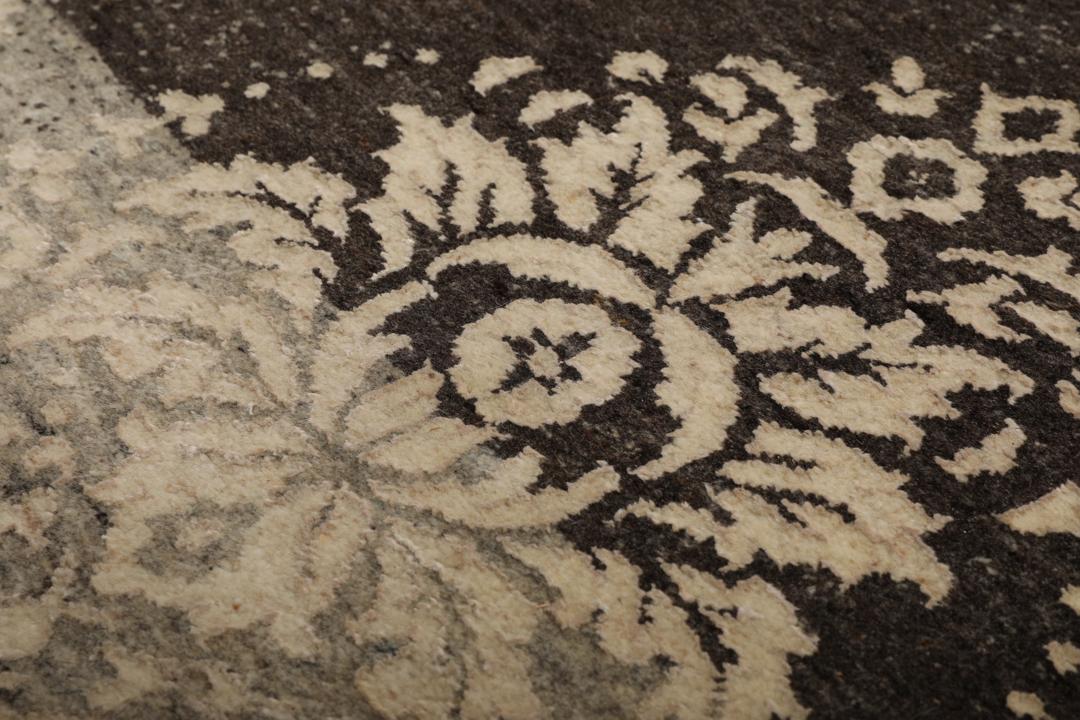
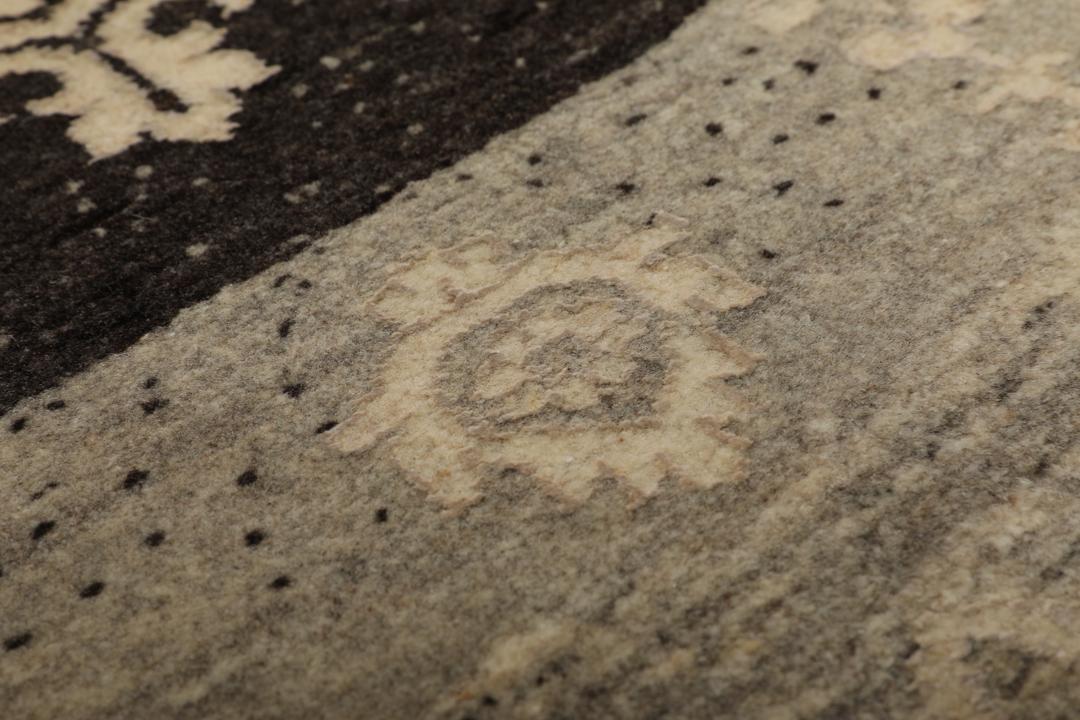
Visually, these rugs are defined by their balance of open space and ornate, often floral-inspired medallions. In this particular piece, the repeating patterns are carefully arranged to create a rhythmic, harmonious effect. The choice of a muted, elegant colour palette is a hallmark of the modern Loribaft style, designed to complement contemporary interiors while retaining a connection to historic weaving traditions.
Collecting a Loribaft rug is an investment in a living craft tradition. These pieces are highly valued for their ability to bridge the gap between ancient nomadic weaving techniques and modern aesthetic sensibilities. Owning one means holding a piece of cultural history that has been transformed through human skill into a durable and beautiful object for the home.