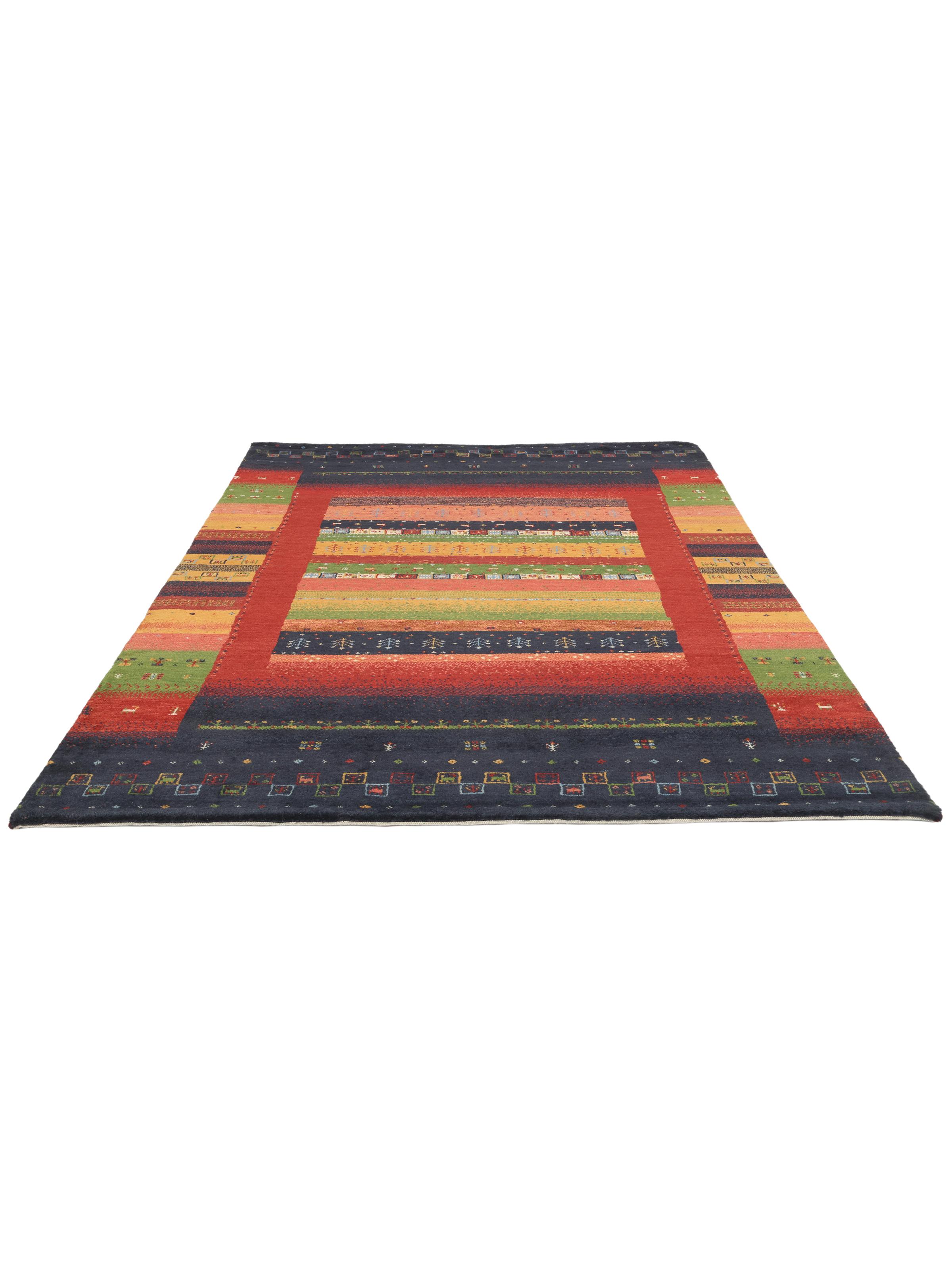
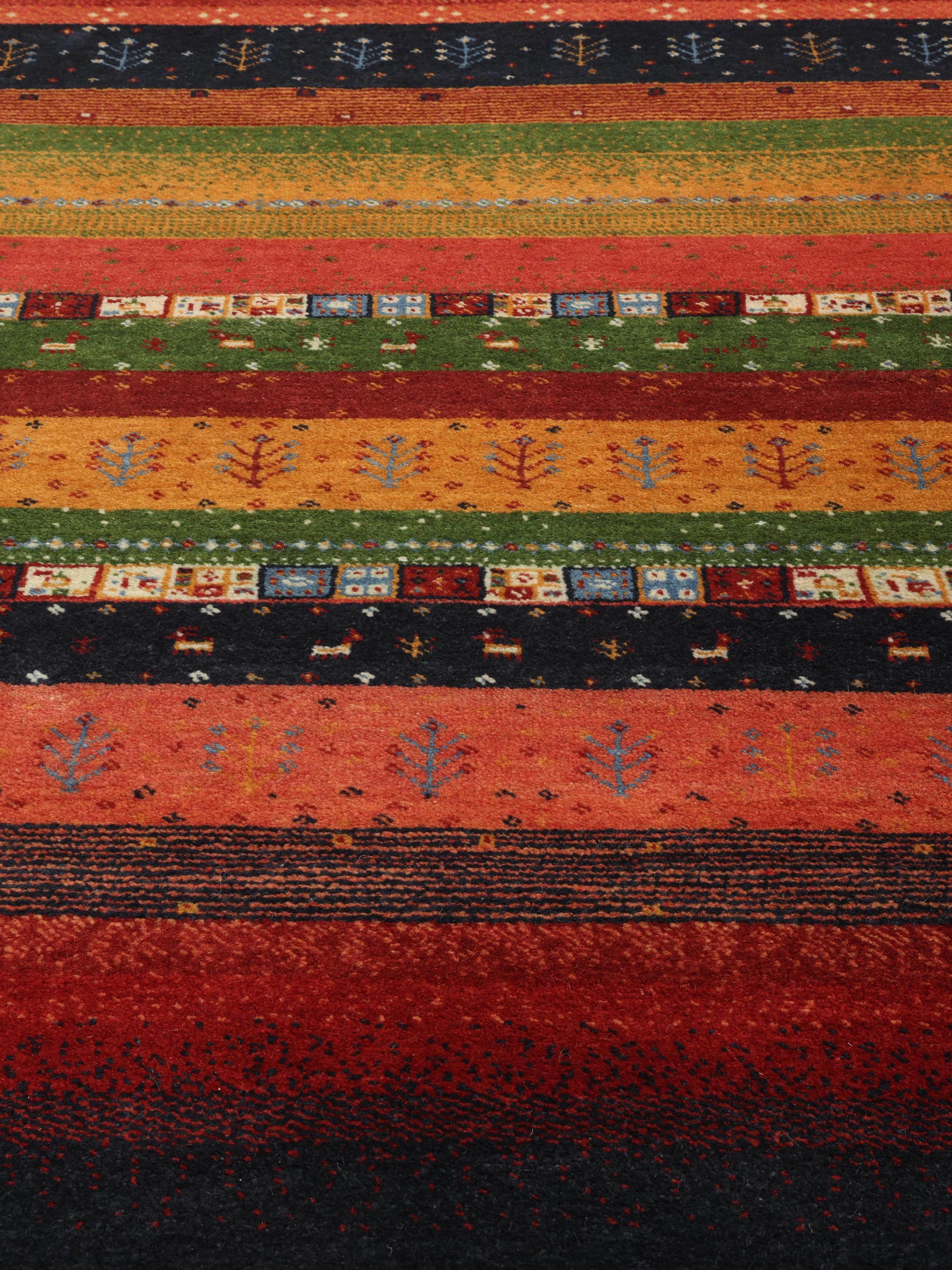
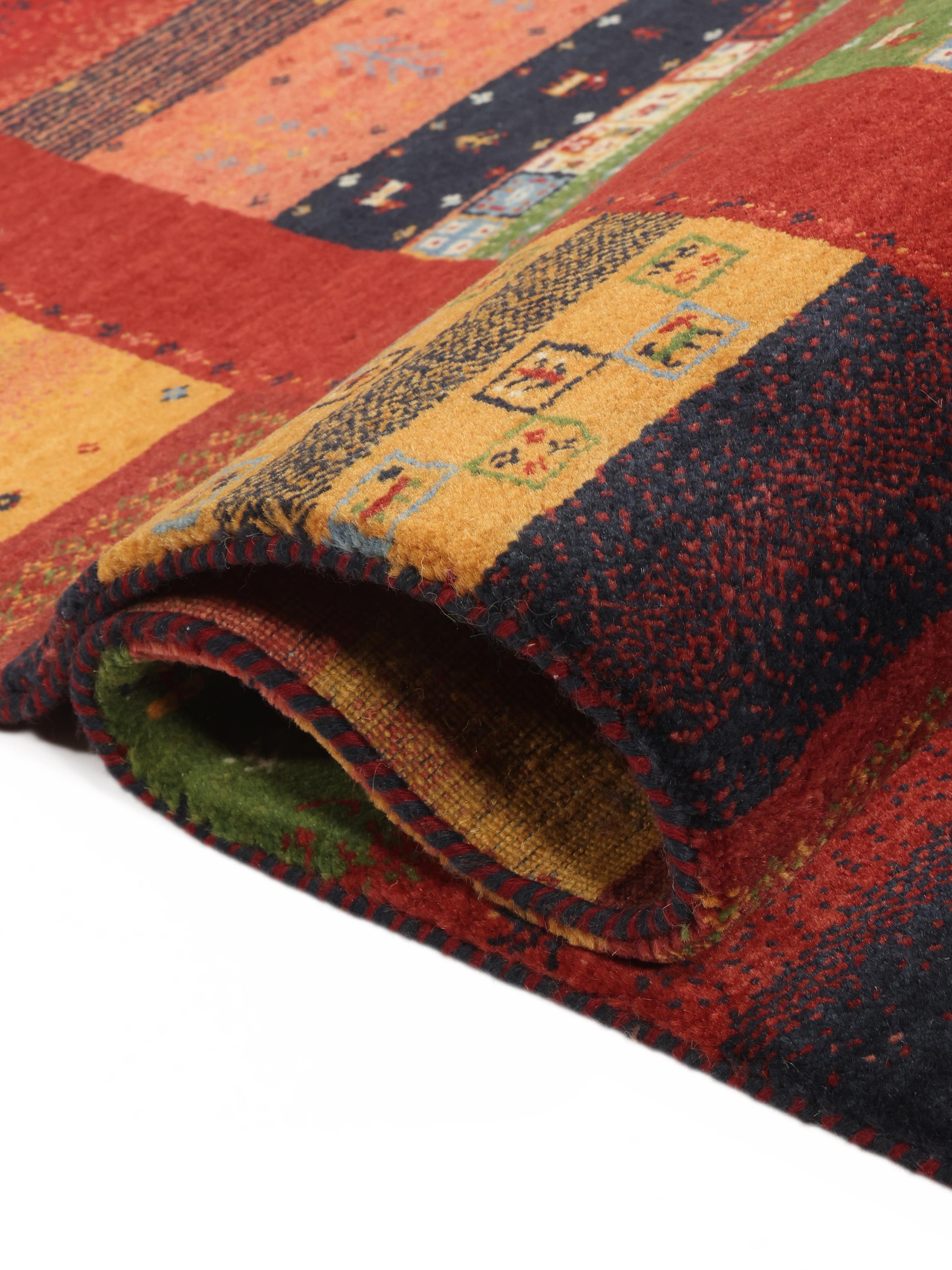
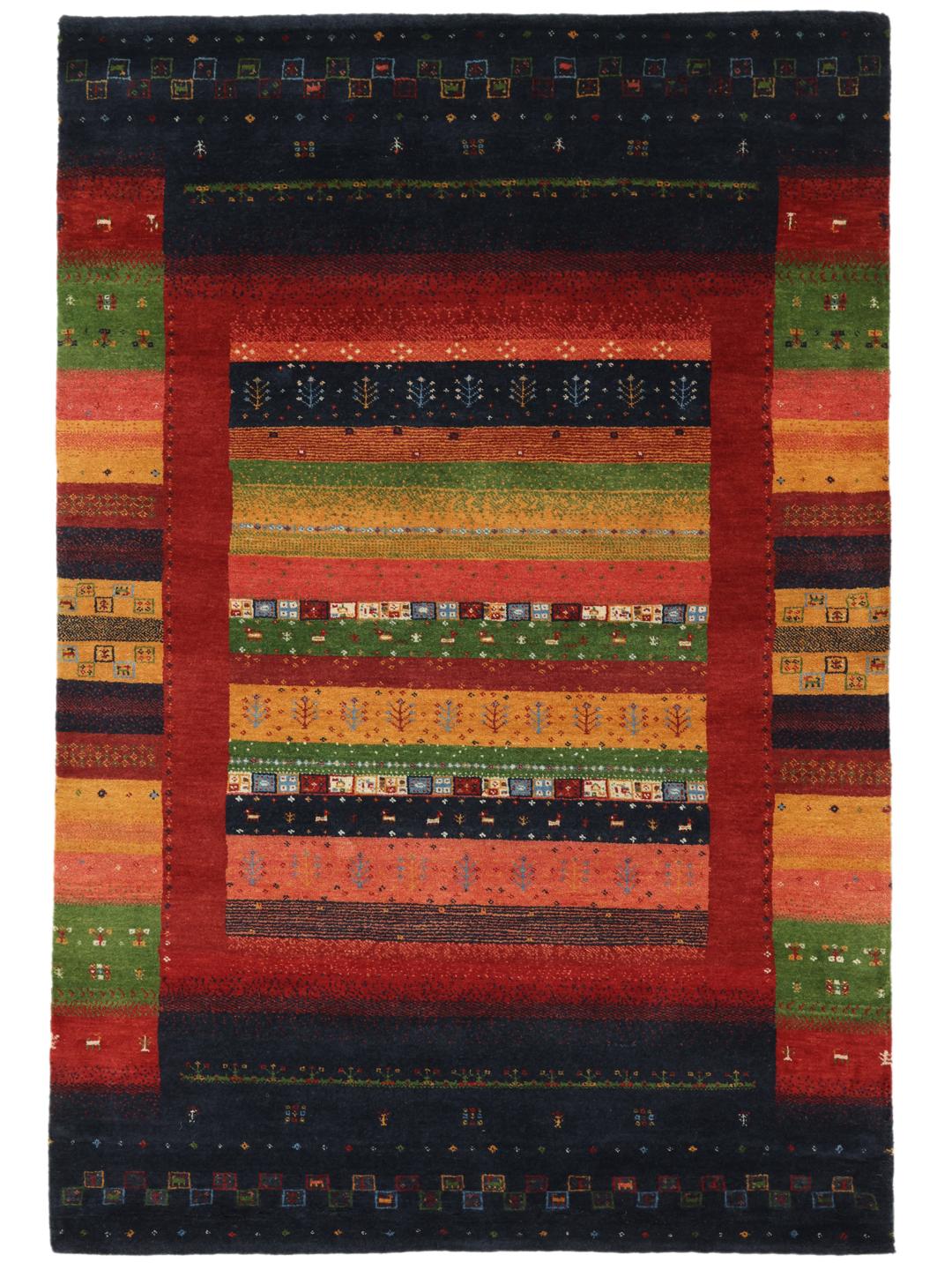
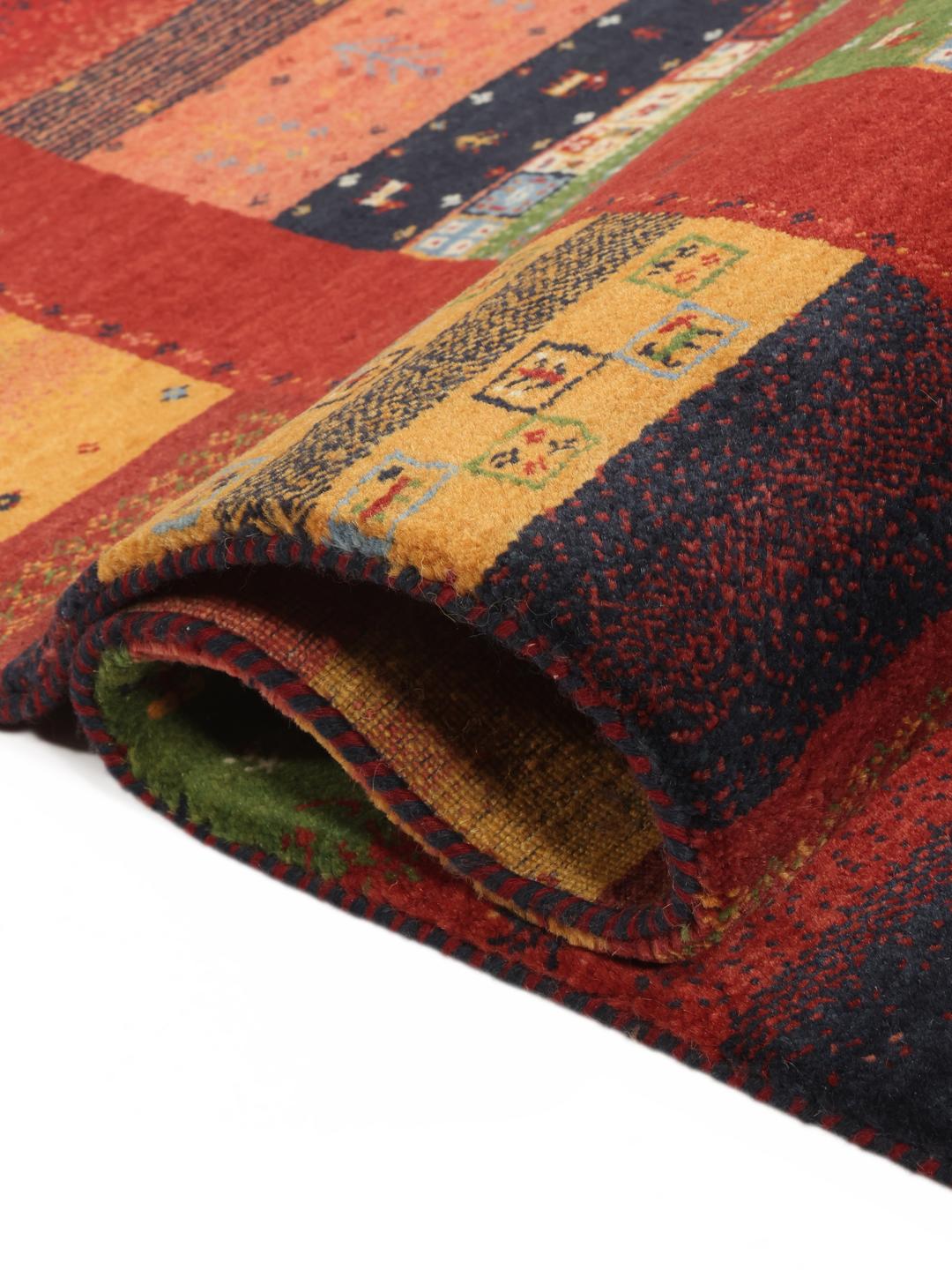
The Loribaft and Kashkooli traditions are rooted in the weaving customs of nomadic tribes, where rugs were originally created for practical use within the home. These styles have evolved significantly over time, transitioning from purely utilitarian floor coverings into celebrated forms of artistic expression that are highly sought after by collectors worldwide.
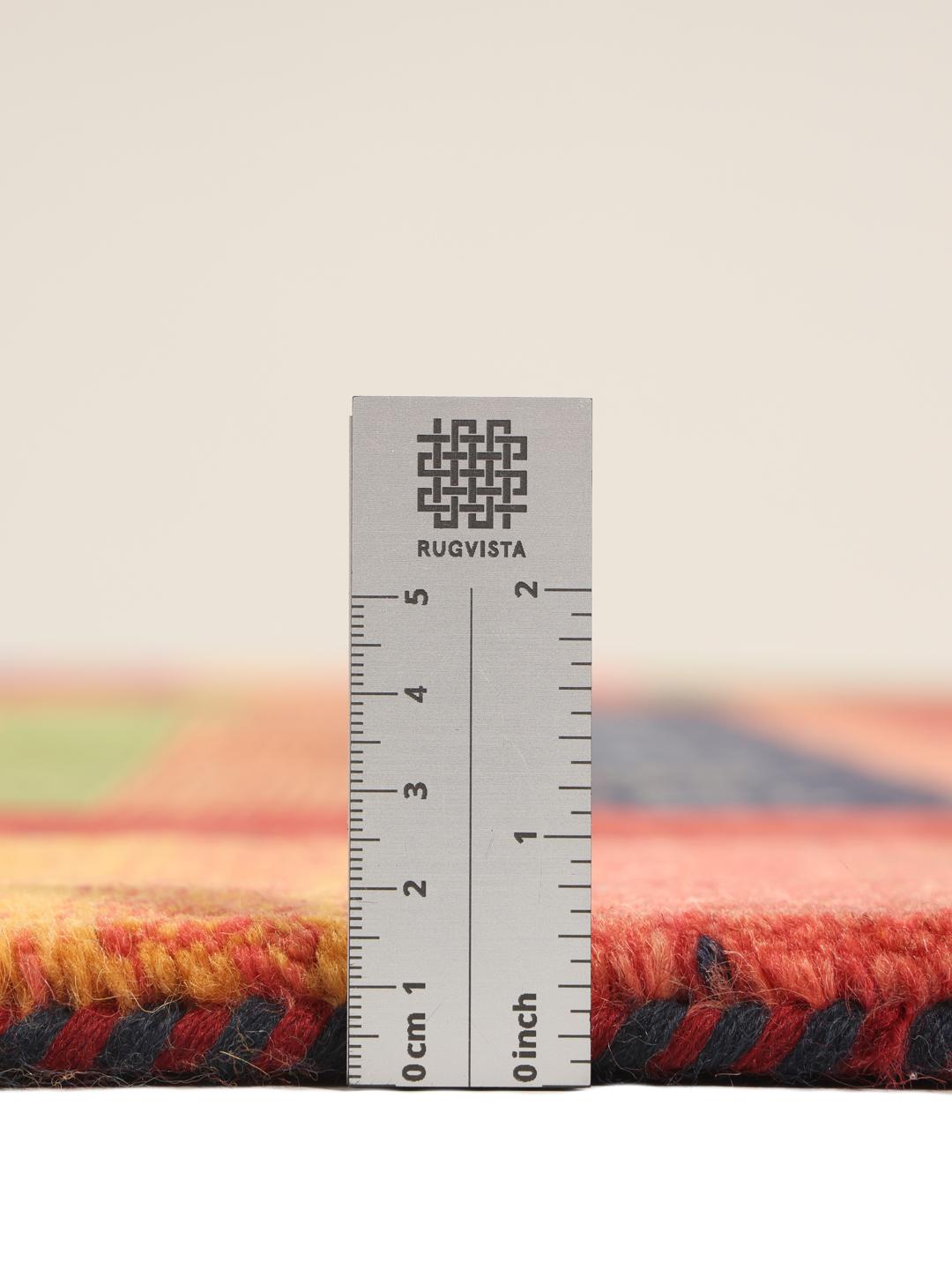
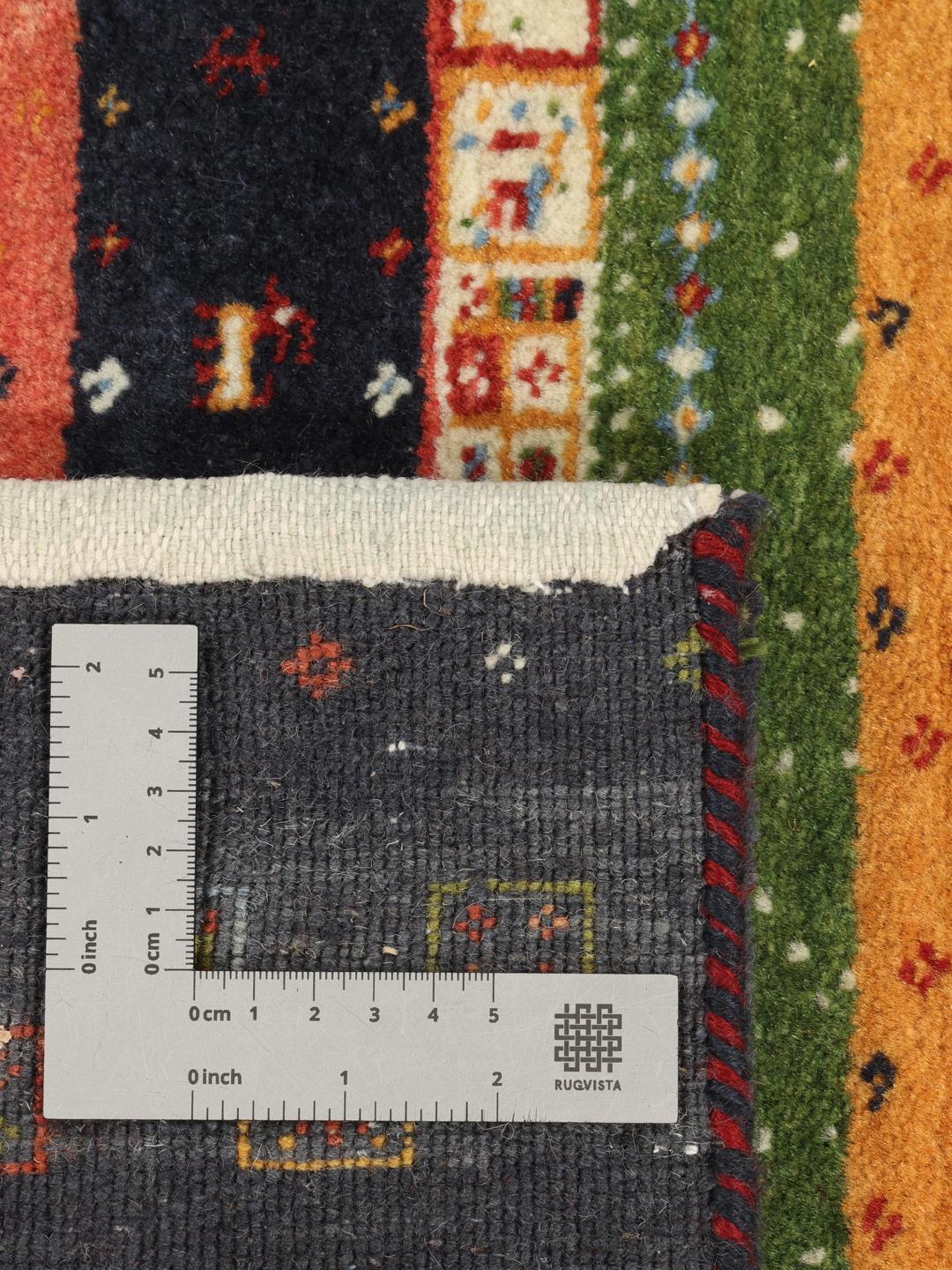
The term Loribaft refers to a specific, refined approach to the classic Gabbeh style, often associated with a higher level of detail and a finer finish. While traditional Gabbehs are known for their minimalist, abstract designs, the Loribaft evolution introduced more intricate patterns and a denser weave, bridging the gap between rustic tribal roots and sophisticated decorative art.
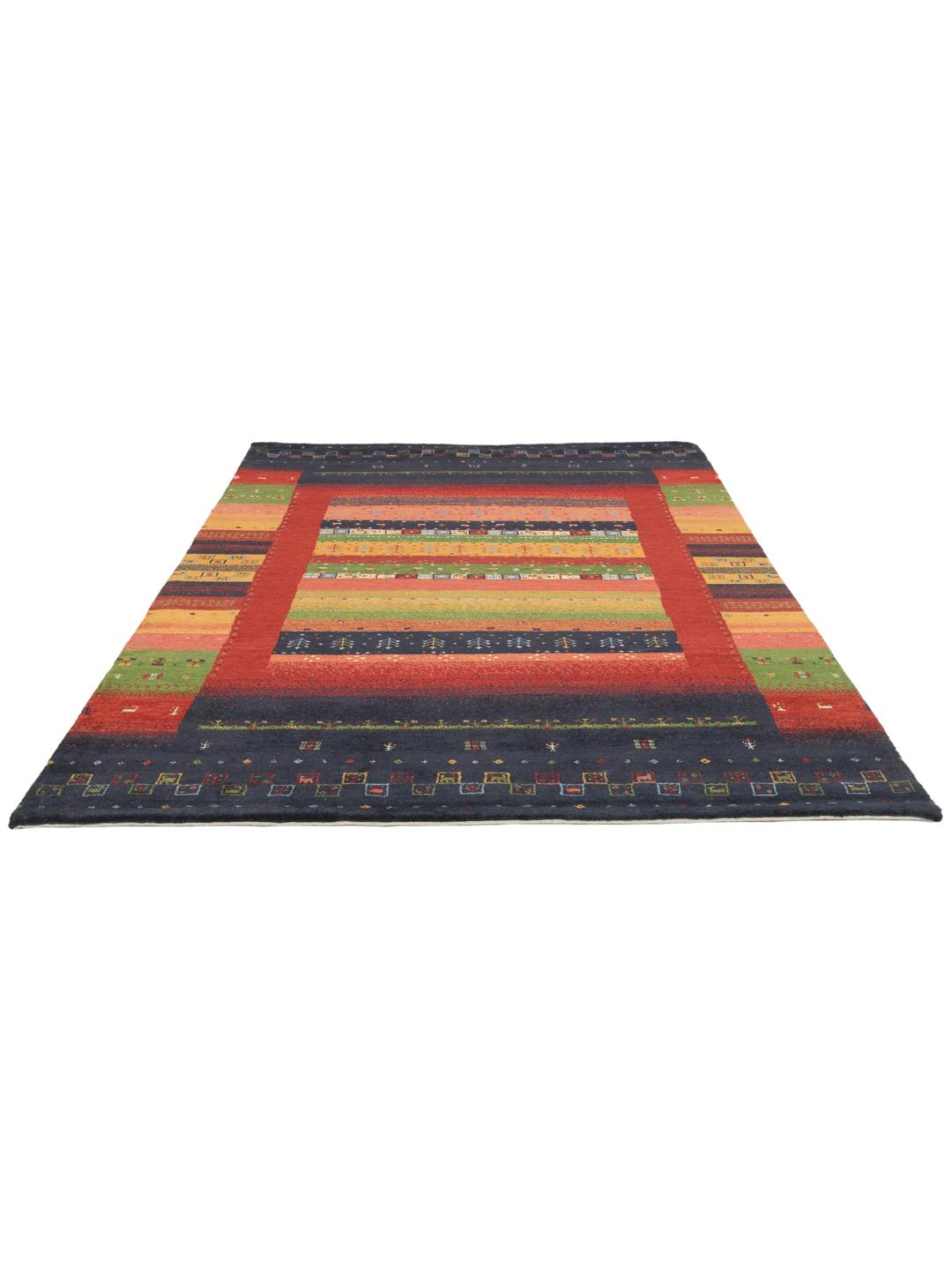
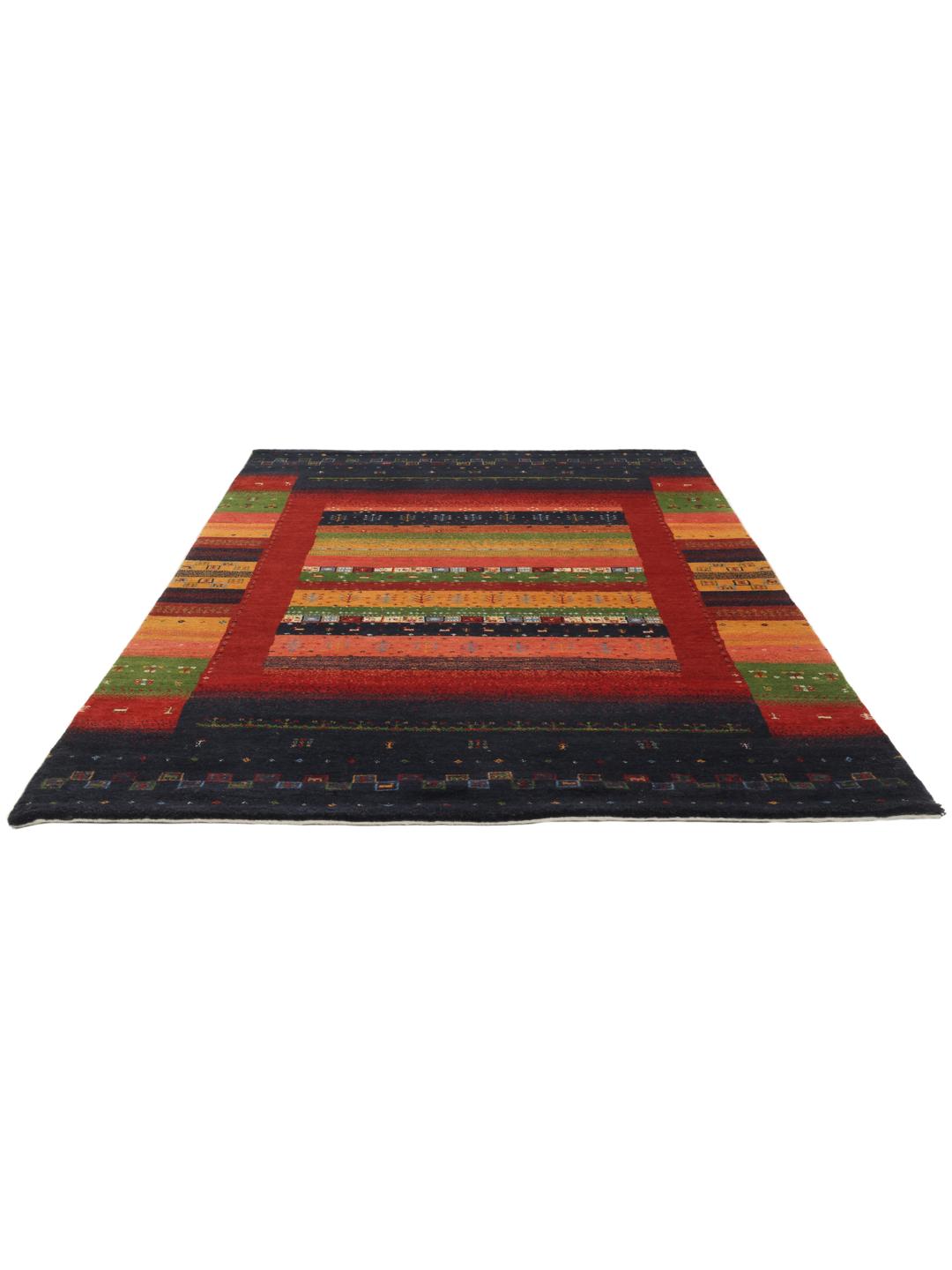
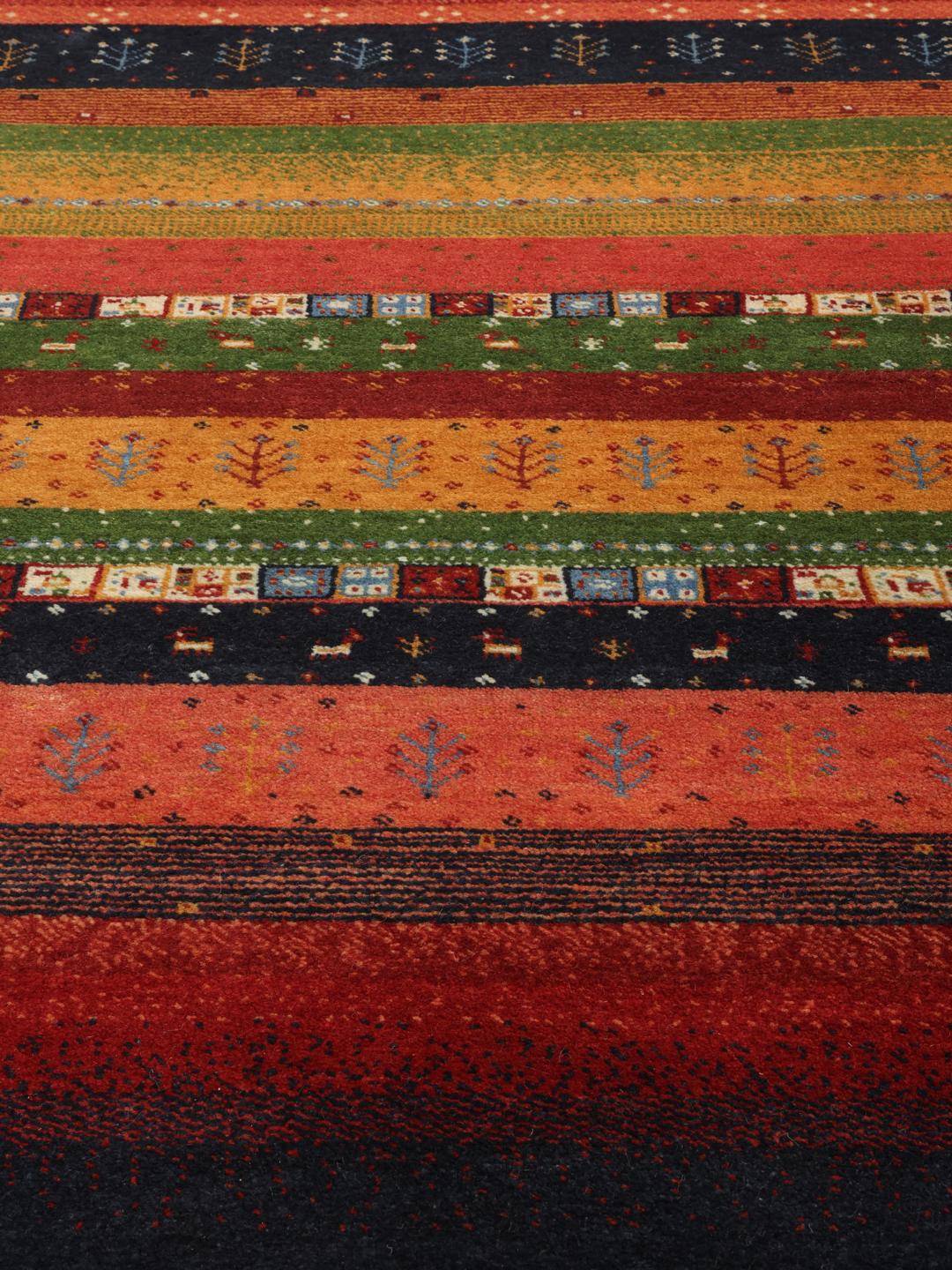
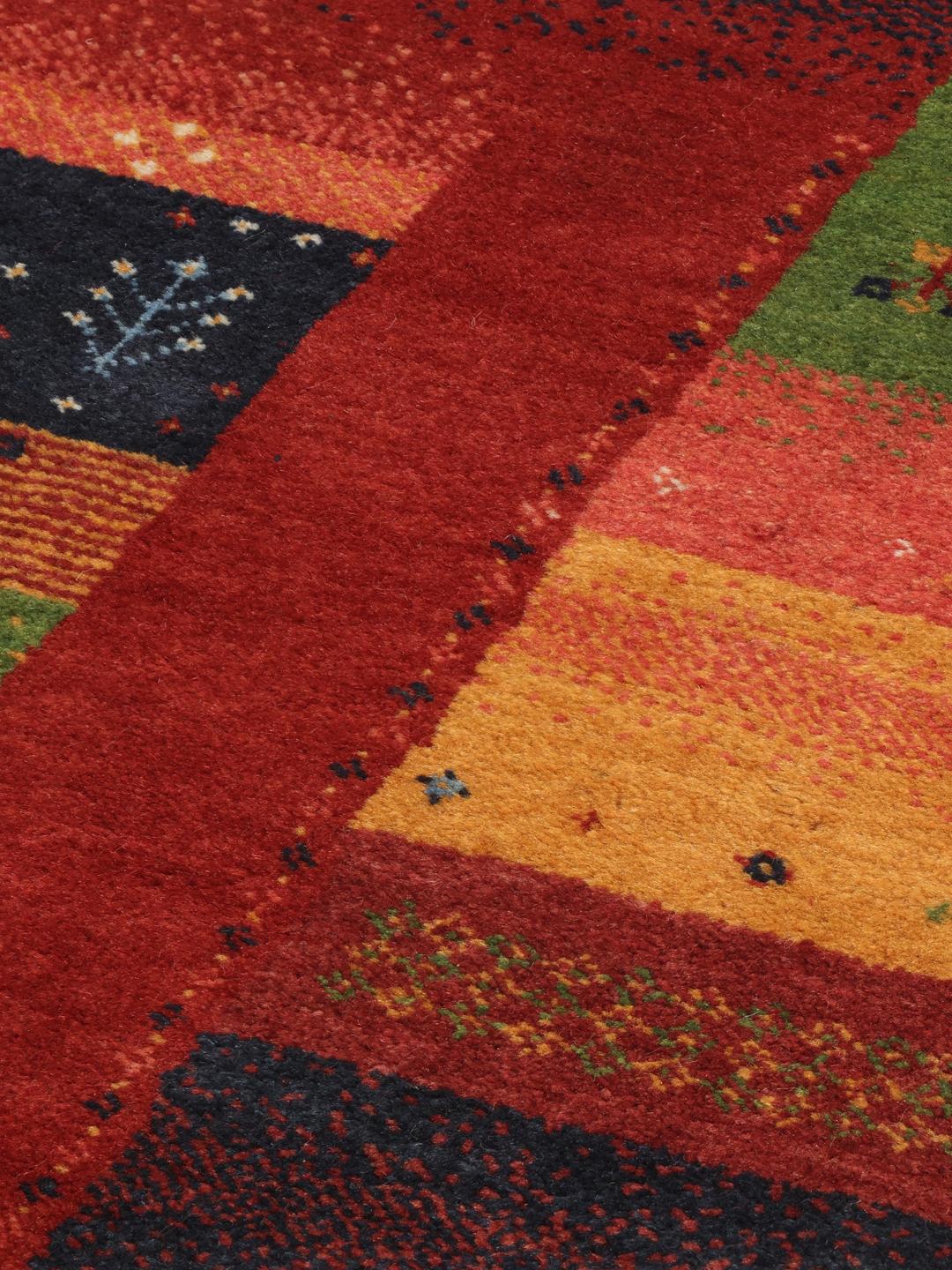
Visually, these rugs are defined by their bold use of colour and symbolic motifs, often depicting elements of the natural world, such as trees, animals, and geometric shapes. The borders often feature decorative patterns that frame the central field, providing a structured contrast to the more free-flowing designs found in the heart of the rug.
Owning a piece from this tradition is an opportunity to connect with a long-standing history of craftsmanship. These rugs are valued not just for their visual appeal but for the cultural legacy they carry, representing a bridge between ancient techniques and the modern home.