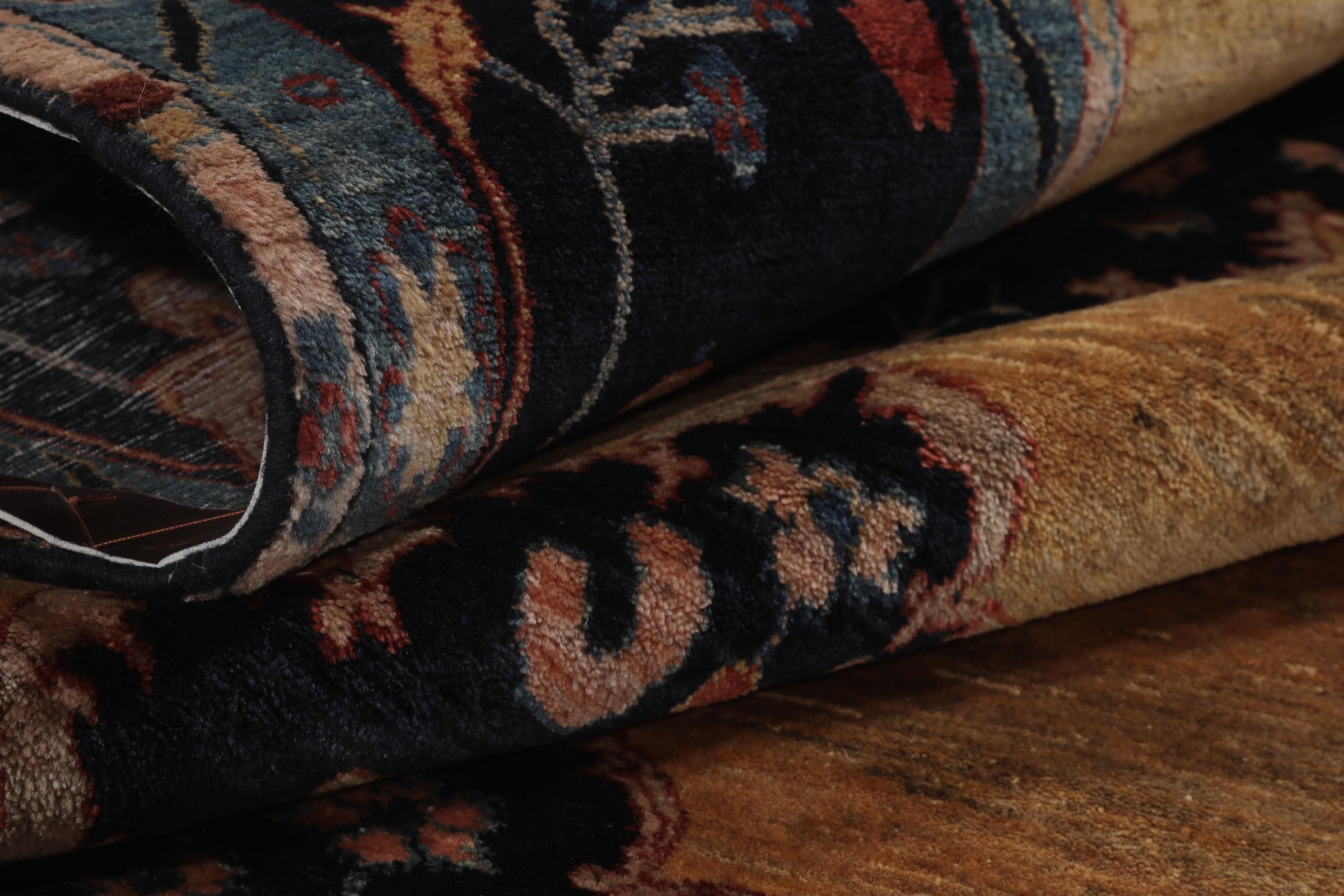
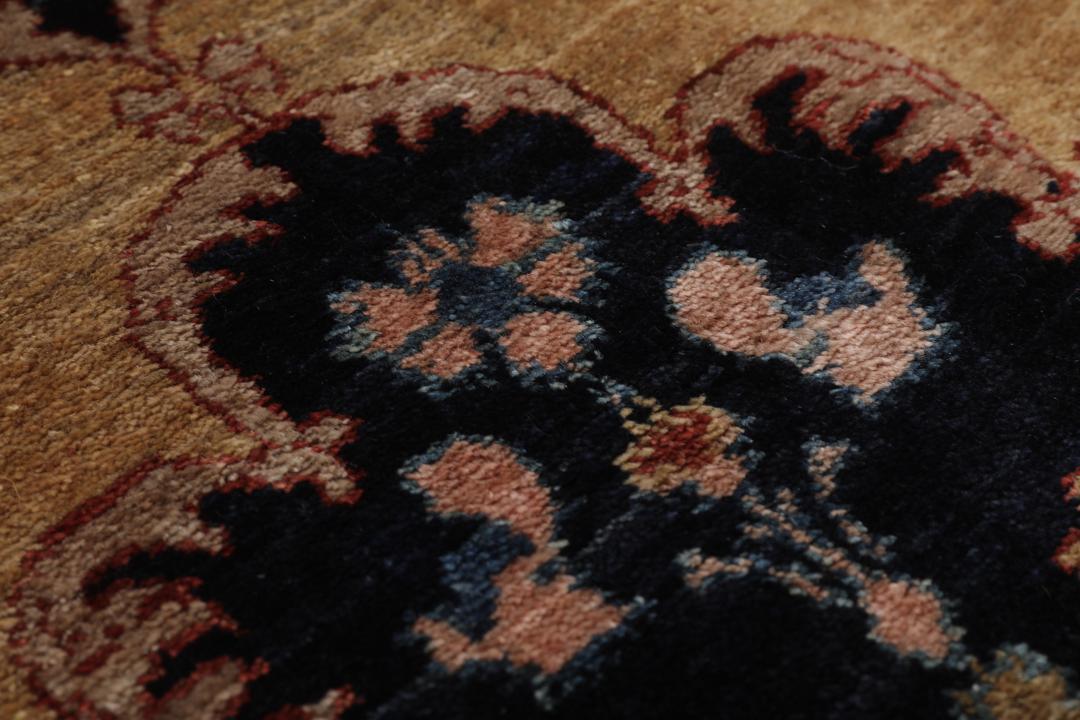
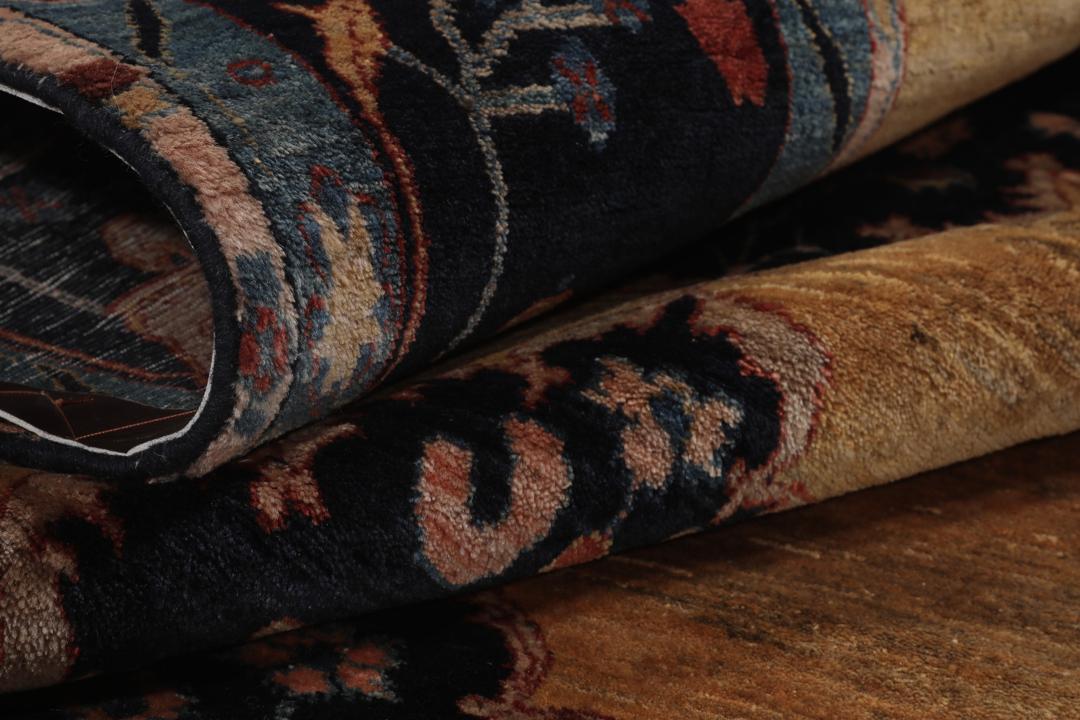
The Gabbeh tradition finds its roots in the nomadic cultures of the Middle East, where weavers historically created these rugs for their own daily use. Unlike more formal, city-woven carpets, traditional Gabbeh rugs were celebrated for their thick, luxurious pile and their spontaneous, often abstract or simplified designs that reflected the weaver's natural surroundings.
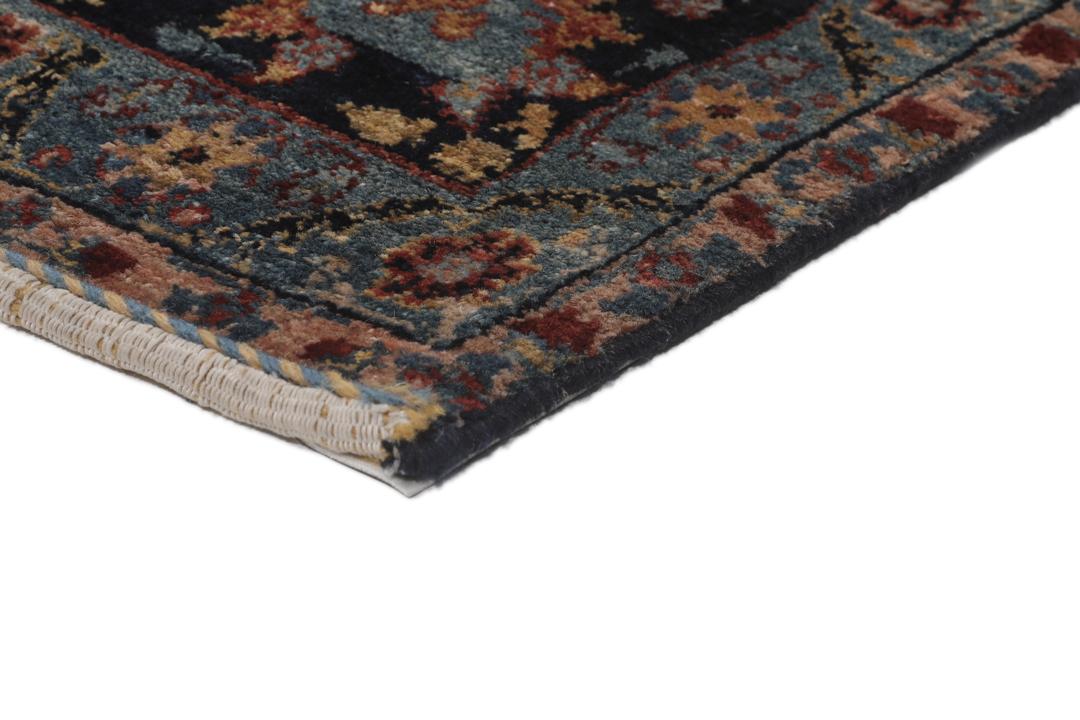
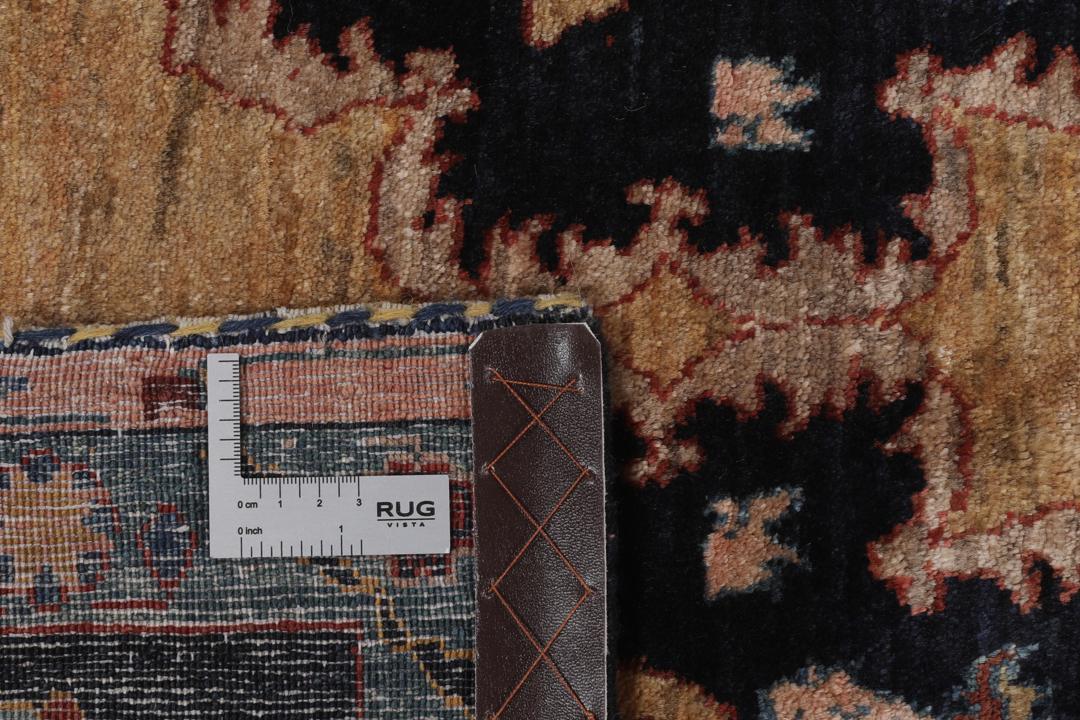
The term Kashkooli specifically refers to a finer, more refined style within the broader Gabbeh tradition. While traditional Gabbeh rugs are known for their rustic and chunky appearance, the Kashkooli sub-category introduces a higher level of detail and a more sophisticated knotting style, bridging the gap between nomadic utility and artistic refinement.
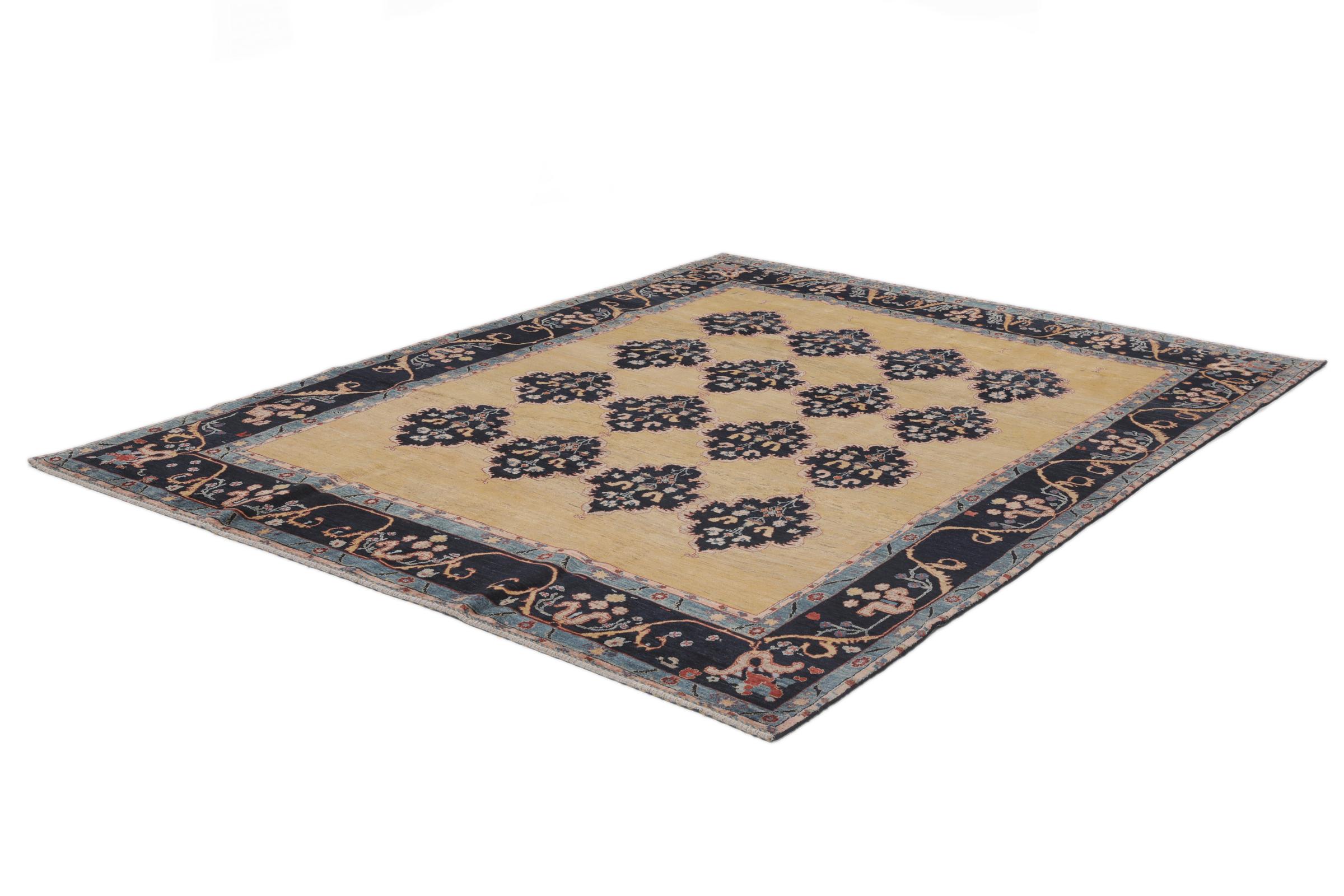
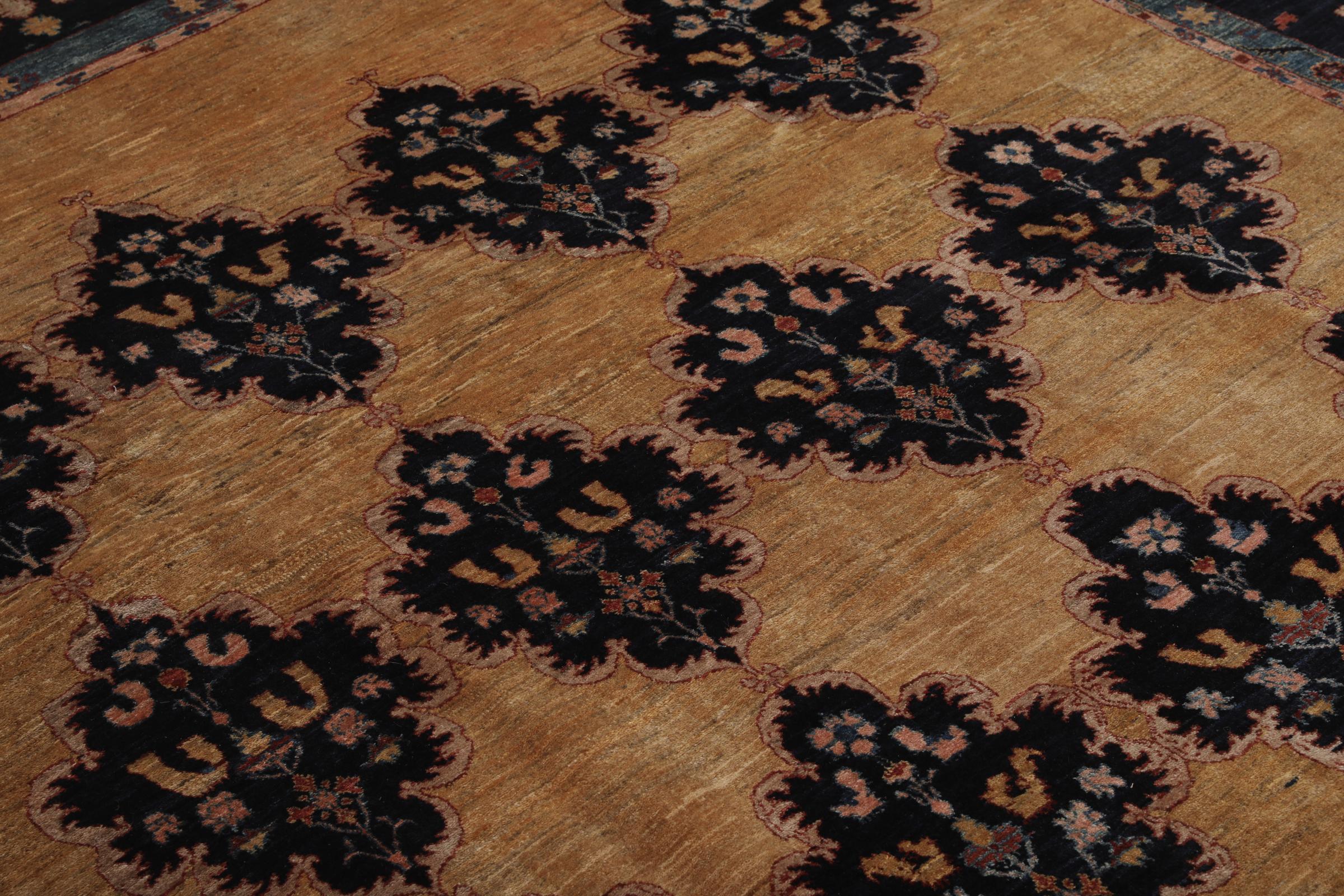
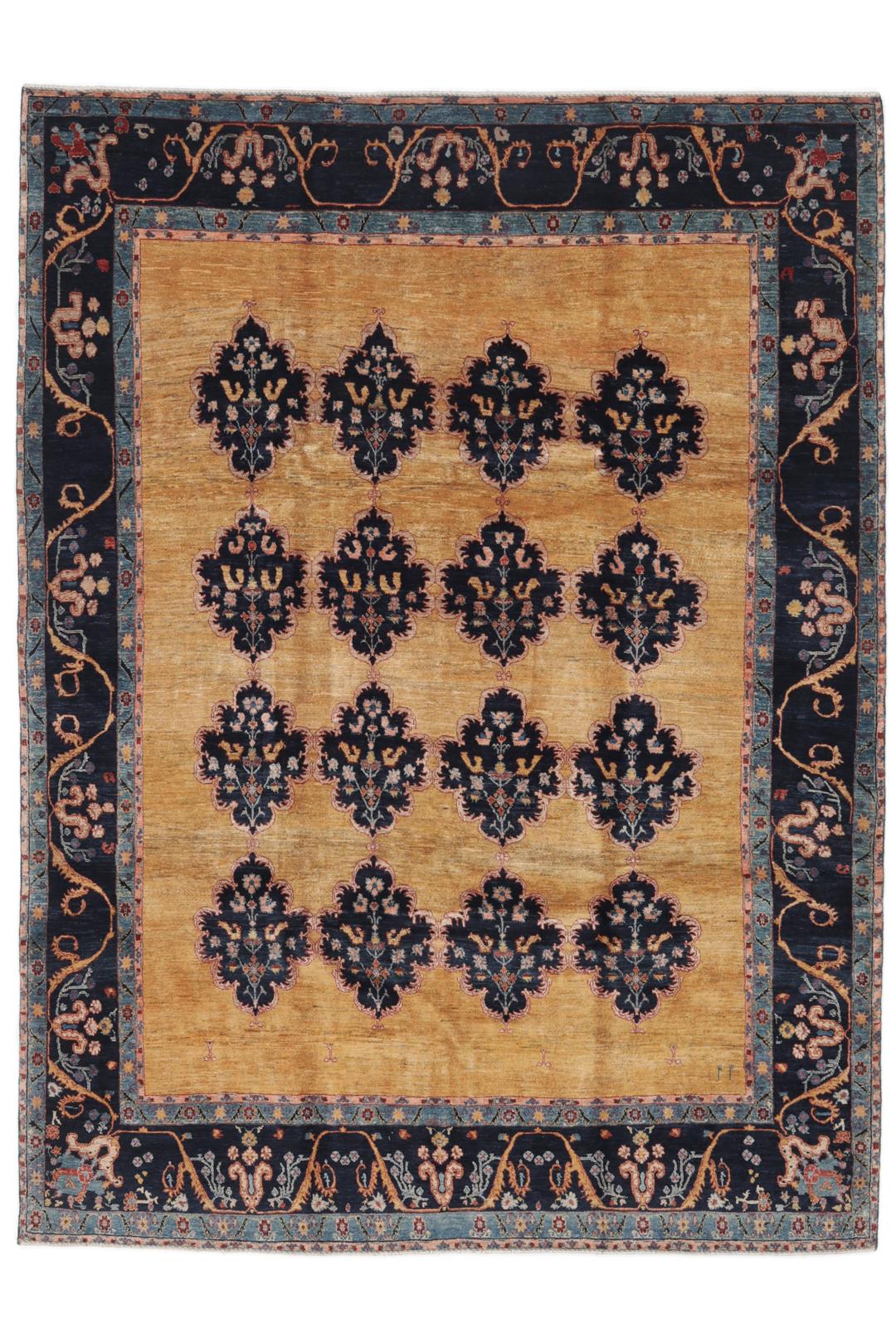
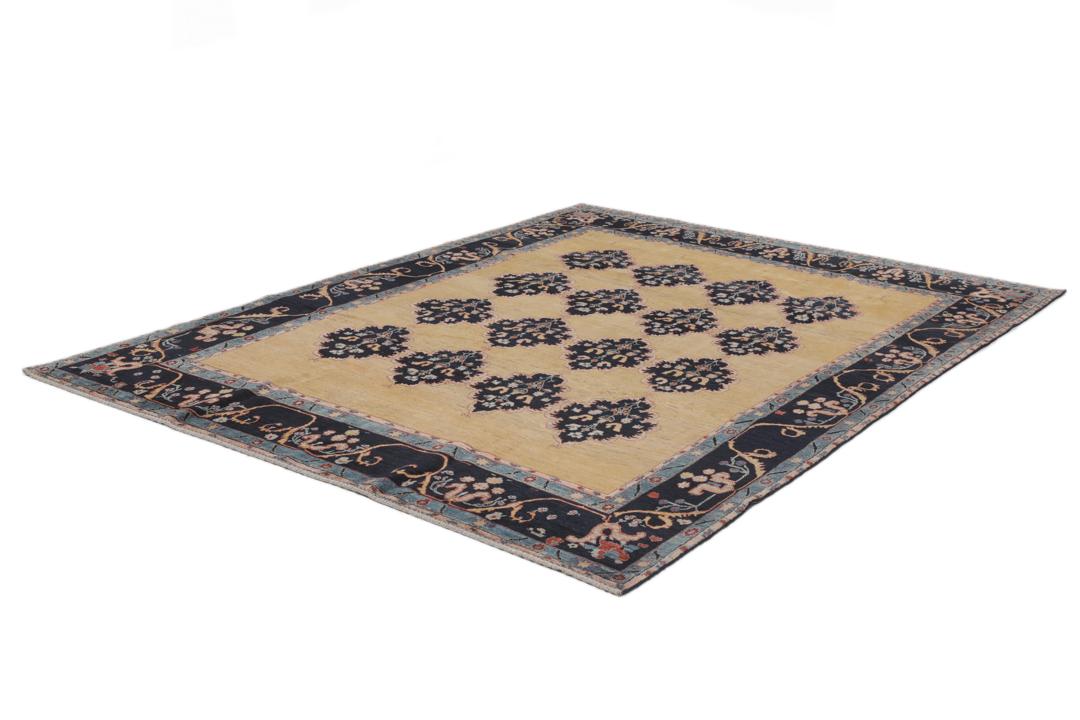
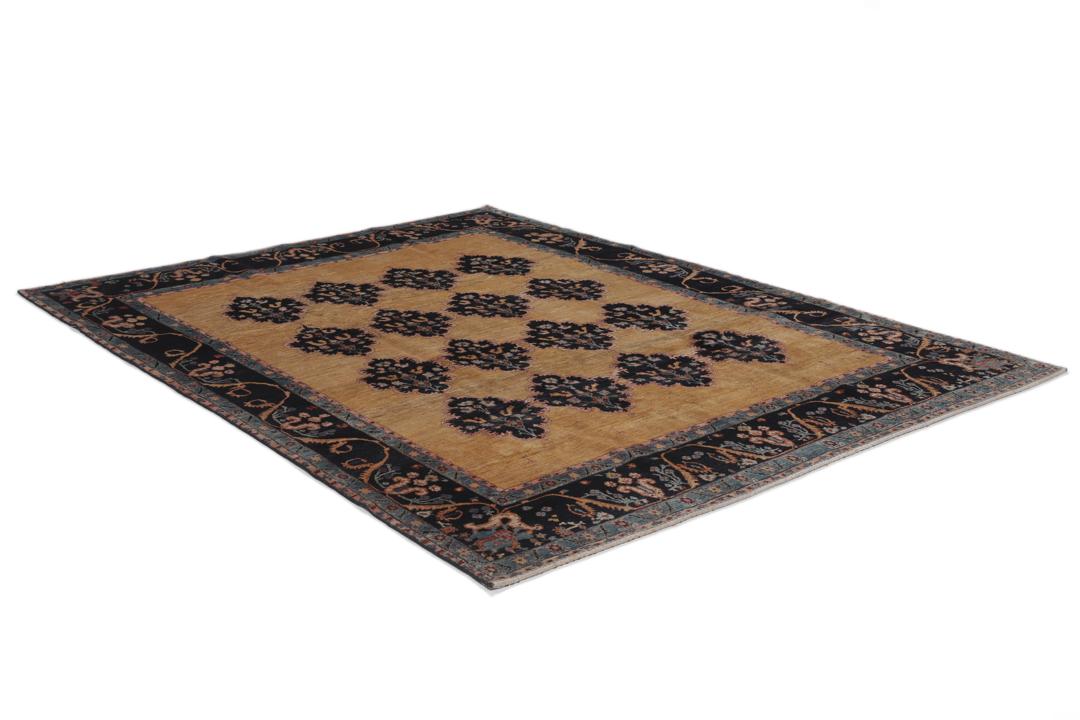
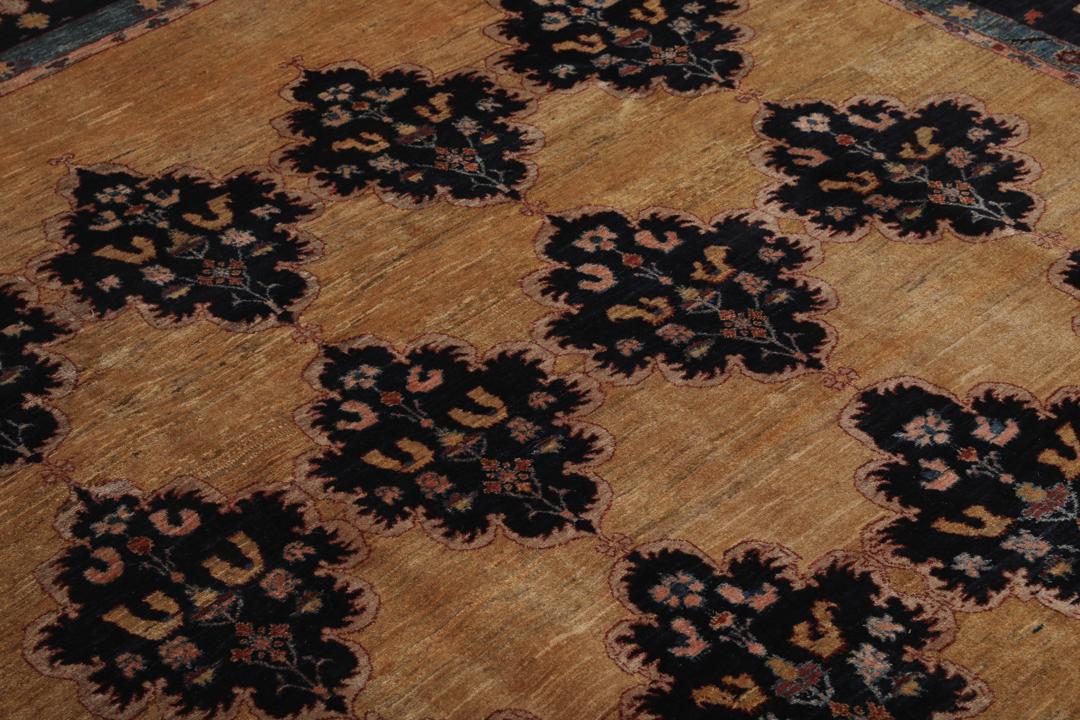
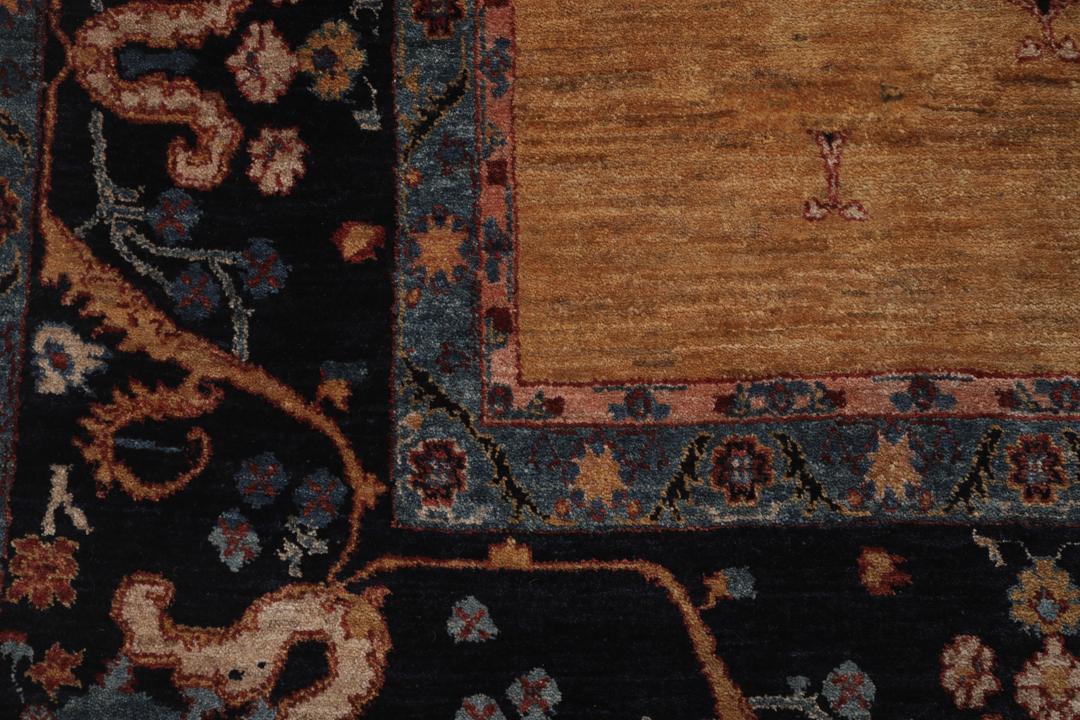
Visually, these rugs are defined by their deep, saturated colours—often derived from natural dyes—and their bold use of space. The motifs frequently include stylised flowers, animals, or geometric shapes that carry symbolic meaning within the weaving community. This particular piece showcases a disciplined arrangement of floral medallions, which is a hallmark of the more elevated Kashkooli aesthetic.
Collecting a Gabbeh Kashkooli is an investment in a living craft tradition. These rugs are valued not only for their durability and physical comfort but for the cultural narrative they preserve. Owning one means connecting with a lineage of artisans whose skill has been passed down through generations, making each rug a meaningful addition to a modern home.