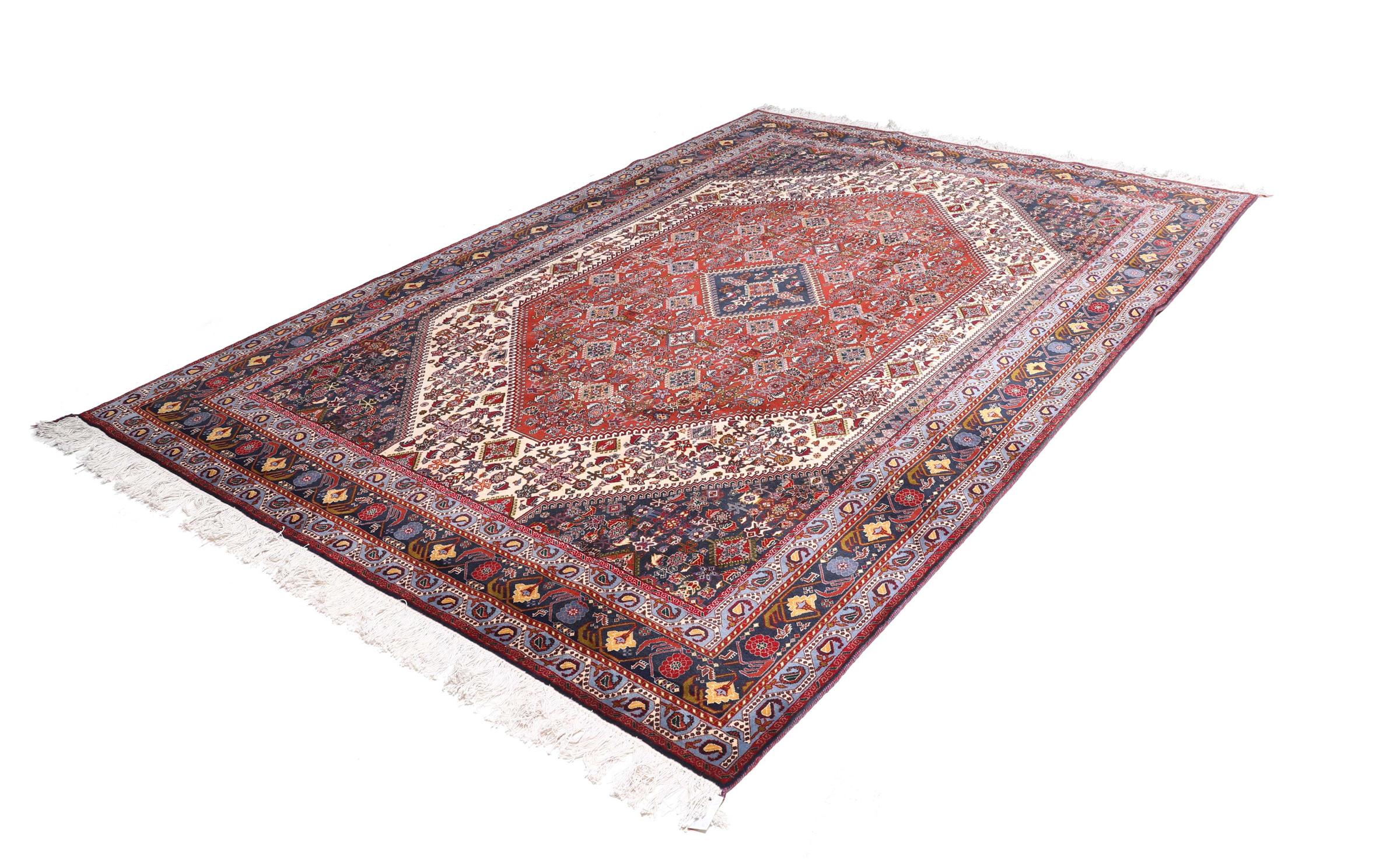
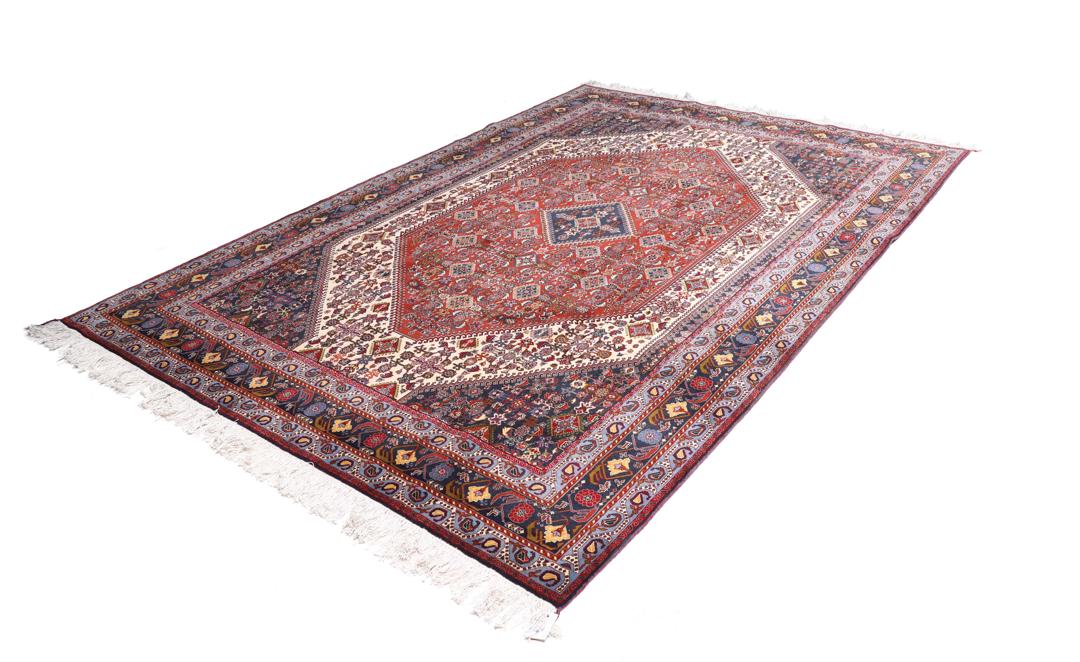
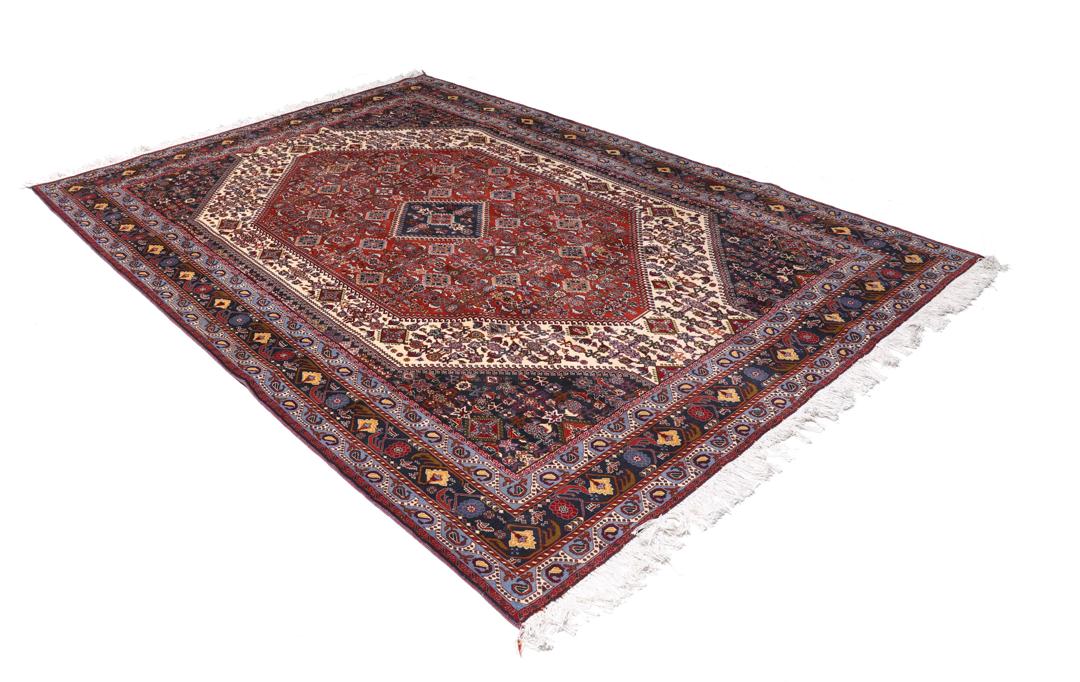
The Gabbeh Kashkooli tradition finds its roots in the nomadic tribes of the Middle East. Historically, these rugs were woven for personal use within the home, reflecting the daily lives, beliefs, and environments of the weavers. Over time, the Kashkooli style evolved into a more refined expression of this tradition, known for its slightly denser construction and more detailed motifs compared to traditional, simpler nomadic styles.
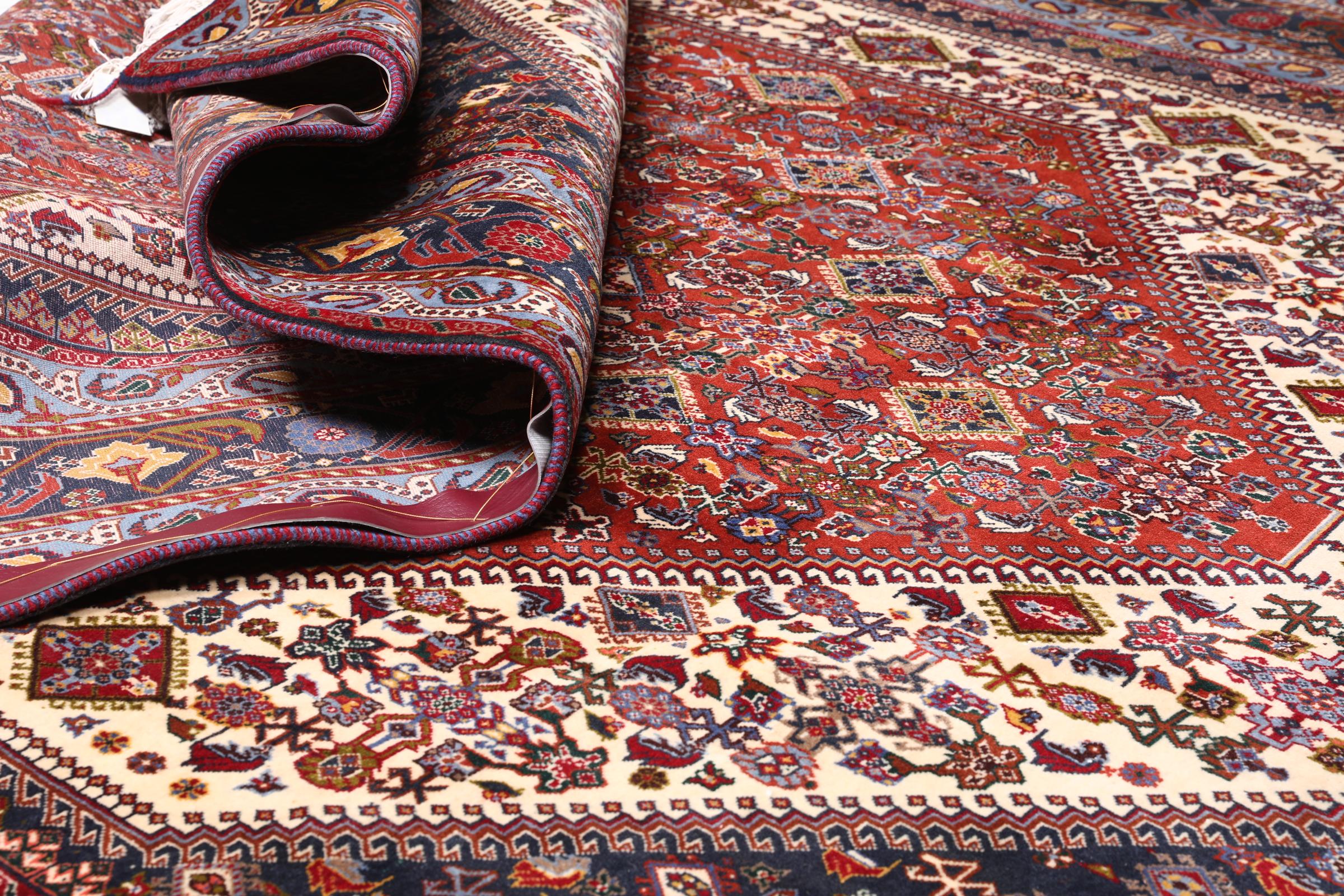
The term Kashkooli refers to a specific, more intricate subset of tribal weaving that balances the rustic charm of traditional village rugs with a higher level of technical finesse. This results in a product that maintains a thick, soft pile while offering clearer, more intentional design patterns. It represents a bridge between the raw, spontaneous creativity of tribal roots and the more formal requirements of traditional interior decor.
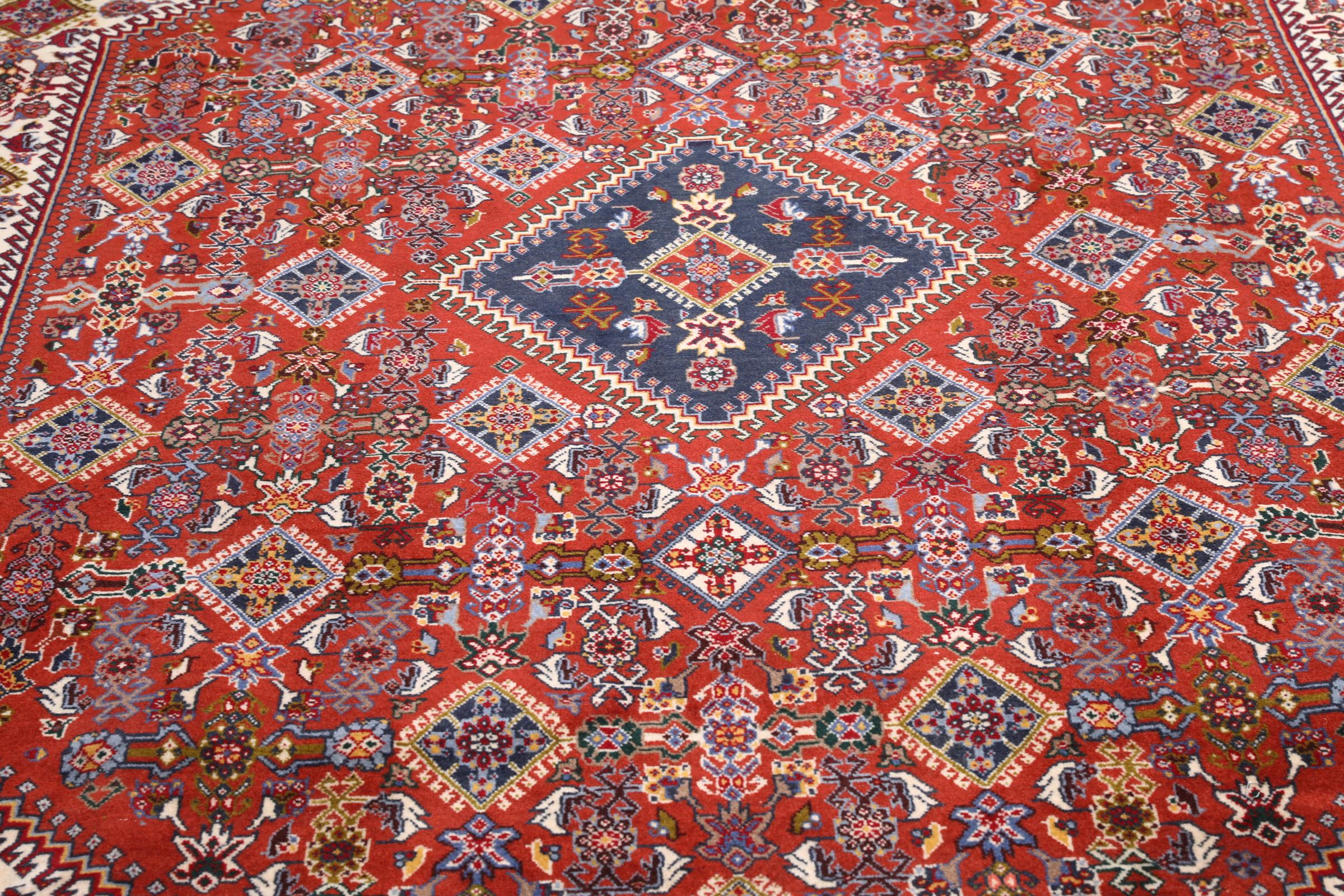
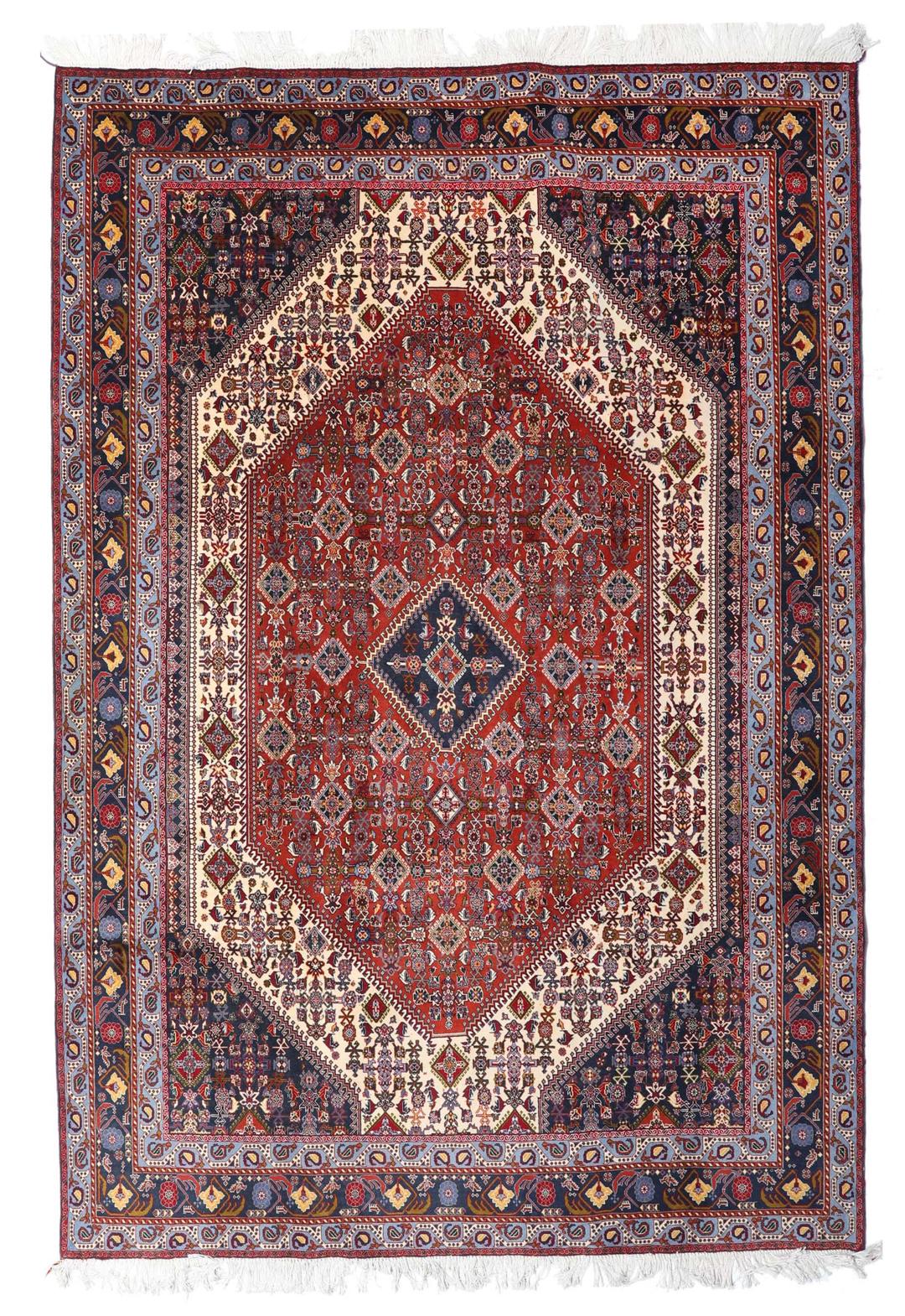
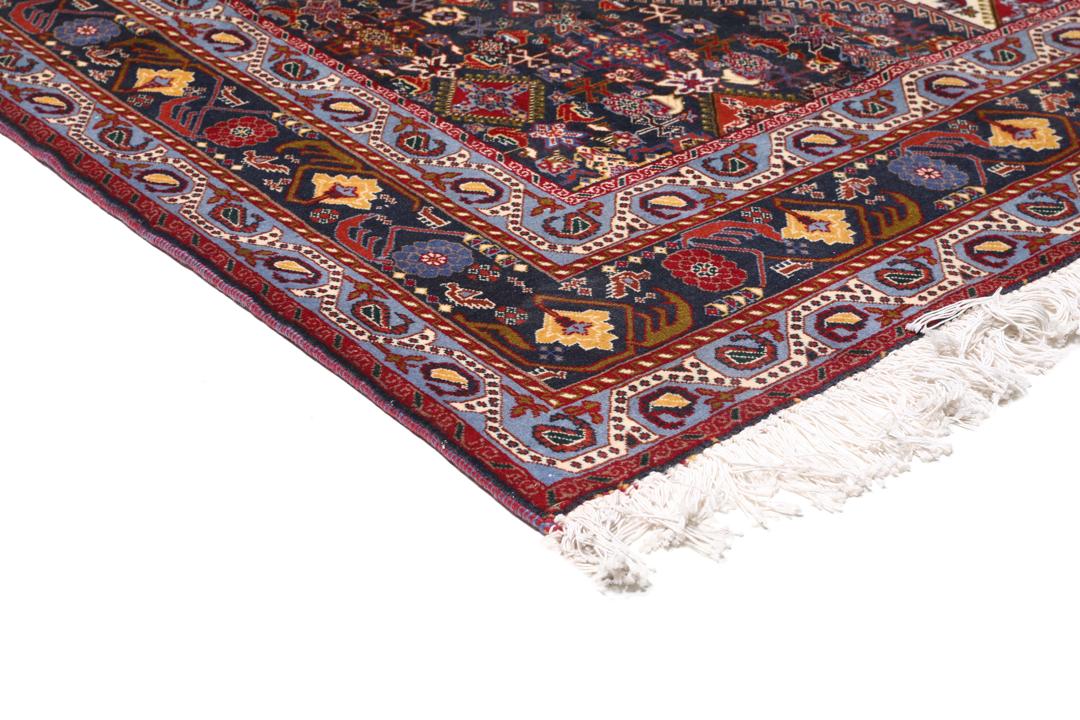
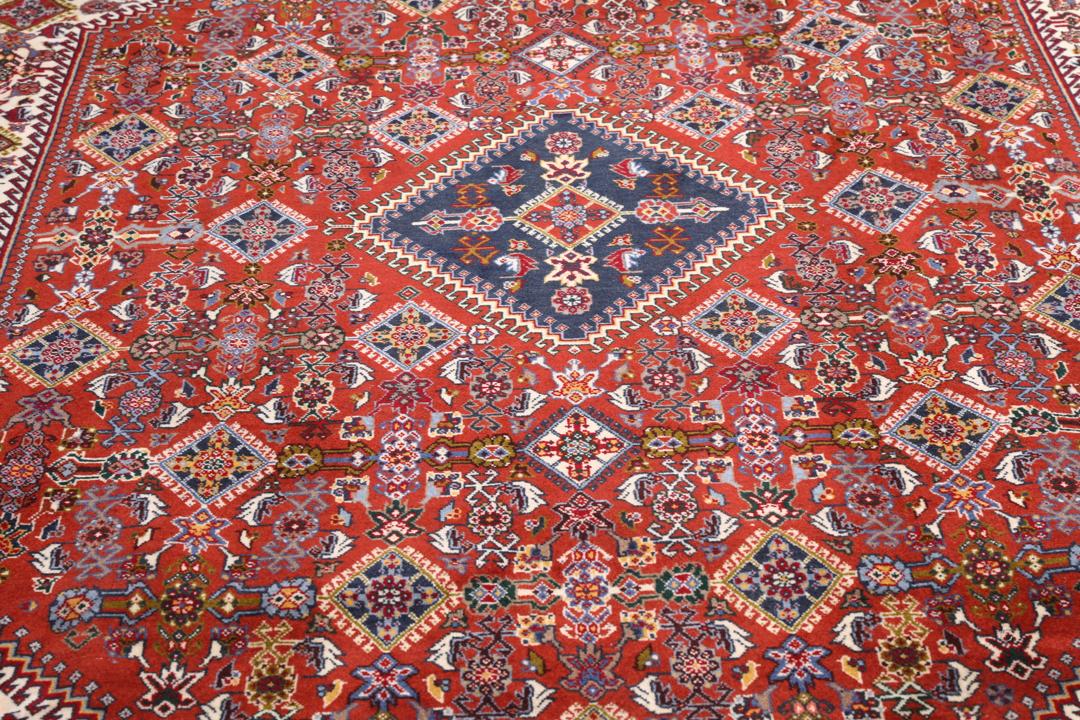
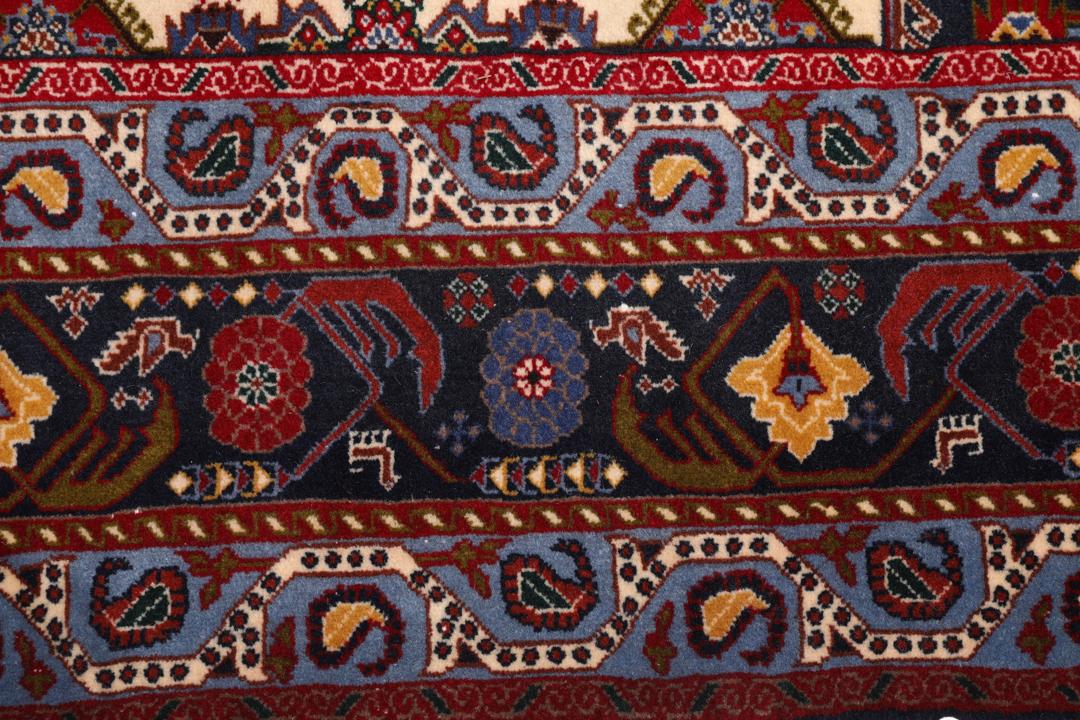
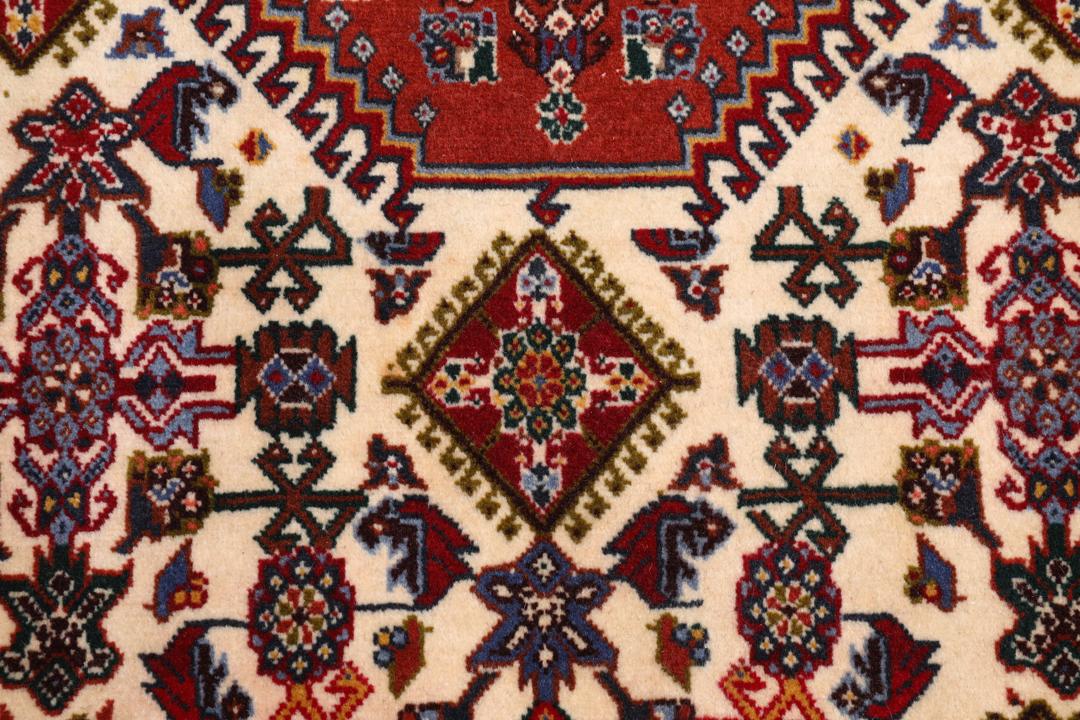
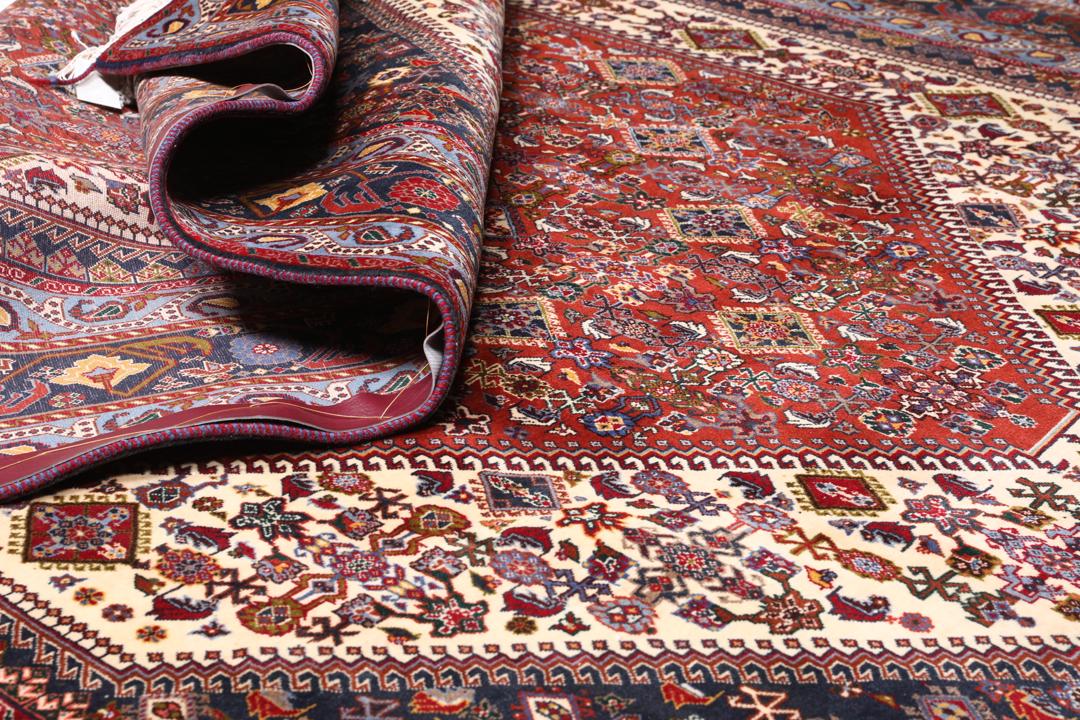
Visually, these rugs are defined by their deep, saturated colours and a mix of geometric and floral-inspired motifs. The central medallion is a classic signature of this style, often surrounded by a field of repeating, meaningful symbols that tell a story of regional heritage. The borders are typically designed to frame the central narrative, providing a sense of balance and structure to the overall composition.
Collecting a rug from this tradition is an investment in cultural continuity. Because they are crafted by hand using age-old techniques passed down through generations, each piece acts as a vessel for history and skill. Owning one is a way to celebrate the enduring human spirit of creativity and to bring a sense of genuine, time-honoured quality into a modern home environment.