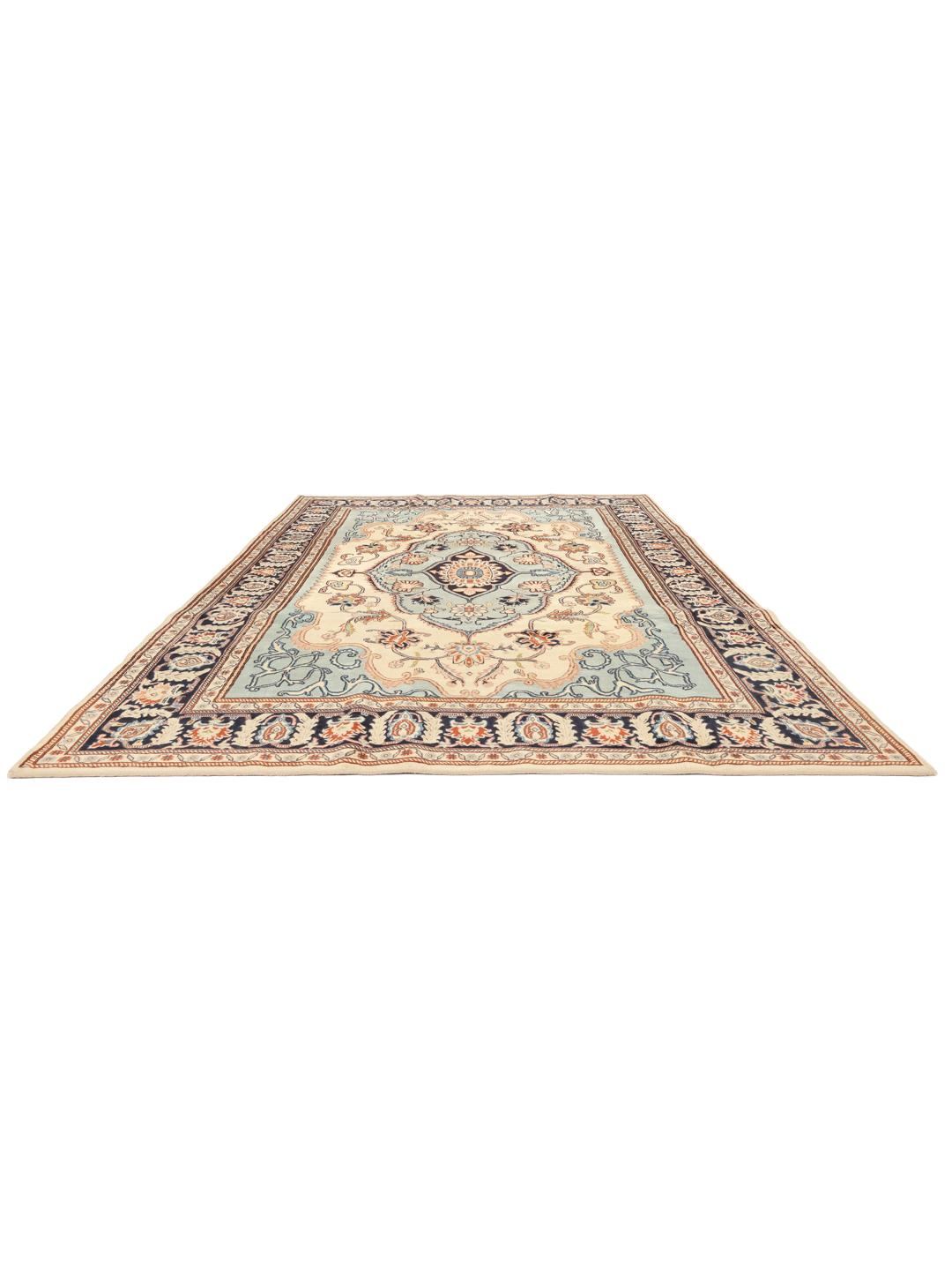
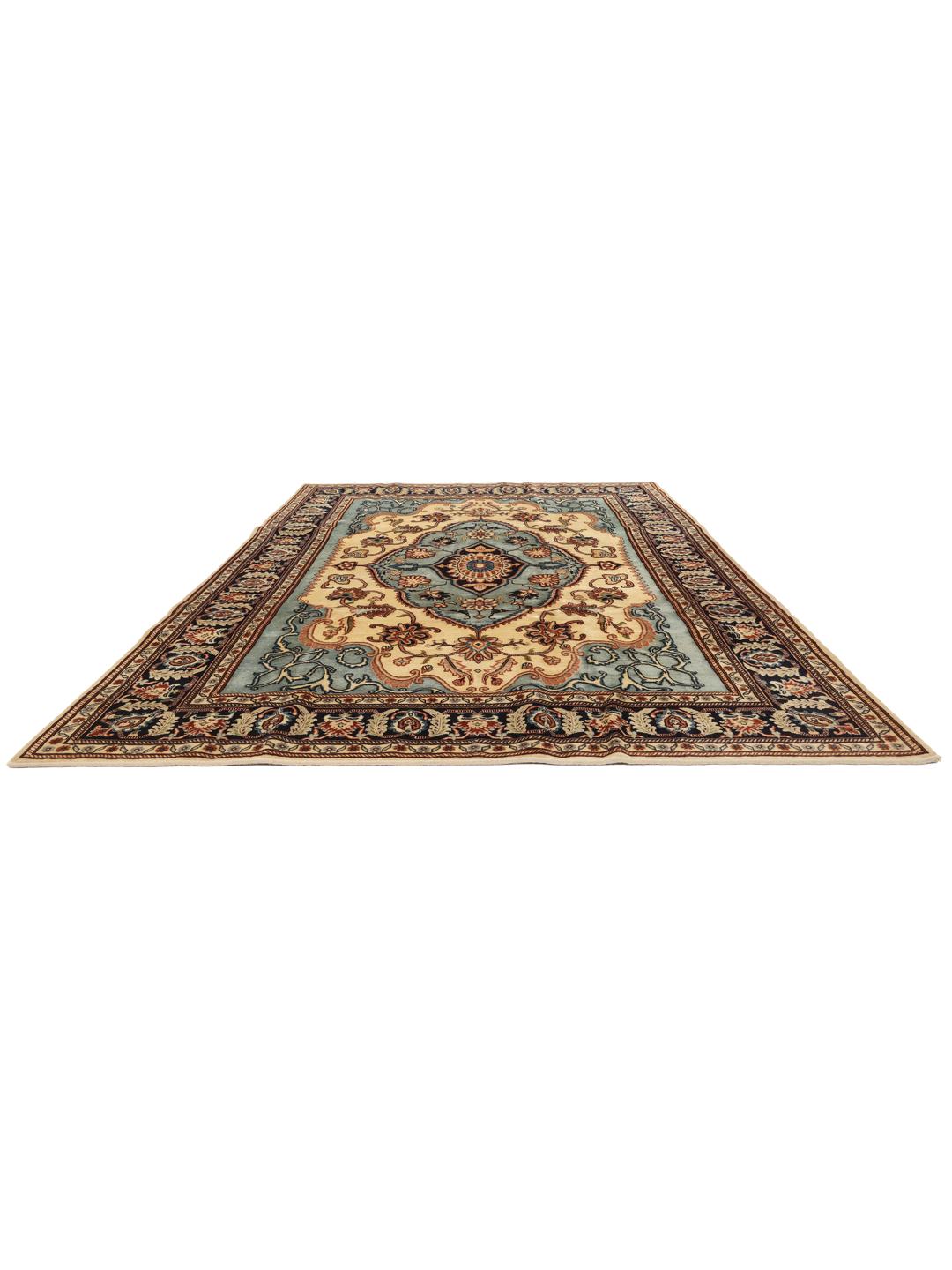
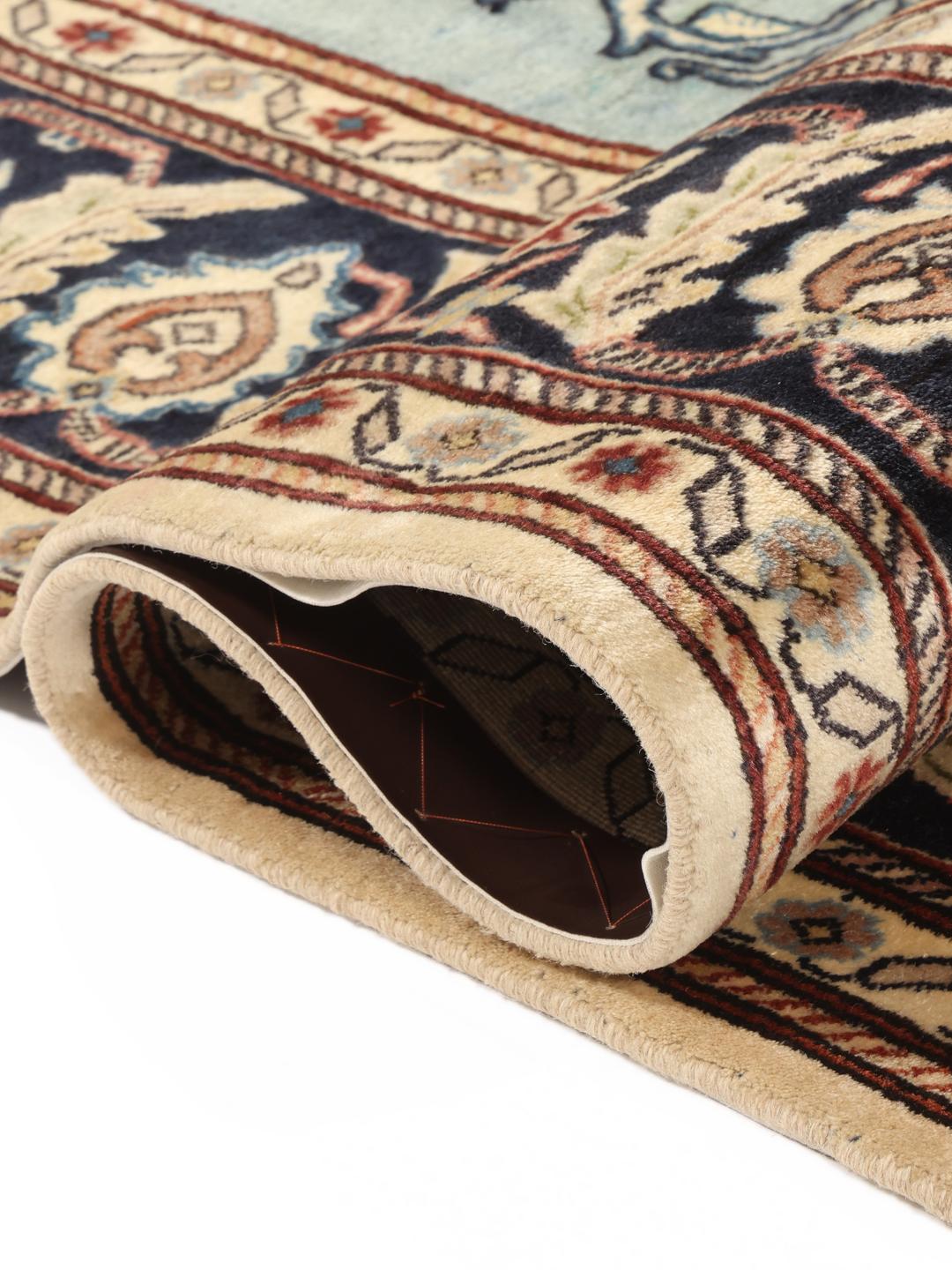
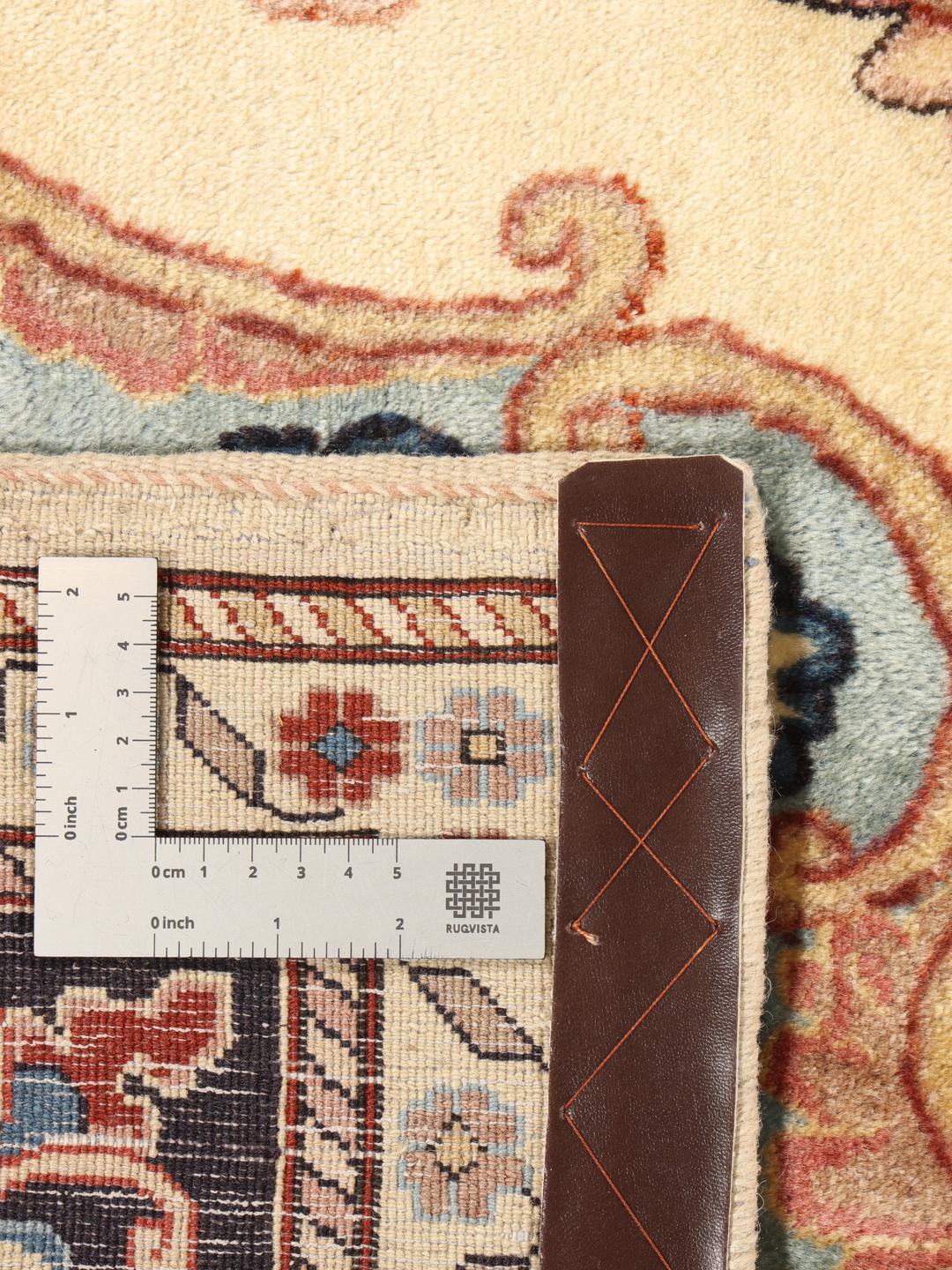
Gabbeh rugs are a distinct tradition originating from the nomadic tribes of the Middle East. Historically, these rugs were woven for personal use, serving as warm bedding and floor coverings within tents. Over time, the Kashkooli style evolved to showcase a finer weave and more sophisticated designs compared to the simpler, more rustic Gabbeh styles, bridging the gap between functional tribal art and refined decorative weaving.
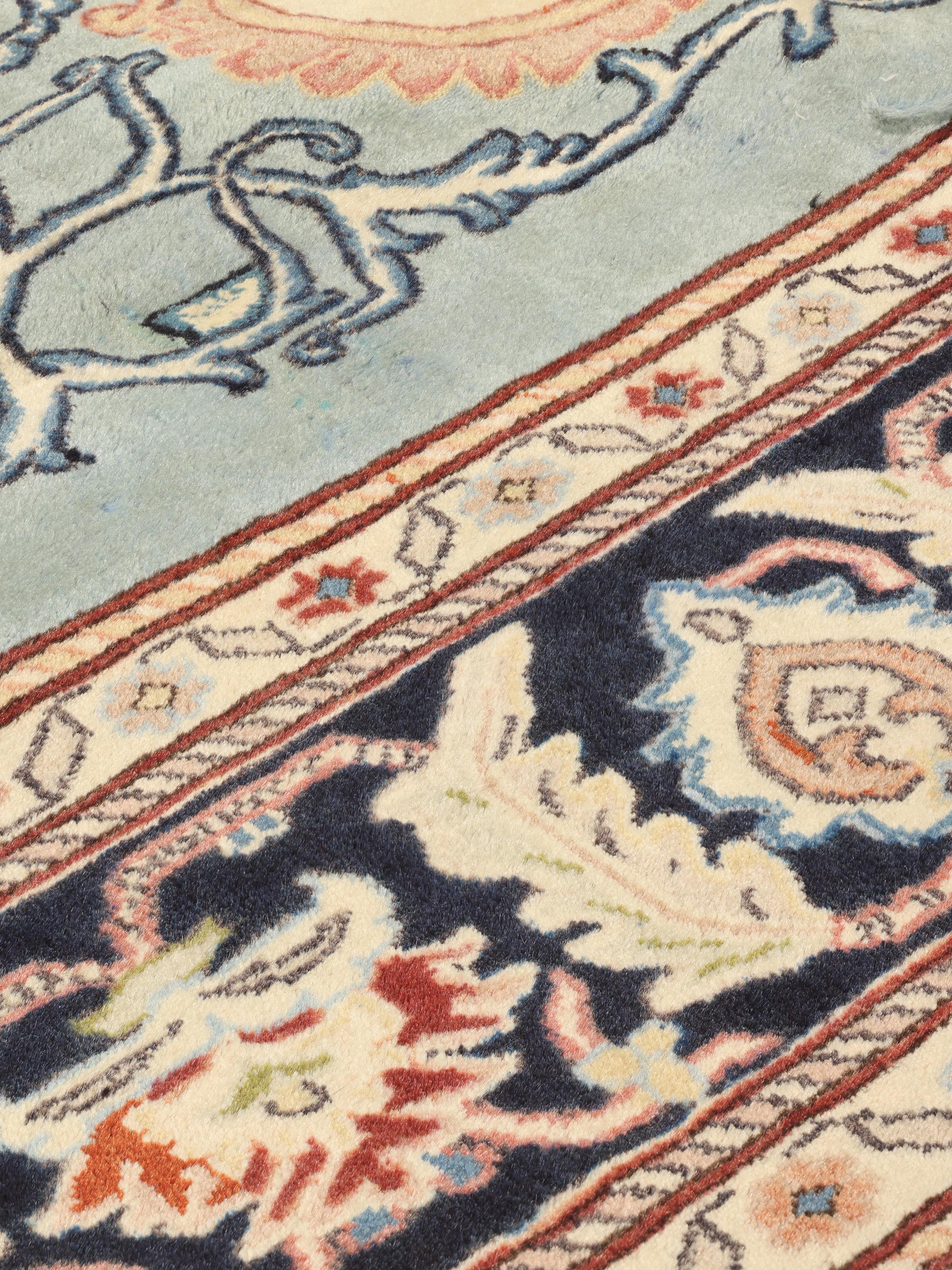
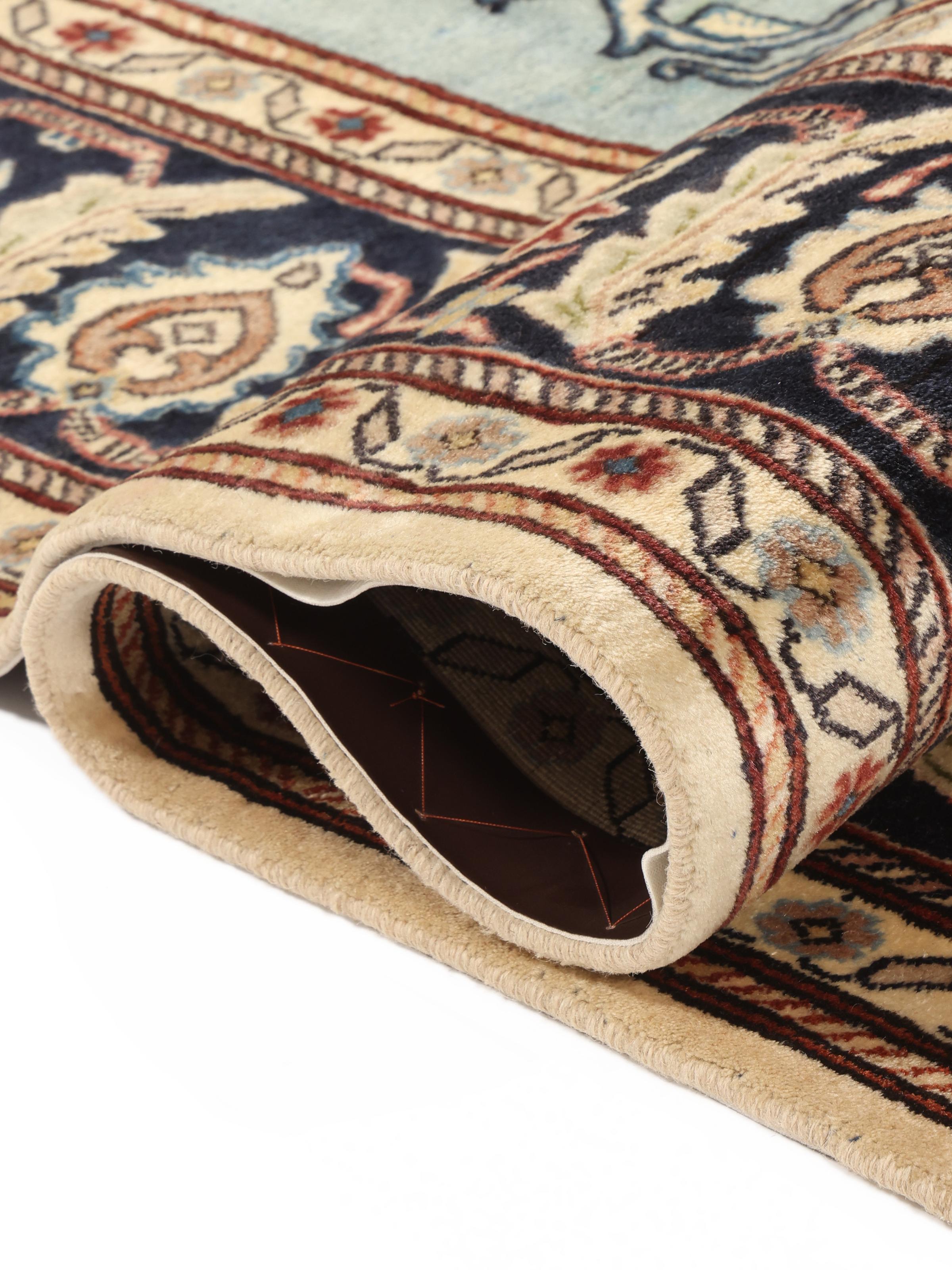
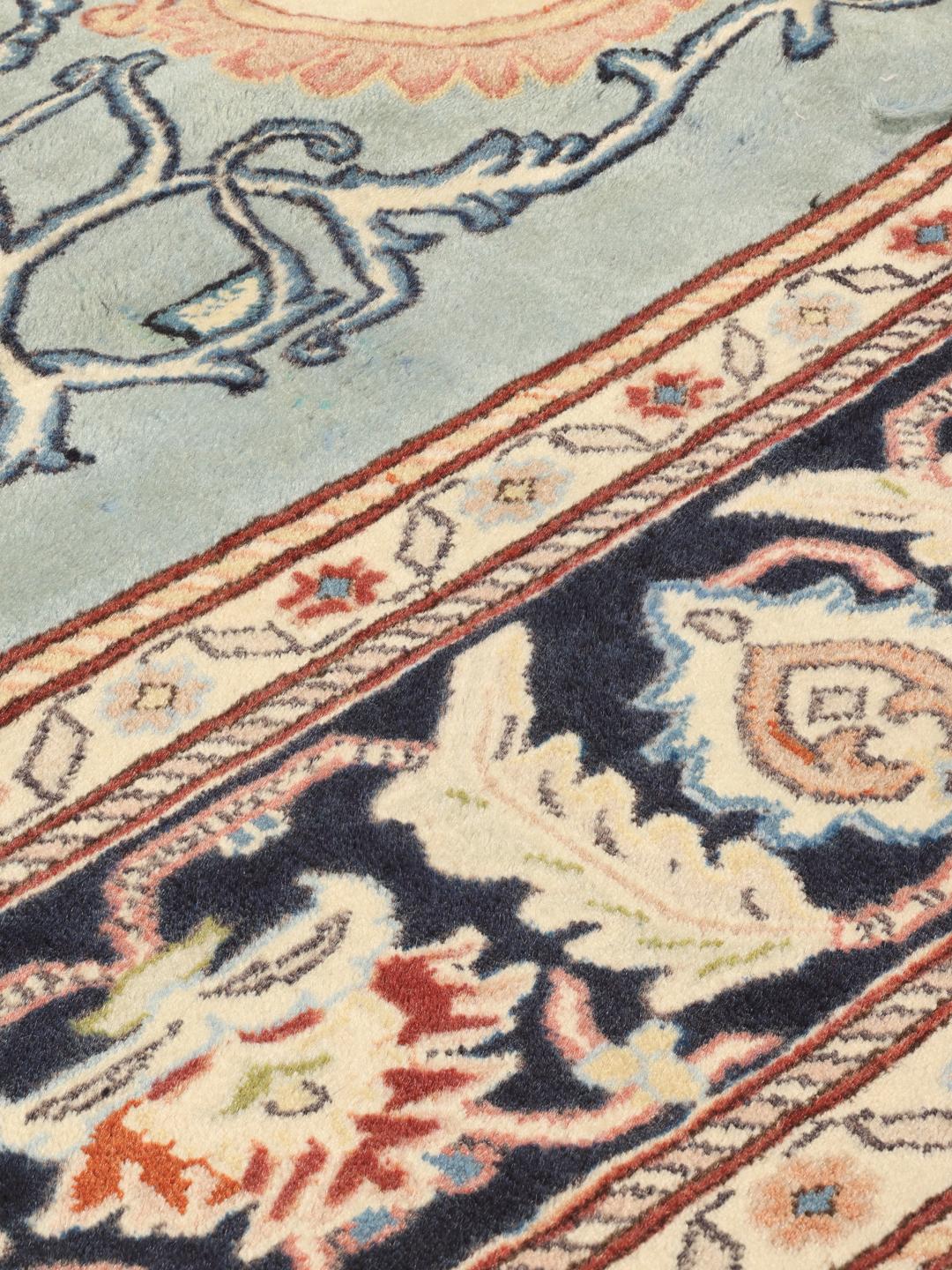
The term Kashkooli refers to a specific tribal branch known for their exceptional weaving quality. These rugs are traditionally crafted using hand-spun wool, which often retains natural lanolin. This lanolin provides the wool with a soft, lustrous quality and inherent durability, making the rugs highly resistant to wear. The use of multi-ply yarn construction in these pieces ensures a dense pile that feels rich and substantial to the touch.
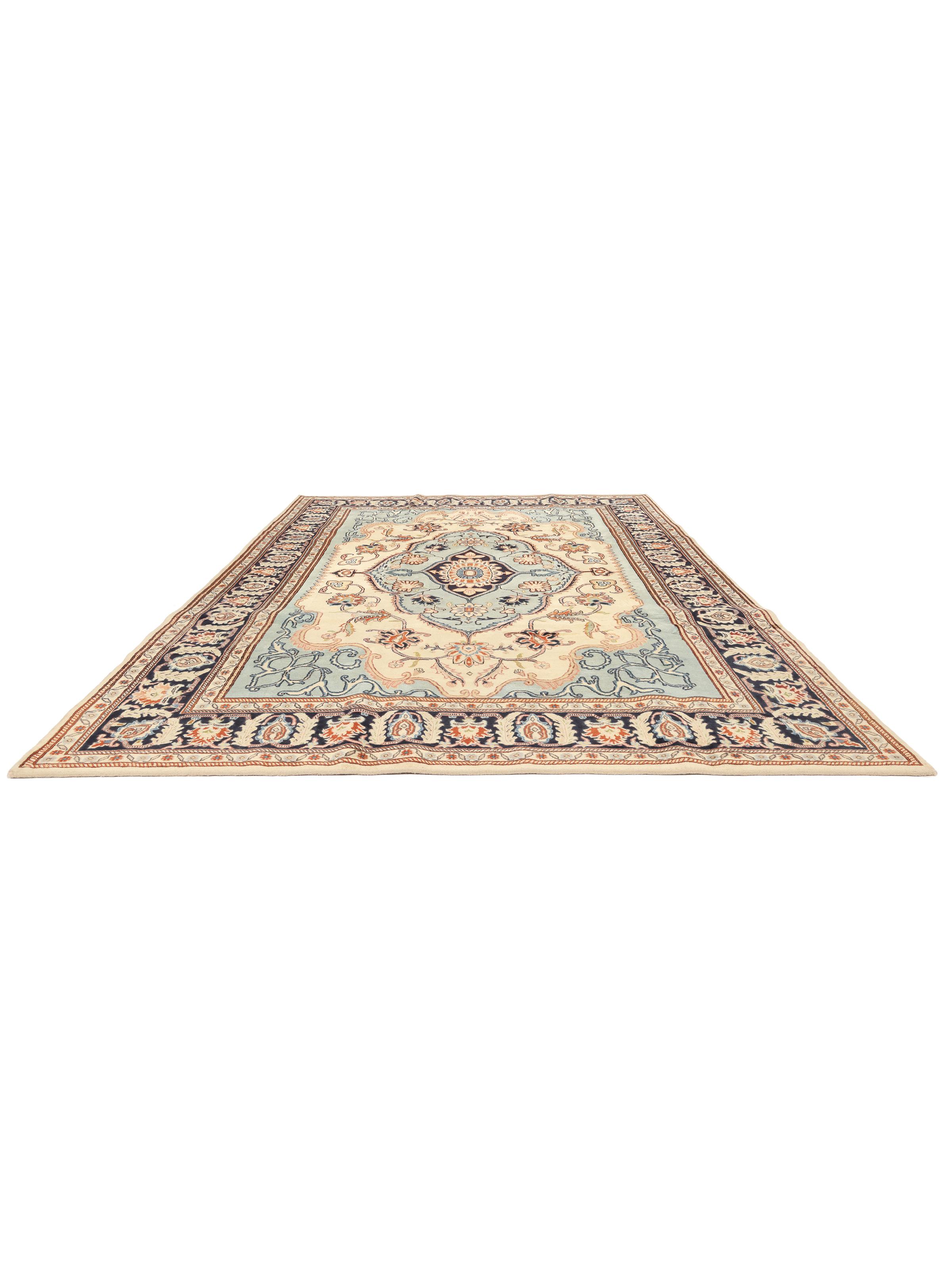
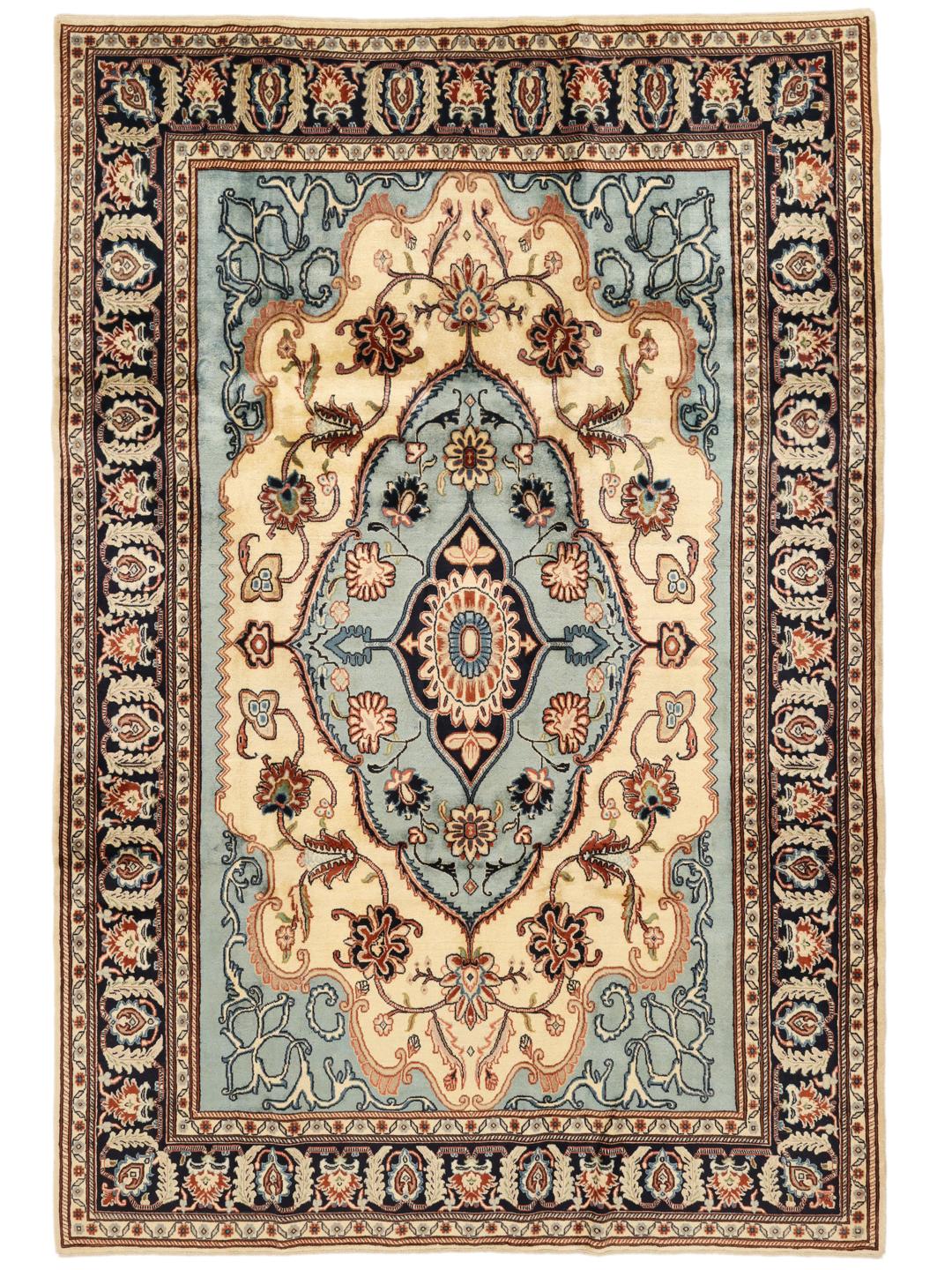
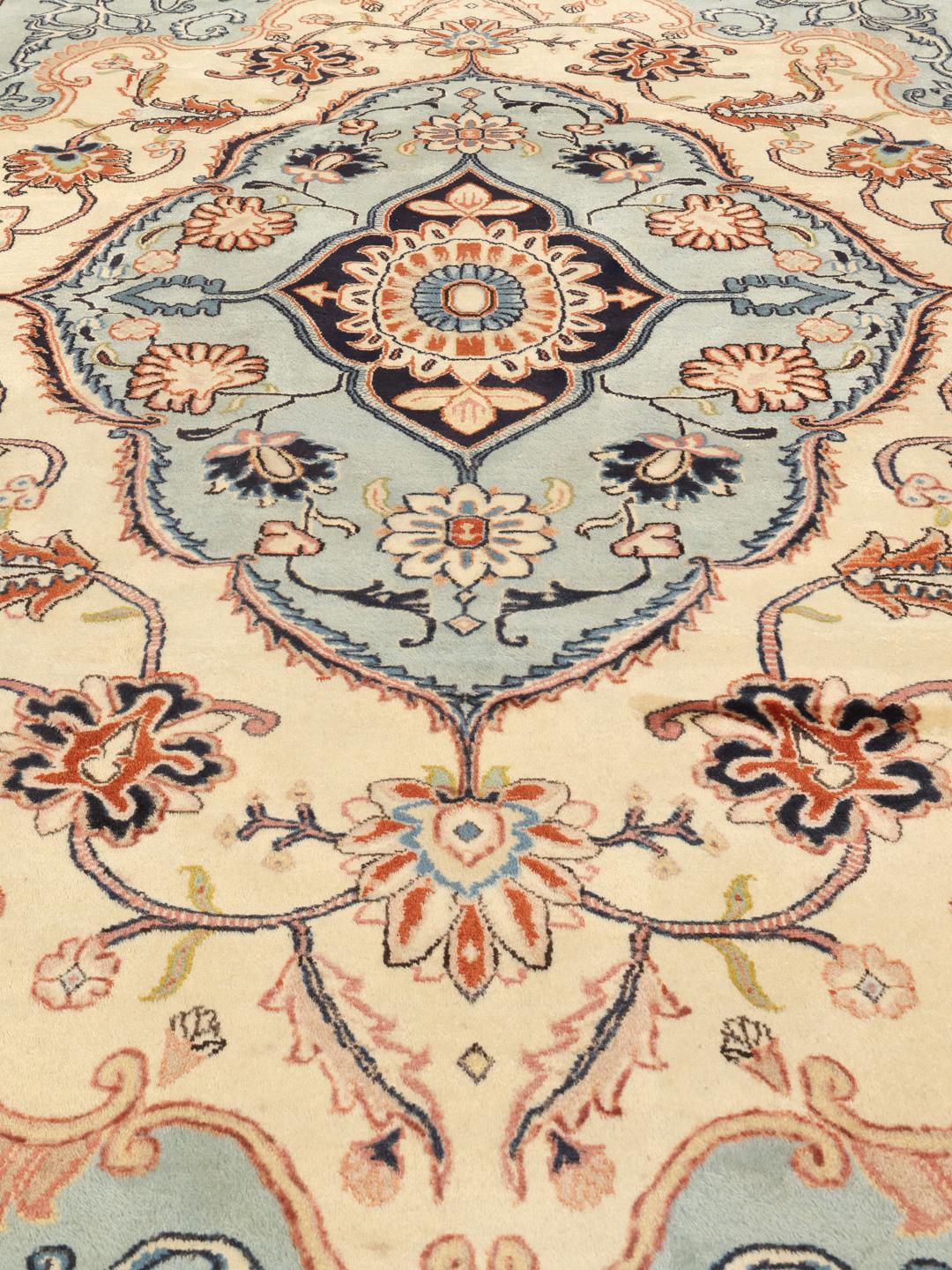
Visually, this tradition often incorporates a blend of geometric and floral elements. While traditional Gabbeh rugs are known for their minimalist, abstract fields, the Kashkooli variation frequently features complex medallions and detailed borders, as seen in this piece. The colour palettes are typically inspired by the natural landscape, using earthy tones and soft hues that reflect the environment of the weavers, often achieved through traditional dyeing techniques.
Owning a Gabbeh Kashkooli is an investment in cultural heritage and artisanal skill. These rugs are highly valued by collectors for their blend of tribal authenticity and technical sophistication. By bringing a piece of this history into your home, you are celebrating a living tradition that has been passed down through generations, ensuring that the art of hand-knotting continues to be appreciated for its beauty and longevity.