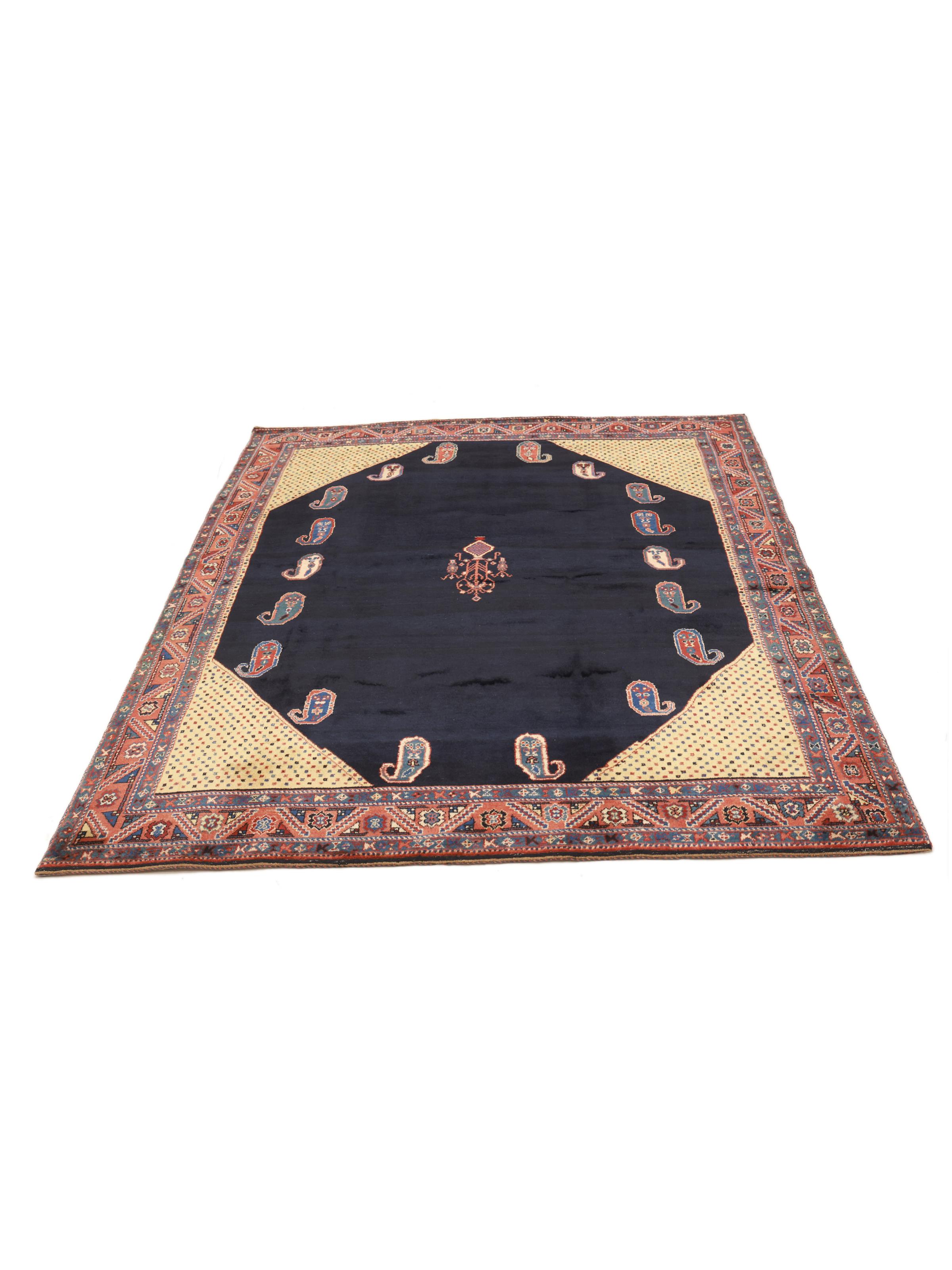
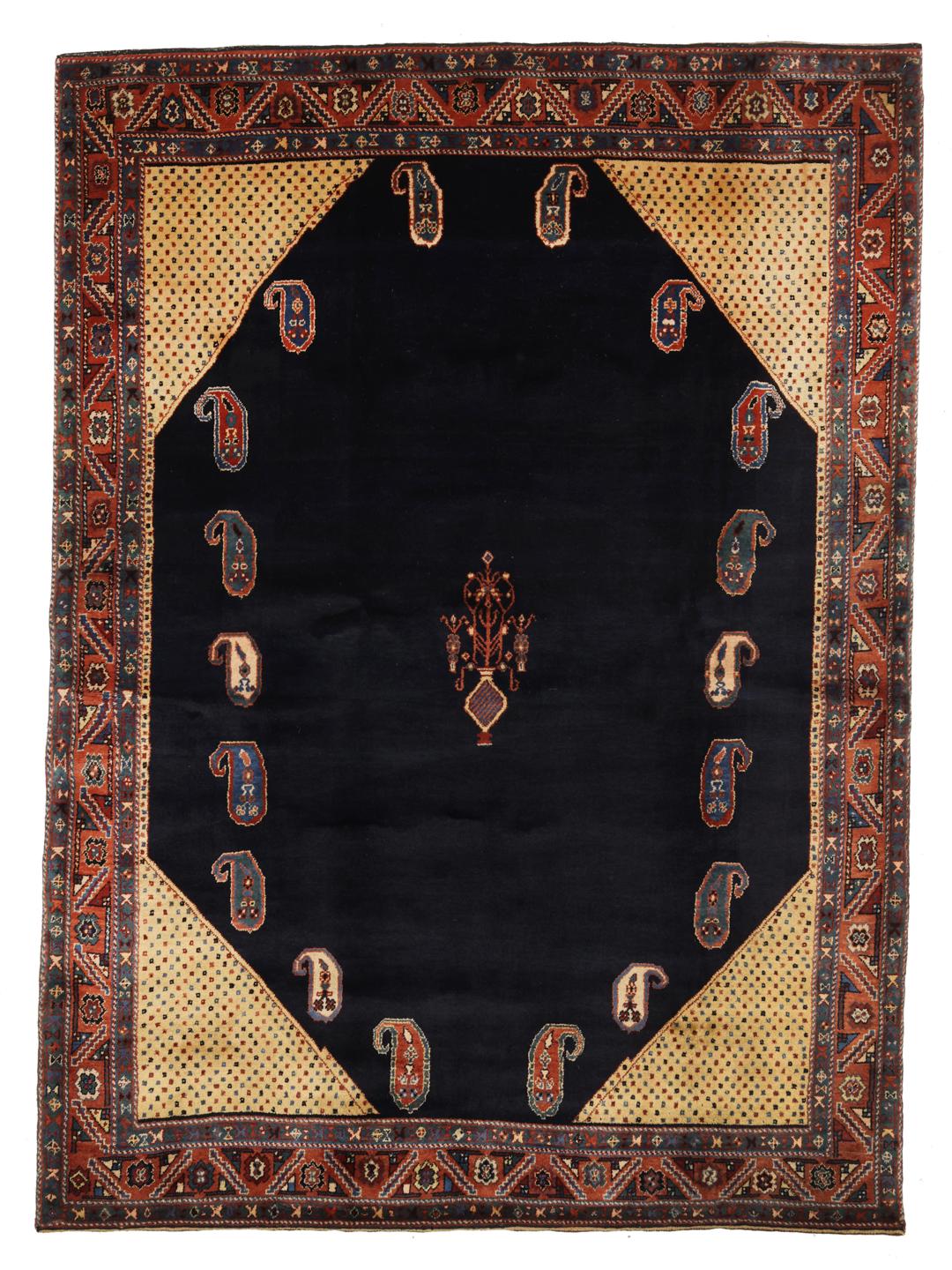
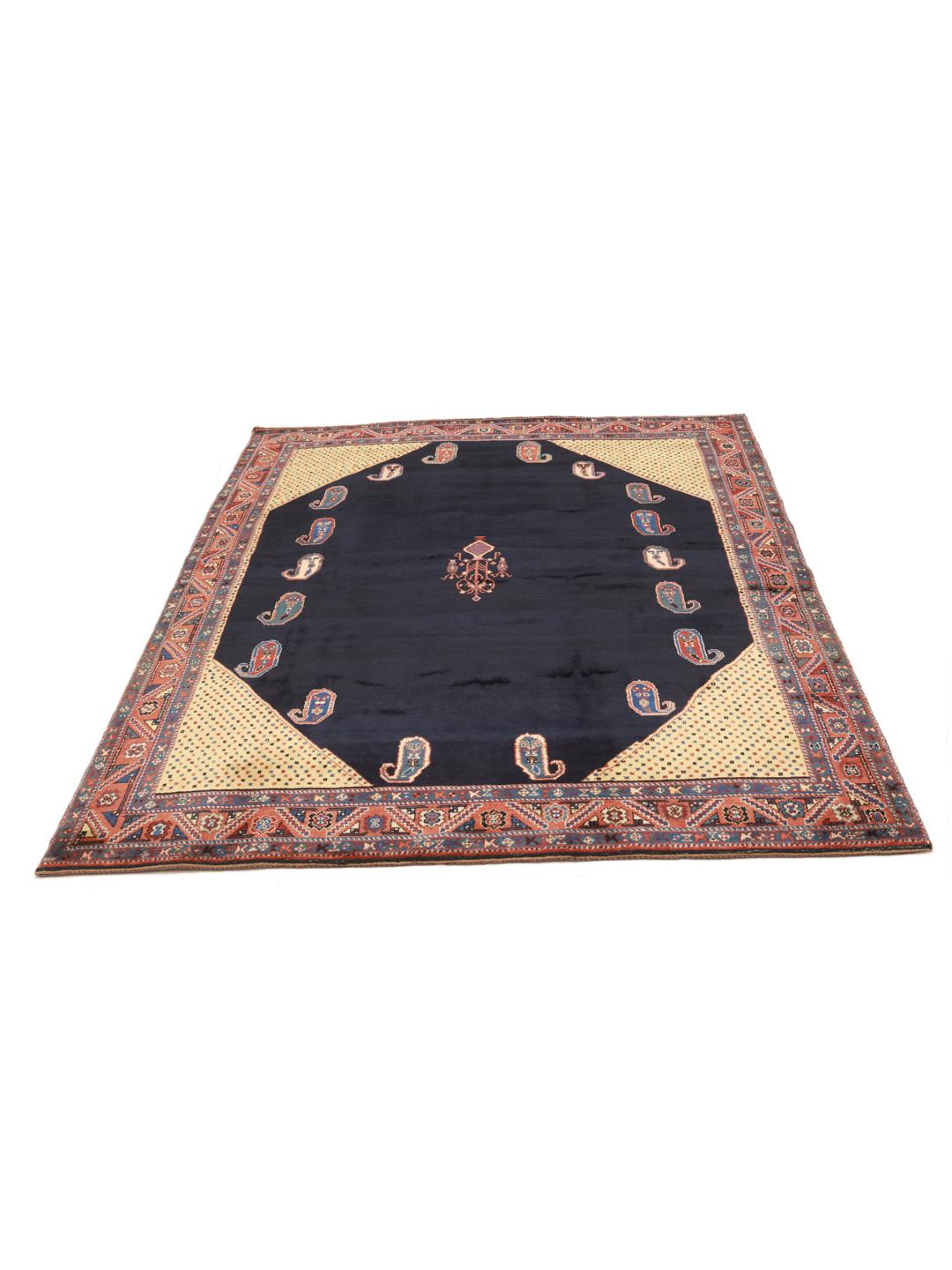
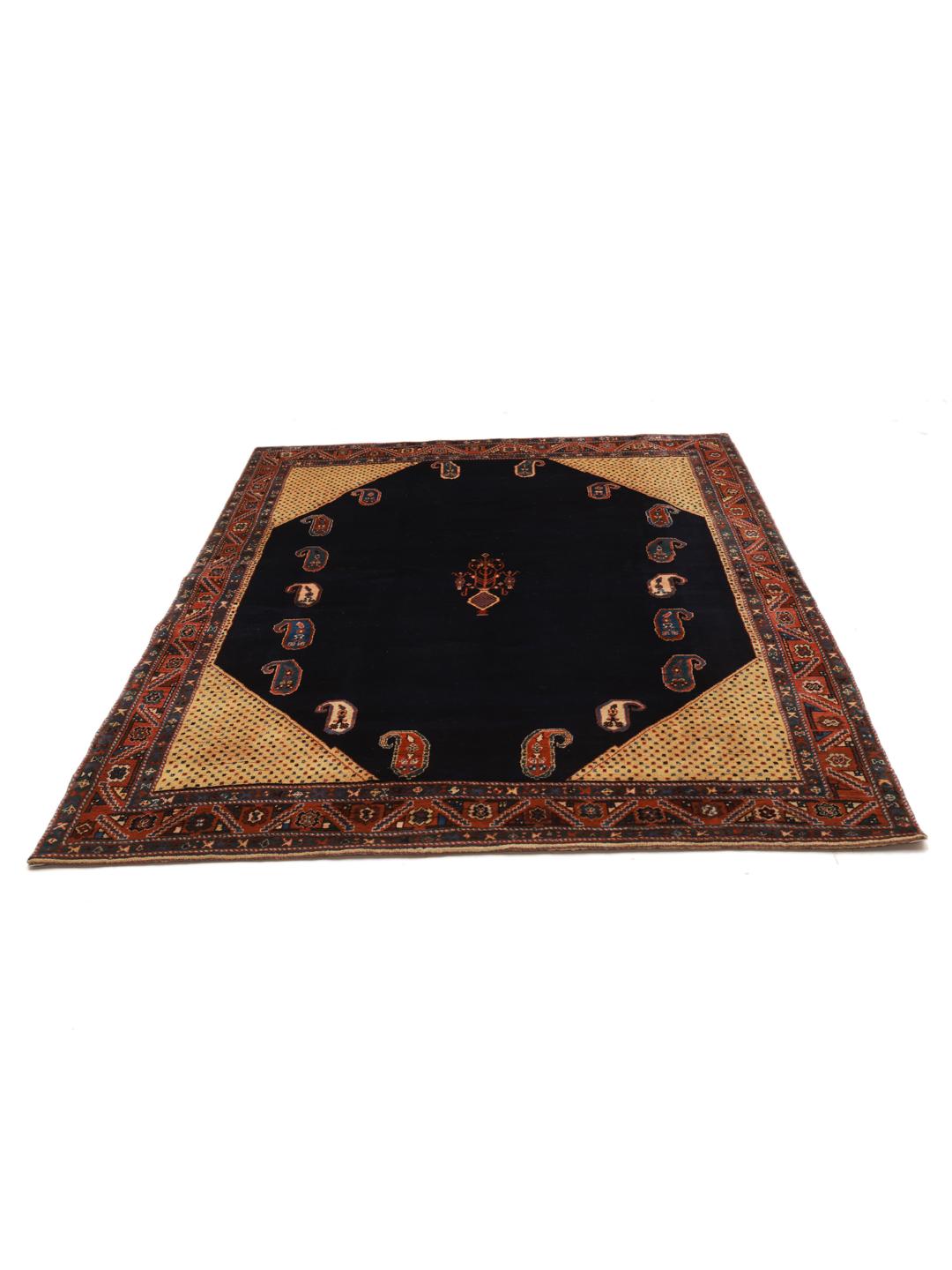
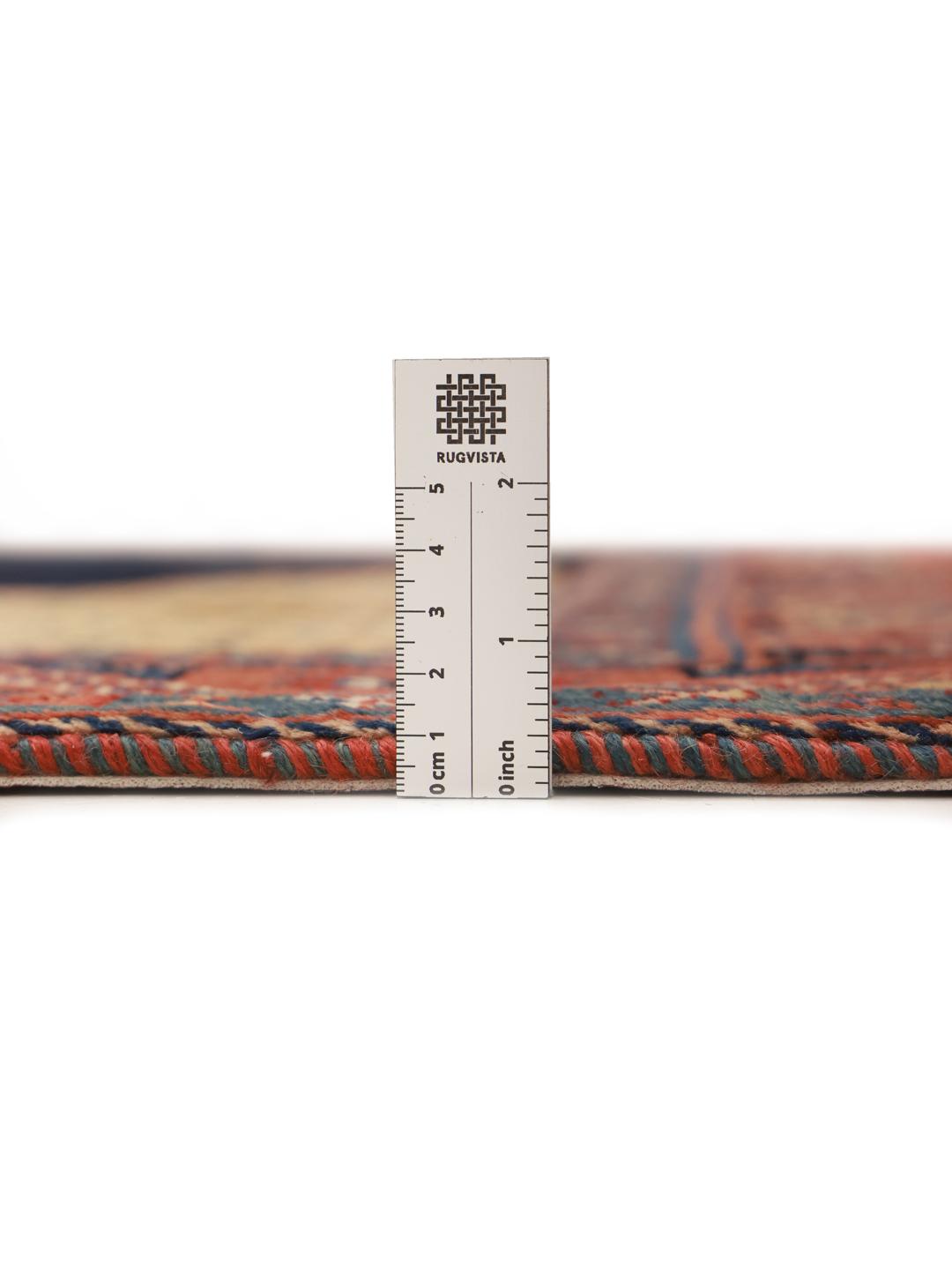
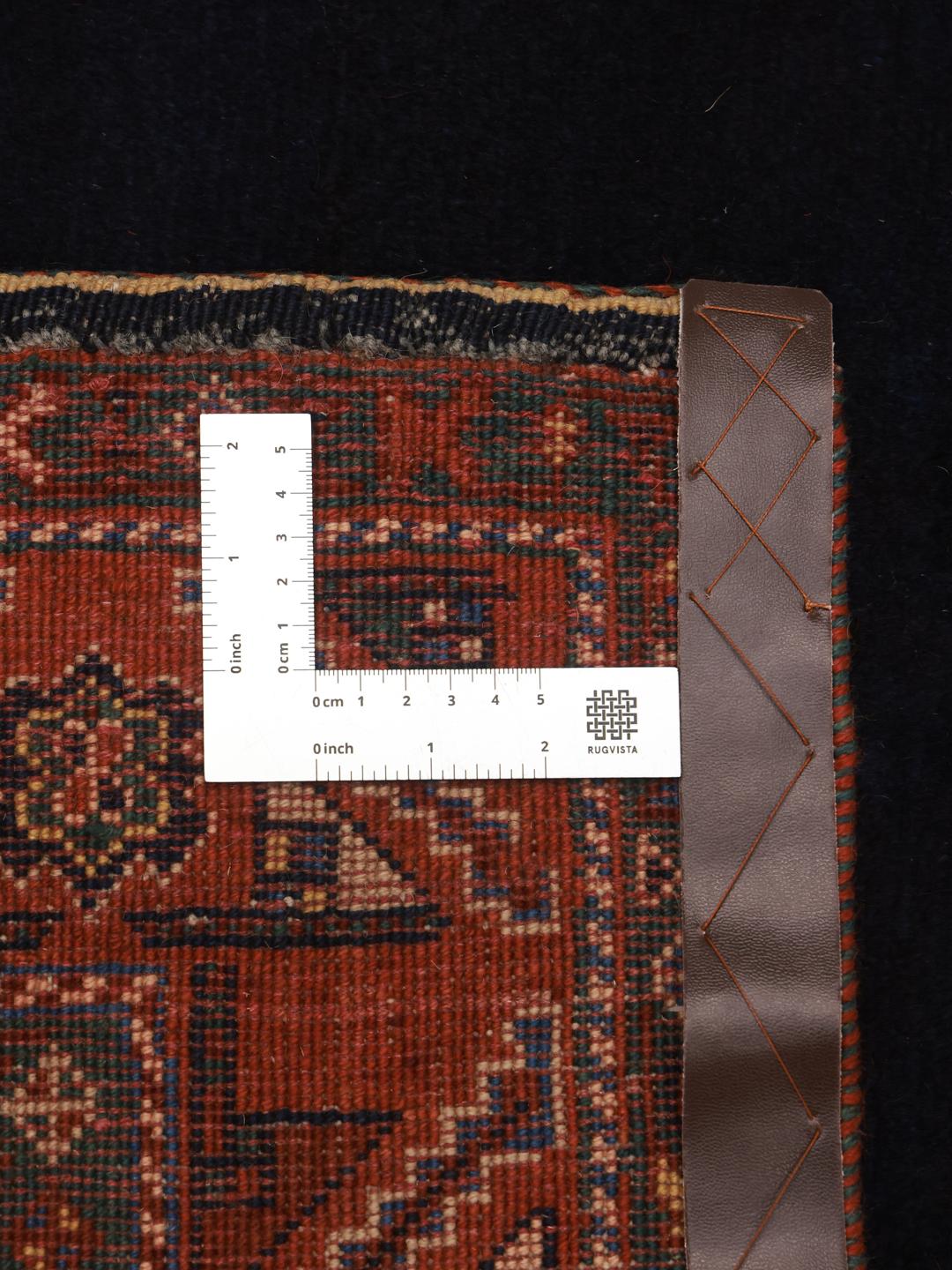
Gabbeh rugs have a long and storied history, originating from the nomadic tribes of the Middle East. Traditionally, these rugs were woven for personal use by tribal families, serving as thick, protective bedding and floor coverings that provided warmth against the cold desert nights. Unlike more formal urban rugs, the Gabbeh was a canvas for the weaver's personal expression, often incorporating stories, symbols, and the natural environment of the rugged landscape.
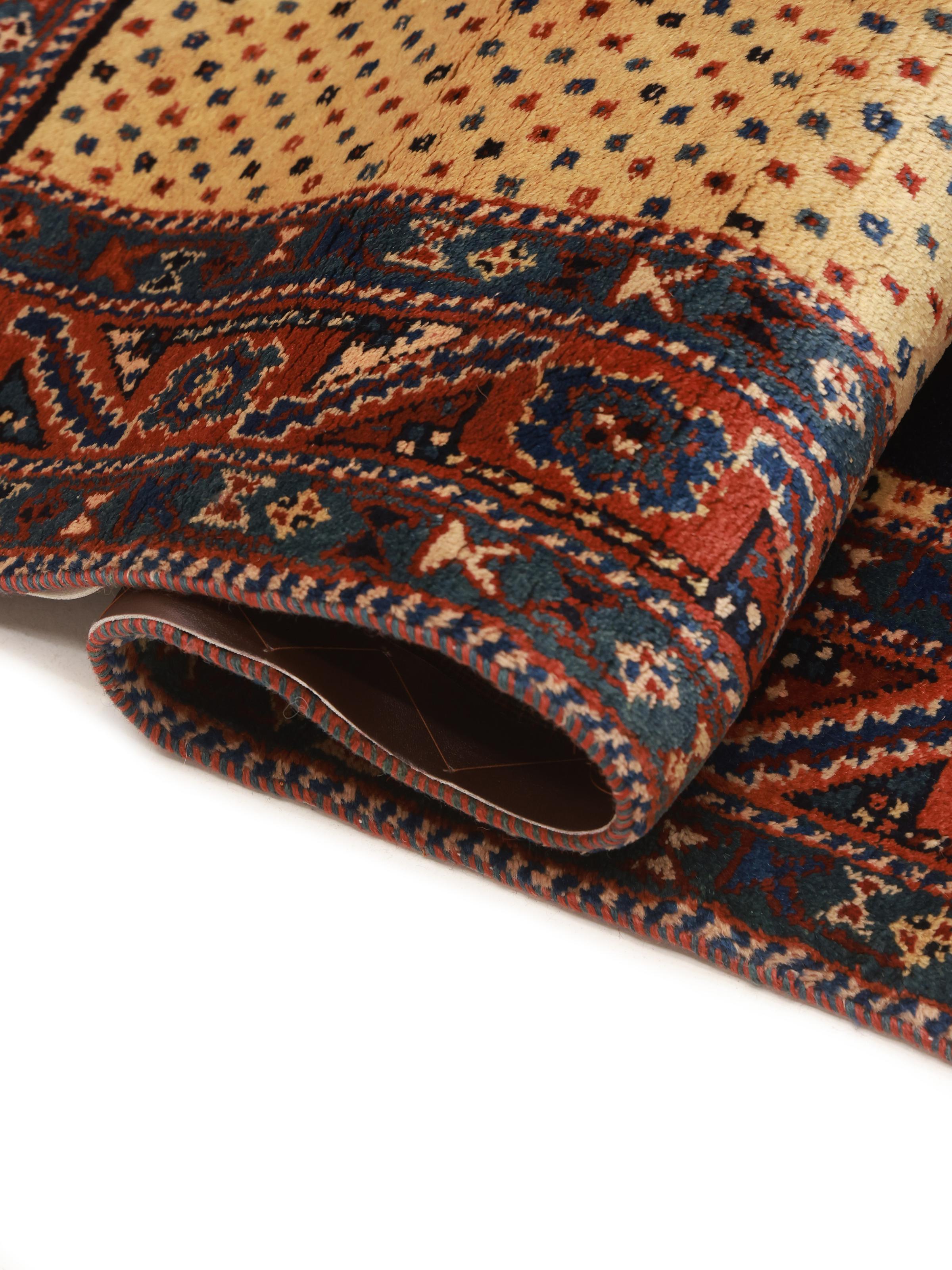
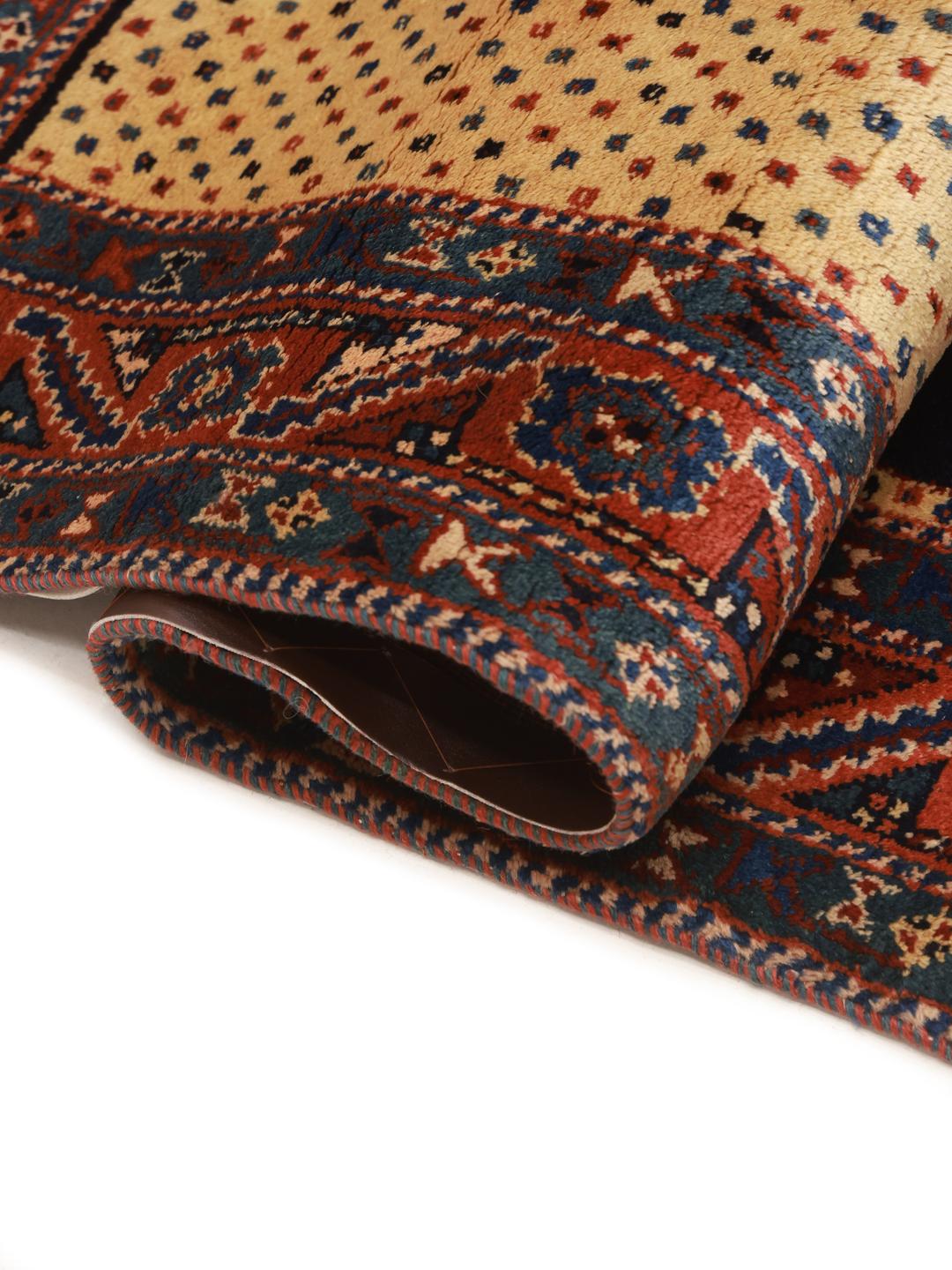
The term 'Kashkooli' refers to a specific, highly regarded style within the Gabbeh tradition. Historically associated with the Qashqai tribes, Kashkooli rugs are known for being more finely woven and artistically refined than standard nomadic Gabbehs. This evolution signifies a move toward more intricate designs, utilising higher knot densities to achieve a smoother, more sophisticated finish while still retaining the soul of tribal artistry.
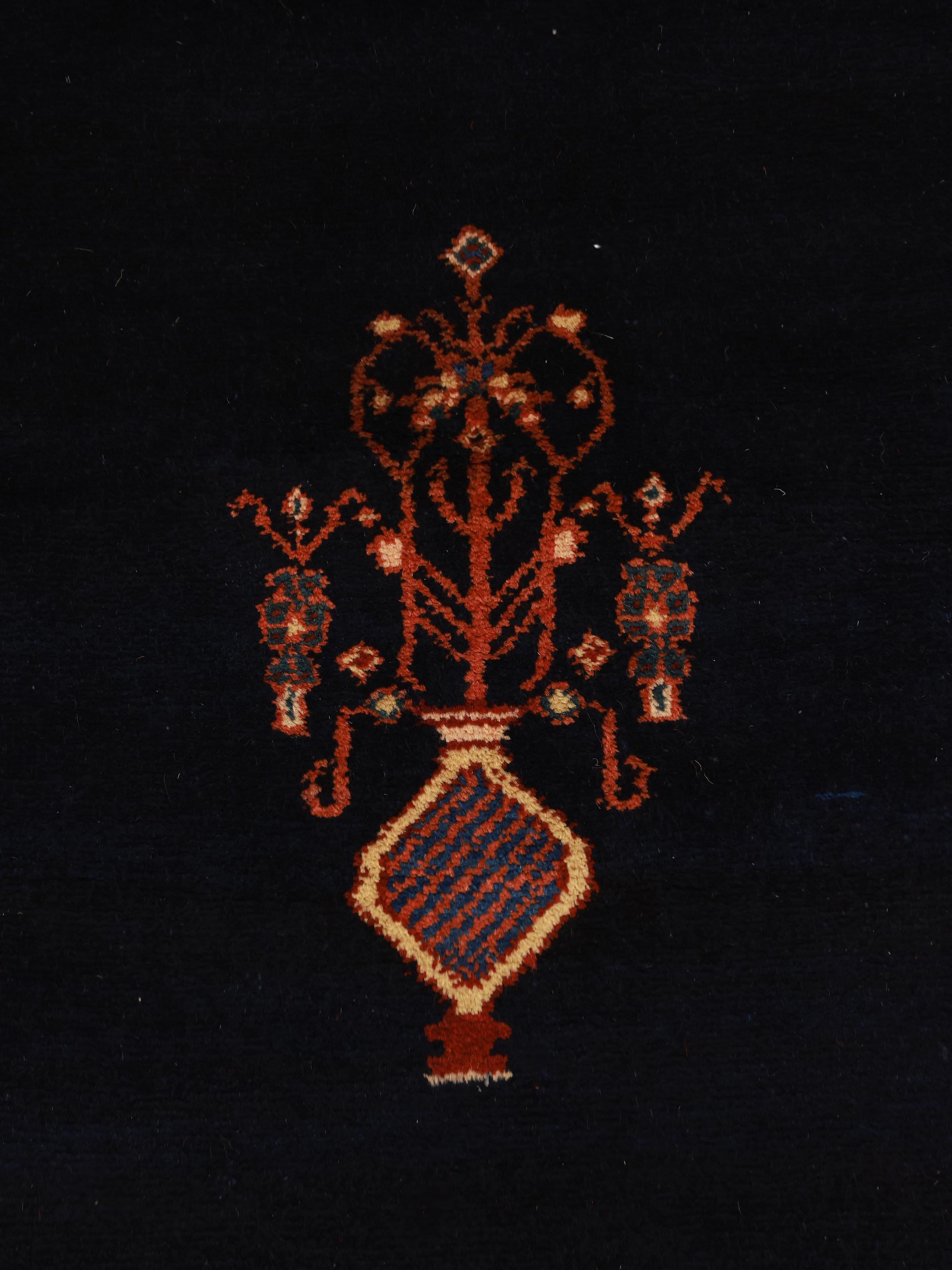
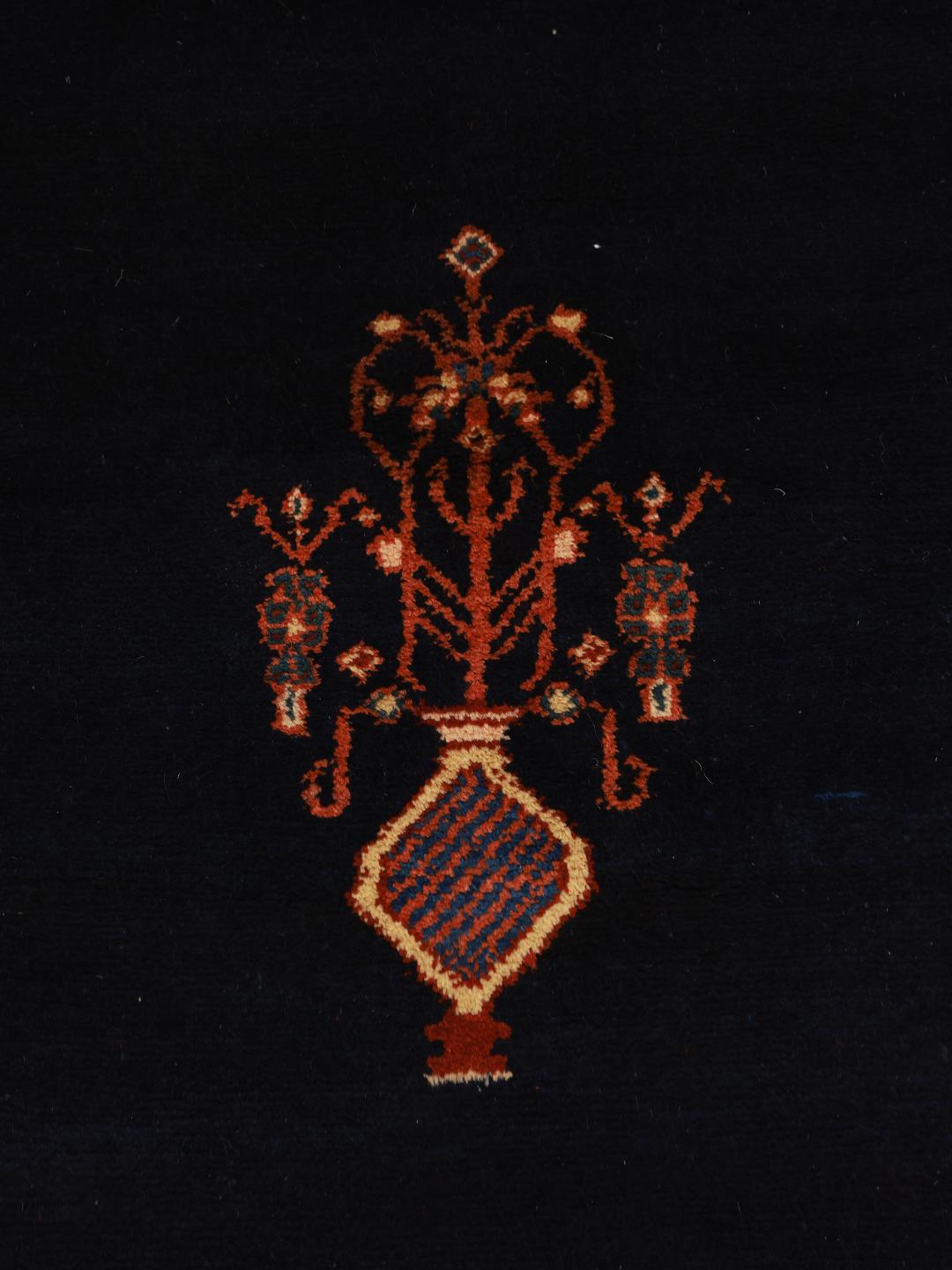
Visually, these rugs are celebrated for their bold use of open space and simple, powerful motifs. While a standard rug might be crowded with complex patterns, the Gabbeh Kashkooli often allows the natural beauty of the wool to take centre stage, accented by stylised botanical elements or geometric shapes. The deep, rich hues are typically achieved through traditional dye methods, often using natural materials that age gracefully over time.
Collecting a Gabbeh Kashkooli is an act of preserving a fading way of life. These rugs are highly valued for their authenticity and the human story embedded in every fibre. To own one is to possess a piece of cultural heritage that connects the modern home to ancient traditions of patience, skill, and creative freedom.