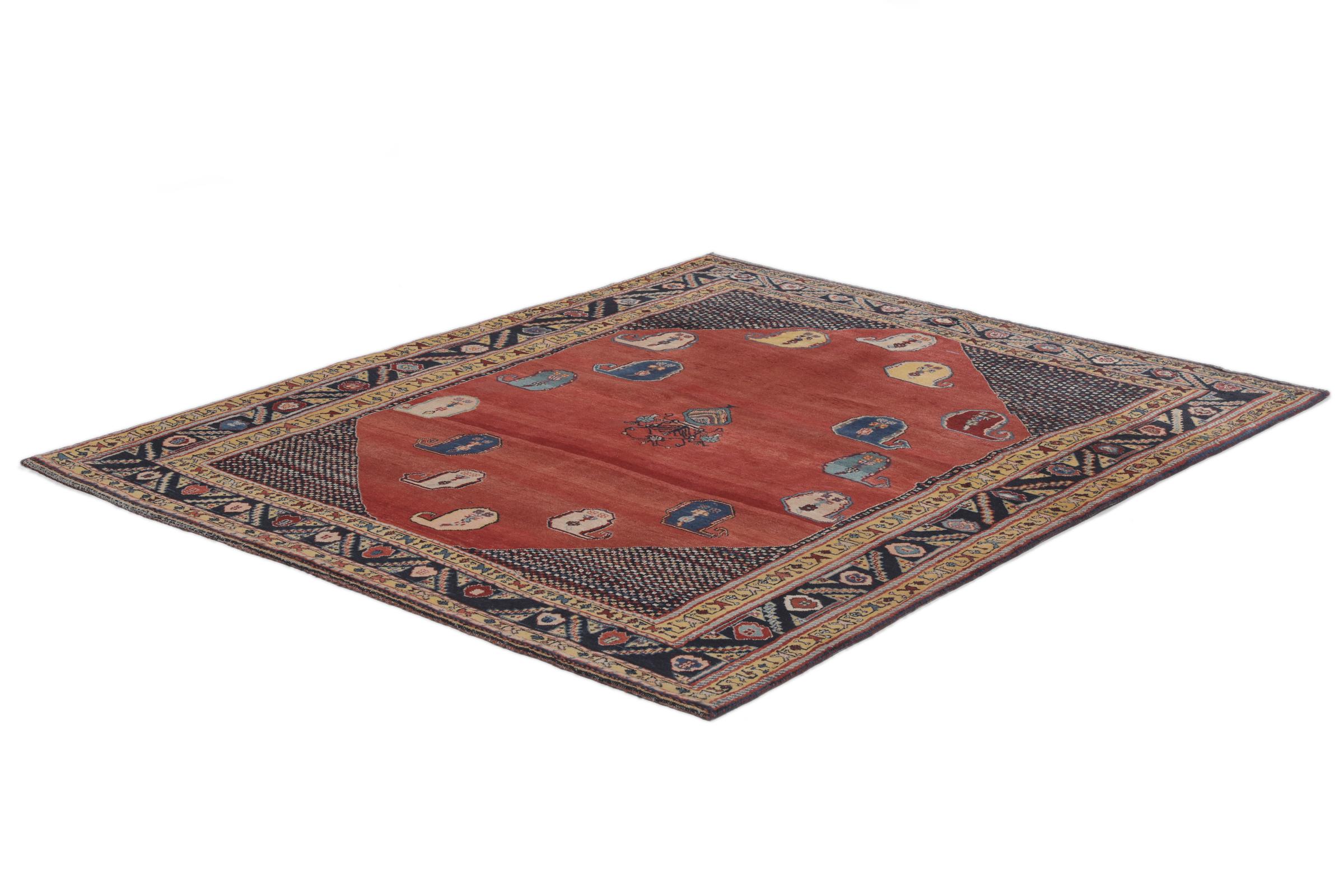
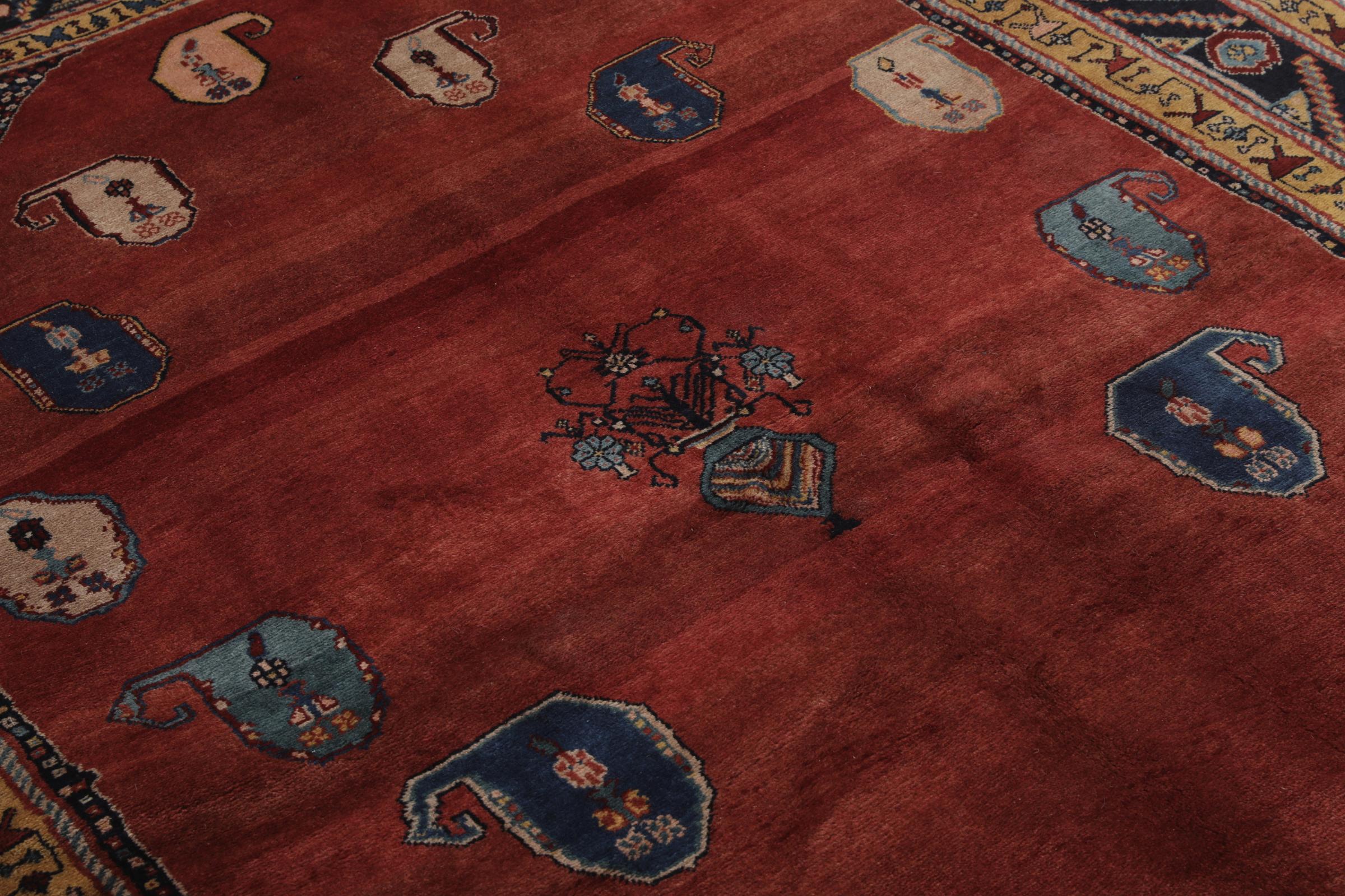
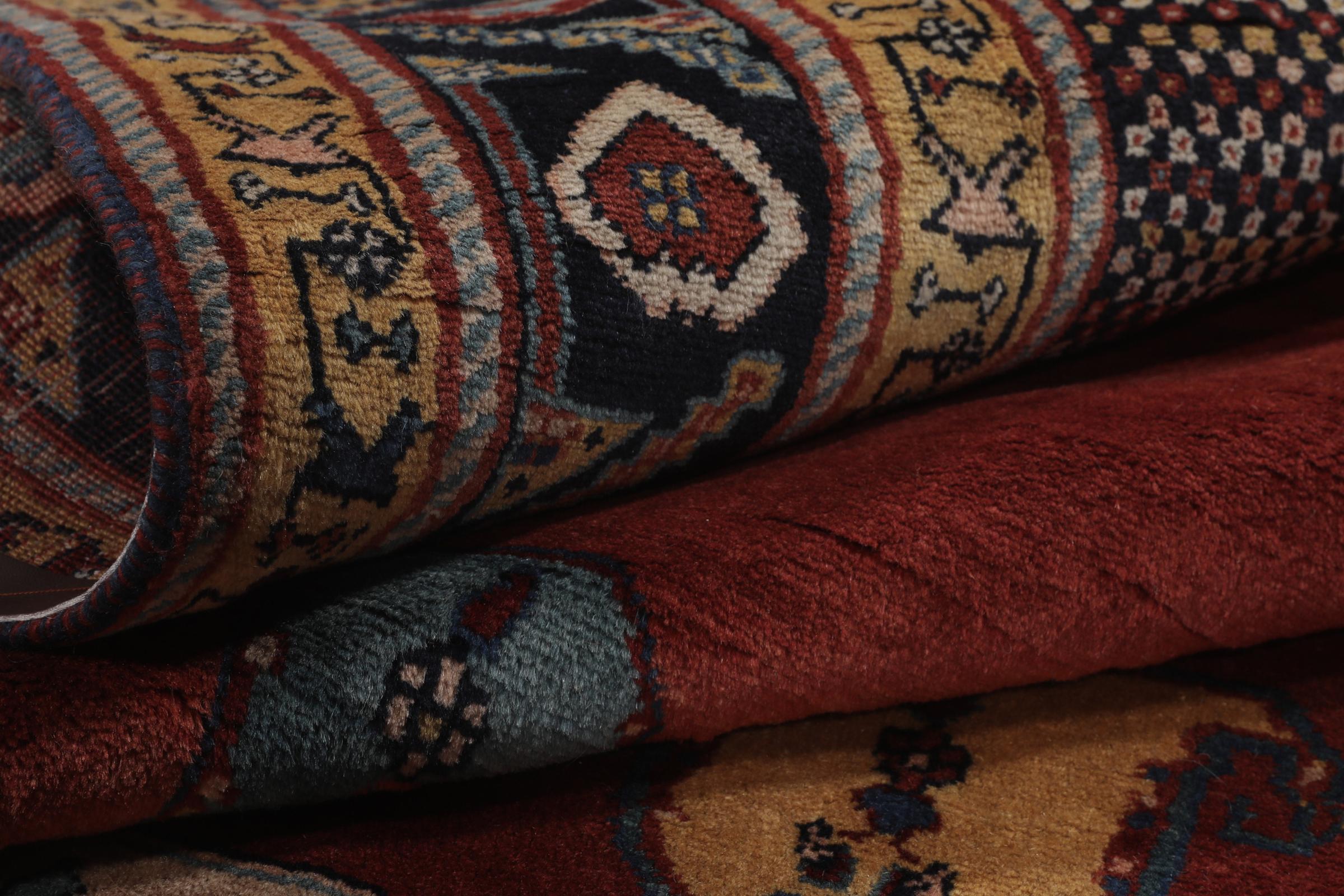
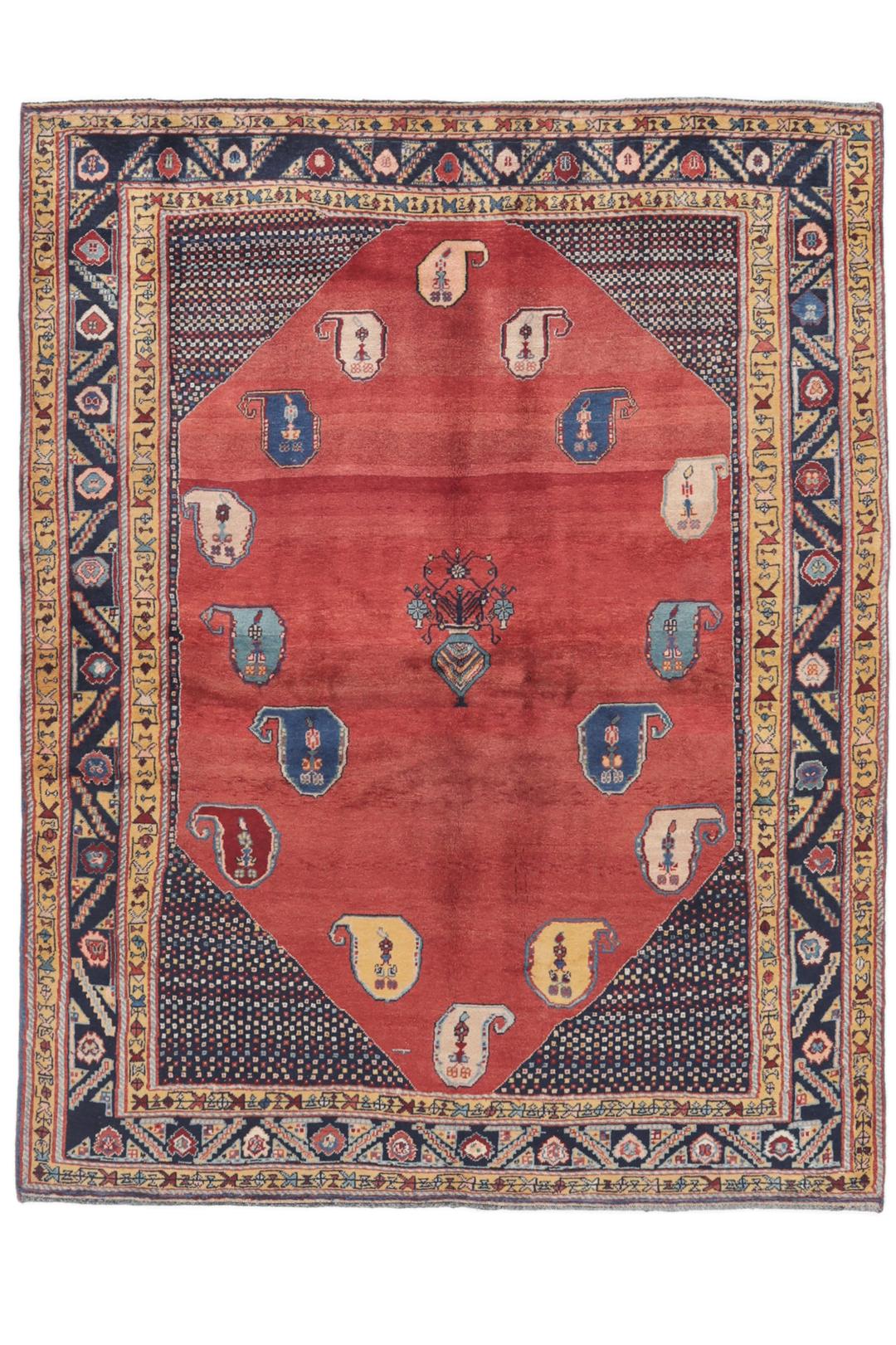
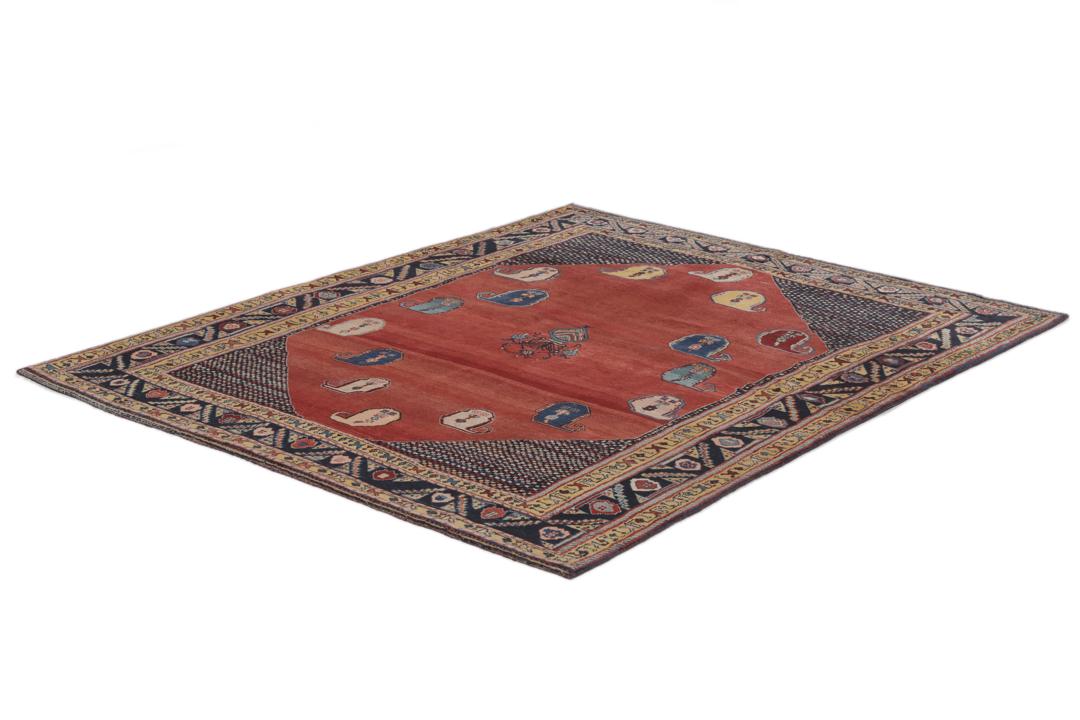
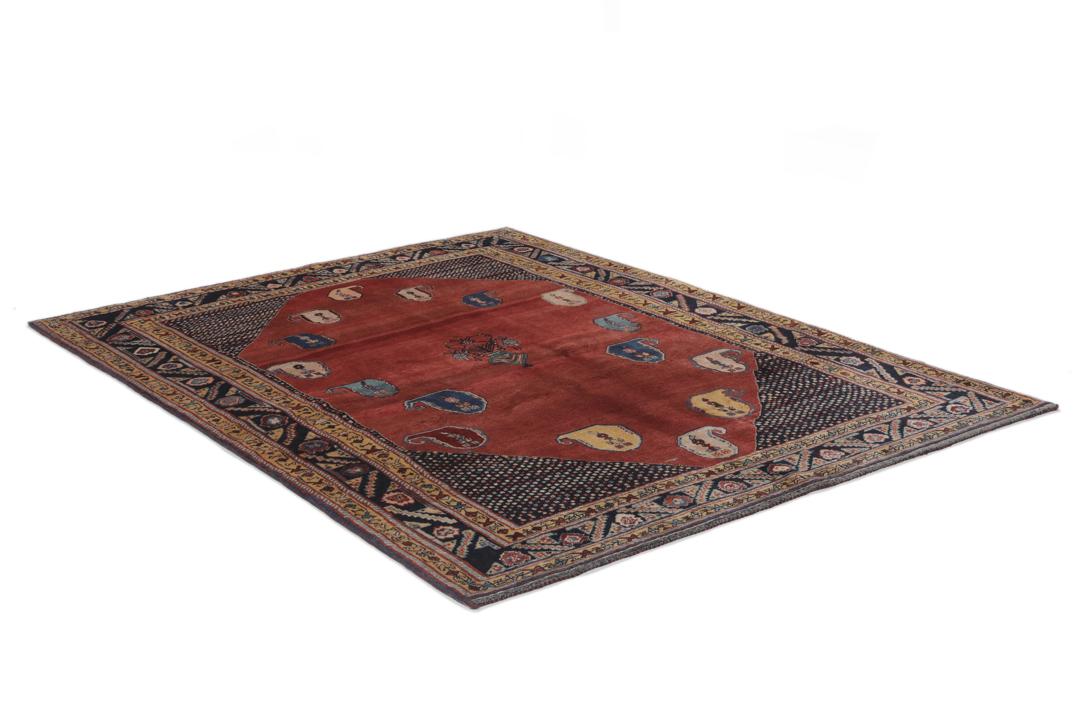
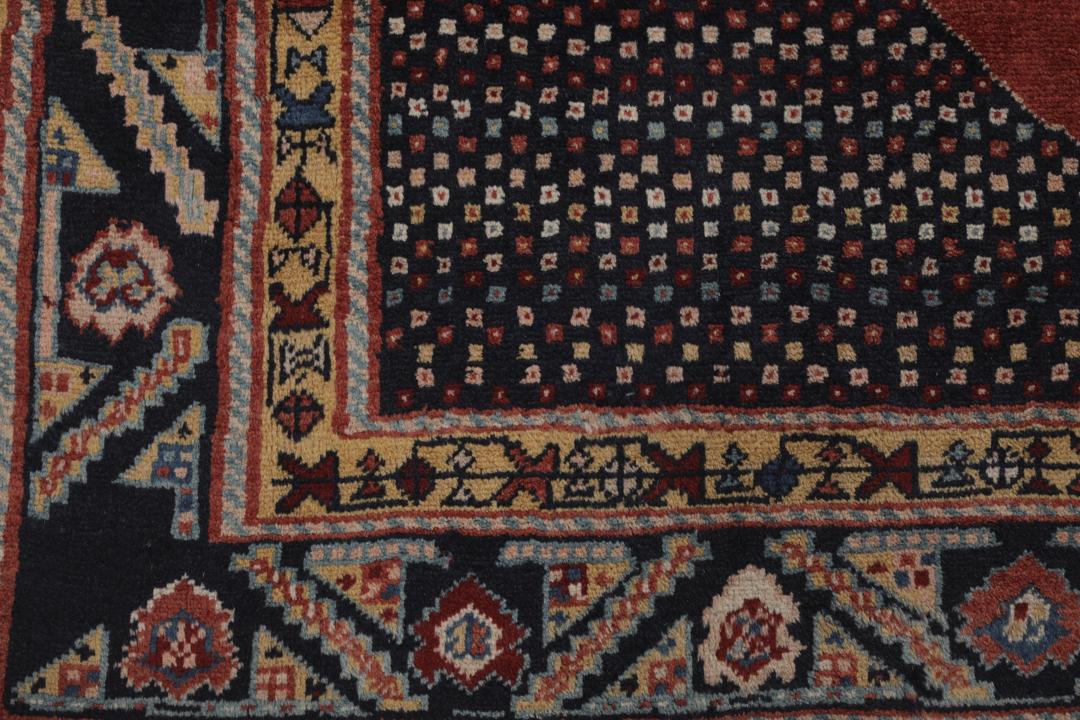
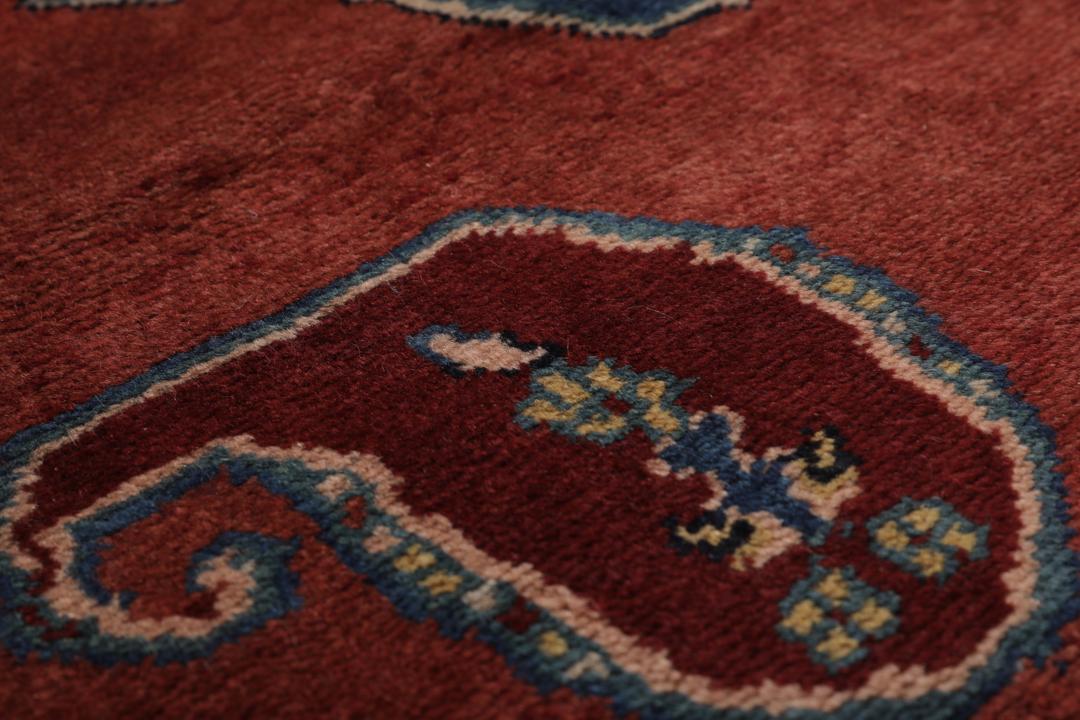
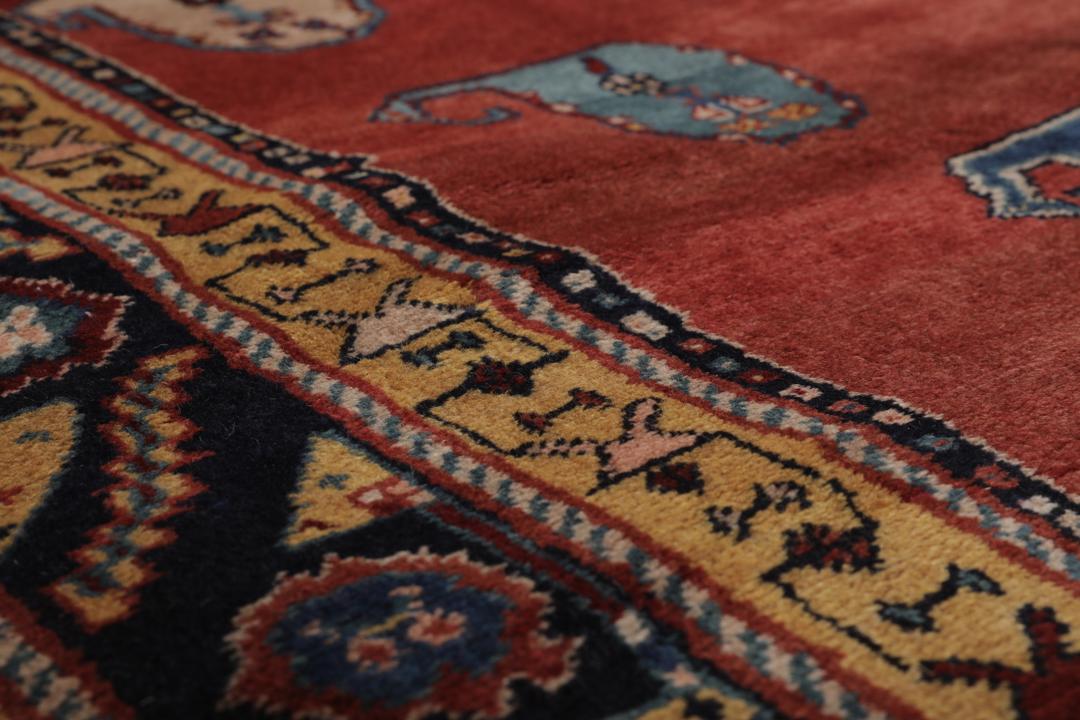
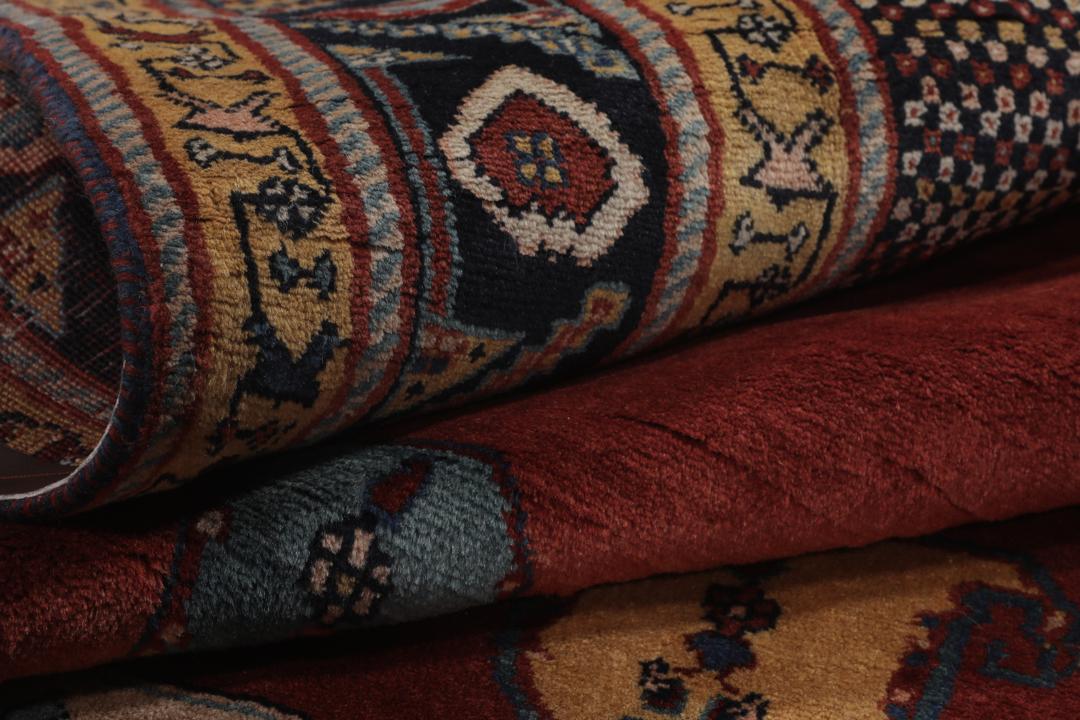
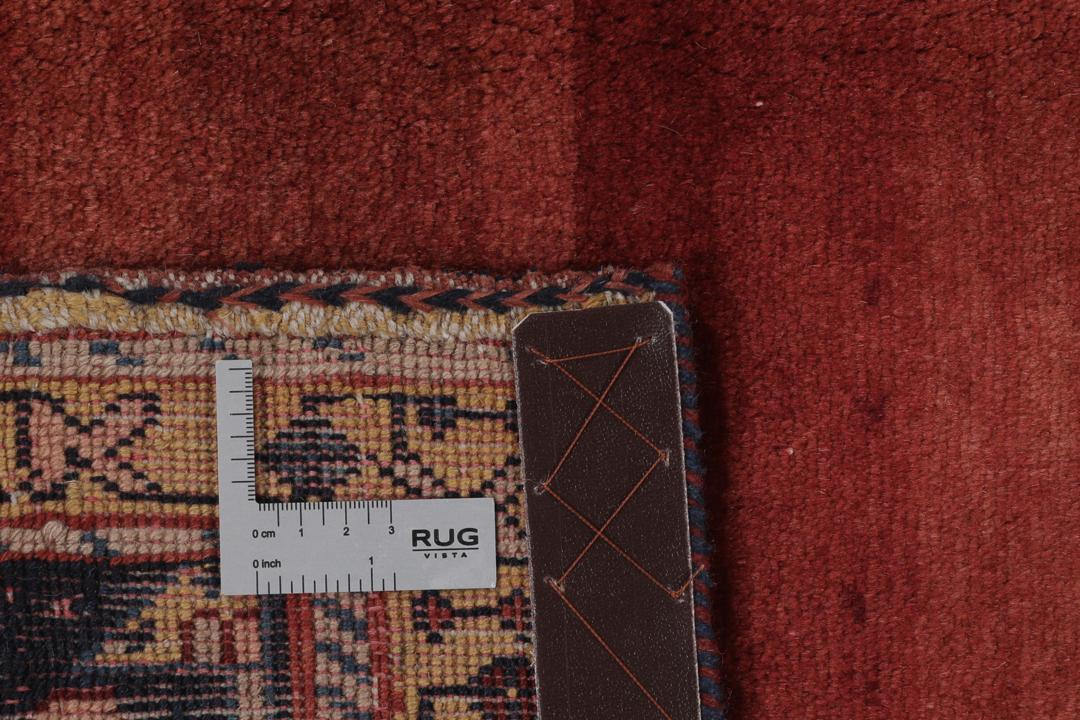
The Gabbeh Kashkooli is a distinguished member of the wider Gabbeh family, originating from the nomadic tribes of the Middle East. Unlike standard tribal rugs that often feature simpler, more abstract designs, the Kashkooli sub-type is celebrated for its finer weave and more sophisticated, deliberate patterning.
Historically, these rugs were woven by tribal women who used their craft to express their cultural identity and personal stories. The term itself refers to this specific, more refined style of knotting which allows for greater detail than the thicker, coarser rugs typically associated with nomadic life. This evolution in technique represents a bridge between rustic utility and refined artistic expression.
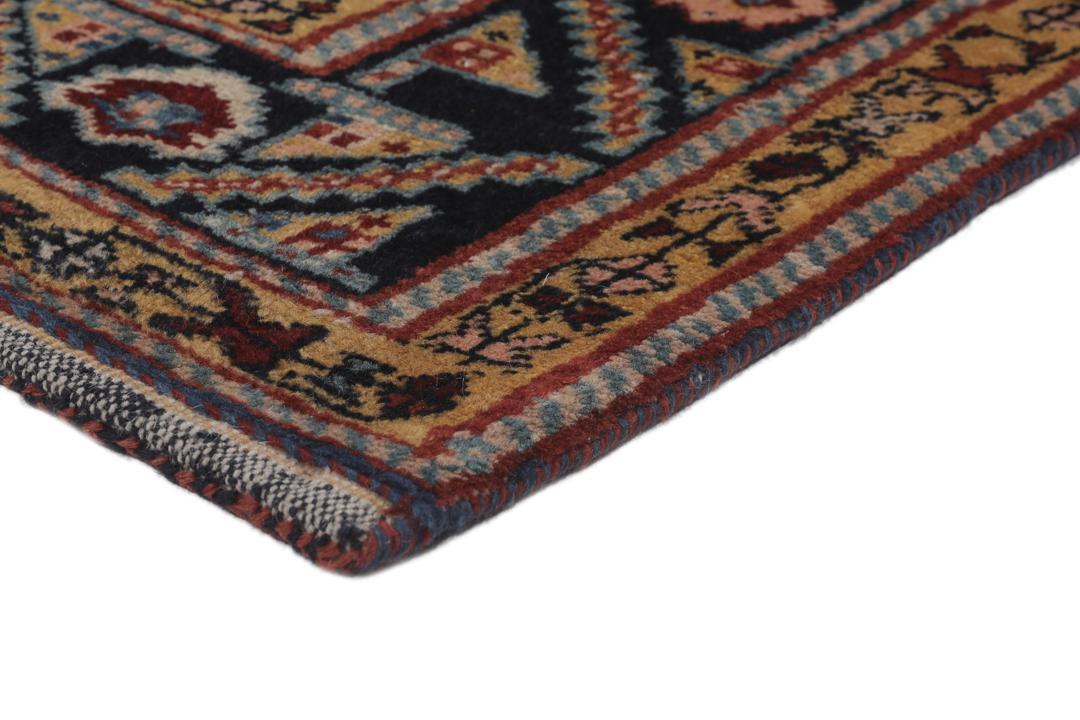
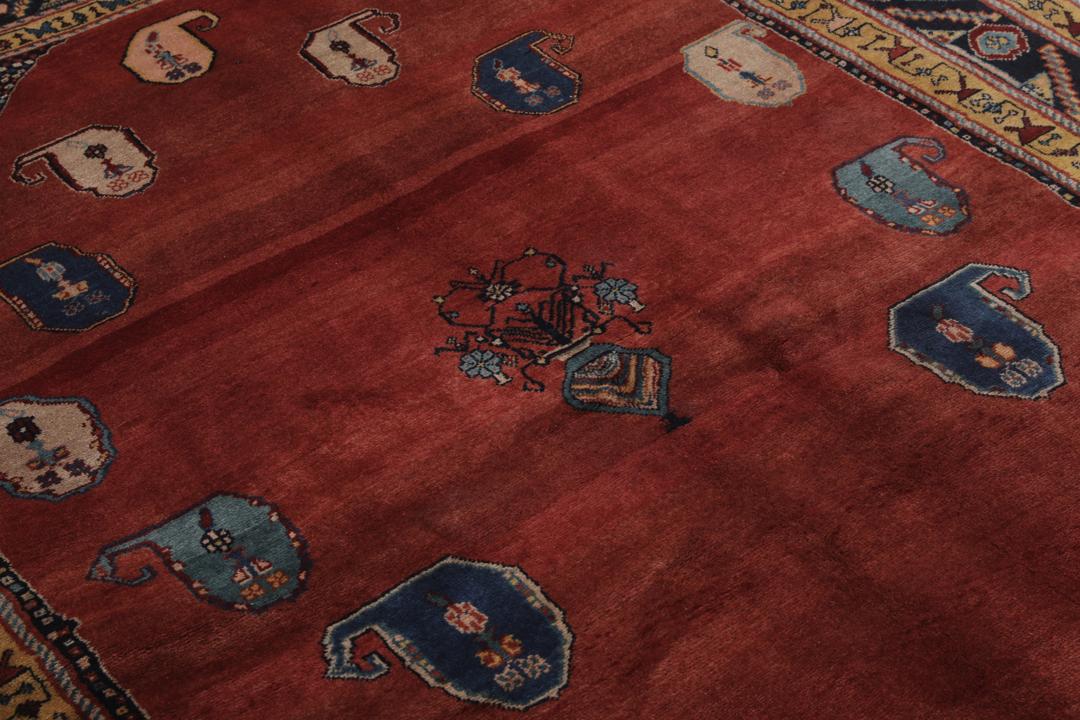
The design of this rug is anchored by the boteh, a teardrop-shaped motif that is deeply symbolic in Middle Eastern textile arts, often representing the cypress tree or a flame. The presence of a central vase motif is also a classic element, symbolising abundance and growth, enclosed by intricate, multi-layered borders that frame the narrative of the field.
Collecting a piece like this is a way to preserve a living craft tradition. These rugs are valued not just for their aesthetic appeal, but for the skill required to maintain consistency in colour and pattern without the use of modern machinery. Owning one is an investment in human heritage and a testament to the enduring appeal of hand-made artistry.